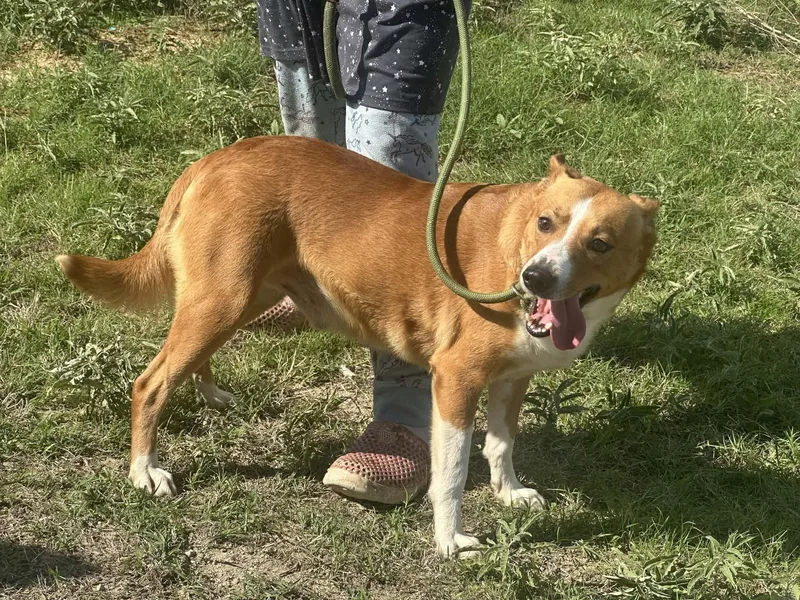
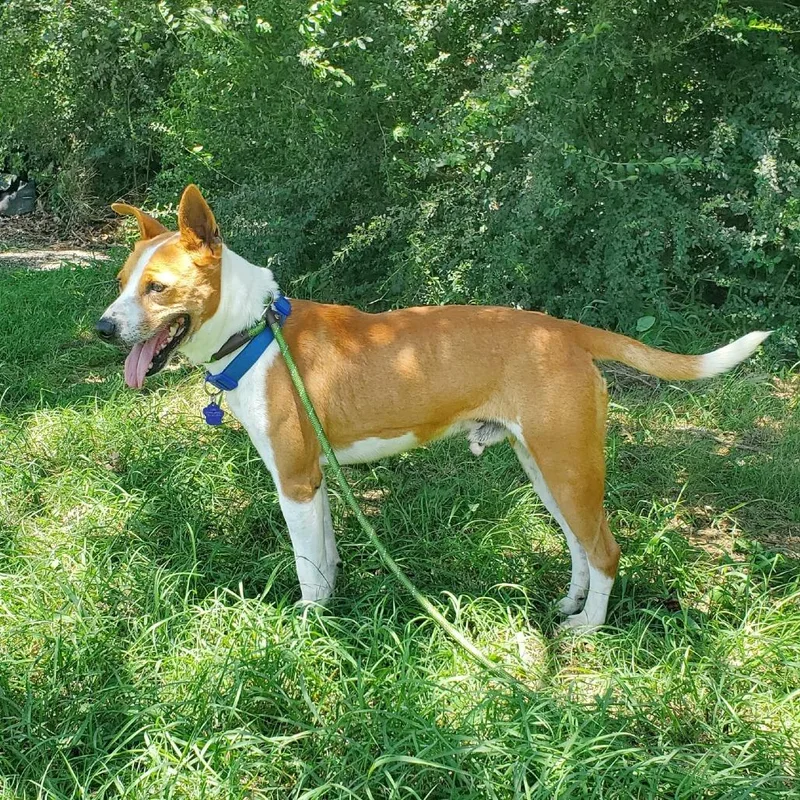
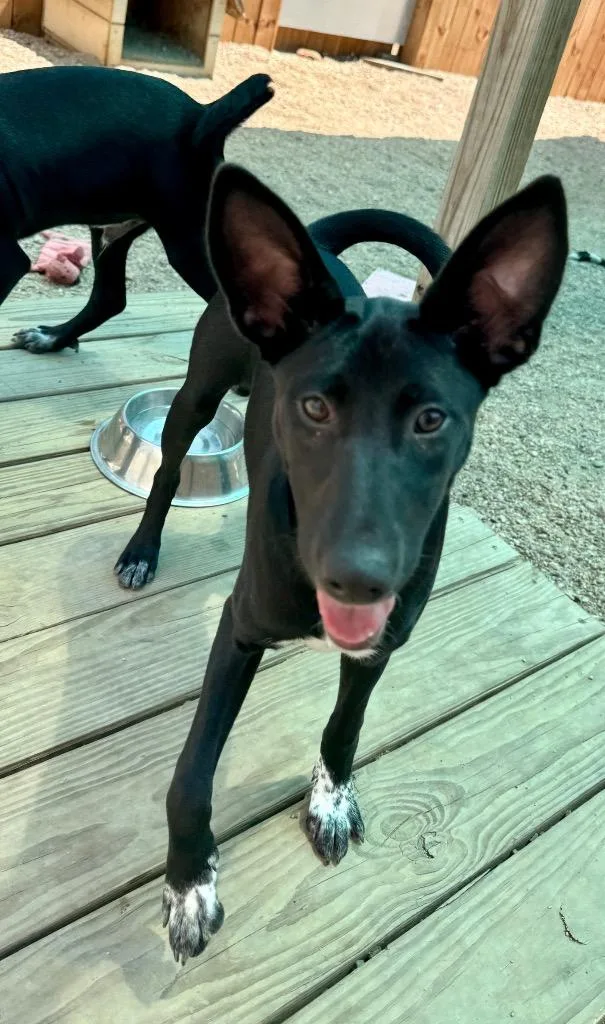
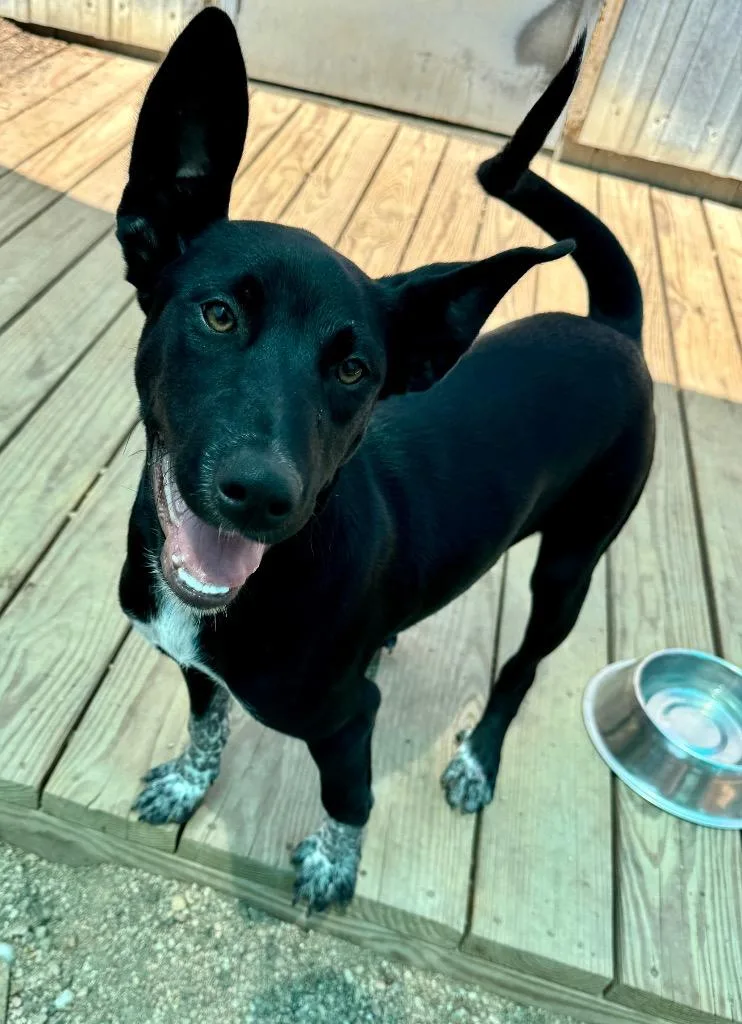
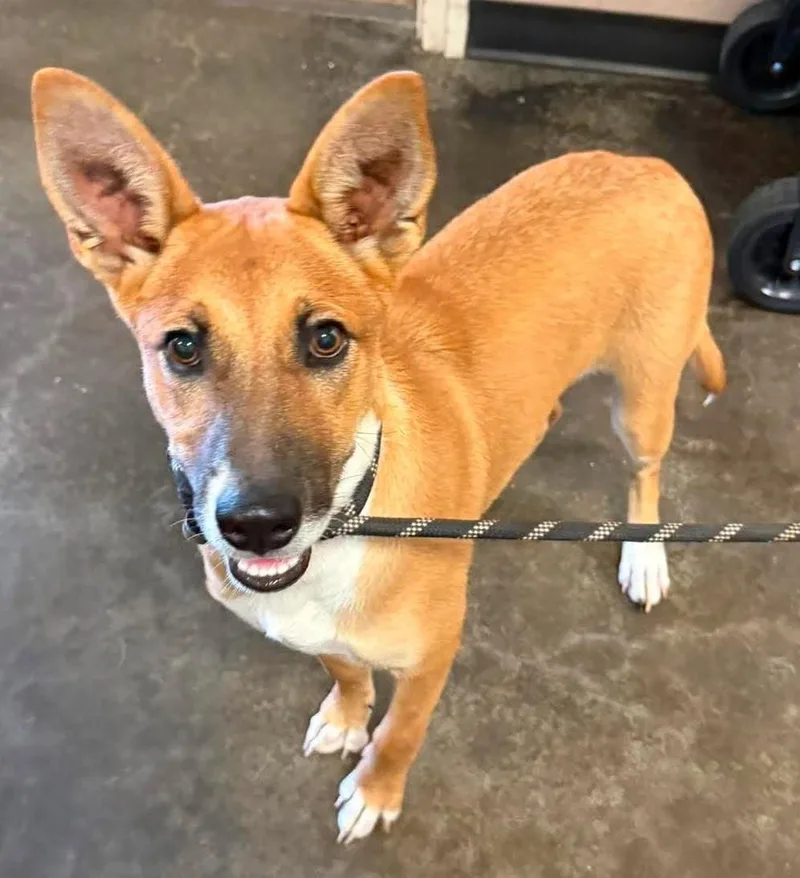
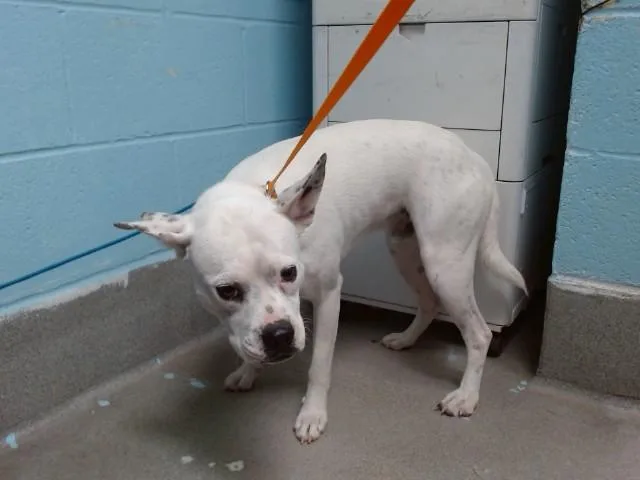
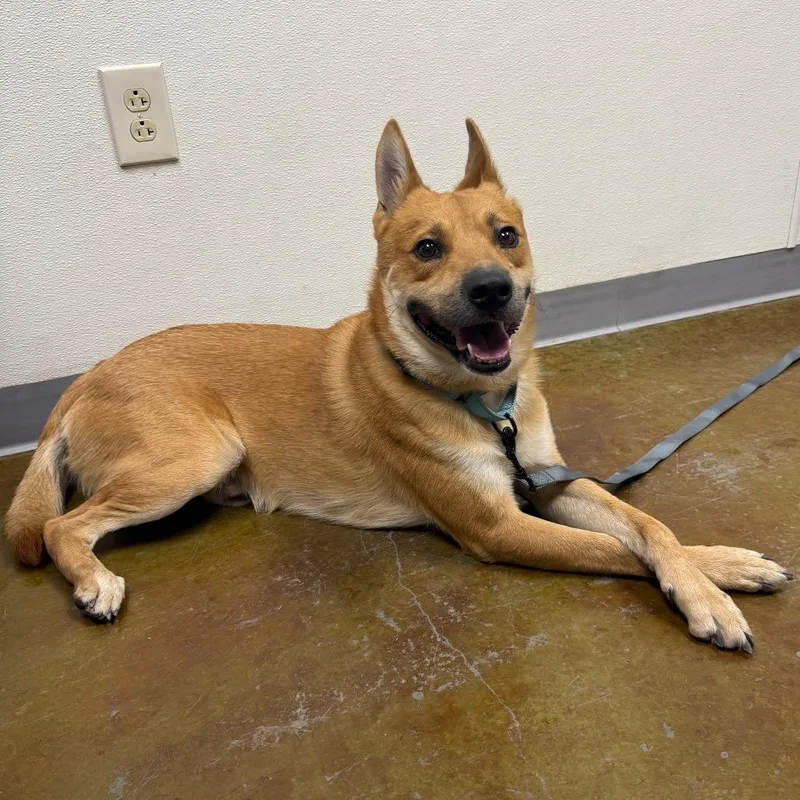
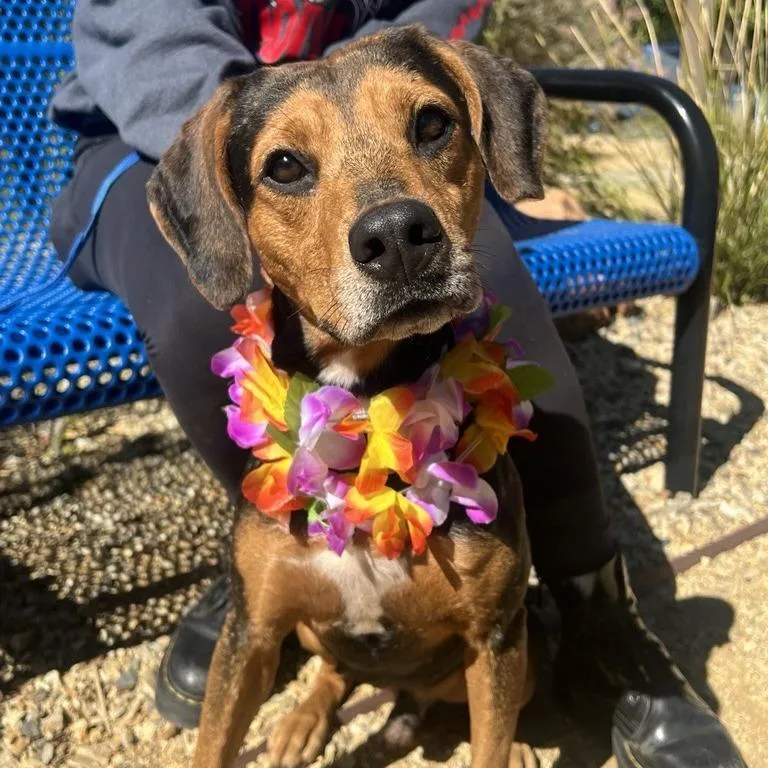
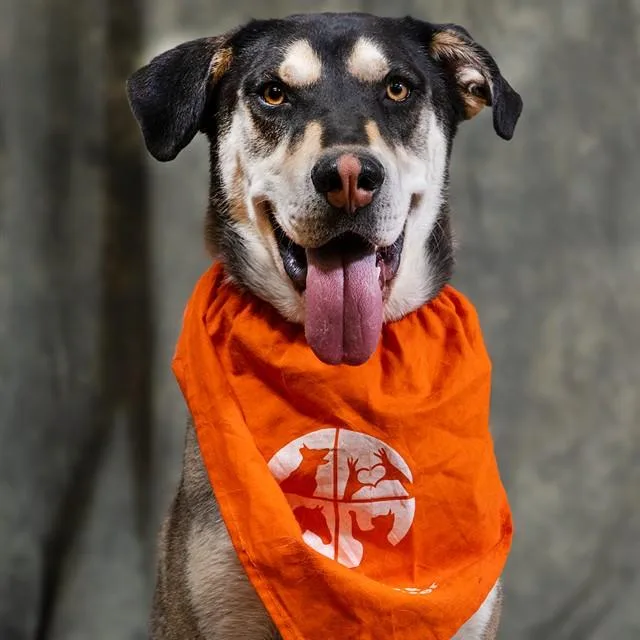
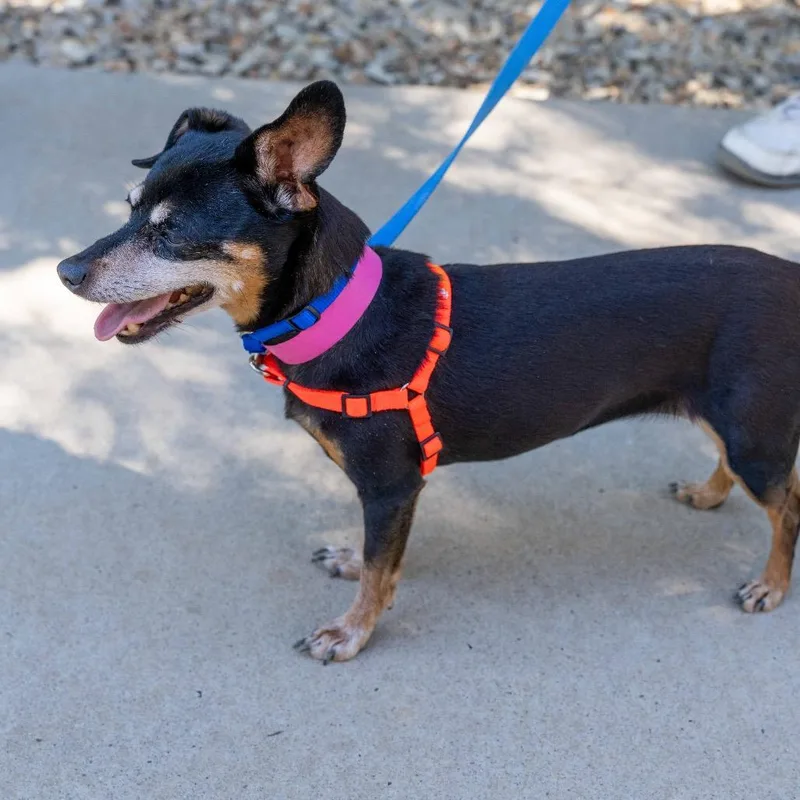
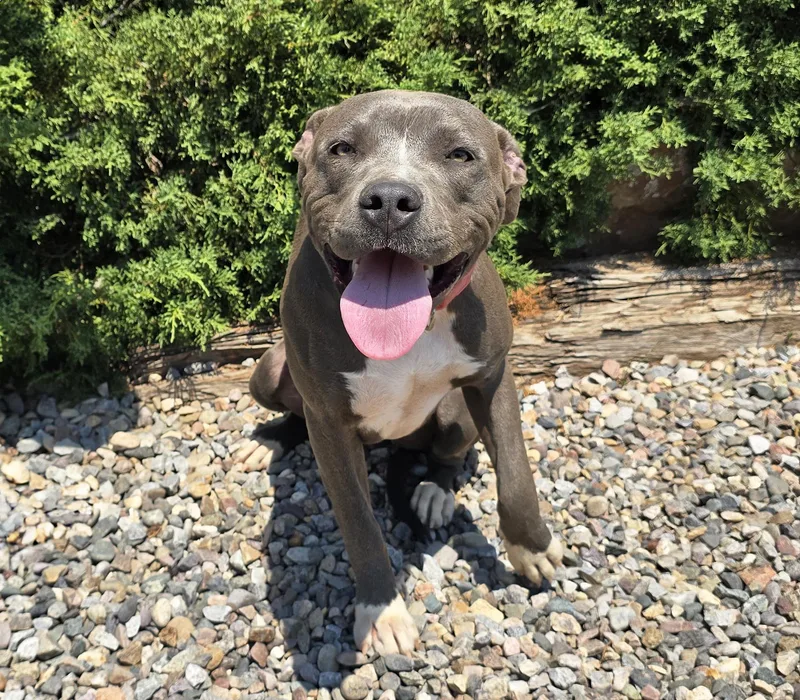
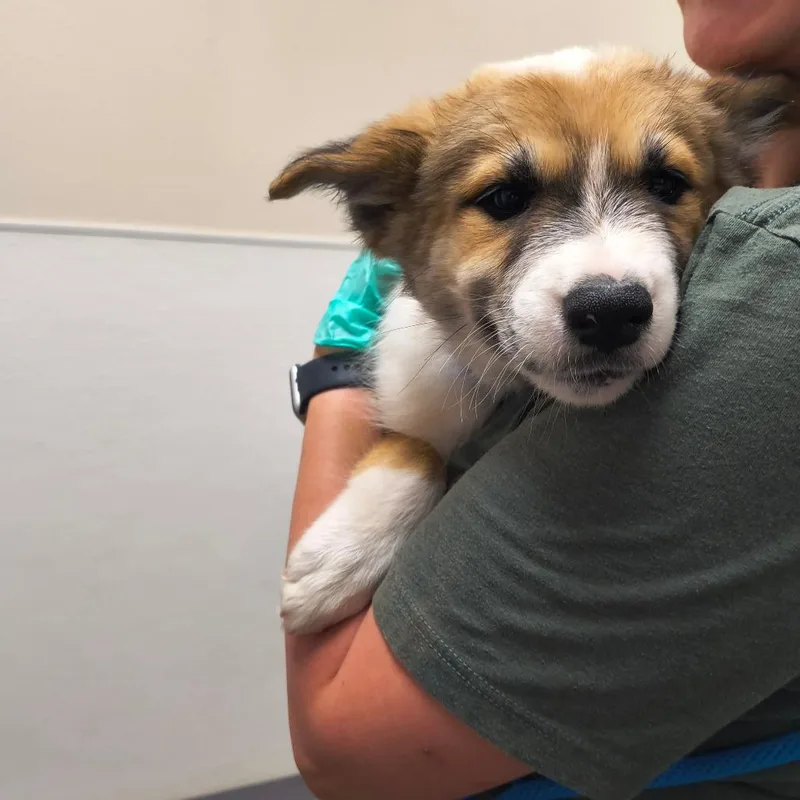
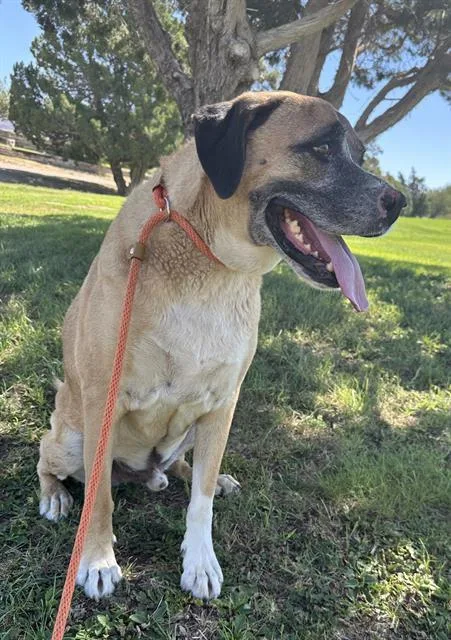
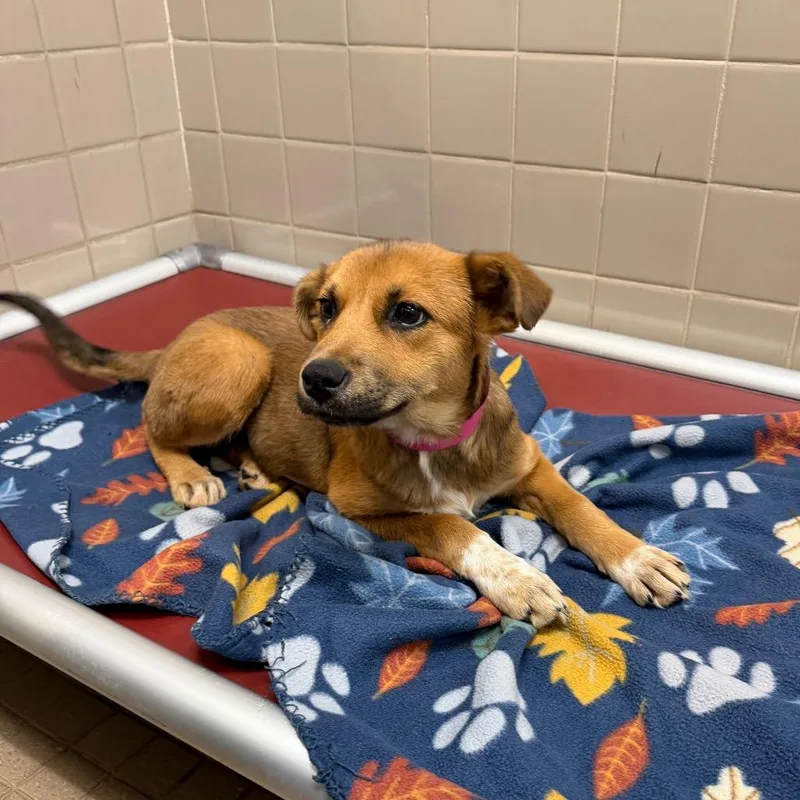
Basenji Dogs for Adoption in Albuquerque, NM

Your guide to finding and caring for a Basenji in Albuquerque

A Basenji fits Albuquerque's Westside well if the yard fence is solid. Basenjis climb and squeeze through gaps, so a Volcano Cliffs yard with a tight fence or a Ventana Ranch townhouse with a secure patio matters more than square footage. They rarely bark, which neighbors appreciate, and the Paseo de la Mesa Trail into Petroglyph National Monument gives a leashed Basenji plenty to sniff. Early mornings, while it's still cool, are the best time to burn off that energy.

155 Basenjis available in Albuquerque and nationwide

Fall for a Basenji

While we don't have enough dogs near Albuquerque, keep in mind that many rescues may offer transport.

Basenjis Available for Adoption Near Albuquerque

About the Basenji breed

The Basenji is a small hunting dog from Central Africa's Congo basin, where village hunters relied on its speed and sharp nose to drive small game into nets. It's one of the oldest dog lineages known. Instead of barking, it yodels and makes a sound called a baroo. Adults weigh about 20 to 26 pounds, with a short, fine coat, wrinkled brow, upright ears and a tightly curled tail.

In Albuquerque, the self-cleaning coat keeps grooming light, though it offers little insulation on freezing mornings. Many Basenjis are affectionate with their families, reserved with strangers and ruled by a strong chase drive, so they do best with secure fencing, daily exercise and patient, creative training. Dogs vary, and some are cuddlier or more mischievous than the breed description suggests.

Weight
20–26 lbs
Height
15–18 in
Lifespan
12–15 yrs
Temperament
Independent, Intelligent, Alert, Affectionate
Group
Hound
Shedding
Low

Owning a Basenji in Albuquerque

Having a Basenji in Albuquerque

Basenjis pair a hunter's chase drive with catlike independence and an unusual voice. In Albuquerque, the practical questions are secure fencing, chilly mornings for a short-coated dog, and whether your schedule leaves room for real daily exercise and mental work.

Temperament

Basenjis tend to be affectionate at home, alert and reserved with strangers, and independent enough to ignore a command that seems pointless. In a city with busy sidewalks and neighborhood coyotes, that alertness usually shows up as watchfulness rather than barking. Chase drive can make squirrels and small pets a risk, though dogs vary widely.

Exercise Needs

Plan on a brisk daily walk plus a chance to sprint in a fenced space. Albuquerque has more than 30 fenced city dog parks, a good outlet for a Basenji older than six months. Everywhere else, keep the leash on, because chase drive and open mesa trails don't mix. Puzzle toys fill the gaps.

Health Considerations

Basenjis can inherit Fanconi syndrome, progressive retinal atrophy, pyruvate kinase deficiency and hypothyroidism, and DNA tests exist for some. A veterinarian can discuss testing and periodic urine screening. In Albuquerque, add hydration and paw checks in summer and rattlesnake awareness from April through October, since a bite is an emergency.

Living Space

Basenjis can live in a townhouse, apartment or house if exercise and mental work are covered, and rarely barking helps with shared walls, though they do yodel. A solid, climb-resistant fence matters more than square footage. Many dislike cold and rain, so plan a warm indoor spot for winter mornings and monsoon afternoons.

What it costs to own a Basenji in Albuquerque

ExpenseTypical costPer year
Food$20 to $45 per month$240 to $540
Pet insurance$40 to $85 per month$480 to $1,020
Routine vet care$200 to $400 per year$200 to $400
Other*$375 to $1,050 per year$375 to $1,050
Estimated yearly total (after year one)$1,295 to $3,010

Other costs are estimates and vary with size, age and health.

* Flea, tick and heartworm prevention, a dental cleaning allowance, durable chew toys and bedding, and minimal grooming for a short, self-cleaning coat; Albuquerque has no city dog license fee.

Adopt a Basenji in Albuquerque.

Now that you know more, let’s find you a new best friend. These rescues and shelters below currently have Basenjis available.

Frequently Asked Questions

Yes, you can own a Basenji in Albuquerque, which has no breed-specific rules; its dangerous-dog laws look at a dog's behavior, not its breed. Expect to microchip, vaccinate against rabies and spay or neuter, and keep to four dogs per household. Other New Mexico towns can set their own breed rules, so confirm before moving to a neighboring municipality.

A Basenji can be a good fit for Albuquerque life if you offer daily exercise and a secure yard or patio. Dry, sunny weather and plentiful dog parks help, and its rare barking suits shared walls. It's a harder match for people away long hours, since bored Basenjis chew and escape, or for anyone wanting an off-leash hiking partner.

Wells Dog Park near Old Town and Canine Skyline Dog Park near the foothills are fenced options among more than 30 city dog parks. For walks, the Paseo del Bosque Trail allows leashed dogs, as does Rinconada Canyon in Petroglyph National Monument, with a six-foot leash. Skip the petroglyph trails at Boca Negra Canyon, where pets aren't allowed.

Basenjis can handle Albuquerque winters with some help. Nights often fall into the 20s, and the thin coat means most need a sweater or coat for early walks and shorter outdoor breaks. Days are usually sunny and snow is light, so midday walks are comfortable. Keep a warm bed indoors, since many Basenjis dislike cold and wet weather.

No. ABQ RIDE buses, including the Albuquerque Rapid Transit line on Central Avenue, allow service animals only, so a pet Basenji can't ride. The Rail Runner commuter train doesn't allow pets either. Albuquerque has no subway or light rail, so plan on a car or on walking routes for vet visits and park trips.

Sometimes, on patios only. New Mexico law lets restaurants choose to allow leashed dogs in designated outdoor dining areas, so look for the posted sign. Dogs must stay off chairs, tables and other furnishings, and a restaurant can say no. Inside, only service animals are allowed, so plan to leave your Basenji at home for indoor meals.

Very little. A Basenji's short, fine coat sheds lightly and the dog cleans itself much like a cat, so a weekly rub with a soft brush and occasional baths are usually enough. In Albuquerque's dry air, wipe off dust after windy spring afternoons and check paw pads after hot pavement. Nails and teeth need regular care.

A Basenji is a small, ancient hunting dog from Central Africa, famous for not barking. It belongs to the AKC Hound Group and was recognized in 1943. Basenjis are lean and elegant, with a wrinkled forehead, upright ears and a tightly curled tail. They tend to be clever, independent, clean and energetic, with a strong instinct to chase.

We have 1 rescue with Basenjis available: PACA/AAR. You can see every rescue with Basenjis available in the list above these questions, or scroll to the top to see the Basenjis near Albuquerque.

Plan on roughly $1,300 to $3,000 a year. Food runs $20 to $45 a month and pet insurance $40 to $85, while routine vet care runs $200 to $400 a year. Other costs, such as parasite prevention, dental cleaning, chew toys and bedding, add $375 to $1,050. Albuquerque charges no dog license fee.