Hamiltonstovare Dogs for Adoption in Newark, NJ

Your guide to finding and caring for a Hamiltonstovare in Newark

A Hamiltonstovare fits Newark best when there's a daily walk built into the routine, like the half-mile path in Vailsburg Park or the quiet streets of Forest Hill. These medium-sized scent hounds are friendly and easygoing indoors, but the nose leads outside, so a six-foot leash matters. In a two-family house with close neighbors, expect some baying when a Hamiltonstovare gets bored. Winter snow is fine for the coat.

7892 dogs similar to Hamiltonstovare available in Newark and nationwide

Say hello to your Hamiltonstovare

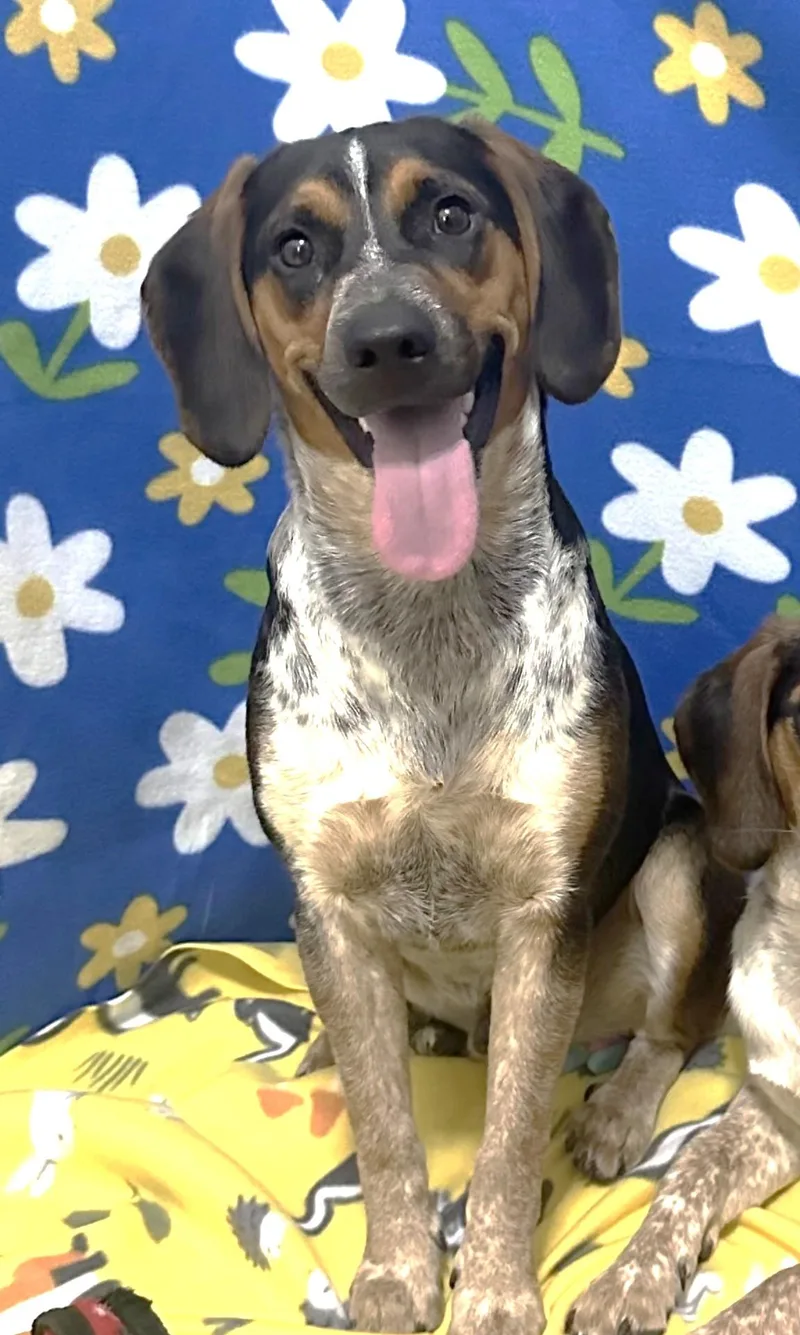
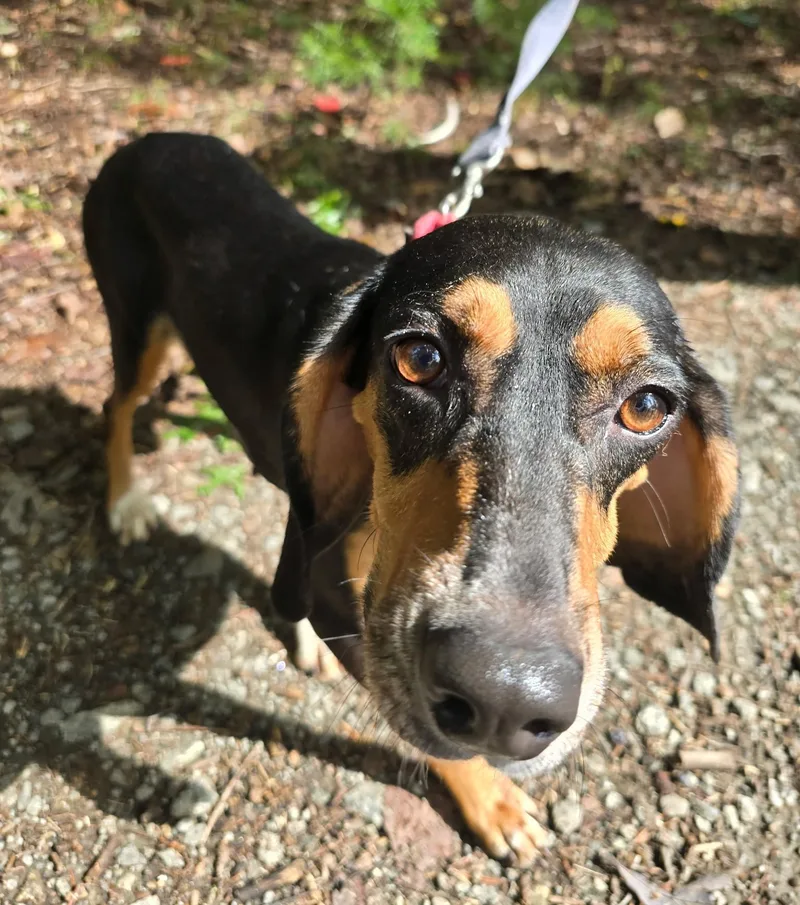
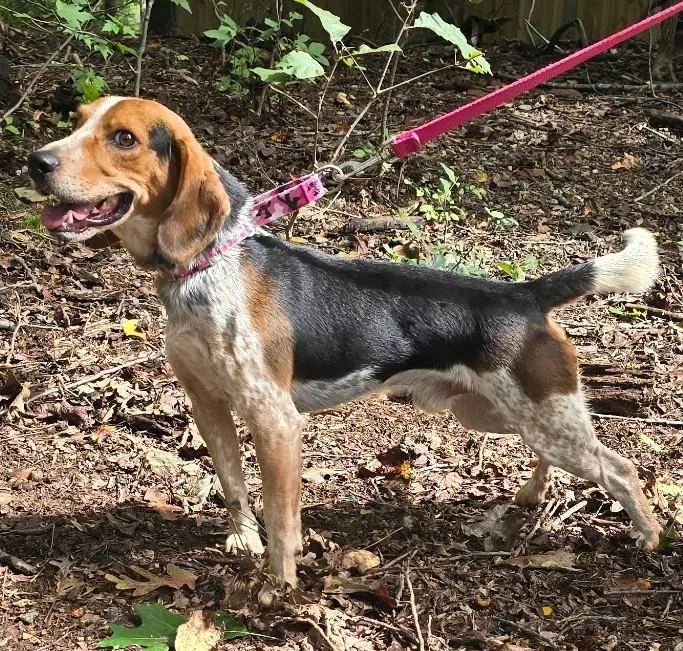
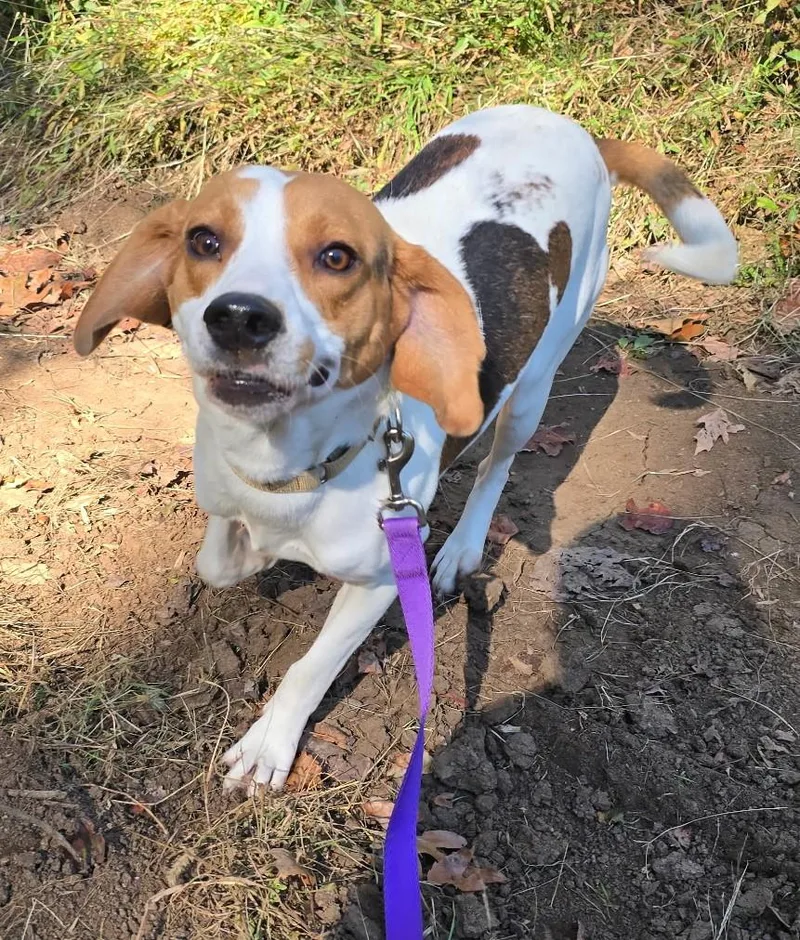
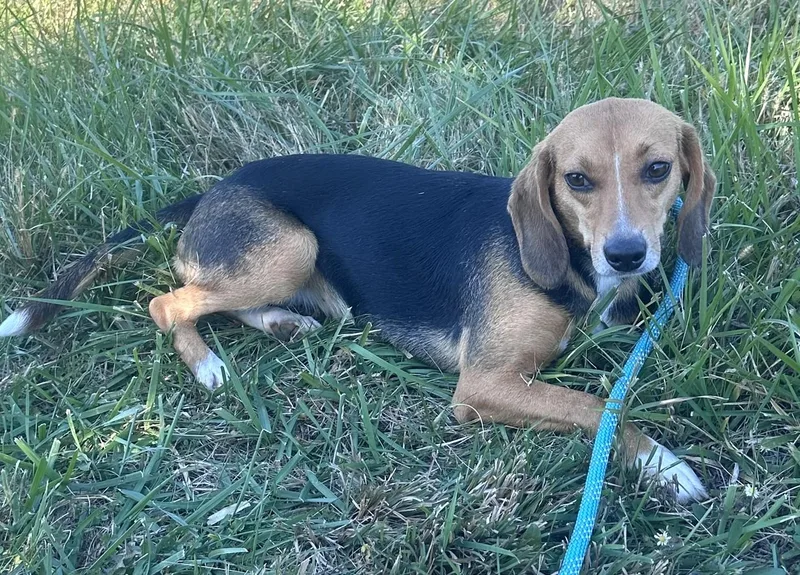
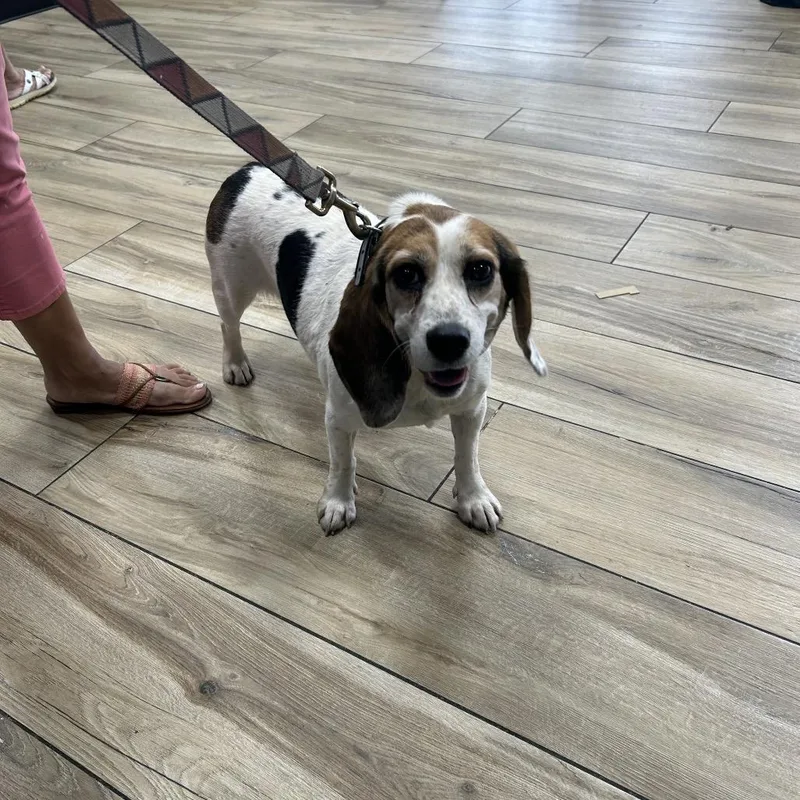
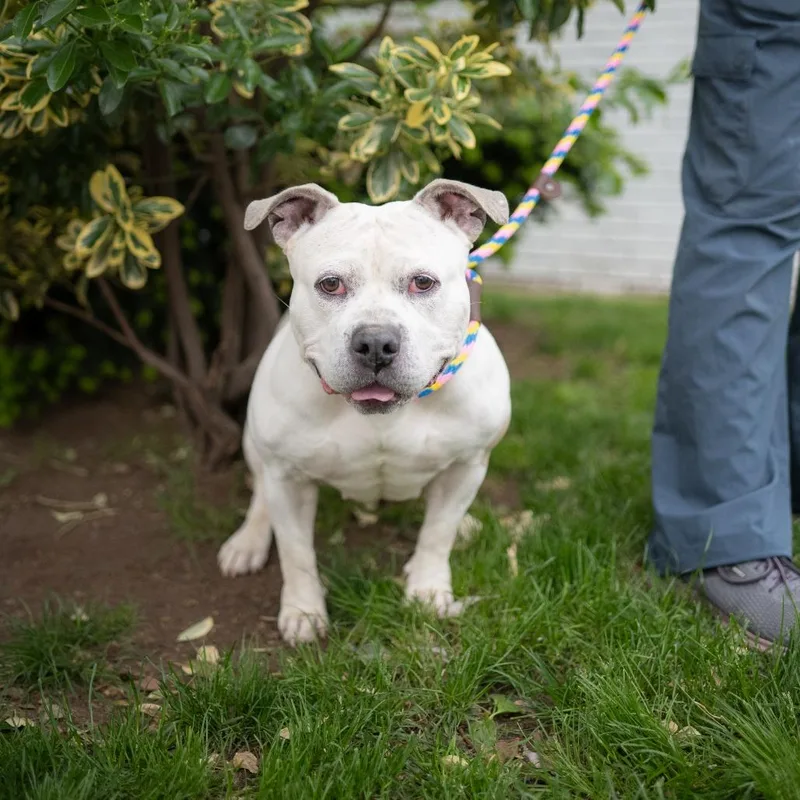
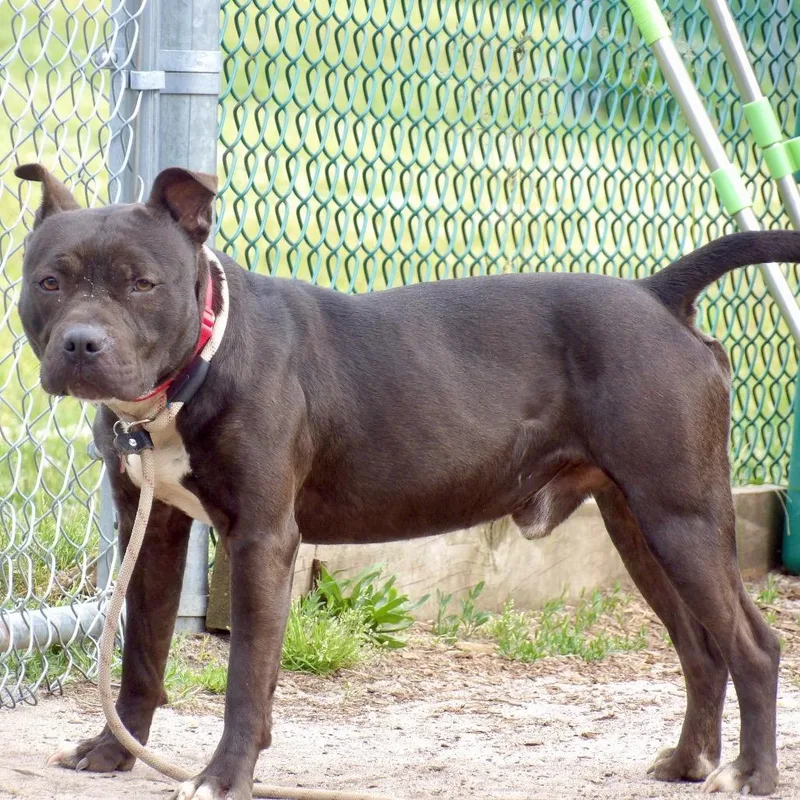
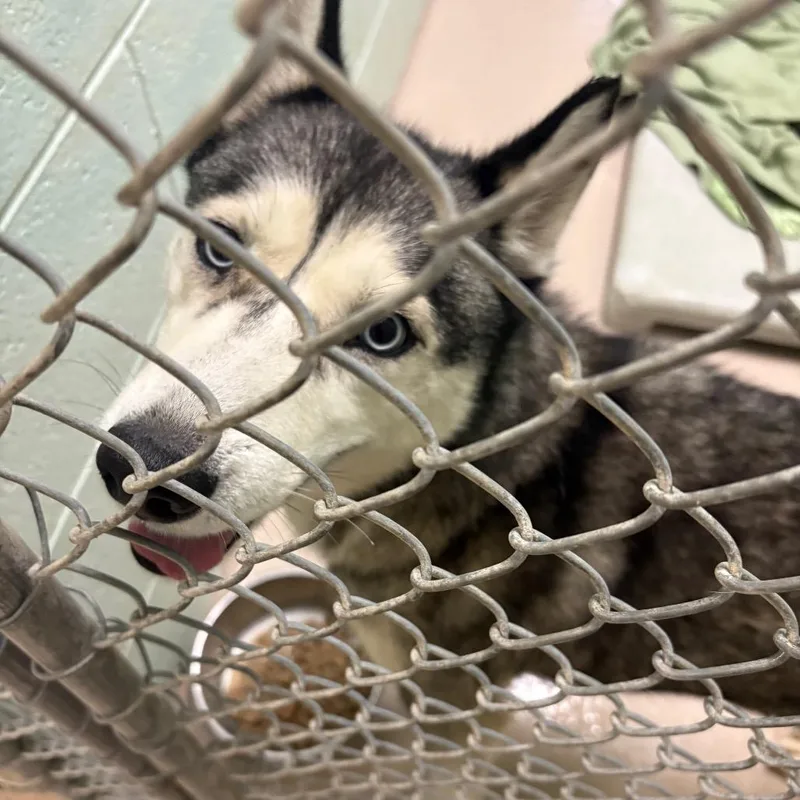
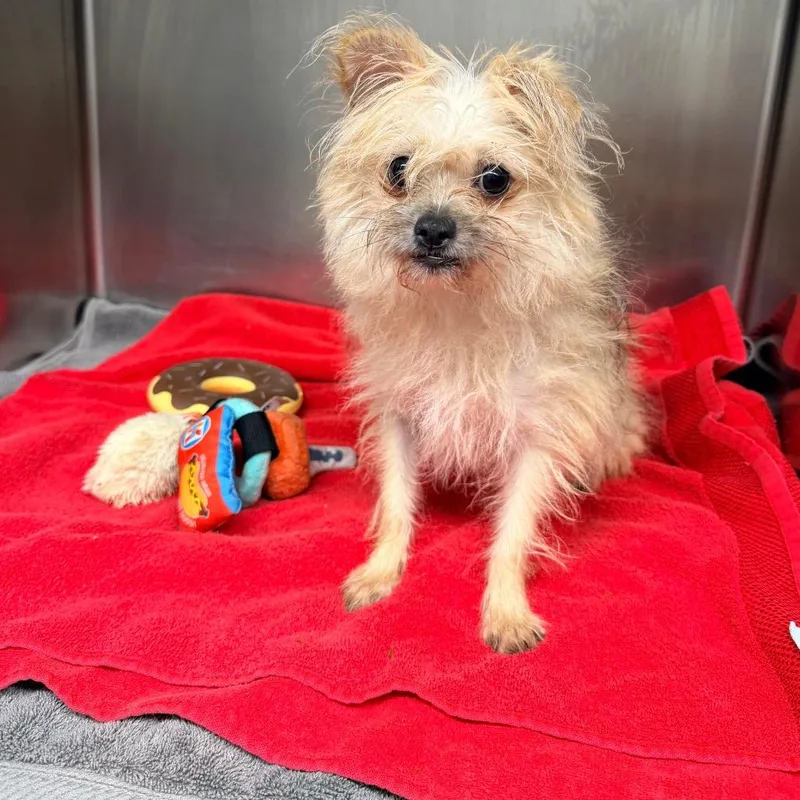
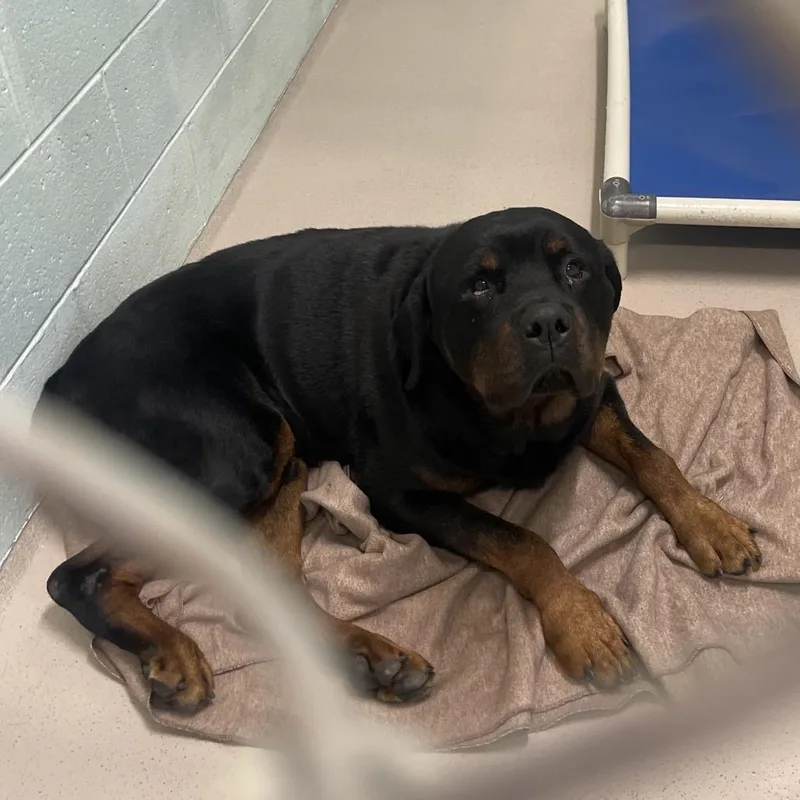
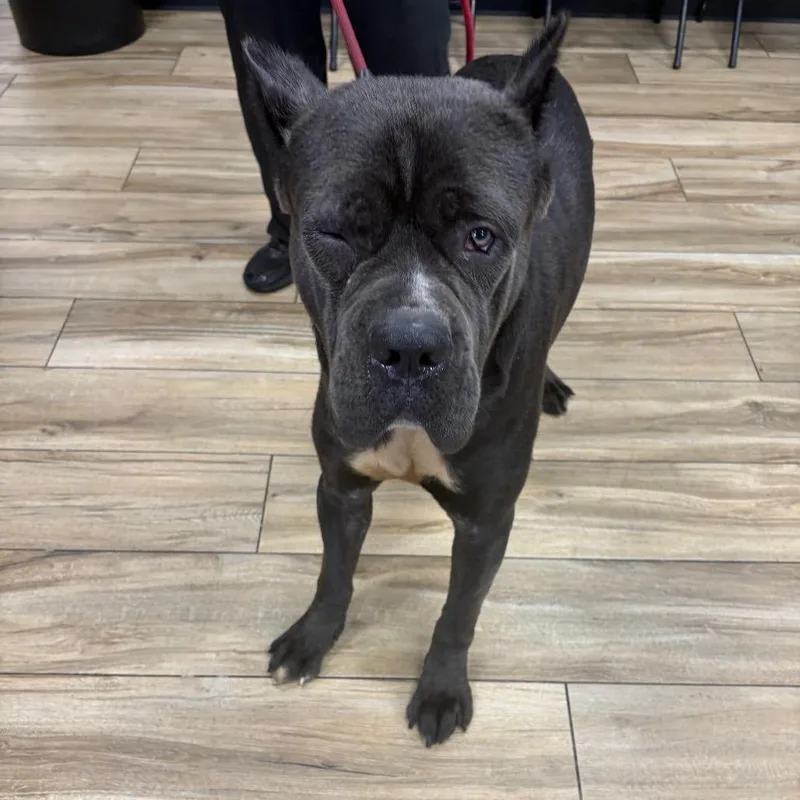
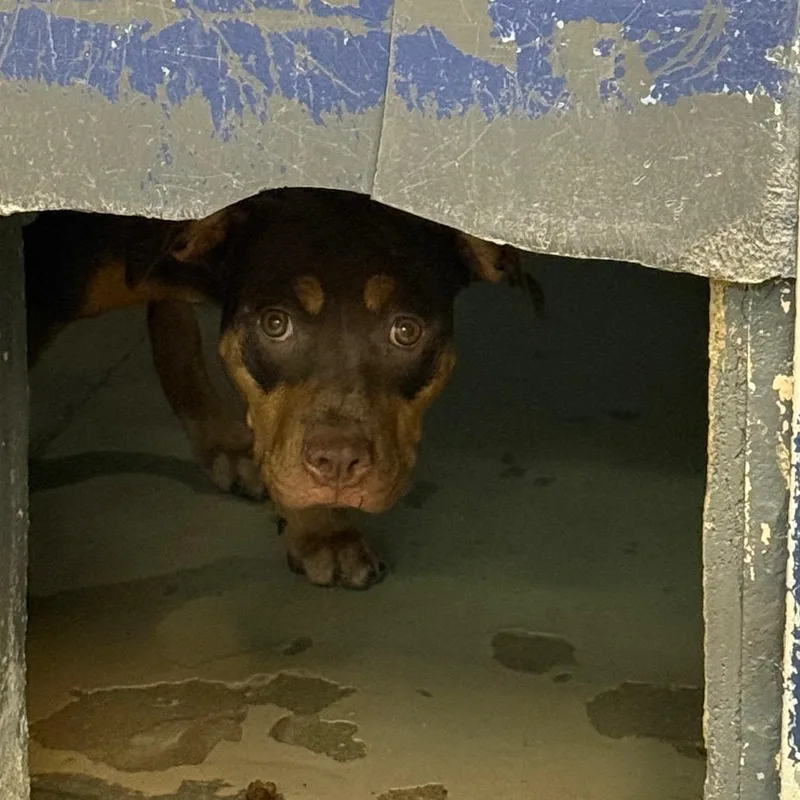
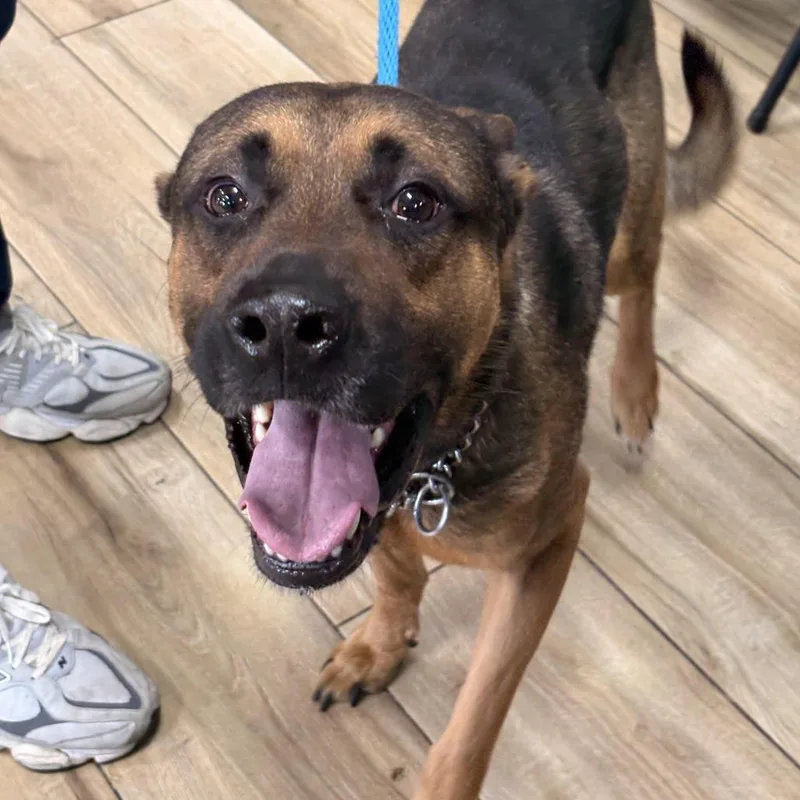
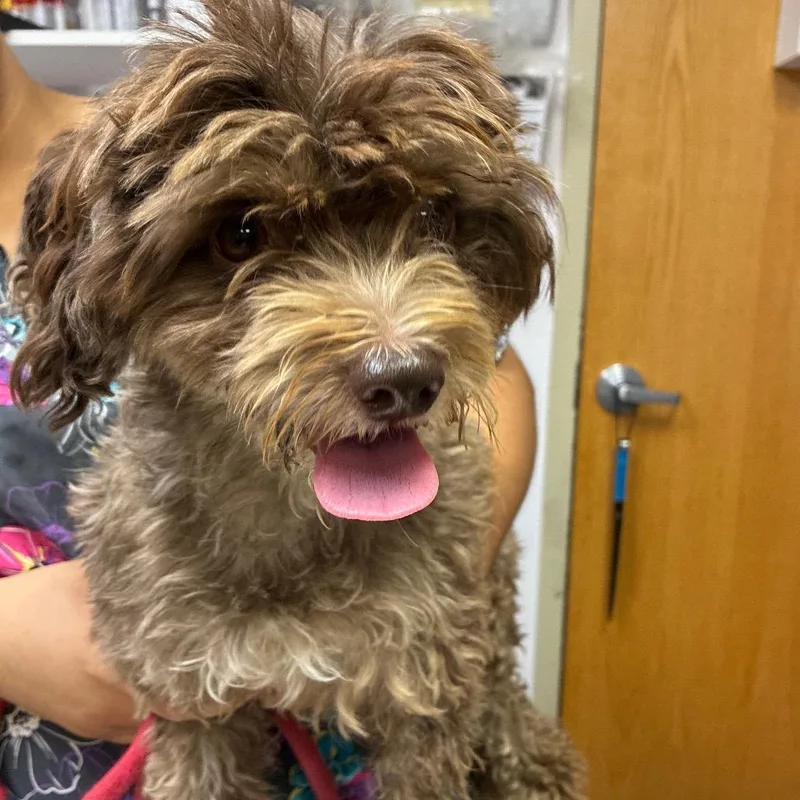
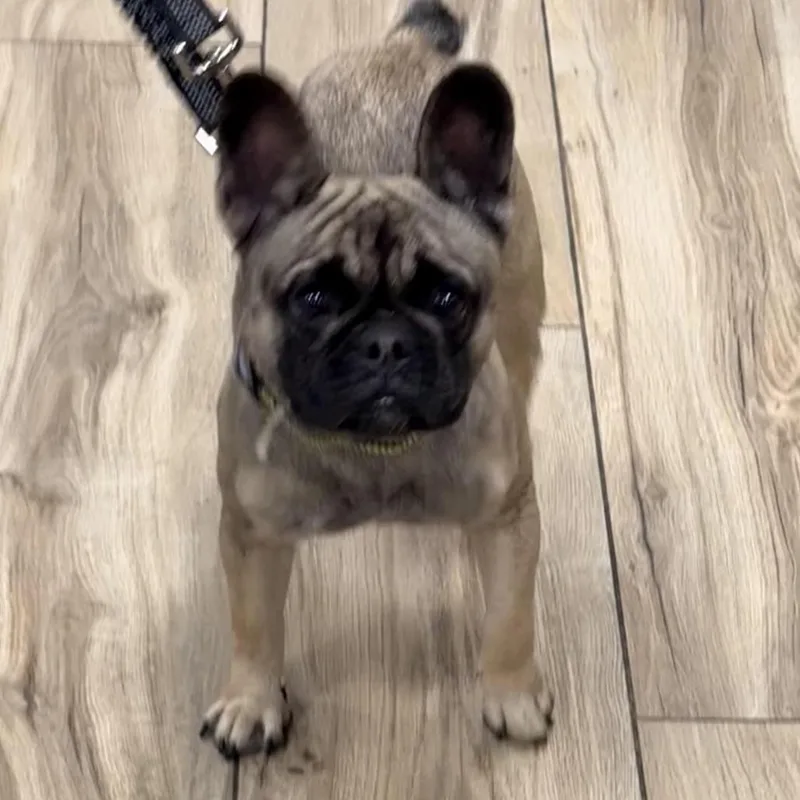
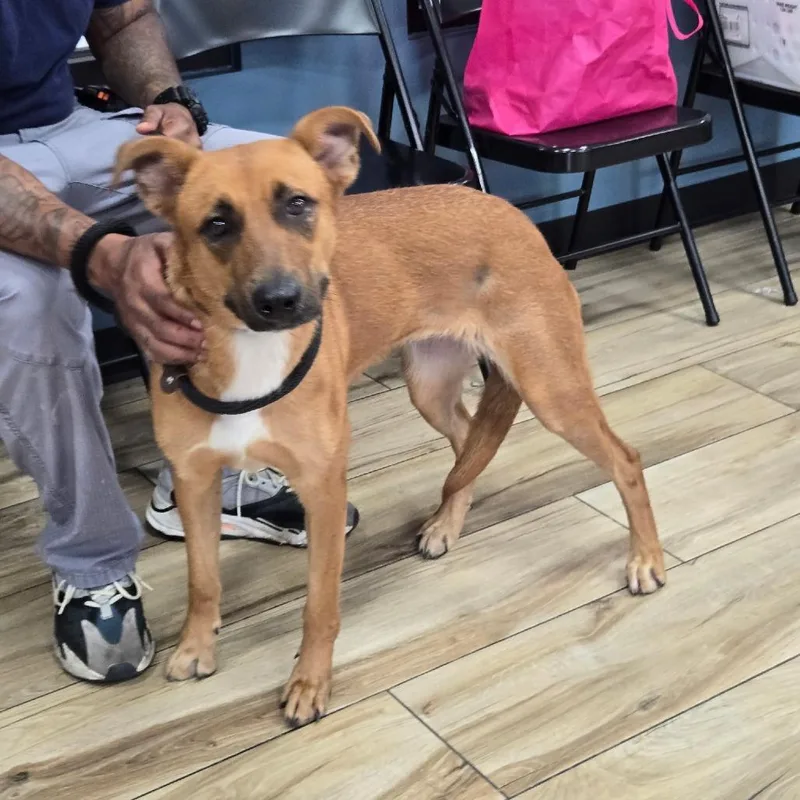
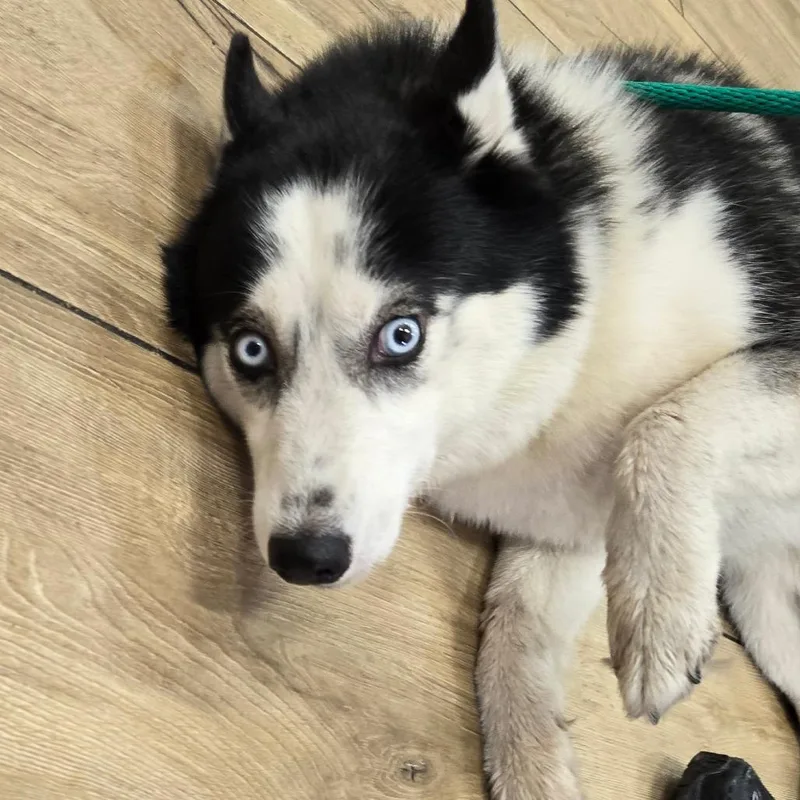
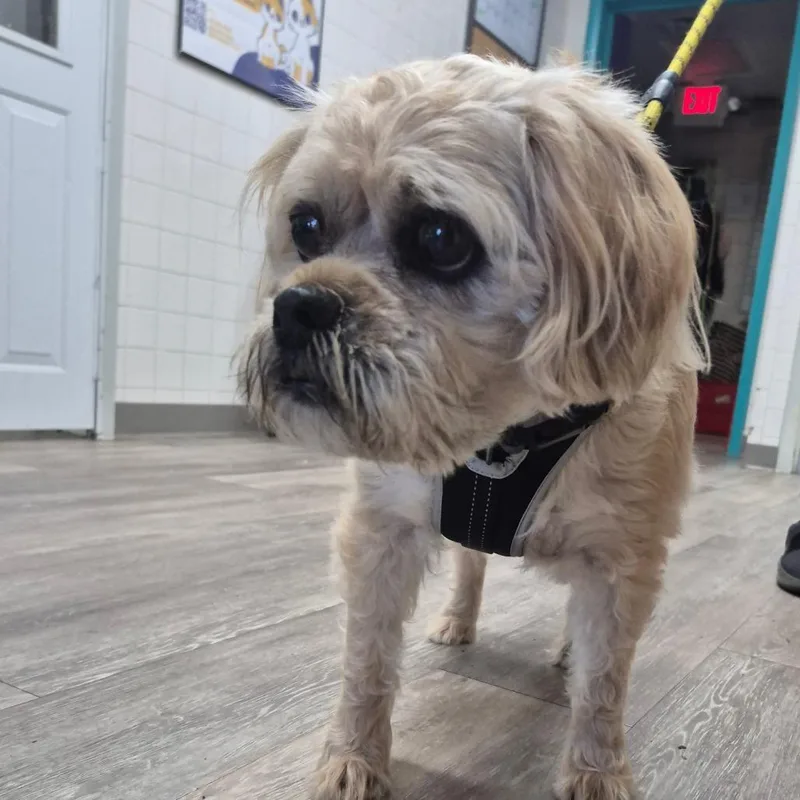
Hamiltonstovares and Similar Breeds Available for Adoption Near Newark

About the Hamiltonstovare breed

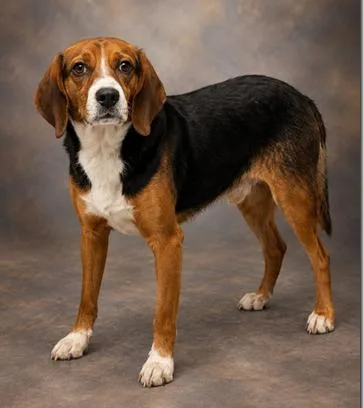
The Hamiltonstovare is a Swedish scent hound, created by Count Adolf Hamilton, founder of the Swedish Kennel Club, and first shown in 1886. It was developed to trail hare and fox alone, giving tongue so hunters could follow. The result is a athletic, medium-sized dog, usually 50 to 60 pounds, with a harsh, close-lying tricolor coat of black mantle, tan and white.

Most are friendly and even-tempered with people and often with other dogs, though temperament varies from dog to dog. They are also independent and stubborn, and a fresh scent can erase recall in seconds, so patient, reward-based training and secure fencing matter. The breed is uncommon in the U.S., so adopters may find hound mixes with similar traits more often than purebred dogs.

Weight
50–60 lbs
Height
19–24 in
Lifespan
10–13 yrs
Temperament
Friendly, Energetic, Independent
Group
Hound
Shedding
Moderate

Owning a Hamiltonstovare in Newark

Having a Hamiltonstovare in Newark

This is a sturdy, sociable hound with a hunter's stamina and a nose that runs the show. In Newark, its energy, voice and tendency to follow scents matter more for daily life than its size or easy coat.

Temperament

Hamiltonstovares are usually friendly and good-natured, and many enjoy other dogs. They can also be stubborn and easily distracted, so short, rewarding training sessions work best. In Newark's busy sidewalks and shared hallways, steady leash manners and calm greetings go a long way. Small pets may trigger chasing, so introduce them carefully.

Exercise Needs

Plan on long daily walks plus some real running or sniffing time. Branch Brook and Vailsburg both have off-leash dog parks with fenced areas, and Weequahic Park's 2.2-mile lake loop suits a leashed jog once the dog is mature. Scent games at home help tire the mind. Recall needs lifelong practice.

Health Considerations

The breed is generally considered sturdy, though hip dysplasia occurs and drop ears should be checked regularly for infection. Keeping the dog lean protects its joints. Newark's ticks and summer heat make year-round parasite prevention and shade and water on walks worthwhile. A veterinarian can review any records that come with the dog.

Living Space

A Hamiltonstovare can manage an apartment or a Newark two- or three-family walk-up if it gets long daily outings and isn't left alone for long stretches. Boredom can lead to baying, and thin walls carry it. Stairs are fine for an adult dog. It should live indoors with the family.

What it costs to own a Hamiltonstovare in Newark

ExpenseTypical costPer year
Food$35 to $70 per month$420 to $840
Pet insurance$45 to $85 per month$540 to $1,020
Routine vet care$225 to $450 per year$225 to $450
Other*$440 to $1,190 per year$440 to $1,190
Estimated yearly total (after year one)$1,625 to $3,500

Other costs are estimates and vary with size, age and health.

* Flea, tick and heartworm prevention, a dental cleaning, the Newark dog license, toys and bedding, and occasional brushing and baths.

Adopt a Hamiltonstovare in Newark.

Now that you know more, let’s find you a new best friend. These rescues and shelters below have dogs available in and near Newark.

Rescues and Shelters in or near Newark

The rescues and shelters below list hounds, hound mixes and many other dogs waiting for adoption in the Newark area. Here are the rescues & shelters in the Newark area with dogs available for adoption, worth asking whether a Hamiltonstovare is coming in.

Frequently Asked Questions

Usually not. NJ Transit allows only service animals, police dogs and small pets in carry-on travel cages on its trains, buses and the Newark Light Rail. A Hamiltonstovare weighs about 50 to 60 pounds and won't fit a carrier, so plan on walking or driving to parks, and build daily exercise into the neighborhood.

Yes, with sensible care. Newark has about 80 freezing nights and roughly 31 inches of snow a year, and the Hamiltonstovare's close, dense coat copes well with cold walks. Keep the dog indoors, wipe off road salt, and remember that New Jersey law bars leaving dogs outside in freezing weather for more than 30 minutes without proper shelter.

Branch Brook Park and Vailsburg Park both have Essex County off-leash dog parks with separate small- and large-dog areas, which suit a scent hound that needs to run safely. For leashed outings, try Weequahic Park's 2.2-mile lake loop or Branch Brook's long paths. Bring proof of license and vaccination, and remember the two-dog-per-person limit.

Yes. Newark has no breed-specific rules, and New Jersey's dangerous-dog law looks at a dog's behavior, not its breed. You'll need a city license with rabies proof once the dog is over seven months old, a leash of six feet or less in public, and waste pickup. State law also limits outdoor tethering.

It can, if the dog gets long daily walks and isn't left alone for hours. Most Newark homes are small multifamily buildings or walk-ups, so stairs and shared walls matter. A hound's baying can carry, so train alone-time early. A refundable pet deposit counts toward New Jersey's 1.5-month security deposit cap.

It can be for an active household that walks daily and doesn't mind some noise. The breed's friendliness suits busy streets and neighbors, and Newark's parks give it room to move. It's a harder fit if everyone is out for long workdays, since bored hounds may bay or wander off after scents.

Generally not inside. New Jersey's food code bars pet dogs from restaurant premises, with service animals the exception. Some patios may allow dogs, but policies vary and aren't guaranteed, so don't count on it. For a social hound, a park outing or a long walk is a more reliable plan.

Not much. A weekly brushing handles the short, harsh coat, with extra brushing during seasonal shedding, and baths only when the dog is muddy. In winter, wipe paws to remove road salt, and in summer keep walks off hot asphalt. Check the drop ears regularly. Most grooming is done at home, so costs stay low.

Yes, Hamiltonstovares shed, though their short, close-lying coat makes care easy. Expect a moderate amount of hair year-round, with heavier shedding when the coat changes with the seasons. A weekly once-over with a rubber curry brush or hound glove removes most loose hair. They are not hypoallergenic, so people with dog allergies should spend time with one before adopting.

A Hamiltonstovare typically costs about $1,600 to $3,500 a year to keep. That includes food at $35 to $70 a month, insurance at $45 to $85 a month, routine vet care at $225 to $450 a year, and other costs of $440 to $1,190 a year.