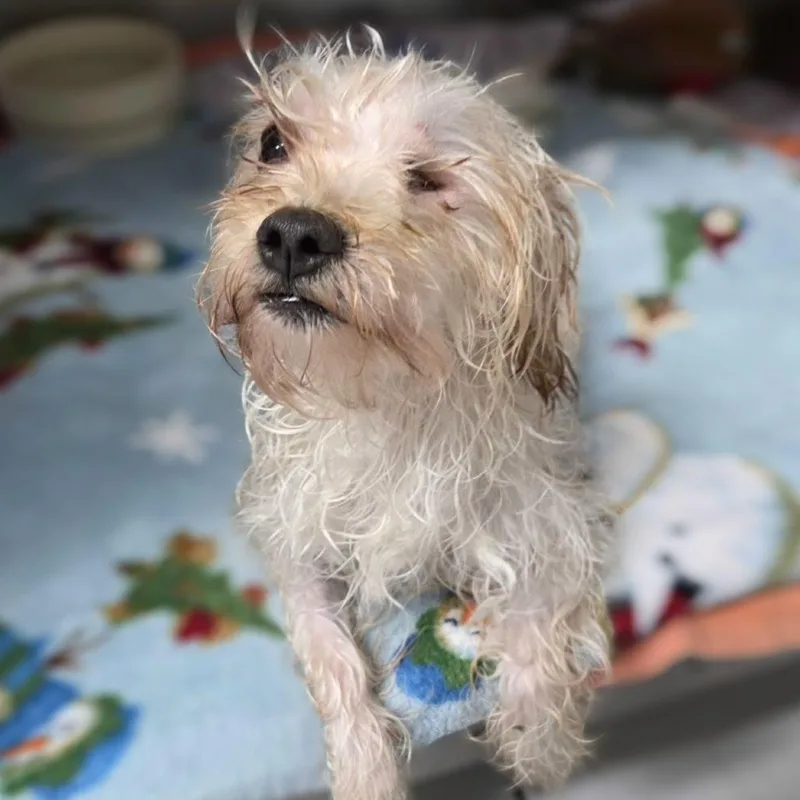
American Eskimo Dogs for Adoption in Newark, NJ

Your guide to finding and caring for an American Eskimo Dog in Newark

American Eskimo Dogs fit Newark best in a smaller home with a real walk every day. A toy or miniature Eskie can do well in one of the Weequahic high-rises on Elizabeth Avenue, with the 2.2-mile loop around Weequahic Lake close by for morning laps. They're alert and bark at hallway noise, so a quieter building helps. Expect a white coat that sheds all over a rental, and plan on brushing it a few times a week.

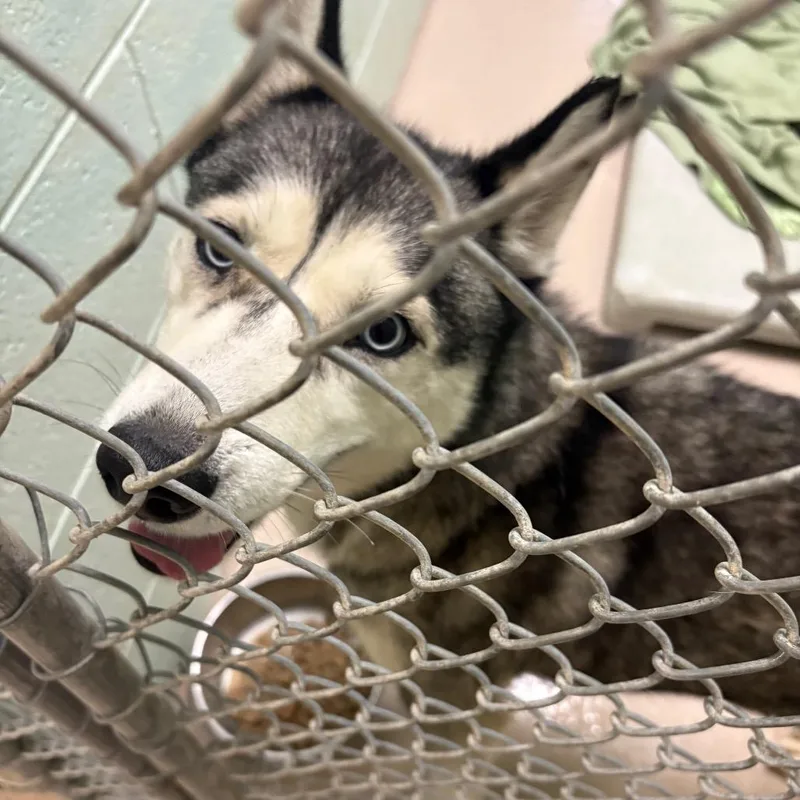
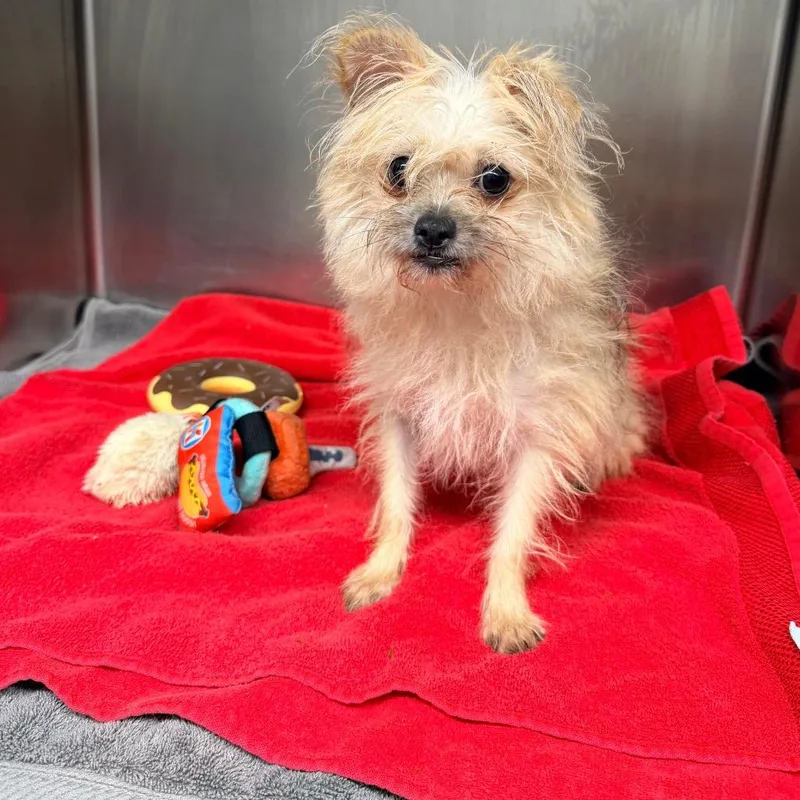
66 American Eskimo Dogs available in Newark and nationwide

An American Eskimo Dog is ready for you

While we don't have enough dogs near Newark, keep in mind that many rescues may offer transport.

American Eskimo Dogs Available for Adoption Near Newark

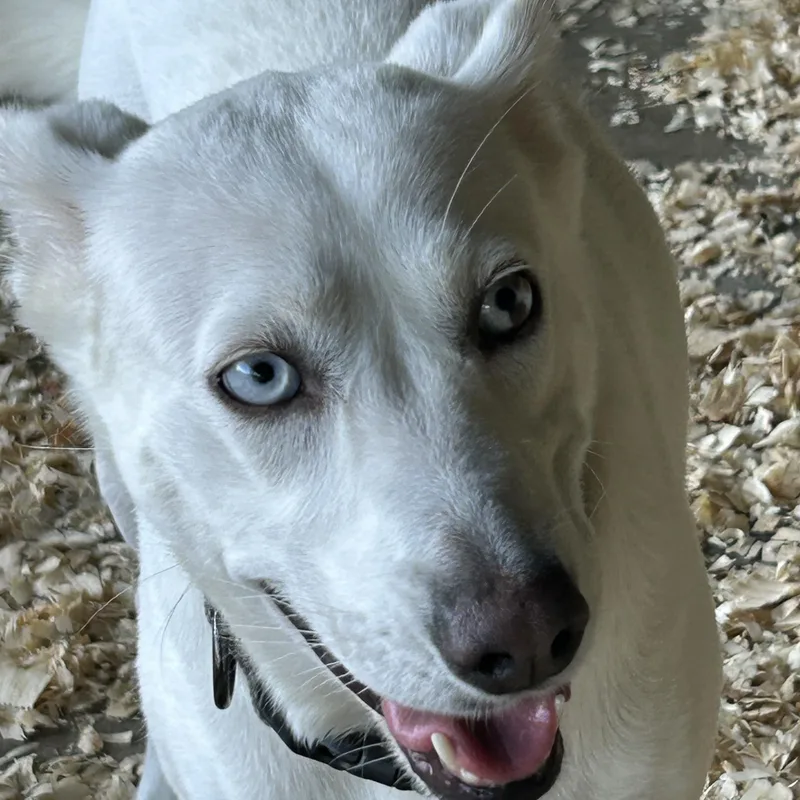
About the American Eskimo Dog breed

The American Eskimo Dog has nothing to do with Arctic sled dogs. Eskies descend from white German Spitz dogs that immigrants brought to the United States in the early 1900s, and the name changed amid anti-German sentiment around World War I. They became circus performers in the 1920s and 1930s, and that quick, trick-loving mind is still part of the breed. They come in toy, miniature and standard sizes, from roughly 6 to 35 pounds.

A dense white double coat, lion-like ruff and plumed tail give Eskies their look, and many are playful and eager to please. They also tend to be alert watchdogs that bark readily and stay reserved with strangers. In a city like Newark, where neighbors share walls and sidewalks, early socialization and daily mental work matter. Dogs vary, so the temperament of the particular dog counts for more than the breed label.

Weight
6–35 lbs
Height
9–19 in
Lifespan
13–15 yrs
Temperament
Intelligent, Alert, Playful, Vocal
Group
Non-Sporting
Shedding
High

Owning an American Eskimo Dog in Newark

Having an American Eskimo Dog in Newark

Eskies are sharp, showy and attached to their families, which suits Newark's close blocks, but they come with barking, heavy shedding and a need for daily activity. Here's what matters most for a Newark household.

Temperament

Eskies are usually bright, playful and devoted, and many shadow their people around the house. Reserved behavior with strangers is common, and so is barking at footsteps in the hall or voices on the stoop. Early socialization to buses, sirens and crowded sidewalks helps, though each dog's past and personality differ.

Exercise Needs

Plan on at least one good walk daily plus play or training. Weequahic Park's 2.2-mile lake loop makes a solid long outing, and the Branch Brook Park dog park offers a fenced place to run off leash. Puzzle toys and trick practice indoors help on snowy or sweltering days.

Health Considerations

Conditions seen in the breed include progressive retinal atrophy, hip dysplasia, kneecap luxation, juvenile cataracts and diabetes, and smaller dogs can develop Legg-Calve-Perthes disease. A veterinarian can check eyes, hips and knees early. Year-round tick prevention is sensible in this area, and wiping paws after winter salt protects the skin.

Living Space

Many Newark homes are small multifamily buildings or walk-ups, which suit toy and miniature Eskies well. Standards can manage too with enough exercise. Stairs and shared walls mean barking carries, so a steady routine, daily outings and an indoor home life matter more than square footage.

What it costs to own an American Eskimo Dog in Newark

ExpenseTypical costPer year
Food$20 to $45 per month$240 to $540
Pet insurance$35 to $70 per month$420 to $840
Routine vet care$200 to $400 per year$200 to $400
Other*$483 to $1,261 per year$483 to $1,261
Estimated yearly total (after year one)$1,343 to $3,041

Other costs are estimates and vary with size, age and health.

* The Newark dog license, flea, tick and heartworm prevention, a dental cleaning allowance, toys and bedding, and brushing and bath supplies for a heavy-shedding double coat.

Adopt an American Eskimo Dog in Newark.

Now that you know more, let’s find you a new best friend. These rescues and shelters below have dogs available in and near Newark.

Rescues and Shelters in or near Newark

Newark's shelter and rescue community serves a dense, renter-heavy city, and the groups below list dogs looking for homes. Here are the rescues & shelters in the Newark area with dogs available for adoption, worth asking whether an American Eskimo Dog is coming in.

Frequently Asked Questions

Yes, Newark has no breed-specific rules, and New Jersey's dangerous-dog law looks at a dog's behavior, not its breed. You'll need a city license with proof of rabies vaccination, a leash of six feet or less in public, and prompt waste pickup, which carries fines up to $500. State law also bans outdoor tethering from 11 p.m. to 5 a.m.

Yes, especially a toy or miniature Eskie, since most Newark homes are rentals in small multifamily buildings. The main challenge is barking through shared walls and hallways, so daily exercise and mental games matter. A refundable pet deposit counts toward New Jersey's 1.5-month security-deposit cap, so get pet terms in writing.

Branch Brook Park and Vailsburg Park both have Essex County dog parks with separate small- and large-dog areas, which suits Eskies of any size. Bring proof of license and vaccination, and keep to two dogs per person. For leashed walks, Weequahic Park's 2.2-mile lake loop is a good long route.

Only small ones. NJ Transit trains, buses and the Newark Light Rail allow service animals, police dogs and small pets in carry-on travel cages, so a toy or small miniature Eskie in a carrier can ride, while a standard-sized dog can't. Practice with the carrier at home first so the trip is calm.

Not inside. New Jersey's food code bars pet dogs from restaurant premises, with exceptions for service animals. Some patios may welcome dogs, but policies vary and aren't guaranteed, so confirm before you sit down. An Eskie's alert barking can make a busy sidewalk table tricky anyway.

It can be, for people who are home often and can give daily walks. The double coat handles Newark's roughly 80 freezing nights a year, while humid summer days call for early or late walks and air conditioning. Barking and shedding are the trade-offs in a dense, shared-wall city.

American Eskimo Dogs typically live about 13 to 15 years, and some reach their late teens. Smaller toy and miniature Eskies often live slightly longer than standards, as is common in dogs. Good nutrition, a healthy weight, dental care and regular veterinary checkups help, and early screening for eye disease and diabetes can catch problems before they become serious.

American Eskimo Dogs come in three sizes. Toys stand about 9 to 12 inches and weigh roughly 6 to 10 pounds, miniatures stand 12 to 15 inches and weigh about 10 to 20 pounds, and standards stand 15 to 19 inches and weigh around 25 to 35 pounds. Shelter Eskies of unknown background may fall between these ranges.

Yes, American Eskimo Dogs shed a lot. Their thick double coat drops hair year-round and sheds heavily, often called blowing coat, about once or twice a year. Brushing several times a week, and daily during heavy sheds, keeps loose fur and mats under control. Expect white hair on clothes and furniture even with good grooming.

Expect roughly $1,340 to $3,040 a year for an Eskie in Newark. That covers food at $20 to $45 a month, insurance at $35 to $70 a month, routine vet care of $200 to $400 a year, and $483 to $1,261 for everything else, including grooming. Toy-sized dogs usually land at the lower end.

Find American Eskimo Dogs in Nearby Cities

Expand your search to find American Eskimo Dogs available for adoption near Newark.