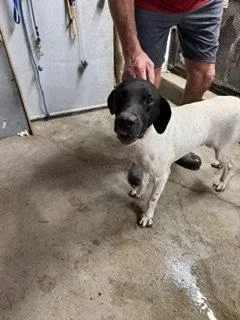
Saluki Dogs for Adoption in Omaha, NE

Your guide to finding and caring for a Saluki in Omaha

A Saluki in Omaha does best with a long leashed walk every day and a fenced spot to sprint. The paved loops around Zorinsky Lake in West Omaha run three to seven miles, and Hanscom Dog Park in Midtown has a separate fenced section for big dogs. At home, most Salukis are quiet and happy on a soft couch, which suits a Midtown Crossing apartment or a home near the Field Club Trail. Winter is when a lean dog most needs a good coat.

16 Salukis available in Omaha and nationwide

Give a Saluki a home

While we don't have enough dogs near Omaha, keep in mind that many rescues may offer transport.

Salukis Available for Adoption Near Omaha

About the Saluki breed

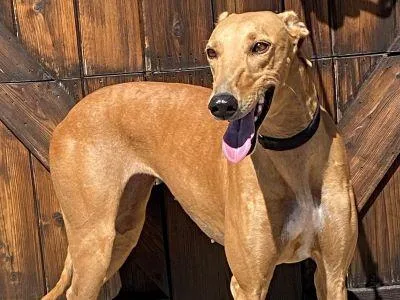
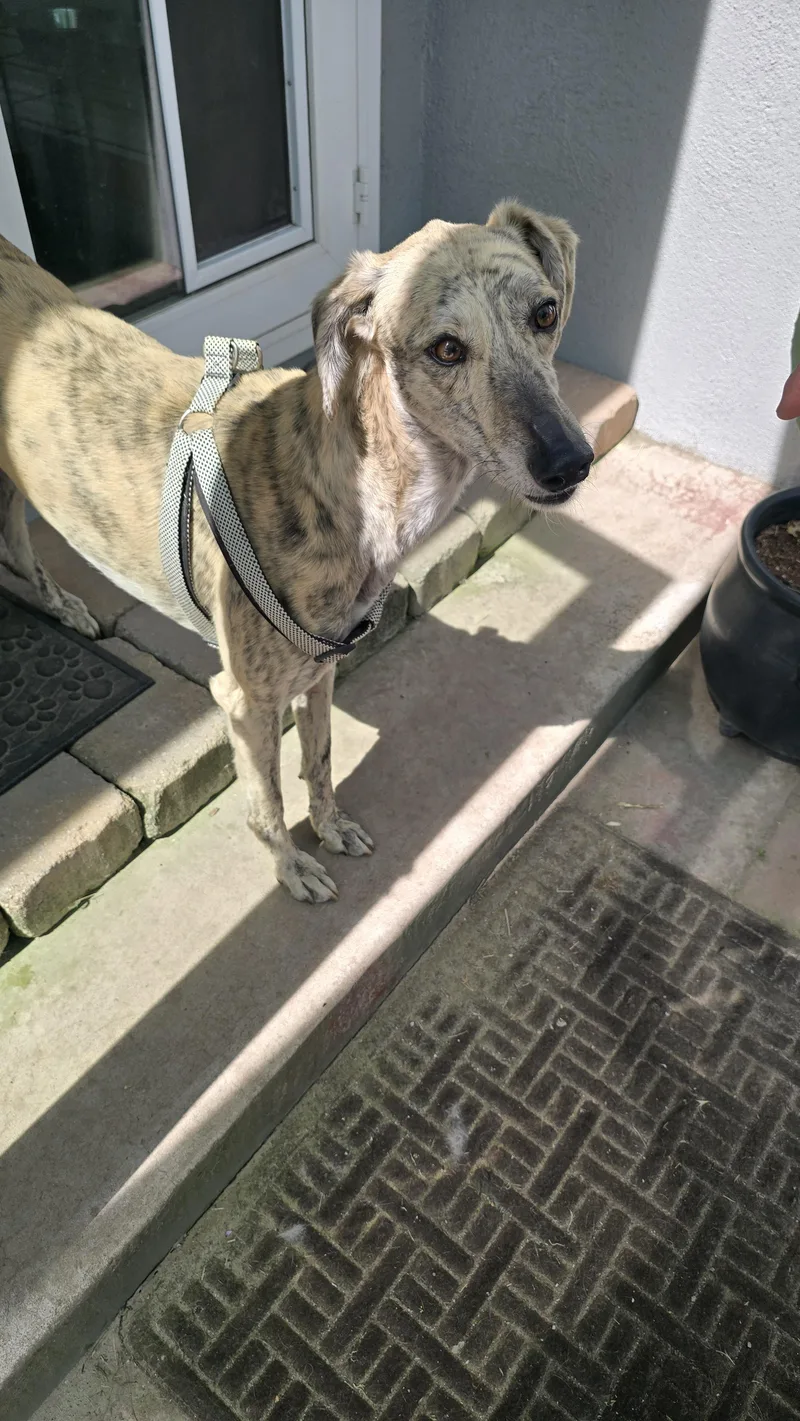
The Saluki is a sighthound from the Middle East and the Fertile Crescent, where nomadic peoples used it to course gazelle and hare across open desert. It's tall and narrow, usually 23 to 28 inches at the shoulder and 35 to 65 pounds, with a deep chest, long legs and a curved tail. The coat is either smooth or feathered with silky fringes on the ears and tail, and it sheds little.

Most Salukis are gentle, dignified and quiet indoors, close to their own people and reserved with visitors. Their chase instinct is strong, though, which matters in a city where dogs must be leashed outside a yard. Dogs vary, and a shy Saluki may need patient, low-pressure introductions to a new home before showing its affectionate side.

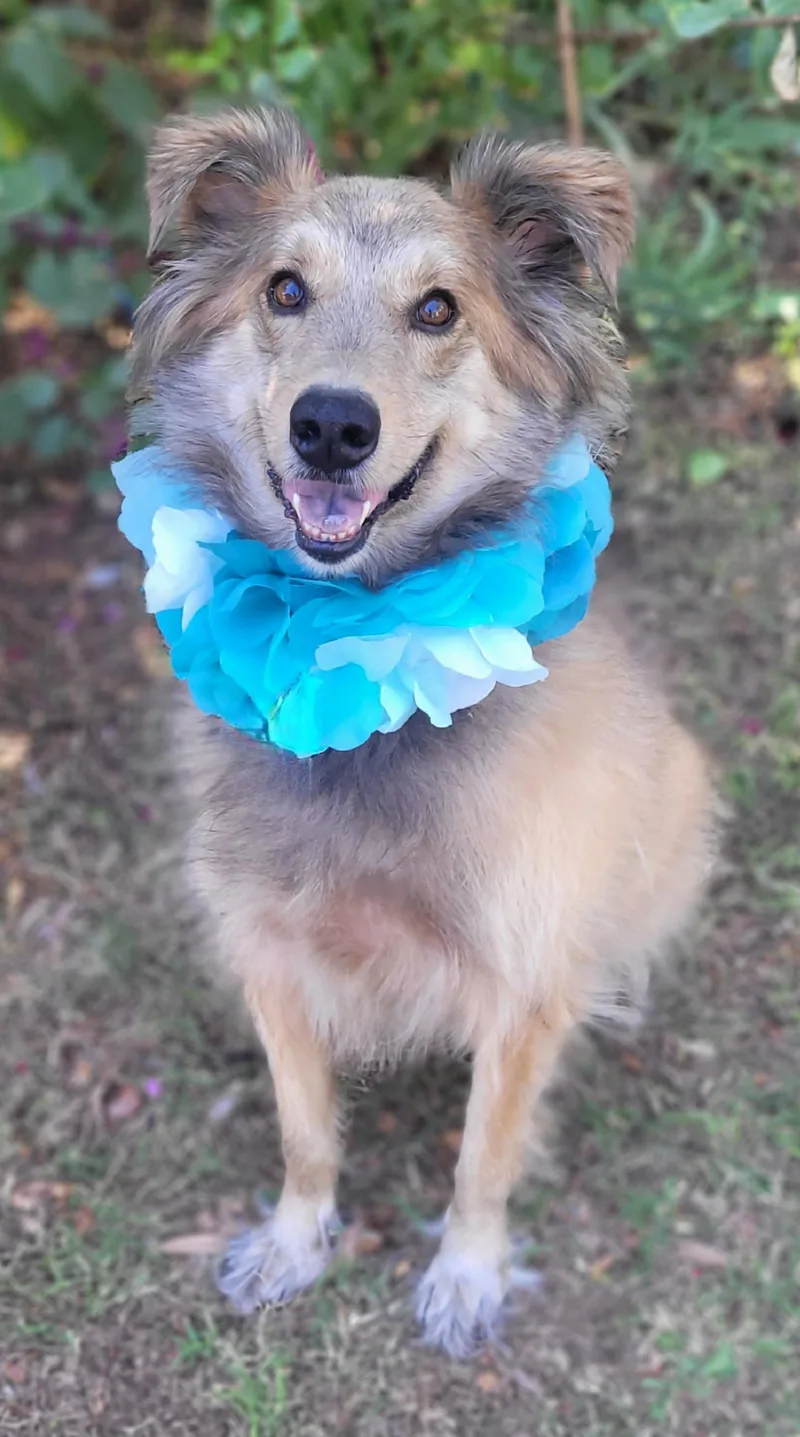
Weight
35–65 lbs
Height
23–28 in
Lifespan
12–15 yrs
Temperament
Gentle, Independent, Dignified, Athletic
Group
Hound
Shedding
Low

Owning a Saluki in Omaha

Having a Saluki in Omaha

Sharp eyes, long legs and a lean, low-fat body shape most of what a Saluki needs. In Omaha, that means secure fencing, a warm coat for winter and a calm household, since each Saluki's comfort level and energy will vary.

Temperament

Many Salukis are sensitive, quiet and loyal, bonding closely with one or two people while staying aloof with visitors. They tend to be calm indoors and dislike rough play or noisy chaos. A strong prey drive can make cats and small pets unsafe, and shyness is common, so a new Saluki usually settles best with patient, gentle introductions.

Exercise Needs

Plan on a long daily walk plus regular full-speed sprints in a securely fenced area, since recall often fails once a Saluki spots something to chase. Omaha's fenced dog parks and long paved trails cover both. Sniffing walks and gentle training add mental work, and many Salukis then nap for hours on a soft bed.

Health Considerations

Salukis are generally sturdy, but heart disease, cancers such as hemangiosarcoma and low thyroid values are the main concerns. Healthy Salukis often run low on thyroid tests, and their low body fat makes anesthesia a careful call. Thin skin tears easily. A veterinarian familiar with sighthounds can check the heart and interpret results.

Living Space

A Saluki can live in a house or a quiet apartment if it gets daily exercise. Omaha's mix of apartments and houses with yards can work, but a high, secure fence matters, since many Salukis can jump or squeeze through gaps when chasing. Padded bedding for bony joints and a calm routine help.

What it costs to own a Saluki in Omaha

ExpenseTypical costPer year
Food$55 to $110 per month$660 to $1,320
Pet insurance$55 to $110 per month$660 to $1,320
Routine vet care$250 to $500 per year$250 to $500
Other*$540 to $1,590 per year$540 to $1,590
Estimated yearly total (after year one)$2,110 to $4,730

Other costs are estimates and vary with size, age and health.

* The Omaha dog license, flea, tick and heartworm prevention, a yearly dental cleaning, supplies, minimal home grooming, and a winter coat and padded bedding for a thin-skinned sighthound.

Adopt a Saluki in Omaha.

Now that you know more, let’s find you a new best friend. These rescues and shelters below have dogs available in and near Omaha.

Frequently Asked Questions

Yes. Omaha's breed-specific rules cover pit bull-type dogs and a short list of related breeds, and Salukis aren't among them. The usual rules apply: a license by four months of age, a current rabies vaccination and a leash outside your yard. Households can keep three dogs without a permit, so check that count before adding a Saluki.

A Saluki fits Omaha if you can give it a fenced place to sprint, a coat for winter and a calm home. Off-leash running here is limited to fenced dog parks, and coyotes are reported in some neighborhoods at dusk. It suits a calm, active household better than one where the dog is alone all day.

Yes, with some preparation. Omaha winters bring sub-zero stretches and deep-snow days, and a Saluki's thin skin and low body fat leave little insulation. Plan on a fitted coat, short potty trips on the coldest days and a warm indoor bed. Salted sidewalks can irritate paws, so wipe them after every walk.

For sprinting, use a fenced dog park such as Hanscom or Dewey in Midtown, Hefflinger in northwest Omaha or Miller Park in North Omaha. For long leashed walks, the paved Zorinsky Lake loops and the Keystone and Field Club trails work well. Keep a Saluki leashed on trails, since it may bolt after wildlife.

Very little. A smooth or lightly feathered Saluki needs a weekly brushing and a bath only when dirty, with a bit more combing for feathered ears and tail. In Omaha, the main extras are winter care: wipe salt from paws and legs and trim nails. Home grooming stays a small part of the Other line in the cost table.

Mostly no. Metro buses, including ORBT, require pets to ride in a carrier unless they're service animals, and a Saluki at 35 to 65 pounds won't fit in one. Omaha has no subway or rail service, and the planned streetcar isn't open yet, so plan on driving to parks and vet visits.

Only to some patios. In Omaha, dogs are allowed on a restaurant patio where the venue has health-department approval, and they must stay leashed. Indoor dining rooms are off-limits to pets. A Saluki that's reserved with strangers may be happier at a quiet corner table, so go at off-peak times and bring a mat.

A Saluki is a tall, slender sighthound from the Middle East, bred to chase gazelle and hare by sight across open country. It has long legs, a narrow head, a deep chest and either silky feathering or a smooth coat. Many are gentle, quiet and independent at home, with an intense chase instinct outdoors.

A Saluki can run roughly 40 miles per hour at full speed, and the 1996 Guinness Book of Records listed one at about 42.8 mph. Greyhounds may be quicker over a short sprint, but Salukis are known for holding high speed over longer distances. That speed is why secure fencing and leashes matter so much for this breed.

Expect roughly $2,100 to $4,700 a year for a Saluki in Omaha, combining food at $55 to $110 a month, insurance at $55 to $110 a month, routine vet care of $250 to $500 and other costs of $540 to $1,590. A winter coat and padded bedding add to the first year.