Otterhound Dogs for Adoption in Omaha, NE

Your guide to finding and caring for an Otterhound in Omaha

Otterhounds suit Omaha best when they have a fenced yard and a long, sniff-friendly walk every day. The paved loops around Zorinsky Lake in West Omaha give a big scent hound plenty to investigate, and a shaggy double coat handles Nebraska winters comfortably. A second-floor apartment is a tougher fit, since that booming bay carries through thin walls. If you're drawn to this rare, goofy hound, expect a wet beard and muddy paws by the door.

5203 dogs similar to Otterhound available in Omaha and nationwide

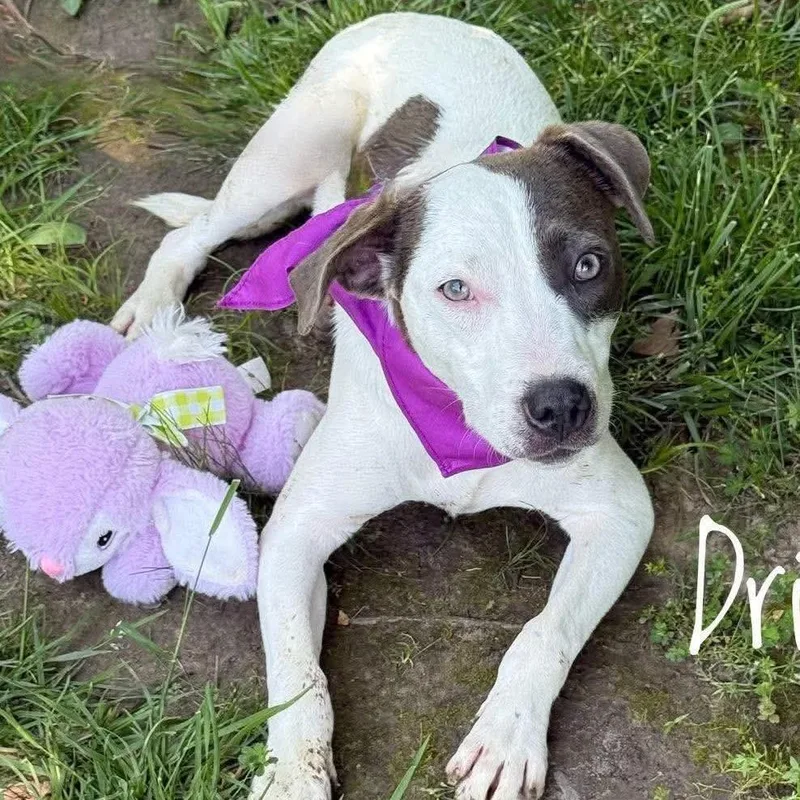
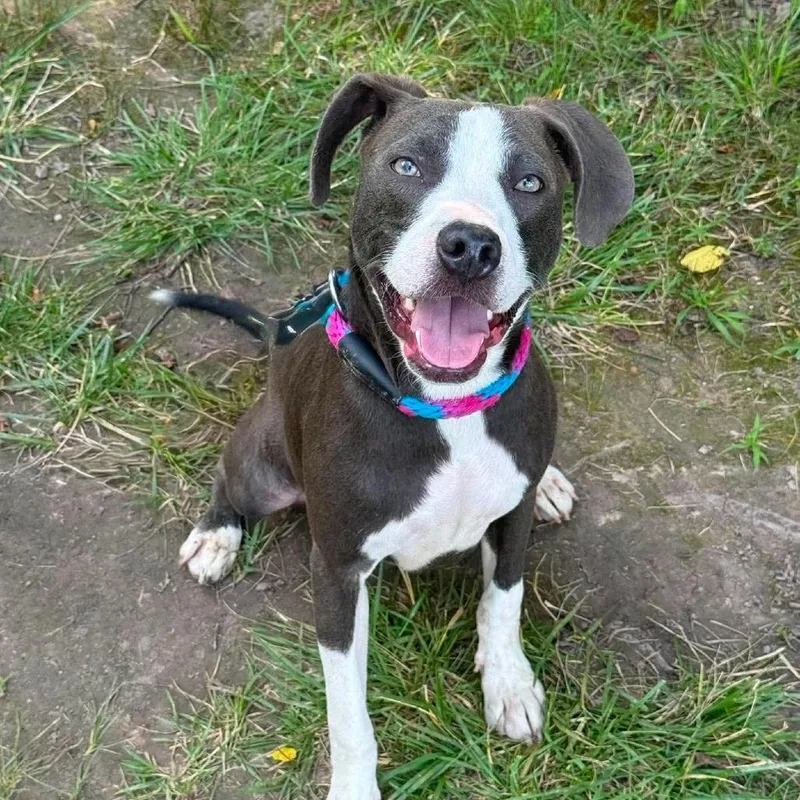
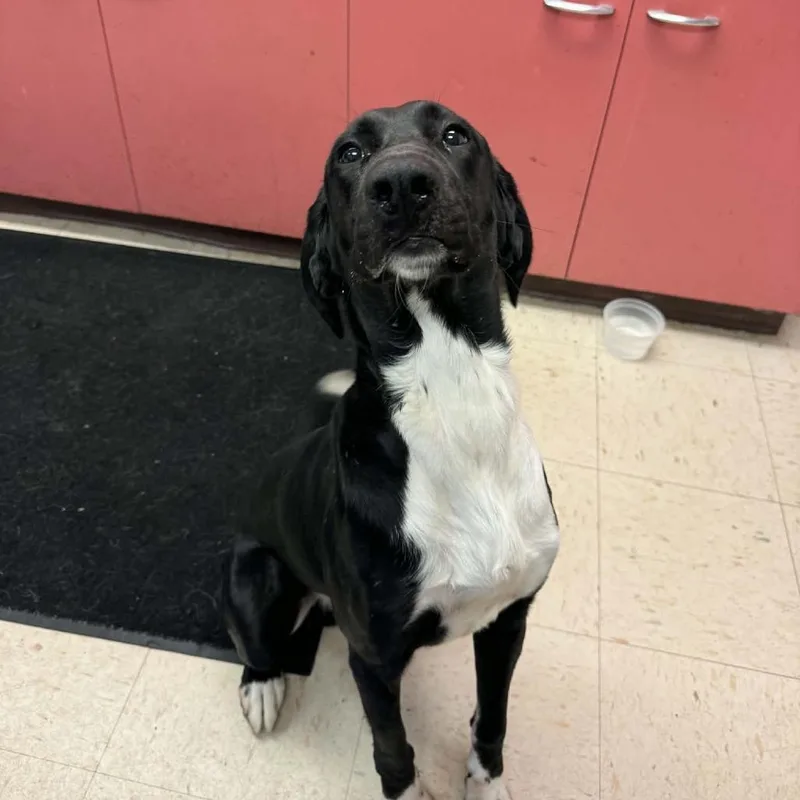
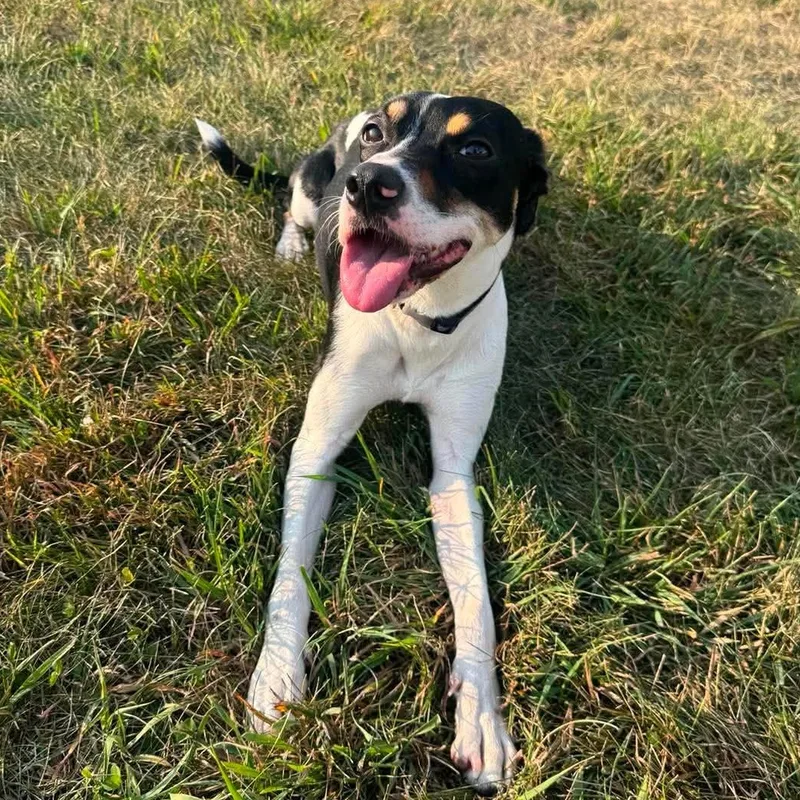
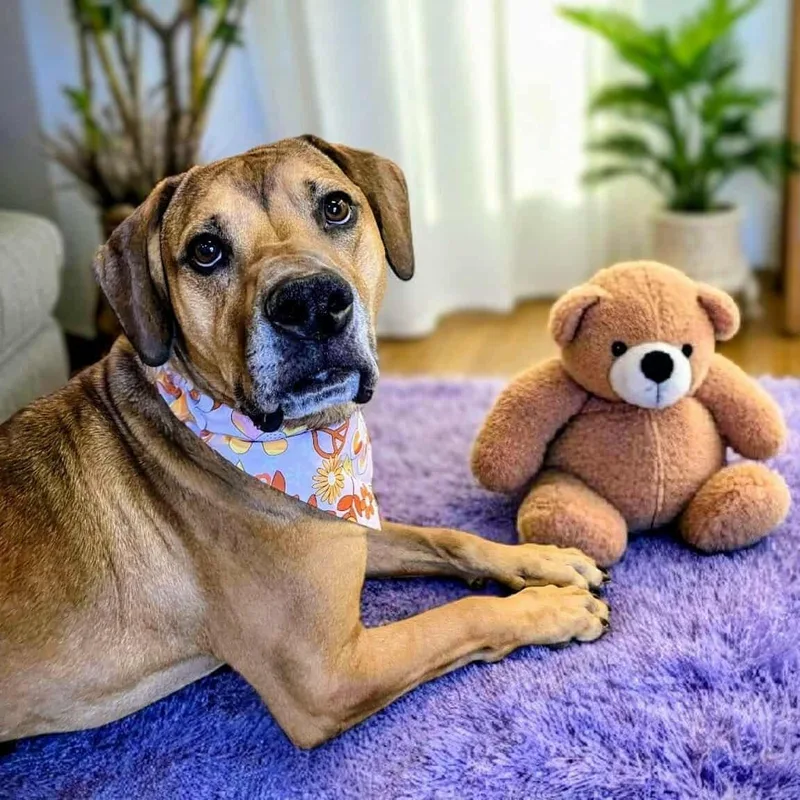
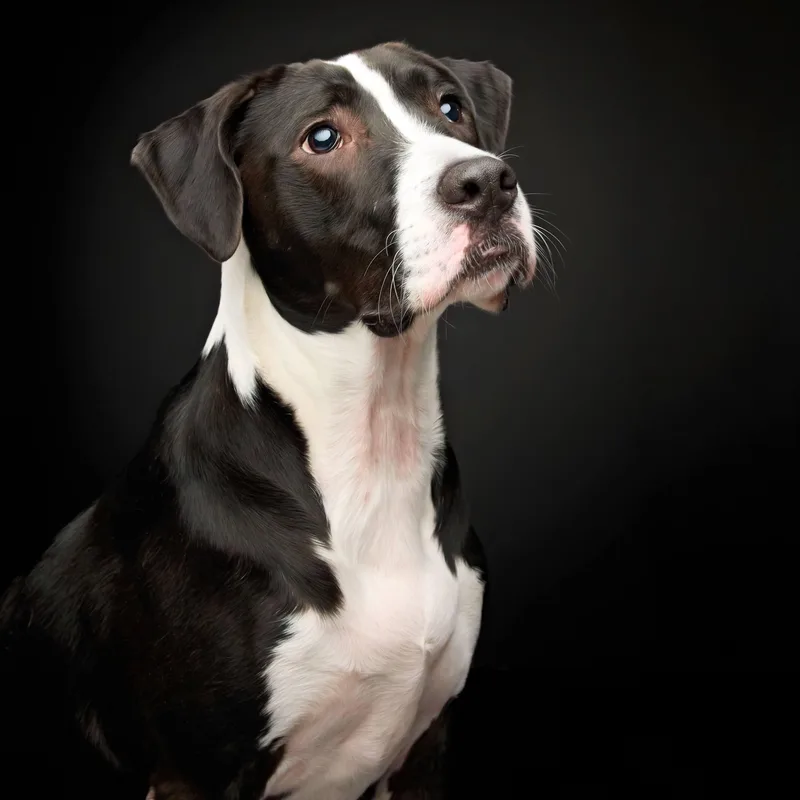
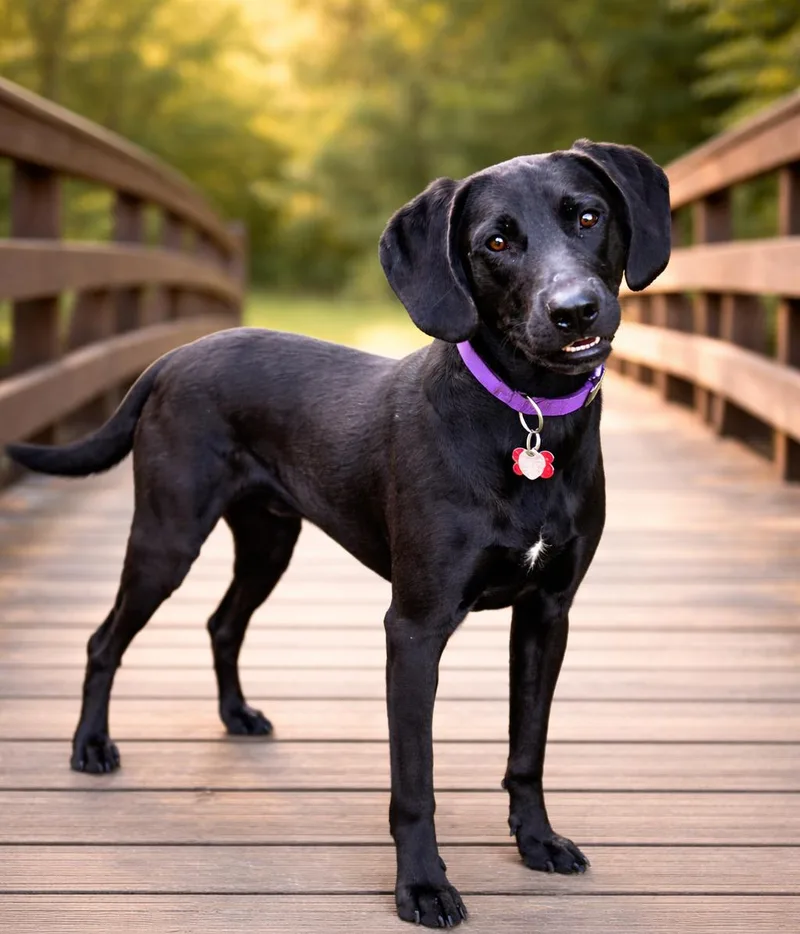
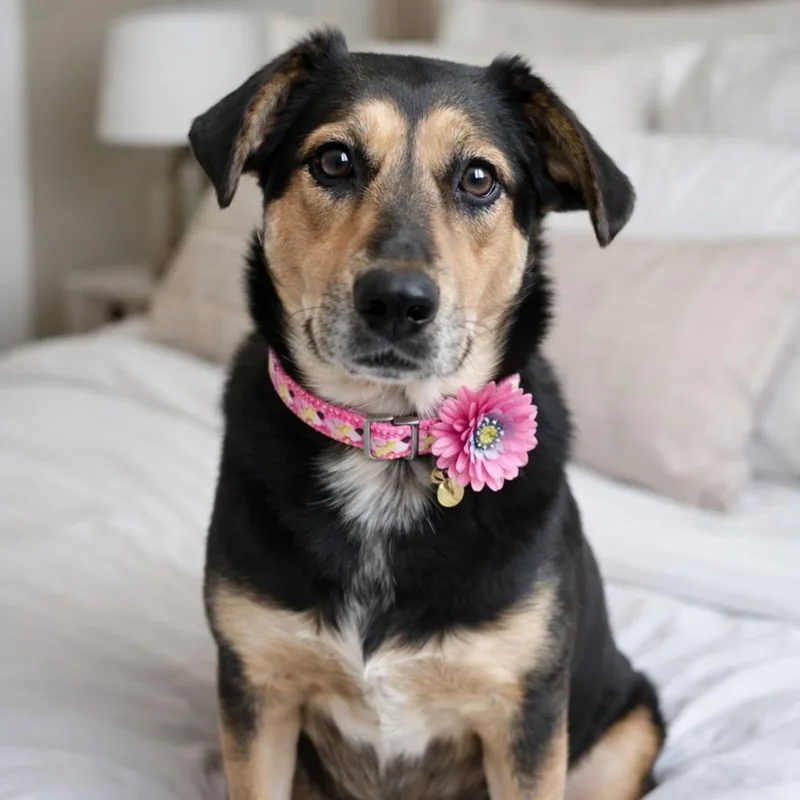
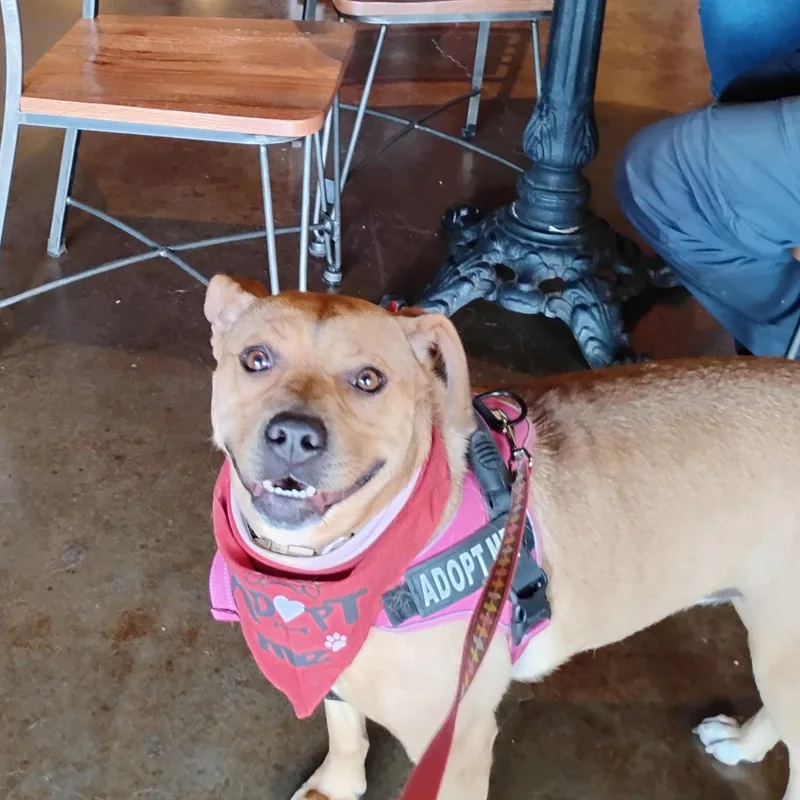
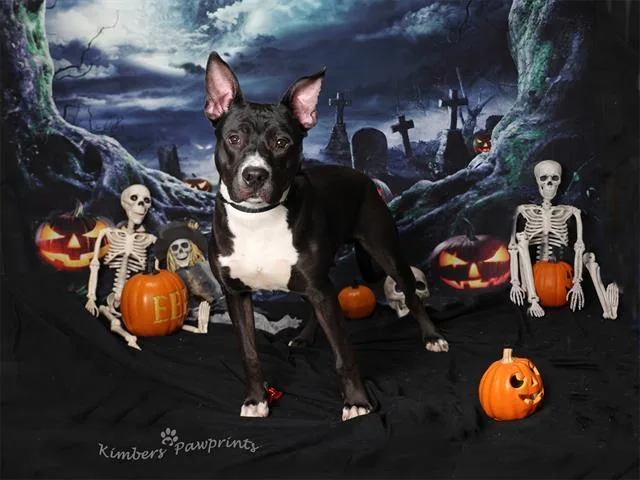
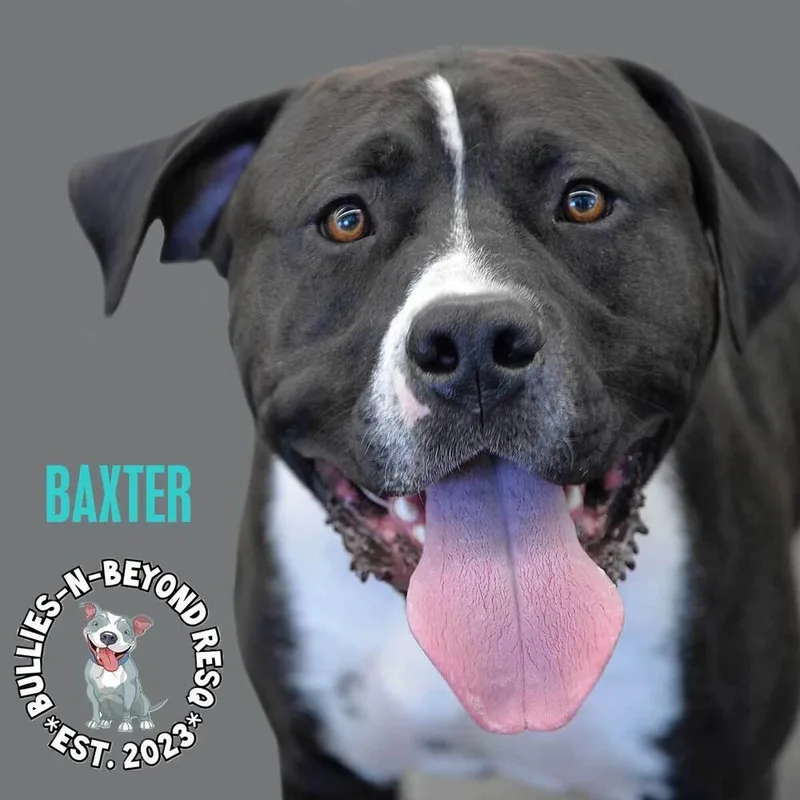
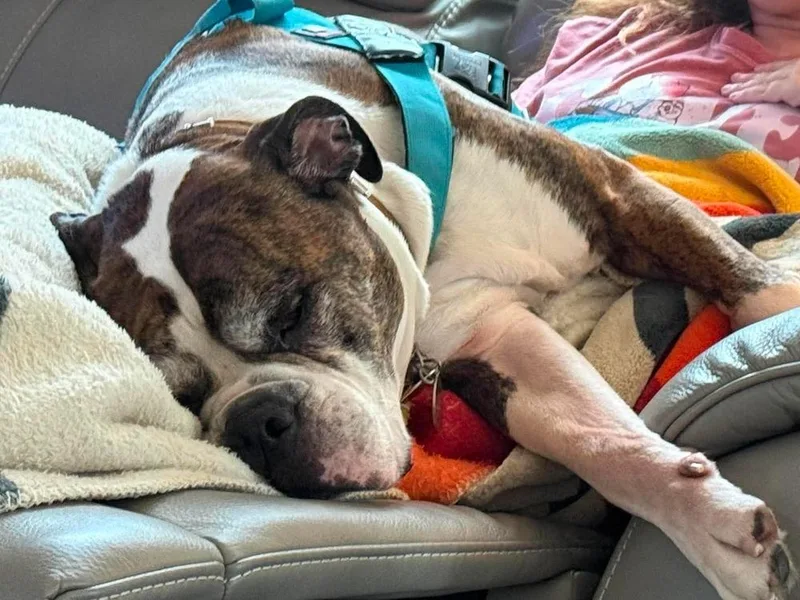
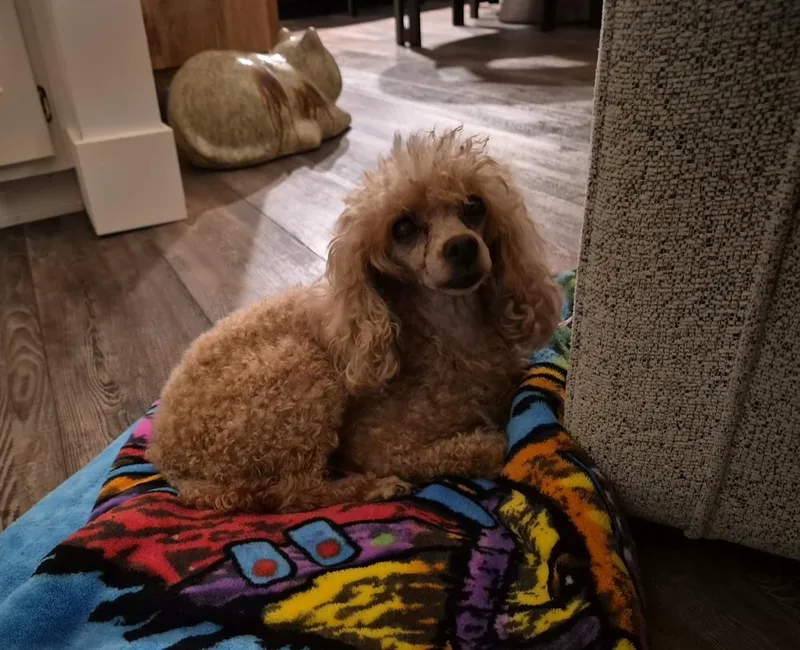
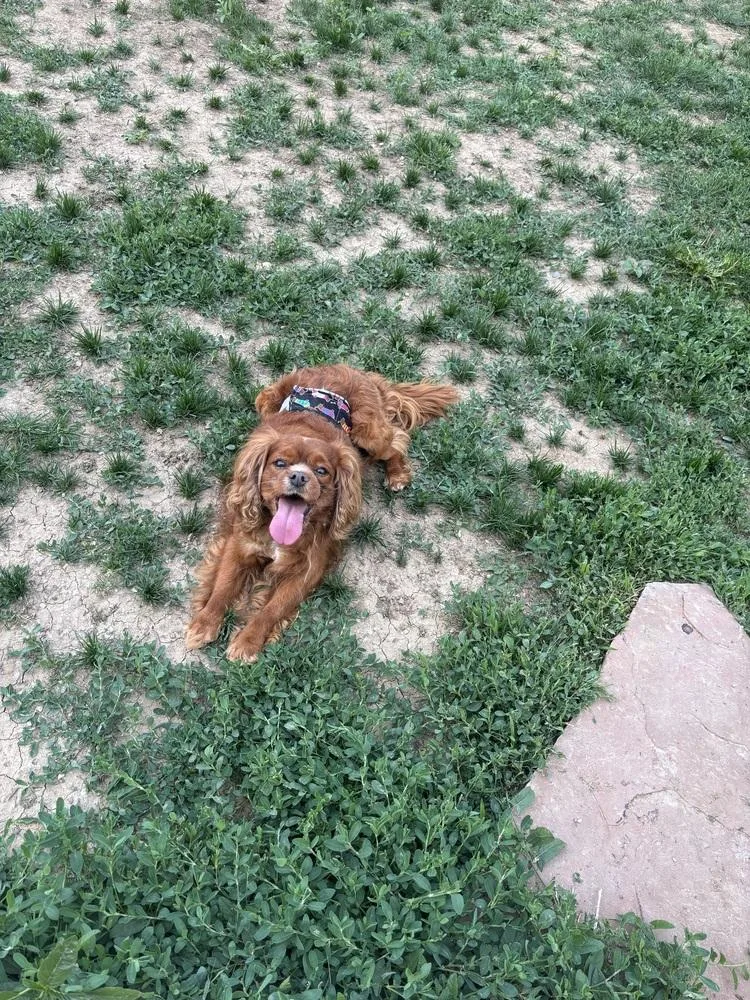
Say hello to your Otterhound

While we don't have enough dogs near Omaha, keep in mind that many rescues may offer transport.

Otterhounds and Similar Breeds Available for Adoption Near Omaha

About the Otterhound breed

The Otterhound was developed in England to follow the scent of otters along riverbanks and through cold water, with French griffon hounds added in the nineteenth century. Once otters became protected in Britain in 1978, the breed lost its job, and it's now one of the rarest hounds in the world, with only several hundred dogs estimated worldwide. The rough, oily double coat, large webbed feet and long, draping ears all suit a life spent tracking in water.

Otterhounds tend to be amiable, boisterous and even-tempered, usually friendly with people, children and other dogs. They're also independent scent hounds with a musical bay and a nose that can override training. In Omaha, that means a sturdy fence, a leash outside it, and a household with time for brushing and patience. Dogs vary, so each dog's own personality matters as much as the breed's.

Weight
65–115 lbs
Height
23–27 in
Lifespan
10–13 yrs
Temperament
Friendly, Easygoing, Independent, Vocal
Group
Hound
Shedding
Moderate

Owning an Otterhound in Omaha

Having an Otterhound in Omaha

Otterhounds pair a big, friendly presence with a powerful nose and a love of water. In Omaha, the main questions are fenced space, a booming voice, shaggy coat care and how the dog handles both icy winters and humid summers.

Temperament

Otterhounds are usually affectionate, easygoing and tolerant, often good with children and other dogs. Their size and enthusiasm can bowl over small kids, and young dogs are clumsy and bouncy. They're independent rather than eager to obey and may chase small animals on a scent. A dog's own history and personality matter most.

Exercise Needs

Most Otterhounds need a long daily walk plus time to sniff and play in a secure area, such as a fenced yard or one of Omaha's fenced dog parks. Swimming is a favorite, and scent work satisfies their nose. A fresh trail can override recall, so keep them leashed outside a fence. Avoid vigorous exercise around meals.

Health Considerations

Bloat is a major concern, reported in roughly one in eleven Otterhounds, along with hip and elbow dysplasia. An inherited platelet disorder that affects clotting has been documented, and DNA testing exists. Ear infections are common after swimming or wet spring walks. Have a veterinarian check the hips, learn bloat warning signs, feed measured meals and dry ears carefully.

Living Space

An Otterhound fits best in a house with a securely fenced yard. Its size, voice and messy beard make apartment life challenging. Expect dripped water, muddy paws and shed hair. It's happiest indoors with its family, with easy access to outdoor time rather than long stretches alone outside.

What it costs to own an Otterhound in Omaha

ExpenseTypical costPer year
Food$55 to $110 per month$660 to $1,320
Pet insurance$65 to $130 per month$780 to $1,560
Routine vet care$250 to $500 per year$250 to $500
Other*$590 to $1,490 per year$590 to $1,490
Estimated yearly total (after year one)$2,280 to $4,870

Other costs are estimates and vary with size, age and health.

* The Omaha dog license, flea, tick and heartworm prevention, a dental cleaning allowance, toys and bedding, and brushing, beard washing and ear care for a rough double coat.

Adopt an Otterhound in Omaha.

Now that you know more, let’s find you a new best friend. These rescues and shelters below currently have Otterhounds available.

Frequently Asked Questions

Yes, you can own an Otterhound in Omaha. The city's breed-specific rules cover pit bull-type dogs and a short list of other breeds, and Otterhounds aren't on it. You'll need a dog license by four months of age, a current rabies vaccination and a leash outside the yard, and you must stay within three dogs per household without a permit.

Yes, Otterhounds generally handle Omaha winters well. Their oily, woolly double coat was built for cold water, even with lows near 18°F and a few sub-zero nights. Wipe off snow, ice balls and road salt after walks, shorten outings in a deep freeze, and keep the dog indoors, since Omaha requires bedded shelter for any dog left outside.

It's possible but challenging. An Otterhound weighs 65 to 115 pounds, and its baying voice can run into Omaha's rule against continuous barking that disturbs neighbors. Many buildings set their own size limits, so read the lease's weight policy first. A ground-floor unit near a fenced dog park like Dewey in Midtown helps, but a house with a fenced yard is easier.

Hefflinger Dog Park in northwest Omaha is a strong choice, with a fenced all-dog area of about five acres. The Big Papio Trail runs about 10 miles from Hefflinger Park to Seymour Smith Park, and Standing Bear Lake has a boardwalk trail. Keep your Otterhound leashed on trails, because a scent can pull it away fast.

Probably not. Omaha Metro buses, including ORBT, require pets to ride in a carrier unless they are service animals, and an adult Otterhound is far too large for one. Omaha has no subway or rail line, so plan on driving or walking to dog parks and vet visits.

Only on some patios. In Omaha, dogs are allowed on a restaurant patio only where the venue has health department approval, and the dog must stay leashed. Indoor dining rooms are off-limits to pets. A 65-to-115-pound Otterhound takes up real floor space and may bay at passersby, so a short, quiet visit works best.

Plan on brushing an Otterhound several times a week, plus washing the beard and drying the ears after swimming or wet walks. Omaha's muddy springs and snowy winters mean extra paw wiping and removing ice balls from leg feathering. Professional tidying falls within the Other costs in the cost table, along with dental and parasite care.

An Otterhound is a large, rough-coated English scent hound originally bred to hunt otters on land and in water. It has a shaggy, oily double coat, webbed feet and long, folded ears. A member of the AKC Hound Group, it is friendly, boisterous and independent, and today it is one of the rarest dog breeds in the world.

We have 1 rescue with Otterhounds available: Nebraska Humane Society. You can see every rescue with Otterhounds available in the list above these questions.

Plan on roughly $2,300 to $4,900 a year for an Otterhound in Omaha. Food runs $55 to $110 a month and pet insurance $65 to $130 a month, while routine vet care is $250 to $500 a year. Other costs, including grooming, dental care, parasite prevention and the license, add $590 to $1,490 a year.