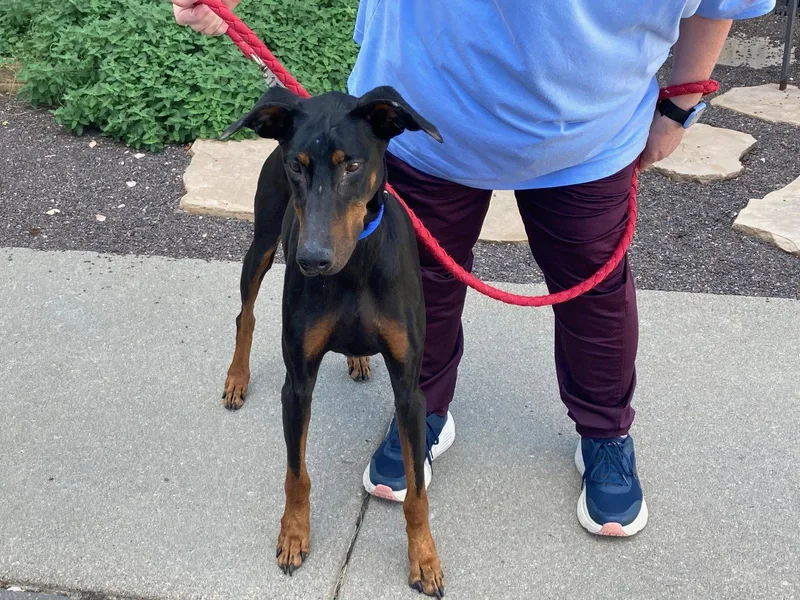
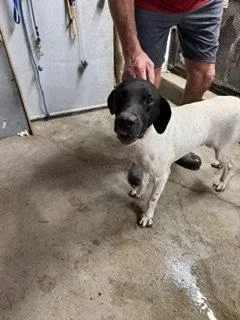
Great Pyrenees dog

Great Pyrenees Dogs for Adoption in Omaha, NE

Your guide to finding and caring for a Great Pyrenees in Omaha

Great Pyrenees are well matched to Omaha winters, and they do best where there's a fenced yard. A Pyr's thick double coat handles January without a sweater, and a fenced yard in a place like Elkhorn, with its newer subdivisions, gives a big dog room to patrol at dusk. The trade-off is nighttime barking, which carries on closely spaced blocks, and a leash is a must on the paved loops around Zorinsky Lake. If you're weighing adoption, think about your fence first and your couch second.

2461 Great Pyrenees available in Omaha and nationwide

Open your home to a Great Pyrenees

While we don't have enough dogs near Omaha, keep in mind that many rescues may offer transport.

Great Pyrenees Available for Adoption Near Omaha

About the Great Pyrenees breed

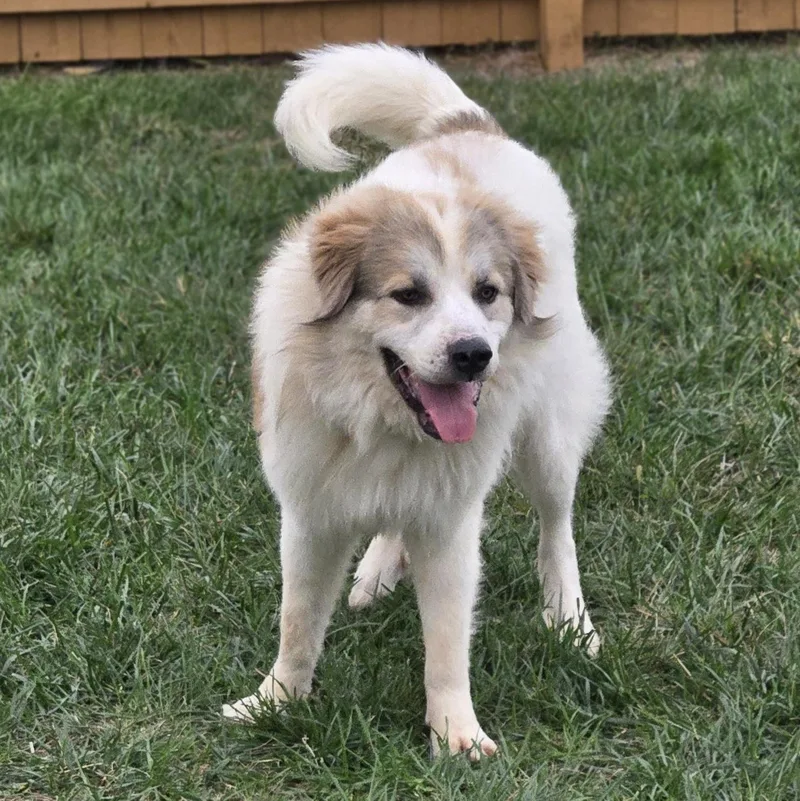
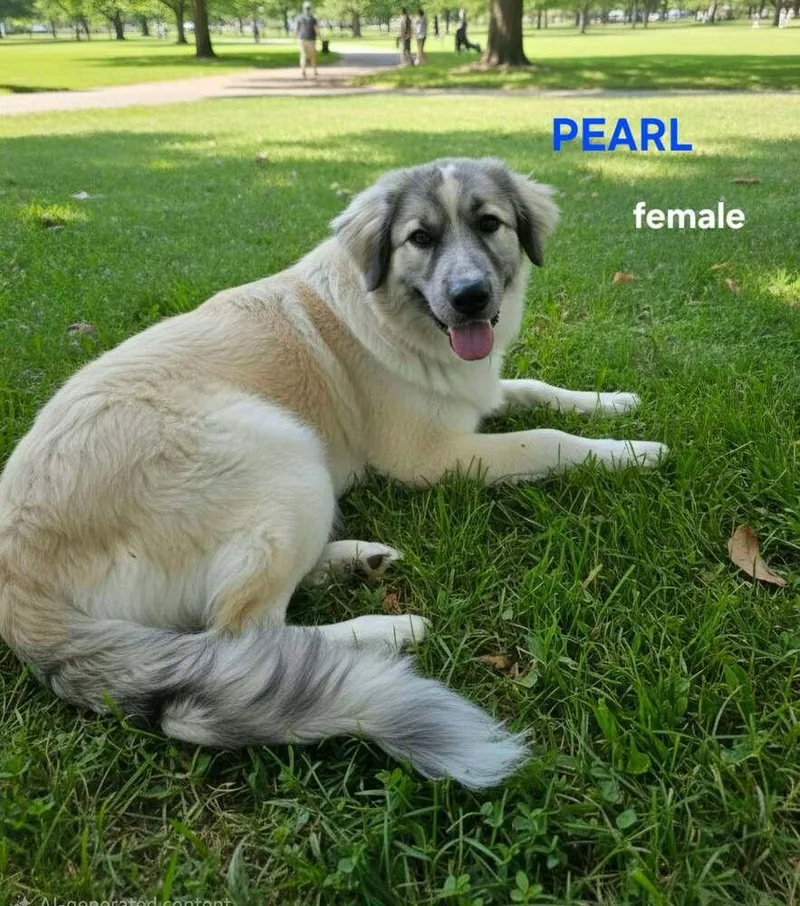
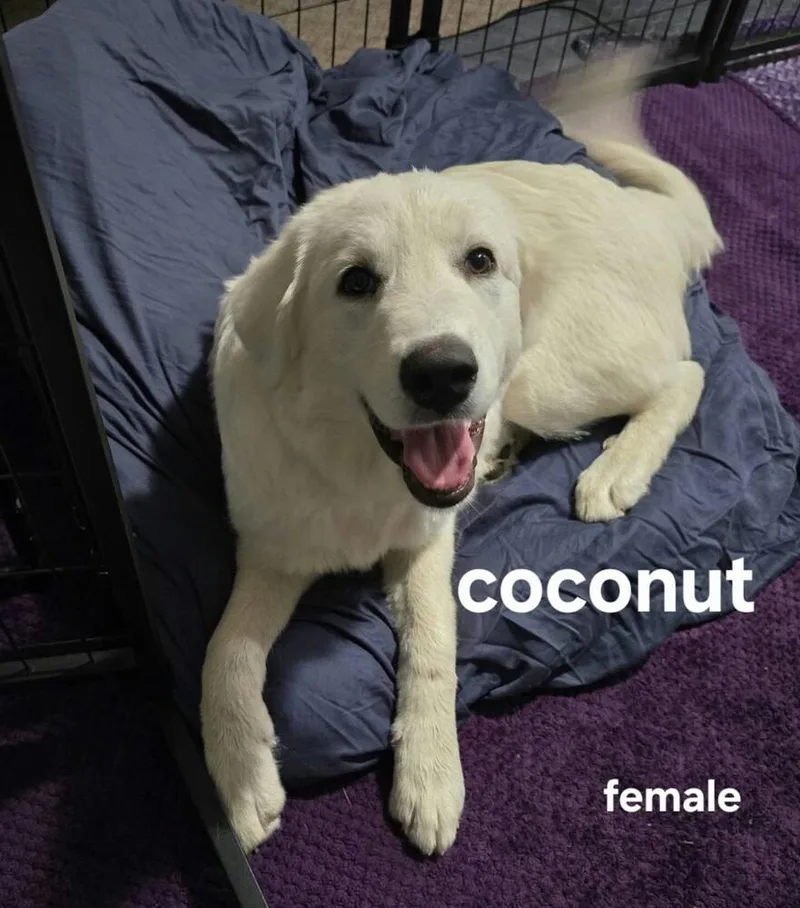
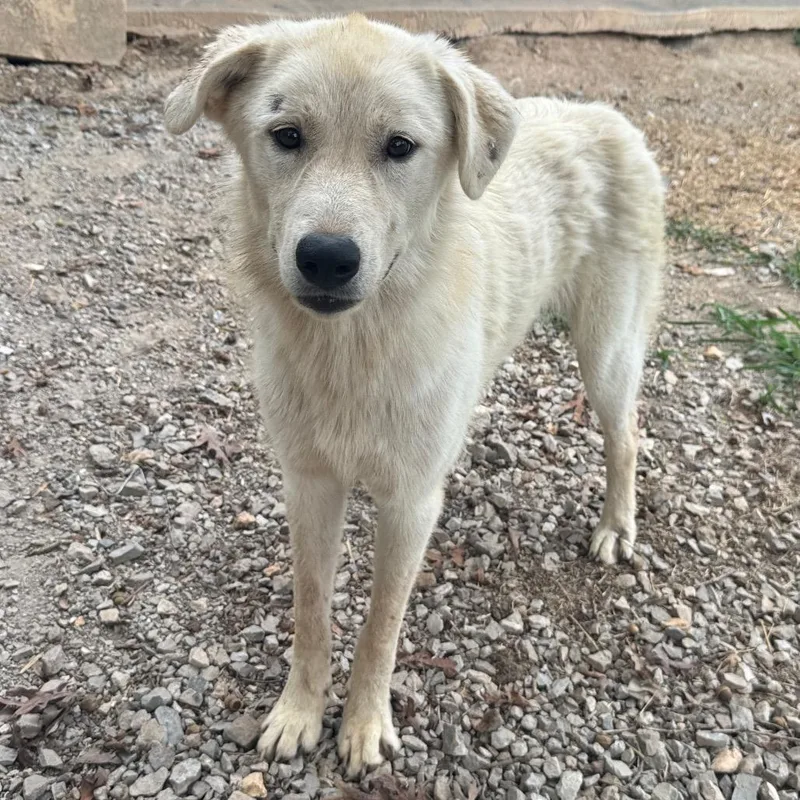
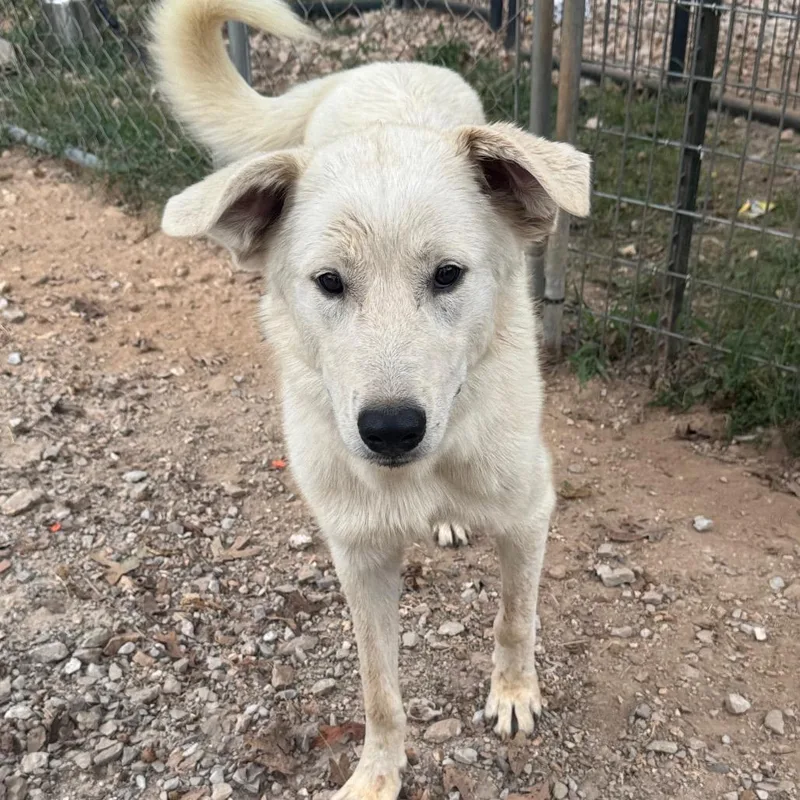
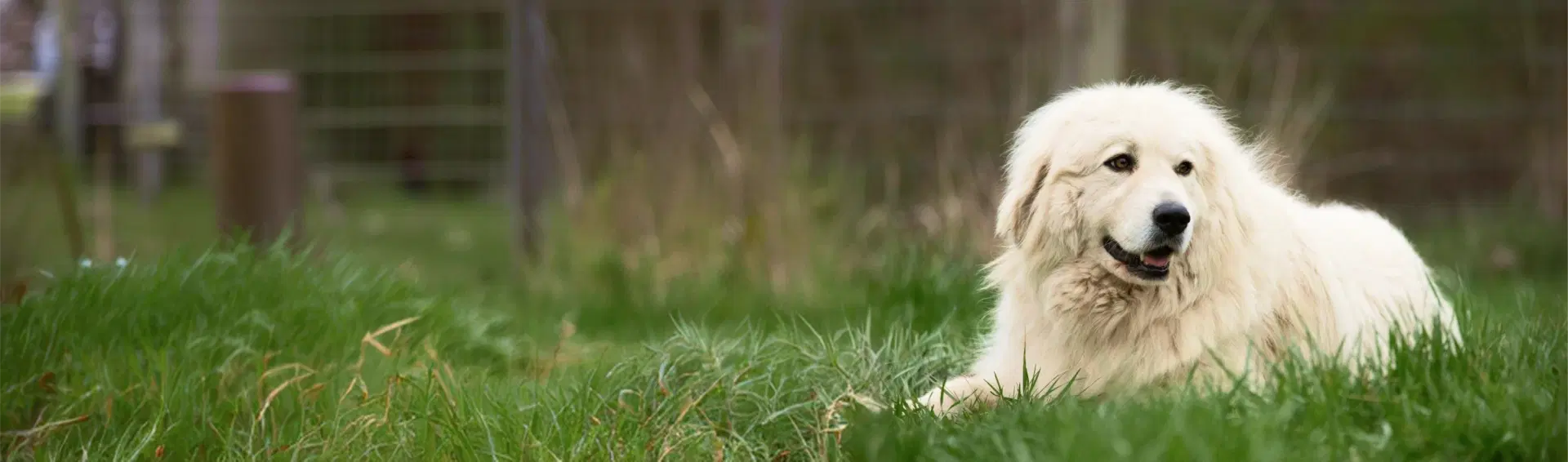
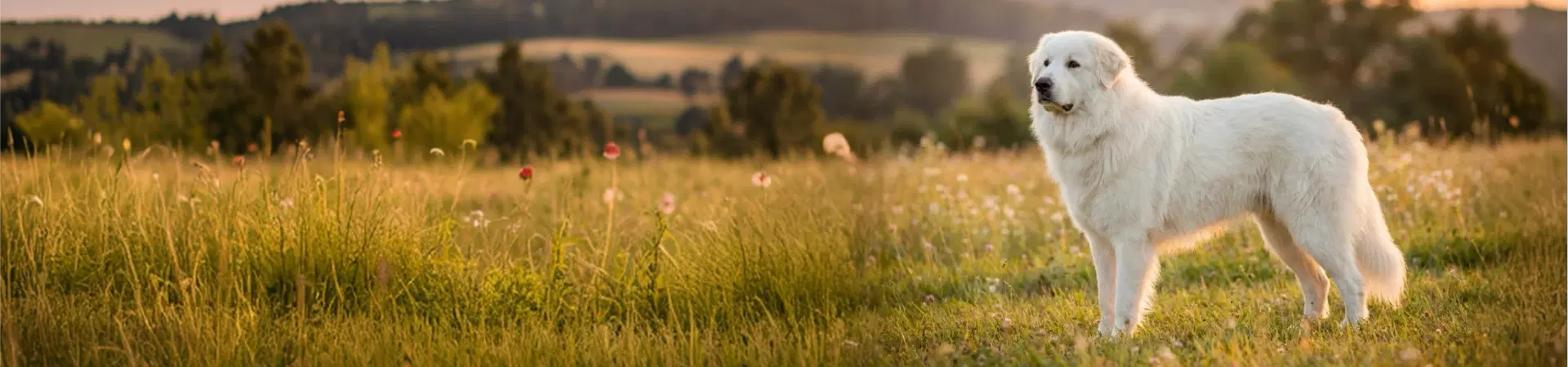
The Great Pyrenees began as a livestock guardian in the Pyrenees mountains between France and Spain, where big white dogs stayed with flocks and drove off wolves and bears. Adults weigh roughly 85 to 120 pounds, with a white double coat that may carry gray, tan or badger markings, a plumed tail and double dewclaws on the hind legs. That coat was made for mountain weather, so it copes with a Nebraska winter far better than a humid July.

Pyrs are usually calm, gentle and devoted to their families, but they were bred to work without instructions, so training takes patience and many are slow to obey. They tend to be watchful at night and may roam if a fence has gaps. Expect heavy shedding, especially in spring. Each dog varies, so look at the dog in front of you, not just the breed.

Weight
85–120 lbs
Height
25–32 in
Lifespan
10–12 yrs
Temperament
Calm, Protective, Independent
Group
Working
Shedding
High

Owning a Great Pyrenees in Omaha

Having a Great Pyrenees in Omaha

In Omaha, a Pyr's size, thick coat and nighttime watchfulness shape daily life more than anything else. Cold weather is easy for the breed, while humid summers, storm season and fence security take planning. Dogs vary, so treat these as tendencies rather than promises.

Temperament

Pyrs are typically gentle and loyal with their own family and reserved with strangers. Their guardian streak means barking at night, which matters in Omaha, where uninterrupted barking that disturbs neighbors is against city rules. Early socialization and patient, reward-based training help, though independence is part of the package for many Pyrs.

Exercise Needs

Plan on daily walks plus time to patrol a fenced yard. Paved paths such as the loop around Zorinsky Lake or the boardwalk trail at Standing Bear Lake suit a leashed Pyr in cool weather, and since many Pyrs roam, the leash matters. In summer, shift walks to early morning or evening, and avoid hard exercise right after meals.

Health Considerations

Hip and elbow dysplasia, kneecap luxation, bloat and bone cancer are the main concerns in Pyrs, and giant breeds often have shorter lives. Feed several smaller meals, keep the dog lean and learn the signs of bloat. Omaha's humid summers add heatstroke risk, so ask a veterinarian about hip and patella screening at the first checkup.

Living Space

A Pyr does best with a securely fenced yard, which Omaha's single-family neighborhoods are more likely to offer than its downtown apartment buildings. Apartment life is possible for a calm adult with an attentive owner, but size and nighttime barking make it harder. Expect white hair everywhere and a dog that seeks out cool floors.

What it costs to own a Great Pyrenees in Omaha

ExpenseTypical costPer year
Adoption fee$465, one time$465 in year one
Food$80 to $160 per month$960 to $1,920
Pet insurance$85 to $170 per month$1,020 to $2,040
Routine vet care$250 to $500 per year$250 to $500
Other*$710 to $1,910 per year$710 to $1,910
Estimated yearly total (after year one)$2,940 to $6,370
First-year total (with adoption fee)$3,405 to $6,835

Adoption fee is the fee on Great Pyrenees listings in Omaha on GetBuddy today. Other costs are estimates and vary with size, age and health.

* The Omaha dog license, flea, tick and heartworm prevention, a dental cleaning allowance, toys and bedding, brushing and baths for heavy seasonal shedding, and joint supplements for a giant breed.

Great Pyrenees dog

Adopt a Great Pyrenees in Omaha.

Now that you know more, let’s find you a new best friend. These rescues and shelters below currently have Great Pyrenees available.

Frequently Asked Questions

Yes, you can own a Great Pyrenees in Omaha. The city's breed-specific rules apply to pit bull-type dogs and a specific list of other breeds, and Great Pyrenees aren't on it. Every Omaha dog needs a license by four months old, and rabies vaccination is required statewide. Plan on a fenced yard and a leash, since dogs must be leashed or confined.

A calm adult Great Pyrenees can live in an Omaha apartment, but it's difficult for many. Their size and habit of barking at night can lead to neighbor complaints. A ground-floor unit near green space and a steady daily walking routine help. Check the lease for weight limits, since some buildings cap dog size.

Yes, most Great Pyrenees handle Omaha winters well. Their double coat was built for mountain cold, so snow and sub-zero days rarely bother them. Wipe off salt and ice after walks, watch for ice balls between the toes, and keep the dog inside overnight in dangerous cold. Never shave the coat, since it insulates against both cold and heat.

A Great Pyrenees fits Omaha best in a home with a securely fenced yard and an owner who is home for much of the day. The cold winters suit the breed, while humid summers, spring storms and coyote sightings in some neighborhoods call for shade, an indoor retreat and supervised yard time. Dogs vary, and a quiet adult often settles in more easily.

Hefflinger Dog Park in northwest Omaha has a roughly five-acre fenced area for big dogs, and Miller Park in North Omaha has a fenced dog park too. For leashed walks, Standing Bear Lake's boardwalk trail and the Big Papio Trail work well. Go in the cooler hours, bring water, and keep your Pyr leashed until you're sure it won't wander.

No, a Great Pyrenees can't realistically ride public transit in Omaha. Metro buses, including ORBT, require pets to travel in a carrier unless they are service animals, and a Pyr is far too big for one. Omaha has no subway or rail system. Plan on driving to vet visits and parks, and never leave the dog in a parked car.

Only on some patios. In Omaha, dogs are allowed on a restaurant patio only where the venue has health-department approval, and they must stay leashed. Indoor dining rooms are off-limits to pets. A Pyr takes up a lot of floor space, so a quiet, uncrowded time works best, and make sure the patio welcomes dogs before you sit down.

Plan on weekly brushing with a pin or slicker brush, and more often in spring and fall, when a Pyr sheds its undercoat heavily. Omaha's cold winters and hot summers both call for the full double coat, so don't shave it; trim only the feet and sanitary areas. Occasional baths and grooming sessions fall under the Other costs shown on this page.

We have 1 rescue with Great Pyrenees available: Bullies-N-Beyond ResQ. You can see every rescue with Great Pyrenees available in the list above these questions, or scroll to the top to see the Great Pyrenees near Omaha.

A Pyr's costs run high because of its size. Expect about $80 to $160 a month for food, $85 to $170 a month for pet insurance, $250 to $500 a year for routine vet care, and $710 to $1,910 a year for other costs such as licensing, prevention, dental care and grooming. Giant-breed joint and bloat risks can add unplanned vet bills.