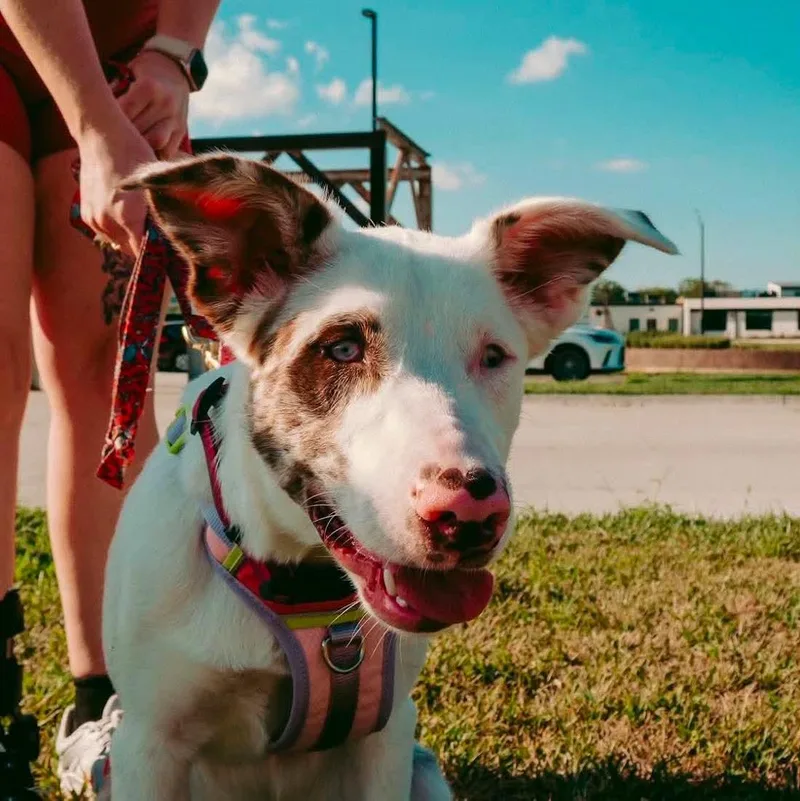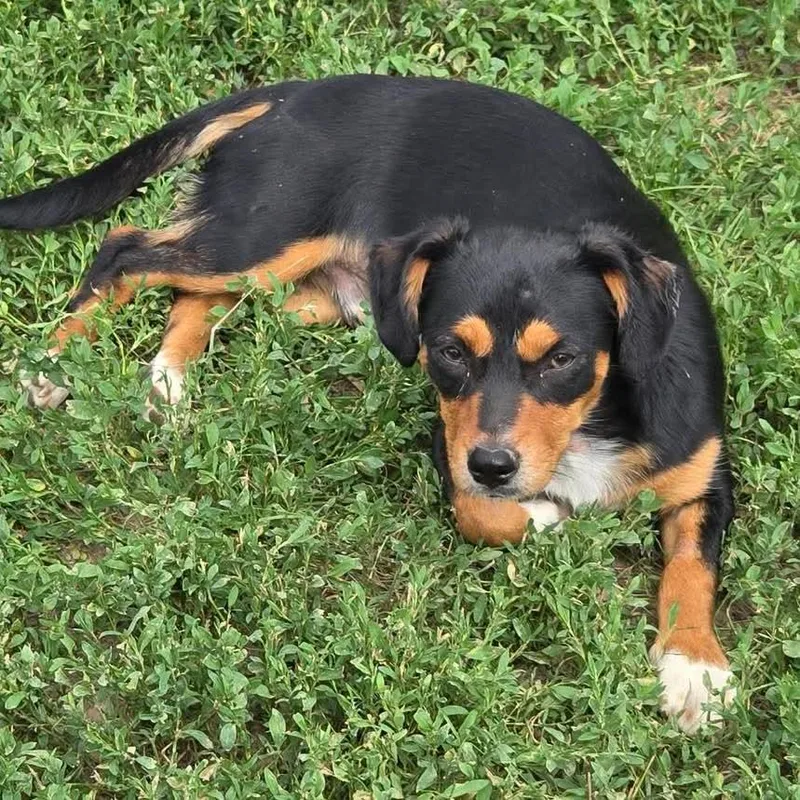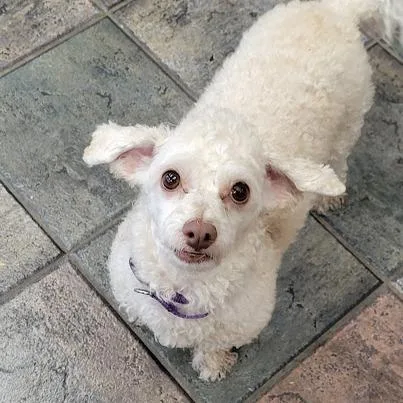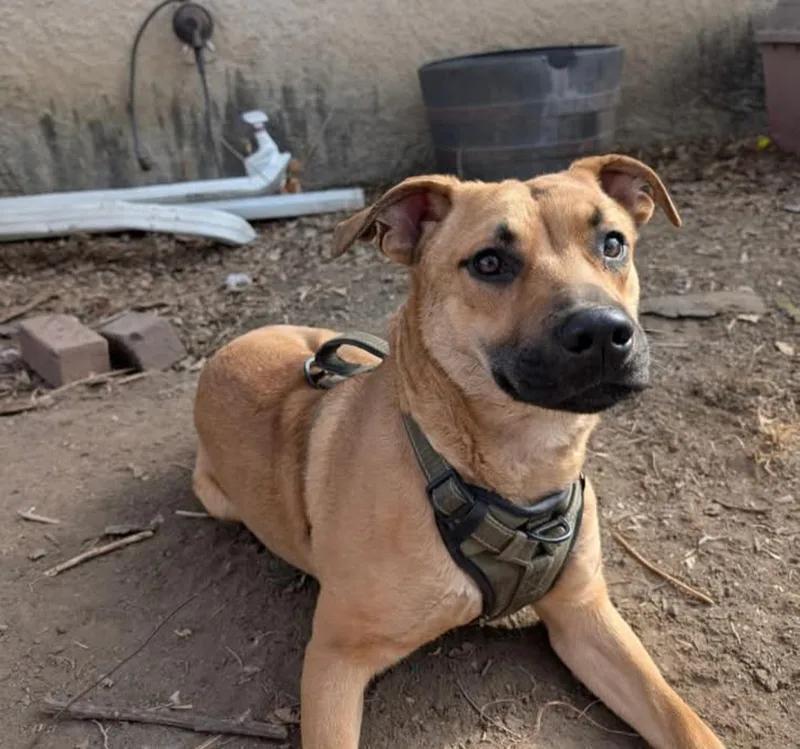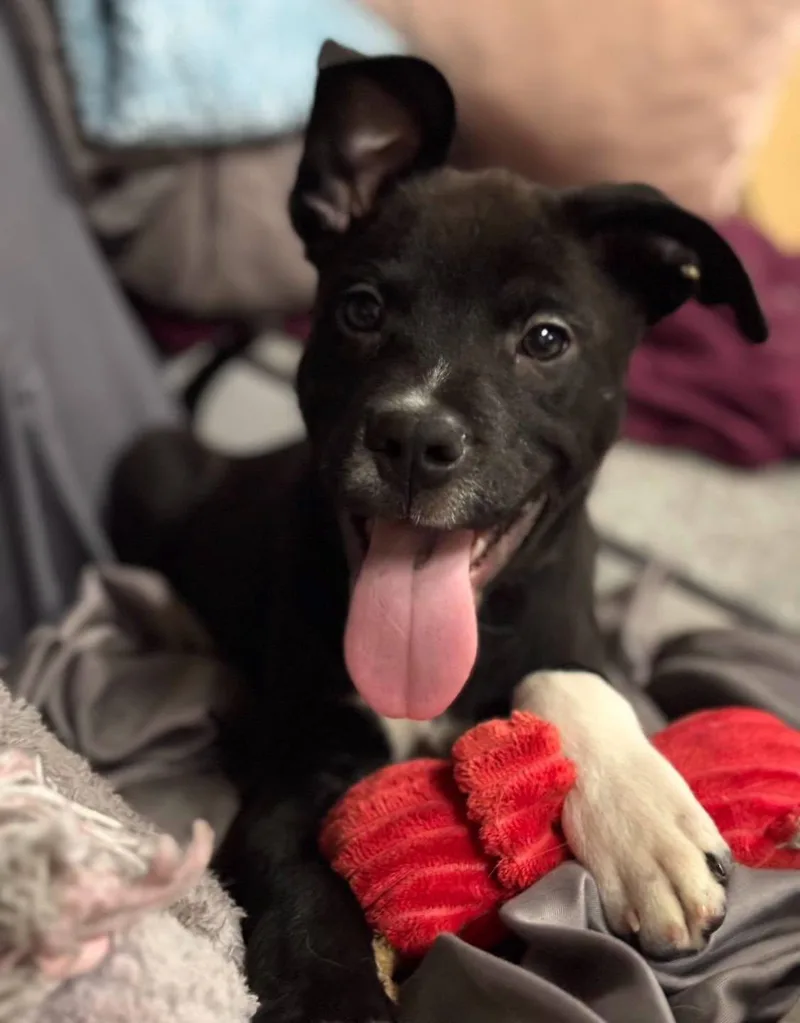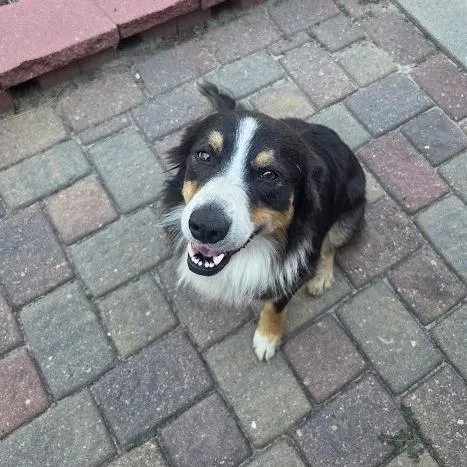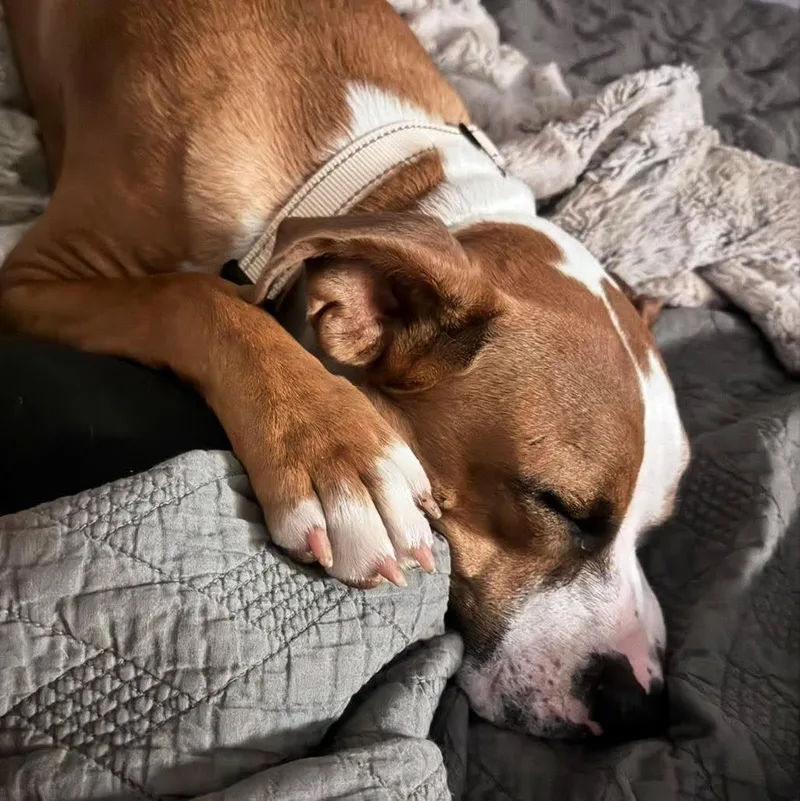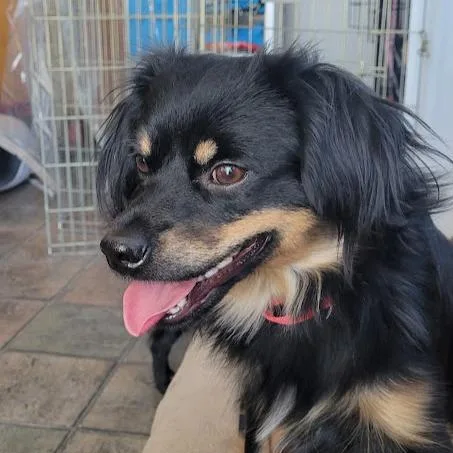

Pomeranian dog

Pomeranian Dogs for Adoption in Grand Island, NE

Your guide to finding and caring for a Pomeranian in Grand Island

A Pomeranian suits the older, walkable blocks of downtown Grand Island, where a short loop covers a day's walking. The Oak Street route from 6th to 17th runs about a mile and a quarter, and Eagle Scout Park's 1.05-mile perimeter trail on the north side is an easy second option. Poms are small, so both are plenty, and a harness keeps the walk comfortable. They're alert, though, so expect commentary on every passing bike and neighbor. Most do best with people who are home often.

628 Pomeranians available in Grand Island and nationwide

Bring home a Pomeranian

While we don't have enough dogs near Grand Island, keep in mind that many rescues may offer transport.

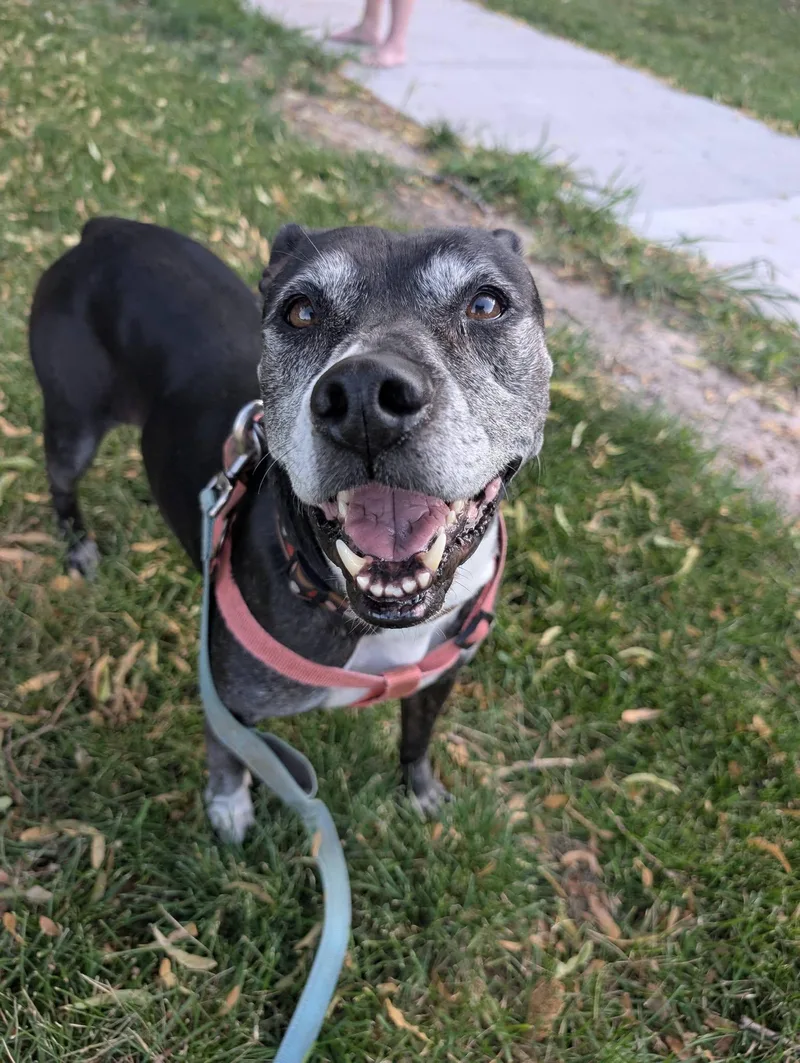
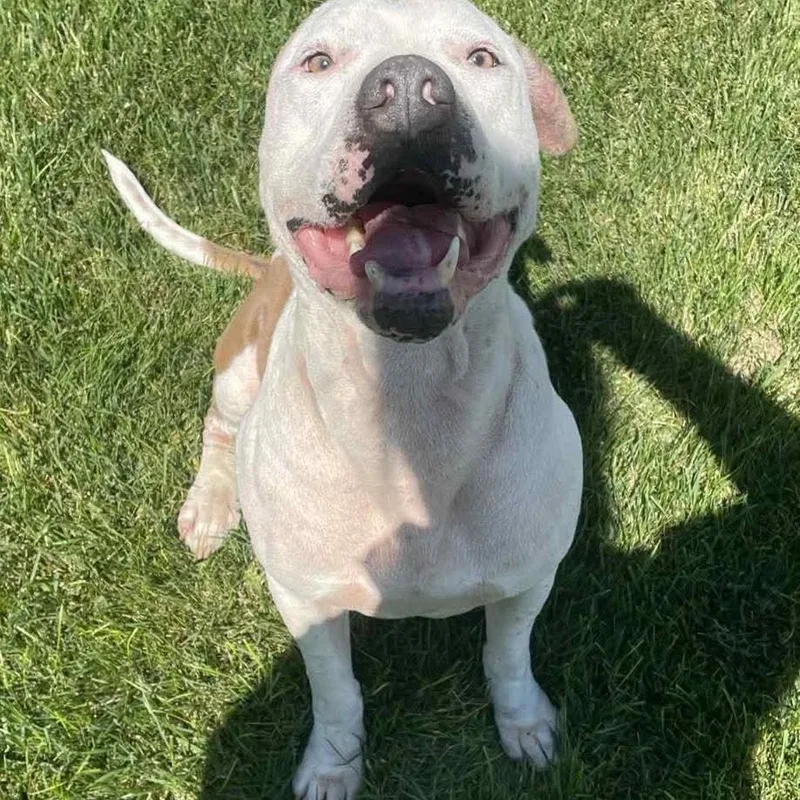
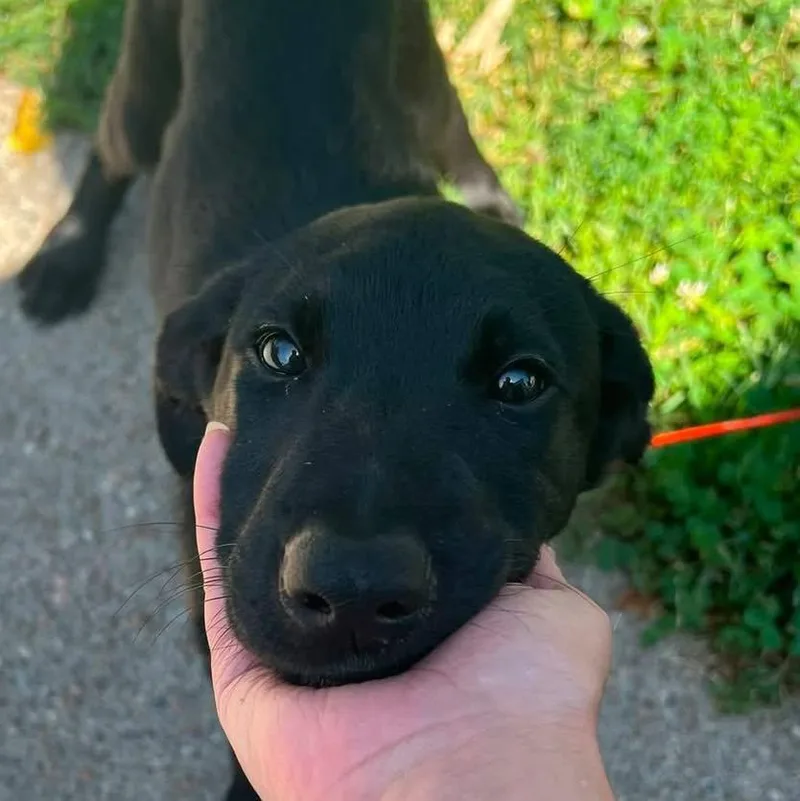
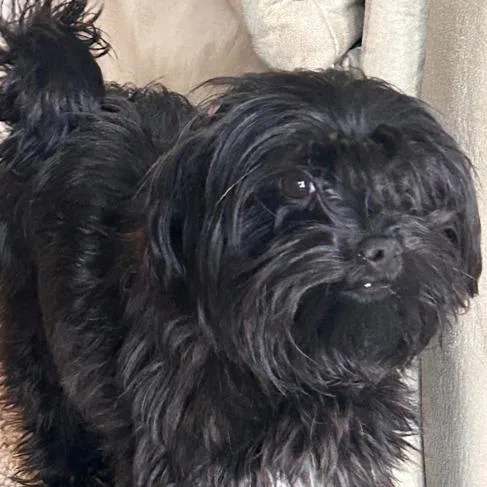
Pomeranians Available for Adoption Near Grand Island

About the Pomeranian breed

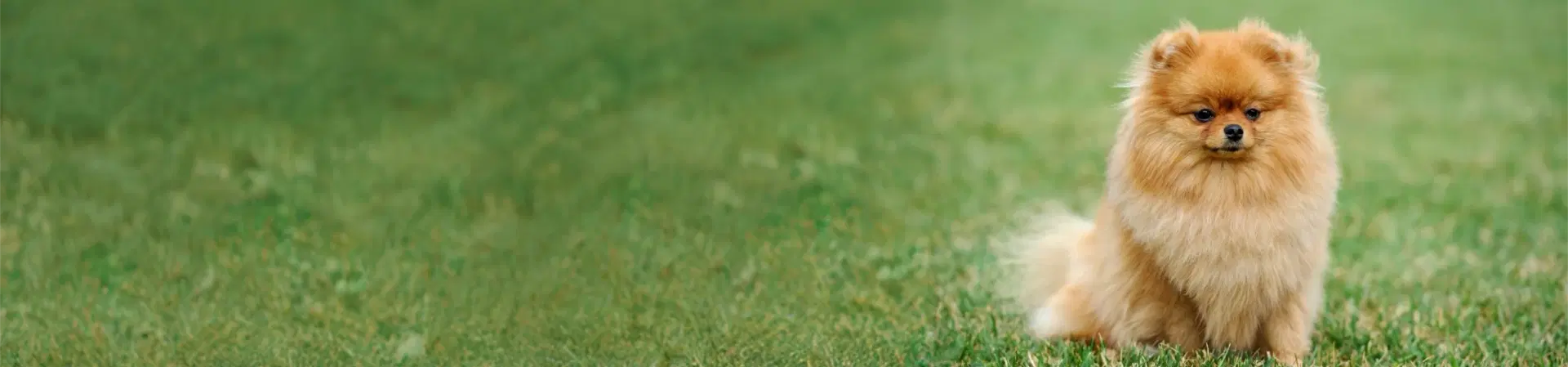
The Pomeranian is a toy spitz named for the Baltic region of Pomerania. Its larger German Spitz ancestors herded and guarded, and Victorian England's fondness for small, colorful Poms shrank the breed to roughly 3 to 7 pounds. The look is unmistakable: a standoff double coat, a plumed tail over the back, small pricked ears and a foxy face. Many adoptable Poms weigh more than 7 pounds, so size varies.

Many Poms are bold, curious and closely bonded to their people, and they bark at sounds. They're fragile around toddlers, falls and large dogs, so gentle handling matters. In Grand Island, the thick coat means regular brushing, and dental care and a harness are worth planning for. Dogs vary, so judge each Pom by how it behaves, not by breed alone.

Weight
3–7 lbs
Height
6–11 in
Lifespan
12–16 yrs
Temperament
Lively, Alert, Curious, Bold
Group
Toy
Shedding
Moderate to High

Owning a Pomeranian in Grand Island

Having a Pomeranian in Grand Island

Poms pair a big, watchful personality with a small frame and a thick double coat. In Grand Island, the traits that matter most are barking, brushing, dental and joint care, and keeping a small body warm through long Nebraska winters.

Temperament

Pomeranians tend to be bold, curious and attached to a favorite person, and many announce every visitor and noise. Some get bossy with bigger dogs or snappy when handled roughly. Early socialization and reward-based training help, and each dog's history and personality matter more than breed averages. They suit calm adults and older children who handle small dogs gently.
Exercise Needs

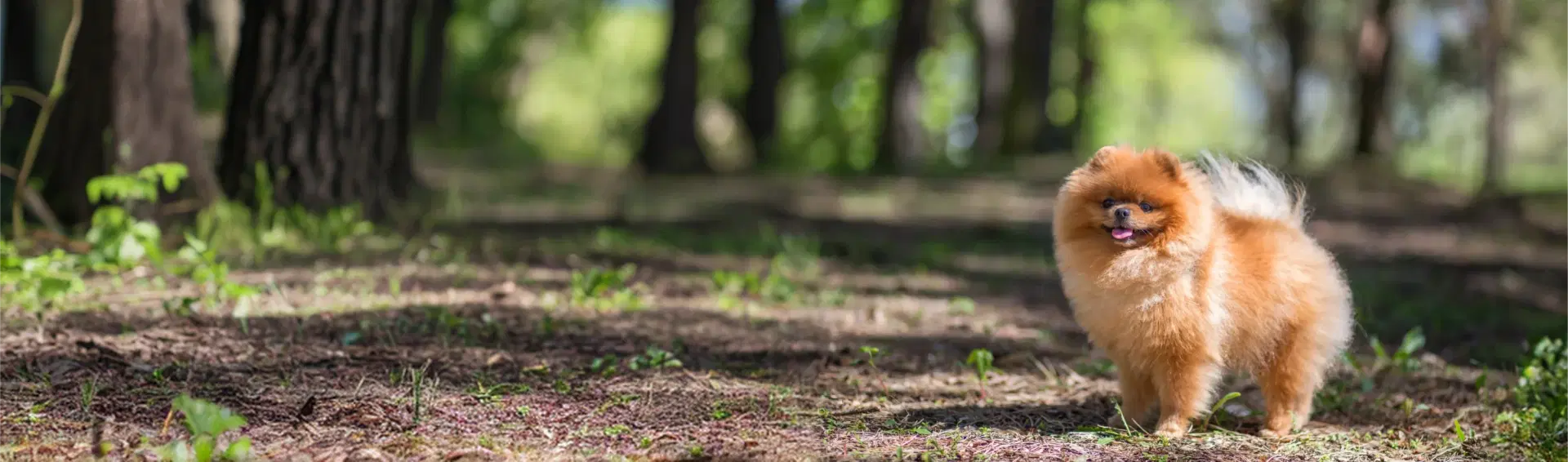
Expect two or three short walks a day plus indoor play. A few laps around the block, a city trail or a fenced backyard can cover it. Keep dogs leashed in city parks and on trails, and use a harness, not a collar, to protect the trachea. Puzzle toys and trick training add mental exercise on icy or stormy days.

Health Considerations

Pomeranians are prone to luxating kneecaps, a collapsing trachea, dental disease and, sometimes, alopecia X, a coat-loss condition. Daily tooth brushing, a lean weight and a harness help, and so does limiting jumps off furniture. A veterinarian can check the knees, teeth and airway at a first visit and plan prevention that fits Nebraska's seasons.

Living Space

A Pomeranian is comfortable in an apartment, duplex or house, because its space needs are small. Barking is the main concern with close neighbors, so start training early. Block stairs and open doors, and supervise around toddlers and big dogs. In a yard, stay close by, since a toy dog can slip through small fence gaps.

What it costs to own a Pomeranian in Grand Island

ExpenseTypical costPer year
Adoption fee$200, one time$200 in year one
Food$15 to $35 per month$180 to $420
Pet insurance$35 to $70 per month$420 to $840
Routine vet care$200 to $400 per year$200 to $400
Other*$591 to $1,441 per year$591 to $1,441
Estimated yearly total (after year one)$1,391 to $3,101
First-year total (with adoption fee)$1,591 to $3,301

Adoption fee is the fee on Pomeranian listings in Grand Island on GetBuddy today. Other costs are estimates and vary with size, age and health.

* The $16 to $41 Grand Island dog license, flea, tick and heartworm prevention, dental cleanings, brushing supplies and baths for the double coat, and toys and bedding.

Pomeranian dog

Adopt a Pomeranian in Grand Island.

Now that you know more, let’s find you a new best friend. These rescues and shelters below currently have Pomeranians available.

Rescues in Grand Island with Pomeranians Available

Grand Island's humane society places dogs and cats with new families, and the listings here change as new animals arrive. Here are the rescues & shelters in the Grand Island area where you can find Pomeranians and other dogs available for adoption.

Frequently Asked Questions

Yes, Grand Island has no known breed ban, and its dangerous-animal rules are based on a dog's behavior, not its breed. You'll need a yearly city license with proof of rabies vaccination, and a household is limited to four dogs and cats combined. Watch the listings on this page for Pomeranians and other small dogs.

Yes, with some care. A Pom's double coat insulates well, but its small body chills quickly, and Grand Island has about 145 freezing nights a year. Use a sweater or coat outdoors, keep walks short in wind, dry paws after snow, and give the dog a warm bed away from drafts.

Eagle Scout Park's 1.05-mile perimeter trail and the Shoemaker Trail are easy leashed walks for a toy dog, and Stolley Park and Ryder Park offer a change of scenery. Dog Island at L.E. Ray Park is the fenced option, and the small-dog side is the safer choice for a Pom.

Often, yes. A mid-sized city with short trails and a mix of houses and rentals suits a toy dog with modest exercise needs. The harder parts are winter cold, the July 4 fireworks week and barking in shared buildings. Poms do best with someone home much of the day, since many dislike long stretches alone.

Brush a Pomeranian's double coat two or three times a week, and daily during the heavy spring and fall sheds. Bathe every month or two, and dry the coat fully before going out in freezing weather. Skip shaving, which can damage the coat. Grooming supplies and salon visits fall under the Other line in the cost table.

Sometimes, on patios only. Nebraska has allowed pet dogs in designated outdoor dining areas since April 2025, but each restaurant decides whether to permit them, so ask before you sit down. Pet dogs aren't allowed inside dining rooms, though service animals are. Keep your Pom leashed or in a carrier beside your chair.

Grand Island's CRANE Public Transit is a call-ahead, demand-response service rather than a fixed-route bus system. Pet rules on a booked ride can vary, so plan to carry your Pom in a closed, secure carrier and confirm when you book. Service animals are a separate matter under the ADA.

Pomeranians come from the Pomerania region along the Baltic Sea, now part of northern Poland and northeastern Germany, where its larger German Spitz ancestors developed. The breed as we know it was shaped in England, where royals including Queen Charlotte and Queen Victoria kept them in the 1700s and 1800s and the dogs grew steadily smaller. The first English breed club formed in 1891.

We have 1 rescue with Pomeranians available: Voice for Companion Animals. You can see every rescue with Pomeranians available in the list above these questions, or scroll to the top to see the Pomeranians near Grand Island.

A Pomeranian in Grand Island typically runs about $15 to $35 a month for food and $35 to $70 for insurance, plus $200 to $400 a year for routine vet care and $591 to $1,441 for everything else. That works out to roughly $1,400 to $3,100 a year, before emergencies or one-time supplies like a harness, carrier and sweater.

Find Pomeranians in Nearby Cities

Expand your search to find Pomeranians available for adoption near Grand Island.