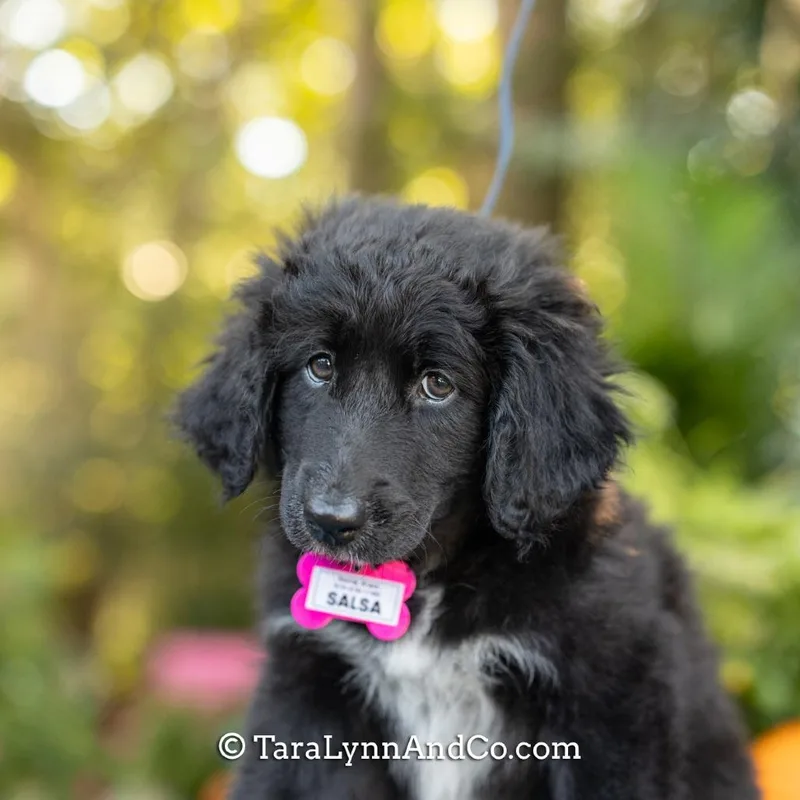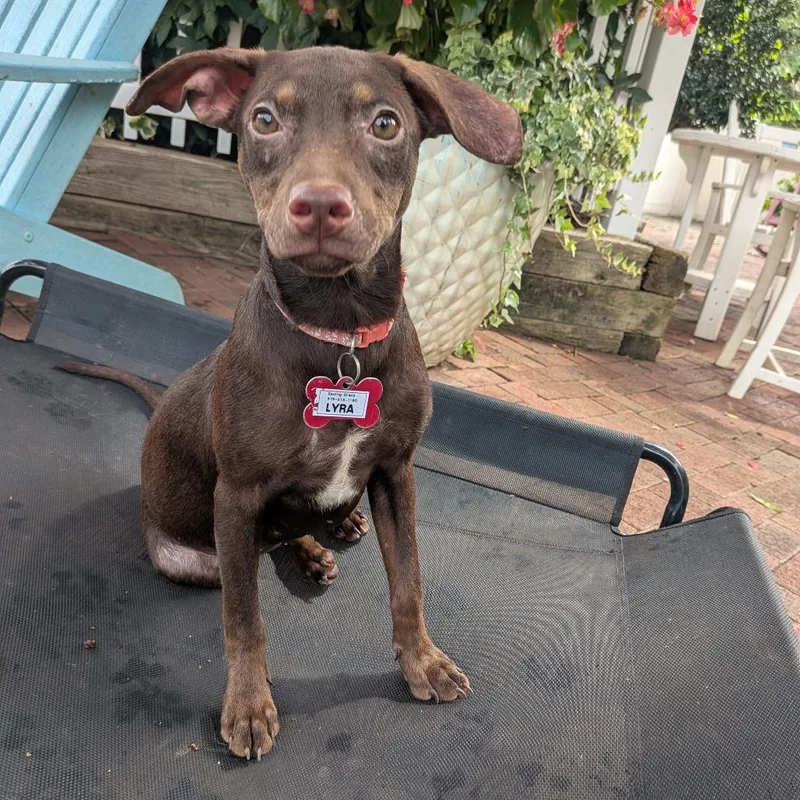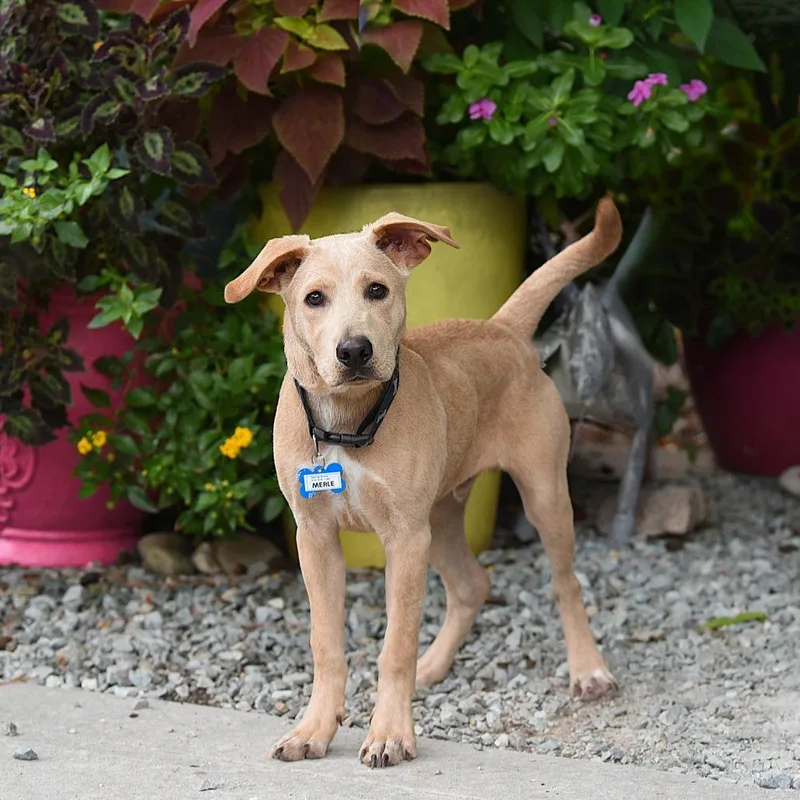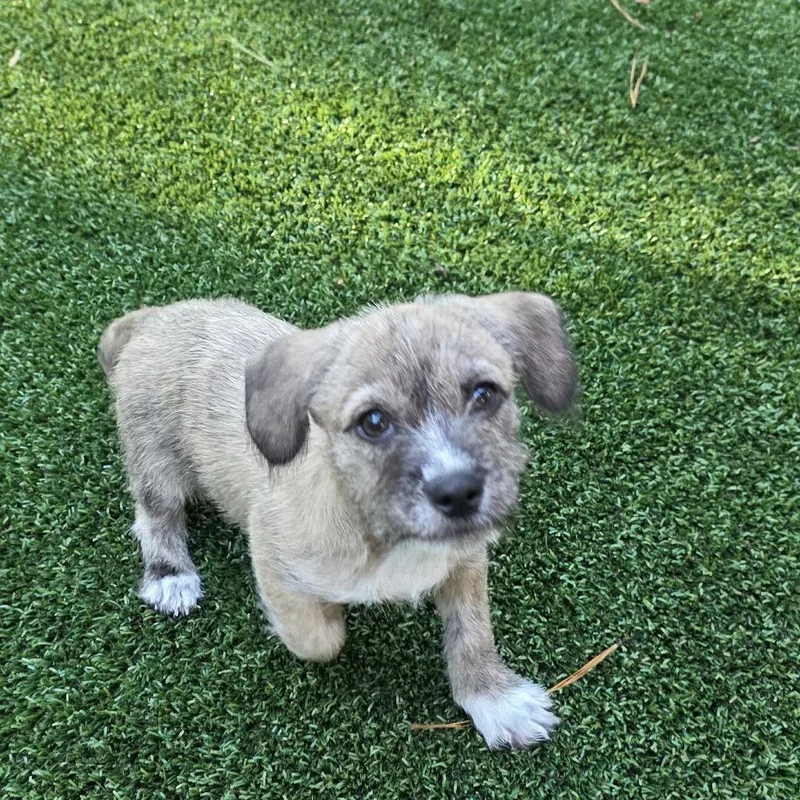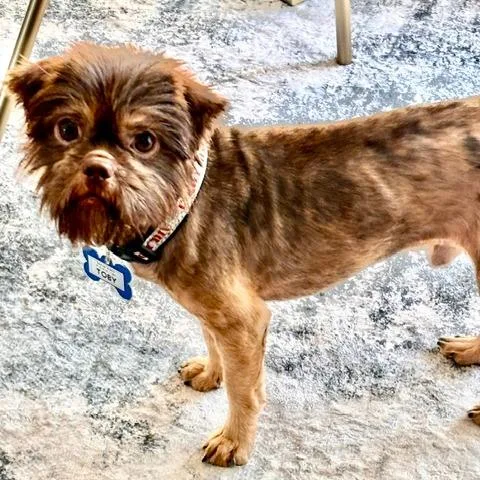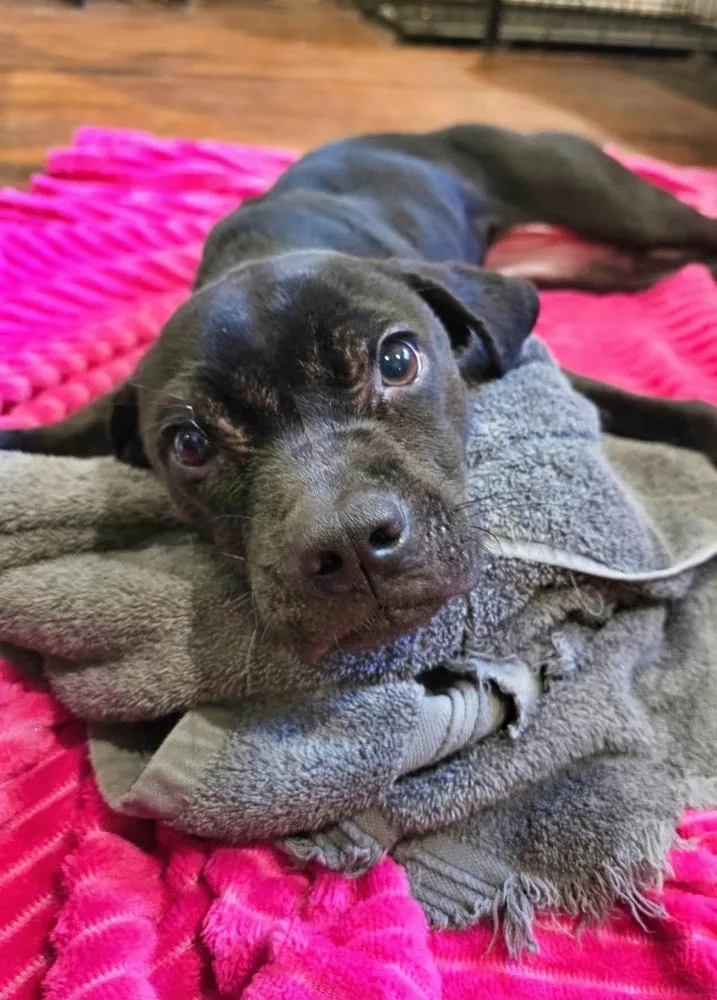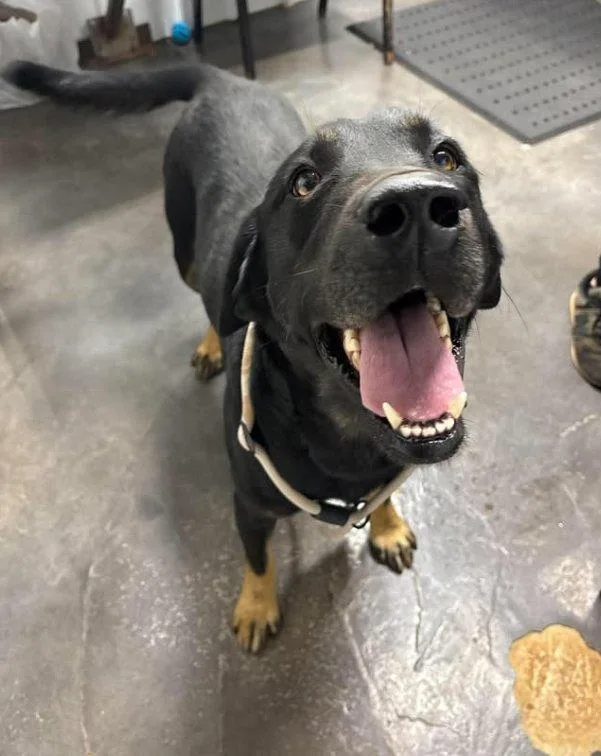
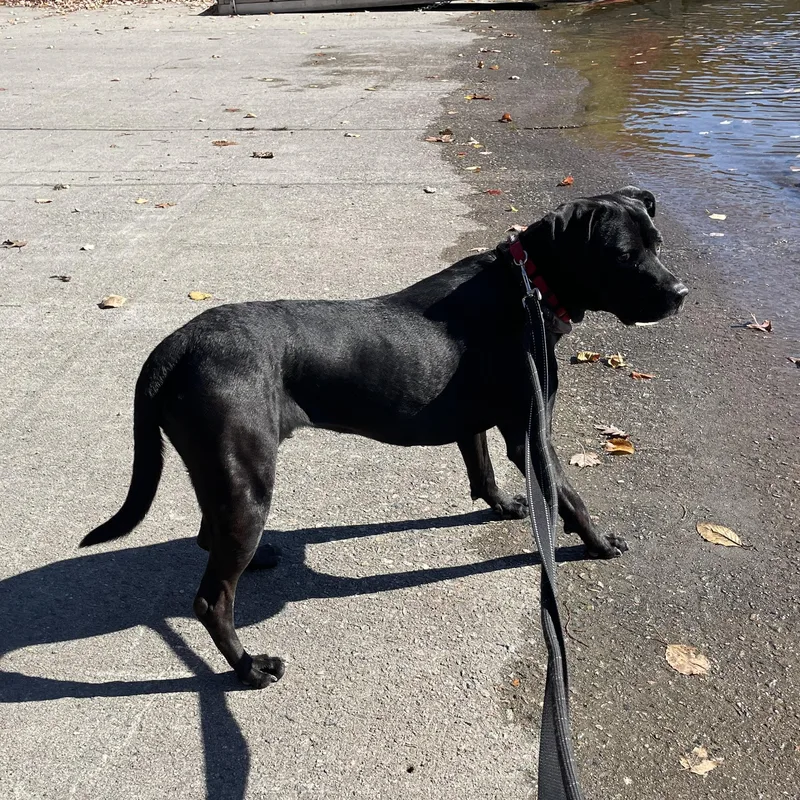
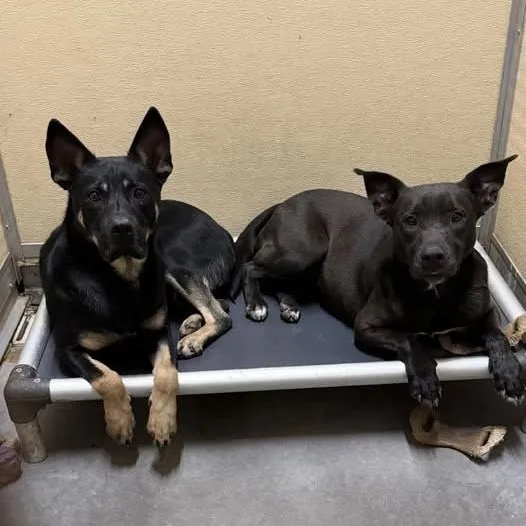
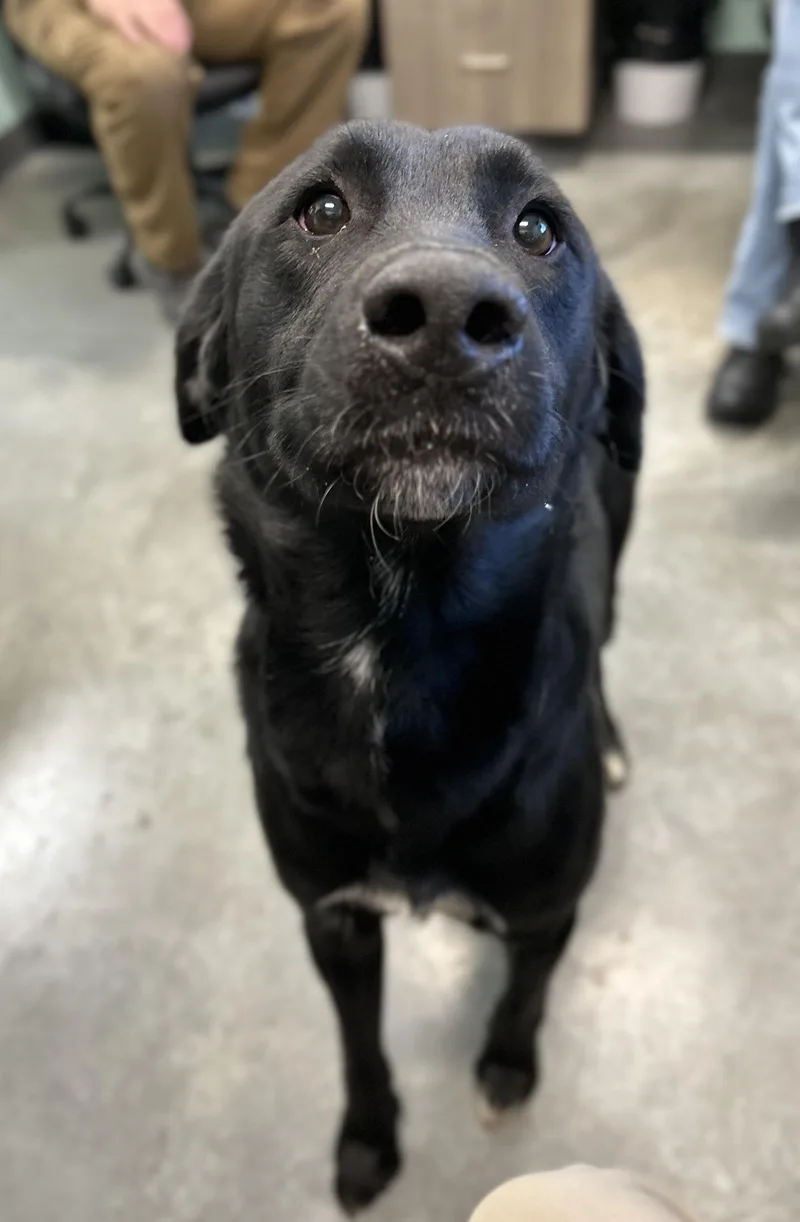
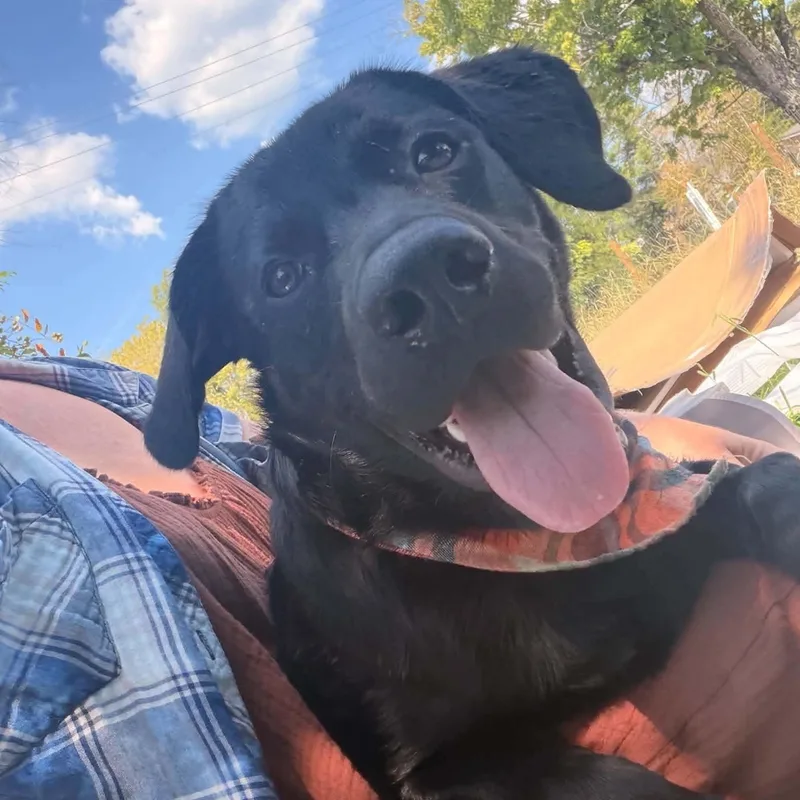
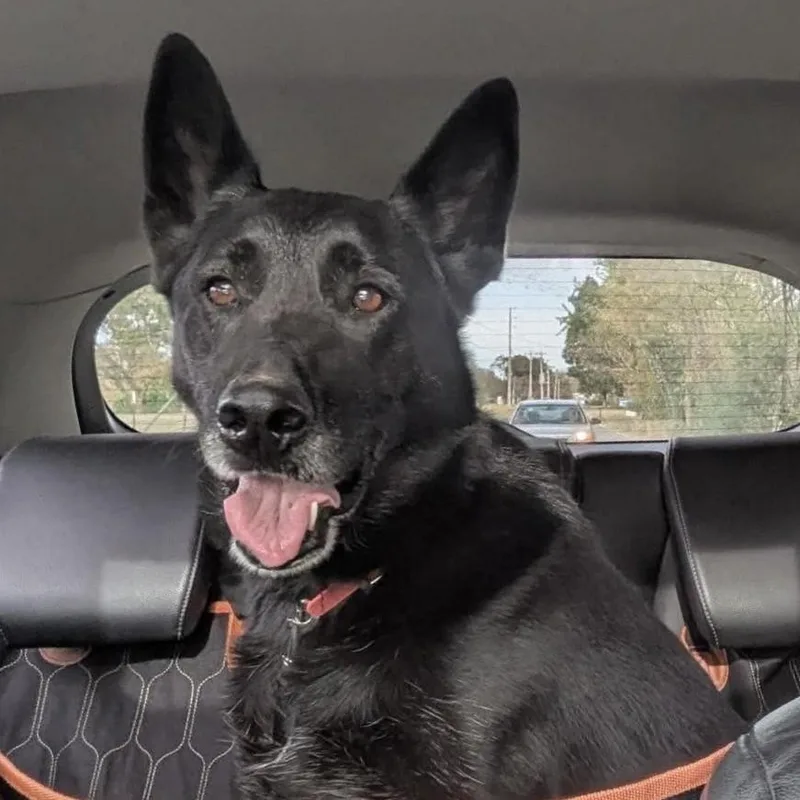
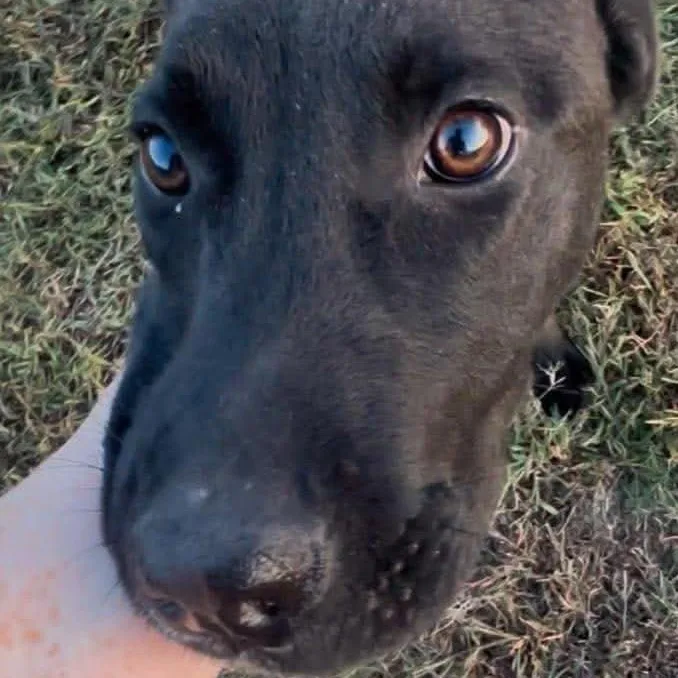
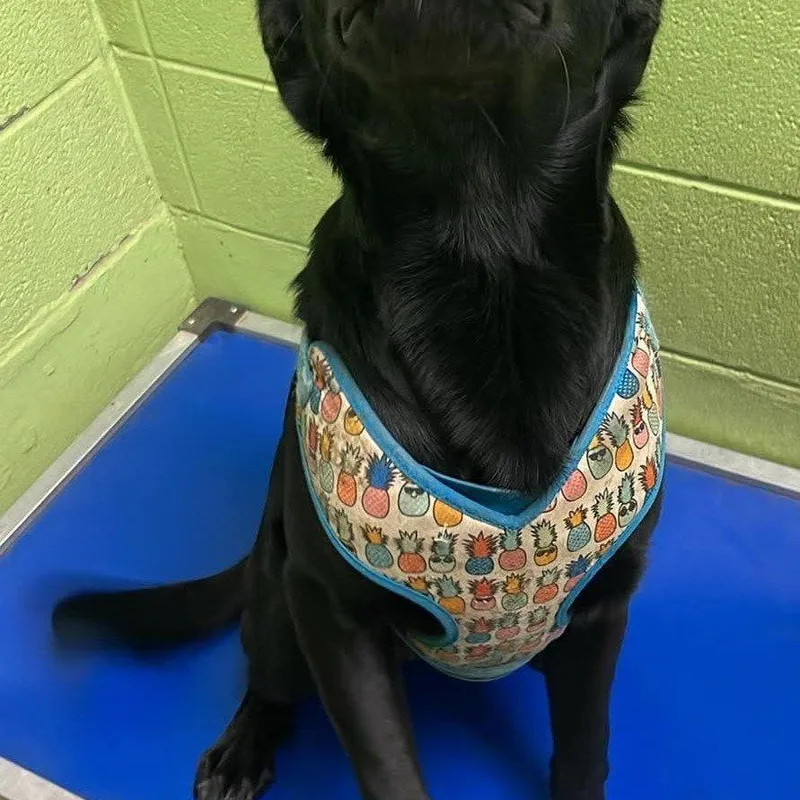
Black Labrador Retriever Dogs for Adoption in Wake Forest, NC

Your guide to finding and caring for a Black Labrador Retriever in Wake Forest

Black Labs suit Wake Forest's family neighborhoods and greenway trails, as long as they get a real workout every day. A morning loop on Joyner Park's paved trails, or a walk along the Dunn Creek Greenway out of Traditions, burns off a good share of that energy. By evening they're happy on the porch with the family. Their dark coats soak up the sun, so summer walks work best at dawn. Plan on a leashed outing every single day.

3262 Black Labrador Retrievers available in Wake Forest and nationwide

Find your Black Labrador Retriever

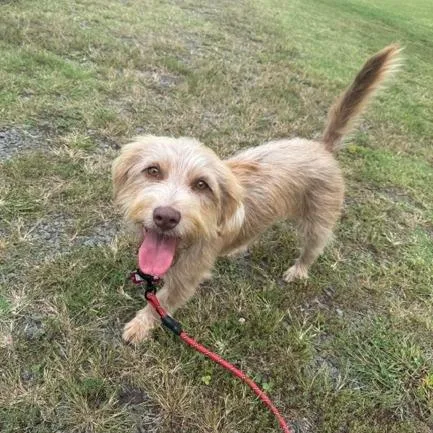
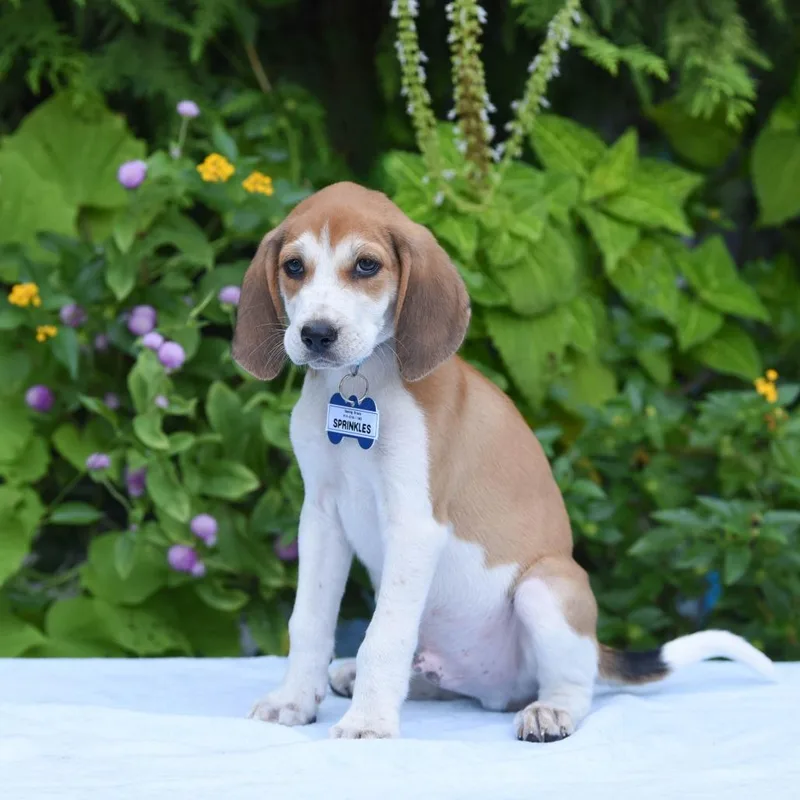
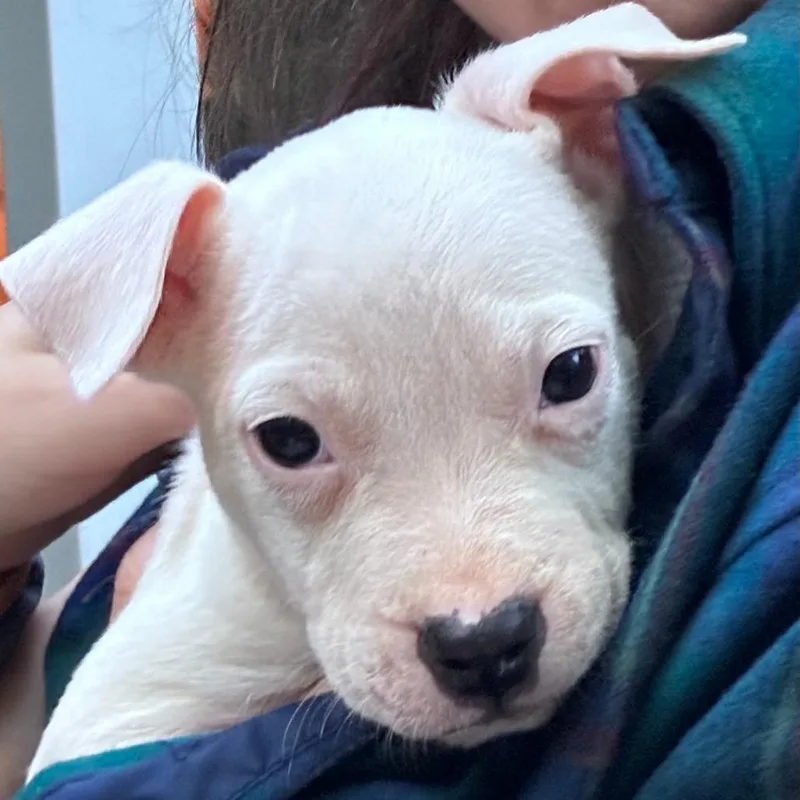
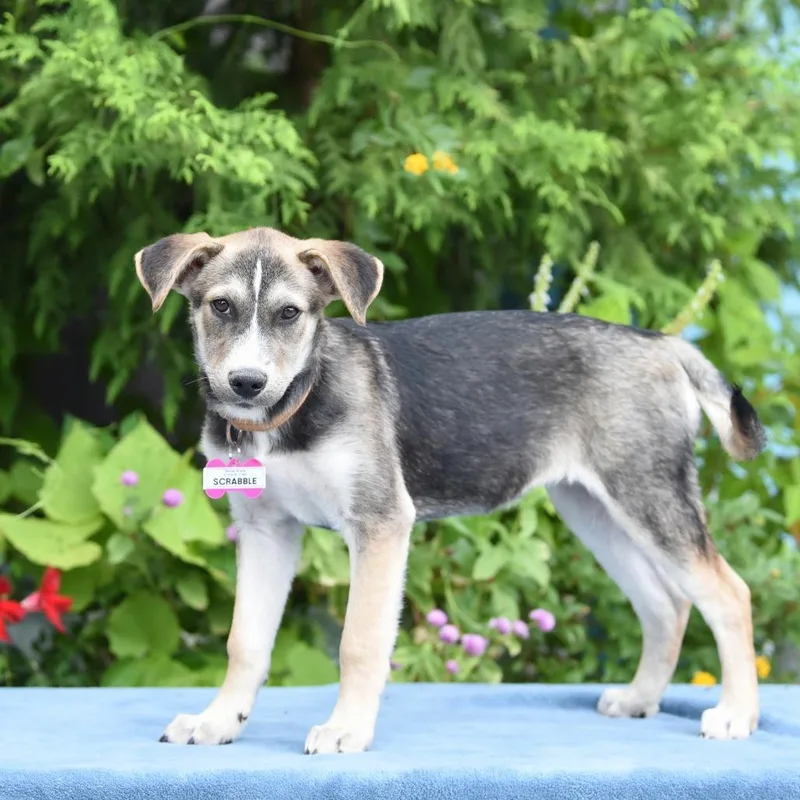
Black Labrador Retrievers Available for Adoption Near Wake Forest

About the Black Labrador Retriever breed

The Black Labrador Retriever is the Lab's original color rather than a separate breed. Labs descend from the St. John's water dogs of Newfoundland and were refined in Britain as gun dogs, which explains the dense, water-resistant double coat and the thick otter tail. Adults typically weigh 55 to 80 pounds.

That history shows up as a dog that wants a job and plenty of company. Expect brisk daily walks, fetch and short training sessions, plus heavy brushing when the coat sheds in spring and fall. Black Labs are usually friendly and food-motivated, which makes training easier and weight gain easier too. Dogs vary, and a Lab's age, past and energy level matter more than its color.

Weight
55–80 lbs
Height
21–25 in
Lifespan
10–14 yrs
Temperament
Friendly, Outgoing, Active
Group
Sporting
Shedding
Moderate to High

Owning a Black Labrador Retriever in Wake Forest

Having a Black Labrador Retriever in Wake Forest

Black Labs are sociable, athletic and hungry, and those traits shape daily life more than coat color does. In Wake Forest, expect leashed greenway walks, hot summer afternoons to plan around, and a dog that does best close to its family.

Temperament

Most black Labs are outgoing and affectionate with family, visitors and other dogs, which suits a town of family neighborhoods. Young dogs can be mouthy and boisterous, and a bouncy adolescent can knock over small children. Food motivation makes reward-based training work well. A dog's history and socialization count for more than breed reputation.
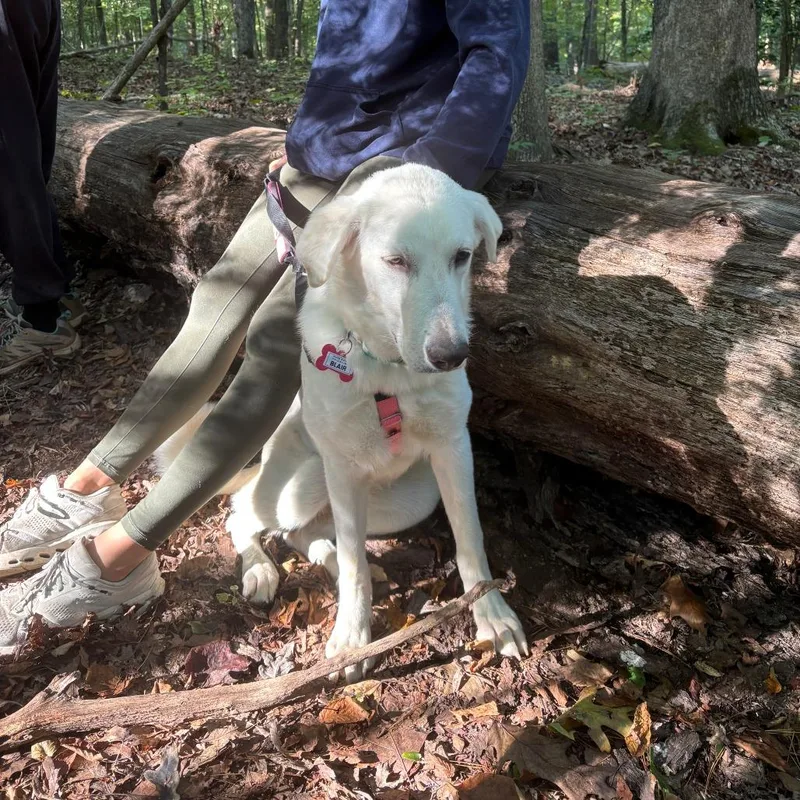
Exercise Needs

Plan on an hour or more of activity a day once a Lab is grown. Leashed laps at Joyner Park, the Reservoir's soft trail or the town greenways fit well, and Flaherty Dog Park offers off-leash play for dogs six months and older. Add fetch or scent games for mental work; field-type dogs usually need more.

Health Considerations

Labs can develop hip and elbow dysplasia, cruciate ligament tears, exercise-induced collapse and progressive retinal atrophy, and many gain weight easily. Ear infections and skin allergies also occur. Ask a veterinarian to check the hips and elbows, keep weigh-ins regular, and stay on top of flea, tick and heartworm prevention.

Living Space

A securely fenced yard makes play easier in Wake Forest's many single-family neighborhoods, but it doesn't replace walks and time with people. An apartment can work if exercise needs are met. Dark coats absorb heat, so provide shade and water, and expect shed hair and a dog that wants to live indoors.

What it costs to own a Black Labrador Retriever in Wake Forest

ExpenseTypical costPer year
Adoption fee$395, one time$395 in year one
Food$55 to $110 per month$660 to $1,320
Pet insurance$65 to $130 per month$780 to $1,560
Routine vet care$250 to $500 per year$250 to $500
Other*$575 to $1,450 per year$575 to $1,450
Estimated yearly total (after year one)$2,265 to $4,830
First-year total (with adoption fee)$2,660 to $5,225

Adoption fee is the fee on Black Labrador Retriever listings in Wake Forest on GetBuddy today. Other costs are estimates and vary with size, age and health.

* Flea, tick and heartworm prevention, a dental cleaning allowance, toys and bedding, and brushing and baths for heavy seasonal shedding.

Adopt a Black Labrador Retriever in Wake Forest.

Now that you know more, let’s find you a new best friend. These rescues and shelters below currently have Black Labrador Retrievers available.

Rescues in Wake Forest with Black Labrador Retrievers Available

Wake Forest adopters are served by the Wake County shelter and local rescue groups, which are listed below. Here are the rescues & shelters in the Wake Forest area where you can find Black Labrador Retrievers and other dogs available for adoption.

Frequently Asked Questions

Flaherty Dog Park at 1100 N. White St. is the off-leash choice for a Lab at least six months old, with a separate large-dog area. For leashed walks, Joyner Park has 3 miles of paved trails, the Reservoir has a 1.6-mile soft trail, and town greenways run more than 20 miles. Town ponds ban swimming, so don't count on water play.

Yes, with some planning. Summer highs reach the upper 80s with hot spells into the 90s, and a black coat absorbs heat. Walk at dawn or after sunset, stay on grass, carry water, and skip shaving the coat. Heavy panting, drooling or weakness means moving the dog somewhere cool and calling a veterinarian.

Yes. Wake Forest has no known breed ban, and dangerous-dog rules are based on a dog's behavior. State law requires a current rabies vaccination and tag, and Wake County rules bar dogs from running at large and require leashes in parks, with fines starting at $100. There's no pet license.

Often, for active households. Wake Forest offers greenways, large parks and a dog park for daily exercise, plus plenty of single-family housing for a big dog. The tradeoffs are hot summers, thunderstorms and fireworks around July 4, which unsettle some dogs. A Lab left alone for long days can get bored, so match your schedule to the dog's needs.

Generally no, unless the dog is a service animal. Go Wake Forest's on-demand rides accept pets only in an airline-approved carrier, which a 55-to-80-pound Lab won't fit, and GoTriangle's WRX bus to Raleigh allows service animals only. Plan on driving to vet visits and parks.

Sometimes, on outdoor patios only. North Carolina allows leashed dogs in outdoor dining areas if they don't pass through indoor areas, but each restaurant decides whether to permit them, and dogs aren't allowed inside. Bring a mat and water, and pick a quiet hour, since young Labs can be boisterous around food.

Not much, but a lot of brushing. Labs shed year-round and heavily in spring and fall, so brush several times a week in those seasons and bathe only when needed. Don't shave the coat in summer, since it helps insulate against heat. Brushes and occasional baths typically run about $100 to $300 a year.

A Labrador Retriever is a large sporting dog developed to retrieve game for hunters, especially from water. Labs have a short, dense double coat, a thick otter tail and a broad head, and they come in black, yellow and chocolate. Many are friendly, food-motivated and eager to work, which makes them common family, guide and service dogs.

We have 1 rescue with Black Labrador Retrievers available: Saving Grace Animals for Adoption. You can see every rescue with Black Labrador Retrievers available in the list above these questions, or scroll to the top to see the Black Labrador Retrievers near Wake Forest.

Expect about $55 to $110 a month for food, $65 to $130 a month for pet insurance, $250 to $500 a year for routine vet care, and $575 to $1,450 a year for everything else, including prevention, dental care and brushing supplies. Wake Forest has no pet license fee.