Catahoula Leopard Dogs for Adoption in Durham, NC

Your guide to finding and caring for a Catahoula Leopard Dog in Durham

A Catahoula Leopard Dog fits best in a Durham neighborhood with room to roam, like Forest Hills. The American Tobacco Trail runs along its edge, so a high-energy dog gets miles of paved walking or jogging close to home. Catahoulas are watchful and athletic, so a secure fence matters more than a trendy address. Summer afternoons turn hot and sticky, which makes early mornings the time for long outings. Many Catahoulas in need of homes are mixes, so size and energy vary from dog to dog.

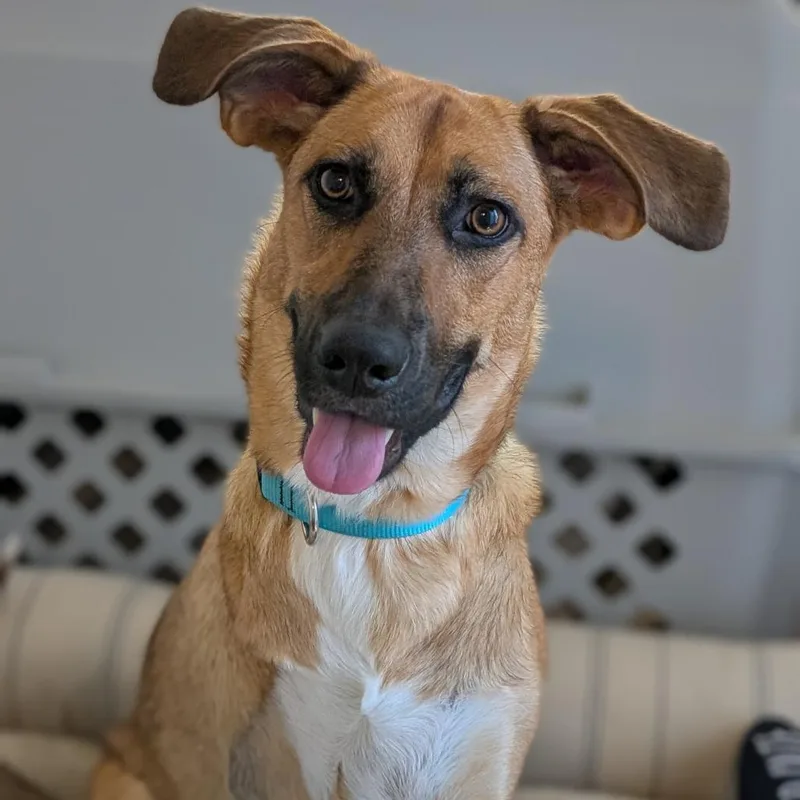
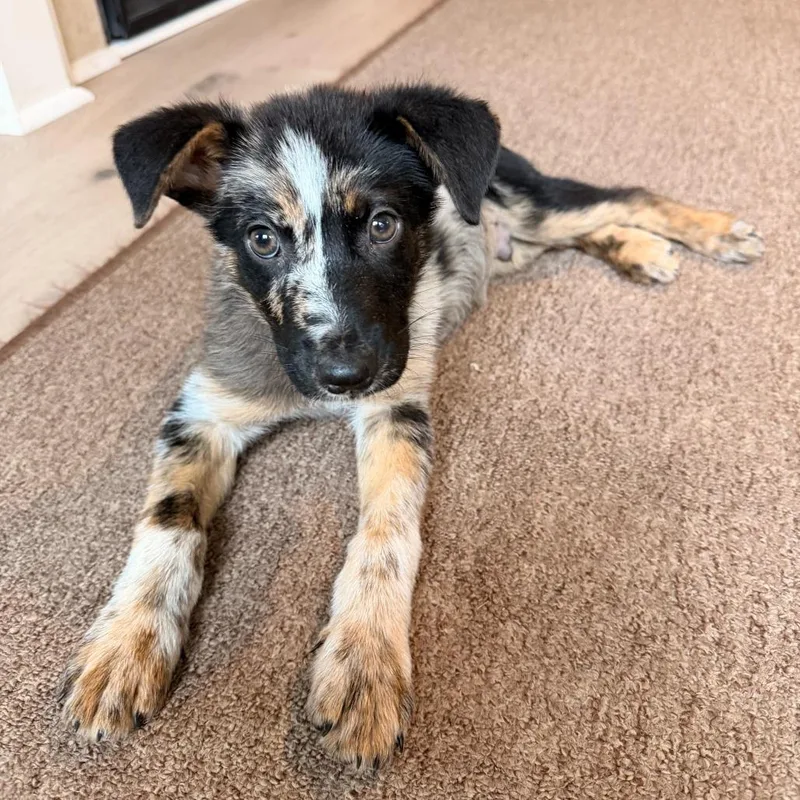
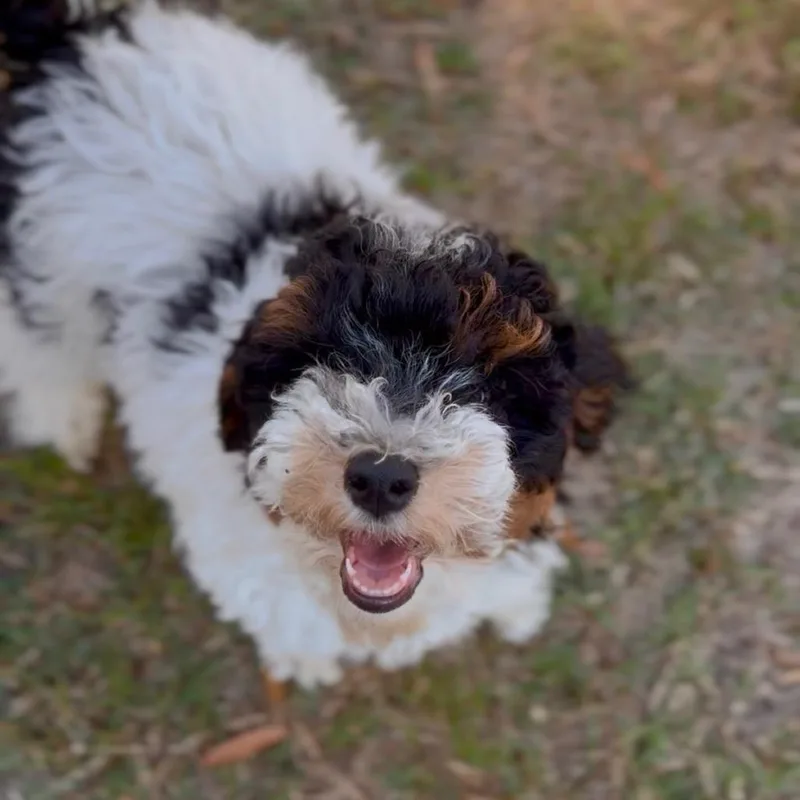
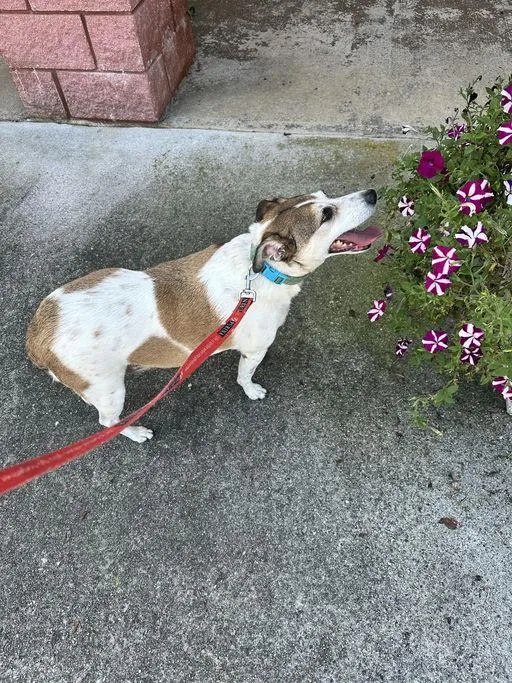
1437 Catahoula Leopard Dogs available in Durham and nationwide

Give a Catahoula Leopard Dog a home

While we don't have enough dogs near Durham, keep in mind that many rescues may offer transport.

Catahoula Leopard Dogs Available for Adoption Near Durham

About the Catahoula Leopard Dog breed

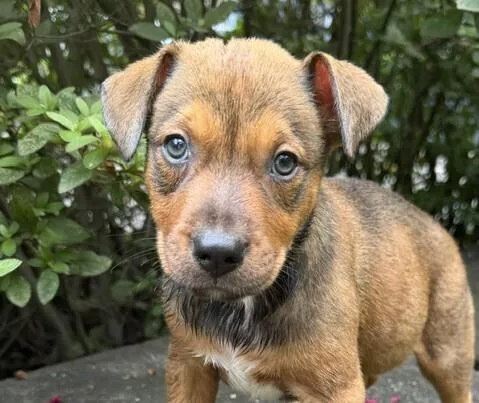
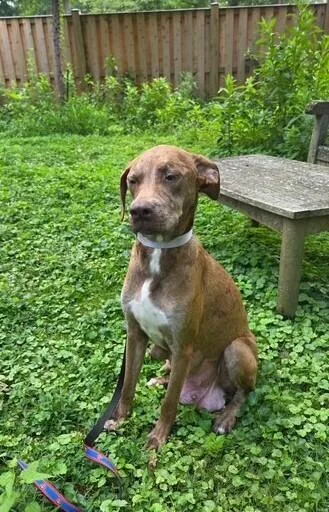
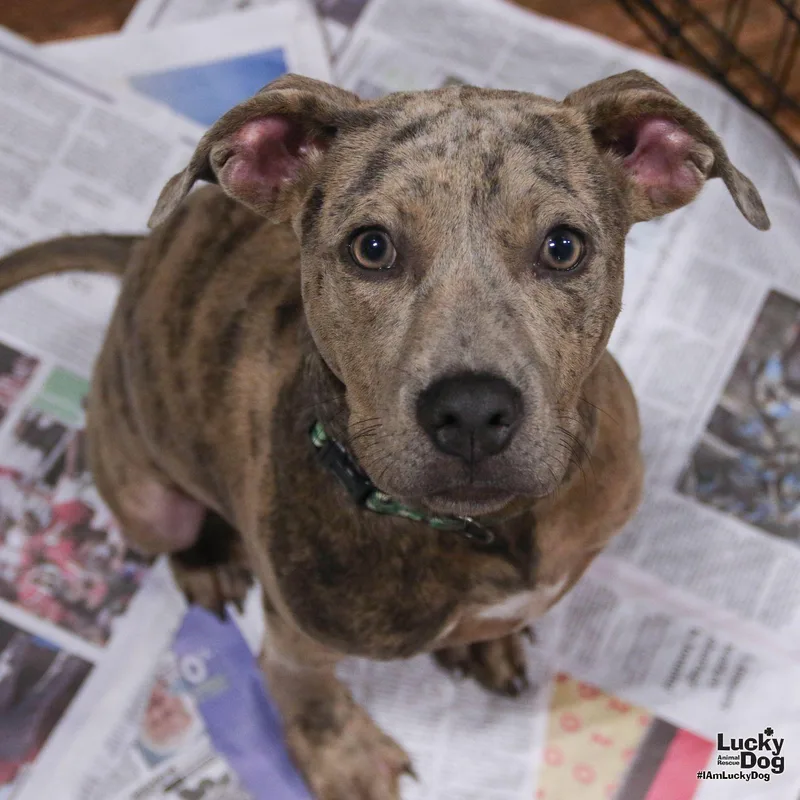
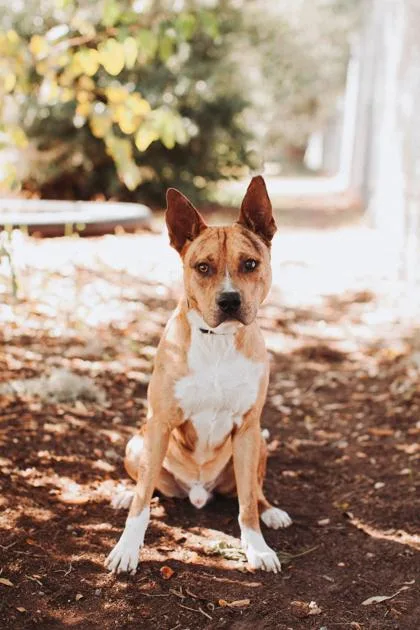
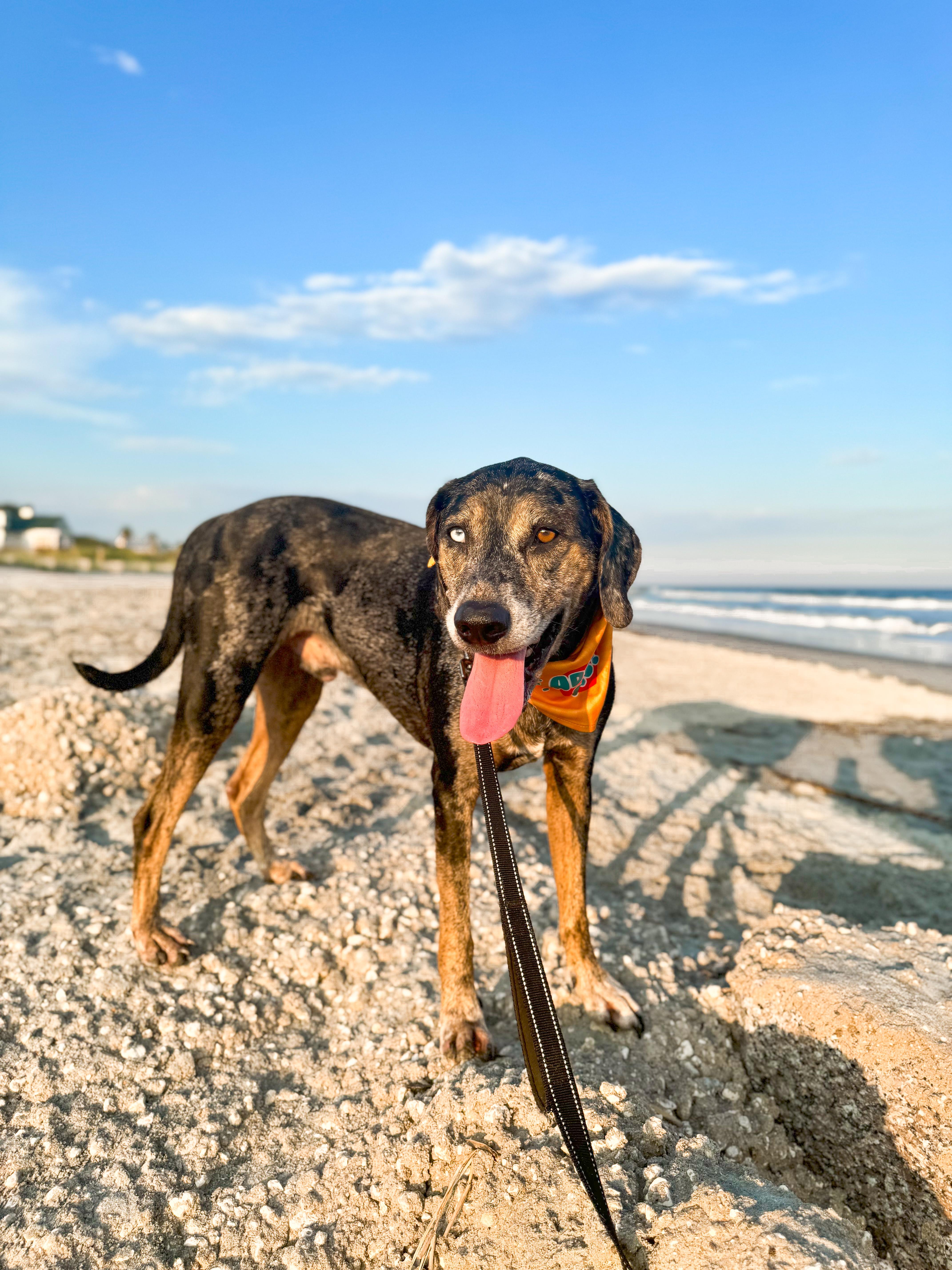
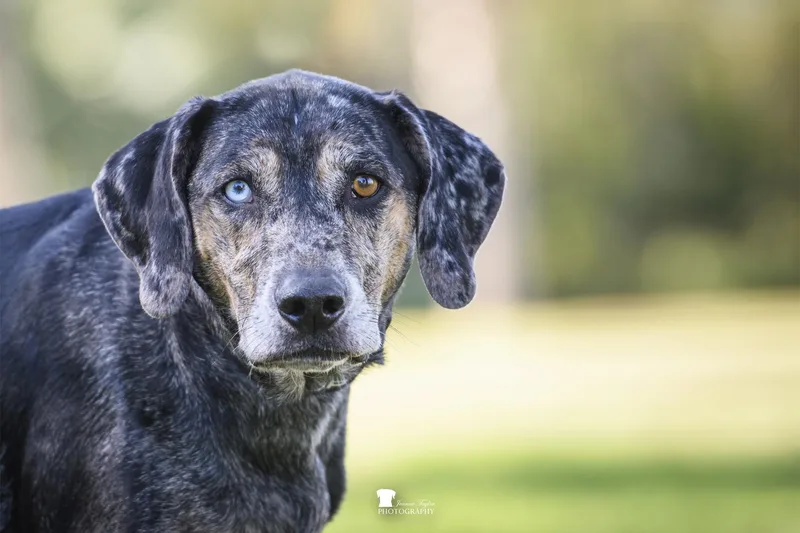
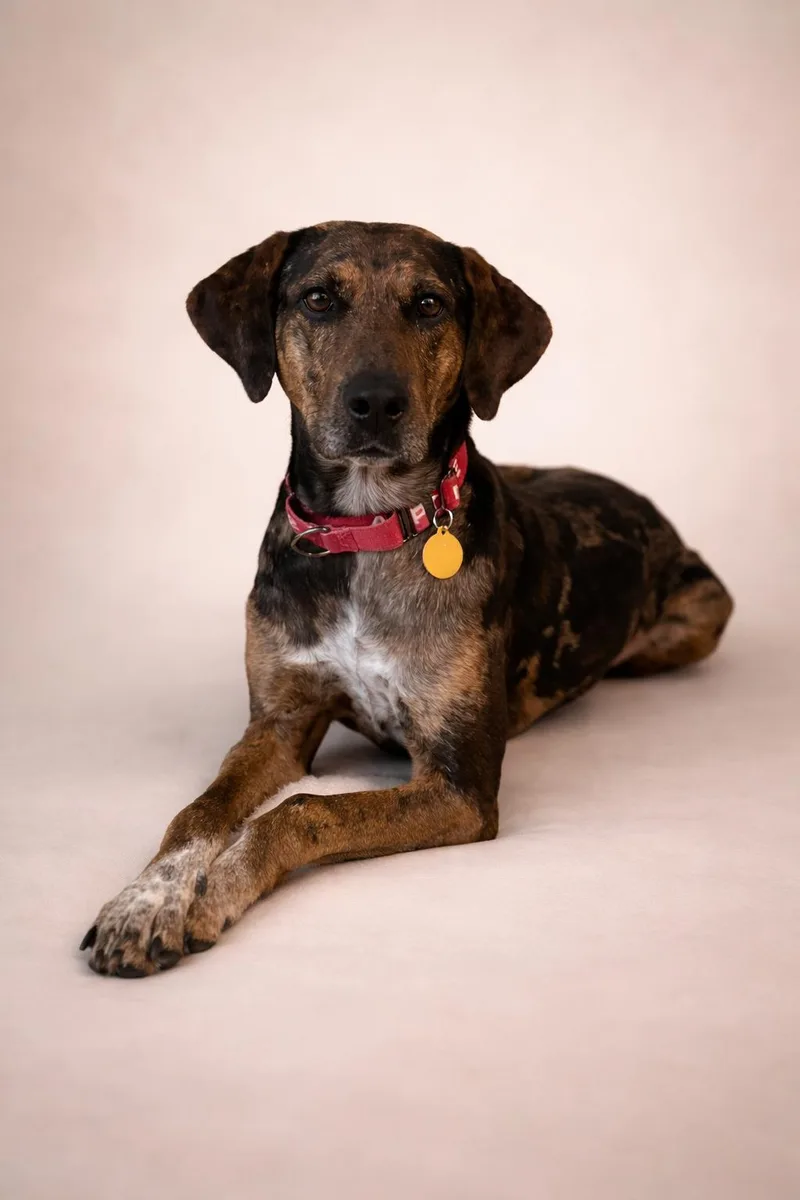
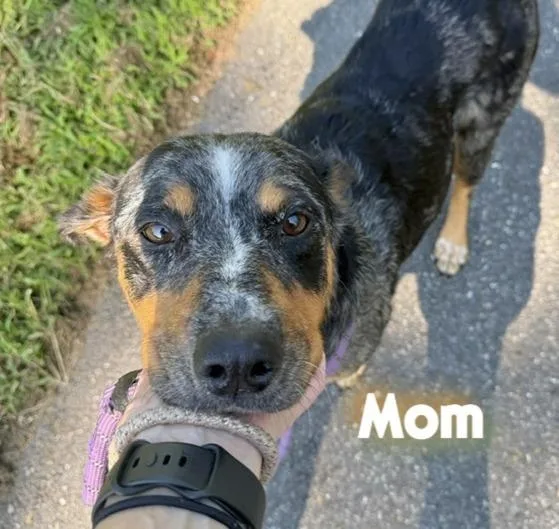
Named for Catahoula Parish in Louisiana, the Catahoula was developed in swamps and woods to find and hold feral hogs and gather semi-wild cattle. Selection favored ability over looks, so size and build vary, usually from about 50 to 95 pounds. Many have a merle or "leopard" coat and glass-blue or mismatched eyes, though brindle and solid colors are common too.

Catahoulas tend to be intelligent, independent and loyal, with a protective streak and some wariness of strangers. In Durham, that means a dog that wants a job: long greenway walks, scent games and training classes all fit. Many dogs labeled Catahoula are mixes, so the dog in front of you matters more than the label. Plan on daily vigorous exercise, firm but kind training and early socialization.

Weight
50–95 lbs
Height
20–26 in
Lifespan
10–14 yrs
Temperament
Energetic, Independent, Protective
Group
Herding
Shedding
Moderate

Owning a Catahoula Leopard Dog in Durham

Having a Catahoula Leopard Dog in Durham

Stamina, independence and a watchful streak define most Catahoulas, and those traits shape daily life in Durham, from greenway runs to introductions with neighbors. Merle coloring also brings hearing and eye considerations worth checking early.

Temperament

Catahoulas are often devoted with their own people and reserved with strangers. In Durham's close-set neighborhoods, expect a dog that announces passersby and needs calm introductions to guests. Some are choosy with other dogs, which matters at busy dog parks. Early socialization and consistent, reward-based training shape each dog far more than breed alone.

Exercise Needs

Plan on an hour or more of vigorous activity daily. Durham's paved greenways, including 11 miles of the American Tobacco Trail, suit long leashed runs and hikes, and the city's dog parks allow off-leash play. Add scent games or training for mental work. Voice command doesn't count as restraint in Durham, so keep a leash on outside the parks.

Health Considerations

Deafness is a documented risk, especially in dogs with a lot of white or double-merle coats, which can also have eye defects. Hip dysplasia occurs too. Have a veterinarian check hearing, eyes and hips after adoption. Tick-borne illness is a concern in Durham's wooded areas, so keep up flea, tick and heartworm prevention.

Living Space

A securely fenced yard is the best fit, since many Catahoulas jump and dig. Durham's tethering ban means a dog can't be tied out unattended, so the fence needs to hold. Apartments can work with reliable, vigorous daily exercise, but a watchful dog may react to hallway noise and neighbors.

What it costs to own a Catahoula Leopard Dog in Durham

ExpenseTypical costPer year
Adoption fee$395, one time$395 in year one
Food$55 to $110 per month$660 to $1,320
Pet insurance$55 to $110 per month$660 to $1,320
Routine vet care$250 to $500 per year$250 to $500
Other*$492 to $1,272 per year$492 to $1,272
Estimated yearly total (after year one)$2,062 to $4,412
First-year total (with adoption fee)$2,457 to $4,807

Adoption fee is the fee on Catahoula Leopard Dog listings in Durham on GetBuddy today. Other costs are estimates and vary with size, age and health.

* Flea, tick and heartworm prevention, a dental cleaning allowance, the optional $17 to $22 annual city dog park tag, toys and bedding, and basic brushing supplies for the short coat.

Adopt a Catahoula Leopard Dog in Durham.

Now that you know more, let’s find you a new best friend. These rescues and shelters below currently have Catahoula Leopard Dogs available.

Rescues in Durham with Catahoula Leopard Dogs Available

Durham's county shelter and foster-based rescues list many large, active dogs, and Catahoula-type dogs sometimes appear among them. Here are the rescues & shelters in the Durham area where you can find Catahoula Leopard Dogs and other dogs available for adoption.

Frequently Asked Questions

Yes, Durham has no breed ban, and its rules focus on a dog's behavior rather than its breed. You'll need rabies vaccination by four months, a leash whenever the dog is off your property, and no unattended tethering. Because many Catahoulas are watchful and athletic, a secure fence helps you stay within those rules.

The paved American Tobacco Trail is a strong pick for leashed runs, and Eno River State Park suits longer hikes on a 6-foot leash. For off-leash play, Durham's four city dog parks have large-dog areas, but each dog needs an annual city tag and proof of vaccines. Duke Forest also allows leashed dogs, though swimming isn't allowed.

Yes, with planning. Summers are hot and humid, with about 40 days a year at 90°F or higher and warm nights. A short-coated Catahoula does best with walks at dawn, shade and water outdoors, and air conditioning at home. Check pavement with your hand, and never leave the dog in a parked car.

It can be, for active owners. Durham offers paved greenways, dog parks and mild spring and fall weather for a high-energy dog. The trade-offs are summer heat, creek flooding after tropical rain and the need for a secure fence. A Catahoula usually does best with people who are home often and willing to train daily.

Mostly no. GoTriangle regional buses carry no pets, and GoDurham bans uncaged animals, so only a dog small enough for a closed carrier could ride; a full-size Catahoula can't. Service animals are allowed. Durham has no subway or light rail, so plan on a car for outings, and check GoDurham's current rules before riding.

Sometimes, on outdoor patios. North Carolina lets restaurants allow leashed dogs outside as long as the dog doesn't pass through indoor dining areas, but each restaurant decides. Look for posted signs before sitting down. A watchful Catahoula usually settles best at a quiet corner table, since crowds and passing strangers can set off barking.

Very little. The short coat needs weekly brushing, more often during moderate seasonal shedding. Durham's humid summers and trail time mean occasional baths, plus a paw and tick check after outings. Most owners groom at home, including nail trims, so professional grooming is a small part of the yearly Other costs.

A Catahoula Leopard Dog is a medium-to-large working breed from Louisiana, developed to hunt and bay feral hogs and to herd cattle. It is athletic and muscular, often with a merle coat and striking light or mismatched eyes. Catahoulas are typically intelligent, loyal, independent and energetic, and they need experienced handling, training and lots of activity.

We have 1 rescue with Catahoula Leopard Dogs available: Hope Animal Rescue. You can see every rescue with Catahoula Leopard Dogs available in the list above these questions, or scroll to the top to see the Catahoula Leopard Dogs near Durham.

Expect roughly $55 to $110 a month for food and $55 to $110 a month for insurance, about $250 to $500 a year for routine vet care, and $492 to $1,272 a year in other costs. Together that comes to roughly $2,060 to $4,410 a year, before emergencies or boarding.