Saluki Dogs for Adoption in Charlotte, NC

Your guide to finding and caring for a Saluki in Charlotte

Salukis can do well in Charlotte, provided there's a safe place to run. They're quiet and calm indoors, so a townhome in Cotswold or a house in Carmel works if the daily walks are long. The chase instinct is the catch. Most Salukis can't be trusted off leash, which fits Charlotte's leash rules anyway, and Davie Dog Park in south Charlotte offers five fenced acres for real sprints. Humid July afternoons are when exercise moves to early morning.

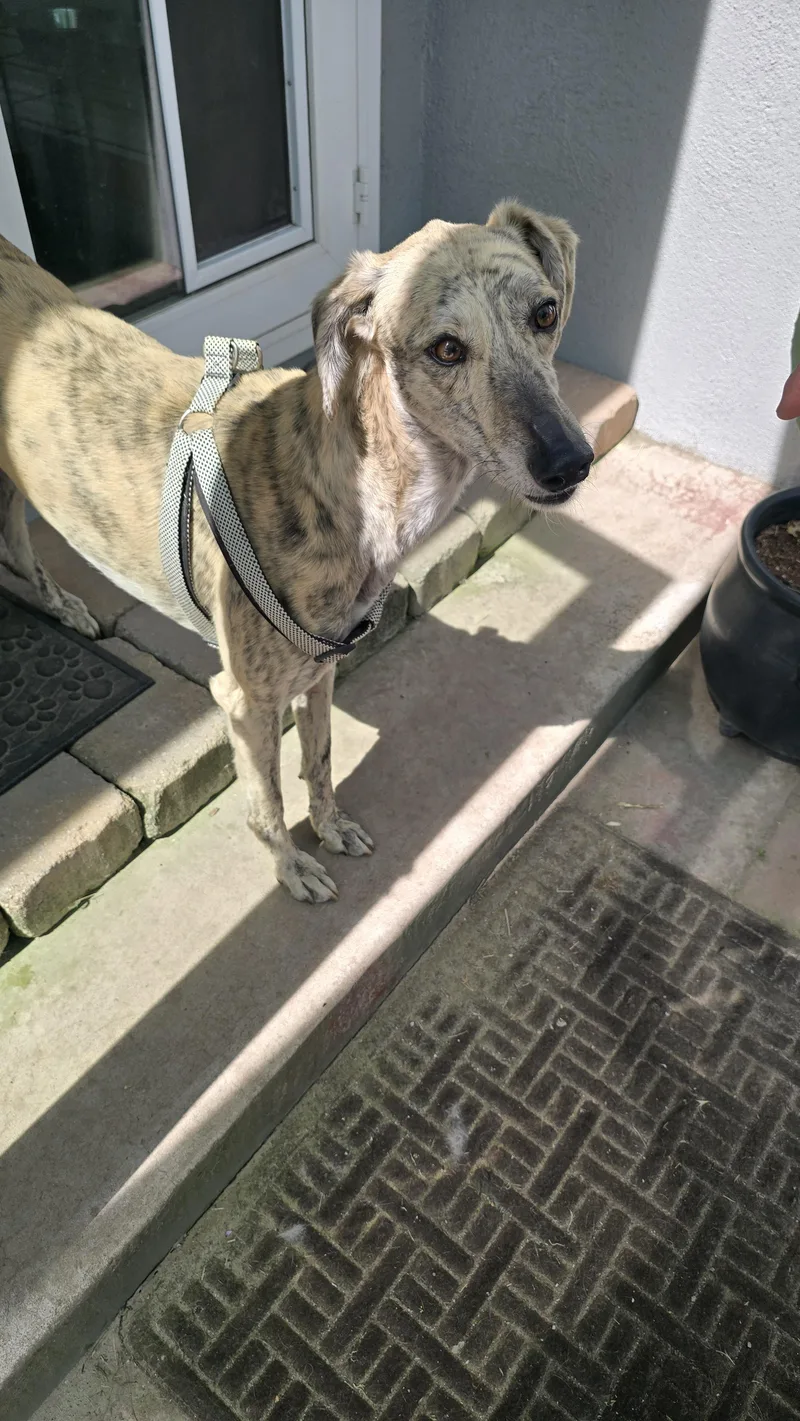
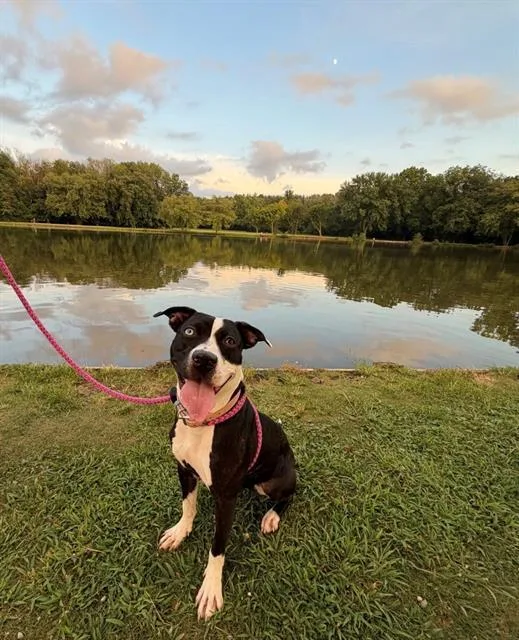
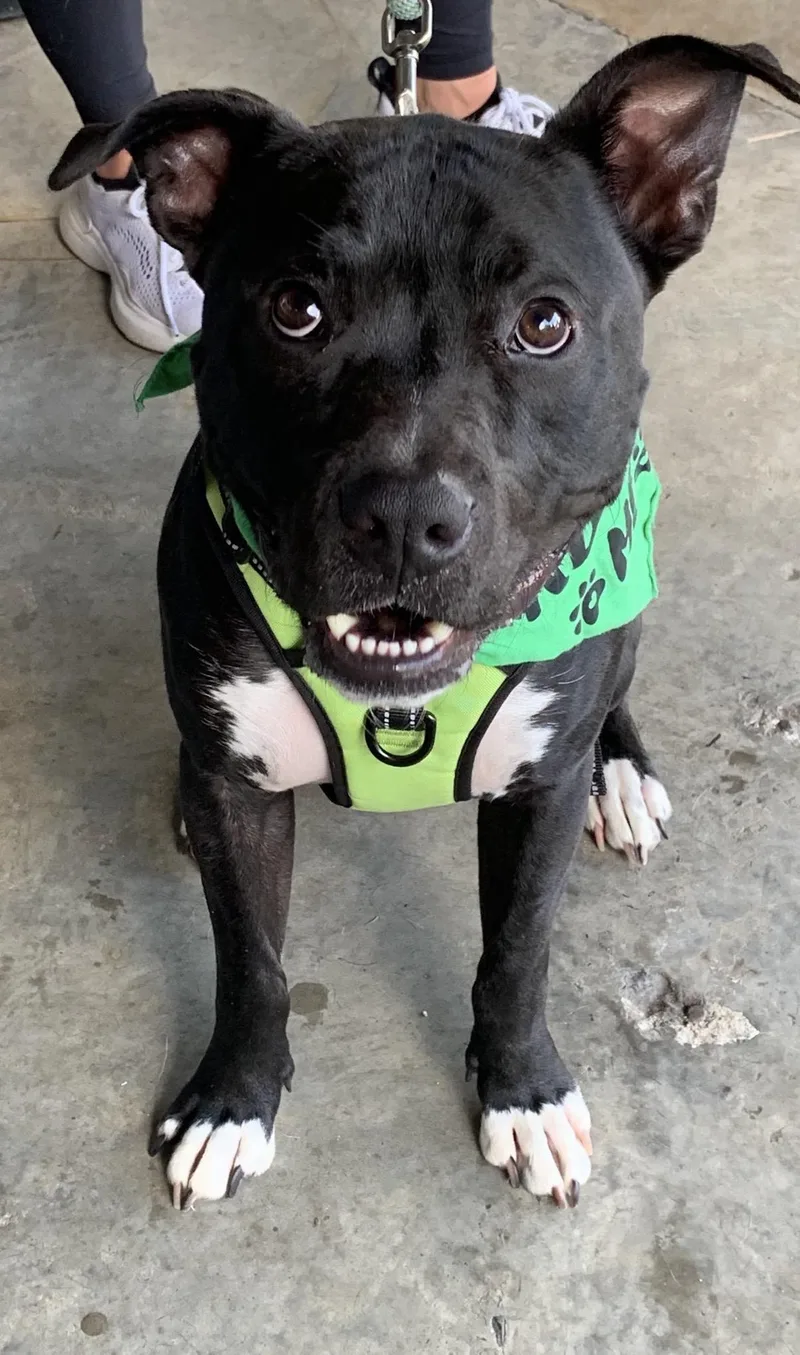
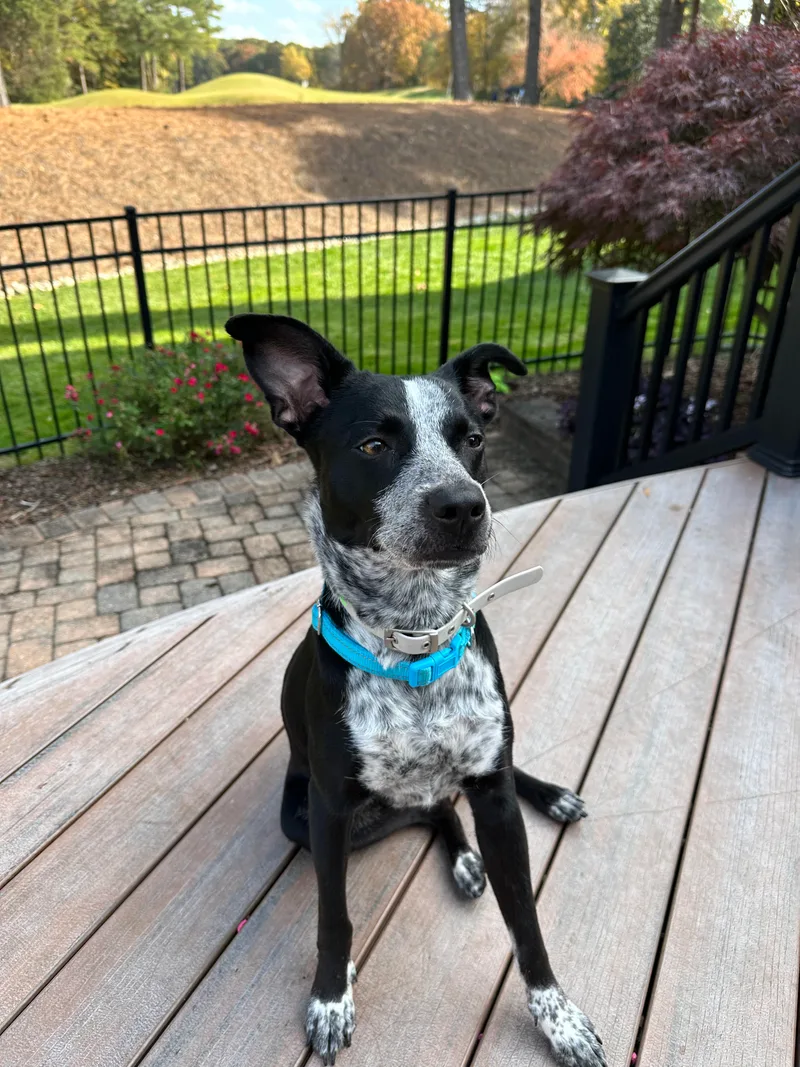
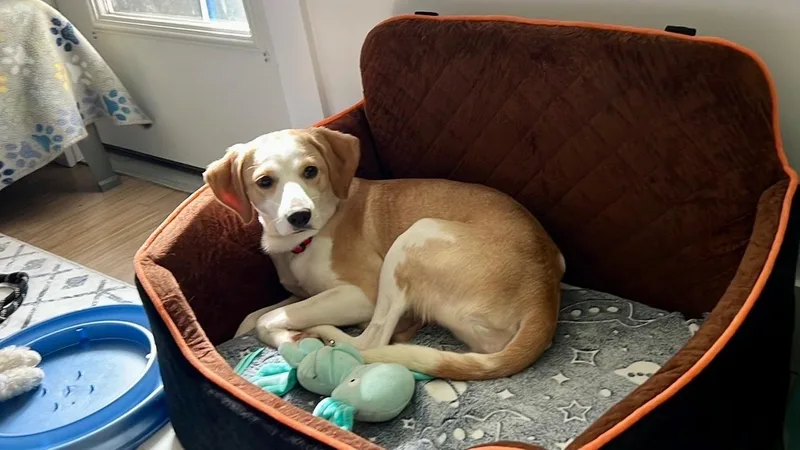
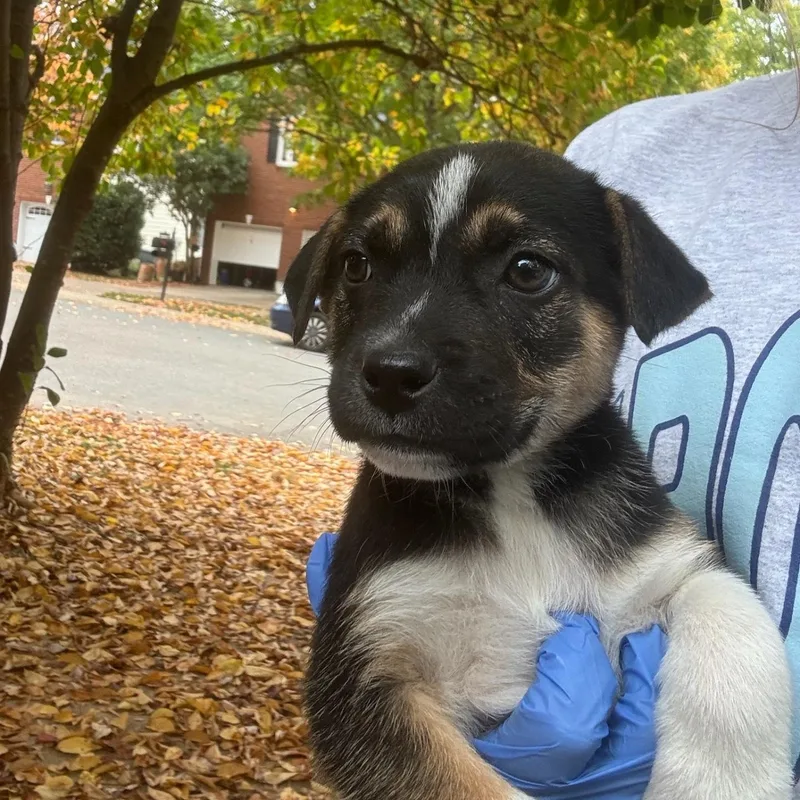
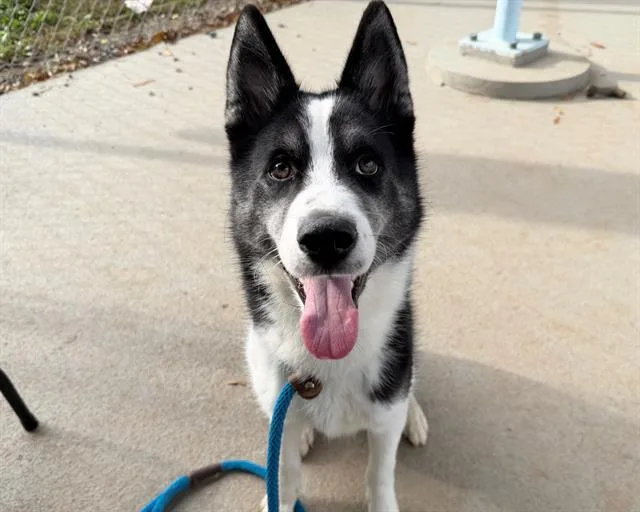
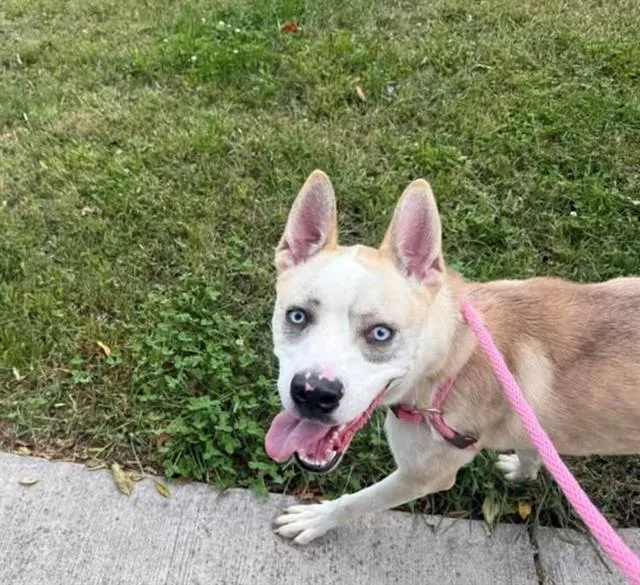
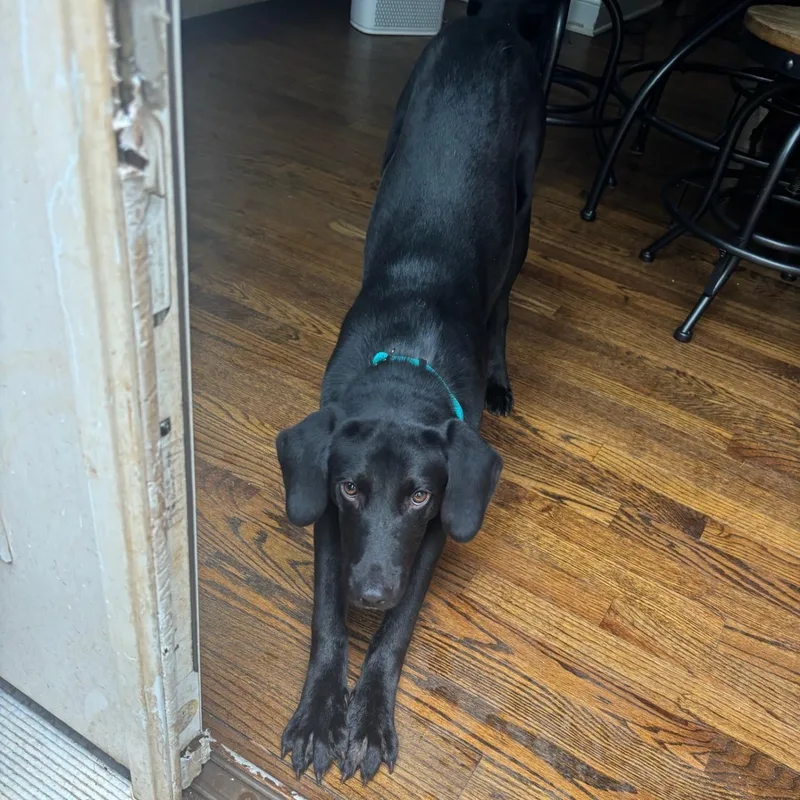
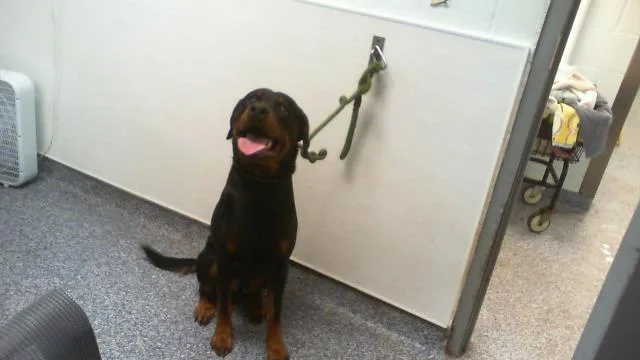
16 Salukis available in Charlotte and nationwide

Give a Saluki a home

While we don't have enough dogs near Charlotte, keep in mind that many rescues may offer transport.

Salukis Available for Adoption Near Charlotte

About the Saluki breed

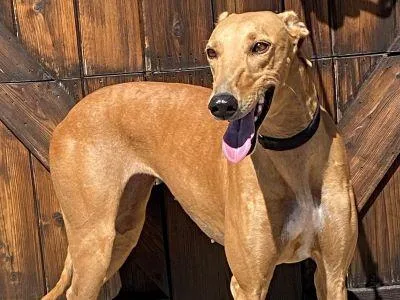
The Saluki is a sighthound from the Fertile Crescent and wider Middle East, where nomadic peoples used it to course gazelle and hare across open desert. Dogs resembling it appear in ancient Mesopotamian and Egyptian art. It's tall and narrow, with a deep chest, long legs and drop ears, and comes feathered or smooth in colors from cream and red to black and tan. The coat sheds lightly and carries little odor.

At home, many Salukis are gentle, quiet and a bit dignified, affectionate with their people and reserved with strangers. Prey drive is strong, so cats and small pets may be at risk, and dogs of the breed vary in how shy or social they are. A patient adopter with soft bedding, a secure fence or fenced park access, and a calm routine gives a Saluki the best start.

Weight
35–65 lbs
Height
23–28 in
Lifespan
12–15 yrs
Temperament
Gentle, Independent, Dignified, Athletic
Group
Hound
Shedding
Low

Owning a Saluki in Charlotte

Having a Saluki in Charlotte

Salukis pair a quiet, couch-friendly home life with a hunter's eyesight and speed. In Charlotte, the key questions are where the dog can sprint safely, how it handles summer heat and winter cold snaps, and whether your home suits a lean, thin-skinned dog.

Temperament

Many Salukis are sensitive, loyal and reserved, bonding closely with one or two people and staying aloof with visitors. They tend to dislike rough play and loud chaos. In a busy Charlotte apartment building, quiet routines help a shy rescue settle. Prey drive varies by dog, but squirrels and neighborhood cats call for a leash on every walk.

Exercise Needs

Plan on a long daily walk plus regular sprints in a securely fenced space. Charlotte's county dog parks, such as Davie and Barkingham, have fenced areas, though dogs need a rabies tag plus DHLPP and Bordetella vaccines. Everywhere else, including greenways, keep your Saluki leashed, since recall usually fails once it spots a rabbit.

Health Considerations

Salukis are generally sturdy, but breed health priorities include heart disease, cancers such as hemangiosarcoma, and hypothyroidism, and healthy Salukis often have low thyroid values. Low body fat means anesthesia needs care, and thin skin tears easily. A veterinarian familiar with sighthounds can check the heart and thyroid. Charlotte's copperheads and coyotes are one more reason to stay leashed.

Living Space

A Saluki can live in a Charlotte apartment or house if daily exercise is covered. Quiet buildings suit them better than noisy ones. Padded bedding matters for bony joints, and a house needs a high, secure fence, since many can jump or squeeze through gaps when chasing. A building's weight limit could matter for a dog that can reach 65 pounds.

What it costs to own a Saluki in Charlotte

ExpenseTypical costPer year
Food$55 to $110 per month$660 to $1,320
Pet insurance$55 to $110 per month$660 to $1,320
Routine vet care$250 to $500 per year$250 to $500
Other*$535 to $1,580 per year$535 to $1,580
Estimated yearly total (after year one)$2,105 to $4,720

Other costs are estimates and vary with size, age and health.

* The Charlotte dog license ($10 a year if spayed or neutered), flea, tick and heartworm prevention, a dental cleaning allowance, toys and supplies, minimal grooming, and a winter coat and padded bedding.

Adopt a Saluki in Charlotte.

Now that you know more, let’s find you a new best friend. These rescues and shelters below have dogs available in and near Charlotte.

Frequently Asked Questions

Davie Dog Park in south Charlotte is the best fenced option at five acres, while Barkingham Park in the northeast and Frazier Park near Uptown also have fenced areas. Dogs need a rabies tag, DHLPP and Bordetella vaccines. On greenways like Little Sugar Creek, keep your Saluki leashed, since its chase instinct can override recall.

Yes, with a coat. Charlotte winters are mostly mild, but a Saluki's thin skin and low body fat make cold snaps and wet, windy days uncomfortable. A fitted coat on walks and a warm, padded bed indoors are usually enough. During an ice storm, keep potty breaks short and supervised, and have a heated space ready.

Yes. Charlotte has no breed ban or breed-specific rule, and dangerous-dog rules depend on a dog's behavior. You'll need a rabies vaccine by four months, a license, and a leash or fence. A $40 permit applies only if three or more dogs or cats spend much of their time outside. Rules in nearby towns can differ.

Not as pets. CATS buses and the LYNX light rail allow only service animals and animals in training, and violations can bring a $50 civil penalty. That makes a Saluki a walking and car companion. Because the breed is tall and sensitive, use a harness or secured seat for car rides, and never leave the dog in a parked car.

It can be, for an adopter who's home a fair amount. Long, mild springs and falls help, and fenced dog parks give a Saluki room to sprint. It's less ideal if you want an off-leash hiking partner or have small pets that could trigger the chase instinct. Wide, tree-lined streets like Myers Park's suit its calm leashed walks.

Sometimes, on patios. North Carolina rules let restaurants allow restrained dogs in outdoor dining areas if the dogs don't pass through indoor areas, but each restaurant decides. Pet dogs aren't allowed indoors. A Saluki that's reserved with strangers is usually calmest under a table on its own mat, so choose quieter hours.

Very little. A Saluki's coat sheds lightly: a weekly brush, more often for feathered ears and tail, plus an occasional bath is usually enough. Charlotte's humidity and pollen make a paw and feathering wipe-down after walks useful. Professional grooming is optional and fits within the Other costs listed for the breed.

A Saluki is a tall, slender sighthound from the Middle East, bred to chase gazelle and hare by sight across open country. It has long legs, a narrow head, a deep chest and either silky feathering or a smooth coat. Many are gentle, quiet and independent at home, with an intense chase instinct outdoors.

A Saluki can run roughly 40 miles per hour at full speed, and the 1996 Guinness Book of Records listed one at about 42.8 mph. Greyhounds may be quicker over a short sprint, but Salukis are known for holding high speed over longer distances. That speed is why secure fencing and leashes matter so much for this breed.

Expect roughly $55–$110 a month for food, $55–$110 a month for insurance, $250–$500 a year for routine vet care, and $535–$1,580 a year for other costs. That puts a typical year at about $2,100 to $4,700, before emergencies, illness or boarding. Adoption costs are separate and appear in the listings.