Black Labrador Retriever Dogs for Adoption in Billings, MT

Your guide to finding and caring for a Black Labrador Retriever in Billings

A black Lab suits Billings best when a lake or a long trail is within reach of home. In the Heights, Lake Elmo State Park has a fenced dog area with water access, which a retriever that loves to swim will make the most of. Over in Rimrock, the Skyline Trail leaves from Zimmerman Park and gives a strong walker miles along the Rims. Black Labs are friendly and food-motivated, so they usually take to training and busy sidewalks alike.

3405 Black Labrador Retrievers available in Billings and nationwide

Find your Black Labrador Retriever

While we don't have enough dogs near Billings, keep in mind that many rescues may offer transport.

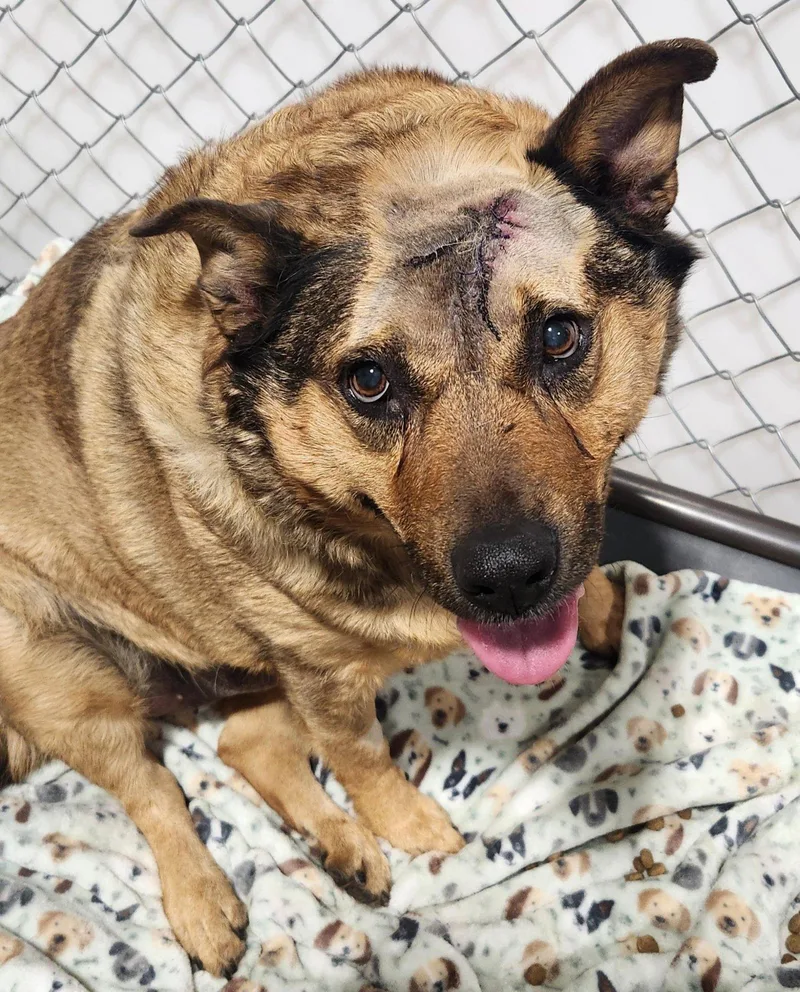
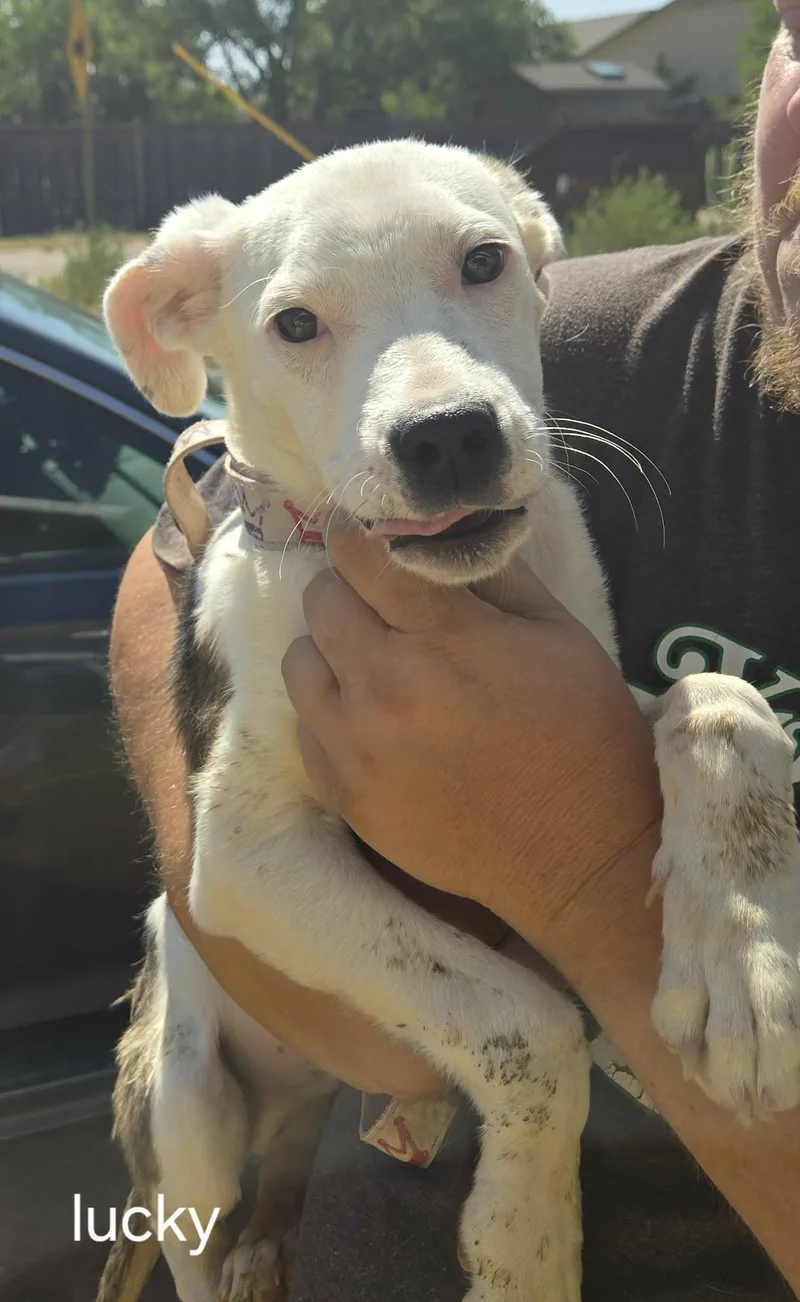
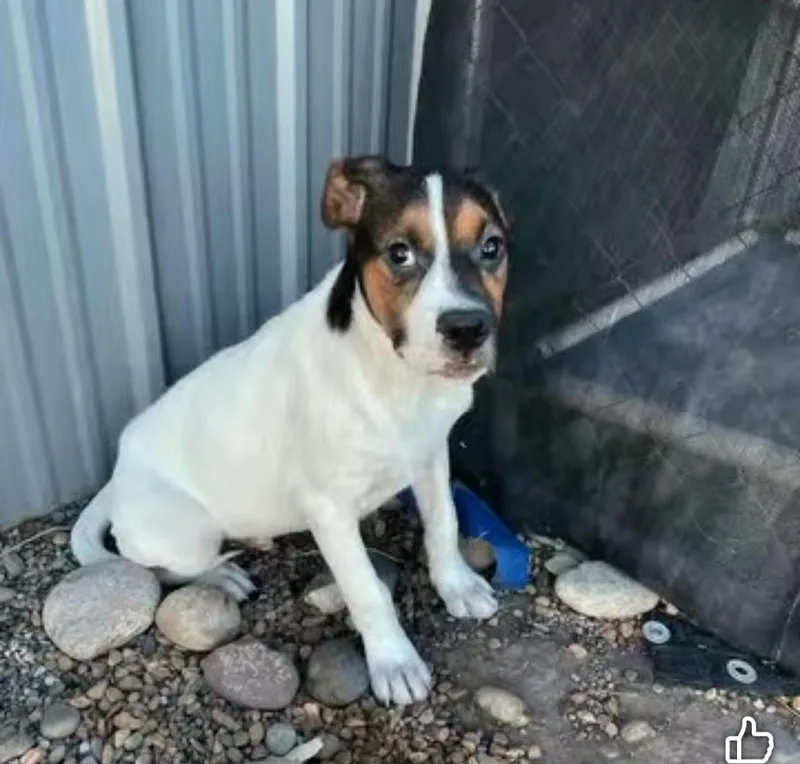
Black Labrador Retrievers Available for Adoption Near Billings

About the Black Labrador Retriever breed

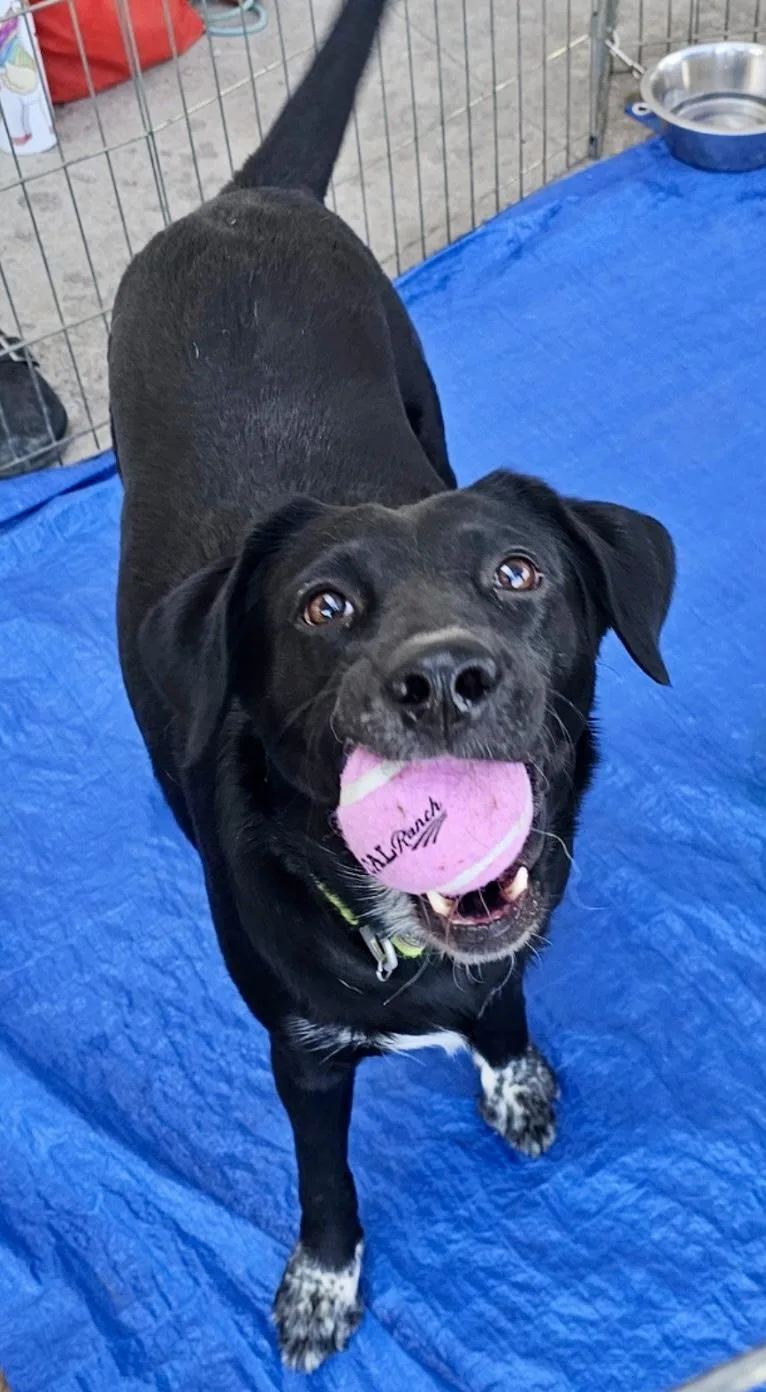
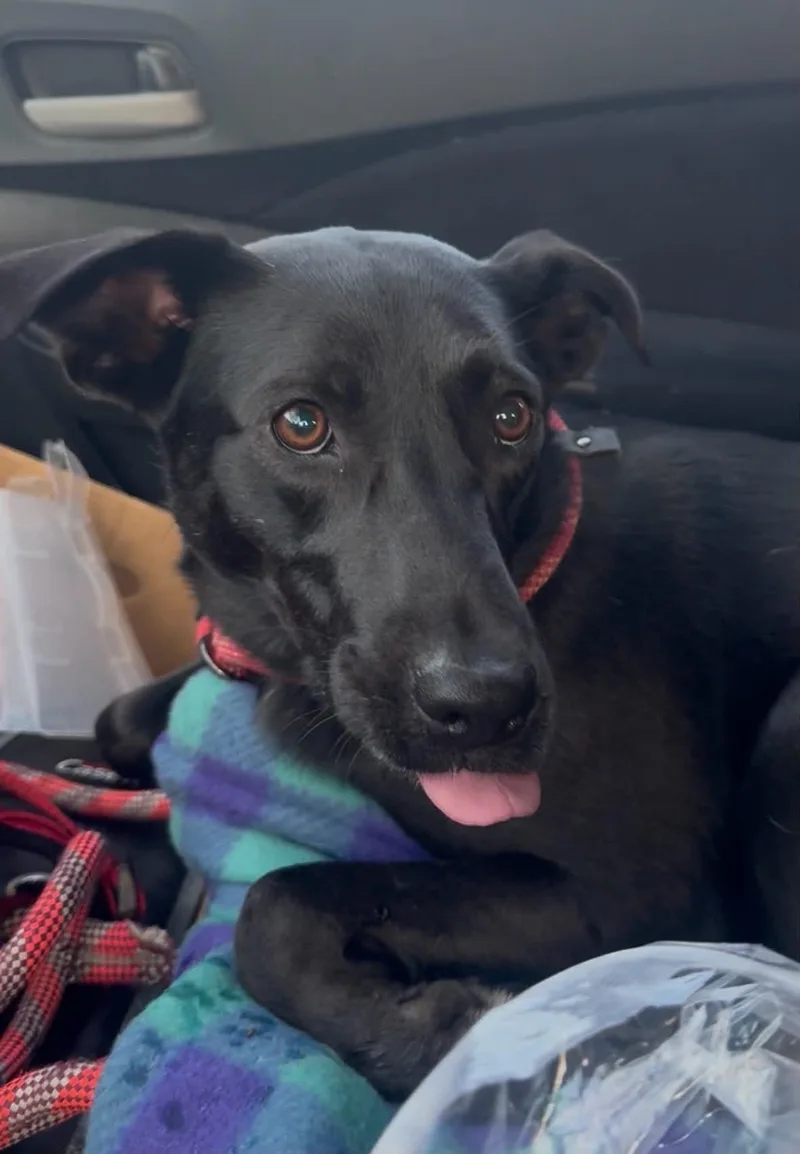
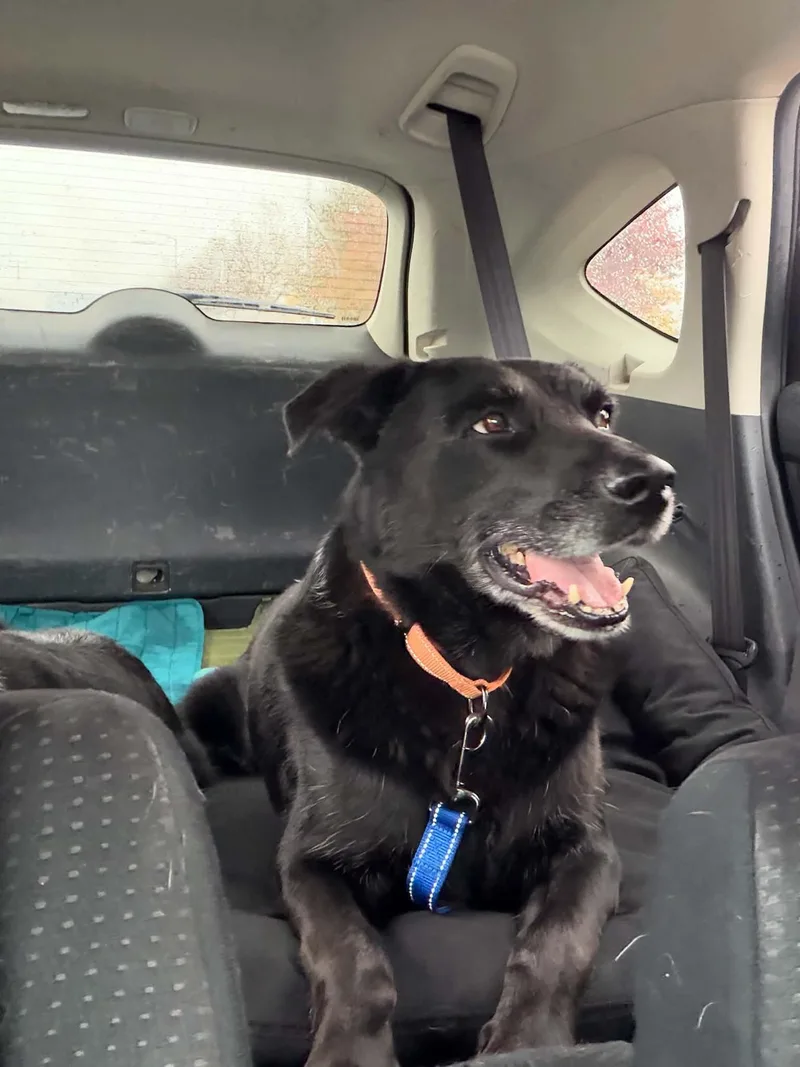
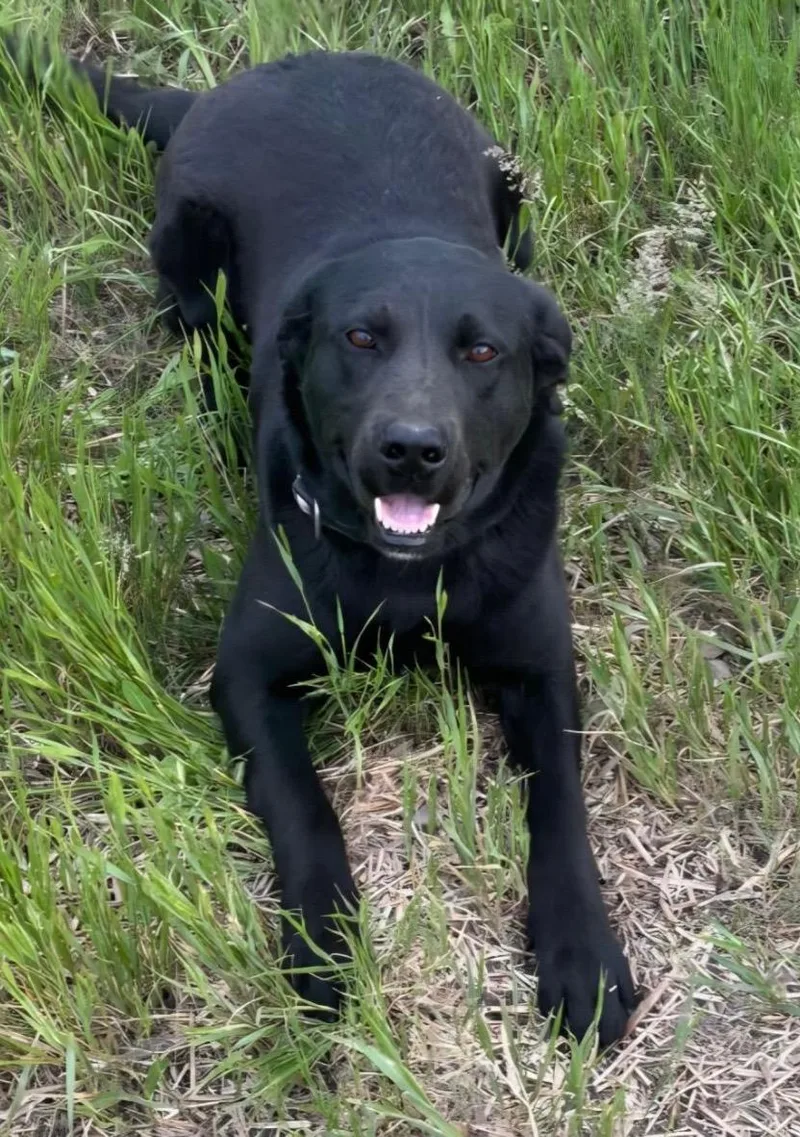
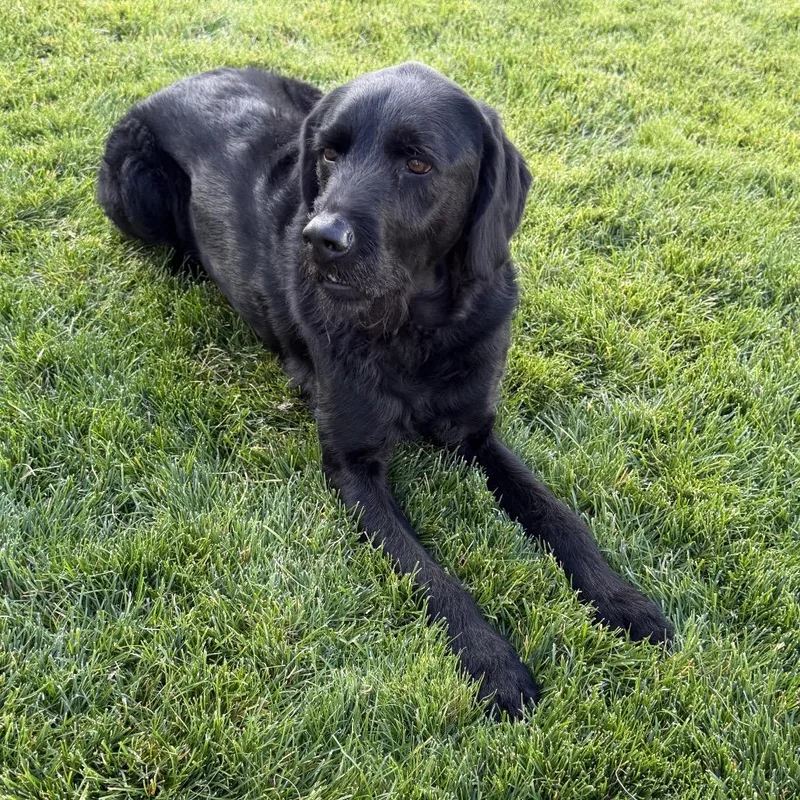
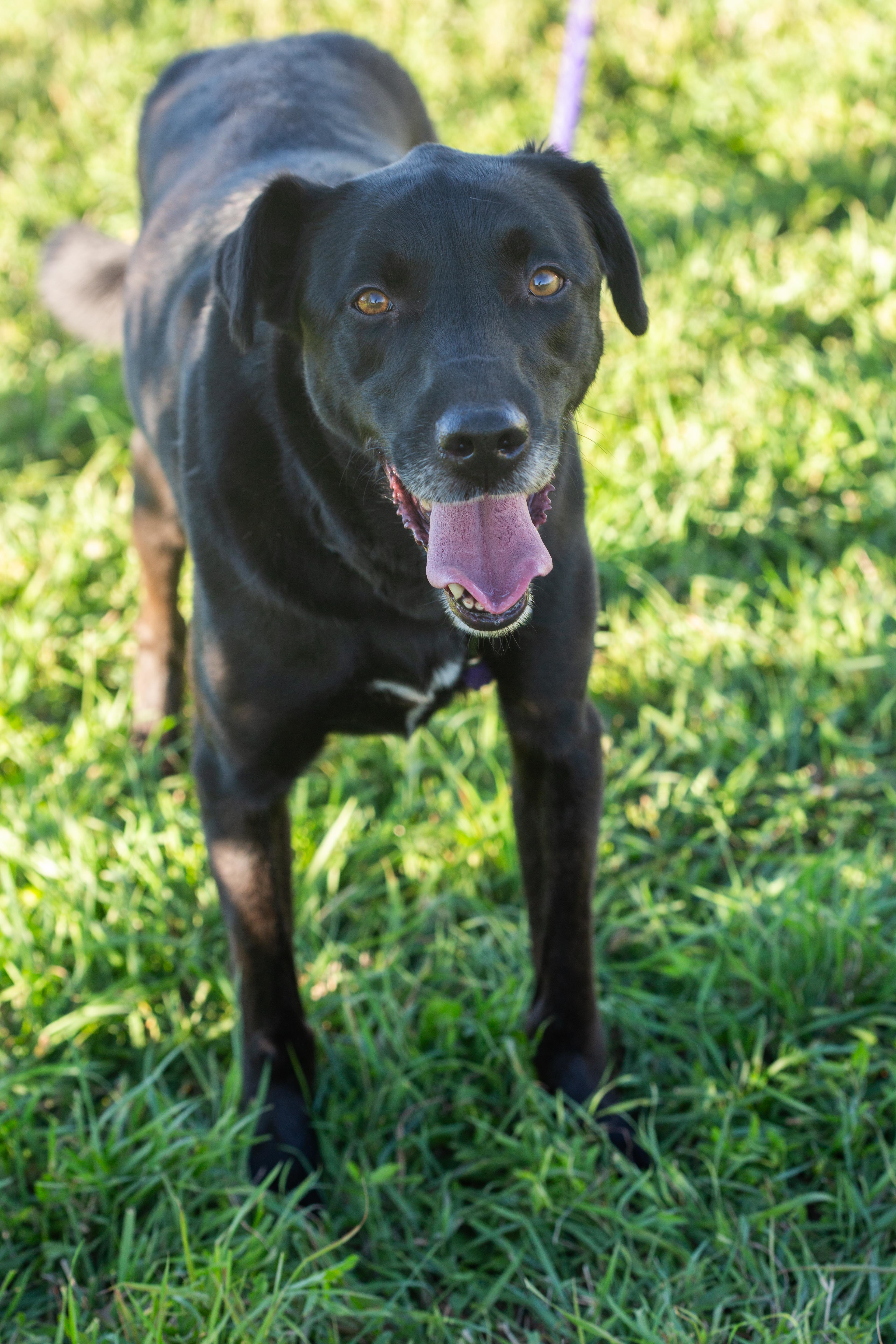
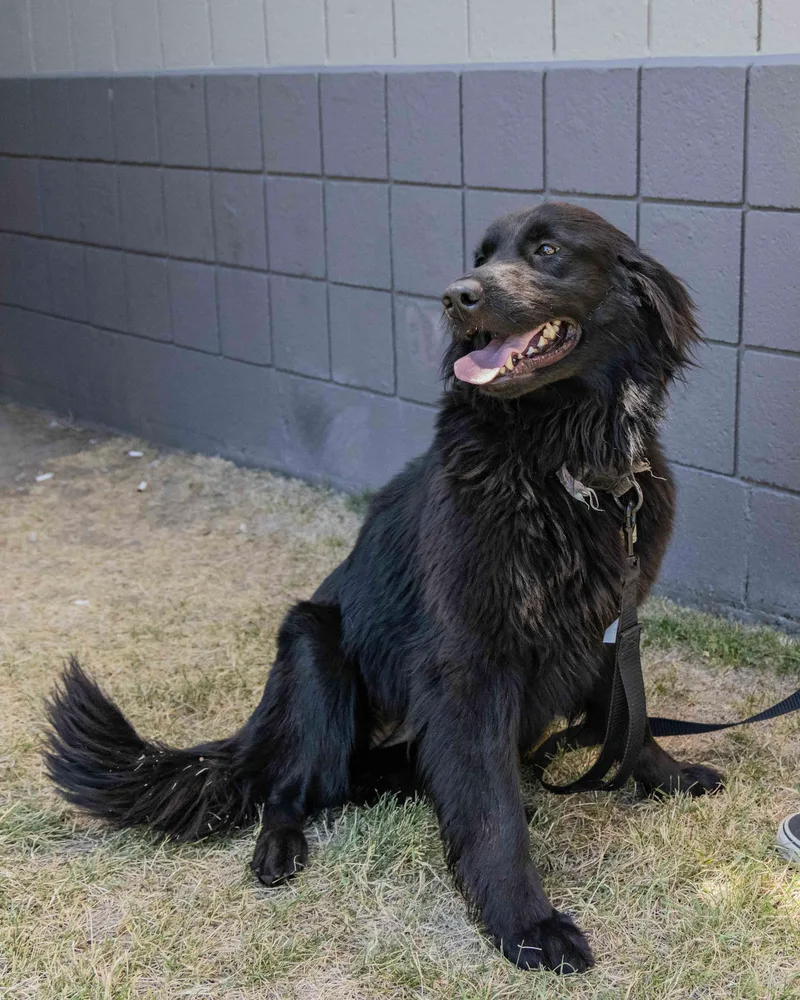
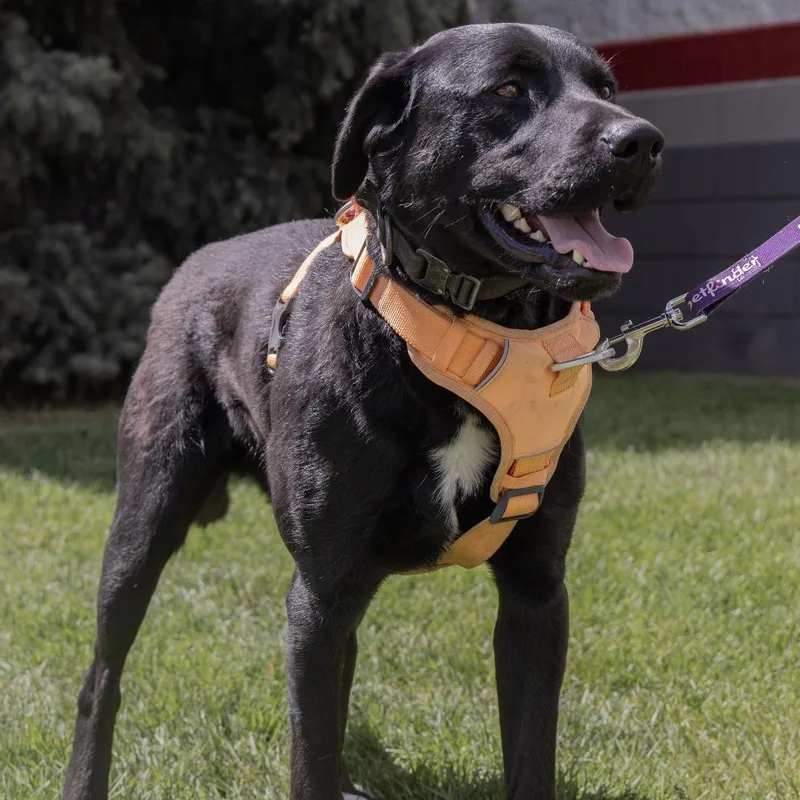
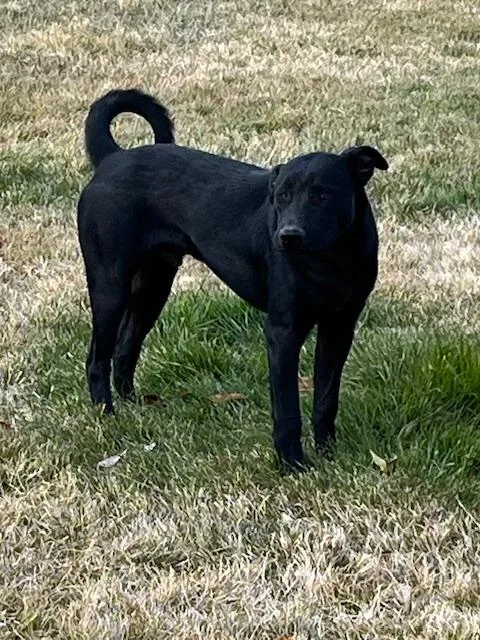
A black Lab is a Labrador Retriever in the breed's original and most familiar color, not a separate breed. Labs trace back to the St. John's water dogs of Newfoundland, refined in Britain into gun dogs, and they still carry the otter tail, broad head and dense, water-resistant double coat. Many have a small white spot on the chest, and the muzzle grays with age.

Color doesn't change personality. Expect a friendly, eager-to-please dog that needs daily exercise, consistent training and measured portions. Labs mature slowly, so adolescence can be bouncy, and Labs from working lines tend to be leaner and more driven than others. In Billings, that dense coat is an asset through the cold months, though it sheds heavily in spring and fall, so plan on regular brushing.

Weight
55–80 lbs
Height
21–25 in
Lifespan
10–14 yrs
Temperament
Friendly, Outgoing, Active
Group
Sporting
Shedding
Moderate to High

Owning a Black Labrador Retriever in Billings

Having a Black Labrador Retriever in Billings

Energy, appetite and seasonal shedding shape daily life with a black Lab far more than coat color does. In Billings, a dog's age and drive matter most when matching it to your routine, from lake days in the Heights to snowy winter walks.

Temperament

Black Labs tend to be outgoing and affectionate with family, visitors and other dogs, which helps on busy trails and in shared buildings. Young dogs are often mouthy and boisterous. Their eagerness for food makes reward-based training work well. A dog's history and socialization say more about behavior than breed reputation or coat color.

Exercise Needs

Most adult black Labs need vigorous daily activity such as brisk walks, fetch, swimming or running. In Billings, that can mean the fenced dog area at Lake Elmo State Park, High Sierra Dog Park in the Heights, or Centennial Dog Park on the West End. Keep dogs leashed and on-trail on the Rims in warm months, when rattlesnakes are out.

Health Considerations

Labs can be prone to hip and elbow dysplasia, cruciate ligament tears, exercise-induced collapse and progressive retinal atrophy. Obesity is common, so measure meals and track weight. Ear infections and skin allergies also occur. A veterinarian can check the hips and elbows, and a healthy weight helps joints on icy Billings sidewalks.

Living Space

A black Lab can do well in a house or an apartment when daily exercise is covered. A fenced yard makes play easier but doesn't replace walks. Billings homes range from small-lot houses on the South Side to newer subdivisions. Expect shed hair, a sweeping tail and a dog that wants to live indoors, especially in winter.

What it costs to own a Black Labrador Retriever in Billings

ExpenseTypical costPer year
Food$55 to $110 per month$660 to $1,320
Pet insurance$65 to $130 per month$780 to $1,560
Routine vet care$250 to $500 per year$250 to $500
Other*$583 to $1,458 per year$583 to $1,458
Estimated yearly total (after year one)$2,273 to $4,838

Other costs are estimates and vary with size, age and health.

* A $7.50 Billings dog license for a spayed or neutered dog, flea, tick and heartworm prevention, dental cleanings, toys and bedding, and brushing and baths for heavy seasonal shedding.

Adopt a Black Labrador Retriever in Billings.

Now that you know more, let’s find you a new best friend. These rescues and shelters below have dogs available in and near Billings.

Rescues and Shelters in or near Billings

Billings shelters and rescues care for stray and surrendered dogs, and the ones listed here work to find them homes. Here are the rescues & shelters in the Billings area with dogs available for adoption, worth asking whether a Black Labrador Retriever is coming in.

Frequently Asked Questions

Yes, most black Labs handle Billings winters well thanks to their dense, water-resistant double coat. Expect about 57 inches of snow a year and occasional arctic snaps below zero, so shorten walks in deep cold, rinse ice-melt off paws, and put a coat on seniors or thin dogs. Never leave a Lab in a cold car.

Yes. No known Billings rule restricts Labs, and the city's dangerous-dog rules are based on behavior, not breed. You'll need a city license with proof of rabies vaccination, and homes with four or more dogs and cats need a $30 Small Animal Permit. Watch the listings on this page, or save a search to hear when a black Lab appears.

Lake Elmo State Park is the top pick for a swimming Lab, since its fenced dog area has water access, though it allows two dogs per visitor. For off-leash running, try High Sierra Dog Park or Centennial Dog Park. On the Rims, Swords Park and the Skyline Trail work on a 6-foot leash, but watch for rattlesnakes in warm months.

Yes, if daily exercise is covered, though a large Lab is easier in a ground-floor unit or one near a park. Some landlords limit dog size, so confirm weight rules before applying. Plan on long walks, fetch and training so a bored Lab doesn't chew or bark, and expect shed hair on rugs and furniture.

Often, yes, for active people who enjoy the outdoors. A black Lab's coat and stamina suit cold winters, lake days and trail walks, and its friendliness helps in busy parks. It's a poorer match for people away all day or anyone wanting a low-shedding dog. Each Lab differs, so match the dog's age and energy to your routine.

Not inside. Montana's food code bars live animals from food establishments except service animals, and that includes bars. Patio access is up to each restaurant, so don't count on it. For outings, Labs usually do better at a trailhead or park, though pets aren't allowed at organized park events like markets and festivals.

Brush a black Lab weekly, and daily during the heavy spring and fall sheds. A bath every month or two keeps the coat fresh, and ears need regular checks. Billings' cold, dry winters can dry out skin, so don't overbathe. Most owners groom at home, and the cost table's Other line already covers brushing, baths and supplies.

A Labrador Retriever is a large sporting dog developed to retrieve game for hunters, especially from water. Labs have a short, dense double coat, a thick otter tail and a broad head, and they come in black, yellow and chocolate. Many are friendly, food-motivated and eager to work, which makes them common family, guide and service dogs.

Labs are large dogs, usually standing about 21.5 to 24.5 inches at the shoulder and weighing about 55 to 80 pounds, with females toward the lower end. Field-bred Labs often look taller and leaner, while show-bred Labs tend to be stockier. Most reach adult height by about a year and keep filling out until around two.

Expect roughly $2,300 to $4,800 a year for a black Lab, adding up the food, pet insurance, routine vet care and other yearly costs in the table below. Food and insurance are the biggest lines for a dog this size. Emergencies, boarding and training classes aren't included.

Find Black Labrador Retrievers in Nearby Cities

Expand your search to find Black Labrador Retrievers available for adoption near Billings.