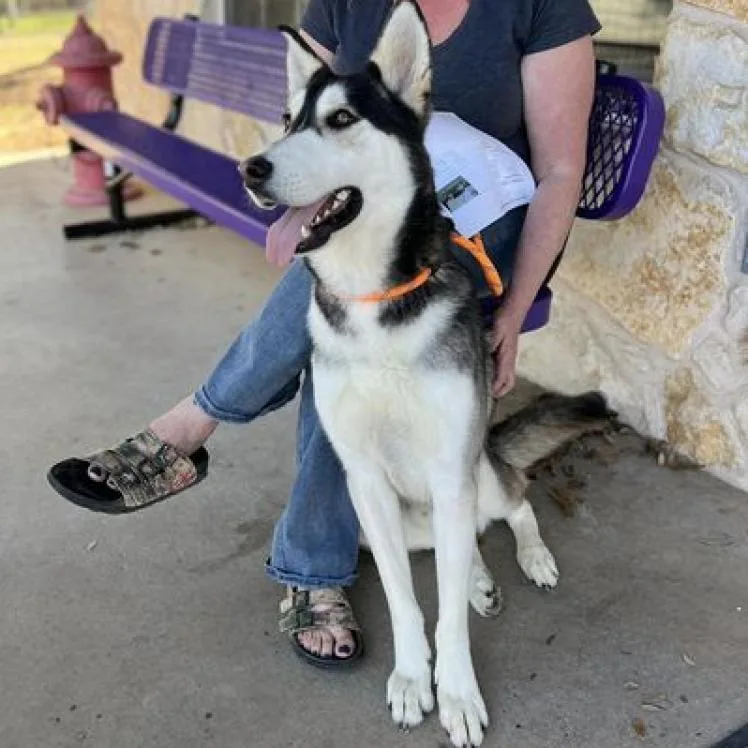
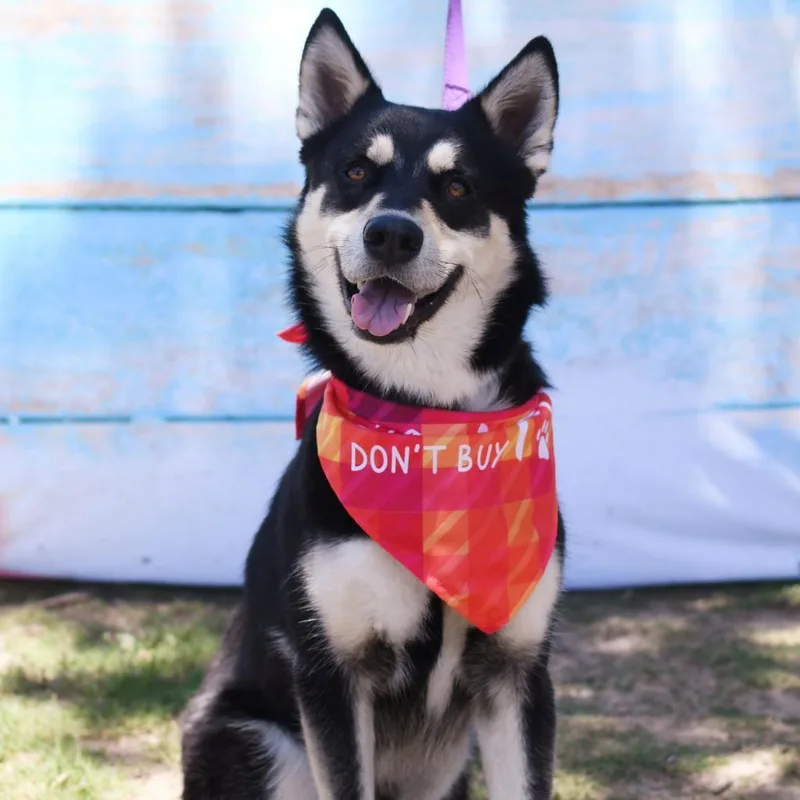
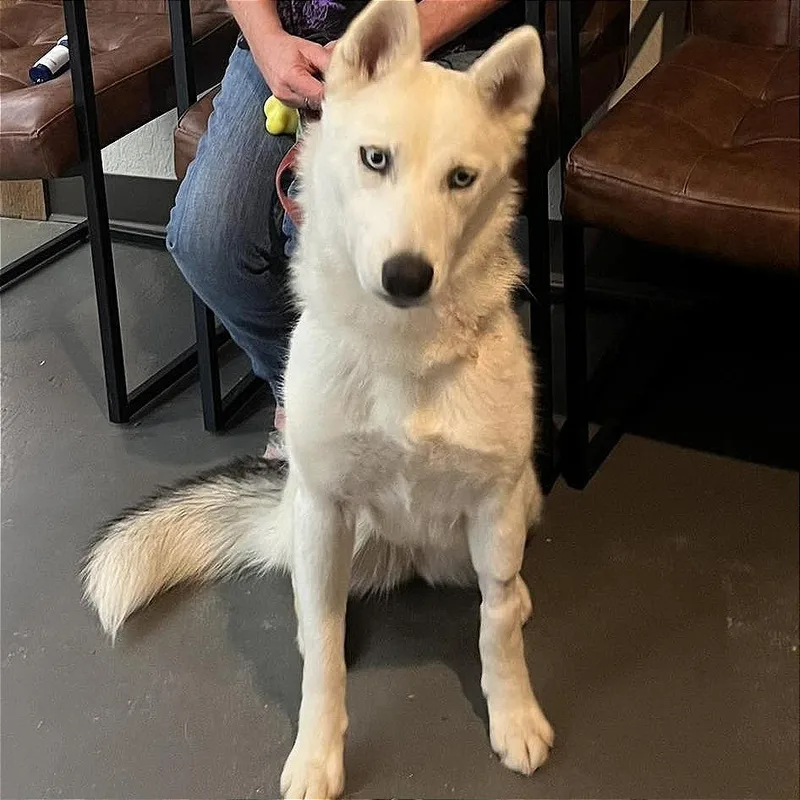
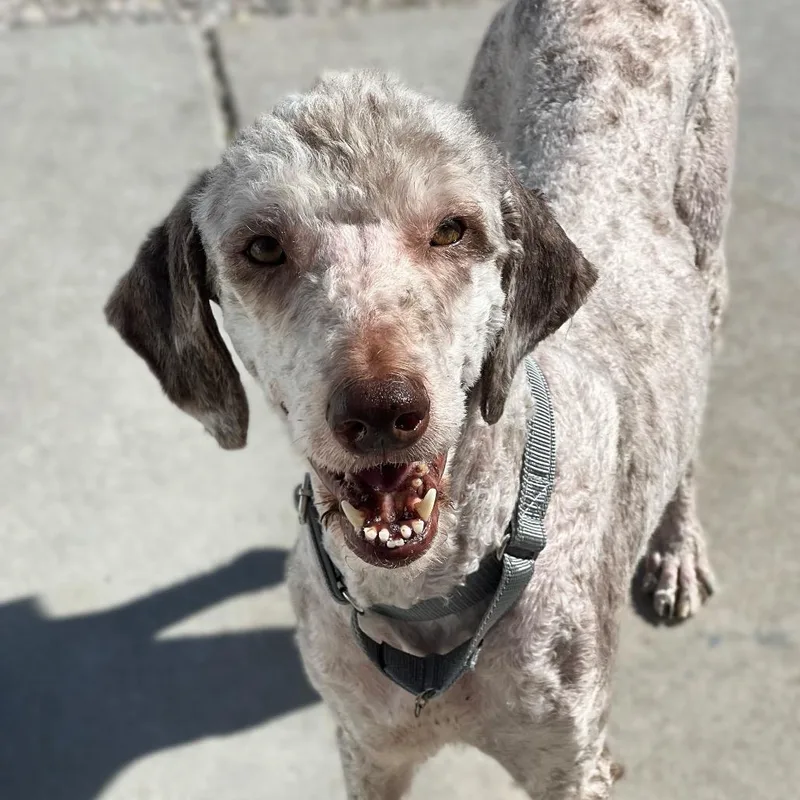
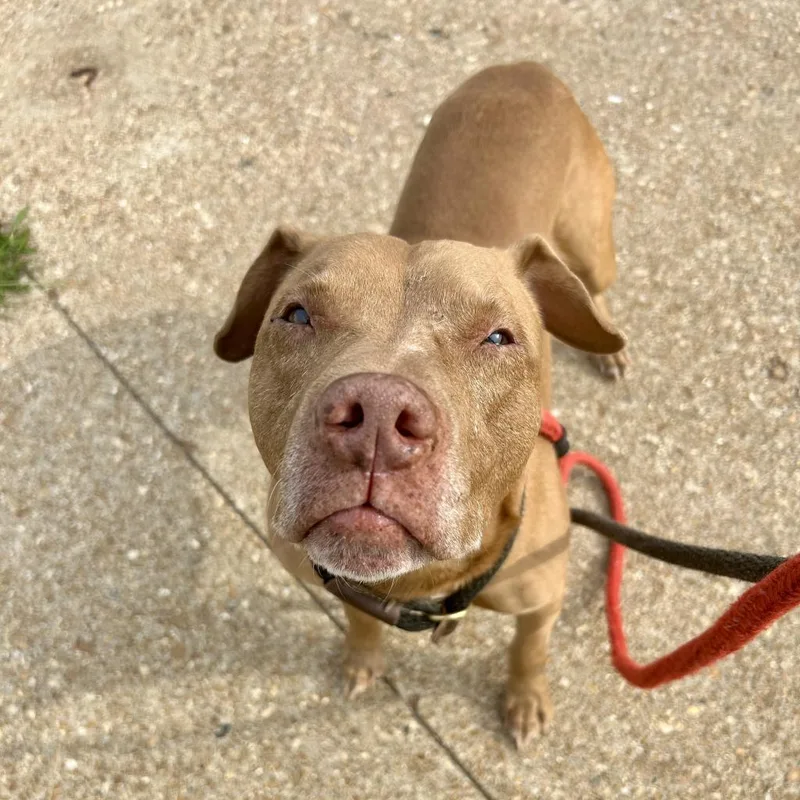
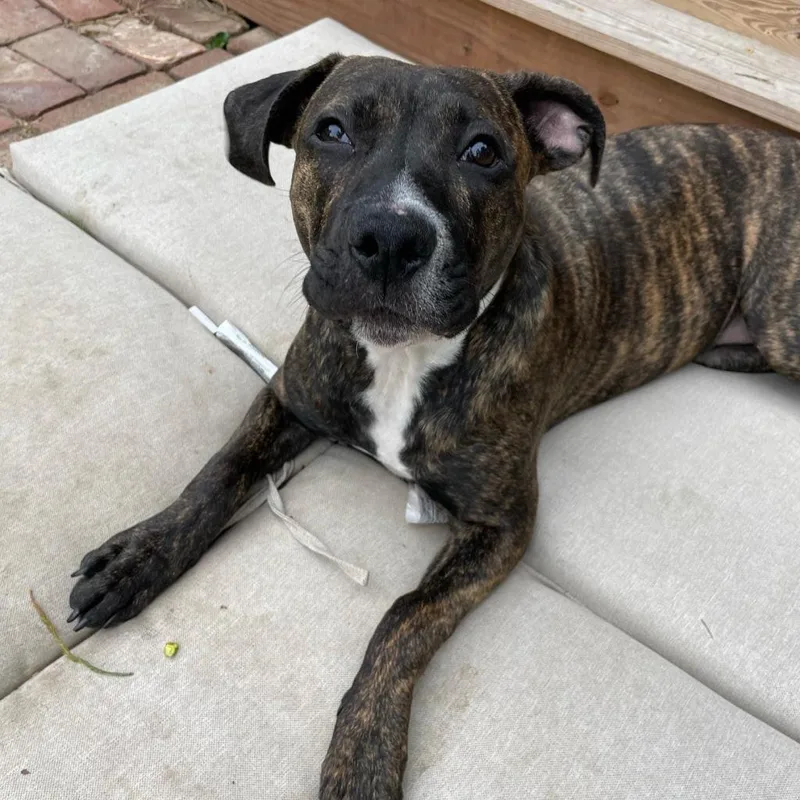
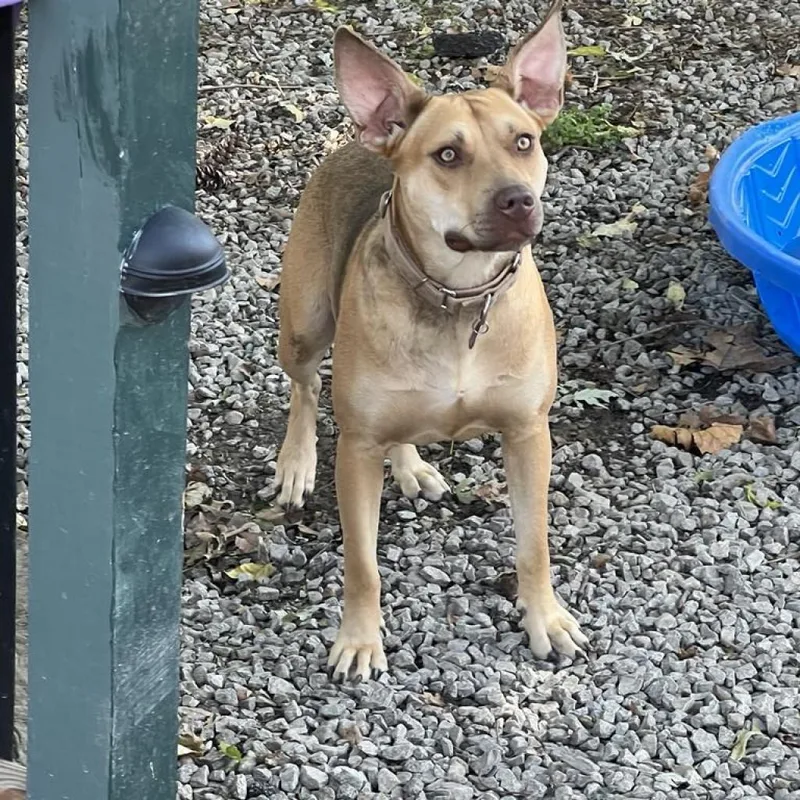
Husky Dogs for Adoption in St. Peters, MO

Your guide to finding and caring for a Husky in St. Peters

Huskies suit St. Peters best when their owners want to be out on the trails every day. The three-mile Dardenne Creek path through Jack Gettemeyer Park gives a husky-type dog a long leashed run, and the fenced backyards around the Spencer Creek subdivision suit a dog that loves to dig and escape. Midsummer afternoons are too hot for a hard run, so plan on early mornings. Most huskies want company, so they do best with people who are home often.

4504 Huskies available in St. Peters and nationwide

Your Husky is waiting

Huskies Available for Adoption Near St. Peters

About the Husky breed

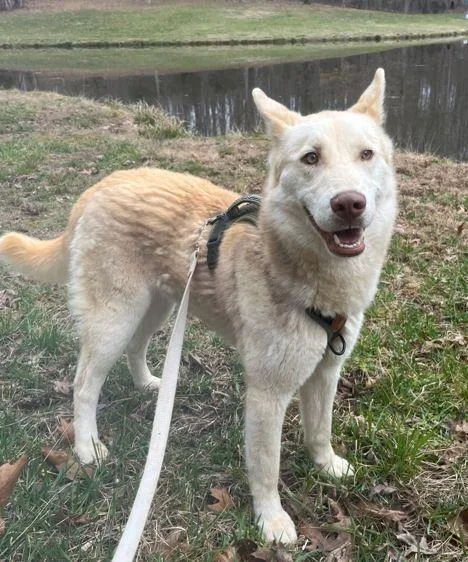
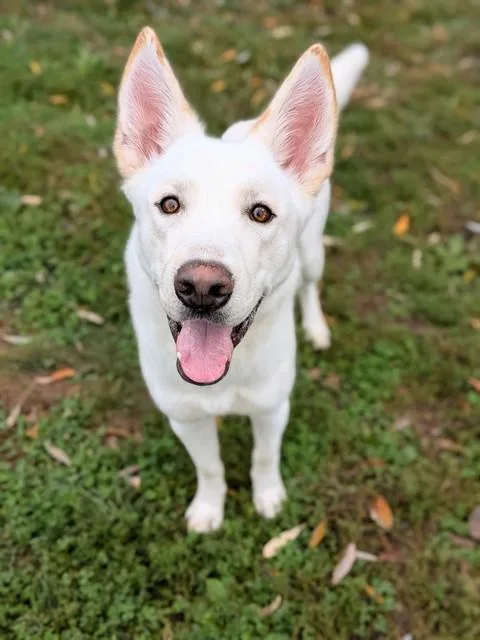
"Husky" is a label for northern sled dogs rather than one breed. In shelters it usually means a Siberian Husky or a Siberian mix, but it can also cover the Alaskan husky, a mixed racing type, or a dog with some Malamute in the family tree. They share erect ears, a thick double coat, a brush tail and sometimes striking blue or mismatched eyes.

Most adoptable huskies weigh roughly 35 to 70 pounds and were built to run all day in a team. Many are social, playful and talkative, but also independent, quick to dig under a fence and inclined to chase small animals. They shed heavily and handle heat poorly. Mixes vary a lot, so the dog in front of you may be calmer or more intense than the label suggests.

Weight
35–70 lbs
Height
20–25 in
Lifespan
11–15 yrs
Temperament
Friendly, Energetic, Independent, Vocal
Group
Working
Shedding
High

Owning a Husky in St. Peters

Having a Husky in St. Peters

Husky-type dogs bring sled-dog stamina, a sociable but self-directed streak and a coat built for cold. In St. Peters, that means plenty of trail miles, a secure fence and a plan for July, though each dog's mix and personality differ.

Temperament

Huskies are usually friendly with people, strangers included, so they make poor watchdogs. Many enjoy other dogs, but a strong prey drive can be risky around cats and small pets, which matters in a city that allows three pets per home. They're smart and independent, and mixes vary widely.

Exercise Needs

Plan on an hour or more of vigorous exercise daily: running, hiking or canicross. The Dardenne Creek trail and the paths at 370 Lakeside give leashed room to roam. Recall is often unreliable, so keep them leashed outside a fence. Puzzle toys and training help with the boredom that leads to digging and howling.

Health Considerations

Husky-type dogs are generally hardy, but eye conditions such as juvenile cataracts and progressive retinal atrophy, zinc-responsive skin disease and some hip problems occur. Their dense coat makes overheating a real risk in St. Peters summers. Tick checks after creek-trail walks matter too. A veterinarian can check eyes and hips at regular visits.

Living Space

Huskies do best in a house with a fenced yard at least six feet tall and dug-proofed, which suits St. Peters' many single-family subdivisions. An apartment can work if daily exercise is guaranteed. They need to live indoors with their people, and they come with constant shedding and plenty of howling.

What it costs to own a Husky in St. Peters

ExpenseTypical costPer year
Adoption fee$300, one time$300 in year one
Food$35 to $70 per month$420 to $840
Pet insurance$45 to $85 per month$540 to $1,020
Routine vet care$225 to $450 per year$225 to $450
Other*$540 to $1,390 per year$540 to $1,390
Estimated yearly total (after year one)$1,725 to $3,700
First-year total (with adoption fee)$2,025 to $4,000

Adoption fee is the fee on Husky listings in St. Peters on GetBuddy today. Other costs are estimates and vary with size, age and health.

* Flea, tick and heartworm prevention, a dental cleaning allowance, the St. Charles County rabies tag, toys and bedding, and brushing for heavy seasonal shedding.

Adopt a Husky in St. Peters.

Now that you know more, let’s find you a new best friend. These rescues and shelters below currently have Huskies available.

Rescues in St. Peters with Huskies Available

Shelters and rescues around St. Peters list dogs of every size, and husky-type dogs often arrive young and full of energy. Here are the rescues & shelters in the St. Peters area where you can find Huskies and other dogs available for adoption.

Frequently Asked Questions

Yes. St. Peters' dangerous-animal rules focus on a dog's behavior, and one recent case required homeowners' insurance and a six-foot fence before dogs could return home, which is a good reminder to secure an escape-prone husky. Remember the three-pet household limit and the county rabies tag on the collar. Some nearby towns have breed rules, so check before moving.

A Husky fits St. Peters if you run or hike most days and have a secure yard. Miles of creek trails and subdivision sidewalks help. The trade-offs are howling, which can lead to barking complaints through Animal Control, heavy shedding and summer heat. Dogs that get tired bodies and company tend to settle better, though each one differs.

Huskies can handle a St. Peters summer with planning, but it's their hardest season. Humid July afternoons are the worst stretch. Walk at dawn or after sunset, keep fresh water out, spend afternoons in air conditioning, and never leave a dog in a parked car. Skip hot pavement, which can burn paws.

On leash, the best options are the three-mile Dardenne Creek trail through Jack Gettemeyer Park, the Spencer Creek boardwalk trail and 370 Lakeside Park's 500 acres. The Rotary Club Dog Park at 370 Lakeside allows off-leash play for members only, with a large-dog side. Check for ticks after creek walks.

Yes, if the dog gets hard exercise every day, though howling and heavy shedding can test shared walls. Renters are a minority in St. Peters, so many homes have yards, but some landlords set breed or weight limits that a 35- to 70-pound husky could run into. Get pet terms in writing before signing.

A Husky needs brushing a few times a week, and daily during the heavy sheds in spring and fall. Never shave the double coat, since it protects against both cold and summer sun. In winter, rinse salt from paws. Home brushing fits within the roughly $540 to $1,390 a year budgeted for other costs.

A Husky is a northern sled dog type rather than one specific breed. The name most often refers to the Siberian Husky, a recognized AKC breed, but it also covers the Alaskan husky, a mixed racing type, and many husky mixes in shelters. Most are medium-sized, thick-coated, energetic dogs with erect ears and a friendly, independent nature.

Huskies were bred to pull sleds. The Chukchi people of northeastern Siberia developed the ancestors of the Siberian Husky to haul light loads over long distances in teams, and the dogs later became famous in Alaskan sled racing. That purpose explains their stamina, their pack-oriented sociability and their strong urge to run, which still shapes life with a pet husky today.

We have 1 rescue with Huskies available: Stray Paws Rescue. You can see every rescue with Huskies available in the list above these questions, or scroll to the top to see the Huskies near St. Peters.

A husky typically costs about $1,725 to $3,700 a year. Food runs $35 to $70 a month, insurance $45 to $85 a month, routine vet care $225 to $450 a year, and other costs such as parasite prevention, dental care and brushing $540 to $1,390 a year. Fence repairs or a sturdier gate are extra.