Pomeranian dog

Pomeranian Dogs for Adoption in St. Louis, MO

Your guide to finding and caring for a Pomeranian in St. Louis

A Pomeranian suits a brick flat in Tower Grove South better than you might expect. Most of its exercise happens indoors, so a few short walks and a game of tug in the living room go a long way. Poms are watchful, though, and will announce every delivery driver and neighbor on the stairs. Tower Grove Park sits on the neighborhood's north edge, which makes an easy walk for short legs.

689 Pomeranians available in St. Louis and nationwide

Bring home a Pomeranian

While we don't have enough dogs near St. Louis, keep in mind that many rescues may offer transport.

Pomeranians Available for Adoption Near St. Louis

About the Pomeranian breed

Pomeranians descend from larger German Spitz dogs and take their name from Pomerania, on the Baltic coast. Queen Victoria's fondness for small, colorful Poms helped shrink the breed to today's 3 to 7 pounds, though some Poms in adoption run heavier. The standoff double coat, plumed tail and fox-like face make the breed instantly recognizable.

Poms are bold, curious and convinced they're much bigger than they are. They bond closely with their people, bark at every noise and enjoy learning tricks. That suits adults and older children who handle a small dog gently. In St. Louis, where many homes are older brick flats with shared stairways, plan for barking training, regular brushing, dental care, and protection from falls, rough play and bigger dogs. Each Pom is different, so spend time with a dog before deciding.


Weight
3–7 lbs
Height
6–11 in
Lifespan
12–16 yrs
Temperament
Lively, Alert, Curious, Bold
Group
Toy
Shedding
Moderate to High

Owning a Pomeranian in St. Louis

Having a Pomeranian in St. Louis

Poms pair a big, watchful personality with a fragile frame and a thick double coat. Barking, grooming, dental care and joint protection matter most when deciding whether this lively toy dog fits your routine in St. Louis.

Temperament

Pomeranians tend to be confident, curious and affectionate with a favorite person. Many bark at visitors and hallway noises, which matters in St. Louis's shared-stair flats. Some get bossy with larger dogs or snappy if handled roughly. Reward-based training and gentle socialization help, and each dog's history matters more than breed stereotypes.

Exercise Needs

Most Poms get plenty of activity indoors, plus a few short daily walks. Tower Grove Park and Carondelet Park offer leashed strolls, and a tricks session or puzzle toy adds mental work. Use a harness rather than a collar to protect the trachea, and skip walks on hot pavement.

Health Considerations

Poms are prone to luxating kneecaps, collapsing trachea and dental disease, and some develop alopecia X, a coat-loss condition. Daily tooth brushing and a lean weight help. A veterinarian can check the knees, heart and teeth at the first exam after adoption, and regular dental cleanings are worth planning for.

Living Space

A Pomeranian fits the flats, lofts and small brick homes common around St. Louis, since its exercise needs are modest. Barking is the main concern with neighbors through shared walls. Watch open doors, stairs and high furniture, and supervise around toddlers and large, rough dogs.

What it costs to own a Pomeranian in St. Louis

ExpenseTypical costPer year
Food$15 to $35 per month$180 to $420
Pet insurance$35 to $70 per month$420 to $840
Routine vet care$200 to $400 per year$200 to $400
Other*$579 to $1,404 per year$579 to $1,404
Estimated yearly total (after year one)$1,379 to $3,064

Other costs are estimates and vary with size, age and health.

* The $4 St. Louis registration for a spayed or neutered dog, flea, tick and heartworm prevention, dental cleanings, toys and bedding, and regular brushing and baths for the double coat.

Pomeranian dog

Adopt a Pomeranian in St. Louis.

Now that you know more, let’s find you a new best friend. These rescues and shelters below currently have Pomeranians available.

Frequently Asked Questions

Yes, owning a Pomeranian in St. Louis is straightforward. Beyond rabies vaccination and City registration, the rules to know are that dogs can't be tethered outdoors for more than ten continuous hours, and owners must provide shelter from extreme temperatures. A toy dog needs to be indoors in St. Louis weather anyway, so plan on a house companion.

Tower Grove Park, Forest Park and Carondelet Park all require leashes and give a Pom room for easy walks. For off-leash time, Southwest City Dog Park in Willmore Park has two fenced play areas, with rabies proof and a yearly membership. Choose quieter hours, since a toy dog can be overwhelmed by big, rowdy dogs.

Yes, with planning. Hot, humid days are hard on a thick-coated toy dog, especially one with a sensitive trachea. Walk at dawn or after dark, keep paws off hot asphalt, and keep the air conditioning on in extreme heat. Never leave a Pomeranian in a parked car, even briefly, and always have fresh water available.

Plan on brushing a few times a week, daily during heavy shedding, and a bath every month or so. Humid summers and wet springs make thorough drying important, and a double coat shouldn't be shaved. Professional grooming a few times a year is part of the Other costs listed on this page.

No. Metro allows only service animals on MetroBus and MetroLink, and pets are not permitted even in carriers. MetroLink is light rail, so the rule applies there too. If you don't have a car, plan vet visits, grooming and outings around walking distance.

Often on patios, yes. A 2007 city ordinance lets restaurants allow dogs in outdoor dining areas if they post a sign saying whether dogs are welcome. A few wards are exempt, and each restaurant decides. Indoor dining rooms are typically off limits to pet dogs, so look for the sign before sitting down.

Pomeranians come from the Pomerania region along the Baltic Sea, now part of northern Poland and northeastern Germany, where its larger German Spitz ancestors developed. The breed as we know it was shaped in England, where royals including Queen Charlotte and Queen Victoria kept them in the 1700s and 1800s and the dogs grew steadily smaller. The first English breed club formed in 1891.

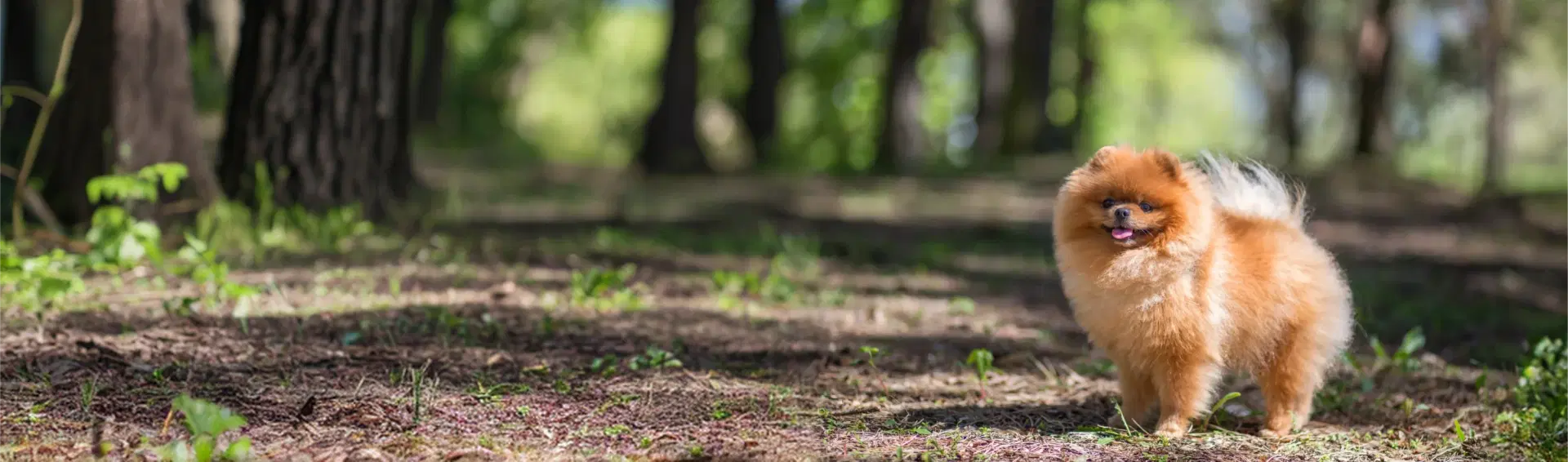
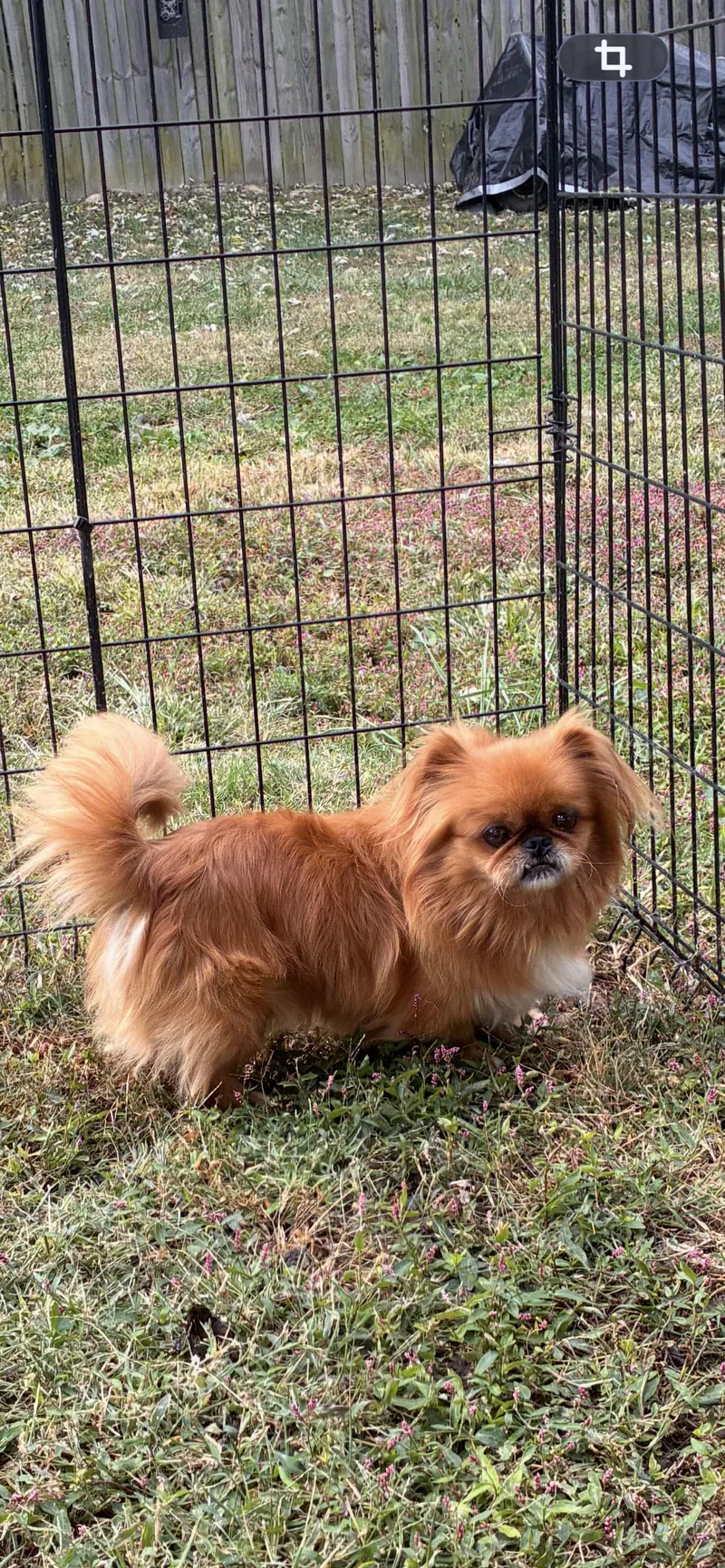
A Pomeranian is a tiny, compact dog with a short back, a wedge-shaped head and a fox-like face with small pricked ears and bright almond eyes. Its signature feature is an abundant double coat that stands away from the body, forming a ruff around the neck and a plumed tail carried flat over the back. Poms come in many colors and patterns.

We have 1 rescue with Pomeranians available: Needy Paws Rescue. You can see every rescue with Pomeranians available in the list above these questions, or scroll to the top to see the Pomeranians near St. Louis.

Expect roughly $1,400 to $3,100 a year for a Pomeranian in St. Louis. That covers food at $15 to $35 a month, insurance at $35 to $70 a month, routine vet care at $200 to $400 a year, and other costs of $579 to $1,404 a year, mostly dental care, parasite prevention and grooming.

Find Pomeranians in Nearby Cities

Expand your search to find Pomeranians available for adoption near St. Louis.