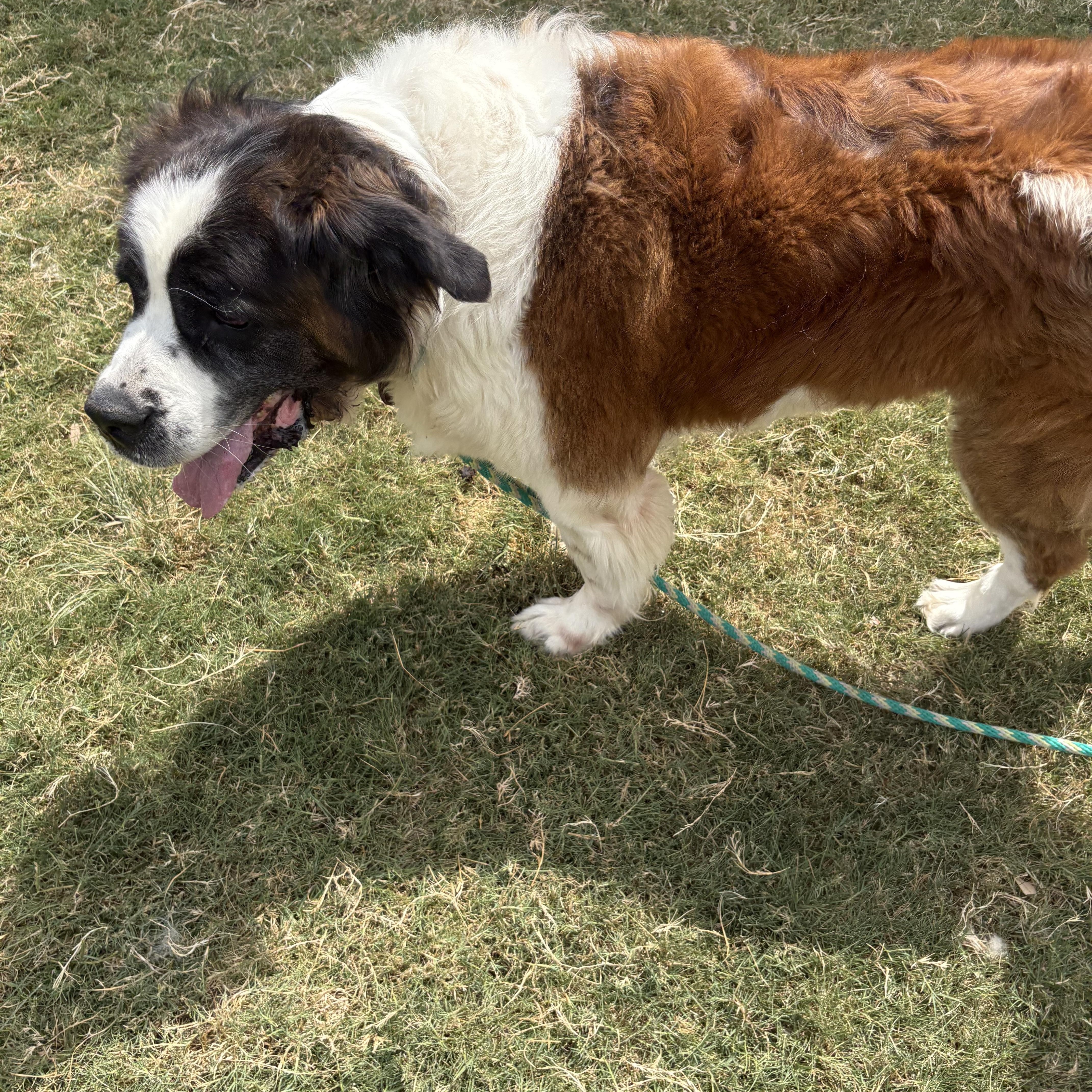
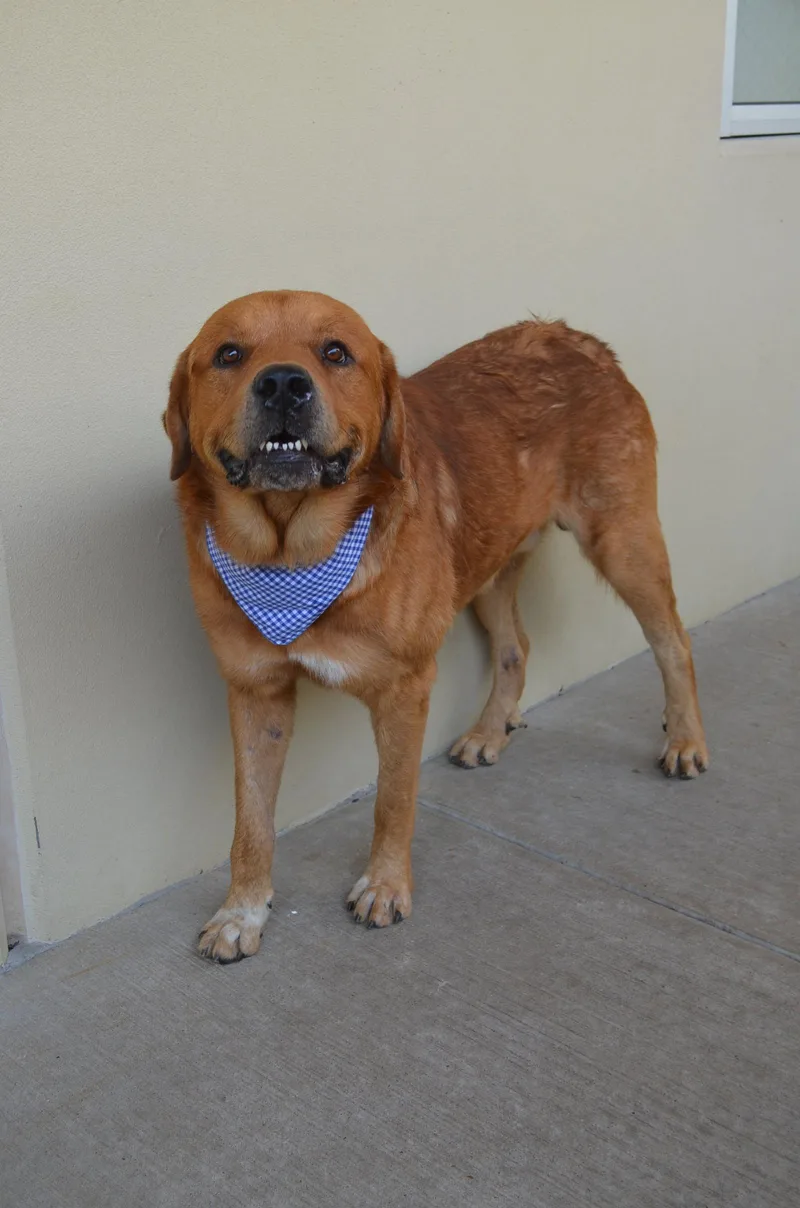
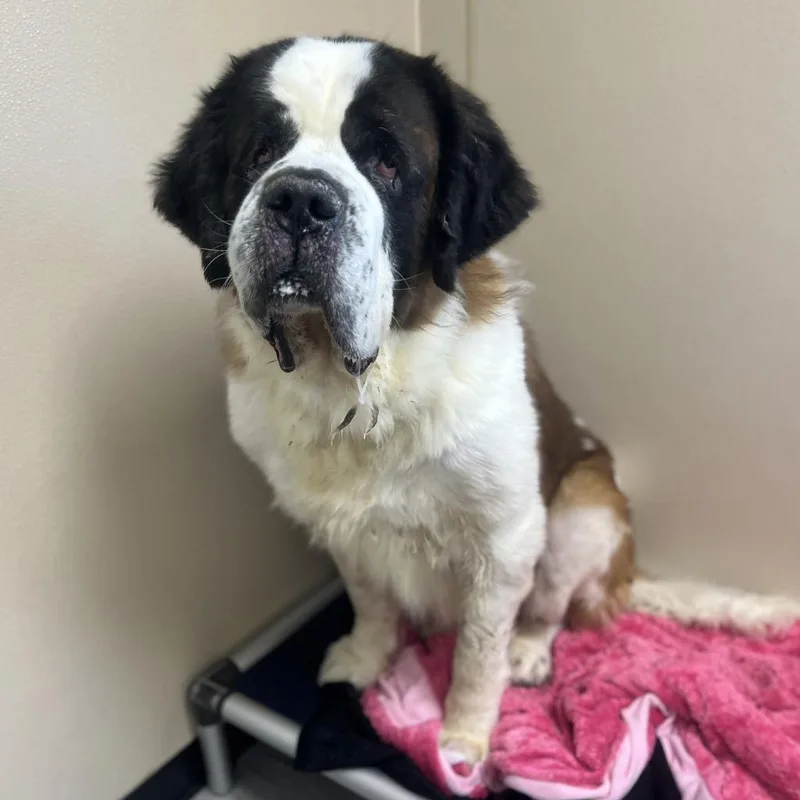
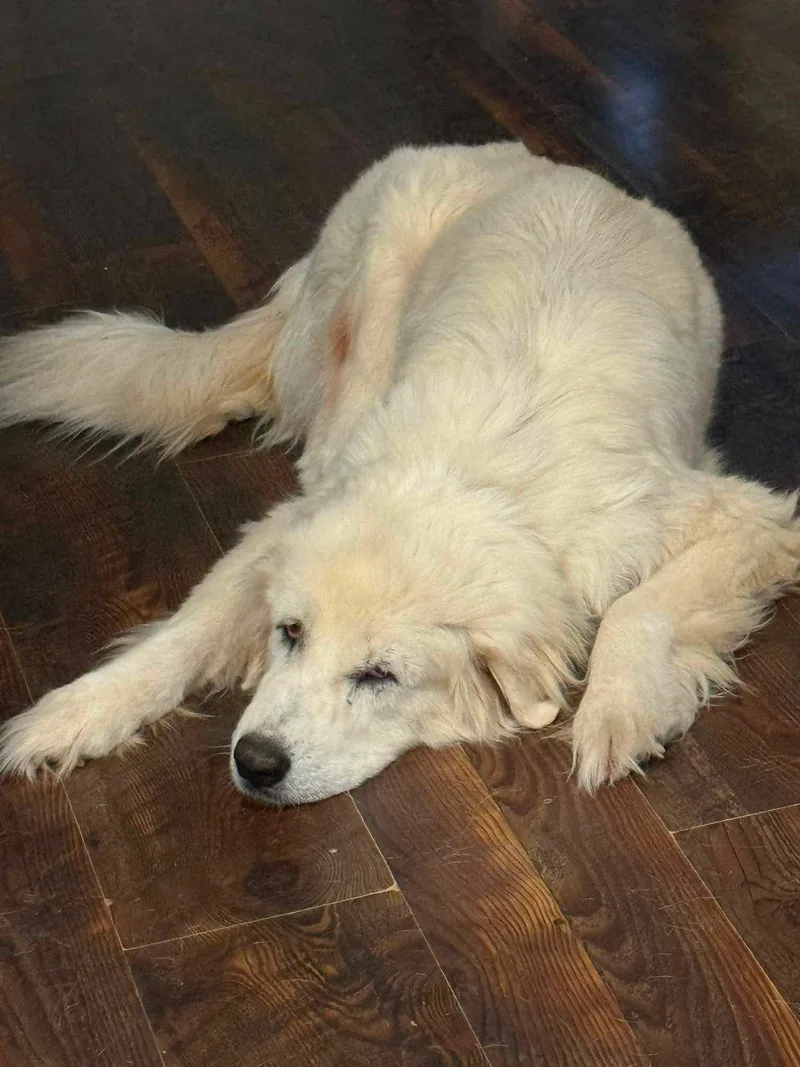
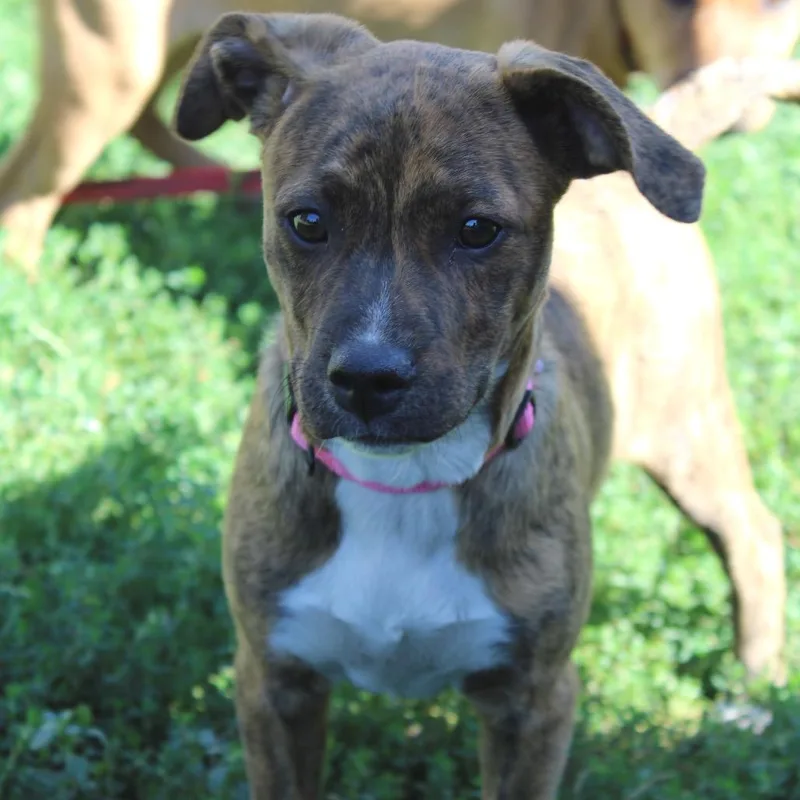
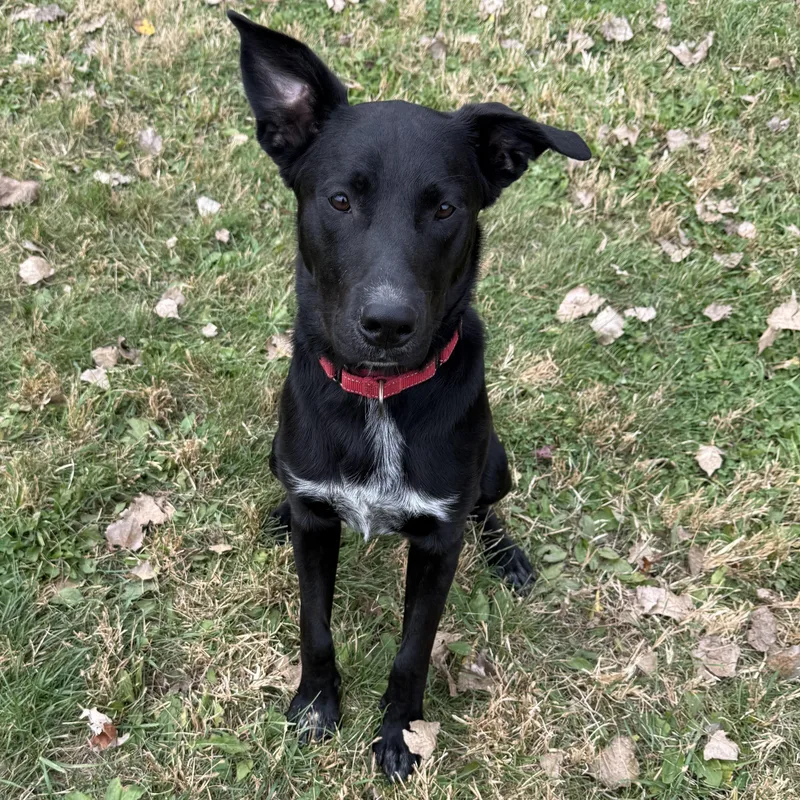
Saint Bernard dog

Saint Bernard Dogs for Adoption in Minneapolis, MN

Your guide to finding and caring for a Saint Bernard in Minneapolis

Saint Bernards suit Minneapolis winters better than most big dogs do. A thick-coated Saint can plod happily along Victory Memorial Parkway or the Winchell Trail above the river in Longfellow. They're calm and gentle, and quiet residential streets in Bryn Mawr give a dog this size room to stroll. Just picture the stairs: a walk-up apartment in Whittier means hauling 120 to 180 pounds of dog up and down every day.

170 Saint Bernards available in Minneapolis and nationwide

Give a Saint Bernard a home

While we don't have enough dogs near Minneapolis, keep in mind that many rescues may offer transport.

Saint Bernards Available for Adoption Near Minneapolis

About the Saint Bernard breed

Saint Bernards began at the Great St Bernard Hospice, high on an Alpine pass between Switzerland and Italy, where monks kept them from the late 1600s to find travelers lost in snow and fog. Today's dogs are much bigger than the original hospice dogs, with a massive head, a wrinkled brow and a white coat marked in red or brindle, in either a shorthaired or longhaired version.

They're known for being patient and kind, and many are gentle with children. They also shed heavily, drool freely and tire fast when it's warm. That Alpine heritage fits Minneapolis's long cold season, but adopters should still plan for training from the start, regular brushing and the health care a giant breed needs. Dogs vary, so a Saint's own size, age and personality matter more than the breed label.


Weight
120–180 lbs
Height
26–30 in
Lifespan
8–10 yrs
Temperament
Gentle, Patient, Calm, Friendly
Group
Working
Shedding
Moderate to High

Owning a Saint Bernard in Minneapolis

Having a Saint Bernard in Minneapolis

A Saint Bernard pairs a gentle nature with giant size. In Minneapolis, the cold season works in a Saint's favor, while heat, stairs, joint care and the cost of feeding and insuring a dog this big deserve the most thought.

Temperament

Saint Bernards tend to be calm, patient and affectionate, and many are gentle with kids. On busy Minneapolis sidewalks, from Loring Park to Uptown, a friendly Saint usually greets people rather than guarding. Early training matters, because even a happy giant can pull a person off their feet. Each dog differs.

Exercise Needs

Expect moderate daily exercise: steady walks and relaxed play rather than runs. Lake loops like the 2.75-mile Lake Harriet path or the 2.7-mile Lake Nokomis loop suit a healthy adult in cool weather, though dogs aren't allowed on the beaches. Keep puppies off long walks and jumping, and save longer outings for cool mornings.

Health Considerations

Saint Bernards are prone to hip and elbow dysplasia, torn cruciate ligaments, bone cancer, a heart disease called dilated cardiomyopathy, and bloat, a stomach emergency. Keeping a Saint lean protects the joints. In Minnesota, ask a veterinarian about tick-borne disease screening and prevention, since ticks are active in spring and fall. Plan regular checkups.

Living Space

A Saint does best with room to move, a cool indoor spot and easy outdoor access. A calm adult can manage in an apartment with enough walks, but stairs, slippery floors and small cars get hard fast. Minneapolis houses and bungalows with a main-floor living area suit them better than upper-floor walk-ups.

What it costs to own a Saint Bernard in Minneapolis

ExpenseTypical costPer year
Adoption fee$500, one time$500 in year one
Food$80 to $160 per month$960 to $1,920
Pet insurance$85 to $170 per month$1,020 to $2,040
Routine vet care$250 to $500 per year$250 to $500
Other*$690 to $1,890 per year$690 to $1,890
Estimated yearly total (after year one)$2,920 to $6,350
First-year total (with adoption fee)$3,420 to $6,850

Adoption fee is the fee on Saint Bernard listings in Minneapolis on GetBuddy today. Other costs are estimates and vary with size, age and health.

* The $30 Minneapolis dog license for a spayed or neutered dog, flea, tick and heartworm prevention, a dental cleaning allowance, large bedding and toys, brushing and baths, and joint supplements.

Saint Bernard dog

Adopt a Saint Bernard in Minneapolis.

Now that you know more, let’s find you a new best friend. These rescues and shelters below currently have Saint Bernards available.

Frequently Asked Questions

Yes, Saint Bernards generally handle Minneapolis winters well, because their dense double coat is built for cold. About 72 days a year stay below freezing and roughly 22 nights fall below 0°F, so the main risks are ice, road salt and wind chill rather than the temperature alone. Wipe paws after walks, dry a wet coat, and keep your Saint inside overnight.

No, a pet Saint Bernard can't ride Metro Transit buses or light rail. Pets may board only in a carrier, and leashed dogs aren't allowed, which no giant dog fits. Service animals are the exception. Plan on a car with a roomy cargo area, or choose a neighborhood where daily walks and park trips don't need a ride.

Cool, uncrowded paths suit a Saint best, and Minneapolis has plenty. Theodore Wirth Regional Park offers more than five miles of off-road trails, Minnehaha Regional Park keeps its paved trails open through winter, and the Grand Rounds add about 102 miles of trails citywide. Dogs must be leashed outside off-leash parks. Skip the water if a lake has a blue-green algae bloom.

Sometimes, but only on patios. Minneapolis lets restaurants opt in to dog-friendly outdoor areas, and each restaurant decides. Dogs must stay leashed, on the ground and off the furniture, and indoor dining is off-limits except for service animals. A Saint takes up a lot of floor space and overheats easily, so pick a shaded table and bring water.

Plan on brushing a few times a week, and daily during the heavy spring and fall sheds. Saint Bernards are double coated and drool, so wipe the face and flews often. In Minneapolis, winter also means rinsing salt from paws and belly. Brushing and baths are counted in the cost table's Other line, alongside prevention, dental care and joint supplements.

Saint Bernards were kept by monks at the Great St Bernard Hospice in the Swiss Alps to help find and rescue travelers lost in snow and fog on the dangerous mountain pass. They also guarded the hospice and served as companions. Elsewhere in Switzerland, similar dogs worked on farms as watchdogs and draft dogs, pulling carts and guarding property.

A Saint Bernard is a giant, powerful dog with a massive head, a short deep muzzle, a wrinkled brow, droopy lips and kind dark eyes. Its coat is either short and dense or medium length and slightly wavy, and it is white with red or brindle markings. White on the chest, feet, tail tip and muzzle is typical, often with a dark facial mask.

Saint Bernards typically live about 8 to 10 years, which is shorter than average because giant breeds age faster. A 2024 UK study put their life expectancy at about 9.3 years. Heart disease, bone cancer and bloat are among the conditions that can shorten their lives. Keeping a Saint lean, exercising it sensibly and seeing a veterinarian regularly all help.

We have 1 rescue with Saint Bernards available: Midwest Animal Rescue Services. You can see every rescue with Saint Bernards available in the list above these questions, or scroll to the top to see the Saint Bernards near Minneapolis.

Plan on roughly $2,900 to $6,350 a year for a Saint Bernard, based on the ranges below: $80 to $160 a month for food, $85 to $170 a month for insurance, $250 to $500 a year for routine vet care, and $690 to $1,890 a year for other costs. Emergencies such as bloat surgery would cost extra.

Find Saint Bernards in Nearby Cities

Expand your search to find Saint Bernards available for adoption near Minneapolis.