Pharaoh Hound Dogs for Adoption in Minneapolis, MN

Your guide to finding and caring for a Pharaoh Hound in Minneapolis

Pharaoh Hounds do well in Minneapolis if they get regular chances to sprint somewhere fenced. A Northeast household can reach the 2.17-acre St. Anthony Parkway dog park, while Longfellow's bungalow streets and the Winchell Trail along the river bluff suit leashed walks. Indoors, these hounds are gentle and a little goofy. Outdoors, a squirrel can beat any recall. Winter is the real test, because that thin coat needs a sweater and short, brisk loops once January settles in.

22 Pharaoh Hounds available in Minneapolis and nationwide

Find your Pharaoh Hound

While we don't have enough dogs near Minneapolis, keep in mind that many rescues may offer transport.

Pharaoh Hounds Available for Adoption Near Minneapolis

About the Pharaoh Hound breed

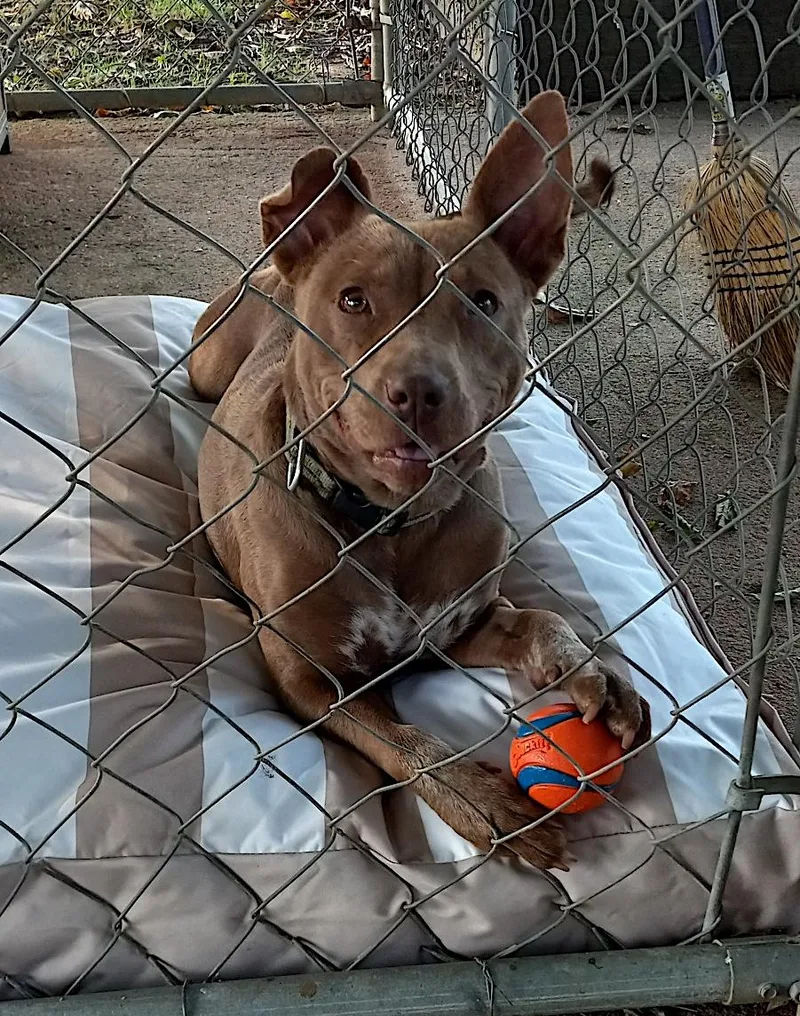
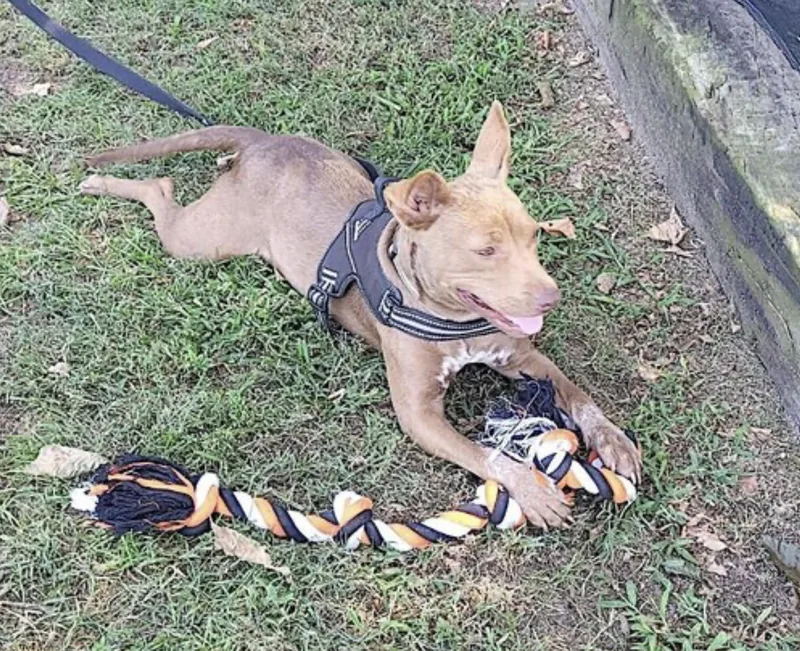
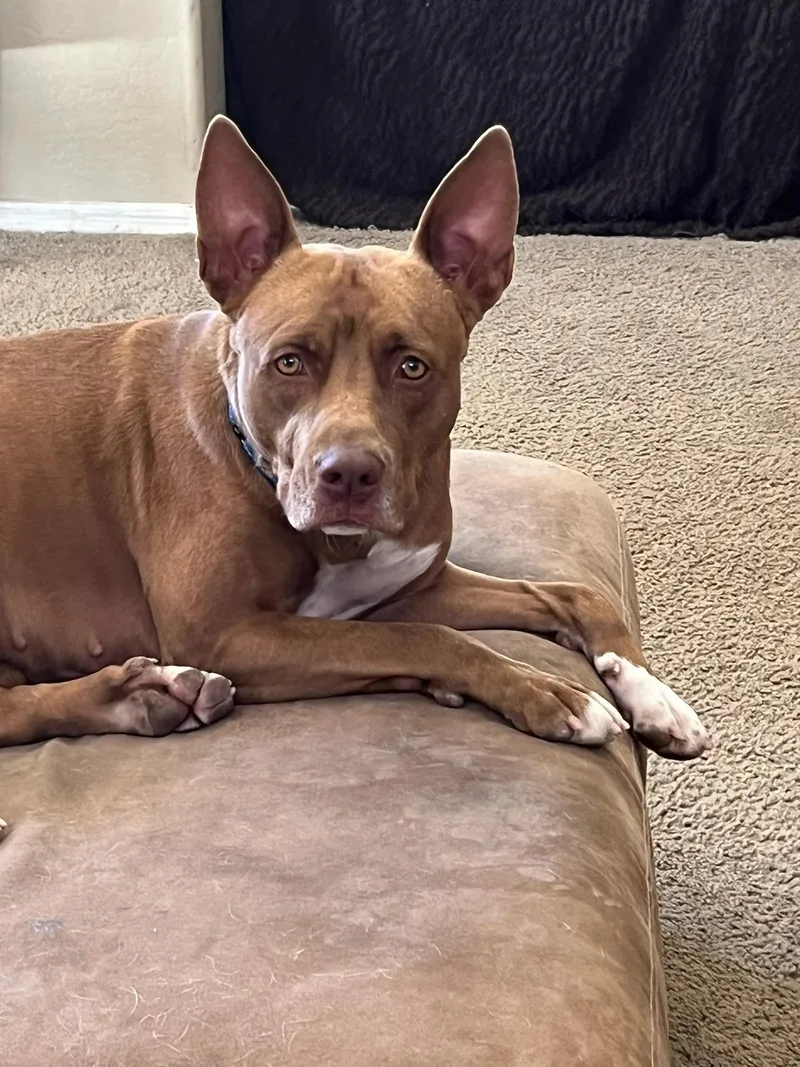
Known in Malta as Kelb tal-Fenek, the rabbit dog, the Pharaoh Hound was built to chase quarry over rocky ground, often at night, using sight and scent. The name and the resemblance to dogs in Egyptian art hint at ancient Nile roots, but genetic studies point to a more recent development on Malta. The breed is lean and tan to chestnut, with amber eyes, large upright ears, and a nose and ears that flush pink when the dog is excited.

Indoors, many are affectionate, playful and calm once exercised, with a clownish streak and a tendency to vocalize. Outdoors, a small animal can trigger a sprint that no recall will stop. In Minneapolis, that means leashed walks, a tall secure fence, and a warm coat for winter, because the short coat sheds little but offers scant protection from cold.

Weight
45–55 lbs
Height
21–25 in
Lifespan
11–14 yrs
Temperament
Affectionate, Playful, Alert
Group
Hound
Shedding
Low

Owning a Pharaoh Hound in Minneapolis

Having a Pharaoh Hound in Minneapolis

Pharaoh Hounds pair a sprinter's build with a gentle, often comical side at home. In Minneapolis, prey drive, the need to run and a thin coat that struggles in the cold matter most, while the easy-care coat is a bonus.

Temperament

Many Pharaoh Hounds are friendly, affectionate and playful with their people, though some stay reserved with strangers at first. They tend to be sensitive, so patient, upbeat training works better than harsh handling. Strong prey drive means cats and small pets need careful introductions, and each dog's behavior matters more than breed reputation.

Exercise Needs

Plan on daily walks plus regular sprints in a securely fenced space, since most Pharaoh Hounds can't be trusted off leash. Minneapolis has fenced off-leash dog parks that require a permit, and the lake loops, roughly 2.6 to 3.1 miles around, suit leashed jogging with a fit adult dog. Scent games add mental work.

Health Considerations

Pharaoh Hounds are generally healthy, though hip dysplasia and eye conditions occasionally appear. Lean hounds can be sensitive to anesthesia and some insecticides, so make sure every veterinarian knows the breed. Thin coats and low body fat invite chills, and frostbite on feet and ears is a Minnesota winter risk. Ask a veterinarian about tick prevention too.

Living Space

A Pharaoh Hound can live in a Minneapolis apartment or house if it gets daily exercise and a safe place to run. Fence height matters more than yard size, since many can clear low barriers. Indoors, they want soft bedding and warmth, and a sweater helps in cold months.

What it costs to own a Pharaoh Hound in Minneapolis

ExpenseTypical costPer year
Food$35 to $70 per month$420 to $840
Pet insurance$45 to $85 per month$540 to $1,020
Routine vet care$225 to $450 per year$225 to $450
Other*$505 to $1,480 per year$505 to $1,480
Estimated yearly total (after year one)$1,690 to $3,790

Other costs are estimates and vary with size, age and health.

* The $30 Minneapolis dog license for a spayed or neutered dog, flea, tick and heartworm prevention, dental cleanings, toys and bedding, minimal grooming, and coats or sweaters for cold weather.

Adopt a Pharaoh Hound in Minneapolis.

Now that you know more, let’s find you a new best friend. These rescues and shelters below have dogs available in and near Minneapolis.

Frequently Asked Questions

Yes, as indoor dogs with a proper coat and short outings. During the 2019 cold snap, temperatures hit −28°F, and city animal control warned that dogs are especially prone to frostbite on feet, ears and face. A Pharaoh Hound's thin coat and low body fat make brief potty trips and an insulated coat the safest routine.

Yes, nothing in Minneapolis bars the breed. Local rules focus on behavior: a dog that bites or acts aggressively can be declared potentially dangerous or dangerous, which brings muzzle, leash and insurance requirements. With a Pharaoh Hound's chase instinct, a leash outdoors and a secure yard keep you comfortably within the rules.

For leashed outings, Theodore Wirth Regional Park has more than five miles of off-road trails, and Minnehaha Regional Park keeps paved trails open through winter. For fenced sprints, Franklin Terrace in Seward (1.37 acres) works well, though Lyndale Farmstead's crushed granite can bother sensitive paws. A resident permit runs about $38 a year.

Generally no. Metro Transit buses and light rail allow pets only in a carrier, and leashed pet dogs aren't allowed to board. A 45-to-55-pound Pharaoh Hound won't fit in a carrier, so plan on walking or driving to parks and the vet. Only service animals under control ride without a carrier.

Yes, if the building allows dogs and daily sprints are covered. Pharaoh Hounds are calm indoors once exercised, but many vocalize, which matters in dense, rental-heavy areas like Whittier or Marcy-Holmes. Unprovoked barking that disturbs the peace can bring a $200 citation, so a well-exercised dog and a fenced park nearby help.

Only on patios, and only where the restaurant opts in. Minneapolis has allowed dog-friendly outdoor areas since 2008: dogs stay leashed, on the ground and off furniture, and each restaurant decides. Indoors is off-limits except for service animals. A short, quiet patio stop suits a Pharaoh Hound better than a busy one.

Very little. The short, glossy coat needs a weekly brush and an occasional bath, and it sheds lightly. Winter matters more: wipe salt from paws, check pads for cracking, and keep nails trimmed. Professional grooming adds little to the yearly Other costs, so most owners spend far more on coats and sweaters.

Pharaoh Hounds are not typically aggressive toward people. Most are friendly and affectionate with their families, and some are aloof with strangers until they warm up. Their strongest instinct is to chase, so small animals like cats, rabbits and squirrels can trigger intense pursuit. Early socialization and calm, reward-based training help a Pharaoh Hound stay relaxed in new situations.

Pharaoh Hounds can be good family dogs for active households that can meet their exercise needs. Many are playful and gentle with respectful children and enjoy being part of family life. They do best with adults who supervise interactions, keep doors and gates closed against escapes, and provide daily running. Homes with small pets need extra caution because of prey drive.

Most owners can expect roughly $1,700 to $3,800 a year for a Pharaoh Hound, covering food at $35 to $70 a month, insurance at $45 to $85 a month, routine vet care, and other costs such as the license, parasite prevention and winter coats. The dog park permit, about $38 a year for residents, is extra.