Black Russian Terrier Dogs for Adoption in Minneapolis, MN

Your guide to finding and caring for a Black Russian Terrier in Minneapolis

A Black Russian Terrier fits best in a Minneapolis house with a fenced yard, in a neighborhood like Bryn Mawr. It's mostly residential and ringed by parkland, so the long walks these big dogs need start close to the front door, with Theodore Wirth Park's trails nearby. The thick black double coat copes with the winters. What it asks for is a patient, experienced handler and regular trims. Plenty of Black Russians are quiet at home and watchful with visitors.

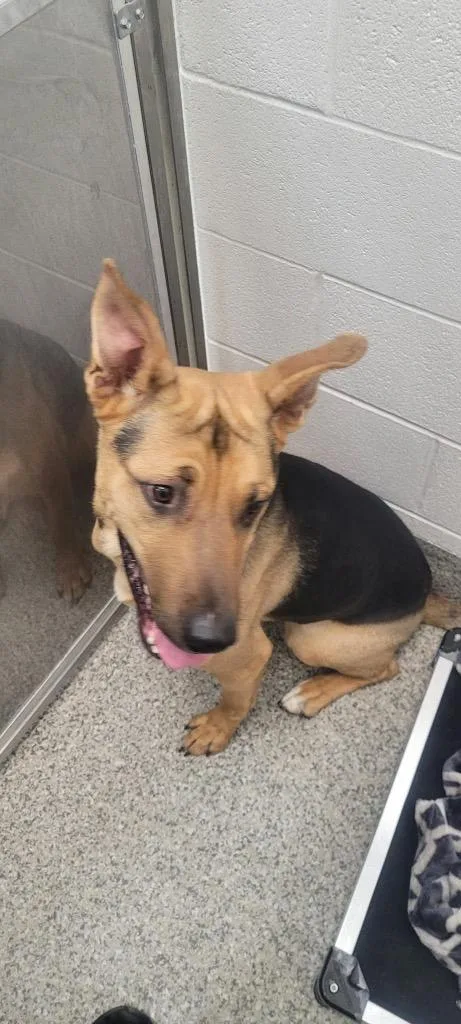
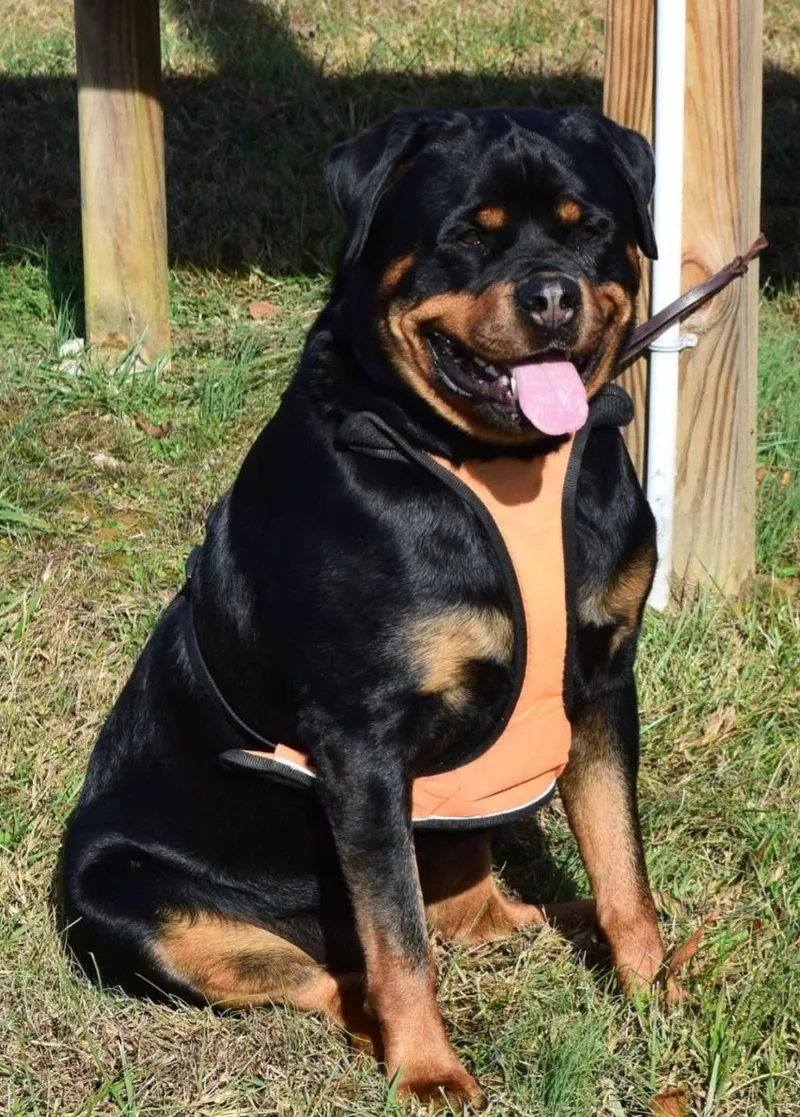
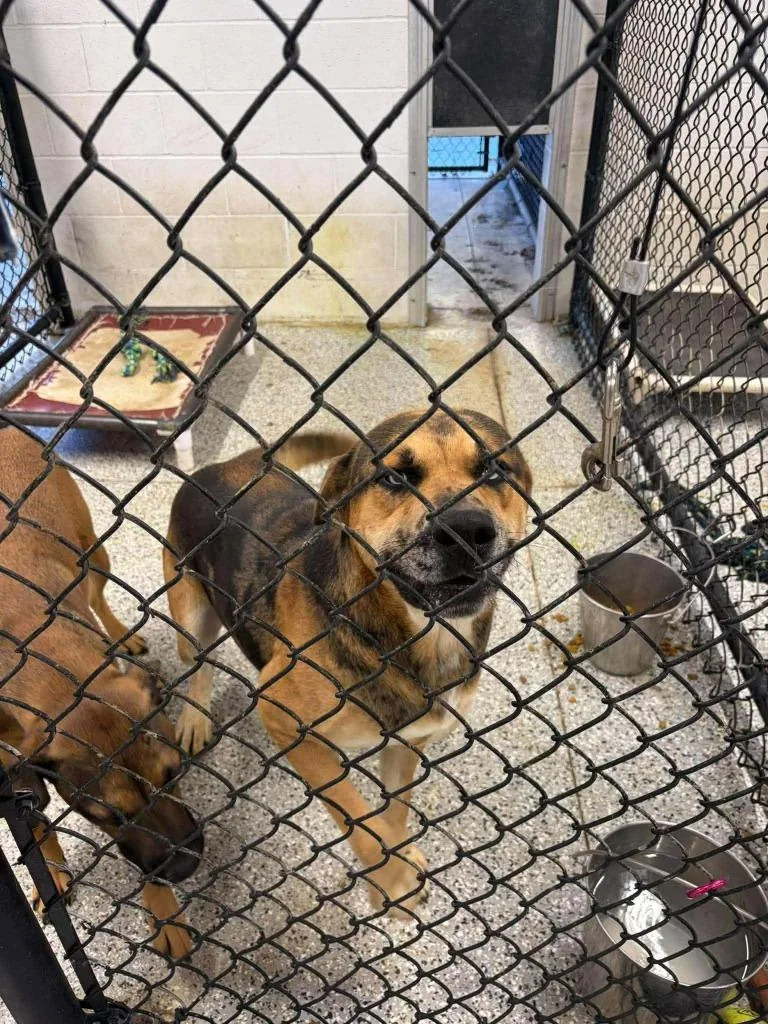
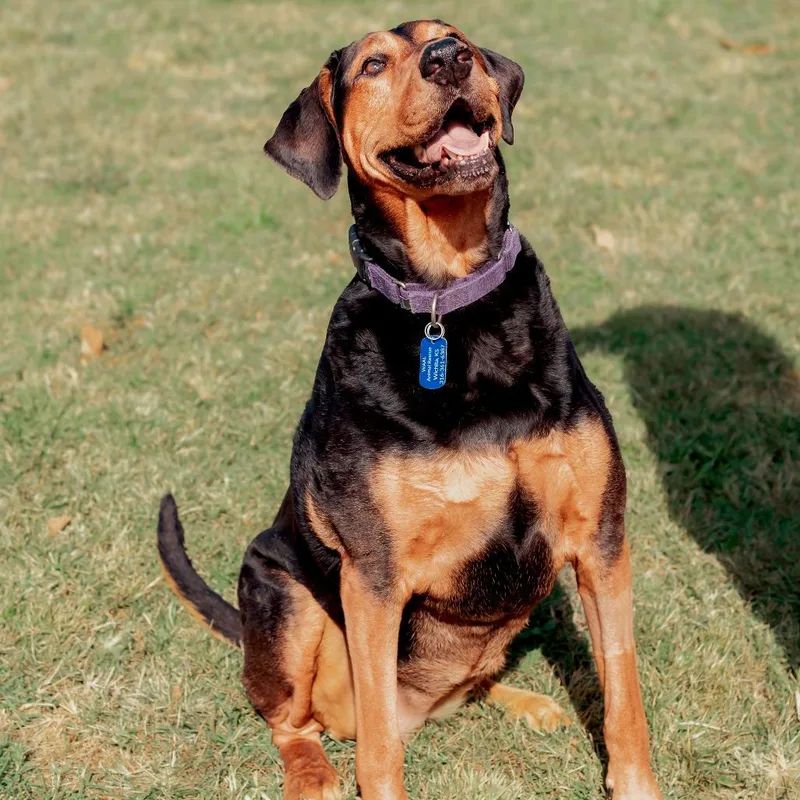
2696 dogs similar to Black Russian Terrier available in Minneapolis and nationwide

Find your Black Russian Terrier

Black Russian Terriers and Similar Breeds Available for Adoption Near Minneapolis

About the Black Russian Terrier breed

Despite the name, the Black Russian Terrier isn't a true terrier. It was developed in the late 1940s and 1950s at the Soviet Army's Red Star Kennel as a hardy working dog, drawing on about 17 breeds, including the Giant Schnauzer, Airedale, Rottweiler and Newfoundland. The result is a heavy-boned dog with a wavy black double coat and a bearded muzzle.

Many are calm and deeply loyal at home but aloof with strangers, though every dog differs. They're intelligent and trainable, yet their size and protective instincts call for an experienced, consistent handler. In Minneapolis, the low-shedding coat still needs brushing a few times a week and trims every 6–8 weeks, and the beard picks up snow, water and food.

Weight
80–130 lbs
Height
26–30 in
Lifespan
10–12 yrs
Temperament
Confident, Protective, Loyal
Group
Working
Shedding
Low

Owning a Black Russian Terrier in Minneapolis

Having a Black Russian Terrier in Minneapolis

Black Russian Terriers pair a guardian's watchfulness with a steady, family-centered nature, and their coat takes real upkeep. In Minneapolis, a yard, a cold-tolerant coat and time for training and grooming matter as much as square footage.

Temperament

Black Russians tend to be calm, self-assured and devoted to their own people, and many are reserved with strangers. On busy Minneapolis sidewalks and trails, early socialization and calm, reward-based training help keep that protectiveness in check. Dogs vary, and a dog's own behavior says more than breed reputation.

Exercise Needs

Plan on two good walks a day plus play or hiking. Minneapolis has plenty of leashed loops, like the 3.1-mile Bde Maka Ska trail, and fenced off-leash parks for fetch. Skip hard running around mealtimes because of bloat risk, and keep the mind busy with training or dog sports; a bored Black Russian can turn destructive.

Health Considerations

Black Russians can face hip and elbow dysplasia, progressive retinal atrophy, bladder stones from hyperuricosuria and juvenile laryngeal paralysis, plus bloat risk as a deep-chested giant. A veterinarian can check the joints. Keep the dog lean, schedule regular checkups, and use tick prevention, since Minnesota ticks are active from snowmelt into fall.

Living Space

A house with a securely fenced yard suits most Black Russians best, and neighborhoods like Northeast and Camden, where most homes are owner-occupied, often fit that bill. A calm adult can manage an apartment with reliable exercise, but expect a big dog on floors and sofas. Indoor living with the family matters in summer.

What it costs to own a Black Russian Terrier in Minneapolis

ExpenseTypical costPer year
Food$80 to $160 per month$960 to $1,920
Pet insurance$85 to $170 per month$1,020 to $2,040
Routine vet care$250 to $500 per year$250 to $500
Other*$1,040 to $2,790 per year$1,040 to $2,790
Estimated yearly total (after year one)$3,270 to $7,250

Other costs are estimates and vary with size, age and health.

* The $30 Minneapolis license for a spayed or neutered dog, flea, tick and heartworm prevention, dental cleanings, professional trims every 6–8 weeks, joint supplements, and supplies like toys and bedding.

Adopt a Black Russian Terrier in Minneapolis.

Now that you know more, let’s find you a new best friend. These rescues and shelters below have dogs available in and near Minneapolis.

Frequently Asked Questions

Yes, you can. Minneapolis has no breed-specific rules, and Minnesota law voids ordinances that regulate dangerous dogs by breed alone. Rules turn on behavior instead: a dog that bites or attacks can be declared potentially dangerous or dangerous, which brings muzzle and leash requirements, and $300,000 in liability insurance for dangerous dogs. Renters should also confirm the lease allows a dog this size.

Yes, their thick double coat is well suited to Minnesota cold. The main concerns are salt and ice, so wipe paws and rinse the beard after walks, and keep outings short when temperatures plunge, since frostbite can affect feet and ears. A typical winter brings about 51 inches of snow, but shoveled sidewalks keep most daily walks manageable.

A calm adult can, though an apartment is far from ideal for a giant dog. Choose a ground-floor unit or a building with an elevator to spare the joints, and expect winter potty trips in snow. Protective dogs may bark at hallway noise, and Minneapolis can issue a $200 citation when barking is found to disturb the peace.

Roomy fenced parks and long lake loops suit a Black Russian best. Victory Prairie (2.62 acres) and St. Anthony Parkway (2.17 acres) are the largest off-leash parks. Minnehaha's off-leash area closes to off-leash use on December 21, 2026, though it stays open for leashed walks. For leashed outings, try the 2.75-mile Lake Harriet loop or Theodore Wirth Regional Park.

Yes, for an active adopter with time for training and grooming. The city's lake loops, fenced off-leash parks and cold climate suit the breed, and a yard in a neighborhood like Northeast or Camden makes the size easier. It's a harder match for anyone wanting a low-maintenance coat or a first-time dog, since these dogs need experienced, consistent handling.

Generally no. Metro Transit buses and light rail allow pets only in a carrier, and leashed pet dogs aren't allowed to board, so an 80-pound-plus Black Russian can't ride. Service animals are the exception. Plan on driving to vet visits and park trips, and walk to nearby trails when you can.

Sometimes, on patios only. Since a 2008 ordinance, Minneapolis restaurants can opt in to allowing dogs in outdoor areas, and each one decides for itself. Dogs must stay leashed, on the ground and off furniture. Indoors is off-limits except for service animals. A giant dog that's wary of strangers needs a roomy corner and a calm temperament.

Plan on brushing a few times a week and professional trims about every 6–8 weeks. In Minneapolis, brush more often during spring mud and as the undercoat thickens in fall, and rinse salt and ice from the beard and legs in winter. Keep summer trims short rather than shaved. Trims are included in the yearly Other costs on this page.

Black Russian Terriers can be good family dogs for experienced owners. Many are affectionate, calm and protective with their own families and gentle with children they are raised with. Their size and guarding instincts mean they need training, socialization and supervision around visiting kids. An adult rescue with a known history in a family home can be a strong match.

Plan on roughly $3,300 to $7,250 a year for a Black Russian in Minneapolis. That covers food at $80–$160 a month, insurance at $85–$170 a month, $250–$500 for routine vet care, and $1,040–$2,790 for other costs like trims, prevention and dental care. Costs vary with the dog's size, health and coat.