Dogue de Bordeaux Dogs for Adoption in Detroit, MI

Your guide to finding and caring for a Dogue de Bordeaux in Detroit

A Dogue de Bordeaux suits Detroit's roomy older houses better than a cramped walk-up. In Palmer Woods, beside Palmer Park and its dog park, or in Conant Gardens, where Tudor and Craftsman homes sit on generous lots, a dog of 100 pounds or more has room to flop down. Dogues are calm indoors, but they drool, they're strong, and they need patient training. Plan on steady daily walks rather than runs, and a dog that wants to be wherever you are.

27 Dogue de Bordeaux available in Detroit and nationwide

Find your forever Dogue de Bordeaux

While we don't have enough dogs near Detroit, keep in mind that many rescues may offer transport.

Dogue de Bordeaux Available for Adoption Near Detroit

About the Dogue de Bordeaux breed

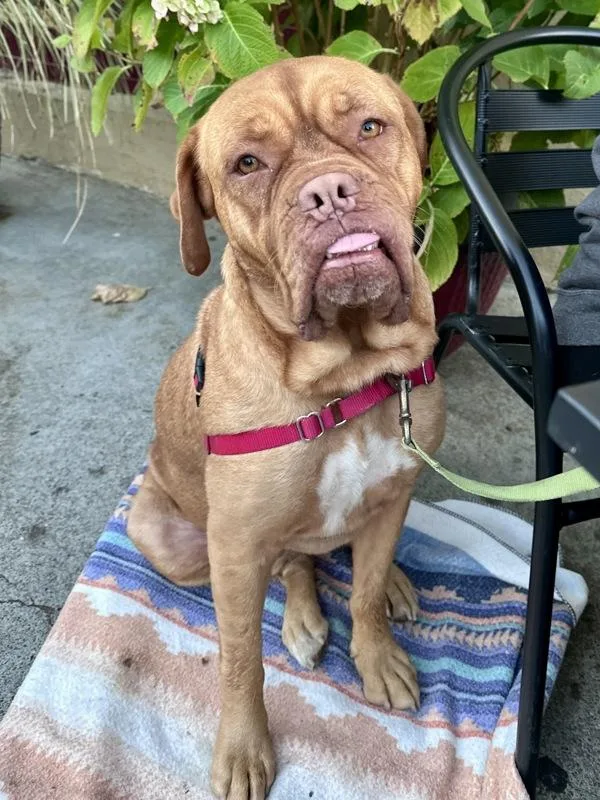
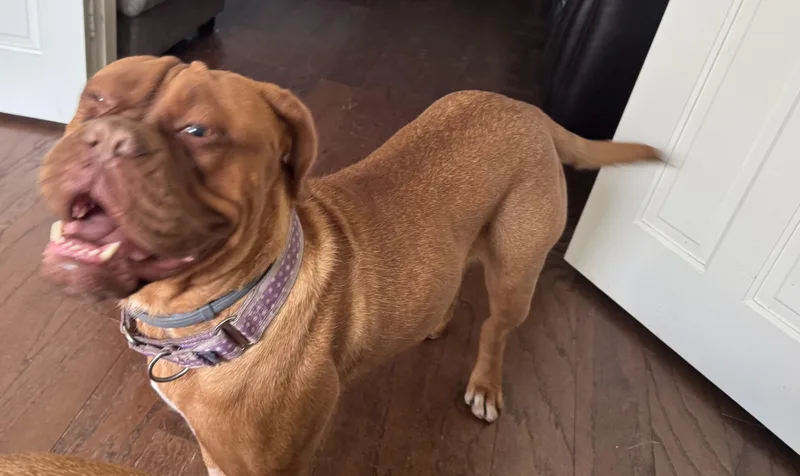
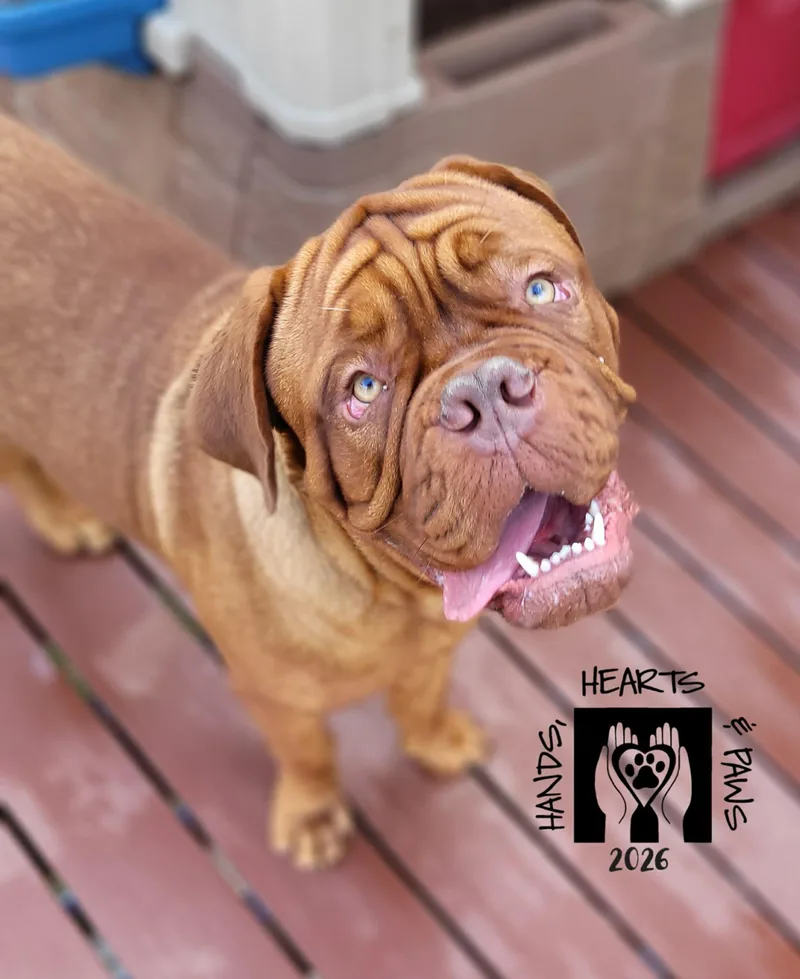
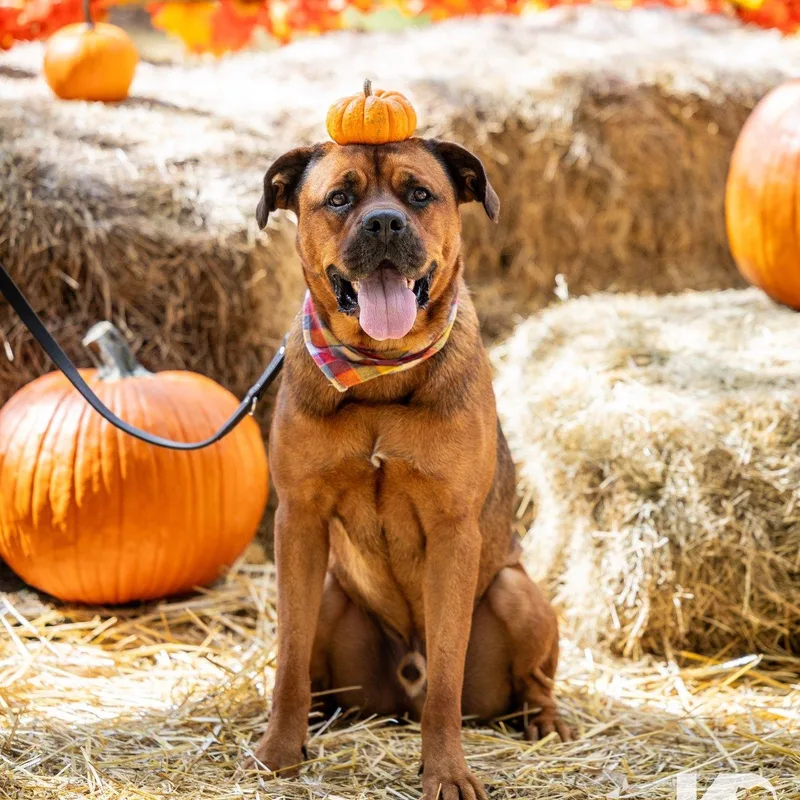
The Dogue de Bordeaux, or French Mastiff, is one of France's oldest breeds, used for centuries around Bordeaux as a guardian, drover and estate dog. Numbers fell to a few hundred worldwide by the early 1980s, and many Americans first met the breed in the 1989 film Turner & Hooch. Adults weigh roughly 99 to 145 pounds, with a short fawn to mahogany coat, loose wrinkled skin and a proportionally huge head.

Many Dogues are calm, sensitive and deeply attached to their families, yet watchful with strangers. Early, consistent, reward-based training matters with a dog this strong, and temperament varies from dog to dog. Expect heavy drooling, moderate to heavy shedding all year, and giant-dog expenses. Lifespans are often under ten years because of heart disease, cancer, bloat and joint problems, so adopters should go in knowing that.

Weight
99–145 lbs
Height
23–27 in
Lifespan
5–9 yrs
Temperament
Protective, Loyal, Calm, Devoted
Group
Working
Shedding
Moderate to High

Owning a Dogue de Bordeaux in Detroit

Having a Dogue de Bordeaux in Detroit

Calm at home and powerful on the leash, the Dogue de Bordeaux is a giant whose drool, heat sensitivity and health risks shape daily life more than its moderate exercise needs. In Detroit, winter salt and slush add another layer to every walk.

Temperament

Dogues tend to be affectionate and devoted, often leaning on family members for attention, but they're watchful with strangers and can be wary of unfamiliar dogs. They're sensitive, so harsh training backfires. Early socialization on busy Detroit sidewalks and consistent, reward-based guidance help a Dogue stay confident rather than overprotective.

Exercise Needs

Adults need moderate exercise: a couple of daily walks, short play sessions and some puzzle work. Puppies should stay with low-impact activity until about 18 months. The RiverWalk suits steady leashed strolls, and swimming is good exercise for the breed. Walk in cool hours, since this short-faced giant overheats quickly.

Health Considerations

Serious risks include aortic stenosis and other heart disease, cancer, bloat, hip and elbow dysplasia, and breathing trouble linked to the short face. Skin folds need regular cleaning. Lifespan is often under ten years. A veterinarian can check the heart and joints, so book an exam soon after adoption and check for ticks after park walks.

Living Space

A Dogue can live in a house or apartment with room to stretch out, air conditioning for warm spells and few stairs. Detroit's bungalows and Tudors with fenced yards suit the breed well, while an apartment building needs a reliable elevator. They're calm indoors but heavy, and they belong inside with the family.

What it costs to own a Dogue de Bordeaux in Detroit

ExpenseTypical costPer year
Food$80 to $160 per month$960 to $1,920
Pet insurance$85 to $170 per month$1,020 to $2,040
Routine vet care$250 to $500 per year$250 to $500
Other*$585 to $1,665 per year$585 to $1,665
Estimated yearly total (after year one)$2,815 to $6,125

Other costs are estimates and vary with size, age and health.

* The Detroit dog license ($10 for a spayed or neutered dog, $15 unaltered), giant-size flea, tick and heartworm prevention, a dental cleaning allowance, sturdy toys and bedding, basic coat care, and skin-fold care and joint supplements.

Adopt a Dogue de Bordeaux in Detroit.

Now that you know more, let’s find you a new best friend. These rescues and shelters below have dogs available in and near Detroit.

Rescues and Shelters in or near Detroit

Detroit's animal shelters and rescues list adoptable dogs here, and the mix changes often, including large breeds and mixes. Here are the rescues & shelters in the Detroit area with dogs available for adoption, worth asking whether a Dogue de Bordeaux is coming in.

Frequently Asked Questions

Yes. Detroit has no known breed-specific rule, and its dangerous-dog process looks at a dog's behavior rather than its breed. You'll need an annual city dog license with proof of rabies vaccination, and the city limits how many dogs a household can keep. Some neighboring cities have had breed bans, so check local rules before moving across city lines.

Yes, with some care. A Dogue's short coat doesn't insulate much, so keep walks brief when temperatures sit near freezing and wipe paws and bellies after road salt and slush. Roughly 41 days a year never top freezing, so plan indoor exercise, and keep the dog inside rather than tethered outdoors.

For off-leash time, Palmer Park's dog park has a separate large-dog area, which suits a giant breed. For leashed strolls, try the RiverWalk along the Detroit River or the Dequindre Cut. Dogues can be wary of unfamiliar dogs, so choose quiet hours and bring water in warm weather.

Yes, if the building allows a dog this size and the unit has room to stretch out. Dogues are calm indoors, but many landlords set weight limits, so read the lease closely. Ground-floor units or reliable elevators help a heavy dog, and air conditioning matters on Detroit's warmest summer days.

No. DDOT buses allow only service animals, with no carrier exception, and the QLINE streetcar also admits only service animals. A Dogue is far too big for a carrier anyway. Plan on a car for vet visits and trips to Belle Isle or the riverfront, and bring a seat cover for the drool.

Not much coat work: a weekly rubber-curry brushing, more often during spring and fall shedding. The Detroit twist is winter care, wiping off salt and slush, plus keeping skin folds clean and dry year-round. Basic coat care is already part of the yearly Other costs, so professional grooming usually isn't necessary.

Usually not. Michigan food law generally bars dogs from restaurants other than service animals, and patio access depends on the restaurant and the health department, so don't count on it. A Dogue's size and drool make crowded patios a hard fit anyway. Dog parks and leashed walks along the RiverWalk make easier outings.

A Dogue de Bordeaux is not inherently dangerous, but it is a powerful guardian breed whose size and protective instincts demand responsible handling. Most are gentle and affectionate with their families. Poor socialization, rough training or weak containment raise the risk of problems with strangers or other dogs. Early training and an experienced owner make a big difference.

The Dogue de Bordeaux is not banned nationally in the United States, but some cities, landlords, homeowners associations and insurers restrict mastiff-type or large guardian breeds. A few jurisdictions abroad also place it on restricted-dog lists. Before adopting, check local ordinances, your lease and your homeowner's or renter's insurance policy to avoid surprises.

Expect roughly $80 to $160 a month for food and $85 to $170 for insurance, plus $250 to $500 a year for routine vet care and $585 to $1,665 a year for everything else. That puts a typical year around $2,800 to $6,100, before emergencies, which can be costly for a breed prone to bloat and heart disease.