Saluki Dogs for Adoption in Huntingtown, MD

Your guide to finding and caring for a Saluki in Huntingtown

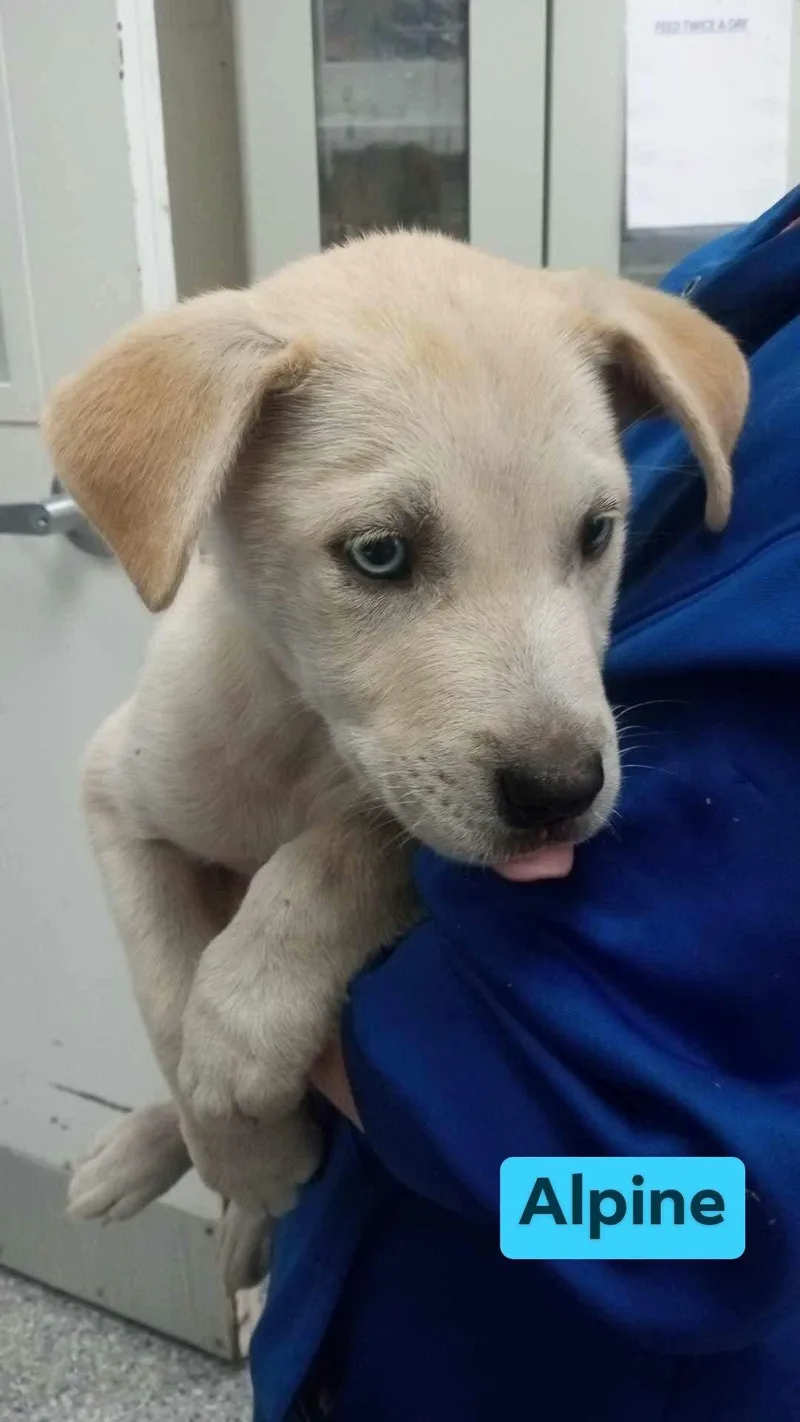
17 Salukis available in Huntingtown and nationwide

Give a Saluki a home

While we don't have enough dogs near Huntingtown, keep in mind that many rescues may offer transport.

Salukis Available for Adoption Near Huntingtown

About the Saluki breed

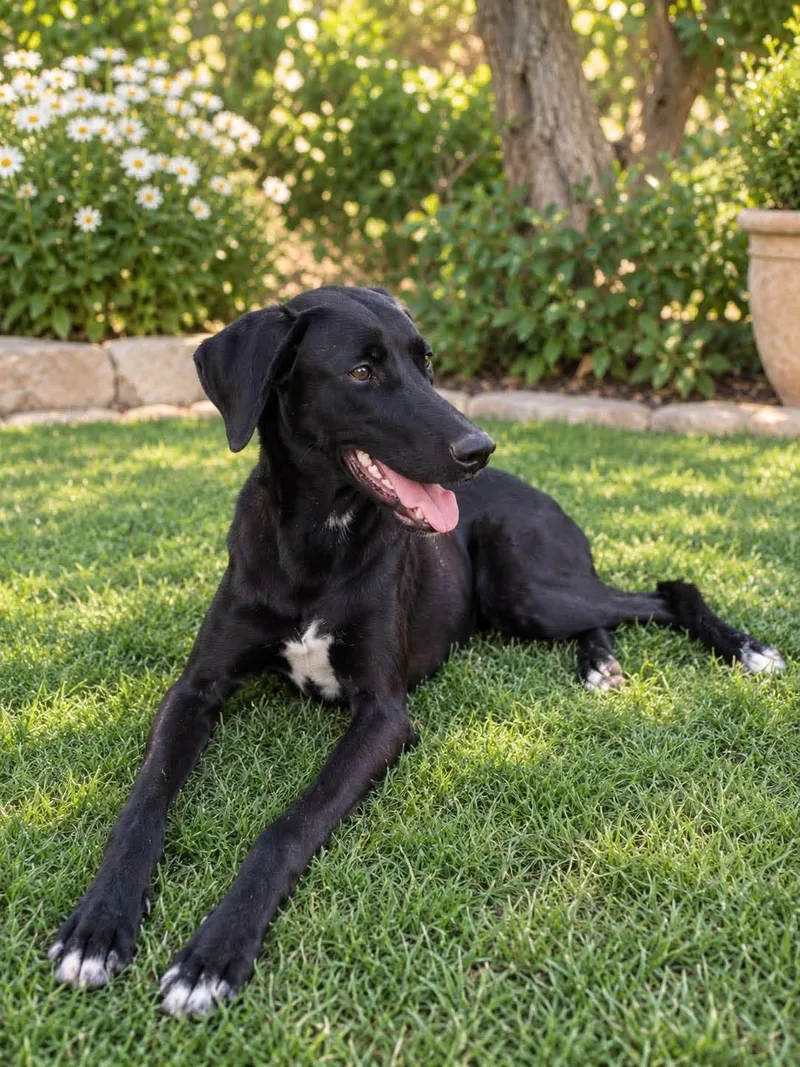
Lean, long-legged and built for speed over distance, the Saluki is a sighthound from the Middle East and the Fertile Crescent, where nomadic peoples used it to course gazelle and hare across open desert. Artwork resembling the breed appears in ancient Mesopotamian and Egyptian sites, and it remains one of the more unusual dogs in American homes. Salukis come in a feathered coat with silky fringes on the ears and tail, or a smooth coat, in colors from cream and red to black and tan.

Many Salukis are gentle, quiet and dignified at home, affectionate with their own people yet reserved with strangers. Their prey drive is intense, so most cannot be trusted off leash outside secure fencing and may chase cats or small pets. They suit patient adopters who can offer daily exercise, soft bedding and kind, low-pressure training.

Weight
35–65 lbs
Height
23–28 in
Lifespan
12–15 yrs
Temperament
Gentle, Independent, Dignified, Athletic
Group
Hound
Shedding
Low

Owning a Saluki in Huntingtown

Having a Saluki in Huntingtown

A Saluki's world is shaped by its eyes and its legs: it spots movement far away and wants to run after it. Understanding that chase instinct, its independent mind and its fragile, low-fat body is key to deciding whether one fits your life.

Temperament

Salukis tend to be sensitive, quiet and loyal, often bonding deeply with one or two people while staying aloof with visitors. Many are calm indoors and dislike rough play or noisy chaos. Their strong prey drive can make small animals unsafe. Shyness is common without early socialization, so patient introductions help a rescued Saluki settle in.

Exercise Needs

Most Salukis need a long daily walk plus regular chances to sprint at full speed in a securely fenced area, since recall usually fails once they spot prey. Lure coursing suits them well. Mental enrichment like sniffing walks and gentle training helps too. Between bursts of activity, many happily spend hours curled on a soft couch.

Health Considerations

Salukis are generally sturdy, but the breed club highlights heart disease, hemangiosarcoma and other cancers, and hypothyroidism, noting that healthy Salukis often have low thyroid values. Like other sighthounds they have little body fat, so anesthesia needs care. Their thin skin tears easily. Ask about cardiac screening and choose a vet familiar with sighthounds.

Living Space

A Saluki can live in a house or a quiet apartment if it gets daily exercise and safe running time. A high, secure fence is very valuable, since many can jump or squeeze through gaps when chasing. They need padded bedding for bony joints, a warm coat in cold weather and a calm household routine.

What it costs to own a Saluki

ExpenseTypical costPer year
Food$55 to $110 per month$660 to $1,320
Pet insurance$55 to $110 per month$660 to $1,320
Routine vet care$250 to $500 per year$250 to $500
Other*$540 to $1,590 per year$540 to $1,590
Estimated yearly total (after year one)$2,110 to $4,730

Other costs are national averages for Salukis; we don't have costs specific to Huntingtown yet.

* Flea, tick and heartworm prevention, a dental cleaning allowance, a dog license, toys and supplies, minimal home grooming, and a winter coat and padded bedding for a thin-skinned sighthound; license fees vary by city.

Adopt a Saluki in Huntingtown.

Now that you know more, let’s find you a new best friend. These rescues and shelters below have dogs available in and near Huntingtown.

Rescues and Shelters in or near Huntingtown

Here are the rescues & shelters in the Huntingtown area with dogs available for adoption, worth asking whether a Saluki is coming in.

Frequently Asked Questions

A Saluki is a tall, slender sighthound from the Middle East, bred to chase gazelle and hare by sight across open country. It has long legs, a narrow head, a deep chest and either silky feathering or a smooth coat. Many are gentle, quiet and independent at home, with an intense chase instinct outdoors.

A Saluki can run roughly 40 miles per hour at full speed, and the 1996 Guinness Book of Records listed one at about 42.8 mph. Greyhounds may be quicker over a short sprint, but Salukis are known for holding high speed over longer distances. That speed is why secure fencing and leashes matter so much for this breed.

Salukis come from the Middle East and the Fertile Crescent, a region stretching from the eastern Mediterranean through Mesopotamia. Nomadic tribes across Arabia, Persia and North Africa kept them for hunting. The breed reached Britain in the nineteenth century and was recognized there in 1923 and by the American Kennel Club in 1929.

Salukis can be wonderful pets for people who appreciate a quiet, independent dog and can manage its chase instinct. Many are gentle, clean and low-key indoors. They are not ideal for owners wanting an eager-to-please, off-leash companion or for homes with small pets. An adult Saluki whose temperament is known can be an easier match.

Salukis were bred to hunt by sight, chasing down gazelle, hare and foxes in open desert country. Hunters often worked them alongside falcons, with the bird spotting and slowing prey and the dog running it down. That heritage explains their keen eyesight, endurance, independent decision-making and the strong urge to chase anything that moves quickly.

Salukis shed lightly. Their short, silky coat drops a modest amount of hair, and they usually lack the heavy seasonal coat blow of double-coated breeds. A weekly brushing, extra attention to feathering on the ears and tail, and an occasional bath keep them tidy. Many owners note that Salukis have little doggy odor as well.

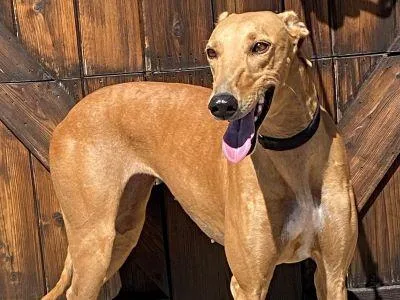
A Saluki is a tall, narrow, elegant hound with long legs, a deep chest, a tucked-up waist and a long, curved tail carried low. Its head is long and narrow with long drop ears. Feathered Salukis have silky fringes on the ears, tail and legs, while smooth Salukis lack them. Colors range from cream and red to black and tan.

No, Salukis are not hypoallergenic, because no dog breed is truly allergen-free. Their light shedding and minimal odor may make them easier for some people with mild allergies, but dander and saliva still carry allergens. Anyone with allergies should spend time with a specific Saluki before adopting and plan on regular cleaning and grooming.

Salukis can be good family dogs in calm homes with older, considerate children. They are often affectionate with their people but dislike rough handling, loud chaos and being chased. Many bond closely with one person. Homes with cats, rabbits or other small pets need careful thought because of the breed's prey drive.

Some Salukis live peacefully with cats, especially when raised with them or carefully introduced, but many are not safe with cats. Their prey drive is strong, and even a dog that accepts its own cat indoors may chase unfamiliar cats outside. Introduce them slowly with supervision.

Find Salukis in Nearby Cities

Expand your search to find Salukis available for adoption near Huntingtown.