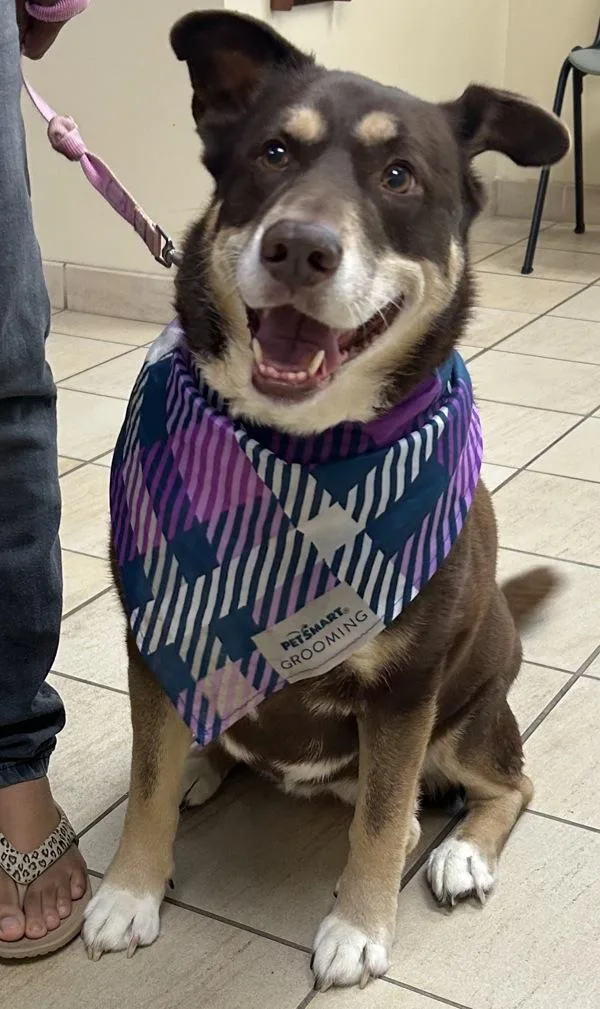
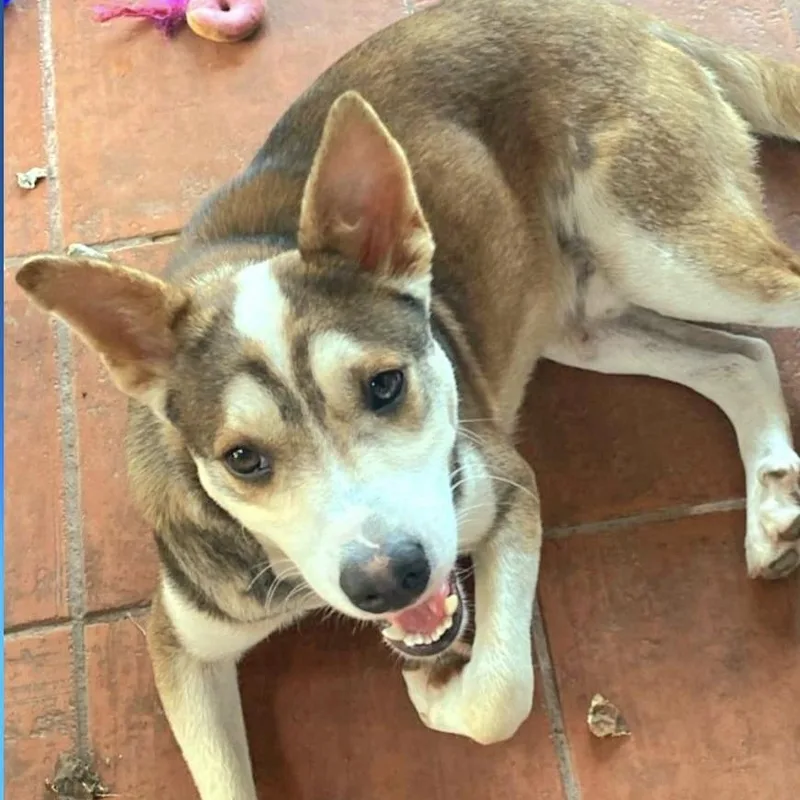
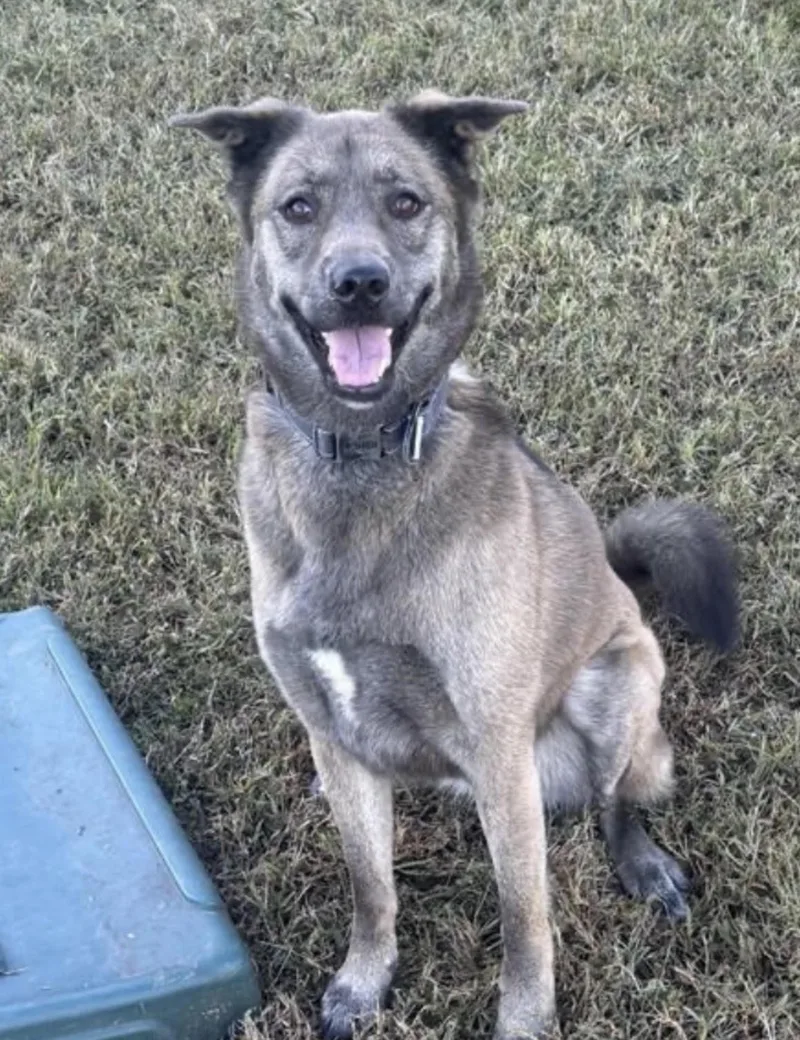
Siberian Husky Dogs for Adoption in Baltimore, MD

Your guide to finding and caring for a Siberian Husky in Baltimore

A Siberian Husky can do well in Baltimore if home is near a big park and the daily run actually happens. Lauraville sits right along Herring Run Park's woodland trails, and Ednor Gardens-Lakeside has Lake Montebello's 1.3-mile loop for a steady lap. Huskies pull hard and want real miles, so a rowhouse block works only with a firm routine. Humid summer mornings are the best time to run. It's a match for active people who are home a lot.

2340 Siberian Huskies available in Baltimore and nationwide

Open your home to a Siberian Husky

Siberian Huskies Available for Adoption Near Baltimore

About the Siberian Husky breed

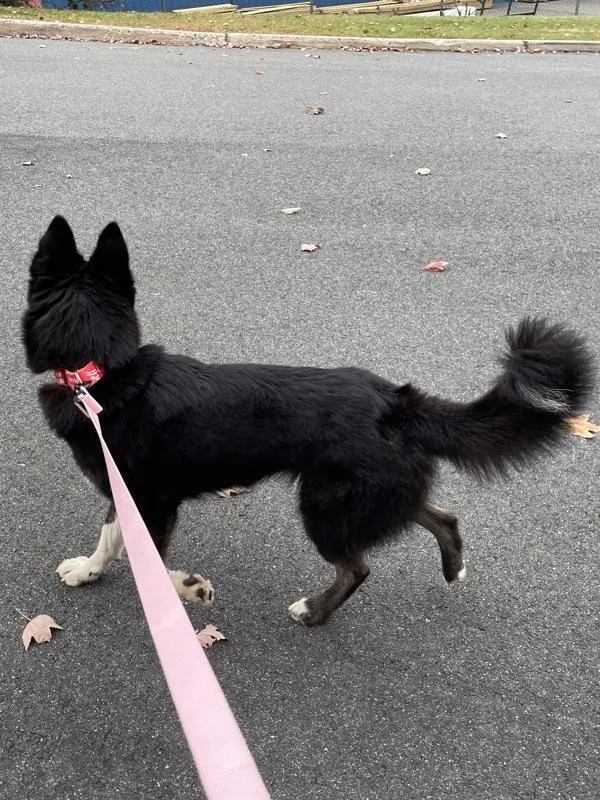
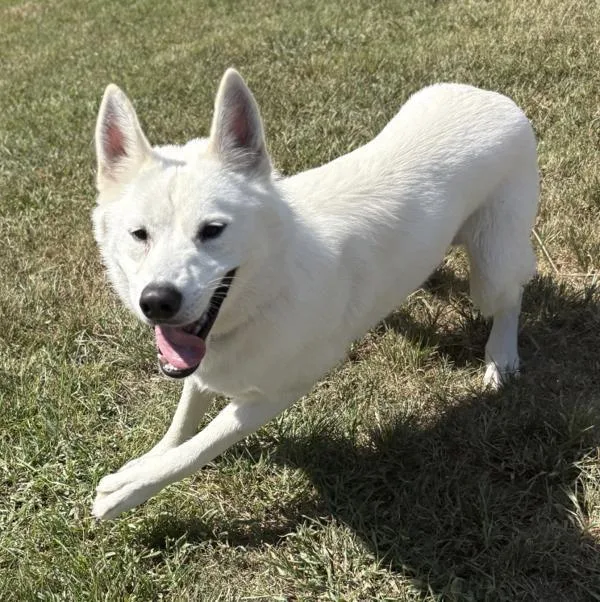
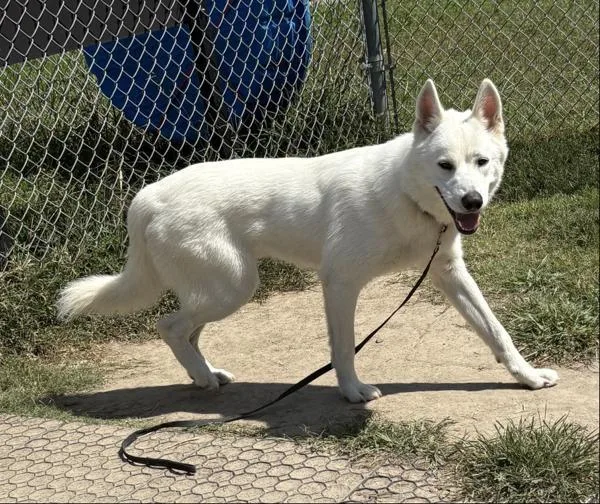
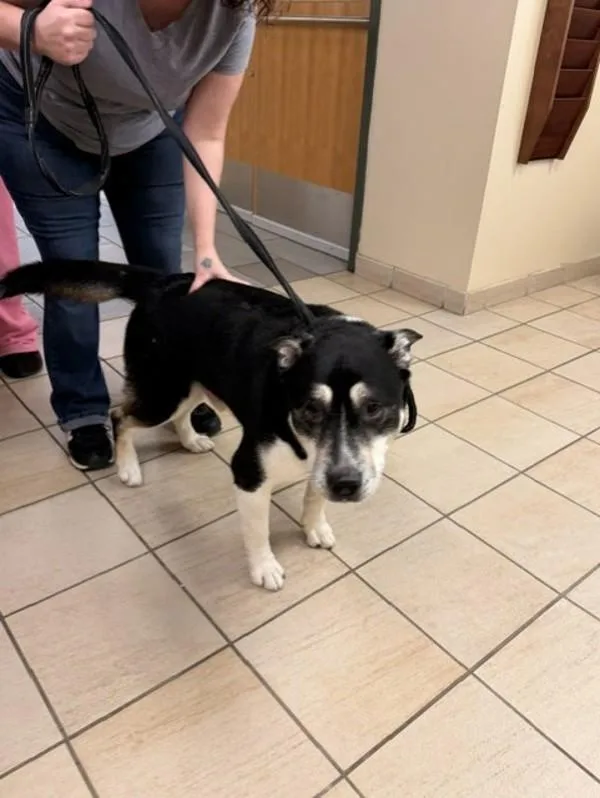
Siberian Huskies are medium-sized sled dogs developed by the Chukchi people of northeastern Siberia, and they still look the part: erect ears, a fox-brush tail, a thick double coat and eyes that can be brown, blue or one of each. Most weigh 35 to 60 pounds. Despite the wolf-like look, they're domestic dogs.

Many Huskies are friendly and playful with nearly everyone, so they make poor guard dogs. They were bred to run and think for themselves, so expect howling, digging and fence testing. In Baltimore, that means a tall, secure fence or a leash every time the dog is outside, plus a plan for two heavy coat sheds a year that can leave fur on rowhouse floors for weeks. Every Husky differs, but most do best with company.

Weight
35–60 lbs
Height
20–24 in
Lifespan
11–14 yrs
Temperament
Friendly, Energetic, Independent
Group
Working
Shedding
High

Owning a Siberian Husky in Baltimore

Having a Siberian Husky in Baltimore

Huskies pair sled-dog stamina with a free-thinking streak. In Baltimore, the questions that matter most are where the daily run happens, whether the yard or apartment is escape-proof, and how a thick coat copes with humid summers.

Temperament

Many Siberian Huskies are outgoing, gentle and playful, greeting strangers as friends instead of guarding the home, and most enjoy other dogs. A strong prey drive can put cats and small pets at risk, and an independent streak can look like stubbornness. In a busy Baltimore rowhouse block, expect a social dog that wants company, not long solo days.

Exercise Needs

Most Huskies need vigorous exercise every day, such as jogging, hiking or harness sports. Baltimore's leashed loops fit: Lake Montebello's 1.3-mile circuit, the path around Druid Lake and the Gwynns Falls Trail. City parks require a 6-foot leash, which suits a breed with unreliable recall. Add puzzle toys and training for mental work.

Health Considerations

Huskies are generally robust, but juvenile cataracts, corneal dystrophy and progressive retinal atrophy occur in the breed, and some develop a zinc-responsive skin condition. A veterinarian can check eyes, skin and hips. Baltimore and Maryland require rabies vaccination for dogs over 4 months, which matters with rabid foxes and raccoons reported in wooded areas.

Living Space

A Husky can live in a Baltimore rowhouse or apartment if daily exercise is guaranteed, but a securely fenced yard helps, as in Hamilton or Lauraville. Many Huskies dig under or climb over short fences, so tall or buried fencing is common advice. Air conditioning matters in summer, and the dog does best indoors with company.

What it costs to own a Siberian Husky in Baltimore

ExpenseTypical costPer year
Food$35 to $70 per month$420 to $840
Pet insurance$45 to $85 per month$540 to $1,020
Routine vet care$225 to $450 per year$225 to $450
Other*$535 to $1,380 per year$535 to $1,380
Estimated yearly total (after year one)$1,720 to $3,690

Other costs are estimates and vary with size, age and health.

* The $10 Baltimore dog license for a spayed or neutered dog ($30 if unaltered), flea, tick and heartworm prevention, a dental cleaning allowance, toys and bedding, and brushing tools and baths for twice-yearly coat blowouts.

Adopt a Siberian Husky in Baltimore.

Now that you know more, let’s find you a new best friend. These rescues and shelters below have dogs available in and near Baltimore.

Rescues and Shelters in or near Baltimore

Baltimore's shelters and rescues care for dogs of every size, age and energy level, from couch potatoes to working breeds. Here are the rescues & shelters in the Baltimore area with dogs available for adoption, worth asking whether a Siberian Husky is coming in.

Frequently Asked Questions

Yes, you can own a Siberian Husky in Baltimore. The city has no breed ban, and Maryland's dog-bite law applies without regard to breed. Plan on a license tag worn outdoors, current rabies shots, and a secure setup: a loose dog counts as at large, and Huskies are known for slipping fences. The city sets no pet-number limit, but leases often do.

Siberian Huskies can handle Baltimore summers with planning, but heat is their weak spot. Humid days and warm nights mean walking at dawn or after dark, keeping the dog indoors with air conditioning, offering shade and water, and avoiding hot pavement. Maryland law bars leaving a dog in a parked car. Heavy panting, vomiting or a deep red tongue means see a veterinarian immediately.

Start with leashed loops: Lake Montebello's 1.3-mile circuit, the path around Druid Lake in Druid Hill Park, Herring Run Park and the Gwynns Falls Trail. Fenced off-leash runs are at Canton Dog Park and Patterson Park. Because many Huskies have unreliable recall, keep off-leash time to fenced areas, and remember all city parks require a 6-foot leash.

Yes, a Siberian Husky can live in a Baltimore apartment if the daily run is guaranteed, but it's a demanding fit. Howling and barking that unreasonably annoys neighbors can become a nuisance complaint under city rules, and stairs in converted rowhouses mean slow trips outside. Choose a building near park space, and confirm weight limits in the lease first.

A Husky needs brushing a couple of times a week, and daily during the two heavy sheds, usually spring and fall. Baths are occasional because the coat stays fairly clean, and the double coat should never be shaved, even in humid Baltimore summers. Brushing tools and occasional baths fall within the yearly Other costs shown above, so a professional groomer is optional.

Probably not, because a Siberian Husky is too big for the pet rule MDOT MTA publishes. That rule covers Commuter Bus and allows only small pets in closed containers carried by the owner, and a 35- to 60-pound Husky won't fit. For Metro SubwayLink, Light RailLink or MARC, check MTA's current rules before riding, and plan on walks or a car.

Possibly, on a patio. Maryland lets restaurants choose to allow dogs in outdoor dining areas, so each restaurant decides and posts its own policy. Dogs must stay leashed at the table, can't pass through indoor space and can't be left alone. A Husky that greets everyone and pulls toward every plate needs solid settling skills first.

A Siberian Husky is a medium-sized working dog developed as a sled dog in northeastern Siberia. Huskies weigh about 35 to 60 pounds and have a thick double coat, erect ears and often striking blue or mismatched eyes. They are known for endurance, friendliness and independence, and they need plenty of exercise, secure fencing and company to thrive.

A Siberian Husky looks like a compact, athletic sled dog with a thick medium-length coat, triangular upright ears and a bushy tail often carried in a curve over the back. Coats range from black, gray, red and sable to pure white, often with a facial mask. Their almond-shaped eyes can be brown, blue, one of each or partly both.

Budget roughly $1,720 to $3,690 a year for a Husky in Baltimore, including insurance. Food runs $35 to $70 a month and insurance $45 to $85. Routine vet care is $225 to $450 a year, and other yearly costs add $535 to $1,380, mostly parasite prevention, dental care and coat care.