Pointer Dogs for Adoption in Baltimore, MD

Your guide to finding and caring for a Pointer in Baltimore

Pointers suit Baltimore best when their people run, and Herring Run Park gives them somewhere to do it. Lauraville and Hamilton both border the park, whose 5.7-mile loop trail is enough for a lean, long-legged dog that needs a real workout every day. Dogs have to stay leashed there, so recall training matters. Pointers are usually calm and gentle once they've burned off energy, which helps in a rowhouse. A long loop before work goes a long way.

667 Pointers available in Baltimore and nationwide

Bring home a Pointer

Pointers Available for Adoption Near Baltimore

About the Pointer breed

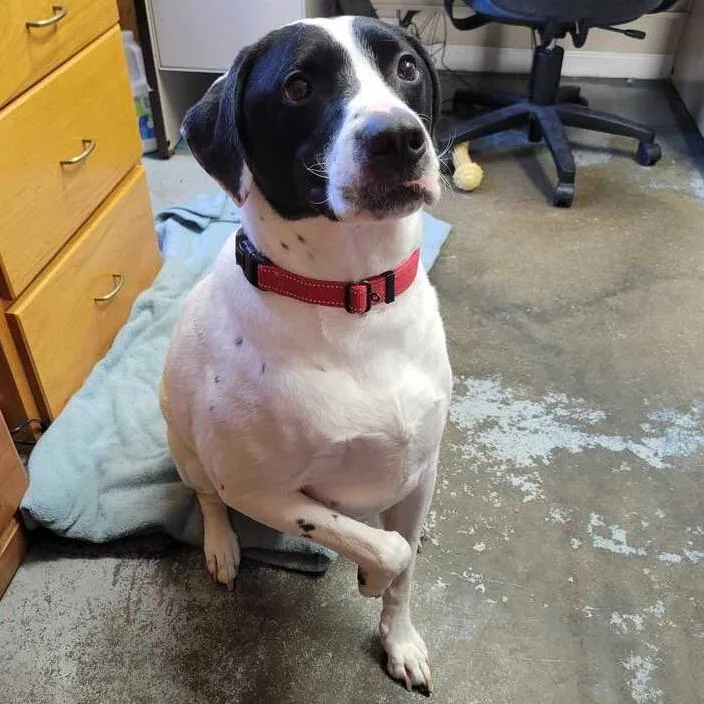
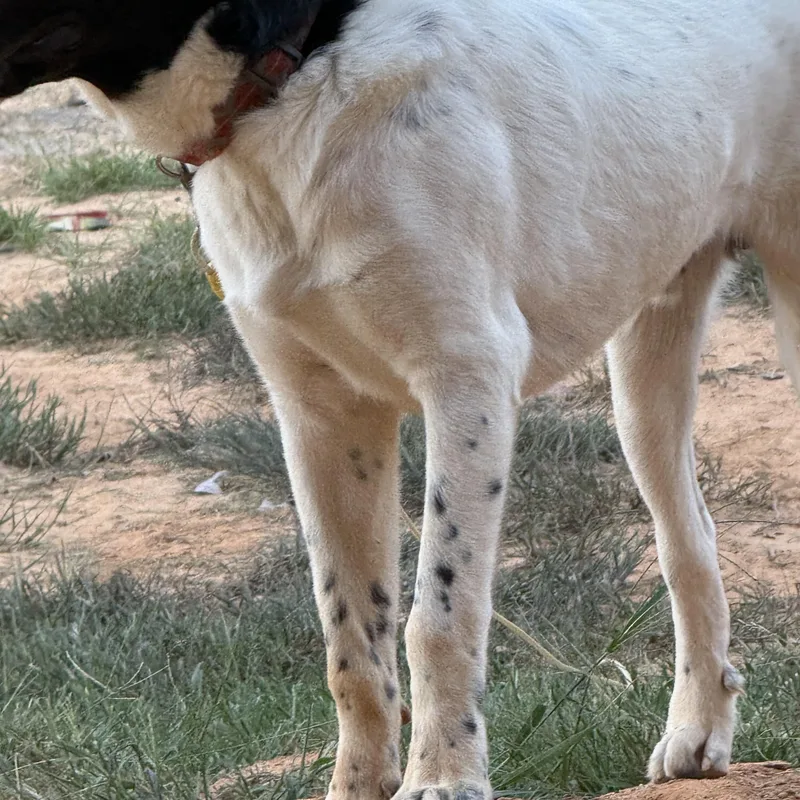
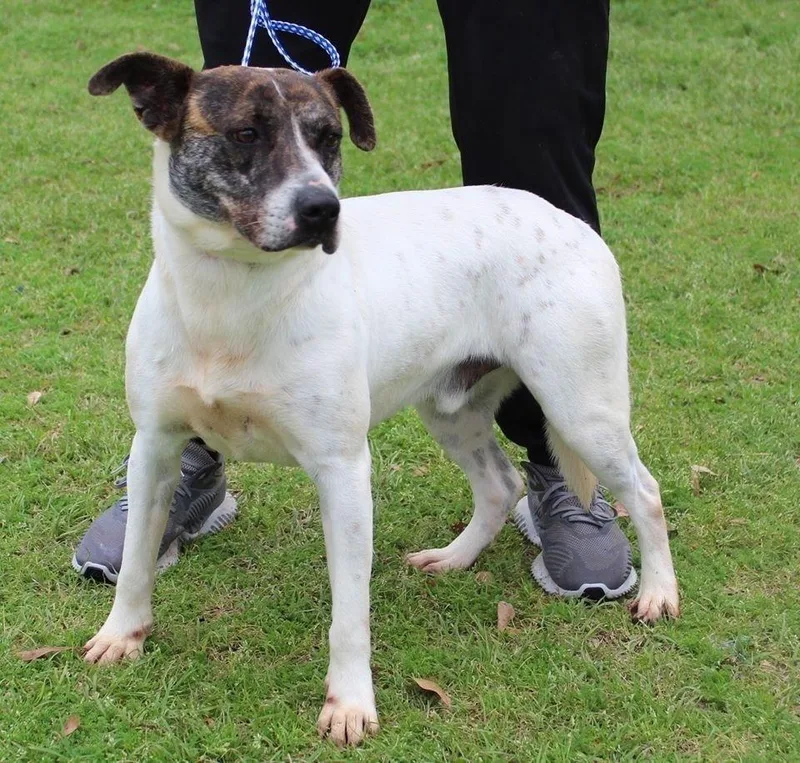
The Pointer, sometimes called the English Pointer, is a lean, elegant sporting dog developed in England from the 1600s to find birds and freeze in a rigid point. Most weigh 45 to 75 pounds and stand 23 to 28 inches tall, with a short, glossy coat that is usually white with liver, lemon, orange or black patches or ticking. The coat sheds moderately all year but takes little work.

At home, many Pointers are gentle, even-tempered and affectionate, though they can be reserved with strangers. Field-bred dogs in particular have huge stamina and a strong urge to range, so a quick walk around the block rarely satisfies them. In Baltimore, that means a secure fenced yard or dependable daily runs on leash, plus a warm spot indoors. Energy levels vary from dog to dog.

Weight
45–75 lbs
Height
23–28 in
Lifespan
12–15 yrs
Temperament
Energetic, Gentle, Athletic
Group
Sporting
Shedding
Moderate

Owning a Pointer in Baltimore

Having a Pointer in Baltimore

Pointers pair a calm indoor manner with the stamina of a dog bred to cover open country. In Baltimore, exercise, secure fencing and cold-weather comfort shape daily life far more than coat care does. Needs vary from dog to dog.

Temperament

Pointers tend to be gentle and affectionate with their families and are often friendly with other dogs, though many are more reserved with strangers. Strong bird instincts can lead to stalking or chasing, which matters on wooded Baltimore trails full of squirrels and other wildlife. They're sensitive, so patient, reward-based training works best.

Exercise Needs

Most Pointers need vigorous daily exercise, such as running in a secure enclosed area, jogging once fully grown, or long hikes. In Baltimore, that could mean laps of Lake Montebello's 1.3-mile loop or longer outings on Herring Run's trails, always on a leash no longer than 6 feet in city parks. Scent games and training add mental work.

Health Considerations

Pointers are generally healthy, though hip and elbow dysplasia, kneecap luxation, eye disease and a rare inherited nerve disorder in the paws have been reported. Their thin coat gives little protection from scrapes, so check for cuts and ticks after trail runs. Rabies vaccination is required in Baltimore, and a veterinarian can check hips and joints at regular visits.

Living Space

Pointers usually do best with a securely fenced yard, which a Baltimore rowhouse or apartment may not offer, so long daily runs or outings are essential there. They should live indoors because the short coat handles cold poorly. Strong prey drive means fencing and leash use matter around wildlife and busy roads.

What it costs to own a Pointer in Baltimore

ExpenseTypical costPer year
Food$55 to $110 per month$660 to $1,320
Pet insurance$55 to $110 per month$660 to $1,320
Routine vet care$250 to $500 per year$250 to $500
Other*$485 to $1,280 per year$485 to $1,280
Estimated yearly total (after year one)$2,055 to $4,420

Other costs are estimates and vary with size, age and health.

* The Baltimore dog license ($10 spayed or neutered, $30 unaltered), flea, tick and heartworm prevention, a dental cleaning allowance, toys and bedding, and basic short-coat care.

Adopt a Pointer in Baltimore.

Now that you know more, let’s find you a new best friend. These rescues and shelters below currently have Pointers available.

Rescues in Baltimore with Pointers Available

Baltimore's animal shelters and rescue groups care for dogs of every size, and the listings below update as pets arrive. Here are the rescues & shelters in the Baltimore area where you can find Pointers and other dogs available for adoption.

Frequently Asked Questions

A Pointer fits Baltimore well if you can give it daily running and a warm home. The city's stream-valley parks and loop trails offer room to burn energy on leash, and four mostly mild seasons make year-round exercise realistic. It's a poorer match for people away all day, since under-exercised Pointers often turn restless, vocal or destructive.

Gwynns Falls/Leakin Park, with about 18 trails across 1,216 acres, gives a Pointer the most room to roam on a 6-foot leash. The Gwynns Falls Trail and Jones Falls Trail add long miles, and Cylburn Arboretum welcomes leashed dogs on its walking trails. After heavy rain, skip stream-valley trails, since flash floods can make them dangerous.

Probably not, because a Pointer is far too big for the small closed carrier that MTA's published pet rule describes. That rule appears for Commuter Bus, where small pets must ride in a closed container held by the owner. For Metro SubwayLink, Light RailLink or MARC, check MTA's current rules before riding, and plan on walking or driving to trails.

Yes, Baltimore has no breed-specific rules, and its dangerous-dog rules depend on a dog's behavior rather than breed. The city sets no fixed limit on pets per household, though leases often do. Dogs must be licensed and rabies-vaccinated by 4 months old, and chains are banned for tethering, which suits a Pointer that should live indoors anyway.

Yes, if the owner commits to long daily runs, since exercise matters more than square footage. Rowhouse apartments and larger buildings can work, but a bored Pointer may bark or howl, and repeated barking that annoys neighbors can count as a public nuisance under city law. Confirm the lease allows large dogs before applying.

Yes, with a coat and indoor living, since Baltimore winters are cold but not extreme. A Pointer's thin coat and lean build offer little insulation, so dress it for freezing walks and give it a warm bed away from drafts. Maryland law also bars leaving a dog outside unattended more than 30 minutes below 32°F without suitable shelter.

Sometimes, on outdoor patios only. Maryland lets restaurants choose whether to allow dogs on patios, so each one sets and posts its own policy, and dogs generally aren't allowed indoors. Your Pointer must stay leashed at the table and never be left unattended. A well-exercised, calm Pointer usually settles under a table better than a restless one.

Very little. A Pointer's short, glossy coat needs a weekly brush with a rubber mitt, plus occasional baths, nail trims and ear checks. Shedding is moderate year-round. After muddy spring trails and humid summer walks, wipe paws and check skin and ticks. Grooming costs stay low and are covered in the yearly Other costs.

We have 1 rescue with Pointers available: Animal Allies Rescue Foundation (AARF). You can see every rescue with Pointers available in the list above these questions, or scroll to the top to see the Pointers near Baltimore.

A Pointer in Baltimore typically costs about $55 to $110 a month for food and $55 to $110 a month for pet insurance, plus $250 to $500 a year for routine vet care. Other yearly costs, including prevention, dental care, the city license and supplies, run roughly $485 to $1,280. Short-coat care keeps grooming costs low.