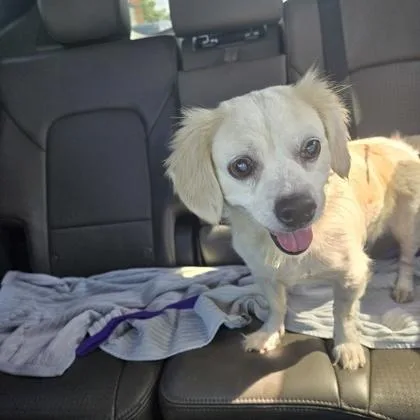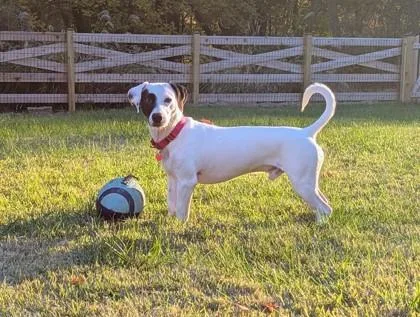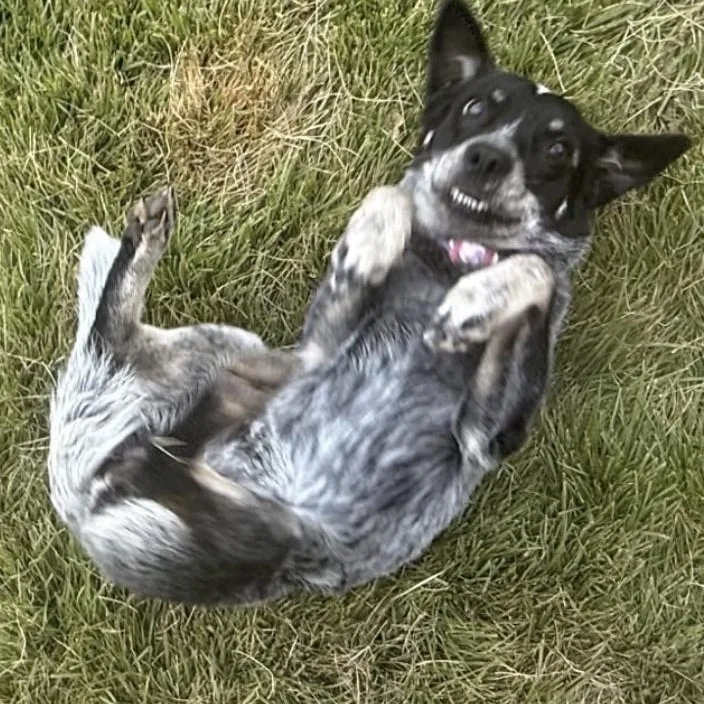
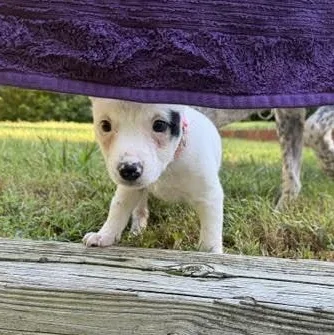
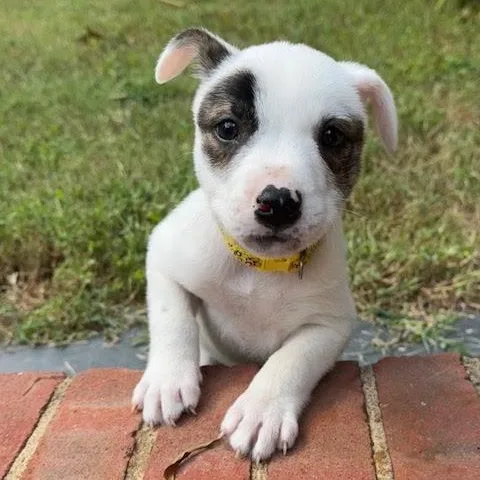
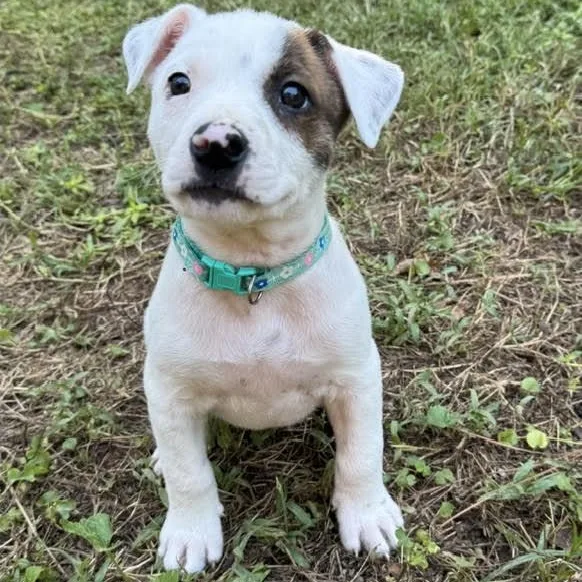
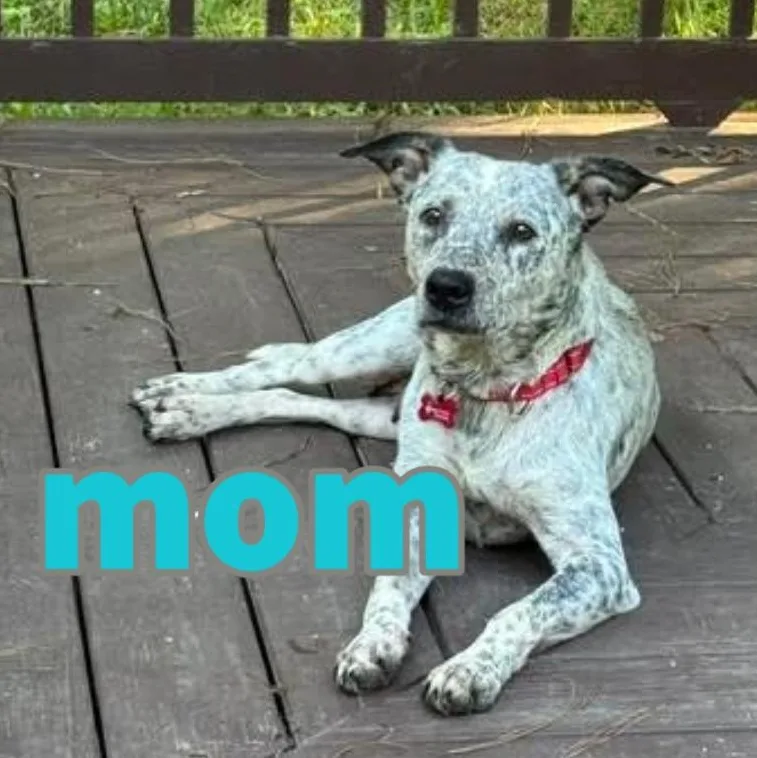
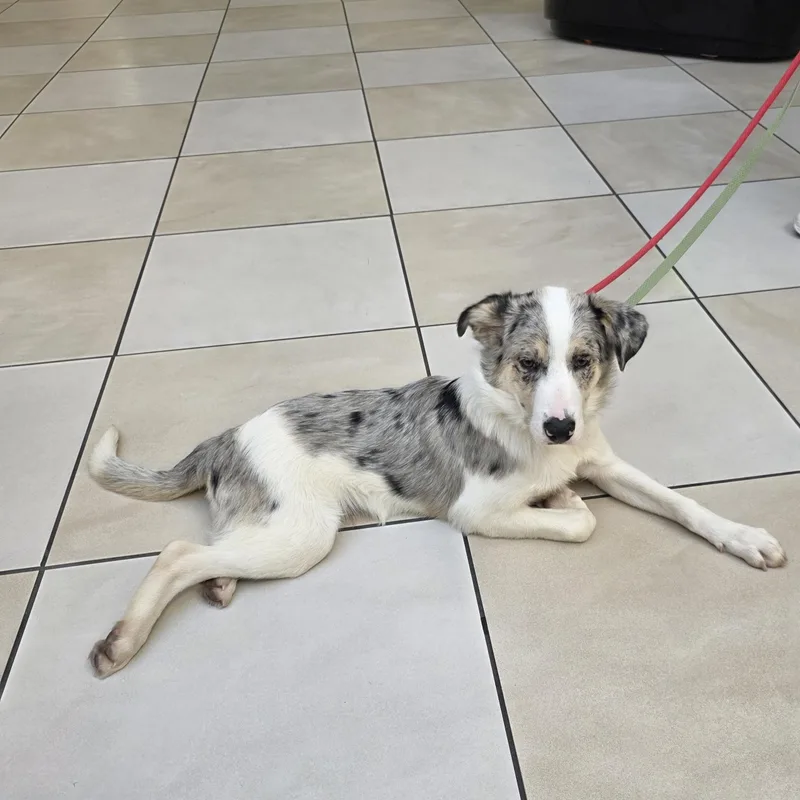
Australian Cattle Dog / Blue Heelers for Adoption in Baltimore, MD

Your guide to finding and caring for an Australian Cattle Dog / Blue Heeler in Baltimore

Blue Heelers suit Baltimore neighborhoods with real trail mileage nearby, like Lauraville, where Herring Run Park borders the blocks. A Heeler wants a job and a long run every day, and the park's 5.7-mile loop gives a young dog somewhere to burn it off, on a leash of six feet or less. Rowhouse blocks in Woodberry or Hampden can work too, if the daily routine includes serious exercise and training. These dogs bond hard with their person and like being busy.

4305 Australian Cattle Dog / Blue Heelers available in Baltimore and nationwide

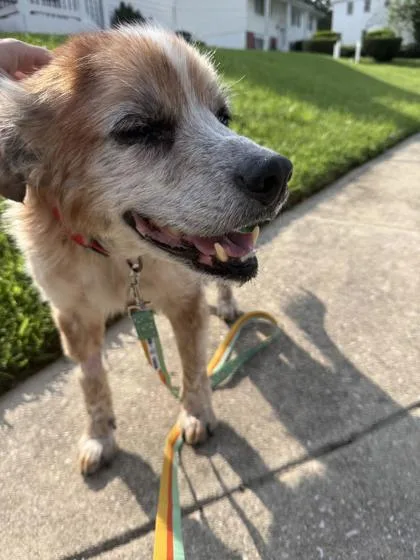
Say hello to your Blue Heeler

Australian Cattle Dog / Blue Heelers Available for Adoption Near Baltimore

About the Australian Cattle Dog / Blue Heeler breed

Australian Cattle Dogs, also called Blue Heelers or Queensland Heelers, were developed in nineteenth-century Australia to drive cattle over long distances in heat and dust. They're compact, muscular dogs of about 35 to 50 pounds with a weatherproof double coat in blue or red speckle. The short coat sheds moderately, with a heavier blowout once or twice a year.

Heelers are loyal, alert and sharp, and many attach closely to one person while staying wary of strangers. The herding urge can show up as nipping at heels, chasing bikes or bossing other pets. In a rowhouse city like Baltimore, a Heeler will track every passerby from the front window, so early socialization and steady training matter. Dogs vary, but most want a job.

Weight
35–50 lbs
Height
17–20 in
Lifespan
12–16 yrs
Temperament
Energetic, Intelligent, Loyal, Alert
Group
Herding
Shedding
Moderate

Owning an Australian Cattle Dog / Blue Heeler in Baltimore

Having an Australian Cattle Dog / Blue Heeler in Baltimore

Work drive shapes everything about a Heeler. Stamina, a quick mind and herding instincts make the breed rewarding for active adopters and a poor match for anyone wanting a low-key pet. In Baltimore, the daily routine matters more than the size of the home.

Temperament

Heelers tend to be loyal and confident, often bonding with one person and staying reserved with strangers. On busy Baltimore sidewalks, that can mean watchfulness around joggers, bikes and other dogs. Reward-based training and early socialization help, and nipping or herding of kids and pets should be managed from day one. Temperament varies from dog to dog.

Exercise Needs

Plan on an hour or more of vigorous activity daily, plus mental work like training games and puzzle toys. Herring Run's trail loop and the path around Druid Lake suit running and long walks on a six-foot leash, and the fenced runs at Canton or Patterson Park allow off-leash play for dogs that are comfortable around other dogs.

Health Considerations

Heelers are often long-lived, but deafness, progressive retinal atrophy, primary lens luxation and hip or elbow dysplasia occur in the breed. A veterinarian can check hearing, eyes and joints and discuss screening. Rabies has turned up in Baltimore raccoons and foxes, so keep the vaccine current and dogs leashed on trails.

Living Space

Baltimore's rowhouses and apartments can work for a Heeler whose person commits to long daily exercise, though a fenced yard helps. Expect a front-window watchdog that barks at passersby. Teaching a quiet cue and placing the dog's bed away from street-facing windows helps with close neighbors.

What it costs to own an Australian Cattle Dog / Blue Heeler in Baltimore

ExpenseTypical costPer year
Food$35 to $70 per month$420 to $840
Pet insurance$55 to $100 per month$660 to $1,200
Routine vet care$225 to $450 per year$225 to $450
Other*$435 to $1,180 per year$435 to $1,180
Estimated yearly total (after year one)$1,740 to $3,670

Other costs are estimates and vary with size, age and health.

* The Baltimore dog license ($10 a year if spayed or neutered, $30 if not), flea, tick and heartworm prevention, a dental cleaning allowance, durable toys and bedding, and light home grooming for a short coat.

Adopt an Australian Cattle Dog / Blue Heeler in Baltimore.

Now that you know more, let’s find you a new best friend. These rescues and shelters below currently have Australian Cattle Dog / Blue Heelers available.

Rescues in Baltimore with Australian Cattle Dog / Blue Heelers Available

Baltimore's shelters and rescues list dogs of all ages, sizes and mixes, and the ones below serve the city and nearby areas. Here are the rescues & shelters in the Baltimore area where you can find Australian Cattle Dog / Blue Heelers and other dogs available for adoption.

Frequently Asked Questions

Yes, you can own a Blue Heeler in Baltimore. The city has no breed ban, and its dangerous-dog rules turn on a dog's behavior, not its breed. A Heeler needs a city license and rabies vaccination once it's four months old, and must stay leashed in parks. Leases may add their own limits, so read yours before you commit.

A Blue Heeler fits Baltimore if you're active and home often. Trails like Herring Run and the Gwynns Falls Trail give a Heeler outlets, and rowhouse neighborhoods suit a dog that bonds closely with its person. It's a harder fit for long workdays away or low-key households, since a bored Heeler tends to bark, chew and nip.

Yes, a Blue Heeler can live in a Baltimore apartment if exercise is non-negotiable. Plan on long daily runs plus training and puzzle games, or expect barking and chewing. Heelers watch the street closely, and repeated barking that annoys neighbors can count as a public nuisance under city rules, so teach a quiet cue early.

Lake Montebello's paved 1.3-mile loop and the grounds at Fort McHenry in Locust Point are good for leashed outings, and Herring Run Park adds more mileage. City parks require a leash of six feet or less and waste pickup, with a $250 fine per violation. Fort McHenry bars pets from the fort itself.

Yes, with care. Baltimore summers reach the upper 80s and turn humid, and a Heeler's double coat shouldn't be shaved. Exercise at dawn or after sunset, walk on grass when pavement is hot, and provide shade and water. Heavy panting, drooling or trouble getting up means a vet visit right away. Never leave the dog in a parked car.

A Blue Heeler needs little grooming in Baltimore: a weekly brush, and daily brushing during the once- or twice-a-year coat blow, often in spring and fall. Baths are only needed when the dog is muddy from trail runs. Nail trims and teeth care matter more. Doing it at home keeps costs within the Other line of the cost table.

Probably not. MTA publishes a pet rule only for Commuter Bus, which allows small pets in closed containers carried by the owner, and a 35-to-50-pound Heeler won't fit one. Rules for the Metro SubwayLink, Light RailLink and MARC aren't clearly published, so don't plan routes around a Heeler riding. Service animals are welcome on Commuter Bus.

Only to some outdoor patios. Maryland lets each restaurant decide whether to allow dogs outdoors, and it must post its policy. Dogs must stay leashed at the table and can't walk through indoor space. Because Heelers are often wary of strangers, practice settling calmly on a mat first and pick quieter off-hours.

We have 1 rescue with Australian Cattle Dog / Blue Heelers available: Adopt a Homeless Animal Rescue. You can see every rescue with Australian Cattle Dog / Blue Heelers available in the list above these questions, or scroll to the top to see the Australian Cattle Dog / Blue Heelers near Baltimore.

Expect roughly $1,740 to $3,670 a year. That covers food at $35 to $70 a month, pet insurance at $55 to $100 a month, routine vet care at $225 to $450 a year, and other costs such as the license, parasite prevention and dental care at $435 to $1,180 a year. Emergencies and training classes are extra.