Spitz Dogs for Adoption in Danvers, MA

Your guide to finding and caring for a Spitz in Danvers

43 Spitzs available in Danvers and nationwide

A Spitz is ready for you

While we don't have enough dogs near Danvers, keep in mind that many rescues may offer transport.

Spitzs Available for Adoption Near Danvers

About the Spitz breed

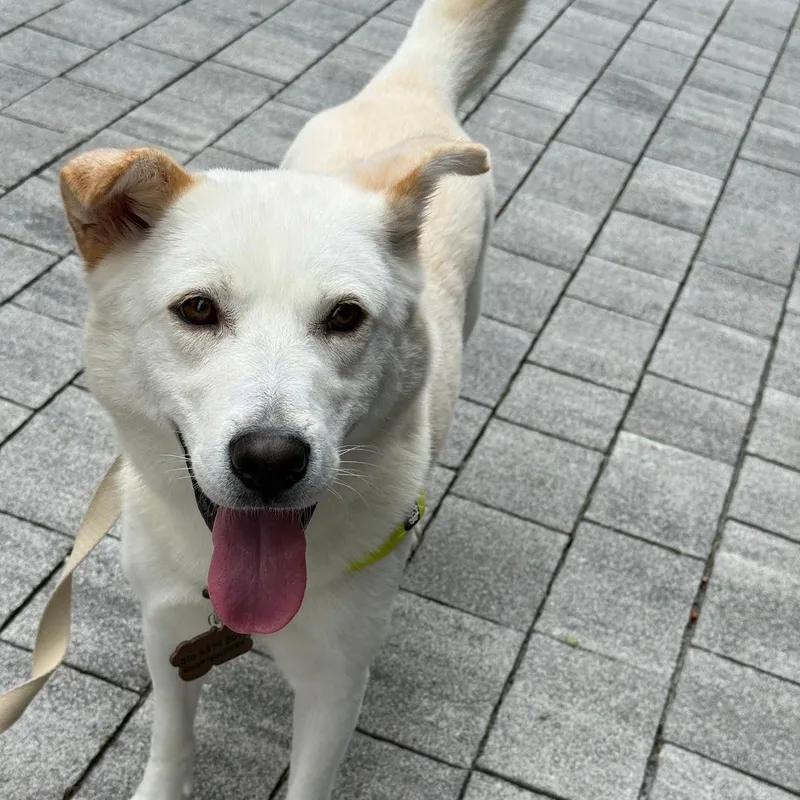
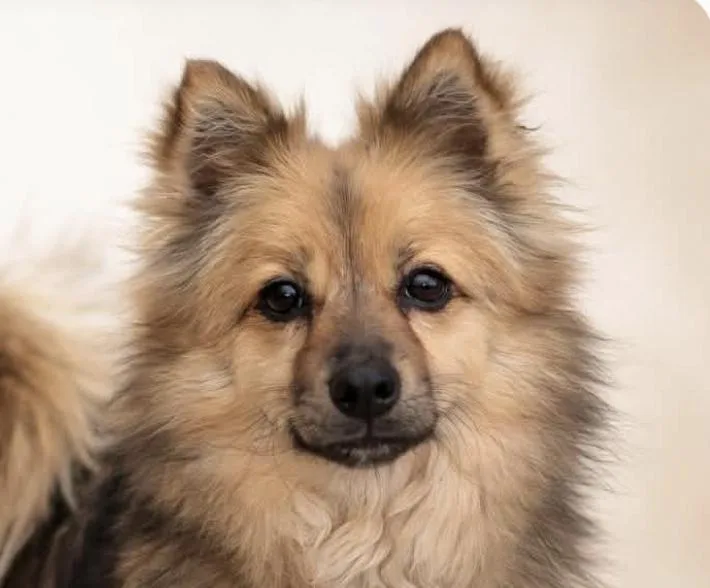
Spitz is not a single breed but a family of northern dog types that share a fox-like look: a wedge-shaped head, pointed muzzle, small upright ears, a thick double coat and a plumed tail curled over the back. The family includes dozens of breeds, from the Pomeranian and American Eskimo Dog to the Keeshond, Finnish Spitz and Japanese Spitz, and shelters often use the label for fluffy white or cream dogs whose exact ancestry is unknown.

Most dogs listed as Spitz are small to medium, weighing roughly 10 to 50 pounds. Many are alert, lively and quick to bark at anything new, which makes them keen watchdogs and sometimes noisy neighbors. They tend to bond closely with their people while staying reserved with strangers. Expect heavy seasonal shedding, regular brushing and a dog that enjoys cool weather far more than heat.

Weight
10–50 lbs
Height
12–24 in
Lifespan
12–16 yrs
Temperament
Alert, Lively, Vocal, Loyal
Group
Non-Sporting
Shedding
High

Owning a Spitz in Danvers

Having a Spitz in Danvers

Dogs labeled Spitz share a cold-weather design and a watchful, talkative streak, but their size and drive depend on the breeds behind them. Looking closely at a dog's coat, energy and voice tells adopters more than the label does.

Temperament

Many spitz-type dogs are alert, spirited and devoted to their household, with an independent mind that can test a new owner's patience. They often bark to announce visitors and may be wary of strangers until introduced calmly. Early, gentle socialization and reward-based training help, and a shelter dog's known history is the best guide.

Exercise Needs

Energy varies with size and ancestry, but most spitz-type dogs enjoy brisk daily walks, play sessions and games that use their curiosity. Puzzle toys, trick training and sniffing walks help channel an active mind that might otherwise turn to barking or digging. Exercise them in the cooler parts of the day, since the thick coat holds heat.

Health Considerations

Because the label covers many breeds, health risks vary. Small spitz types are often prone to dental disease and slipping kneecaps, while larger ones may face hip dysplasia. Eye conditions such as progressive retinal atrophy, skin problems and overheating in hot weather also appear. Keep regular veterinary checkups.

Living Space

Smaller spitz-type dogs often adapt to apartments if their barking is managed and they get daily outings, while larger ones appreciate more room and a secure yard. Their dense coat makes air conditioning and shade important in summer. Expect fur on floors and furniture, especially during the twice-yearly coat blowouts.

What it costs to own a Spitz

ExpenseTypical costPer year
Adoption fee$650, one time$650 in year one
Food$35 to $70 per month$420 to $840
Pet insurance$45 to $85 per month$540 to $1,020
Routine vet care$225 to $450 per year$225 to $450
Other*$540 to $1,390 per year$540 to $1,390
Estimated yearly total (after year one)$1,725 to $3,700
First-year total (with adoption fee)$2,375 to $4,350

Adoption fee is the fee on Spitz listings in Danvers on GetBuddy today. Other costs are national averages for Spitzs; we don't have costs specific to Danvers yet.

* Flea, tick and heartworm prevention, a dental cleaning allowance, a dog license, toys and bedding, and brushing and baths for a heavy double coat; costs vary with the individual dog's size and coat.

Adopt a Spitz in Danvers.

Now that you know more, let’s find you a new best friend. These rescues and shelters below currently have Spitzs available.

Rescues in Danvers with Spitzs Available

Here are the rescues & shelters in the Danvers area where you can find Spitzs and other dogs available for adoption.

Frequently Asked Questions

A Spitz dog is any dog from a large family of northern breeds that share a fox- or wolf-like look, a thick double coat, upright ears and a tail curled over the back. The group spans breeds as different as the tiny Pomeranian and the powerful Alaskan Malamute. In shelters, the label often describes a fluffy dog of uncertain spitz ancestry.

A Spitz dog usually has a wedge-shaped head, a pointed muzzle, small triangular ears that stand upright and almond-shaped eyes. Its dense double coat forms a ruff around the neck, and its bushy tail curls up over the back. Many dogs labeled Spitz in shelters are white or cream, though the family includes black, red, gray, orange and multicolored coats.

Spitz comes from the German word Spitzhund, meaning pointed dog, a reference to the sharp, pointed muzzle these dogs share. Germany also uses Spitz as a breed name for its own German Spitz varieties. In English, the word now refers broadly to the whole family of northern dog breeds with pricked ears, thick coats and curled tails.

Spitz is pronounced "spits," rhyming with "fits" and "bits," with a single short syllable. The letters "tz" make a quick "ts" sound, as in many German words. The same pronunciation applies when the word appears in breed names such as German Spitz, Japanese Spitz and Finnish Spitz, so there is no separate sound to learn for each breed.

Spitz dogs were developed for a range of jobs in cold climates. Larger types pulled sleds, herded reindeer and hunted game such as elk and birds, while medium types guarded farms and canal barges. Smaller spitz breeds were refined as companions and watchdogs. Many modern spitz-type dogs still show that heritage through alertness, stamina, independence and a ready bark.

We have 1 rescue with Spitzs available: Never Alone Animal Rescue International Inc. You can see every rescue with Spitzs available in the list above these questions, or scroll to the top to see the Spitzs near Danvers.