Saluki Dogs for Adoption in Boston, MA

Your guide to finding and caring for a Saluki in Boston

Salukis fit Boston best in a quiet home near long, leashed walking routes. A Hyde Park or West Roxbury address puts the miles of paths in Stony Brook Reservation close by, and a calm Dorchester triple-decker works if the daily routine is steady. These sighthounds are gentle and reserved indoors, but they chase anything that bolts, so the leash stays on outside fenced dog parks. A thin-skinned Saluki also needs a real coat once the snow arrives.

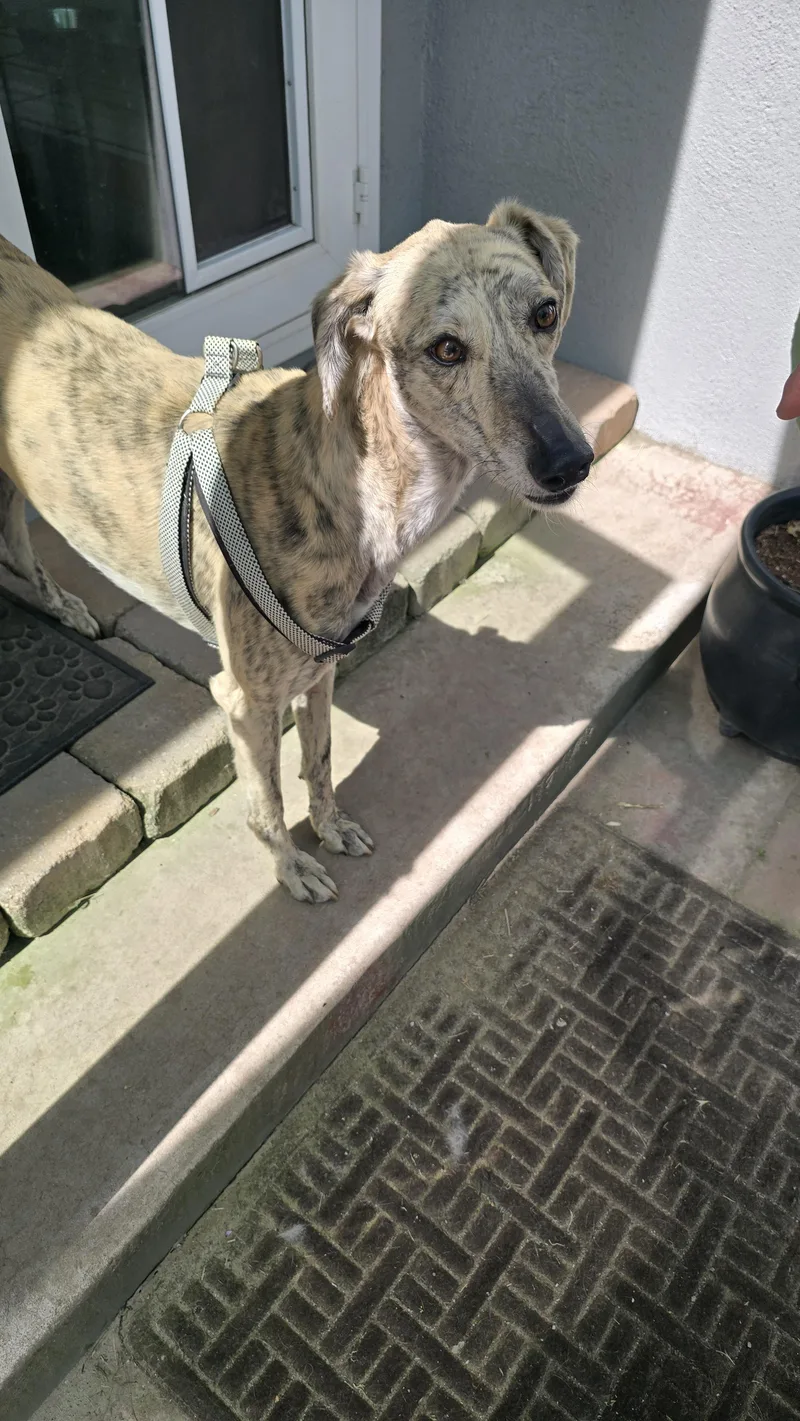
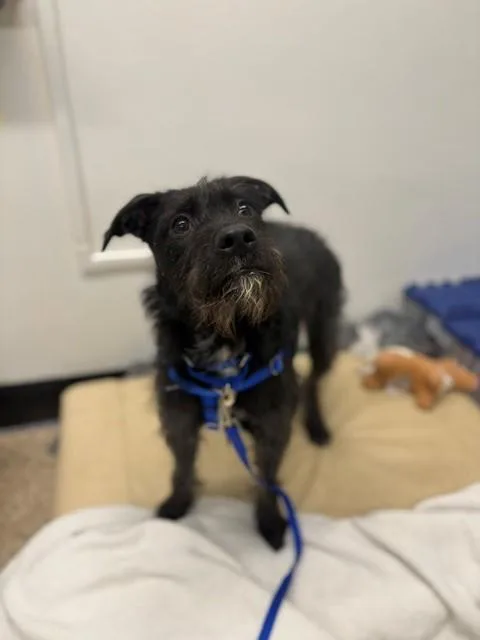
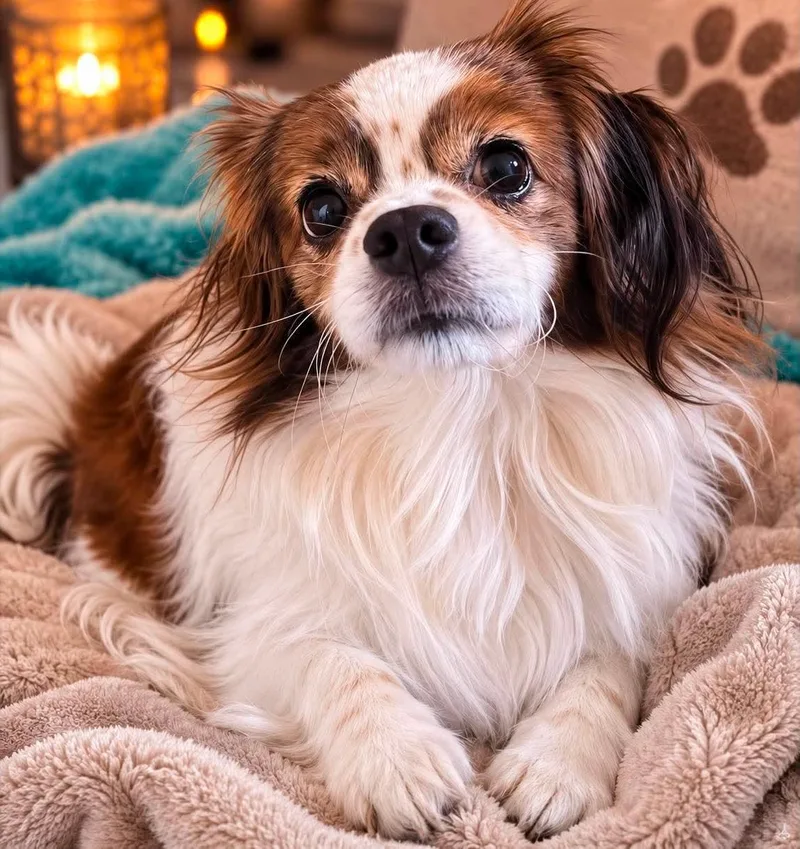
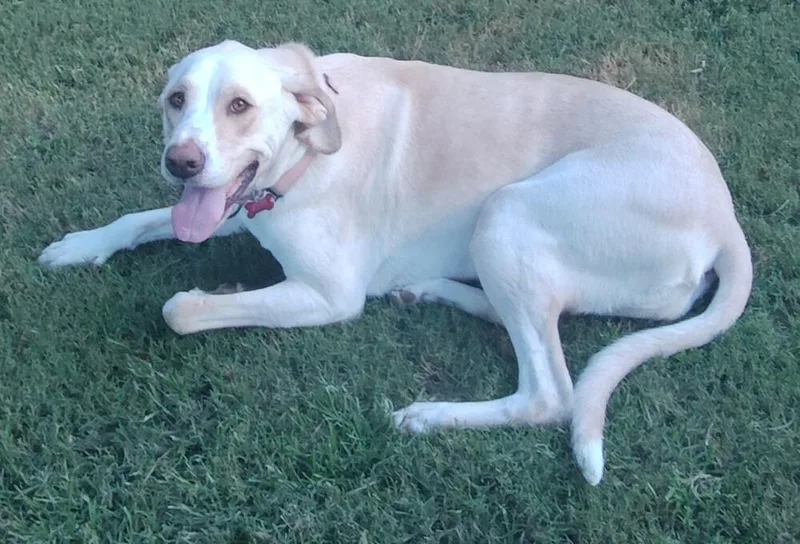
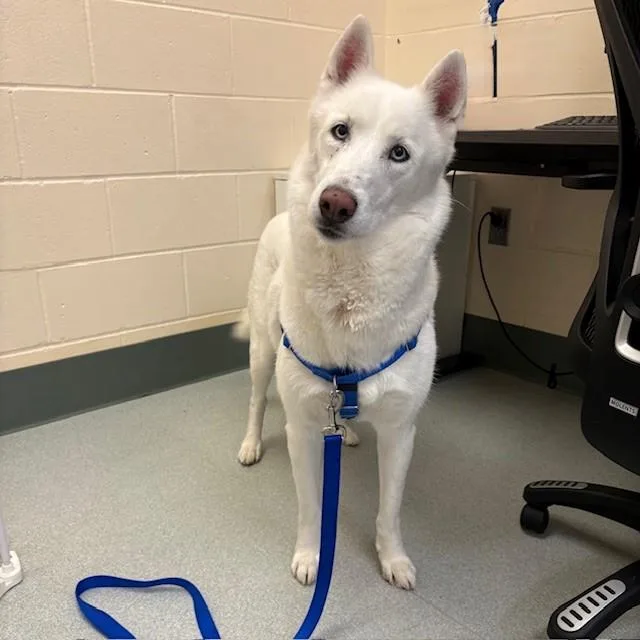
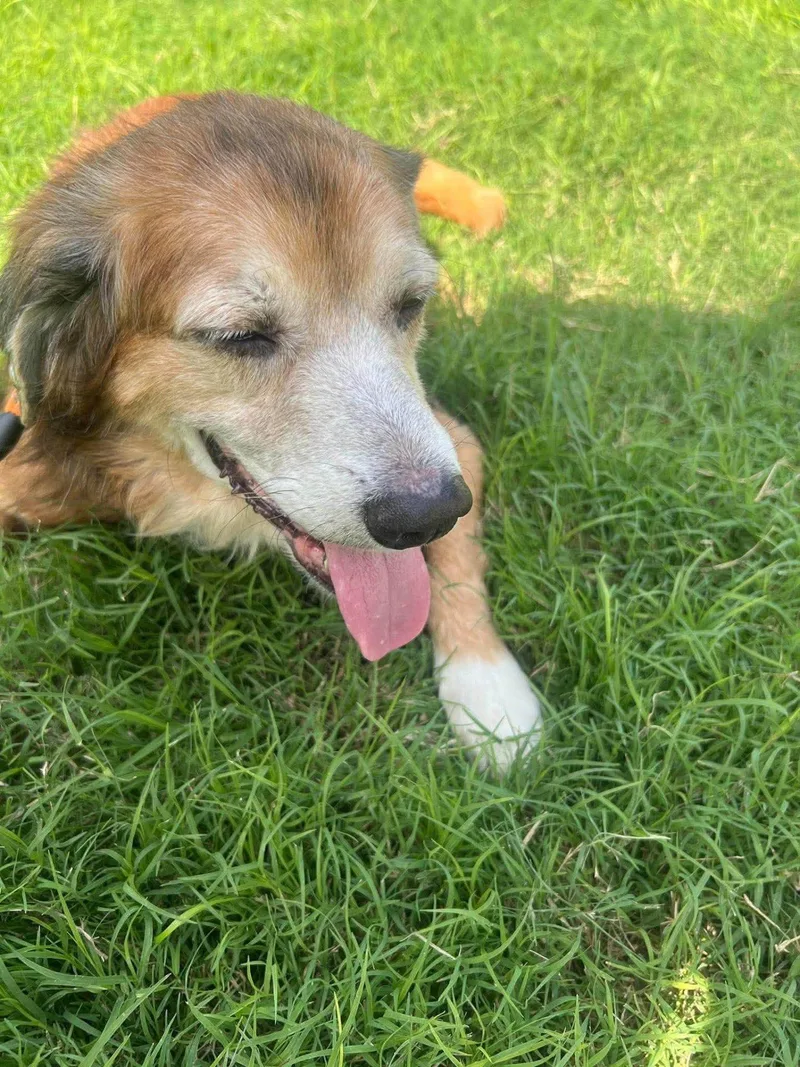
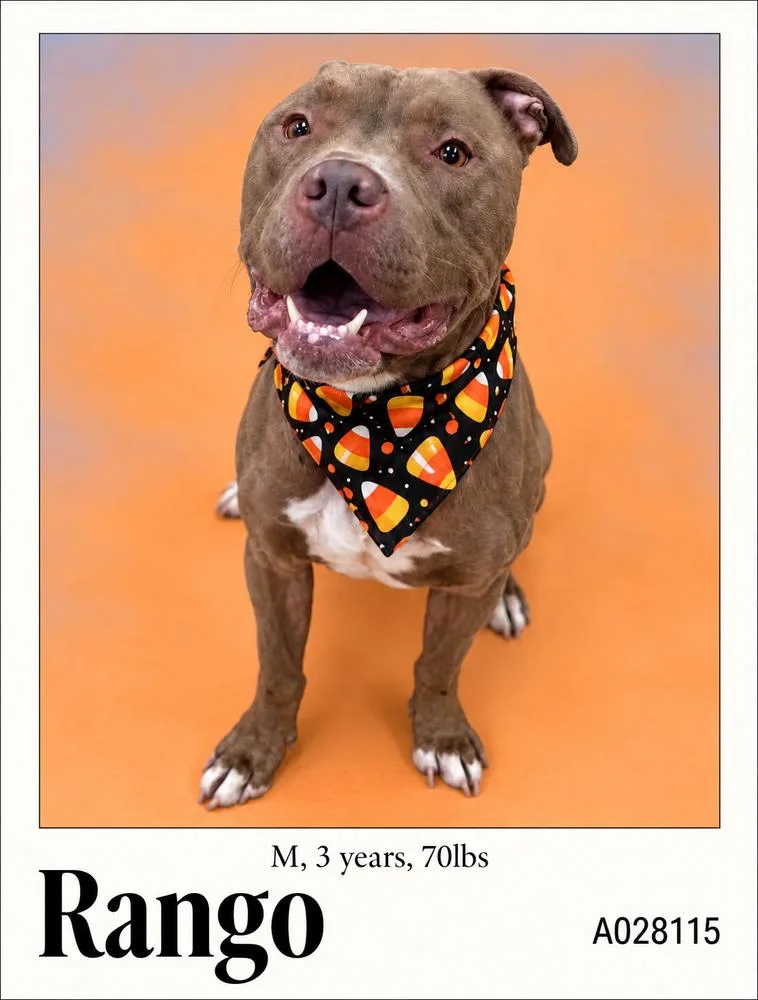
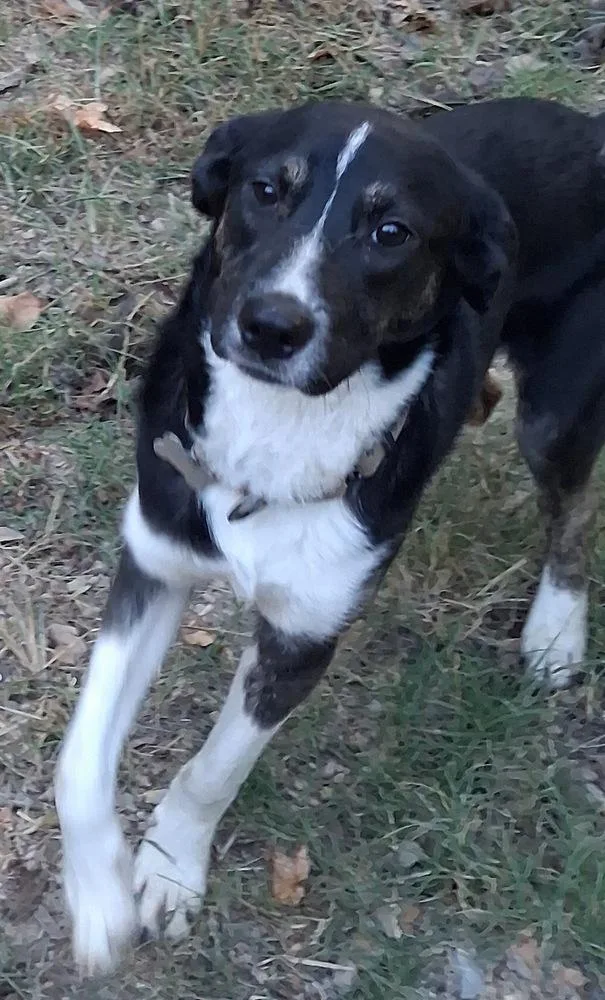
16 Salukis available in Boston and nationwide

Give a Saluki a home

While we don't have enough dogs near Boston, keep in mind that many rescues may offer transport.

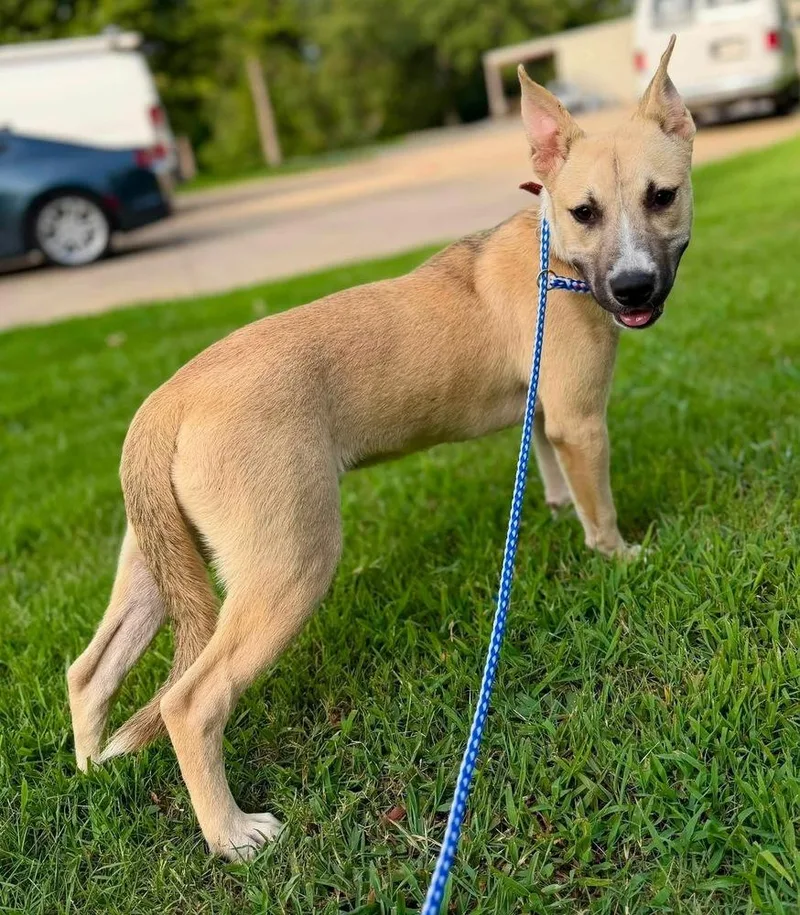
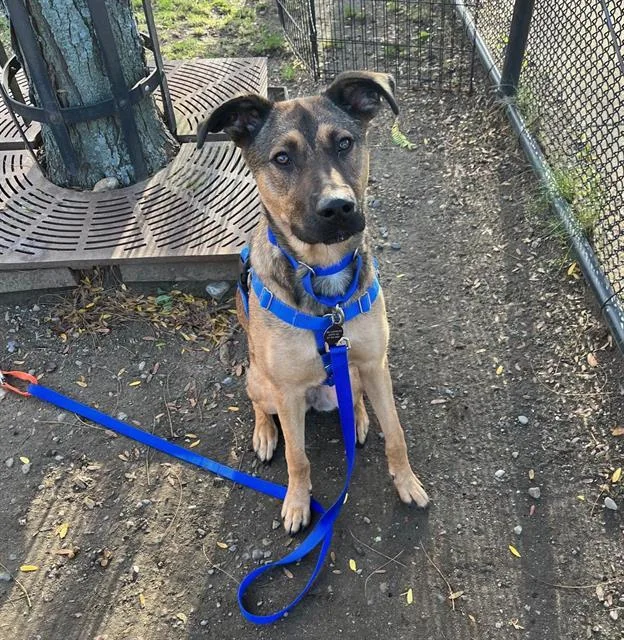
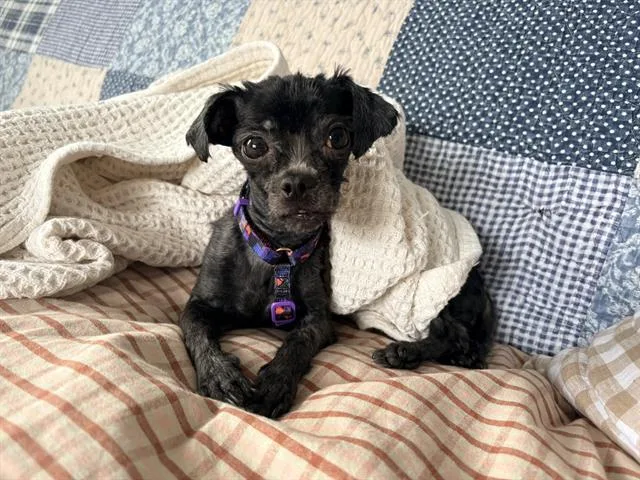
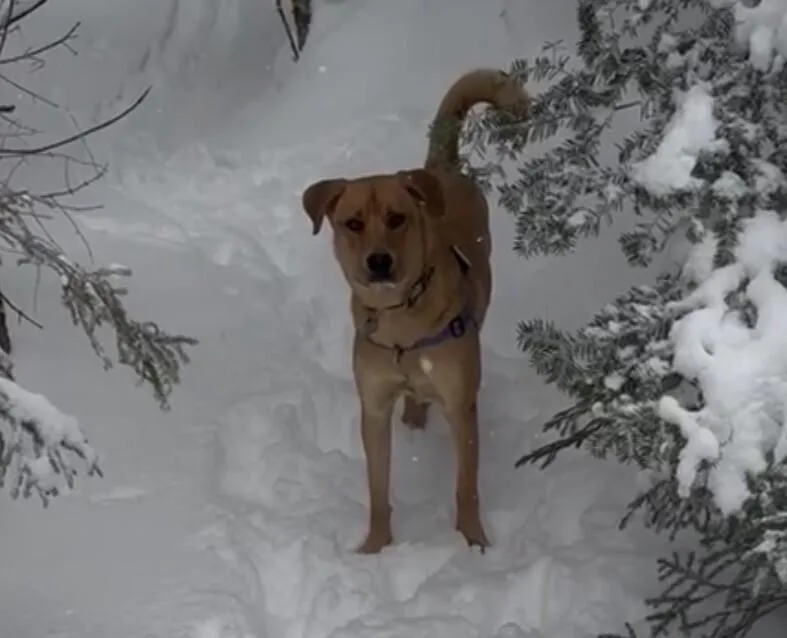
Salukis Available for Adoption Near Boston

About the Saluki breed

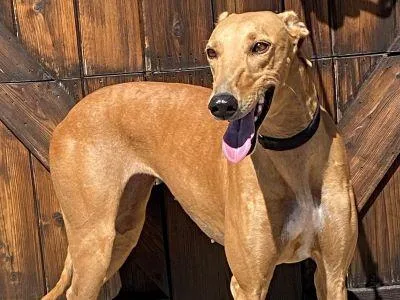
The Saluki is a sighthound from the Middle East and the Fertile Crescent, where nomadic peoples used it to course gazelle and hare across open desert. Dogs resembling the breed appear in ancient Mesopotamian and Egyptian art. Salukis come in a feathered coat, with silky fringes on the ears and tail, or a smooth coat, in colors from cream and red to black and tan. They shed lightly and have little odor.

At home, many Salukis are gentle, quiet and dignified, affectionate with their own people and reserved with strangers. Prey drive is intense, so most can't be trusted off leash outside secure fencing, and some chase cats or small pets. In Boston, that means planning for leashed walks and fenced sprint time. Salukis vary, so meet the dog in front of you.

Weight
35–65 lbs
Height
23–28 in
Lifespan
12–15 yrs
Temperament
Gentle, Independent, Dignified, Athletic
Group
Hound
Shedding
Low

Owning a Saluki in Boston

Having a Saluki in Boston

A Saluki's life revolves around sight and speed: it spots movement from far off and wants to run. Chase instinct, an independent streak and a lean, thin-skinned body matter most when deciding whether one fits Boston's leashed, snowy streets.

Temperament

Many Salukis are quiet, sensitive and loyal, bonding closely with one or two people and staying aloof with visitors. They tend to be calm indoors and dislike rough, noisy play, which suits a peaceful Boston apartment. Shyness is common, so slow, patient introductions help a rescued Saluki settle in.

Exercise Needs

Plan a long daily walk on a leash of 8 feet or less, which satisfies both City and state park rules, plus regular full-speed sprints in a securely fenced space. Boston's fenced dog parks can serve if the fencing is tall enough. Sniffing walks and gentle training add enrichment.

Health Considerations

Salukis are generally sturdy, but breed clubs flag heart disease, cancers such as hemangiosarcoma, and hypothyroidism; healthy Salukis often run low on thyroid values. Low body fat means anesthesia needs care, and thin skin tears easily. Choose a Boston vet familiar with sighthounds, and learn the signs of bloat, since deep-chested dogs carry some risk.

Living Space

A Saluki can live in a quiet apartment or a multi-family building if it gets daily exercise and safe sprint time. Boston has plenty of both housing types, and a calm, clean dog fits either. Provide padded bedding for bony joints, a warm coat for winter and a steady household routine.

What it costs to own a Saluki in Boston

ExpenseTypical costPer year
Food$55 to $110 per month$660 to $1,320
Pet insurance$55 to $110 per month$660 to $1,320
Routine vet care$250 to $500 per year$250 to $500
Other*$540 to $1,580 per year$540 to $1,580
Estimated yearly total (after year one)$2,110 to $4,720

Other costs are estimates and vary with size, age and health.

* The Boston dog license ($15 spayed or neutered, $30 intact), flea, tick and heartworm prevention, a dental cleaning allowance, toys and supplies, minimal grooming, and a winter coat and padded bedding.

Adopt a Saluki in Boston.

Now that you know more, let’s find you a new best friend. These rescues and shelters below have dogs available in and near Boston.

Rescues and Shelters in or near Boston

Boston has a city shelter and several nonprofit rescues, and the dogs they list for adoption appear on this page. Here are the rescues & shelters in the Boston area with dogs available for adoption, worth asking whether a Saluki is coming in.

Frequently Asked Questions

Yes. Massachusetts law bars cities from regulating dogs by breed, so Boston has no Saluki-specific rules. Dogs over six months need a license each year by March 31, plus a rabies vaccination, and must be leashed whenever they're off your property. Keeping more than four dogs requires a kennel license under state law.

Possibly, if your routine is calm and you can offer leashed daily walks plus some fenced sprint time. Boston's parks and quiet residential streets suit a gentle Saluki, but winter cold, crowded sidewalks and constant leash needs take planning. Long days alone are harder, since many Salukis bond closely and some develop separation anxiety.

Yes, with gear. Boston winters bring about 90 freezing nights and roughly 49 inches of snow a year, and a Saluki's lean, low-fat body and thin skin feel the cold quickly. Use a fitted coat, shorten walks on the harshest days, and wipe paws after each walk to remove road salt, which the City says is toxic.

Fenced dog spaces are the safest choice for a Saluki's sprints, including Peters Park in the South End, the Allston-Brighton Dog Park and Flaherty Playground in Jamaica Plain. Check that the fence is tall enough. For leashed walks, try Stony Brook Reservation or the Arnold Arboretum, where dogs must be leashed at all times.

Yes, with limits. The MBTA allows small pets in secure carriers at any time, but a Saluki is too large for that. Larger dogs must be leashed and aren't allowed on weekday peak hours, 7 to 9 a.m. and 4 to 7 p.m. Dogs can't sit on seats, and staff may restrict access when trains are crowded.

Sometimes, on patios only. Boston lets restaurants apply for a City variance to allow dogs outdoors, so look for dog-friendly signs, since not every patio qualifies. Dogs must stay leashed, off tables and chairs, and outside, with current license and rabies vaccination. Only service dogs may enter the restaurant interior. Bring a water bowl.

Very little. Salukis have a single, silky coat, feathered or smooth, and shed lightly. Weekly brushing helps feathered dogs, especially on the ears and tail, and baths are only needed occasionally. Boston's winters matter more than coat care, so budget for a winter coat. Grooming sits within the roughly $540 to $1,580 yearly Other costs.

A Saluki is a tall, slender sighthound from the Middle East, bred to chase gazelle and hare by sight across open country. It has long legs, a narrow head, a deep chest and either silky feathering or a smooth coat. Many are gentle, quiet and independent at home, with an intense chase instinct outdoors.

A Saluki can run roughly 40 miles per hour at full speed, and the 1996 Guinness Book of Records listed one at about 42.8 mph. Greyhounds may be quicker over a short sprint, but Salukis are known for holding high speed over longer distances. That speed is why secure fencing and leashes matter so much for this breed.

Expect roughly $2,100 to $4,700 a year for a Saluki: food at $55 to $110 a month, insurance at $55 to $110 a month, routine vet care at $250 to $500 a year, and $540 to $1,580 in other costs. A winter coat and padded bedding are Saluki-specific extras.

Find Salukis in Nearby Cities

Expand your search to find Salukis available for adoption near Boston.