Irish Wolfhound Dogs for Adoption in Boston, MA

Your guide to finding and caring for an Irish Wolfhound in Boston

An Irish Wolfhound fits Boston best in the quieter, roomier corners like West Roxbury and Hyde Park. Single-family homes there often come with the fenced yard a Wolfhound needs for a gallop, and Stony Brook Reservation's long paths suit the daily walk. Wolfhounds are calm indoors, but a 140-pound dog on a triple-decker's stairs in Dorchester is a harder fit. If you're considering adopting one in Boston, expect a gentle housemate who needs more floor space than most people plan for.

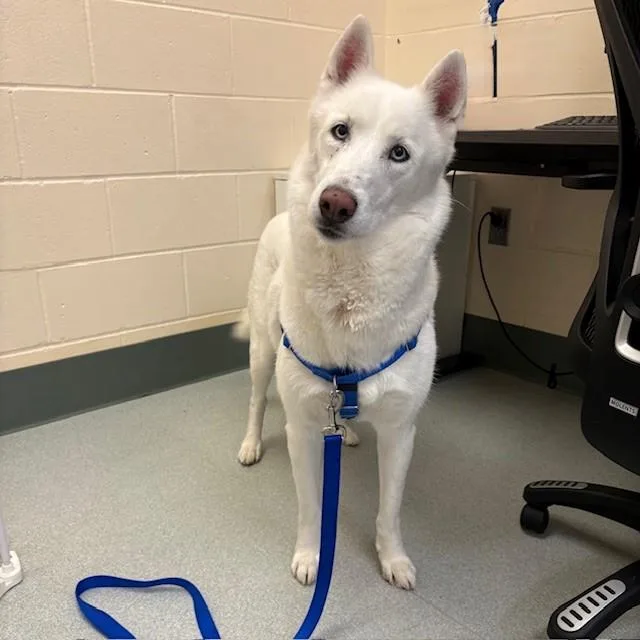
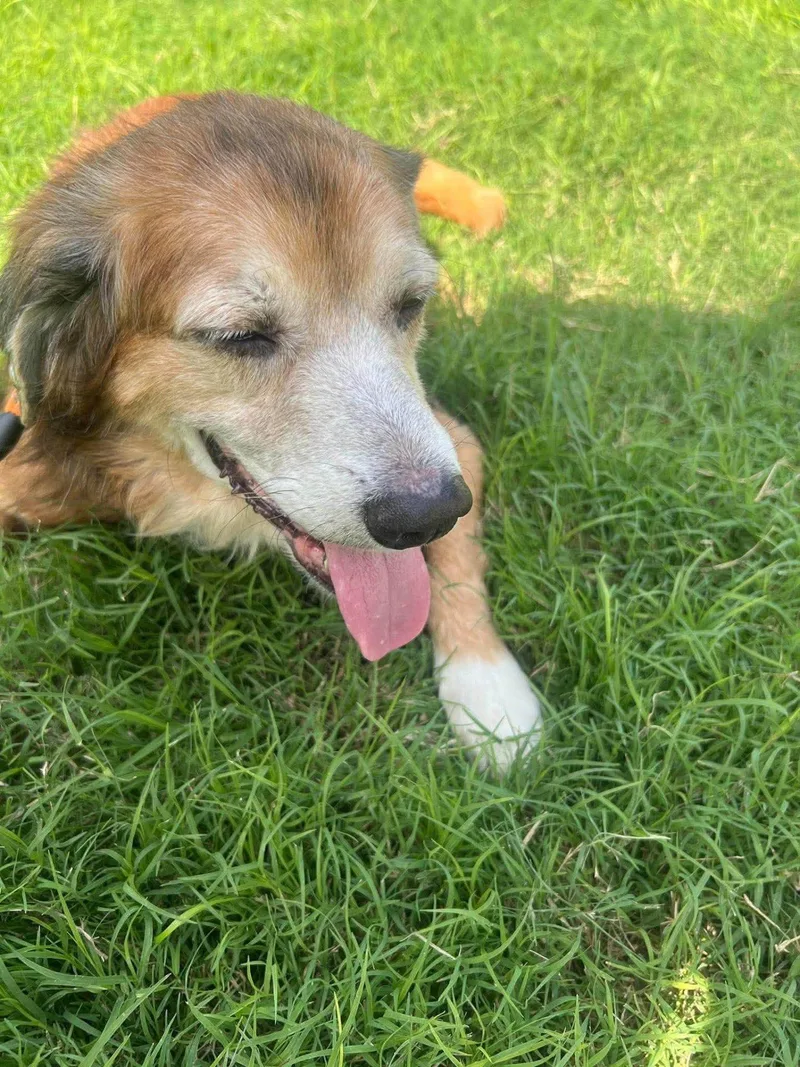
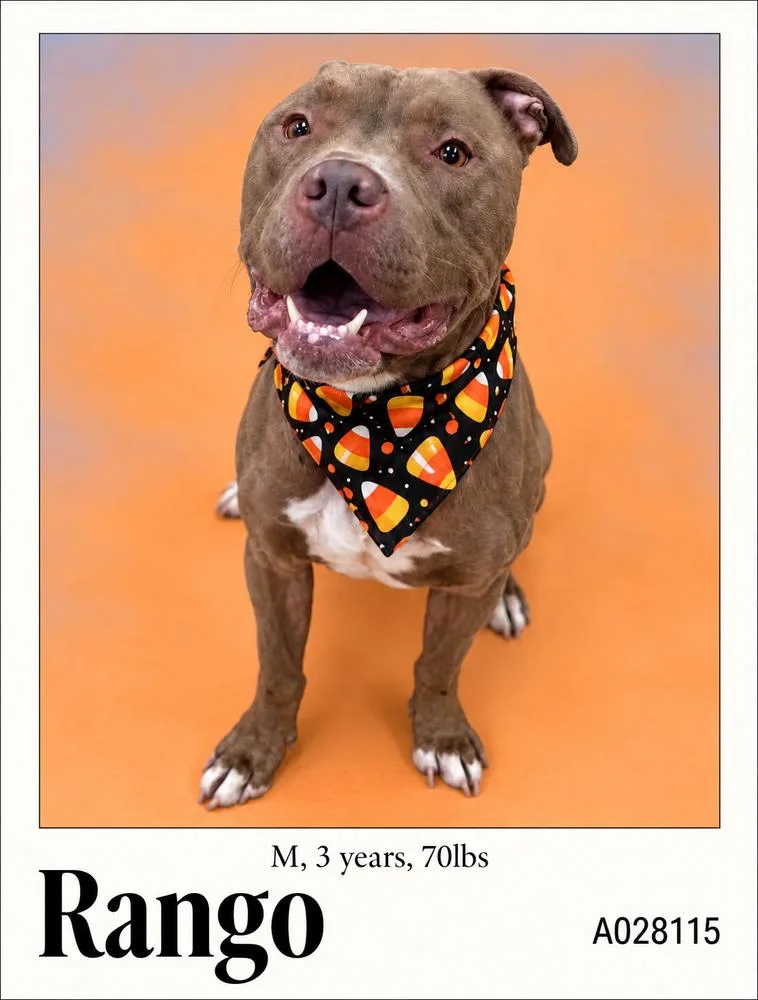
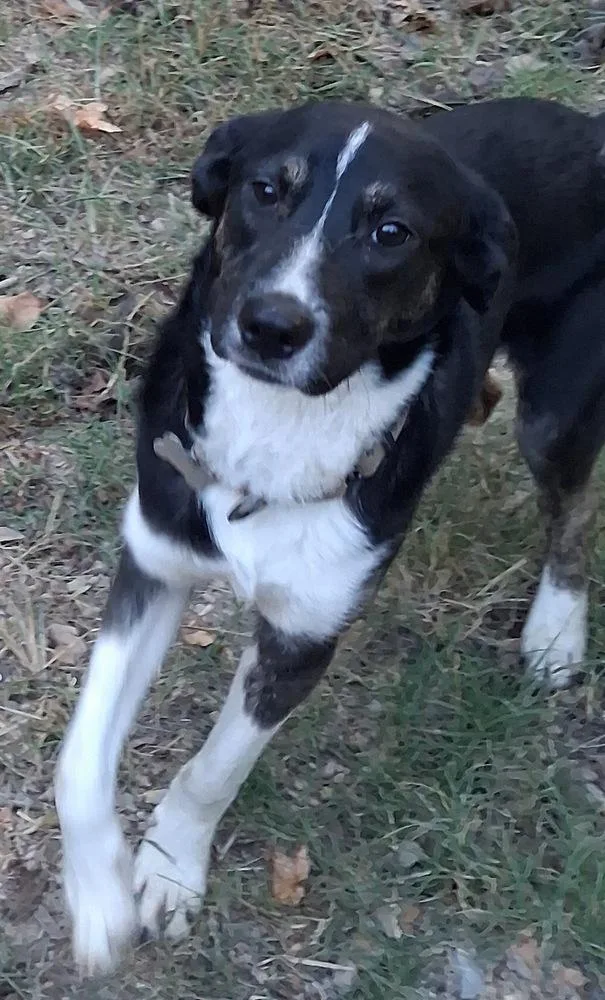
46 Irish Wolfhounds available in Boston and nationwide

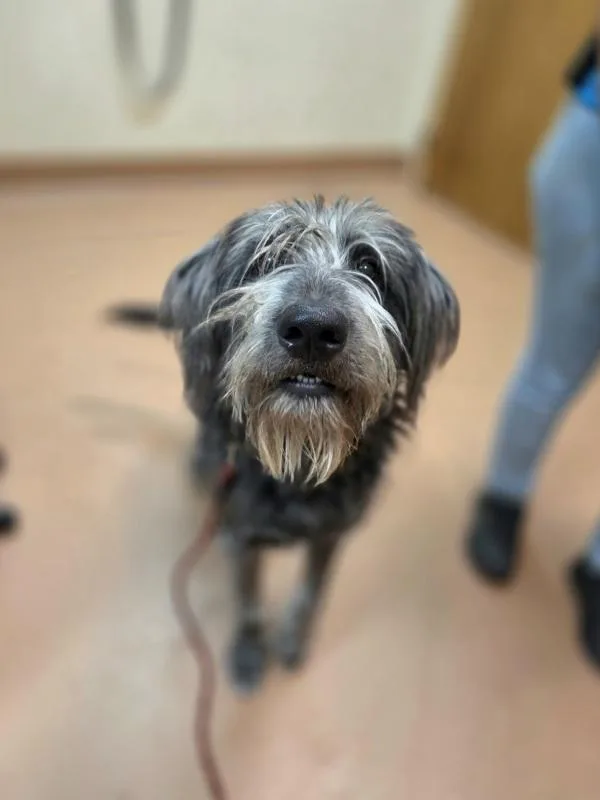
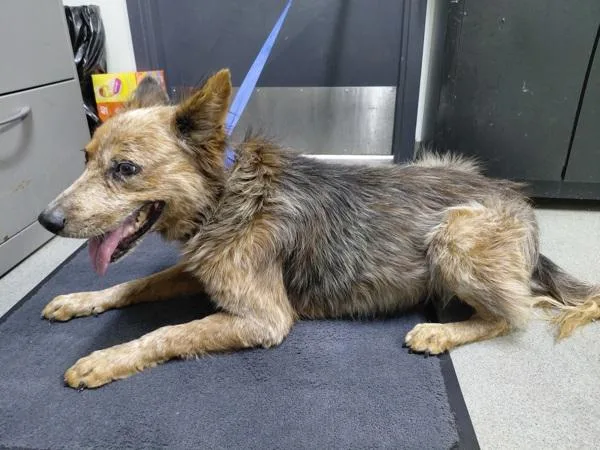
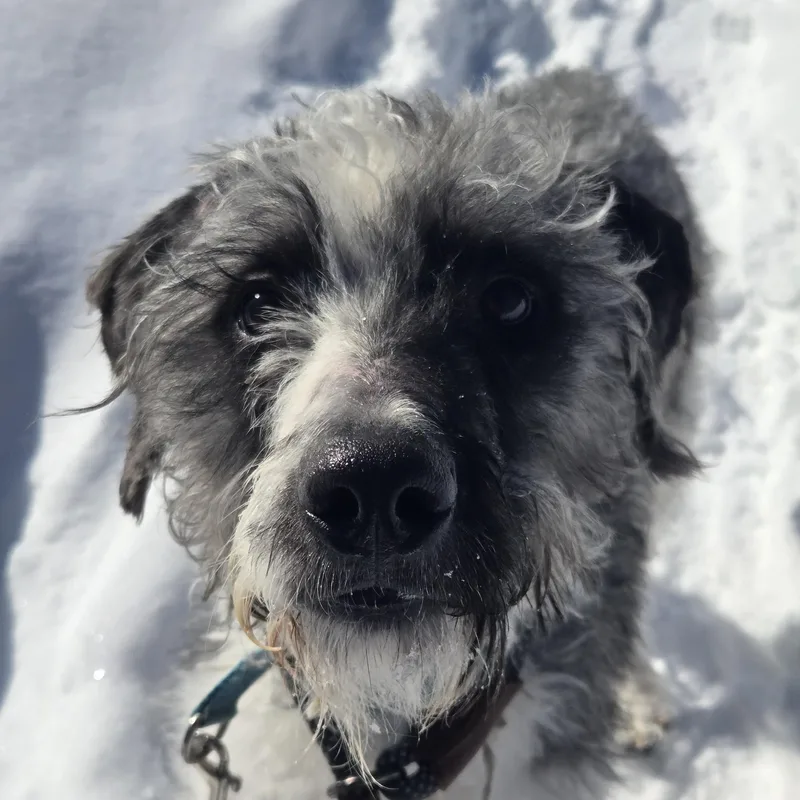
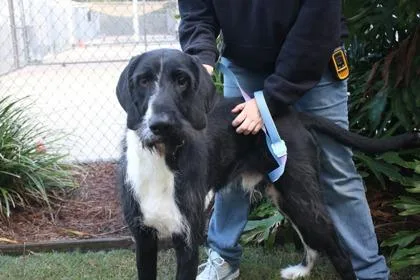
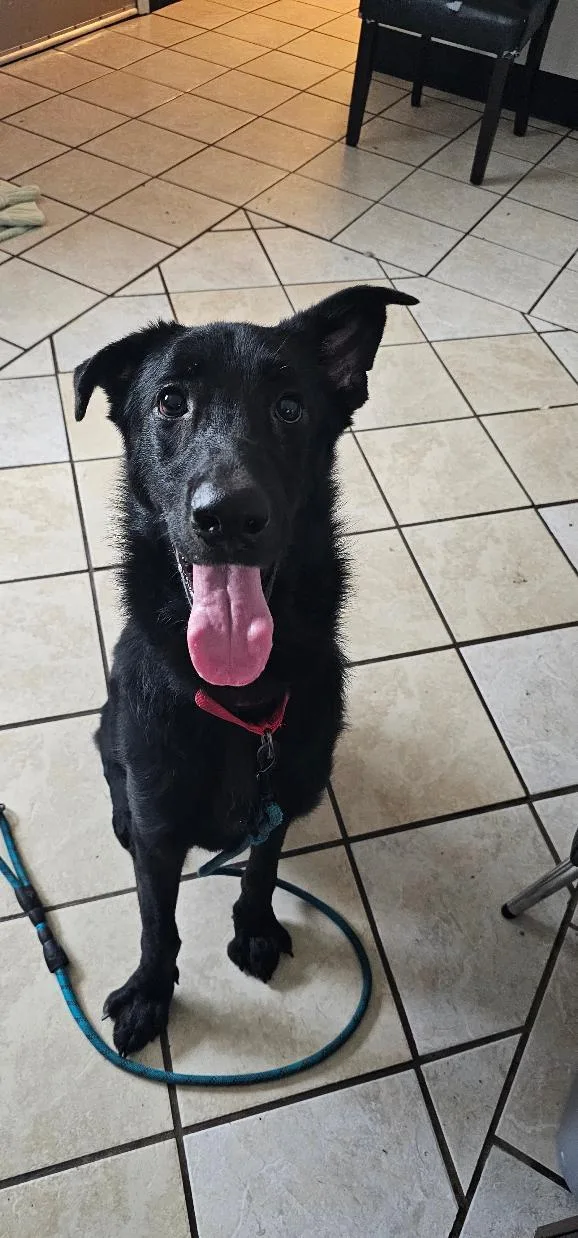
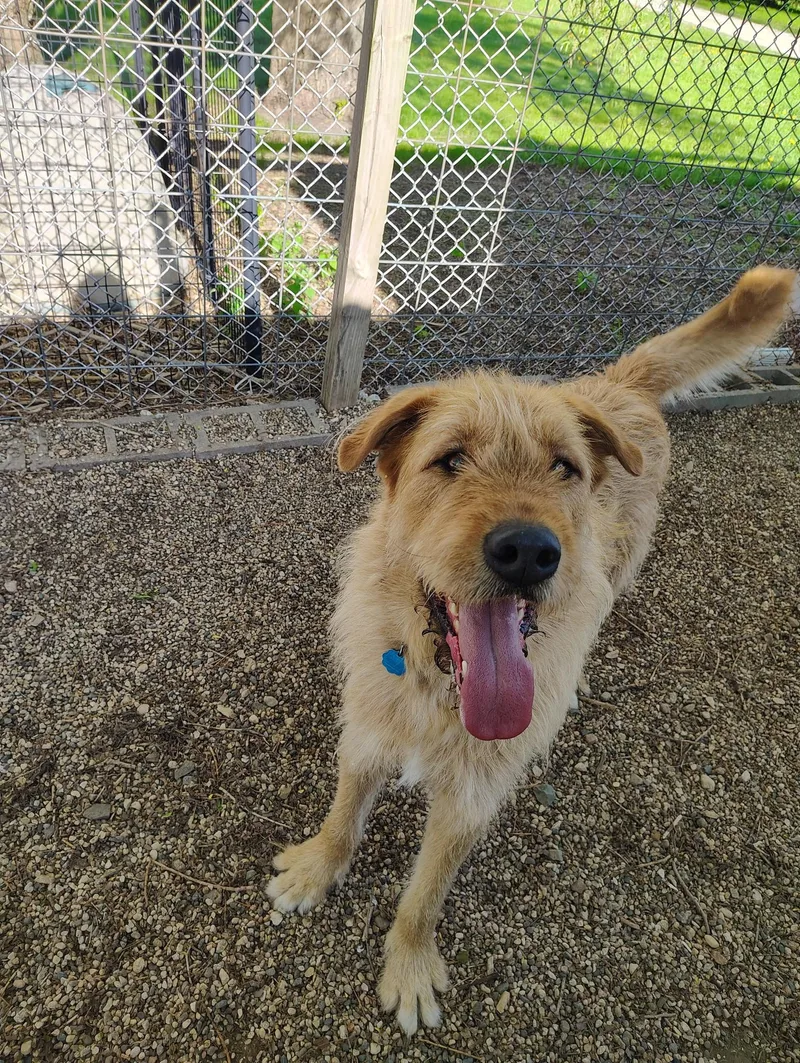
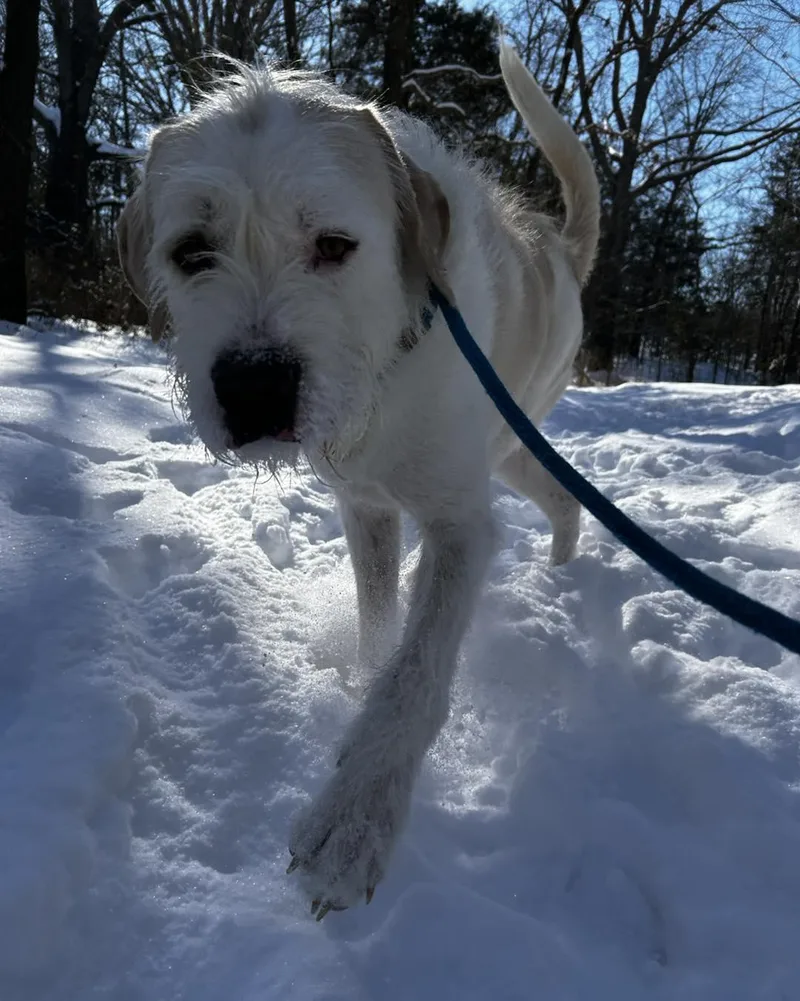
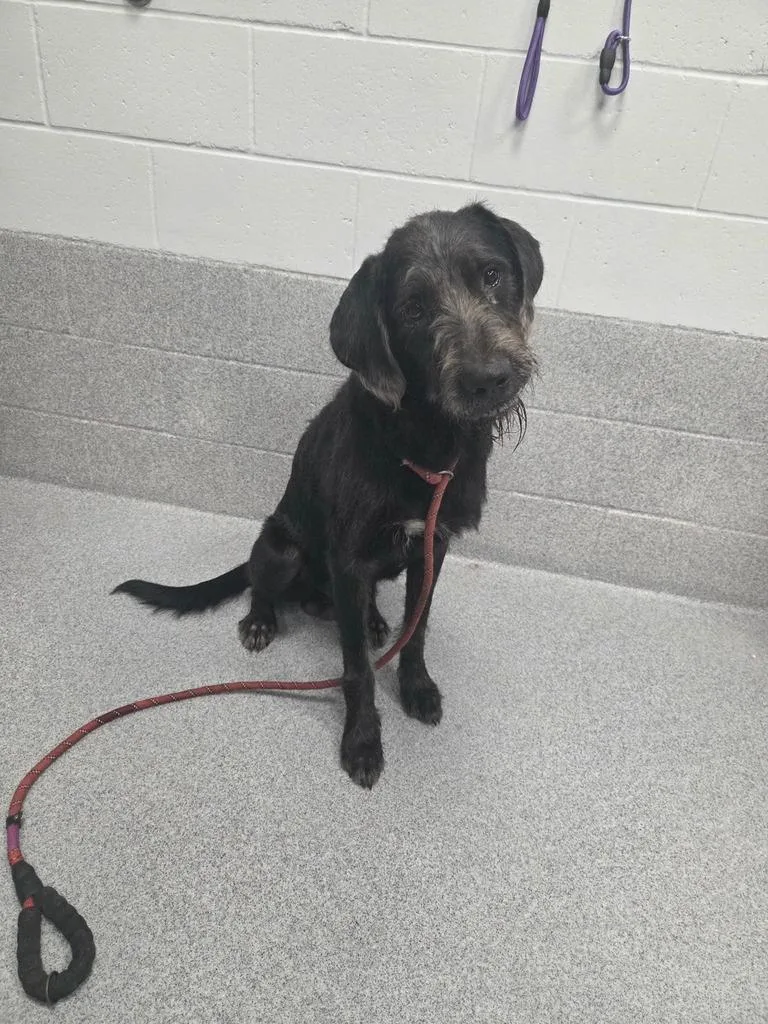
Say hello to your Irish Wolfhound

While we don't have enough dogs near Boston, keep in mind that many rescues may offer transport.

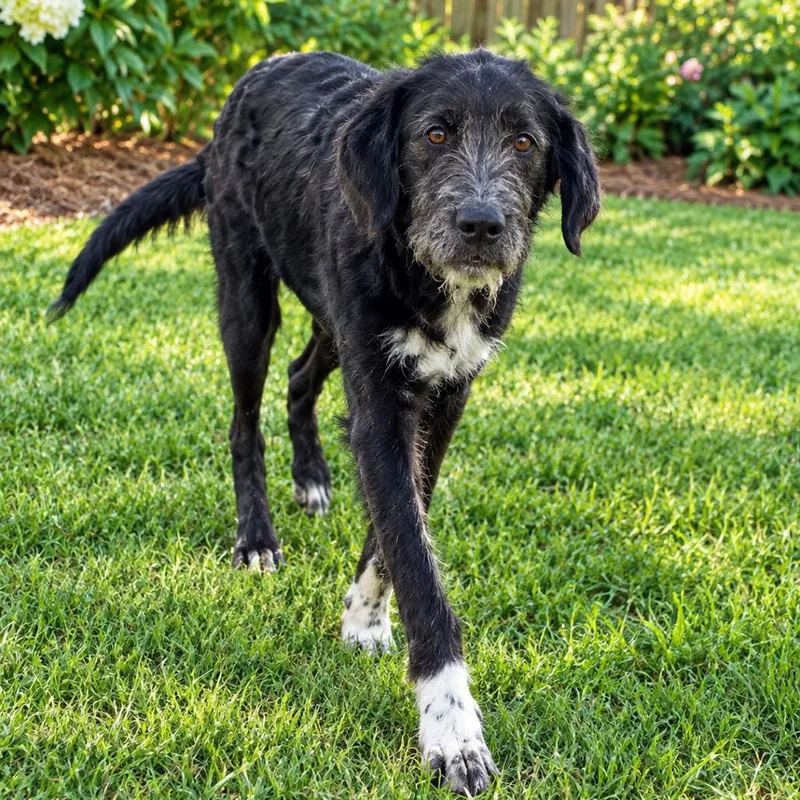
Irish Wolfhounds Available for Adoption Near Boston

About the Irish Wolfhound breed

The Irish Wolfhound is the tallest breed the American Kennel Club recognizes, with males at least 32 inches at the shoulder and many weighing 140 to 180 pounds. Ancient Irish hounds hunted wolves, deer and boar, and the breed was rebuilt in the nineteenth century after wolves disappeared from Ireland. The rough, wiry coat comes in gray, brindle, red, black, white and fawn.

Wolfhounds are usually calm, dignified and gentle, and many lean on their people. They shed moderately and need weekly brushing with occasional tidying. Chase instinct means a leash outside the fence, and lifespans of roughly 6 to 10 years are shaped by heart disease and cancer. Boston's tight sidewalks and snowy winters make planning for a dog this size worthwhile.

Weight
105–180 lbs
Height
30–35 in
Lifespan
6–10 yrs
Temperament
Gentle, Calm, Dignified, Patient
Group
Hound
Shedding
Moderate

Owning an Irish Wolfhound in Boston

Having an Irish Wolfhound in Boston

Wolfhounds are gentle giants whose daily needs come down to space, a secure place to stretch out and steady health care. In Boston, the big questions are stairs, winter footing and how much room your home really has.

Temperament

Most Wolfhounds are gentle, patient and sensitive, greeting visitors politely. They're poor guard dogs and rarely bark. Sighthound instinct can send one after a squirrel or a small dog, which matters on Boston's busy, leash-only sidewalks. Dogs vary, and young Wolfhounds can be clumsy and boisterous around kids and breakables.

Exercise Needs

Adults need long daily walks plus a chance to stretch out in a securely fenced space; indoors they're usually quiet. Because recall is unreliable, a fenced dog park is safer than an open off-leash lawn. Puppies should skip forced running and long hikes until about 18 months.

Health Considerations

Wolfhounds face dilated cardiomyopathy, bone cancer, bloat and joint strain, so regular cardiac screening and a veterinarian comfortable with giant breeds matter. Feed smaller meals and watch for coughing, limping or restlessness after eating. After winter walks, wipe paws and belly to remove road salt, which the City warns is toxic and can burn.

Living Space

Boston's housing ranges from triple-deckers and brownstones to Seaport high-rises, and stairs and tight layouts are hard on a giant dog. Single-family areas like West Roxbury and Hyde Park offer more room and fenced yards. Plan for a large vehicle, orthopedic bedding and space to lie flat.

What it costs to own an Irish Wolfhound in Boston

ExpenseTypical costPer year
Food$80 to $160 per month$960 to $1,920
Pet insurance$85 to $170 per month$1,020 to $2,040
Routine vet care$250 to $500 per year$250 to $500
Other*$690 to $1,880 per year$690 to $1,880
Estimated yearly total (after year one)$2,920 to $6,340

Other costs are estimates and vary with size, age and health.

* The Boston dog license ($15 spayed or neutered, $30 intact), a dental cleaning allowance, flea, tick and heartworm prevention for a giant dog, toys and oversized bedding, coat brushing and tidying, and joint supplements.

Adopt an Irish Wolfhound in Boston.

Now that you know more, let’s find you a new best friend. These rescues and shelters below have dogs available in and near Boston.

Rescues and Shelters in or near Boston

Wolfhounds are uncommon, so keep an eye on the listings here and the Boston-area rescues below. Here are the rescues & shelters in the Boston area with dogs available for adoption, worth asking whether an Irish Wolfhound is coming in.

Frequently Asked Questions

Yes, but only off-peak. The MBTA lets dogs too big for a carrier ride on a leash outside weekday peak hours, which are 7–9 a.m. and 4–7 p.m. Dogs can't sit on seats, and staff may restrict access when trains are crowded. Avoid holidays and big events, and expect a Wolfhound to take up plenty of floor space.

It's possible for a calm adult, but it's difficult. Wolfhounds are quiet indoors, yet a dog this size needs room to lie flat, and many Boston buildings have steep stairs, walk-ups and size limits in leases. A ground-floor unit or an elevator building near a fenced dog space works better, along with a plan for long daily walks.

Yes. Massachusetts bars cities from regulating dogs by breed, so Boston has no Irish Wolfhound restrictions. Dogs over six months need a license by March 31 each year and a current rabies vaccination, and they must be leashed off your property. A landlord's size limit is usually the bigger hurdle than any city rule.

Usually yes. Boston winters are cold and snowy, but a Wolfhound's rough coat generally copes. The bigger risks are icy sidewalks, which strain giant joints, and road salt on paws, so wipe them after every walk. Keep the dog indoors as the City advises; state law bars leaving a dog outside during weather advisories or extreme cold.

Stony Brook Reservation in Hyde Park has about ten miles of paths for long leashed walks, and Franklin Park, at 527 acres, is Boston's largest. Flaherty Playground in Jamaica Plain has a fenced dog run. Wolfhounds chase, so a fenced space is safer than open lawn for a gallop, and everywhere else dogs stay leashed.

Only on some patios. Boston restaurants can get a City variance to allow dogs outdoors, so look for dog-friendly signs. Dogs stay leashed, off chairs and tables, and out of the interior. Dogs need a current license and rabies vaccination, and a Wolfhound's size means choosing a roomy table with space to lie down.

Plan on weekly brushing to keep the rough, wiry coat free of mats, plus occasional tidying or stripping. Shedding is moderate. In Boston, add paw and belly wipe-downs in winter to remove salt, and check the coat for ticks after spring and fall walks. Grooming costs fall within the yearly Other line in the cost table.

An Irish Wolfhound is a giant sighthound from Ireland and the tallest breed recognized by the American Kennel Club, with males standing at least 32 inches at the shoulder. Originally bred to hunt wolves and other large game, it is now known as a calm, gentle companion. Its rough, wiry coat and long legs give it a distinctive look.

Irish Wolfhounds can be good family dogs for households with enough space and realistic expectations. Many are gentle, patient and affectionate with children and other pets. Their size can accidentally knock over small kids, and puppies are clumsy and boisterous. Families also need to plan for high costs and a shorter lifespan than most breeds.

Expect roughly $80 to $160 a month for food, $85 to $170 for insurance, $250 to $500 a year for routine vet care, and $690 to $1,880 a year for other costs like prevention, dental care, grooming and joint supplements. Giant-breed food and medication drive the budget, and a large crate or vehicle upgrade can add one-time costs.