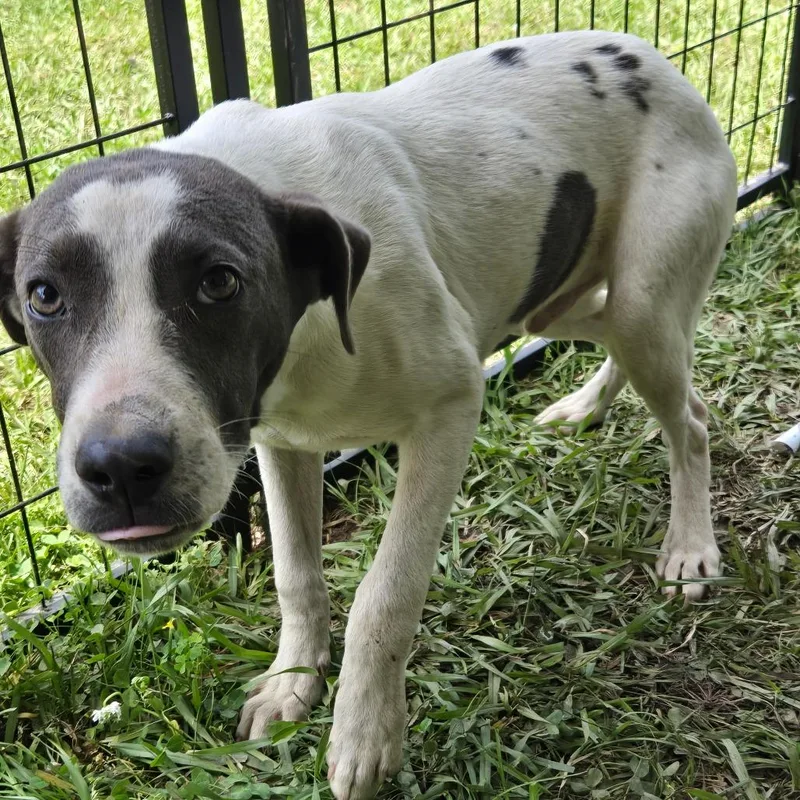
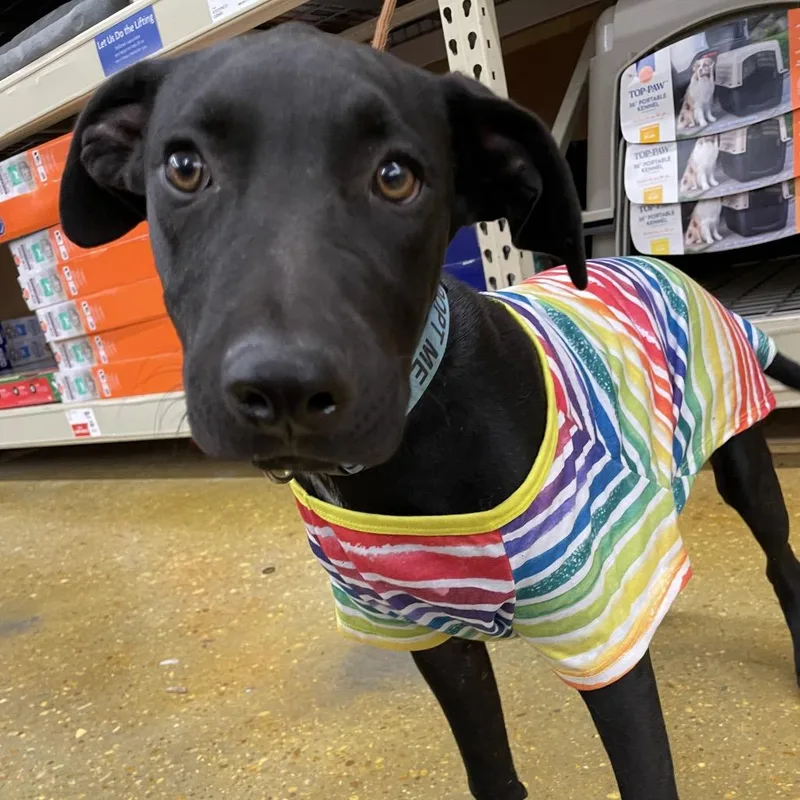
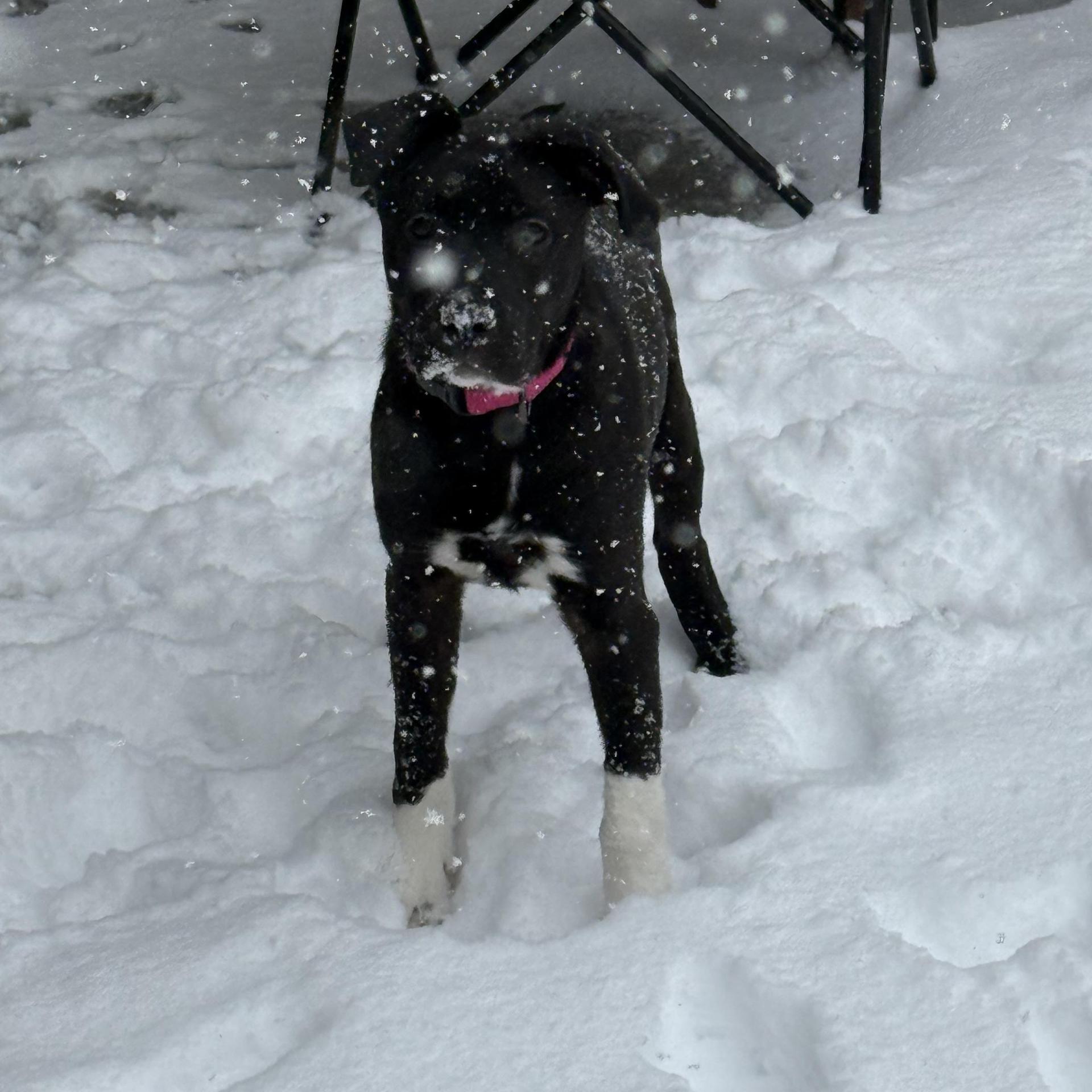
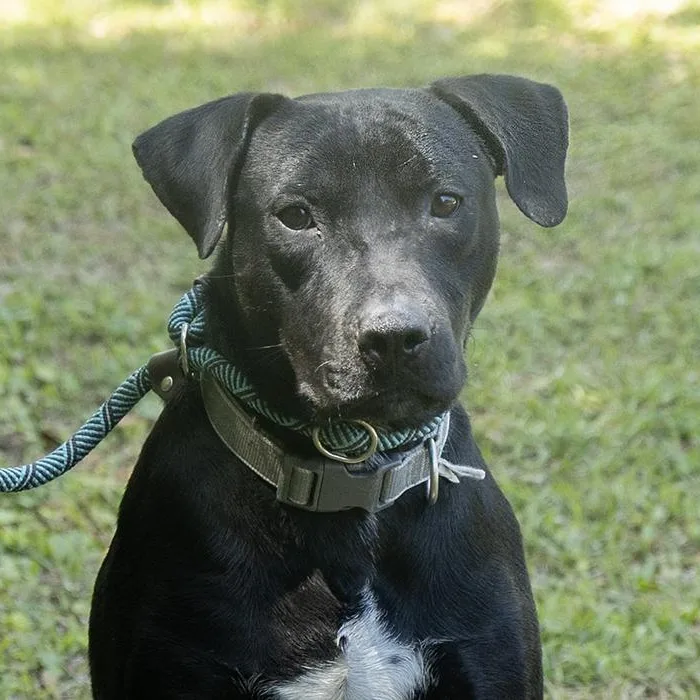
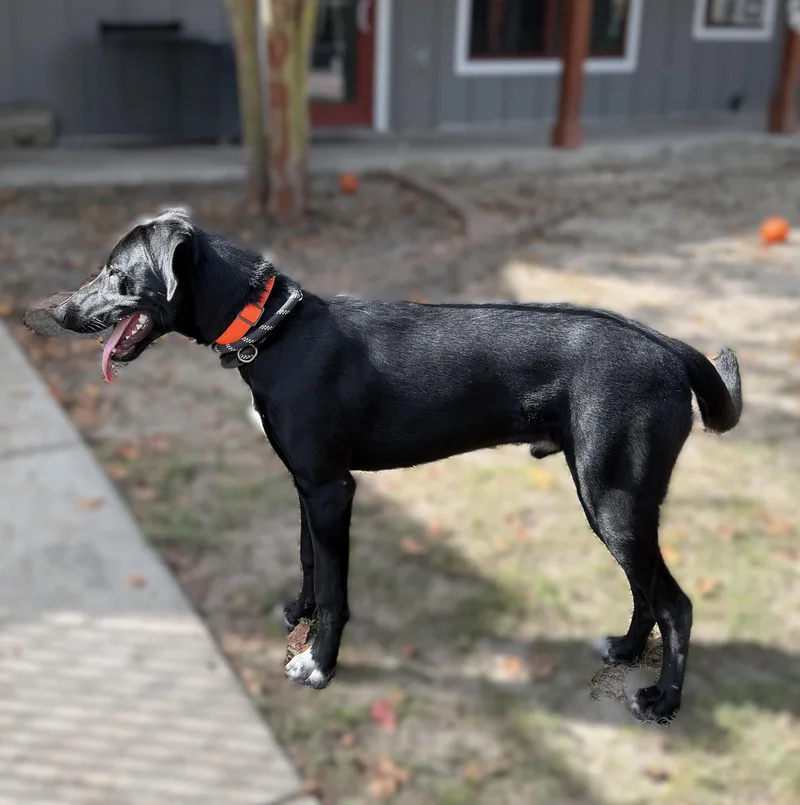
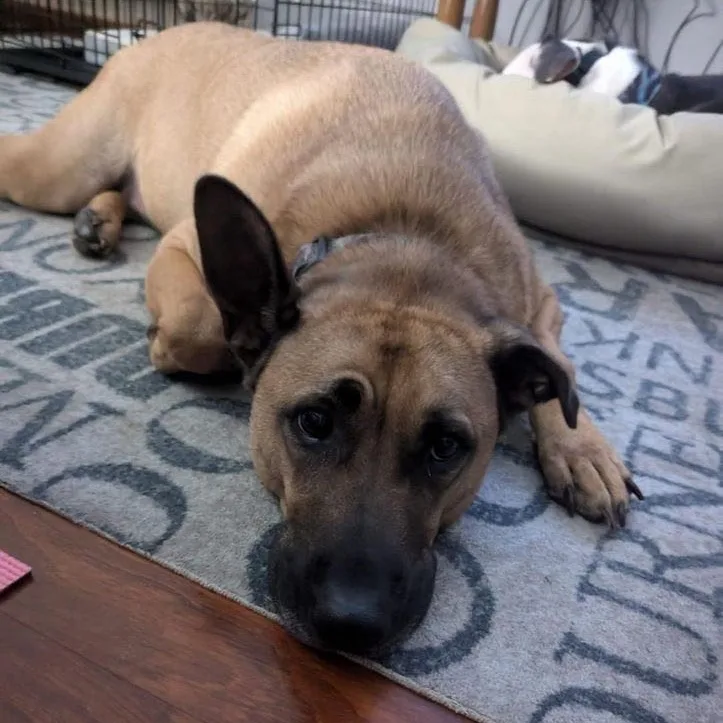
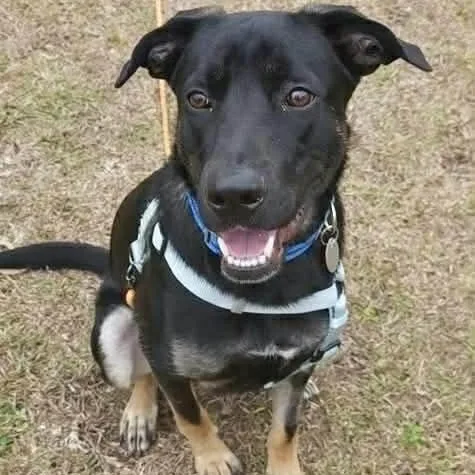
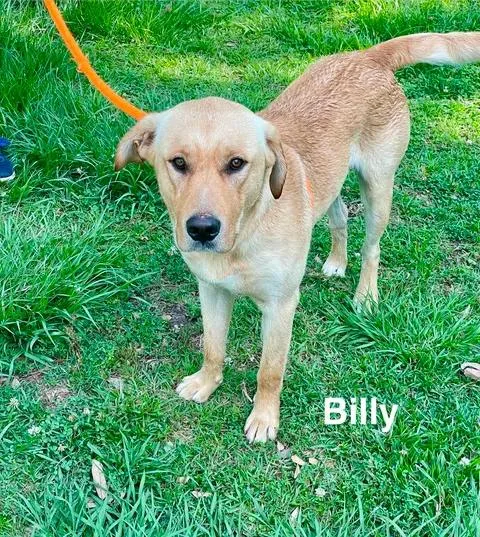
Curly-Coated Retriever Dogs for Adoption in New Orleans, LA

Your guide to finding and caring for a Curly-Coated Retriever in NOLA

A Curly-Coated Retriever fits New Orleans best in a neighborhood with room to walk, like Mid-City or Lakeview. These tall, water-loving retrievers need a real workout every day, and City Park's trails and the Lafitte Greenway give them miles to cover on a leash. Curlies are reserved with strangers and slow to grow up, so a quiet shotgun double with a fenced yard suits them better than a busy block. Summer heat sets the schedule: walks happen at dawn or after dark.

15109 dogs similar to Curly-Coated Retriever available in New Orleans and nationwide

Bring home a Curly-Coated Retriever

Curly-Coated Retrievers and Similar Breeds Available for Adoption Near New Orleans

About the Curly-Coated Retriever breed

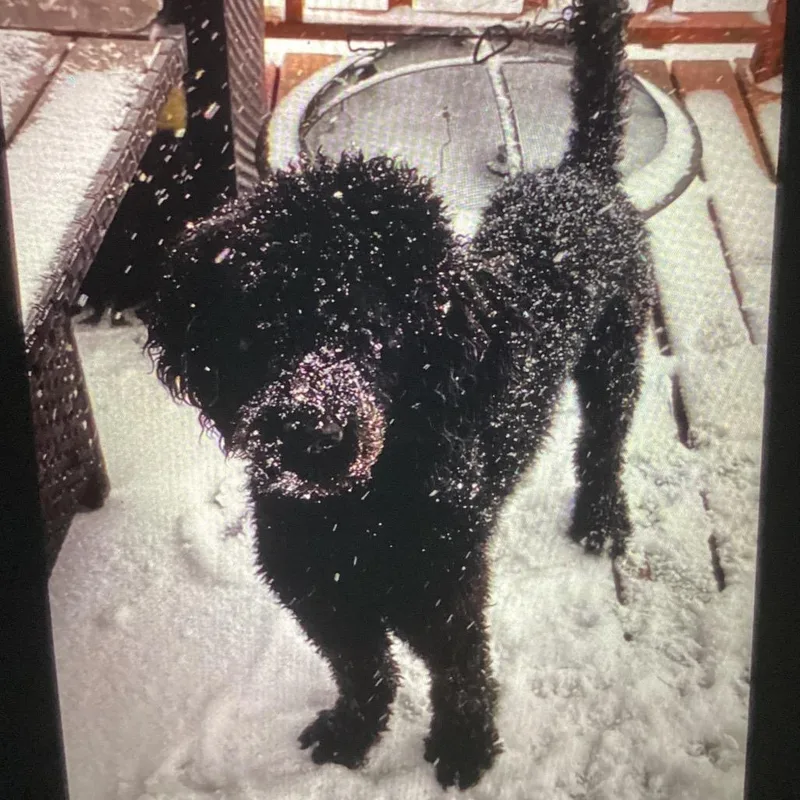
The Curly-Coated Retriever is one of the oldest retriever breeds, developed in England as a waterfowl and upland bird dog and shown by around 1860. It's the tallest of the retrievers, usually 23 to 27 inches and 60 to 95 pounds, with a coat of tight, crisp curls that sheds water and stays smooth on the face and front legs. Curlies come in solid black or liver.

Compared with Labs and Goldens, many Curlies are more reserved with strangers and more independent, and they often stay playful for years. With their family they tend to be affectionate and gentle. In New Orleans, that means a dog happiest with a daily job, such as a long walk, a retrieving game or a training class, followed by a cool indoor spot. Dogs vary, so spend time with the dog before deciding.

Weight
60–95 lbs
Height
23–27 in
Lifespan
10–12 yrs
Temperament
Confident, Intelligent, Independent
Group
Sporting
Shedding
Low to Moderate

Owning a Curly-Coated Retriever in New Orleans

Having a Curly-Coated Retriever in NOLA

A Curly pairs a working retriever's stamina with a coat built for water. In New Orleans, heat, humidity and a short list of off-leash spaces shape how that energy gets spent, so plan the routine before you bring one home.

Temperament

Curlies are usually devoted and gentle with their own people and politely aloof with strangers, which works on busy sidewalks and porches if the dog is socialized early. They're smart and independent, and may tire of repetitive drills. Reward-based training helps, and many stay puppyish for two or three years.

Exercise Needs

Plan on vigorous daily exercise. Leashed walks on City Park's trails, Audubon Park's 1.8-mile loop or the Lafitte Greenway work well, along with retrieving games and scent work. Many Curlies love water, but alligators live in City Park's lagoons and Bayou St. John, so keep swimming for a safer spot.

Health Considerations

Curlies can face hip and elbow dysplasia, exercise-induced collapse, glycogen storage disease type IIIa, an inherited form of progressive retinal atrophy, heart disease and coat loss. Bloat is a risk in deep-chested dogs. In New Orleans, year-round heartworm prevention matters, and a veterinarian can check hips, eyes and heart at the first visit.

Living Space

Housing here ranges from shotgun doubles to Uptown apartments. A Curly does best with a securely fenced yard, though a committed apartment dweller can manage with enough exercise. Their size and sweeping tail need room indoors, and they want to live inside with the family, especially through the long, hot summer.

What it costs to own a Curly-Coated Retriever in New Orleans

ExpenseTypical costPer year
Food$55 to $110 per month$660 to $1,320
Pet insurance$65 to $130 per month$780 to $1,560
Routine vet care$250 to $500 per year$250 to $500
Other*$485 to $1,264 per year$485 to $1,264
Estimated yearly total (after year one)$2,175 to $4,644

Other costs are estimates and vary with size, age and health.

* The $10 City of New Orleans dog license for a spayed or neutered dog, flea, tick and heartworm prevention, a dental cleaning allowance, toys and bedding, and light coat care with occasional trims.

Adopt a Curly-Coated Retriever in New Orleans.

Now that you know more, let’s find you a new best friend. These rescues and shelters below have dogs available in and near New Orleans.

Frequently Asked Questions

Not unless the dog is a service animal. RTA buses and streetcars allow pets only in a carrier that fits on the rider's lap, and a Curly-Coated Retriever at 60 to 95 pounds is far too big for one. Service animals are allowed. Plan outings on foot or by car instead.

Yes, with careful scheduling. Summers bring highs near 90, lows around 78 and heavy humidity, and a dense black or liver coat can hold heat. Exercise at first light or after dark, carry water, test pavement with your hand, and keep the dog in air conditioning through the afternoon.

City Park's trails, Audubon Park's 1.8-mile loop and the 2.6-mile Lafitte Greenway all welcome leashed dogs, giving a Curly plenty of miles. For off-leash play, NOLA City Bark in City Park requires a paid permit, spay/neuter and vaccines. Keep a water-loving retriever away from lagoons and Bayou St. John, where alligators live.

Yes. New Orleans has no breed-specific rules, and dangerous-dog decisions are based on behavior. You'll need rabies vaccination, a yearly City license tag through a veterinarian, a leash of six feet or less off your property, and spaying or neutering for dogs over six months unless you hold an intact permit.

Yes, if the daily exercise is guaranteed. A Curly can manage in a New Orleans apartment or shotgun double when it gets a long walk or run plus mental work every day. Confirm the landlord allows a dog over 60 pounds, and make sure the dog has a cool, comfortable indoor spot.

Often, for active people who are home a fair amount. A Curly needs daily exercise and something to think about, and many are slower to mature and reserved with strangers. In NOLA, that means early or late walks in summer, plus a quiet room for Carnival parades and fireworks nights. Dogs vary, so fit depends on the dog.

Possibly on a patio, but it's up to each venue. Louisiana has no state law allowing dogs in outdoor dining areas, and pet dogs shouldn't be expected in indoor dining rooms. Confirm a venue's policy before you go, and remember that a large Curly may find a hot patio uncomfortable.

Only lightly. Skip the brush, which frizzes the curls; dampen the coat and work through it with your fingers instead. In New Orleans humidity, rinse and dry the coat after swimming or storms, and don't shave it for summer. Occasional trims are a small part of the Other line in the cost table.

Yes, Curly-Coated Retrievers shed, but usually less than most retrievers for much of the year. Many have one or two heavier seasonal sheds when the curls loosen and drop hair, and intact females may shed more after a heat cycle. Owners generally avoid brushing, which frizzes the curls, and instead dampen the coat and work loose hair out by hand.

Expect roughly $2,200 to $4,600 a year for a Curly in New Orleans. Food runs $55 to $110 a month, insurance $65 to $130 a month, routine vet care $250 to $500 a year, and other costs $485 to $1,264 a year. Insurance and parasite prevention drive most of the range.