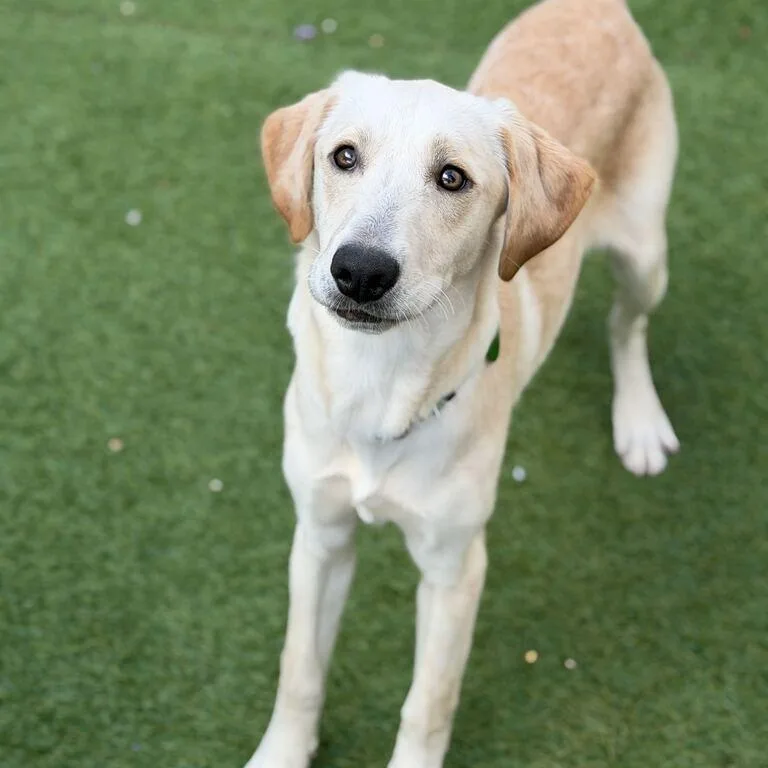
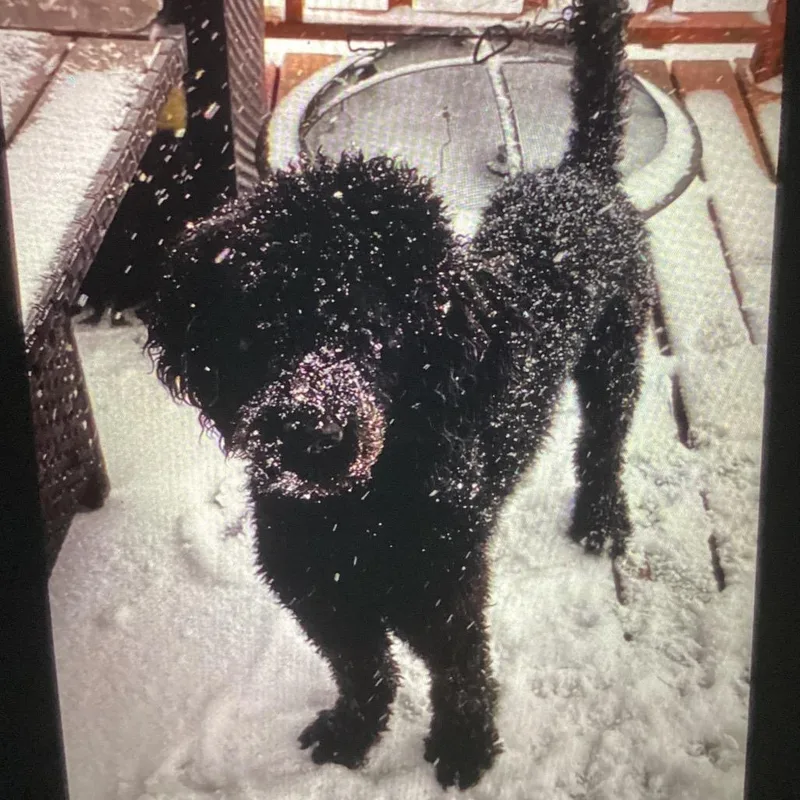
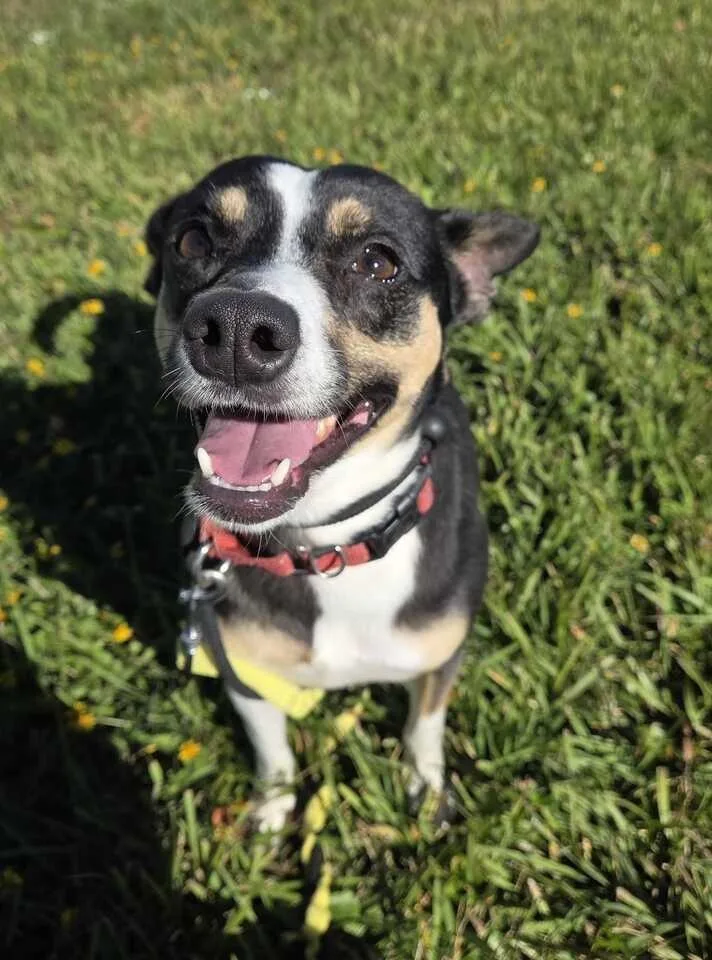
Black Russian Terrier Dogs for Adoption in New Orleans, LA

Your guide to finding and caring for a Black Russian Terrier in NOLA

A Black Russian Terrier does best in NOLA with a fenced yard and a plan for the heat. Pontchartrain Park's suburban-style streets give a dog this size more room than most of the city, and City Park's trails are a short drive away. Black Russians are calm and devoted at home, but their guarding streak calls for steady training. Walks belong in the early morning, since that thick black coat doesn't love a New Orleans afternoon.

2696 dogs similar to Black Russian Terrier available in New Orleans and nationwide

Find your Black Russian Terrier

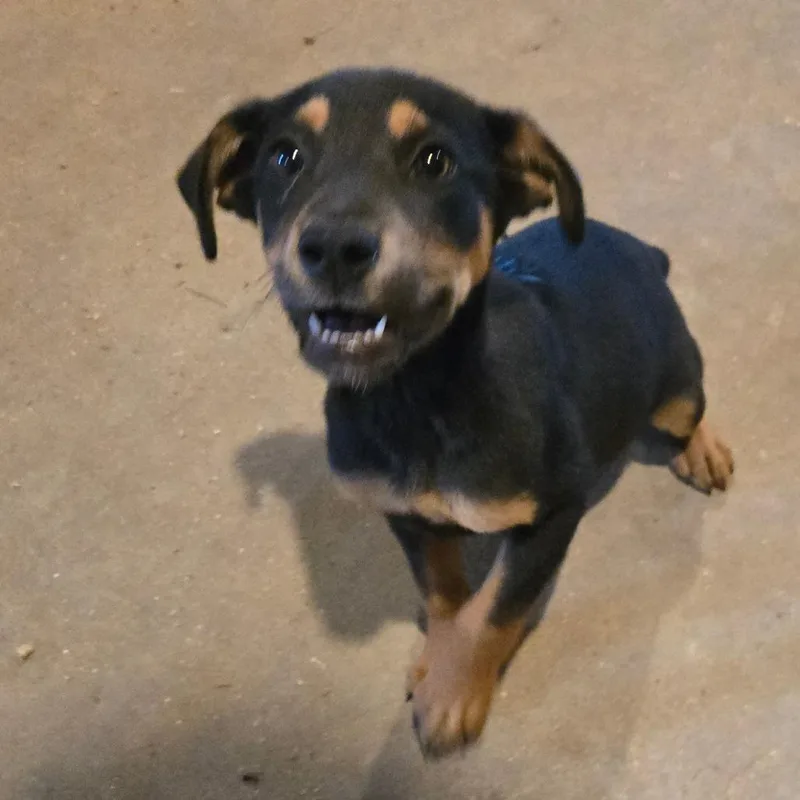
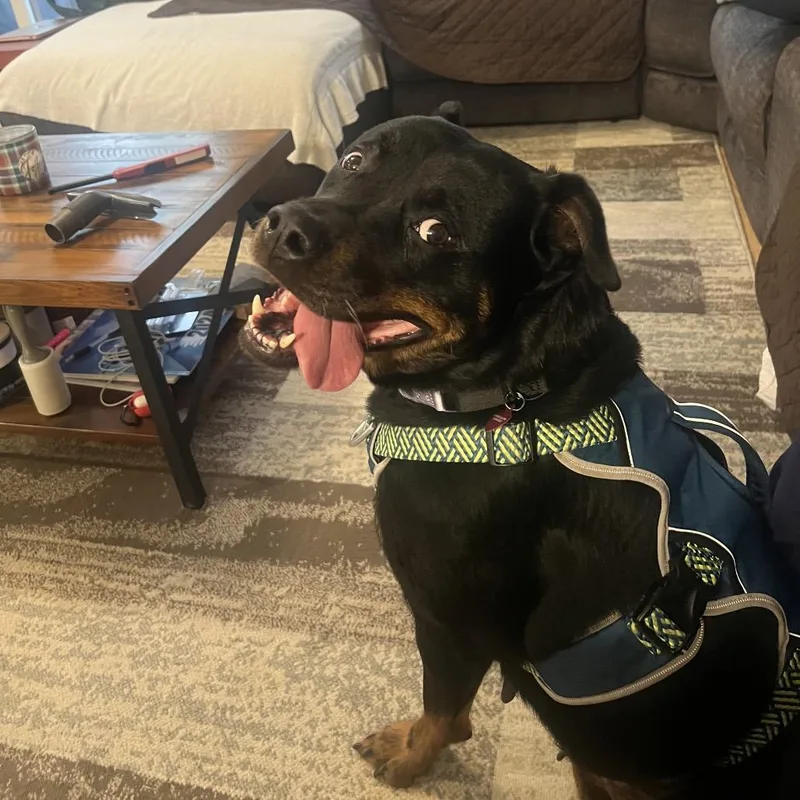
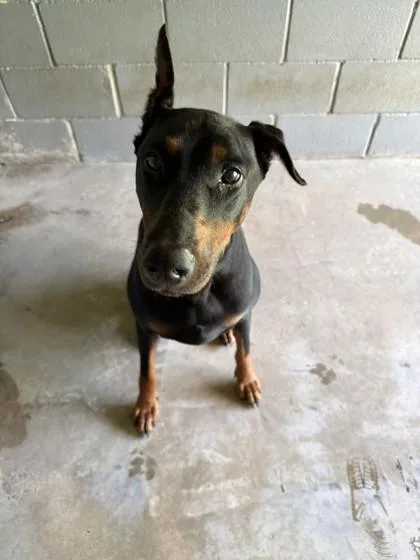
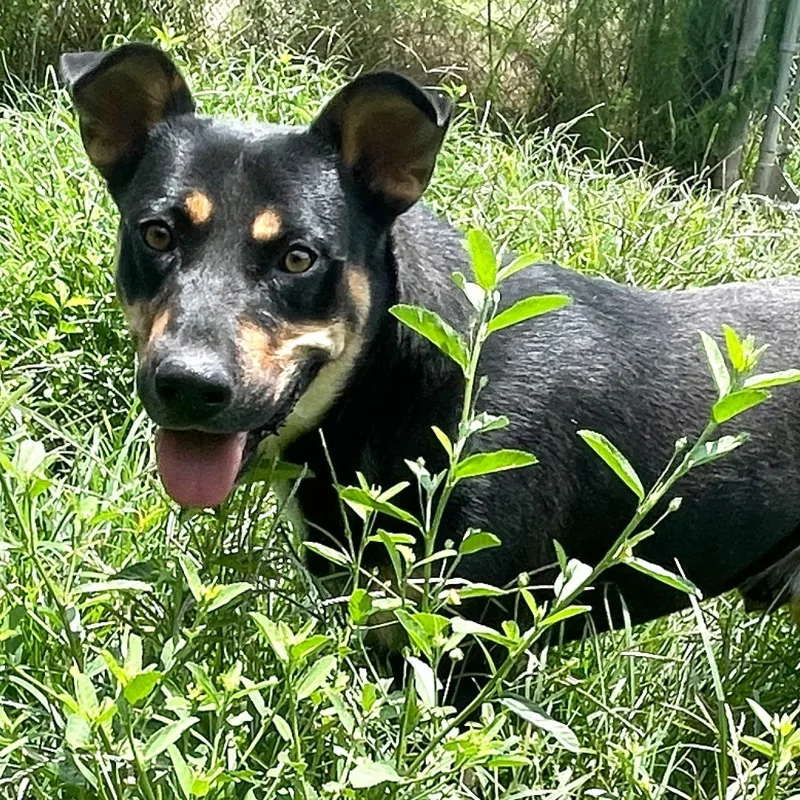
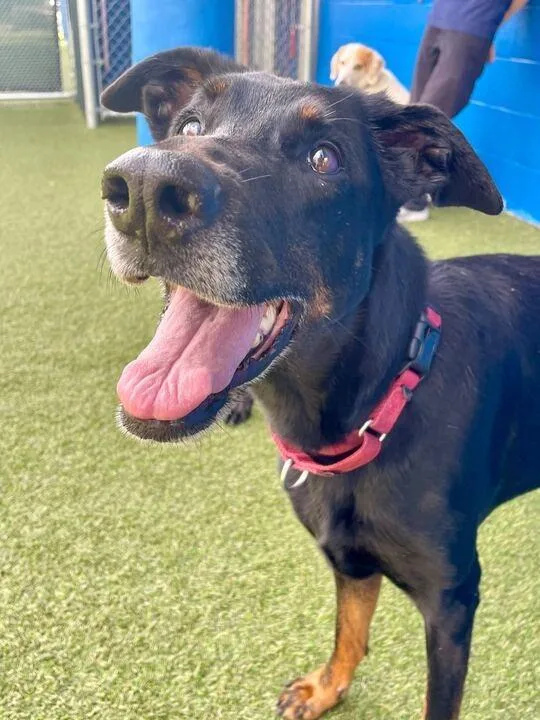
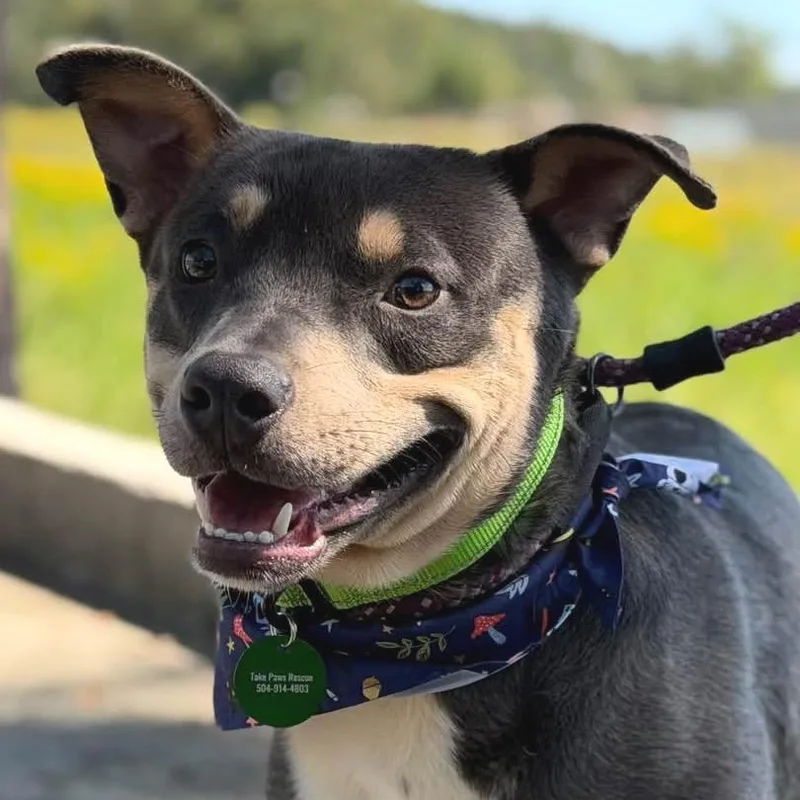
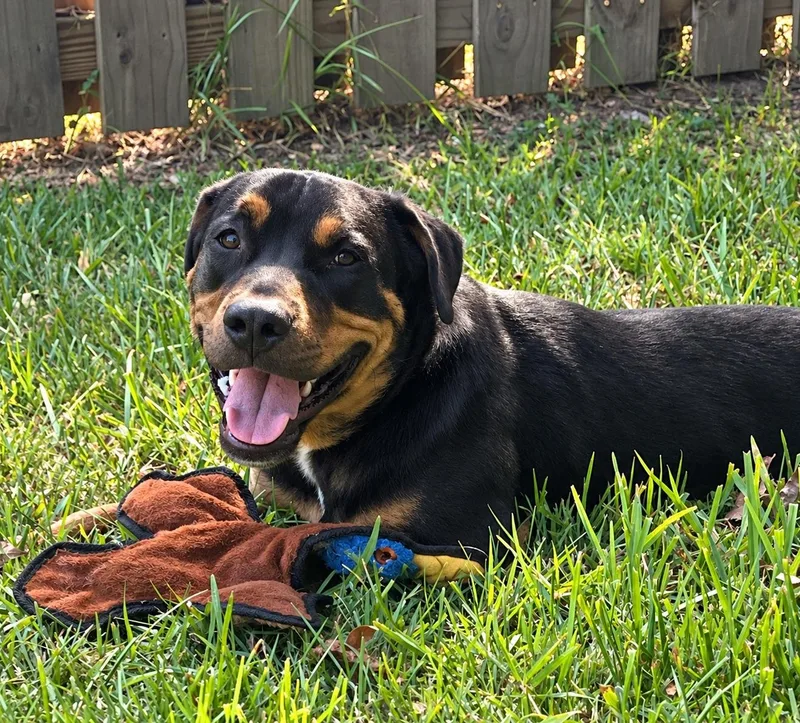
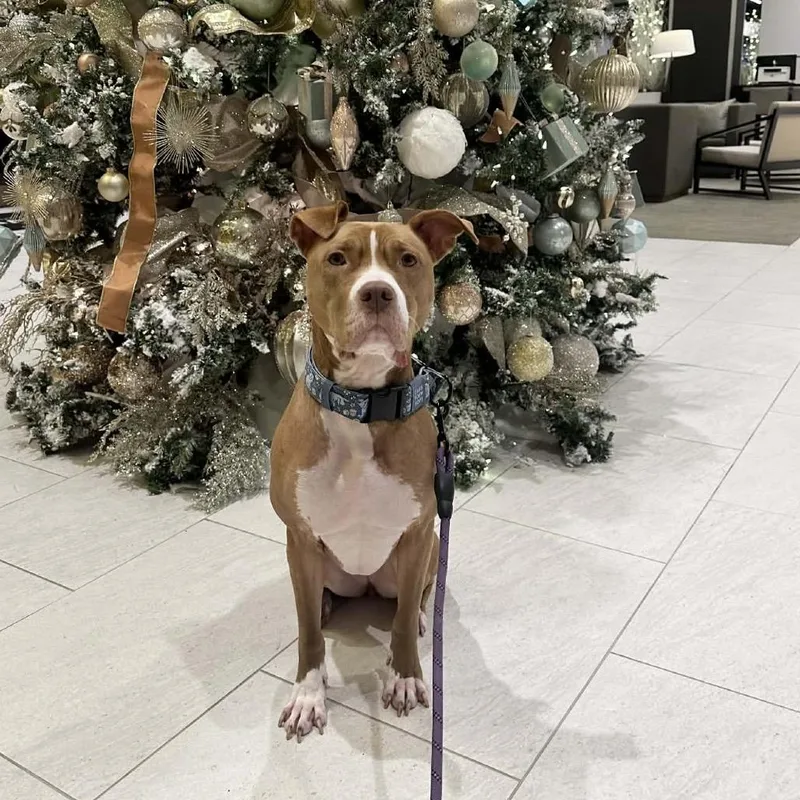
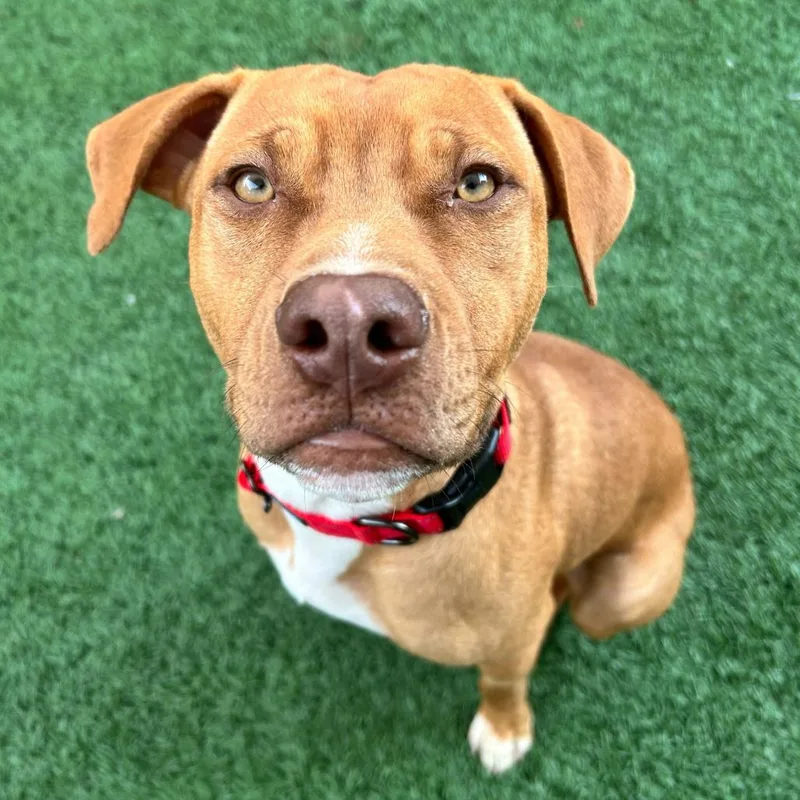
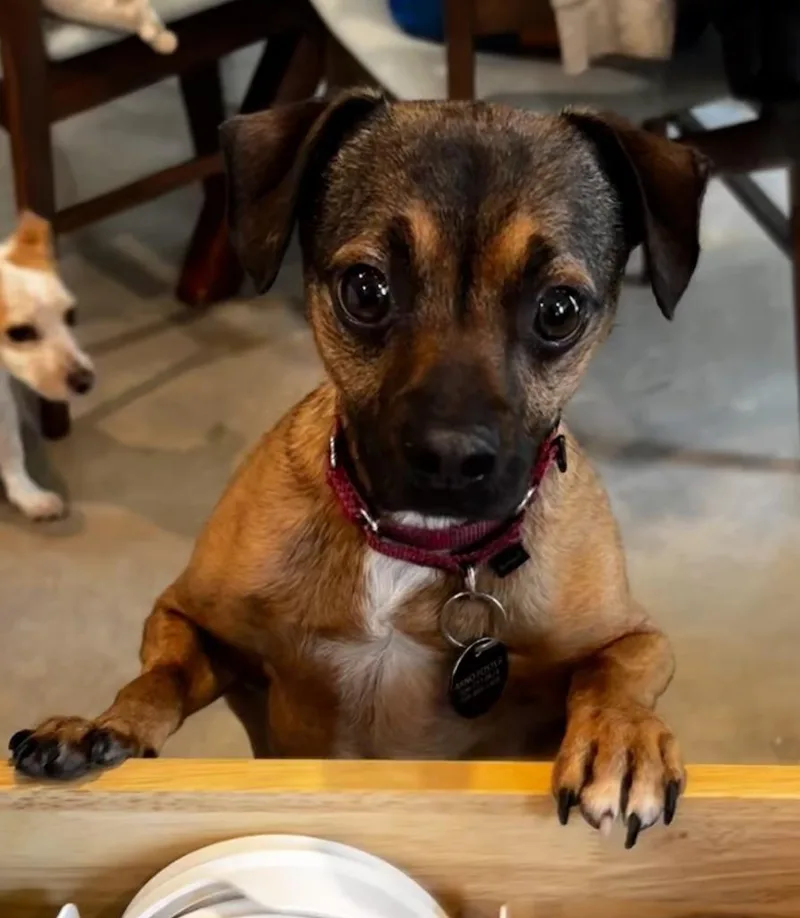
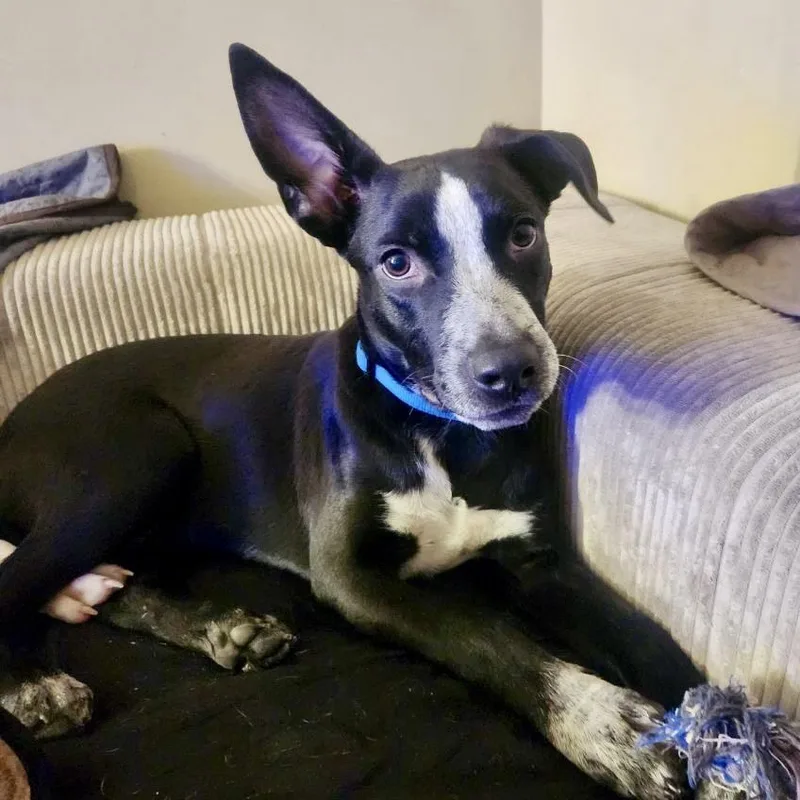
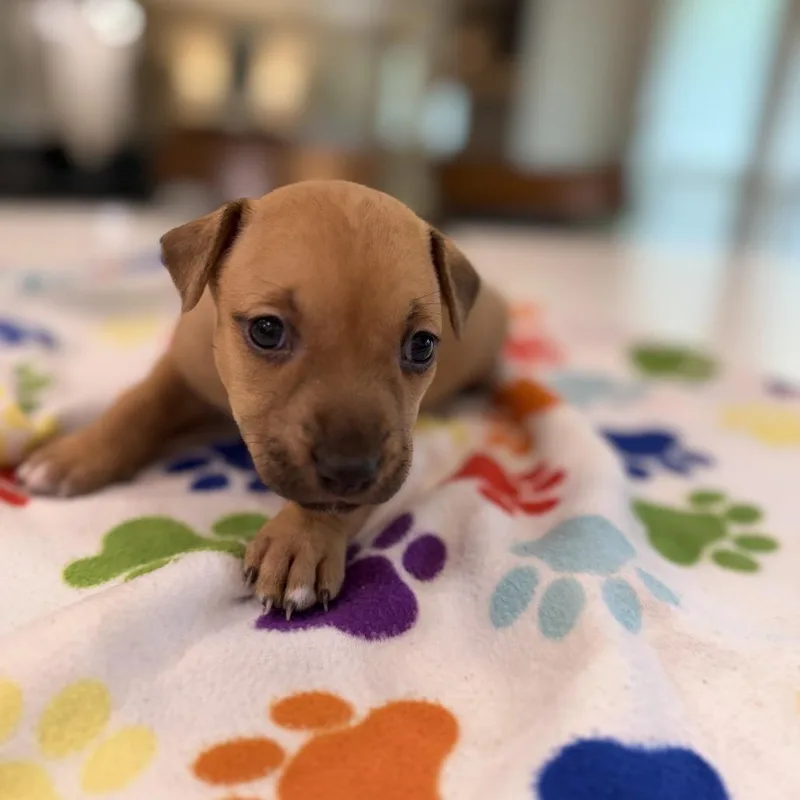
Black Russian Terriers and Similar Breeds Available for Adoption Near New Orleans

About the Black Russian Terrier breed

Despite the name, the Black Russian Terrier isn't a true terrier. It was created in the late 1940s and 1950s for the Soviet Army as a large, hardy working dog, drawing on about 17 breeds including the Giant Schnauzer, Airedale, Rottweiler and Newfoundland. The result is a heavy-boned dog, usually 80 to 130 pounds, with a wavy black double coat, a bearded muzzle and eyebrows that fall over the eyes.

Many Black Russians are calm, confident and loyal to their families while staying aloof with strangers. They're intelligent and generally take well to training, but their size and protective instincts suit an experienced, consistent handler. The low-shedding coat still needs regular brushing and professional trims, and in humid New Orleans the beard stays damp and needs drying after drinks and wet walks.

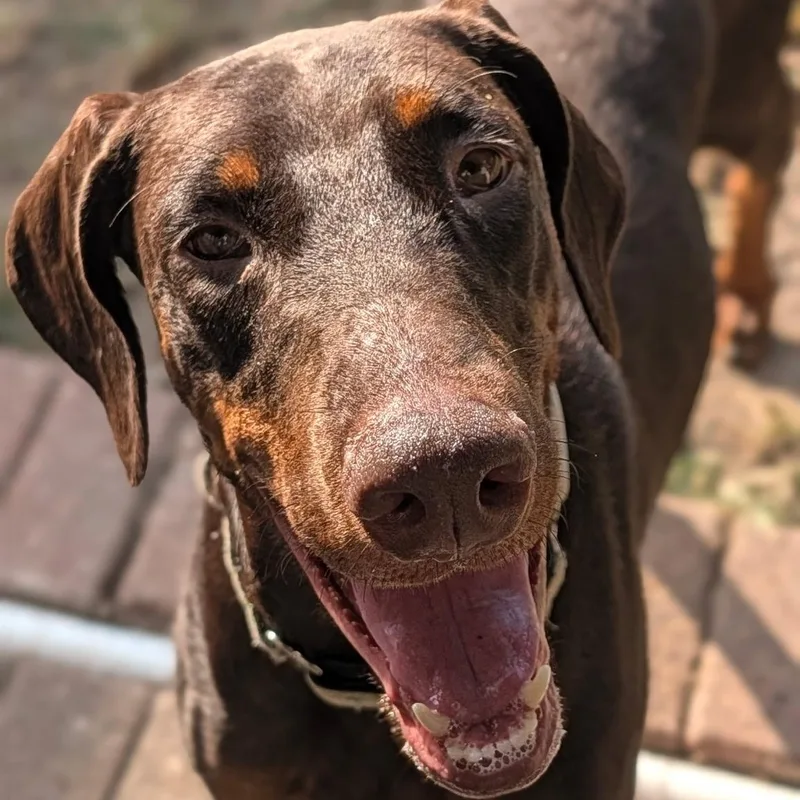
Weight
80–130 lbs
Height
26–30 in
Lifespan
10–12 yrs
Temperament
Confident, Protective, Loyal
Group
Working
Shedding
Low

Owning a Black Russian Terrier in New Orleans

Having a Black Russian Terrier in NOLA

A Black Russian Terrier pairs a guardian's watchfulness with a steady, family-centered nature. In New Orleans, heat, humidity and a coat that needs real upkeep matter as much as size and training, so weigh your time and experience alongside your space.

Temperament

Black Russians tend to be calm, self-assured and devoted to their own people, and many are reserved with strangers. Dogs vary, and a rescue dog's history matters more than breed reputation. In NOLA, practice calm greetings on busy sidewalks and around parade-season noise, using reward-based training from the start.

Exercise Needs

Most need two good walks a day plus play, and they enjoy a job such as obedience or tracking. In NOLA, long walks fit early mornings on City Park's trails or the Audubon Park loop, with gentler play once evening cools. Skip hard exercise around mealtimes because of bloat risk.

Health Considerations

Black Russians can face hip and elbow dysplasia, progressive retinal atrophy, bladder stones from hyperuricosuria and juvenile laryngeal paralysis, plus bloat as a deep-chested giant. Have a veterinarian check the joints and keep the dog lean. In NOLA, year-round heartworm prevention matters, and heat stress is a real risk for a thick black coat.

Living Space

A fenced yard suits a Black Russian best, but many New Orleans yards are small or shared, so make sure fencing is secure and tall enough. A calm adult can manage a rental with reliable daily exercise. This giant takes up floor space and needs indoor air conditioning with the family.

What it costs to own a Black Russian Terrier in New Orleans

ExpenseTypical costPer year
Food$80 to $160 per month$960 to $1,920
Pet insurance$85 to $170 per month$1,020 to $2,040
Routine vet care$250 to $500 per year$250 to $500
Other*$1,035 to $2,764 per year$1,035 to $2,764
Estimated yearly total (after year one)$3,265 to $7,224

Other costs are estimates and vary with size, age and health.

* The $10 New Orleans license for a spayed or neutered dog, professional trims every 6–8 weeks, a dental cleaning allowance, year-round flea, tick and heartworm prevention, joint supplements, toys and bedding.

Adopt a Black Russian Terrier in New Orleans.

Now that you know more, let’s find you a new best friend. These rescues and shelters below have dogs available in and near New Orleans.

Frequently Asked Questions

Yes. New Orleans has no known breed-specific rules, so a Black Russian Terrier is treated like any other dog. You'll need rabies vaccination, a yearly city license tag from a veterinarian, and either spay/neuter by six months or an intact-dog permit. Rules in neighboring towns and parishes differ, so look them up before you move.

A calm adult Black Russian can live in a New Orleans apartment, but a giant dog and a small unit are a tight fit. Look for ground-floor space, reliable air conditioning and a short route outside, and plan on daily leashed walks. Confirm in writing that the lease allows a dog over 80 pounds before you apply.

Black Russian Terriers can handle a NOLA summer only with careful management. Their thick black coat holds heat, and nights stay in the upper 70s, so even dawn walks are warm. Keep the dog in air conditioning most of the day, walk early or late, test pavement with your hand and carry water. Never leave a dog in a parked car.

Leashed Black Russians are welcome on City Park's 24 miles of trails, Audubon Park's 1.8-mile loop, the Lafitte Greenway and the banks of Bayou St. John. NOLA City Bark in City Park is off-leash but requires a paid permit, spay/neuter and vaccines. Alligators live in lagoons and the bayou, so keep your dog back from the water's edge.

Almost certainly not. The RTA allows pets on buses and streetcars only in a carrier that fits on your lap, which rules out an 80-to-130-pound Black Russian. Service animals are the exception. Plan on a car for vet visits and trips across town, and use walks in your own neighborhood for daily outings.

Brush a few times a week and plan on professional trims about every 6 to 8 weeks; trims are part of the Other cost line. In NOLA's humidity the beard and wavy coat stay damp and can mat, so dry the beard after drinking and brush out tangles after wet walks. Choose a shorter trim in summer rather than a full shave.
Possibly on a patio, but don't count on it. Louisiana has no state law allowing dogs in outdoor dining areas, so it's up to each restaurant, and indoor dining rooms are generally off limits to pet dogs. A giant, protective Black Russian may also be uneasy among crowded tables, so practice calm settling at home first.

Black Russian Terriers can be good family dogs for experienced owners. Many are affectionate, calm and protective with their own families and gentle with children they are raised with. Their size and guarding instincts mean they need training, socialization and supervision around visiting kids. An adult rescue with a known history in a family home can be a strong match.

No, Black Russian Terriers are not truly hypoallergenic, since no dog is free of allergens. Their coat sheds little, so they drop less hair around the house than many breeds, which helps some people with mild allergies. Dander and saliva still cause reactions, so spend time with the specific dog before adopting if anyone has allergies.

Expect roughly $3,300 to $7,200 a year for a Black Russian in NOLA. Food runs $80 to $160 a month, insurance $85 to $170, routine vet care $250 to $500 a year, and other costs such as trims, parasite prevention, dental care and joint supplements $1,035 to $2,764 a year. Adoption fees appear on the listings.