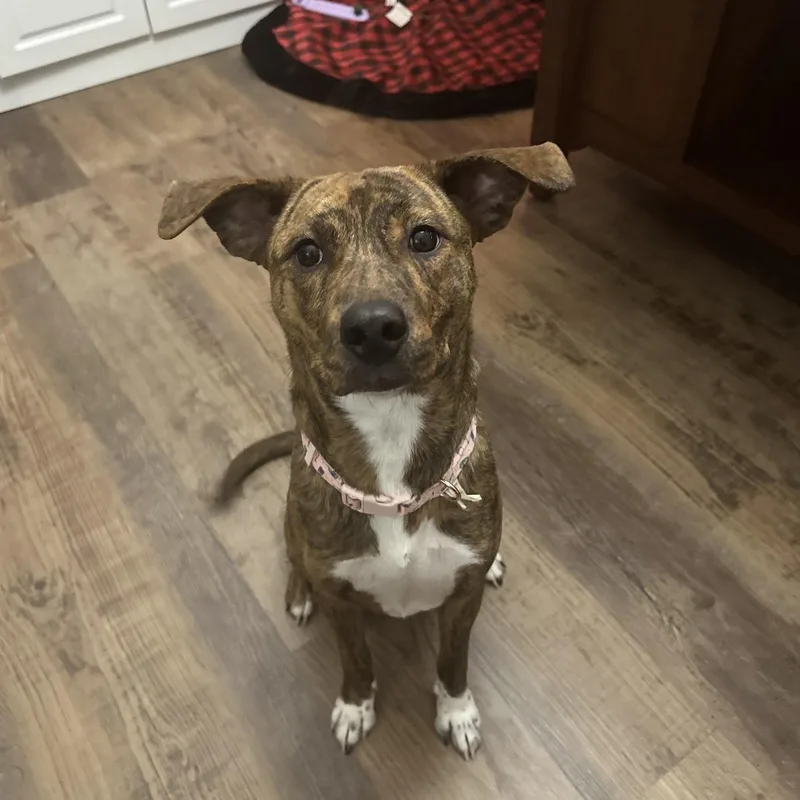
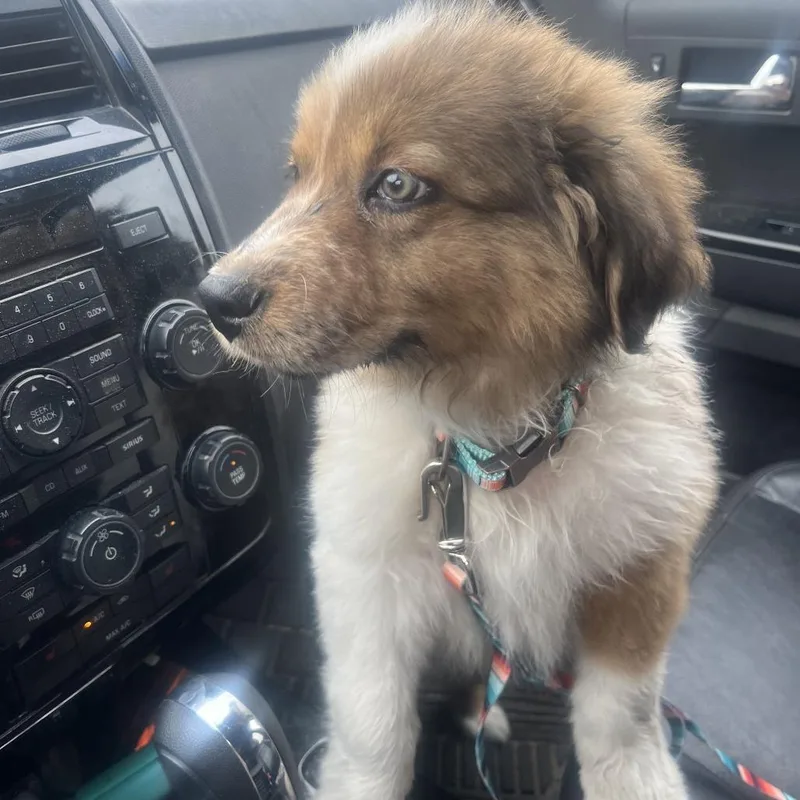
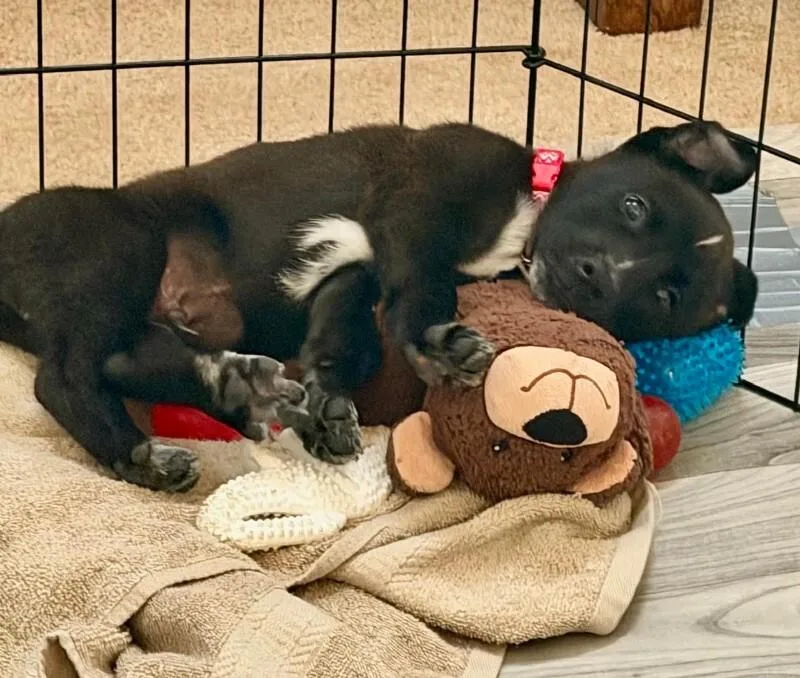
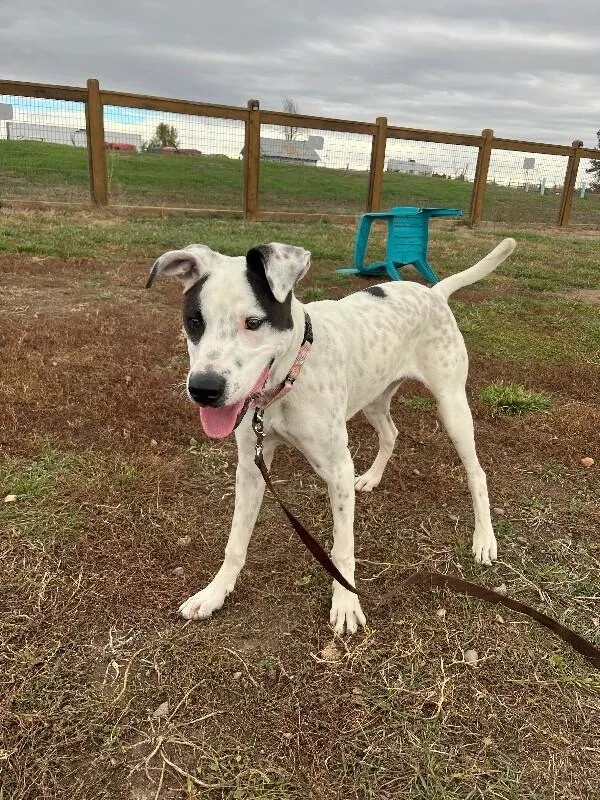
Cattle Dogs for Adoption in Baton Rouge, LA

Your guide to finding and caring for a Cattle Dog in Baton Rouge

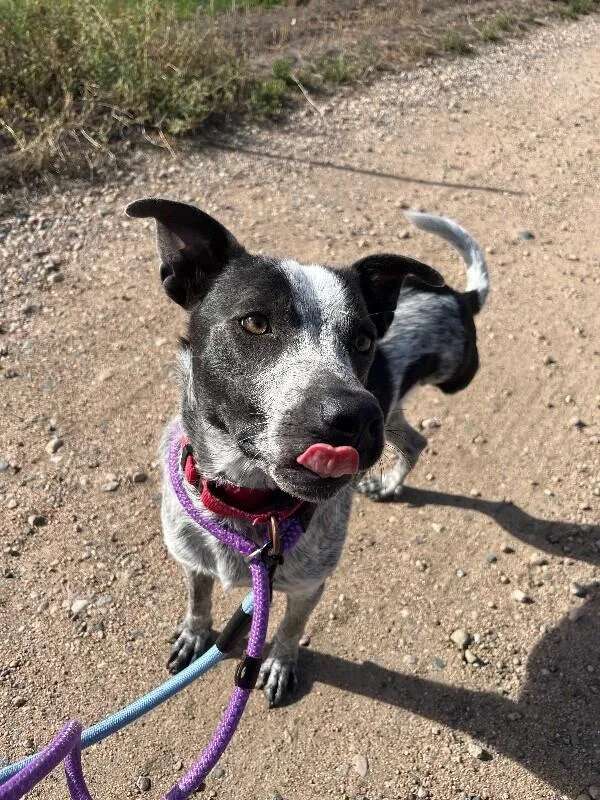
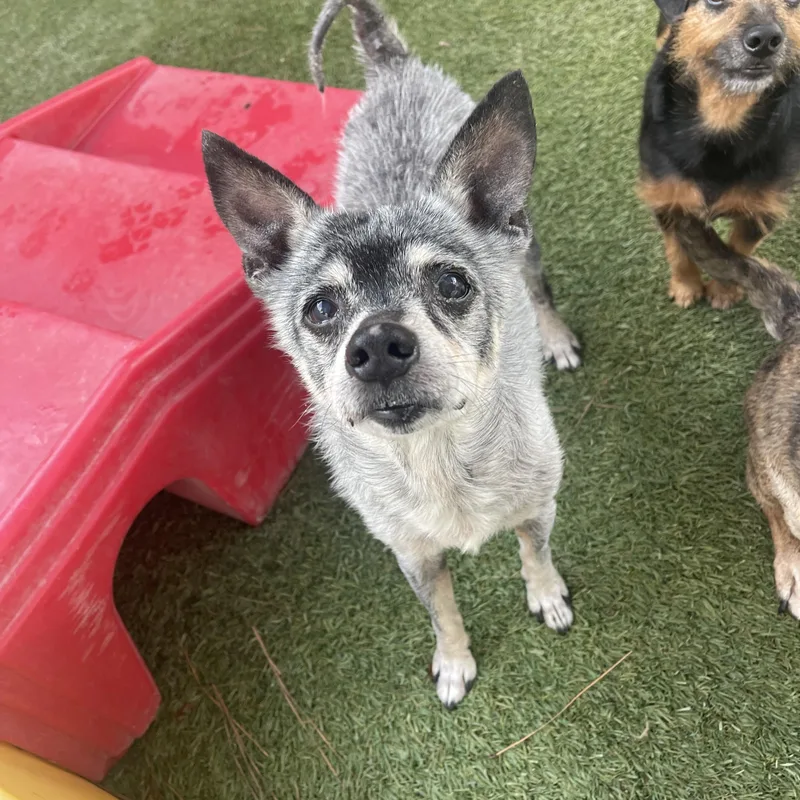
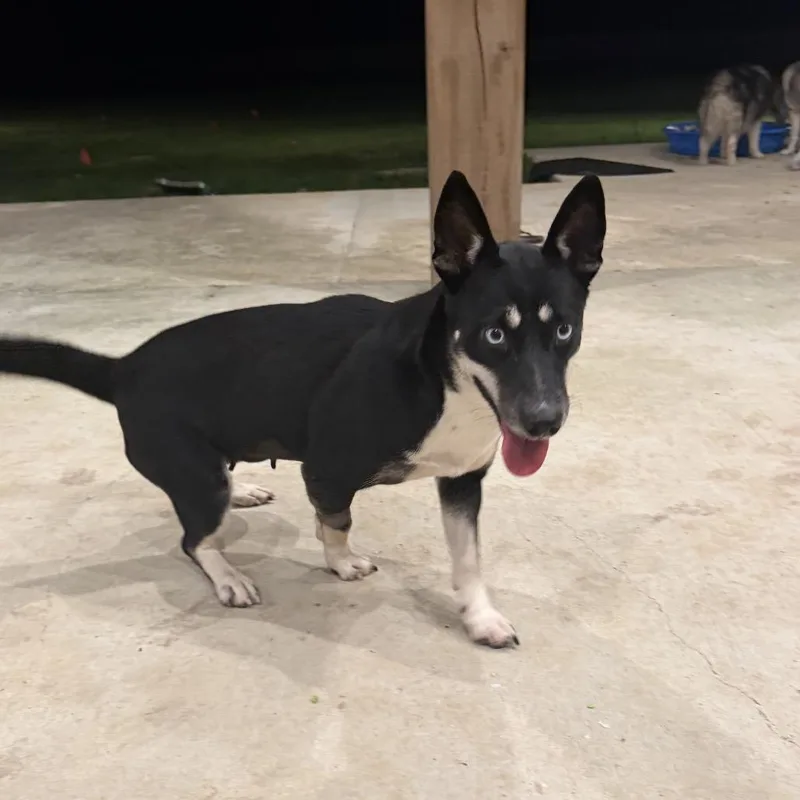
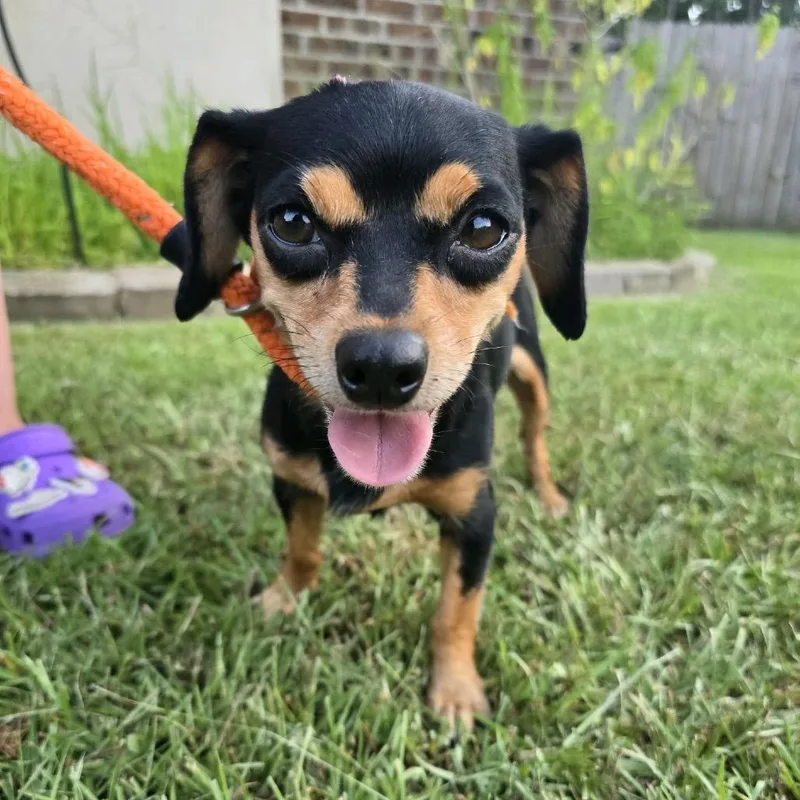
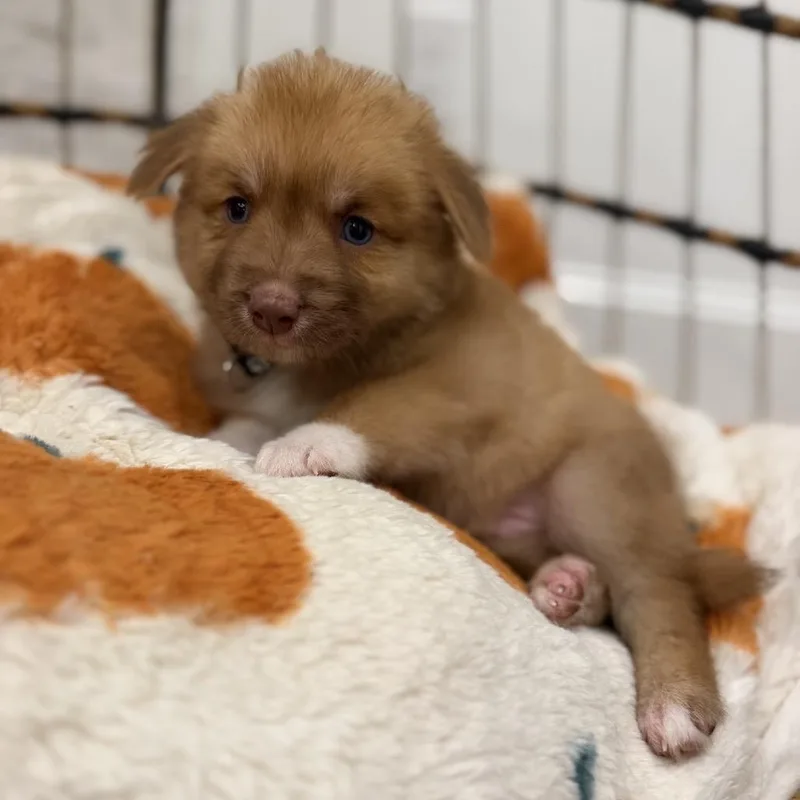
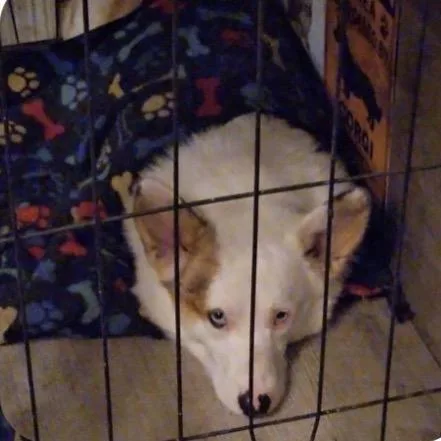
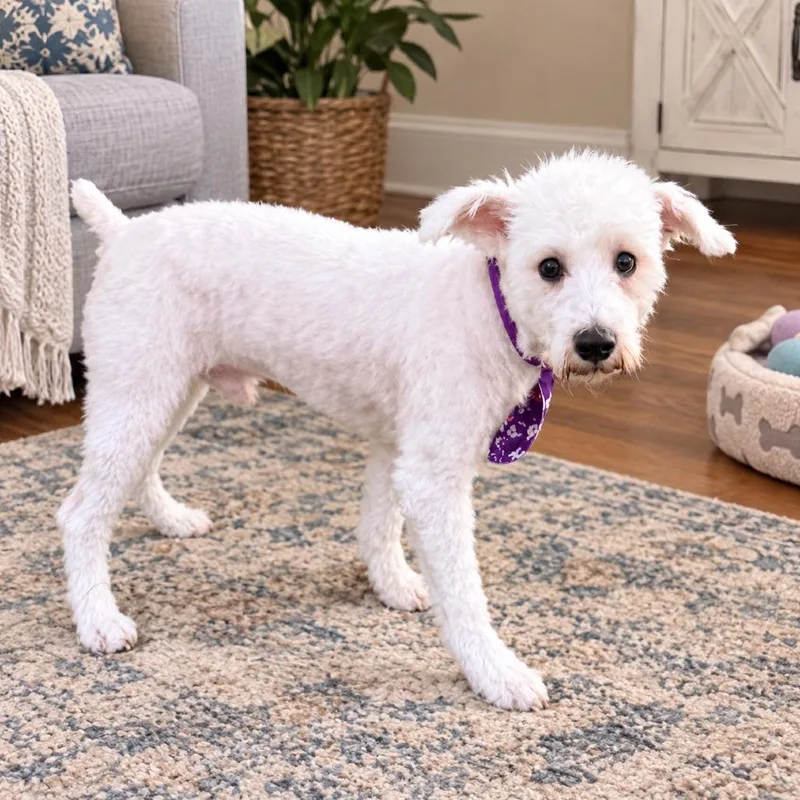
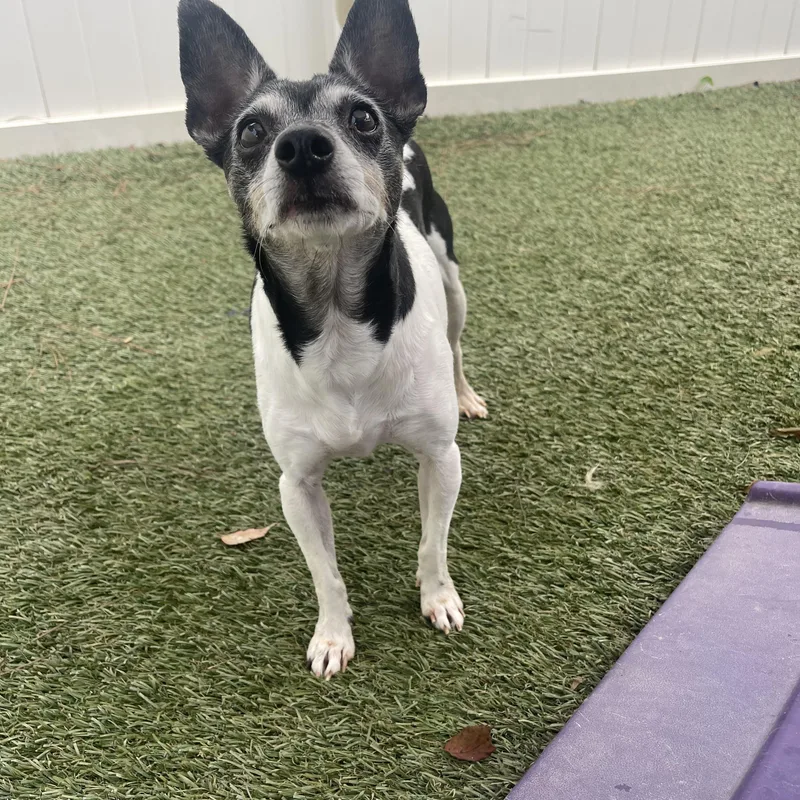
A Cattle Dog does well in Baton Rouge when a real walk or run is part of the daily plan. Around Southdowns and the paths at University Lake, a heeler can log miles at its own pace, and the loop by City Park Lake adds variety. Summer sets the schedule, so the long outings happen at dawn or after sundown. Cattle Dog is a catch-all label, so the dogs you meet here may be Blue or Red Heelers, or mixes in all sizes.

2037 Cattle Dogs available in Baton Rouge and nationwide

Fall for a Cattle Dog

While we don't have enough dogs near Baton Rouge, keep in mind that many rescues may offer transport.

Cattle Dogs Available for Adoption Near Baton Rouge

About the Cattle Dog breed

Cattle Dog is a label more than a single breed. It most often points to an Australian Cattle Dog, the Blue or Red Heeler, or a mix with one, though Texas Heelers and crosses with Border Collies or Labs also turn up. The Australian Cattle Dog was developed in nineteenth-century Australia to drive cattle over long distances by nipping at their heels.

Most are medium-sized, muscular and short-coated, around 30 to 50 pounds, with a double coat that sheds moderately. They're sharp, loyal and often reserved with strangers, and they want a job. In Baton Rouge that job might be a morning run, a fetch session or a trick-training game indoors when the afternoon heat builds. Mixes vary in size, coat and energy, so a dog's own behavior says more than the label.

Weight
30–50 lbs
Height
17–20 in
Lifespan
12–16 yrs
Temperament
Energetic, Loyal, Intelligent, Protective
Group
Herding
Shedding
Moderate

Owning a Cattle Dog in Baton Rouge

Having a Cattle Dog in Baton Rouge

Cattle Dogs usually bring a working heeler's stamina and quick mind, whatever the mix. That suits active adopters and challenges sedentary homes. In Baton Rouge, heat and humidity decide when those energy needs get met.

Temperament

Cattle Dogs tend to be loyal, alert and closest to one person or family, often reserved with strangers. Many nip at running kids, bikes or other pets in an attempt to herd them, and some guard the house. Early socialization and steady training help, and mixes vary, so watch how each dog reacts to kids, dogs and cats.

Exercise Needs

Plan on an hour or more of vigorous activity a day for a grown dog, plus mental work like puzzle toys, scent games and training. In Baton Rouge, schedule it around the heat: early morning or after dark in summer. BREC's off-leash dog parks, such as City-Brooks near City Park Lake, are open sunrise to sunset.

Health Considerations

Heelers and their mixes are often hardy, but congenital deafness, progressive retinal atrophy, lens luxation and hip or elbow problems occur, and their fearless style can lead to cruciate tears. A veterinarian can check hearing and eyes. Year-round heartworm prevention matters in Baton Rouge's warm, wet climate, and a lean dog is easier on its joints.

Living Space

A securely fenced yard suits most Cattle Dogs, though active renters can manage with dependable daily exercise and mental work. Space matters less than routine. Bored heelers can turn into escape artists, so check fences and gates, and expect a dog that wants to be indoors with you, especially in the hot, humid months.

What it costs to own a Cattle Dog in Baton Rouge

ExpenseTypical costPer year
Adoption fee$350, one time$350 in year one
Food$35 to $70 per month$420 to $840
Pet insurance$45 to $85 per month$540 to $1,020
Routine vet care$225 to $450 per year$225 to $450
Other*$435 to $1,170 per year$435 to $1,170
Estimated yearly total (after year one)$1,620 to $3,480
First-year total (with adoption fee)$1,970 to $3,830

Adoption fee is the fee on Cattle Dog listings in Baton Rouge on GetBuddy today. Other costs are estimates and vary with size, age and health.

* The $10 or $20 Baton Rouge dog license, flea, tick and heartworm prevention, a dental cleaning allowance, durable toys and bedding, and light home grooming.

Adopt a Cattle Dog in Baton Rouge.

Now that you know more, let’s find you a new best friend. These rescues and shelters below currently have Cattle Dogs available.

Frequently Asked Questions

Yes, with planning. Cattle Dogs are tough and fairly heat-adapted, but Baton Rouge's humidity makes midday outings risky. Stick to dawn and after-dark walks, carry water, and use indoor puzzle games when it's hot. Because hurricanes can knock out power for days, have a cooling plan if the air conditioning fails. Heavy panting or vomiting means cooling the dog and seeing a vet.

Yes. Baton Rouge has no breed-specific rules, and dangerous-dog classification depends on a dog's behavior, not its breed. You'll need rabies vaccination from three months with the tag on the collar, a yearly license through your vet ($10 altered, $20 unaltered), and a leash no longer than 6 feet or a fenced yard. Rules in other Louisiana towns can differ, so check before moving.

It's a good fit for active people who are home a fair amount and enjoy training. Lakeside paths and dog parks give a heeler outlets, but the long hot summer shifts exercise to dawn, dusk and indoor games. Less active households may find a heeler's drive hard, and some Cattle Dogs herd kids or pets, so each dog's temperament matters.

City-Brooks Community Park, by City Park Lake near LSU, is a BREC off-leash dog park inside the city, and BREC also runs Burbank and Forest parks. Dog parks run sunrise to sunset and each closes one weekday, so check BREC before heading out. For leashed outings, try the LSU lakes paths or the Mississippi levee path.

Yes, if the exercise is dependable. A Cattle Dog in an apartment needs an hour or more of vigorous activity daily plus puzzle toys or training, and boredom can show up as barking or chewing that strains neighbors. Read the lease for pet deposits, pet rent and size limits, and plan indoor games for hot afternoons.

Only in a carrier, unless the dog is a trained service animal. CATS runs buses only, with no rail, and its rules say non-service animals must be in carriers and can't take a seat or block space. A Cattle Dog usually weighs 30 to 50 pounds, too big for most carriers, so plan on walking or driving.

Very little. A short double coat needs brushing about weekly, more often during heavier seasonal shedding, plus baths when dirty and regular nail trims. In Baton Rouge's humidity, dry the coat and ears after rainy walks and check for ticks. Most owners groom at home, so grooming adds little to yearly costs.

Possibly on a patio, but it's up to each restaurant. Louisiana has no state law allowing dogs in outdoor dining areas, so a venue has to choose to welcome them, and indoor dining rooms generally don't allow pet dogs. Bring water, a mat and a short leash, and expect a reserved Cattle Dog to need practice settling around strangers.

We have 1 rescue with Cattle Dogs available: K9 Rouge Rescue. You can see every rescue with Cattle Dogs available in the list above these questions, or scroll to the top to see the Cattle Dogs near Baton Rouge.

Expect roughly $1,600 to $3,500 a year for a Cattle Dog in Baton Rouge. That covers food at $35 to $70 a month, insurance at $45 to $85 a month, $225 to $450 for routine vet care, and $435 to $1,170 in other costs. Emergencies, boarding and training classes are extra.