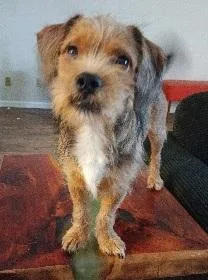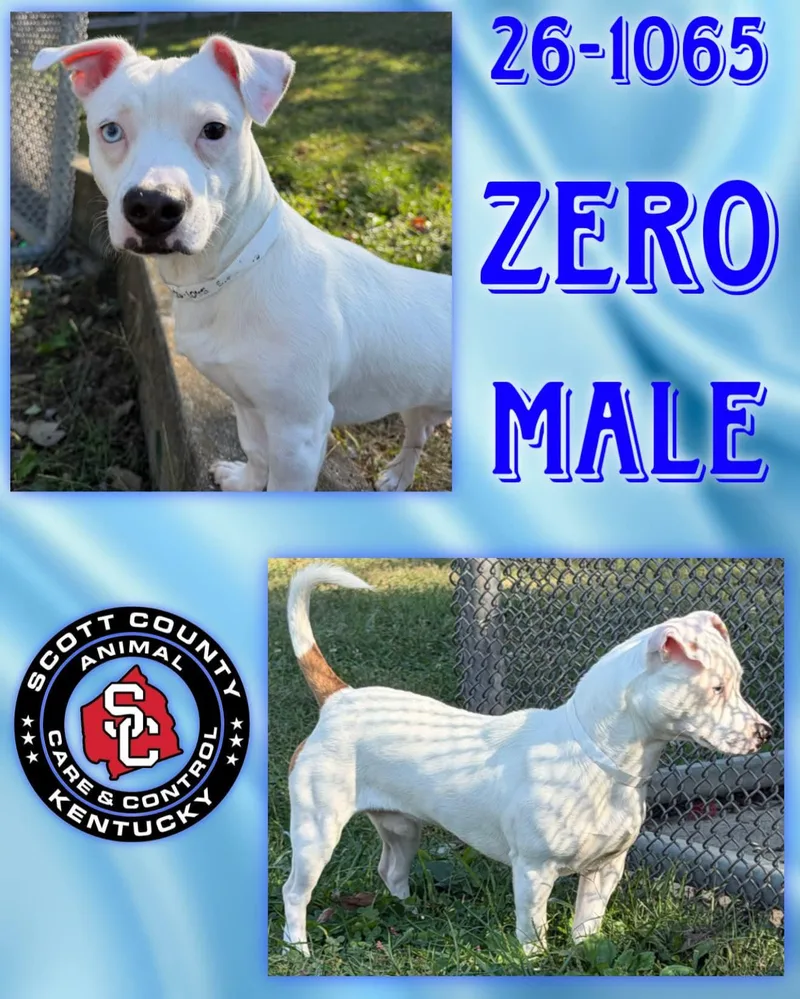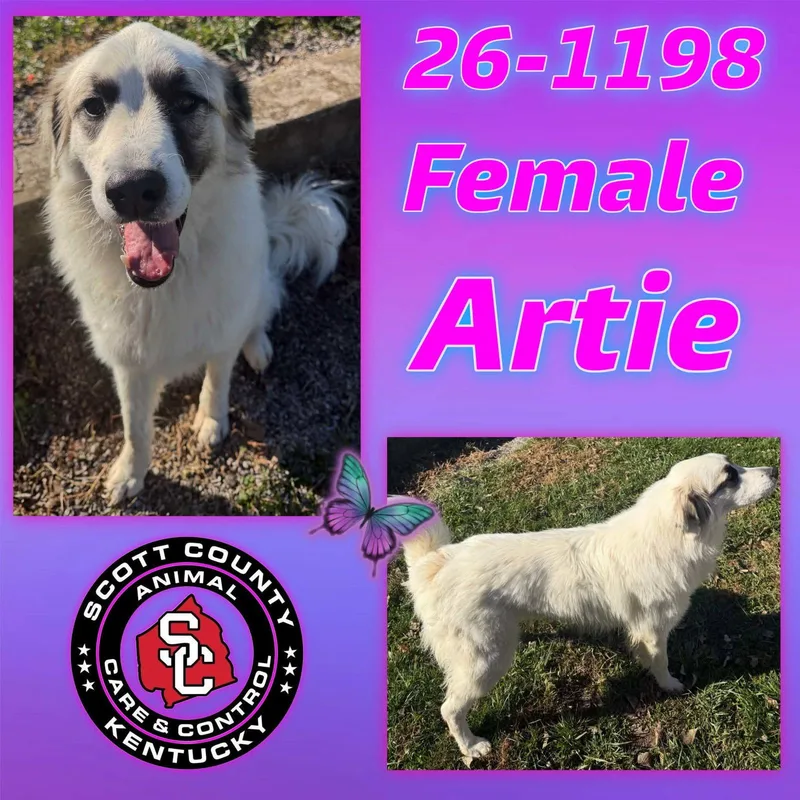
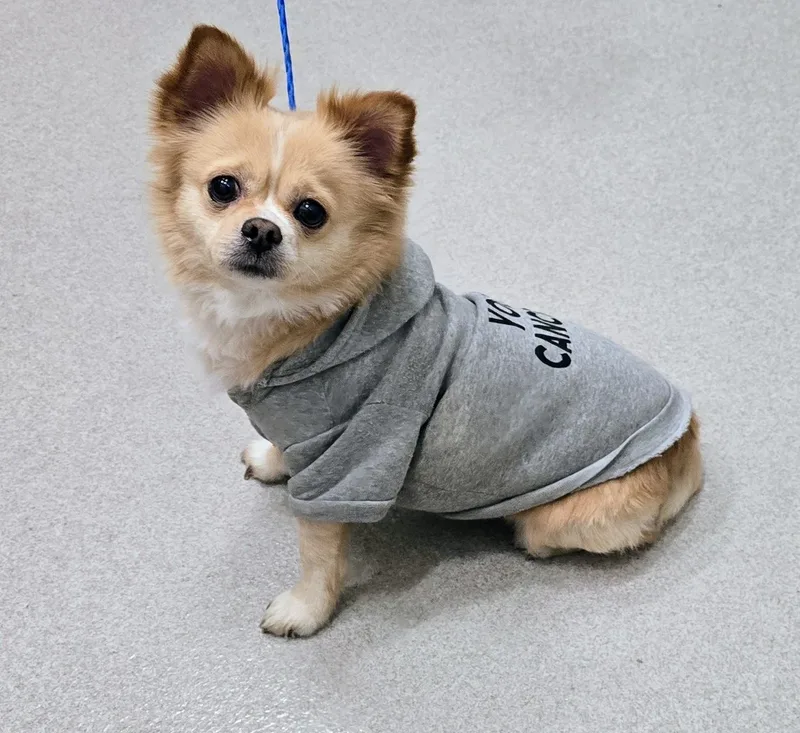
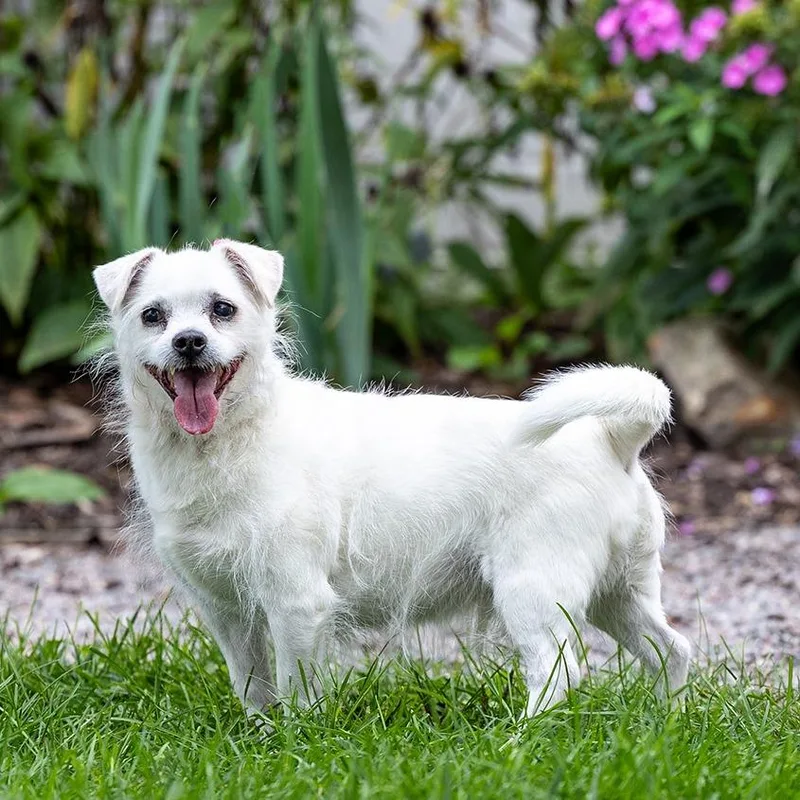
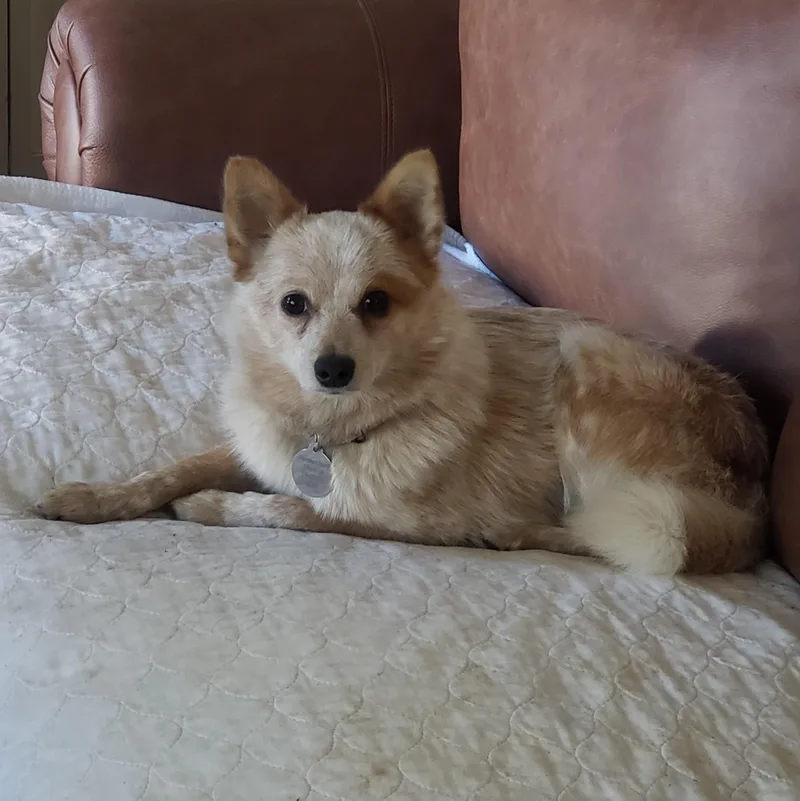
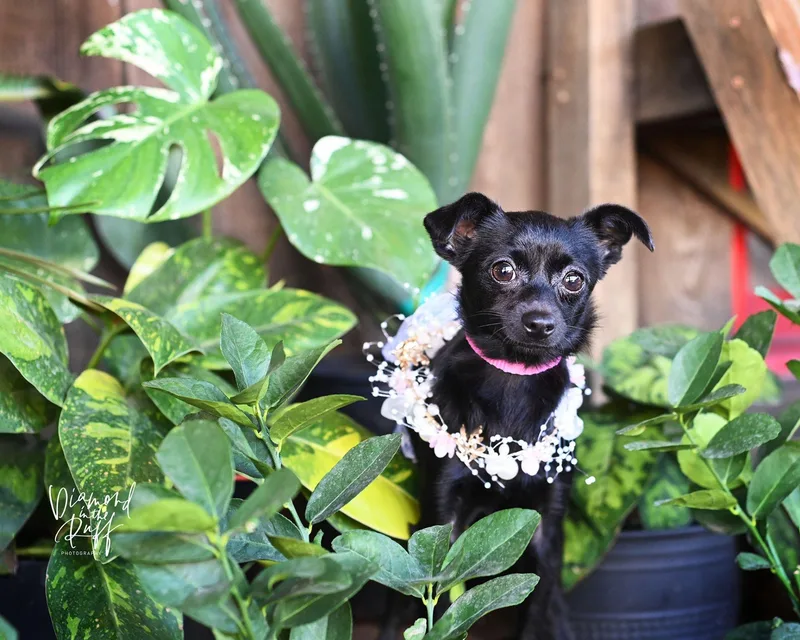
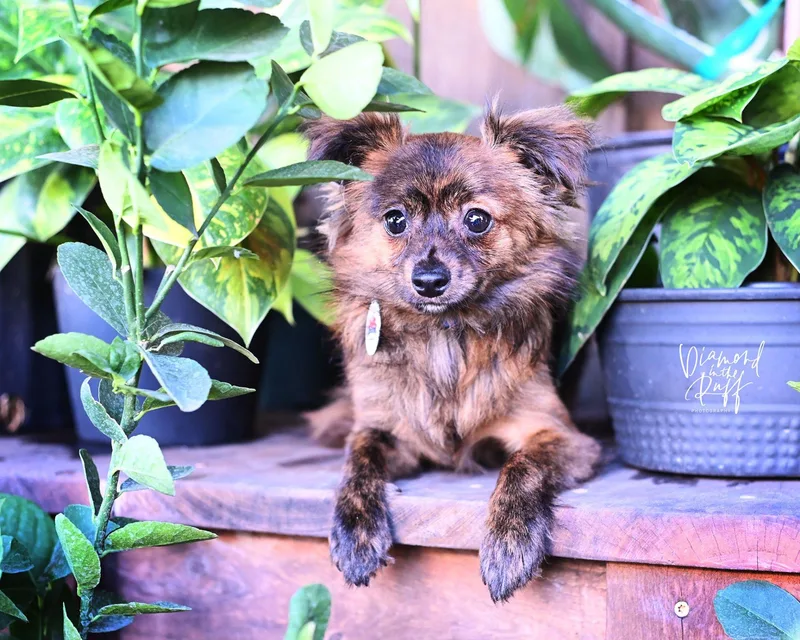
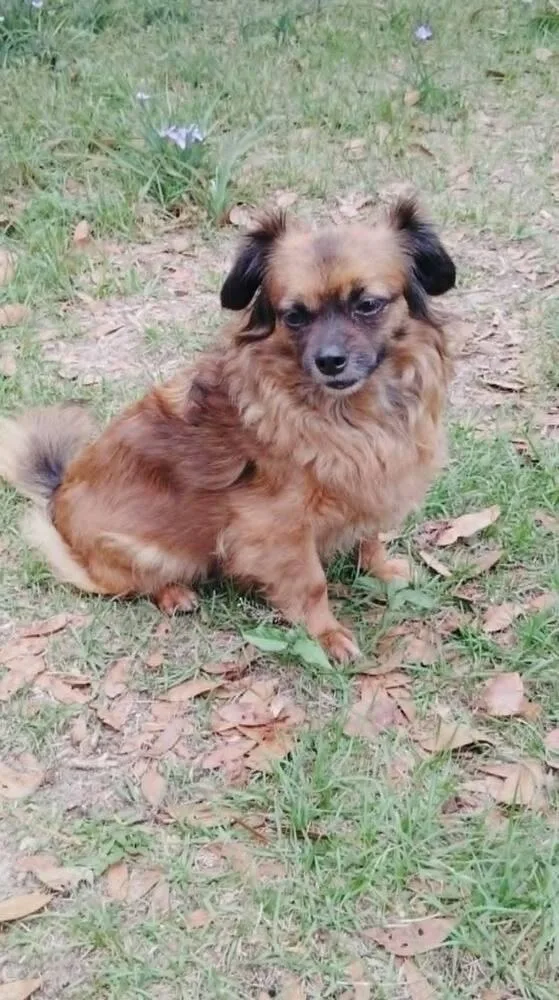
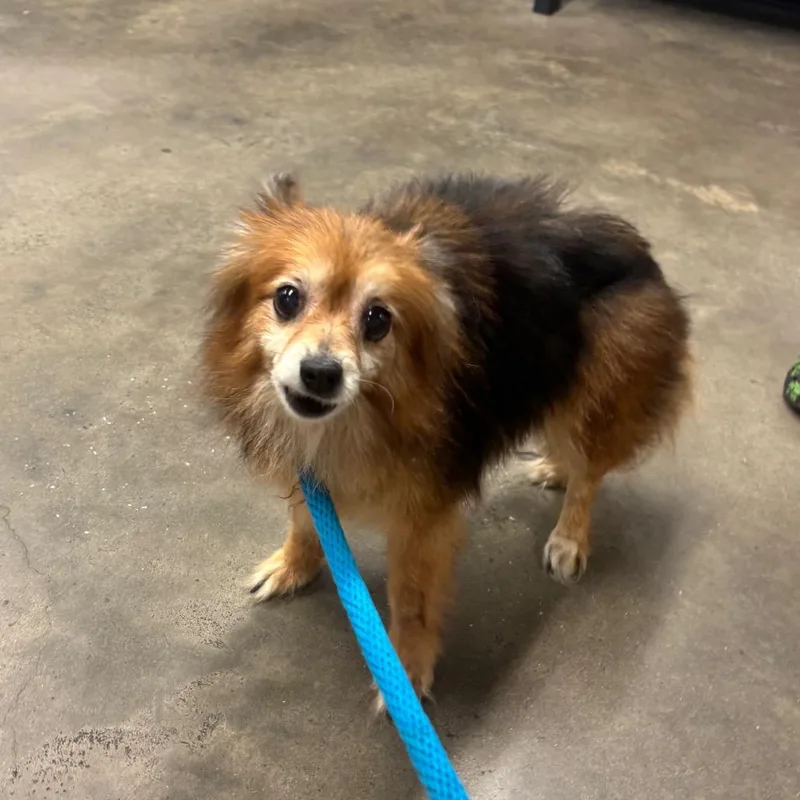

Pomeranian dog

Pomeranian Dogs for Adoption in Georgetown, KY

Your guide to finding and caring for a Pomeranian in Georgetown

A Pomeranian suits Georgetown's older, sidewalked streets better than you'd guess for a dog this bold. The East Main Street Residential District and the blocks around downtown are easy to cover on short leashed walks, which is about all a Pom needs. Evenings can end at the small-dog field at Great Crossing Park, where a 5-pound dog doesn't have to compete with the big ones. They're loud, though, so expect commentary on every passing neighbor.

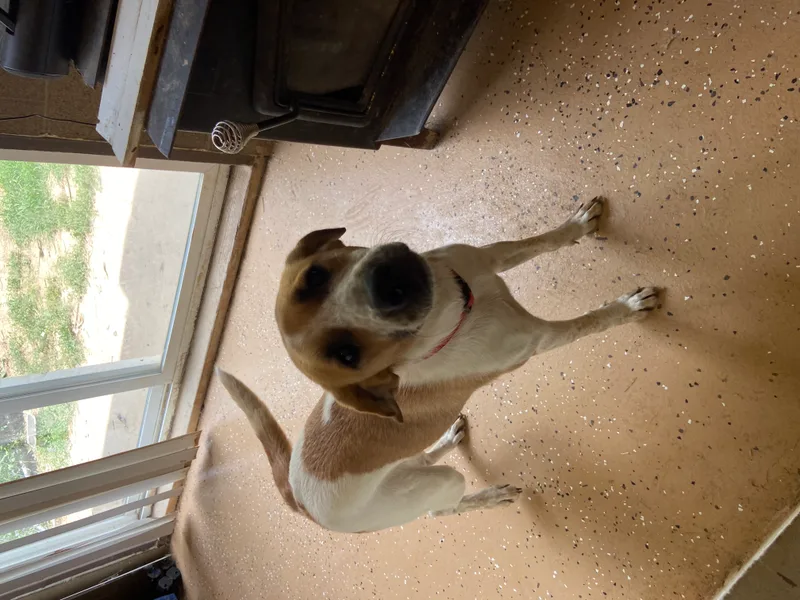
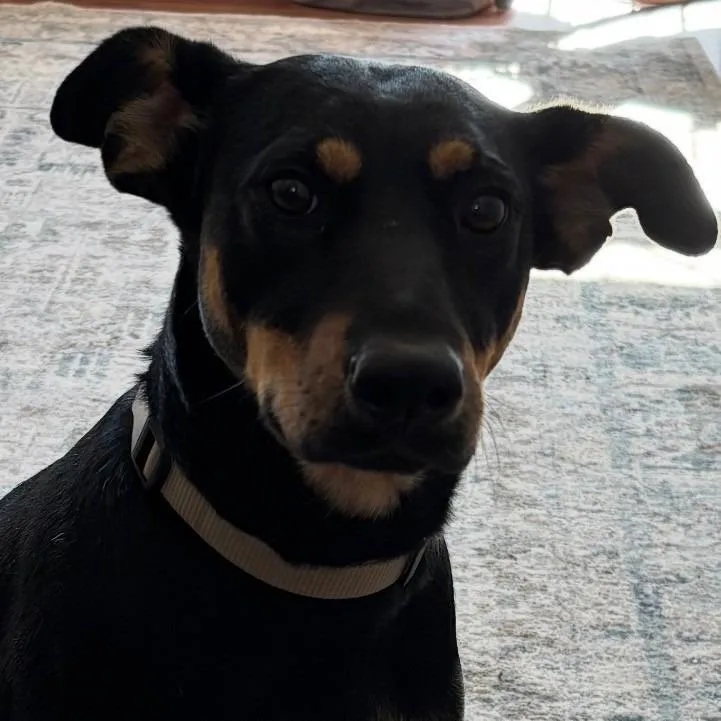
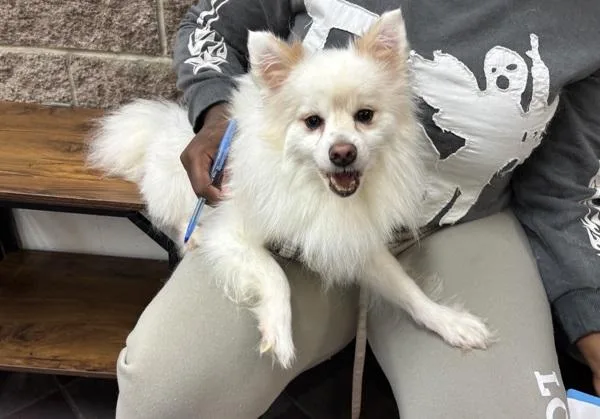
620 Pomeranians available in Georgetown and nationwide

Bring home a Pomeranian

While we don't have enough dogs near Georgetown, keep in mind that many rescues may offer transport.

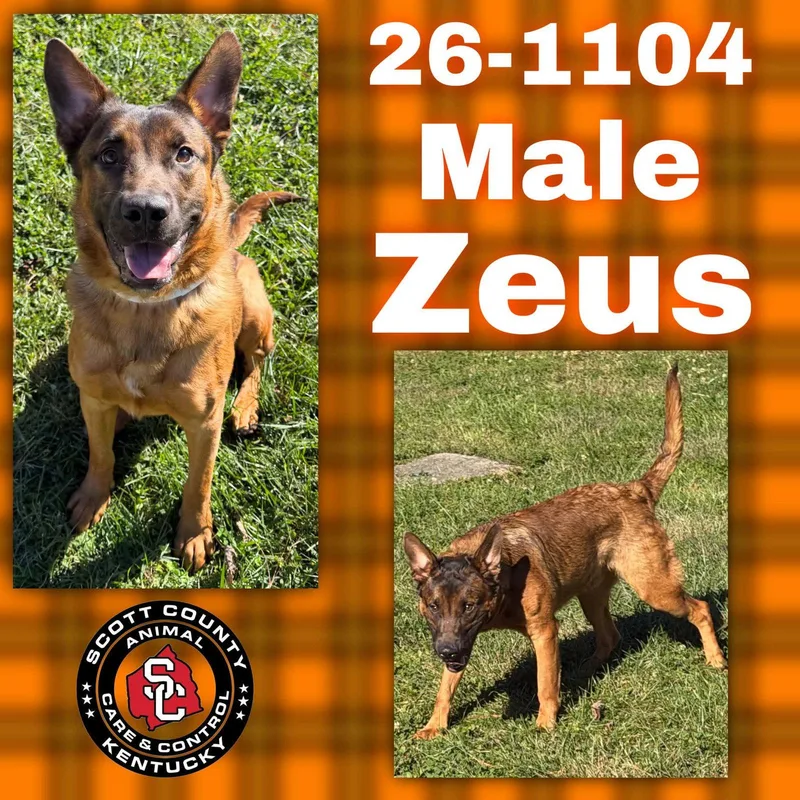
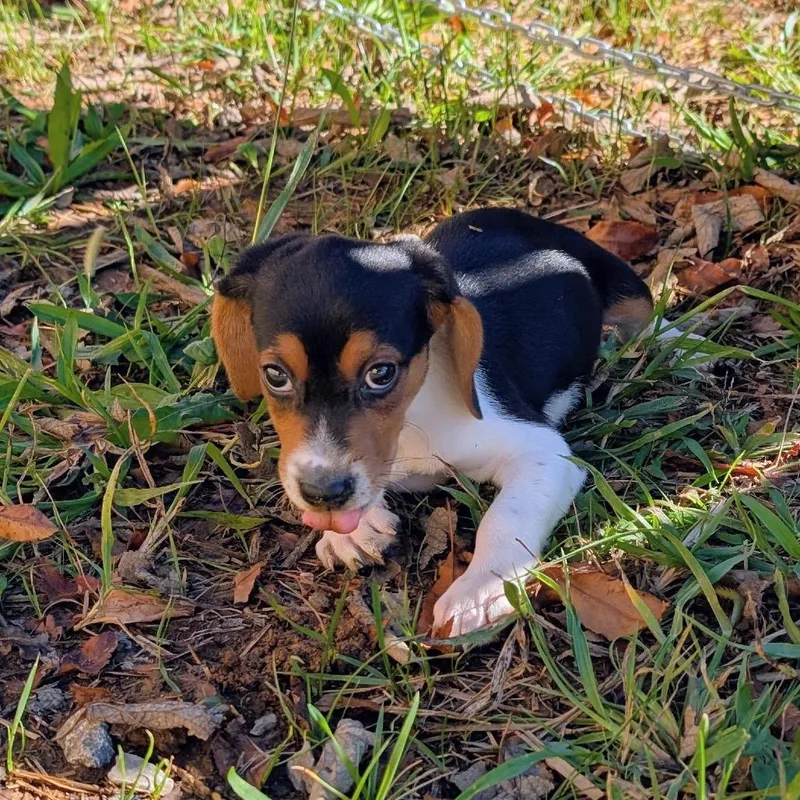
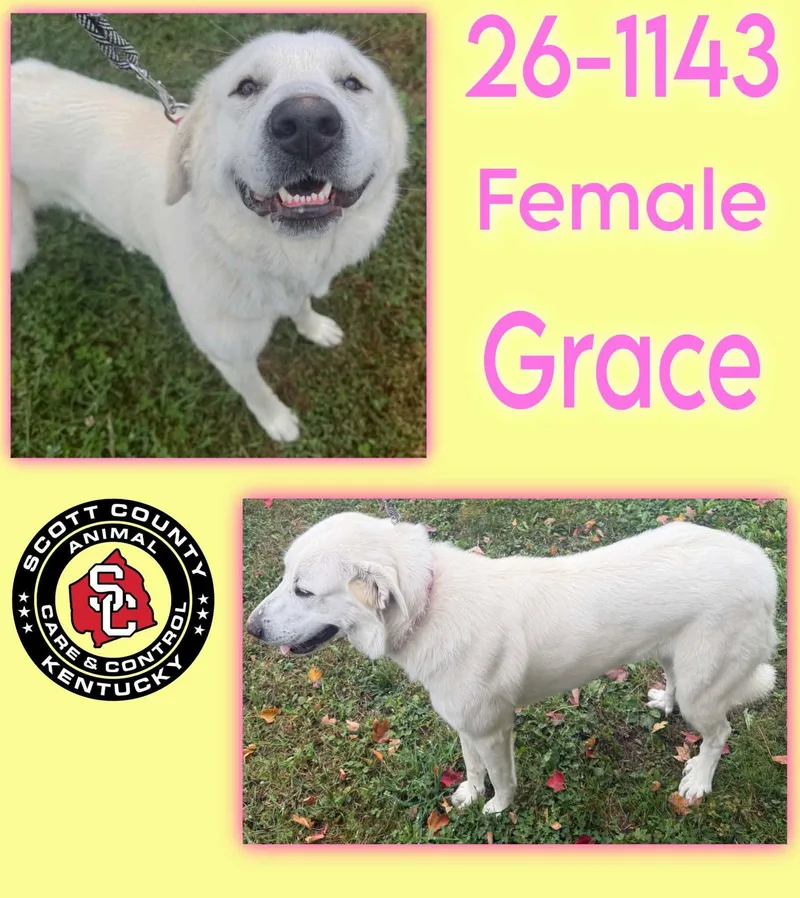
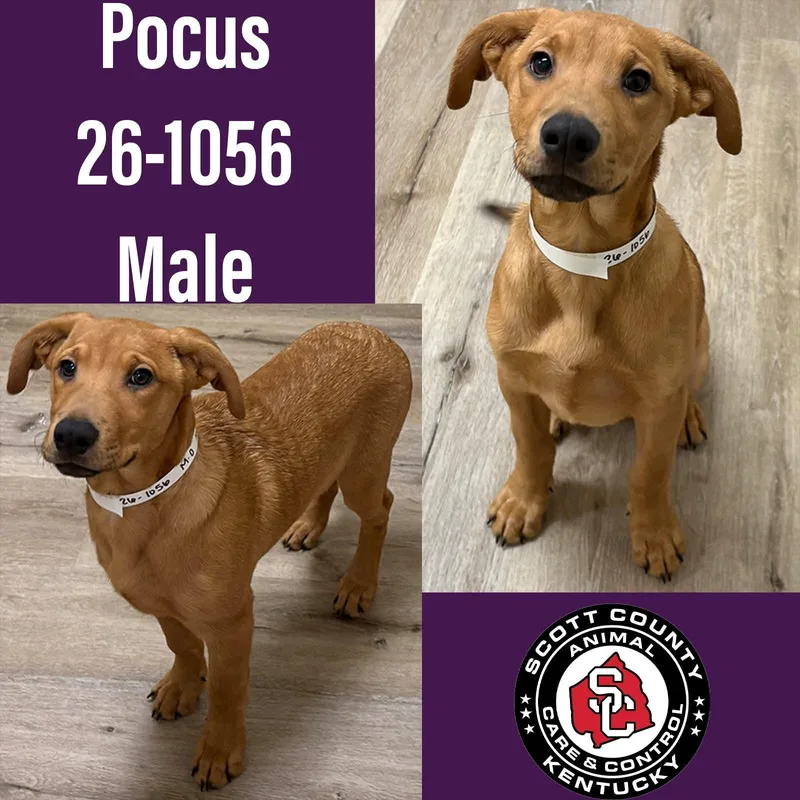
Pomeranians Available for Adoption Near Georgetown

About the Pomeranian breed

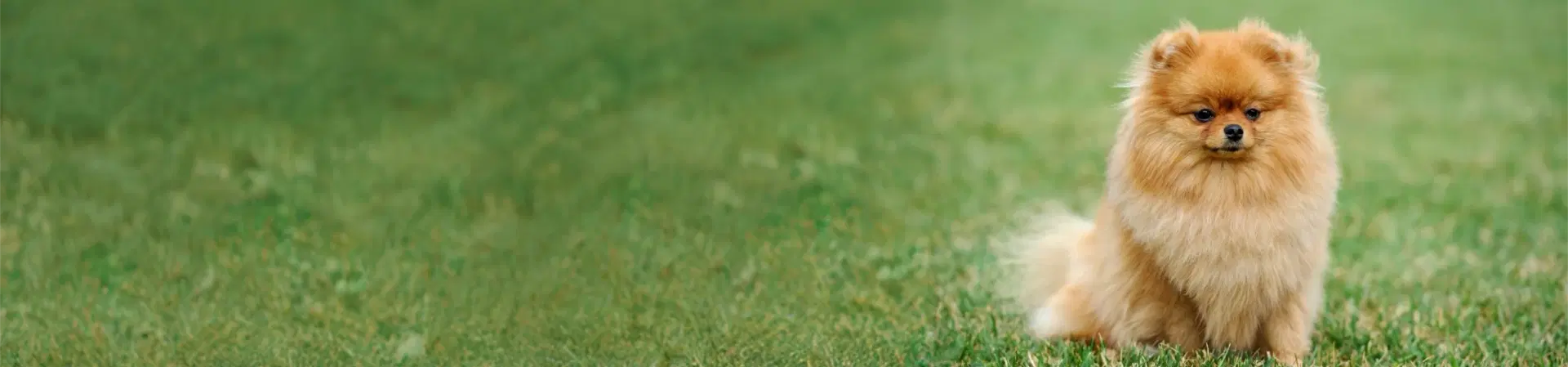
Pomeranians descend from larger German Spitz dogs and shrank dramatically in Victorian England, so today's dog weighs just 3 to 7 pounds under a standoff double coat. The plumed tail curls over the back, the ears are small and pricked, and the face looks like a fox's. Some Poms run heavier than the standard, and coat color and thickness vary a lot.

Many Pomeranians are curious, confident and quick to bark at any noise, and they tend to bond closely with their people. They do best with adults and older children who handle a small dog gently. Plan on regular brushing, daily tooth care, barking training, and protection from falls and rough play with larger dogs.

Weight
3–7 lbs
Height
6–11 in
Lifespan
12–16 yrs
Temperament
Lively, Alert, Curious, Bold
Group
Toy
Shedding
Moderate to High

Owning a Pomeranian in Georgetown

Having a Pomeranian in Georgetown

Poms are small, watchful and heavily coated, so the daily picture is short walks, steady brushing, tooth care and some barking management. In Georgetown, the cold months and spring storm season add a few extra things to plan for.

Temperament

Pomeranians tend to be confident, curious and quick to sound the alarm, which can be a lot on a quiet Georgetown street with neighbors close by. Many bond tightly with one person and act much bigger than they are. Dogs vary, though, and early socialization plus reward-based training shape how each Pom handles visitors and other dogs.
Exercise Needs

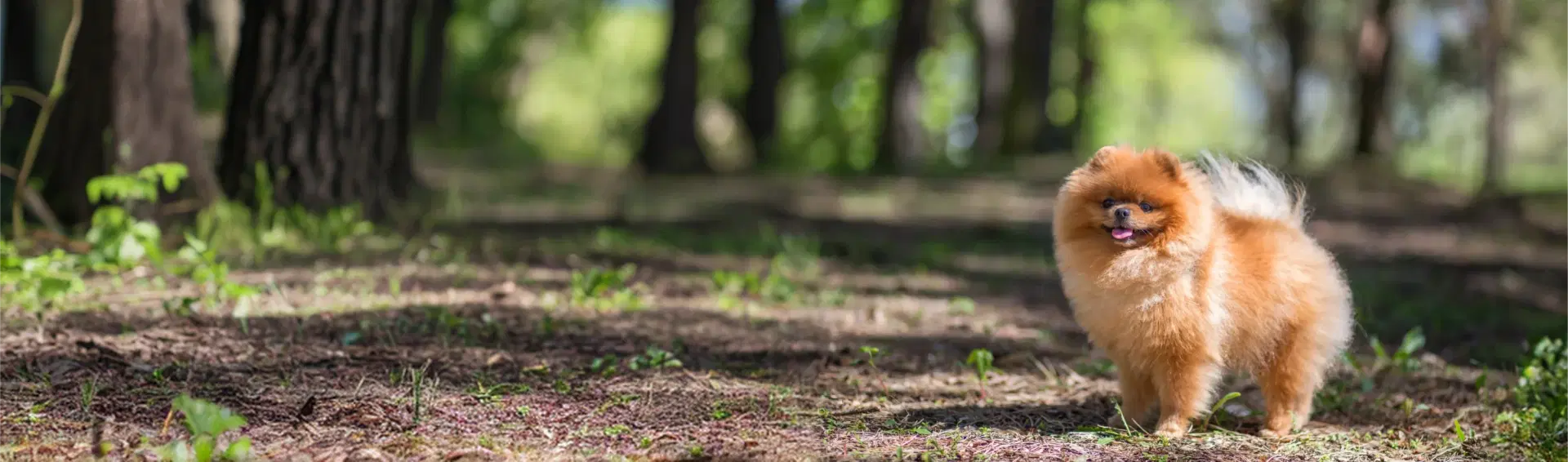
A Pom is content with a couple of short walks and indoor play. The 1.2-mile Mollie Graves track at Charles Brooking Park is a comfortable loop for a healthy adult, and the small-dog field at Great Crossing Park gives room to run. Use a harness, skip hot afternoons, and keep jumps off furniture low.

Health Considerations

Luxating kneecaps, collapsing trachea and dental disease are common in Poms, and some develop alopecia X, a coat-loss condition. Daily tooth brushing and a lean weight help. Ask a Georgetown veterinarian to check the knees, heart and teeth at the first visit, and plan for regular dental cleanings.

Living Space

A Pom fits small homes easily, whether that's a rental near downtown or a house with a modest yard. The main issue is noise: barking carries through shared walls, so training and a steady routine matter. Gaps in fences, open doors, stairs and high furniture are the real hazards for a dog this small.

What it costs to own a Pomeranian in Georgetown

ExpenseTypical costPer year
Food$15 to $35 per month$180 to $420
Pet insurance$35 to $70 per month$420 to $840
Routine vet care$200 to $400 per year$200 to $400
Other*$590 to $1,440 per year$590 to $1,440
Estimated yearly total (after year one)$1,390 to $3,100

Other costs are estimates and vary with size, age and health.

* Flea, tick and heartworm prevention, dental cleanings, any license fee, toys and bedding, and brushing supplies and baths for the double coat.

Pomeranian dog

Adopt a Pomeranian in Georgetown.

Now that you know more, let’s find you a new best friend. These rescues and shelters below currently have Pomeranians available.

Rescues in Georgetown with Pomeranians Available

Shelters and rescues serving Georgetown and Scott County list their adoptable dogs here, from small companions to big athletes. Here are the rescues & shelters in the Georgetown area where you can find Pomeranians and other dogs available for adoption.

Frequently Asked Questions

Yes, you can own a Pomeranian in Georgetown. No breed-specific rules are known in the city, and its vicious-animal rule is based on behavior rather than breed. Renters should confirm the landlord's pet policy first, since deposits, fees and weight limits vary. Keep your Pom's rabies vaccination current and leash it whenever you leave your property.

A Pomeranian fits Georgetown well if you're home a fair amount and can handle some barking. Short walks on sidewalked streets and a small-dog field at Great Crossing Park cover its exercise needs. Plan for sweaters on freezing mornings, cooler walks in humid July heat, and a storm plan, since a Pom is easy to lose in a scare.

Most Pomeranians handle Georgetown winters with some help. The double coat insulates, but a toy-sized body chills quickly when nights drop to freezing and snow piles up. Use a sweater or coat, keep outings short, wipe salt and ice melt off paws, and keep the coat brushed, since mats trap moisture and reduce insulation.

Start with the Great Crossing Park dog park at 115 Betsy Way, which has a separate small-dog field. For leashed walks, try the 1.2-mile Mollie Graves track at Charles Brooking Park or the 1.08 miles of nature trail at McCracken Creek Trail. County parks require leashes of eight feet or less and waste pickup.

Yes, a Pomeranian can ride Georgetown's Bluegrass RIDE buses, as long as it stays in a secured pet carrier. Pets that aren't service animals aren't allowed loose or on a lap. The two local routes are fare-free and run Monday through Saturday, and a 3-to-7-pound Pom fits a carrier easily. Practice carrier time at home first.

Only to outdoor dining areas. Kentucky's food code lets restaurants allow dogs on qualifying patios, but each restaurant decides, and dogs aren't permitted indoors. Keep your Pom leashed and under control, off chairs, seats and tables, and don't serve it food or water in the restaurant's dishes. Bring your own travel bowl.

Plan on brushing a Pomeranian several times a week, and daily during heavy sheds in spring and fall. Georgetown's damp springs and humid summers make mats more likely, so dry the coat after wet walks. Baths every few weeks are typical. Never shave the double coat. Brushing supplies and baths fall within the yearly Other costs shown above.

Pomeranians come from the Pomerania region along the Baltic Sea, now part of northern Poland and northeastern Germany, where its larger German Spitz ancestors developed. The breed as we know it was shaped in England, where royals including Queen Charlotte and Queen Victoria kept them in the 1700s and 1800s and the dogs grew steadily smaller. The first English breed club formed in 1891.

We have 1 rescue with Pomeranians available: Scott County Animal Shelter. You can see every rescue with Pomeranians available in the list above these questions, or scroll to the top to see the Pomeranians near Georgetown.

Plan on roughly $1,400 to $3,100 a year for a Pomeranian in Georgetown. That covers food ($15–$35 a month), pet insurance ($35–$70 a month), routine vet care ($200–$400 a year) and other costs like prevention, dental cleanings and coat care ($590–$1,440). A knee or trachea problem can add much more.