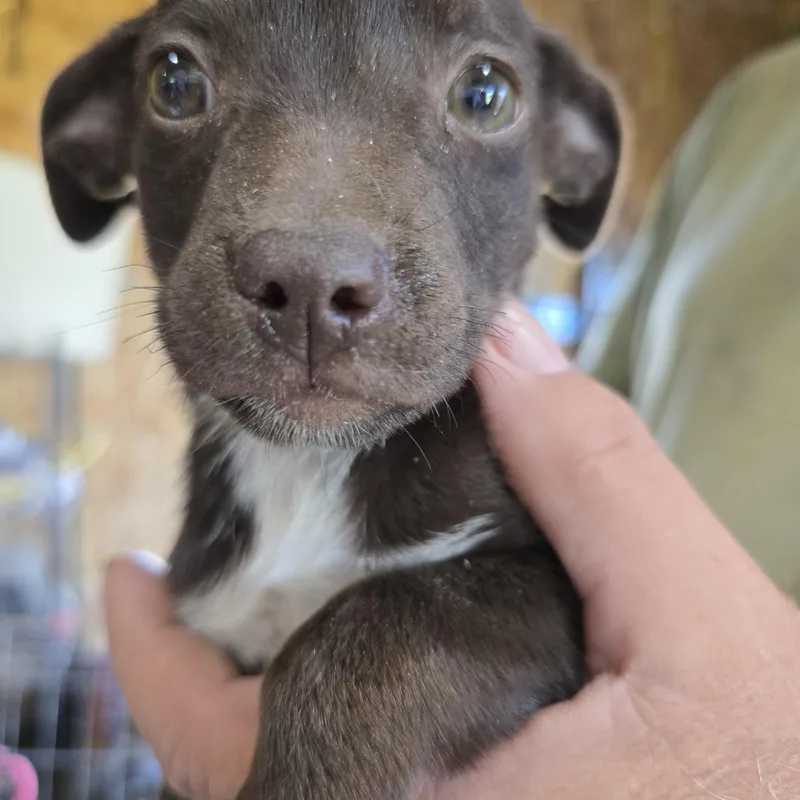
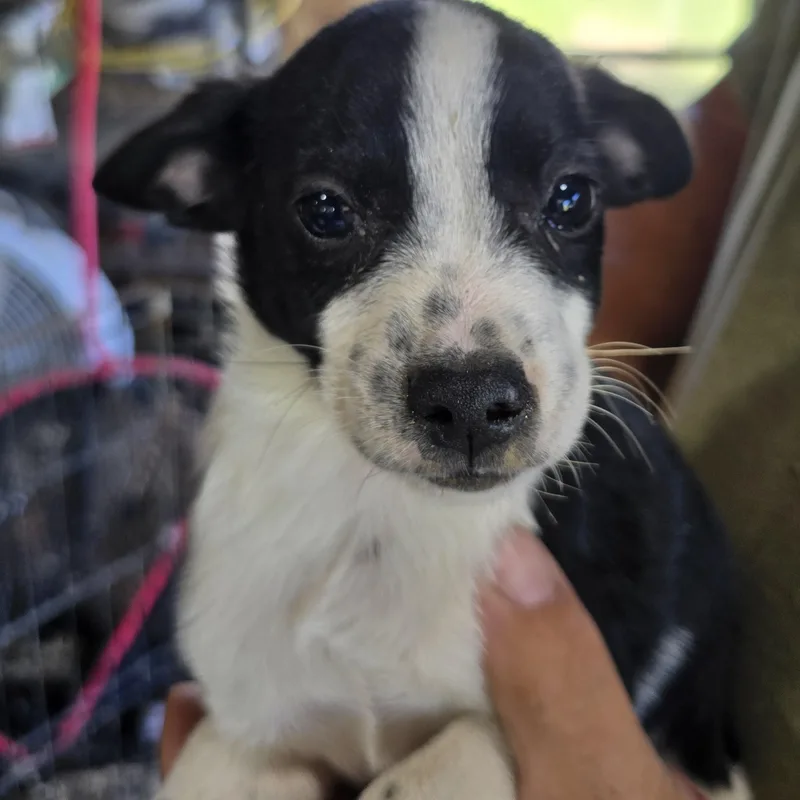
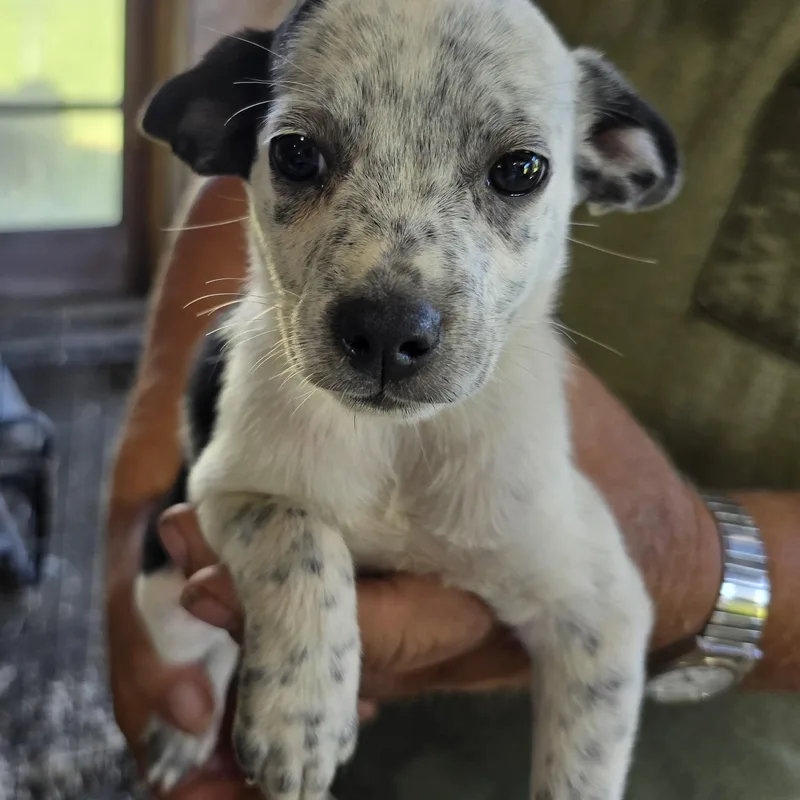
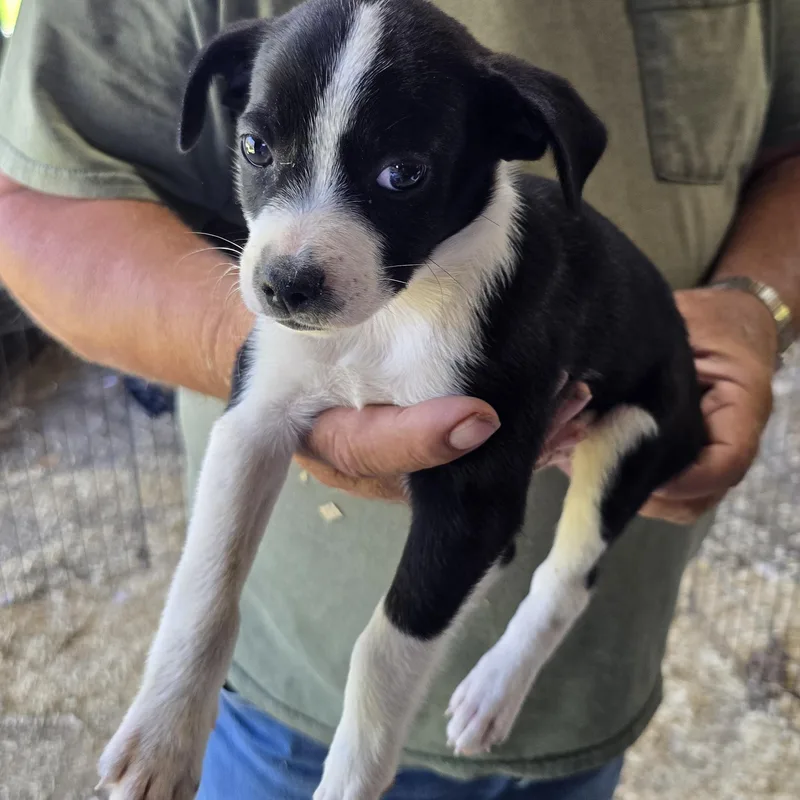
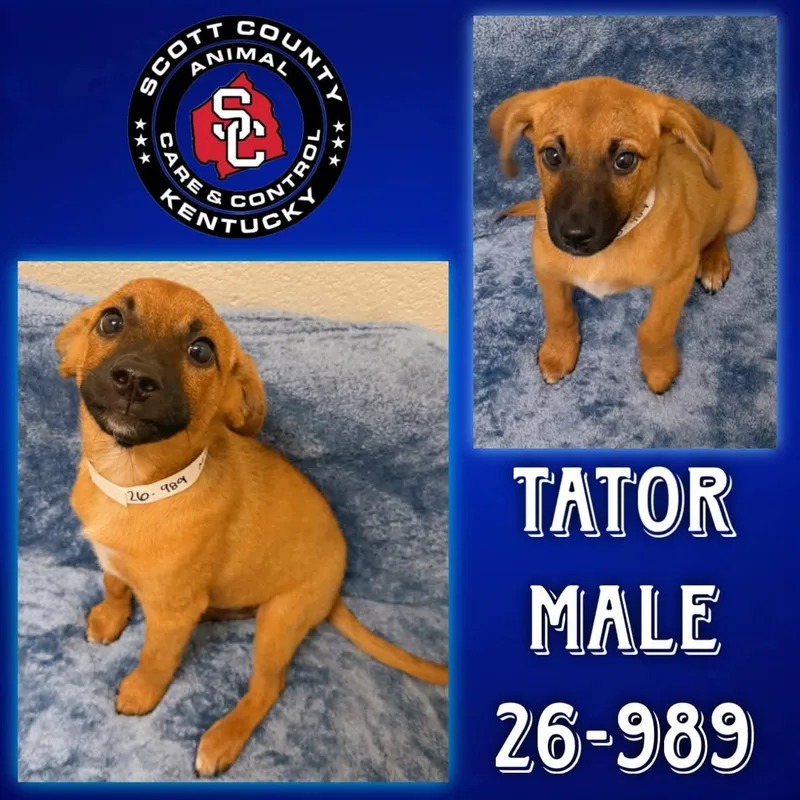
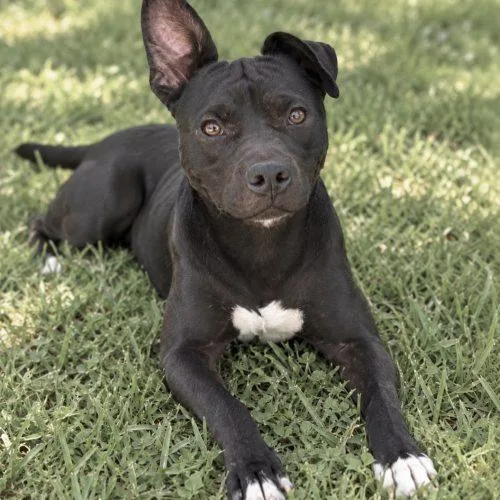
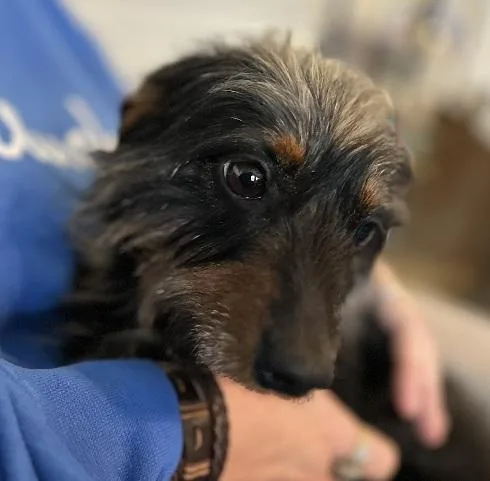
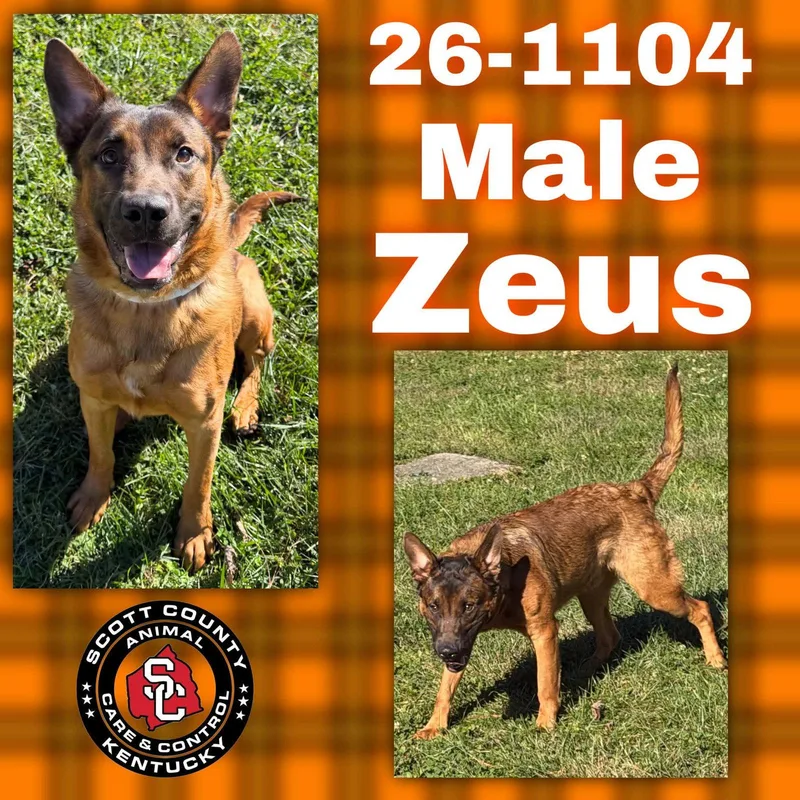
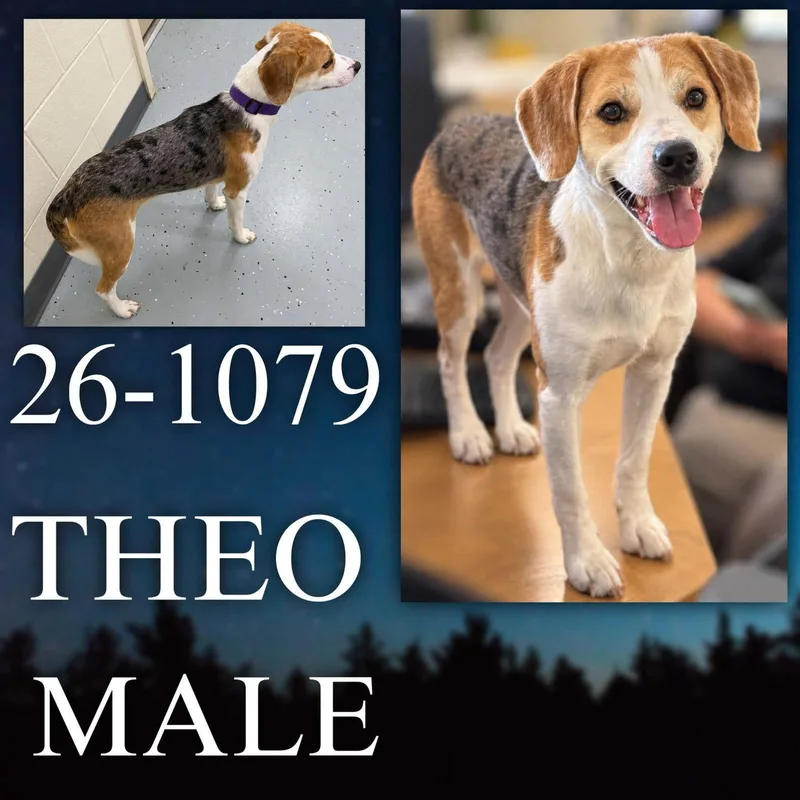
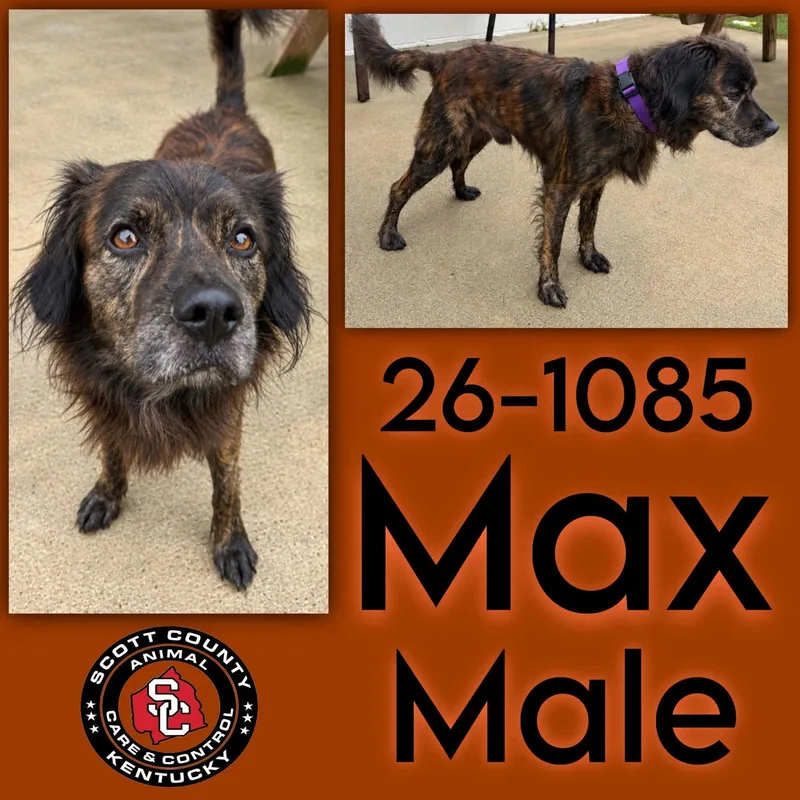
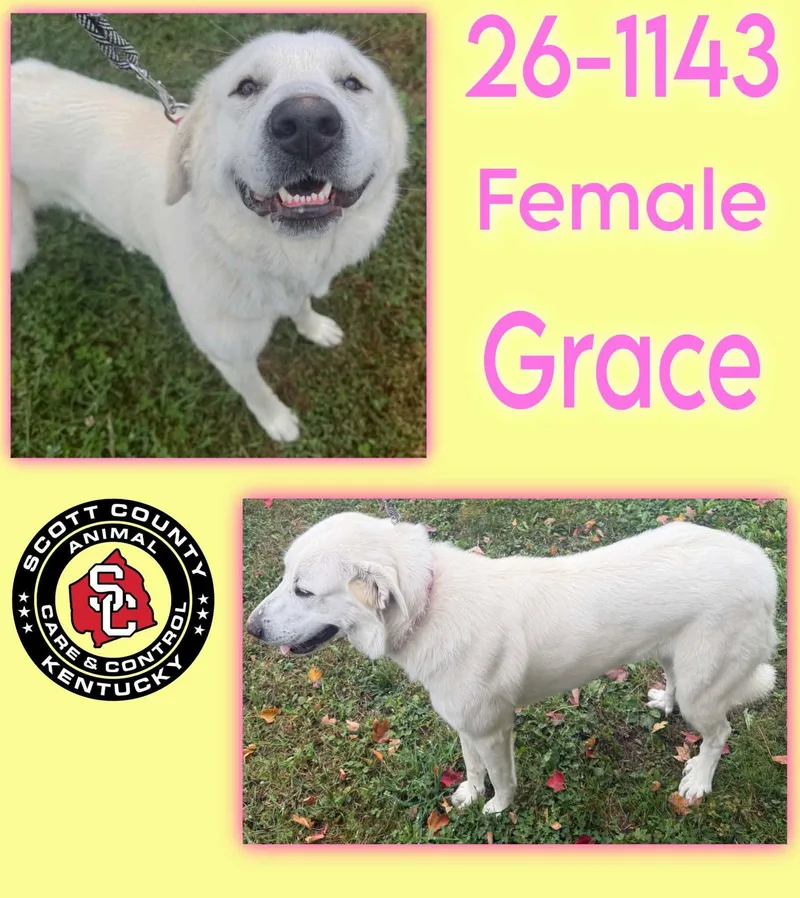
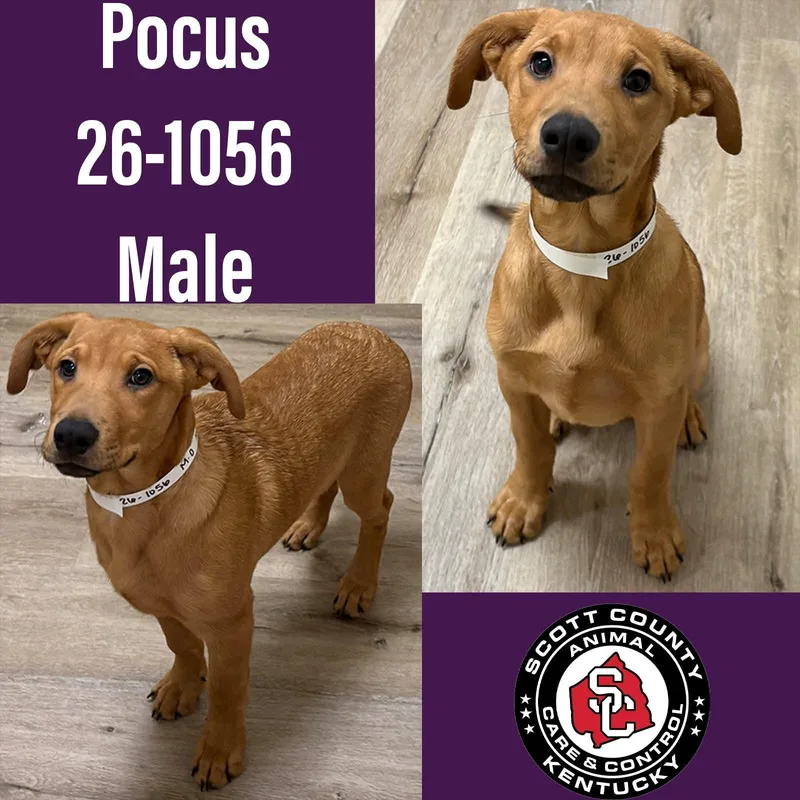
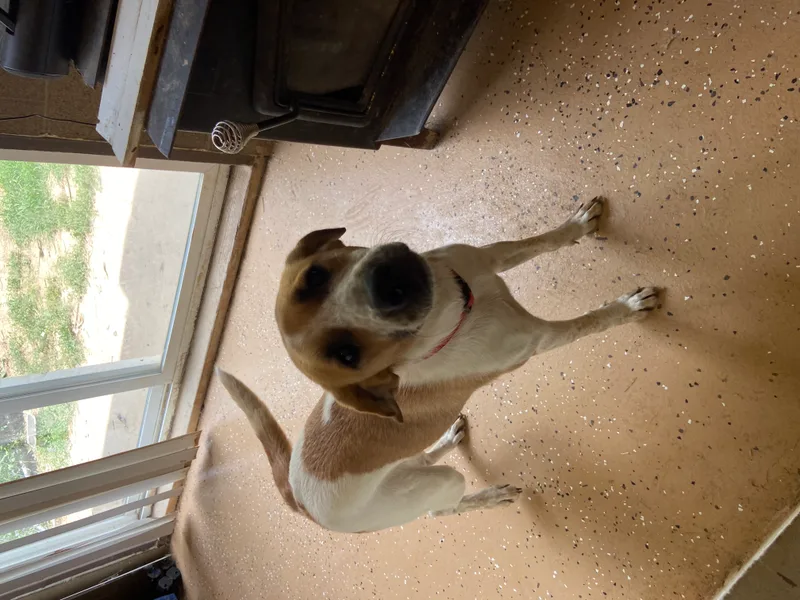
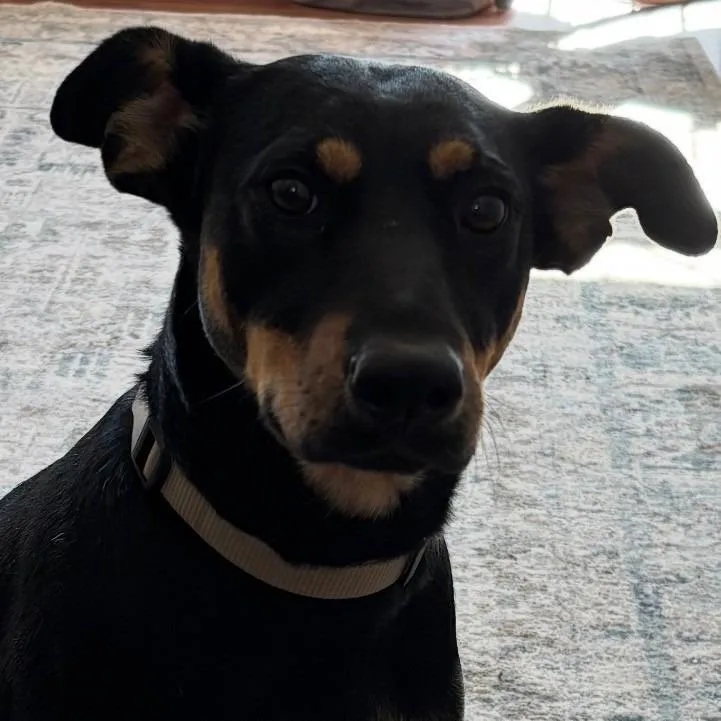
Australian Cattle Dog / Blue Heelers for Adoption in Georgetown, KY

Your guide to finding and caring for an Australian Cattle Dog / Blue Heeler in Georgetown

Blue Heelers do well in Georgetown when their people spend a lot of time outside. A morning walk along the sidewalks of East Main Street or South Broadway is a start, but a young Heeler usually wants a second round of fetch or training in the afternoon. They bond tightly and stay watchful, so they suit people who work from home or can get back at lunch. Cold January mornings rarely bother that weatherproof coat.

4315 Australian Cattle Dog / Blue Heelers available in Georgetown and nationwide

Say hello to your Blue Heeler

Australian Cattle Dog / Blue Heelers Available for Adoption Near Georgetown

About the Australian Cattle Dog / Blue Heeler breed

Australian Cattle Dogs, often called Blue Heelers, were developed in nineteenth-century Australia to move cattle across long, hot distances. They're compact, muscular dogs, usually 35 to 50 pounds, with a weatherproof double coat in blue or red speckle. Shedding is moderate and heavier during seasonal coat blow, and regular brushing at home is usually enough.

Heelers are clever, loyal and alert, and many attach closely to one person while staying reserved with strangers. Their herding instinct can show up as nipping at heels, chasing bikes or bossing other pets. A Heeler with a job, such as training games, long walks and plenty of time outdoors, tends to settle best, though drive varies from dog to dog. Many live 12 to 16 years, so adoption is a long commitment.

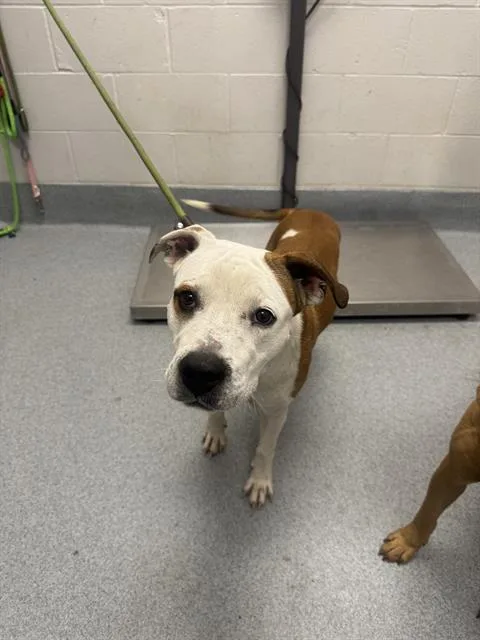
Weight
35–50 lbs
Height
17–20 in
Lifespan
12–16 yrs
Temperament
Energetic, Intelligent, Loyal, Alert
Group
Herding
Shedding
Moderate

Owning an Australian Cattle Dog / Blue Heeler in Georgetown

Having an Australian Cattle Dog / Blue Heeler in Georgetown

Work drive shapes life with a Heeler more than size does. Expect a dog that needs daily exercise, mental jobs and steady training, and one that tends to bond closely with its household. These traits vary from dog to dog, so watch how each one behaves.

Temperament

Heelers tend to be loyal, confident and watchful, often choosing one favorite person. They can be reserved with visitors, which matters on sidewalked streets near downtown where passersby are frequent. Herding instincts may mean nipping or chasing, so reward-based training and early socialization help, though temperament varies between dogs.

Exercise Needs

Plan on an hour or more of real activity daily: brisk walks, fetch, hiking or training sessions. Charles Brooking Park's 1.2-mile track and McCracken Creek Trail work for leashed outings, and the Great Crossing dog park allows off-leash running. Add puzzle toys or scent games for mental work, since a walk around the block rarely tires a young Heeler.

Health Considerations

Common concerns include congenital deafness, progressive retinal atrophy, primary lens luxation and hip and elbow dysplasia. A veterinarian can check hearing, eyes and joints early and set up a screening plan. Keep up with heartworm, flea and tick prevention, and build up exercise gradually, since active Heelers can strain muscles and joints.

Living Space

Daily activity matters more than square footage. Heelers can manage in Georgetown rentals and apartments with long outings, though they may bark at hallway and sidewalk activity. A securely fenced yard makes off-hours easier. They prefer staying close to their people, so expect a shadow rather than a yard dog.

What it costs to own an Australian Cattle Dog / Blue Heeler in Georgetown

ExpenseTypical costPer year
Adoption fee$250, one time$250 in year one
Food$35 to $70 per month$420 to $840
Pet insurance$55 to $100 per month$660 to $1,200
Routine vet care$225 to $450 per year$225 to $450
Other*$440 to $1,190 per year$440 to $1,190
Estimated yearly total (after year one)$1,745 to $3,680
First-year total (with adoption fee)$1,995 to $3,930

Adoption fee is the fee on Australian Cattle Dog / Blue Heeler listings in Georgetown on GetBuddy today. Other costs are estimates and vary with size, age and health.

* Flea, tick and heartworm prevention, a dental cleaning allowance, durable toys and bedding, light home grooming for a short coat, and any dog license.

Adopt an Australian Cattle Dog / Blue Heeler in Georgetown.

Now that you know more, let’s find you a new best friend. These rescues and shelters below currently have Australian Cattle Dog / Blue Heelers available.

Rescues in Georgetown with Australian Cattle Dog / Blue Heelers Available

Georgetown's adoption options include a county open-admission shelter and a volunteer-run humane society with foster and adoption programs. Here are the rescues & shelters in the Georgetown area where you can find Australian Cattle Dog / Blue Heelers and other dogs available for adoption.

Frequently Asked Questions

Yes. No breed ban or breed-specific rule is known in Georgetown, where dangerous-dog rules focus on a dog's behavior rather than its breed. Kentucky requires rabies vaccination by four months of age, and you're responsible for keeping your dog under control. Rules can differ in neighboring towns, so review them before you move.

Great Crossing Park's 4-acre dog park on Betsy Way has separate fields for large and small dogs, giving a Heeler room to run. Charles Brooking Park has a 1.2-mile walking track, and McCracken Creek Trail offers 1.08 miles of nature trail. County parks require a leash no longer than eight feet, and you must carry waste bags.

A Blue Heeler fits Georgetown if you're active and home a fair amount. The city has walking tracks, trails and a dog park, and four distinct seasons keep outdoor time interesting. Heelers bond closely and need daily jobs, not just walks, so long empty workdays or a sedentary routine can lead to nipping, chewing and boredom.

It can, if you commit to long daily exercise and training. Heelers are alert and may bark at hallway and sidewalk noise, so thin walls matter. Before applying, confirm the building's pet policy, since size or weight limits can affect a 35-to-50-pound dog, and plan a park or trail outing every day.

Yes, generally. Winters are cold, with about 90 freezing nights a year, but the Heeler's weatherproof double coat copes well. Summers are humid, with roughly 14 to 25 days at 90°F or above, so exercise early or late, carry water, and never leave a dog in a parked car.

Brush a Heeler about once a week, and several times a week in spring and fall when the double coat blows. Georgetown's humid summers and muddy springs mean occasional baths when the dog is dirty. Home grooming costs little, and any professional bath falls within the Other costs on this page.

Not in practice. Georgetown's Bluegrass RIDE buses are fare-free Monday through Saturday, but pets other than service animals may ride only in a secured pet carrier. A 35-to-50-pound Blue Heeler won't fit in one, so plan on walking or driving for outings. Service animals follow separate rules.

Only to outdoor dining areas, and only where a restaurant chooses to allow dogs. Kentucky's food code lets dogs on qualifying patios if they're leashed, under control and kept off chairs and tables; indoor dining is off limits. Heelers can be wary of strangers, so practice settling calmly first.

We have 2 rescues with Australian Cattle Dog / Blue Heelers available: Saved By Fate Dog Rescue and Scott County Animal Shelter. You can see every rescue with Australian Cattle Dog / Blue Heelers available in the list above these questions, or scroll to the top to see the Australian Cattle Dog / Blue Heelers near Georgetown.

A Heeler typically costs about $1,750 to $3,700 a year: food ($420 to $840), pet insurance ($660 to $1,200), routine vet care ($225 to $450) and other costs ($440 to $1,190). Hereditary eye, hearing and joint conditions can raise vet bills later, so it's worth pricing insurance early.