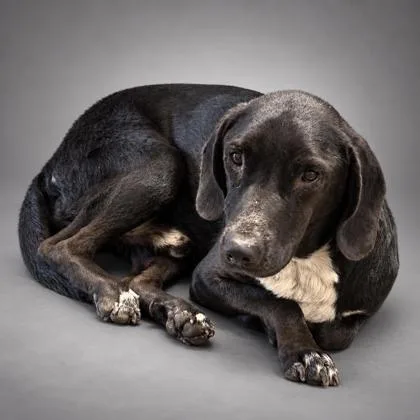
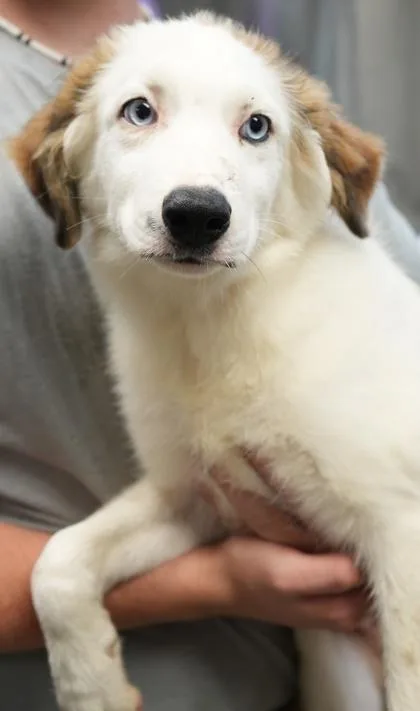
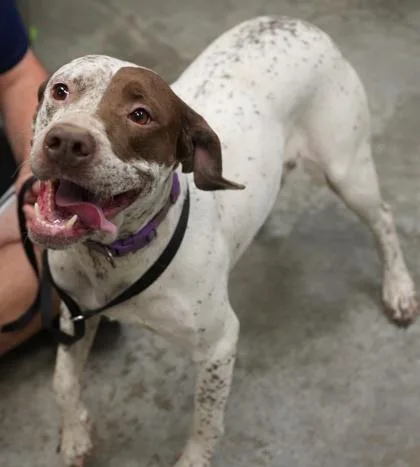
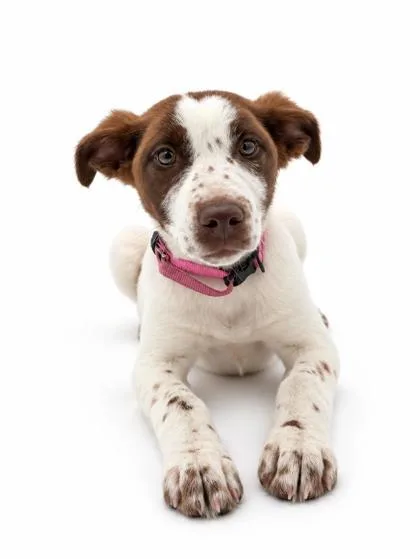
German Wirehaired Pointer Dogs for Adoption in Bowling Green, KY

Your guide to finding and caring for a German Wirehaired Pointer in Bowling Green

A German Wirehaired Pointer fits Bowling Green best if you're outdoors every day. The paved GreenWays, including the Loops at Lovers path near Lovers Lane, give a high-energy Wirehair miles to cover, and the valley trails at Lost River Cave off Nashville Road add shade and new smells. These dogs want a job and company, so they suit active households better than long, empty workdays. A fenced yard makes the routine much easier.

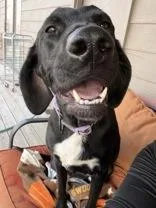
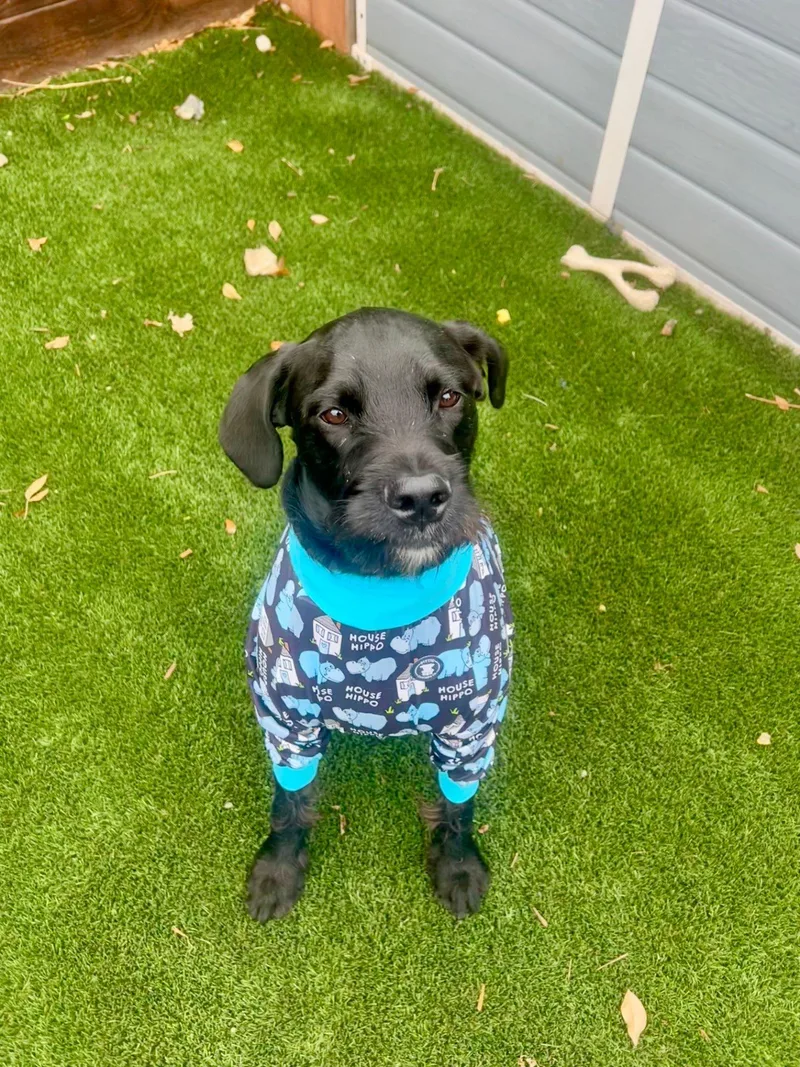
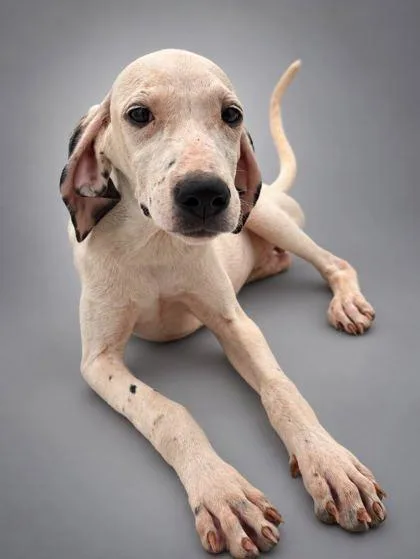
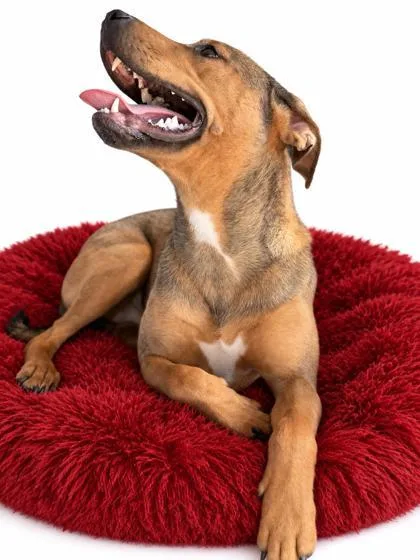
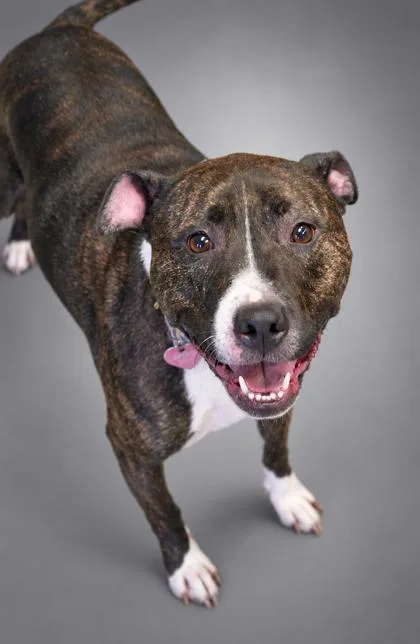
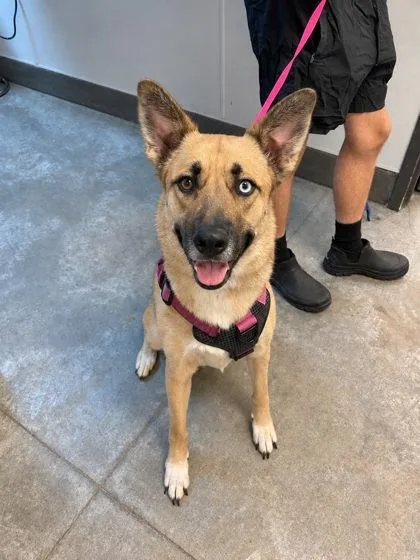
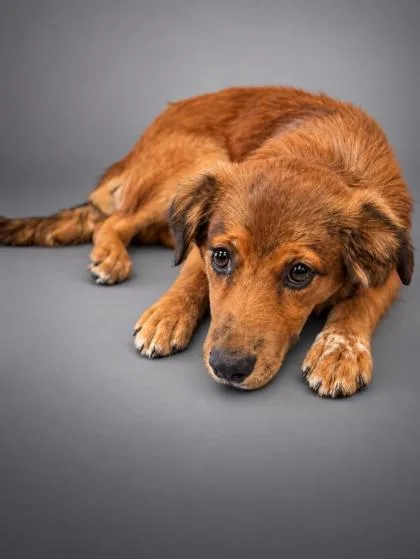
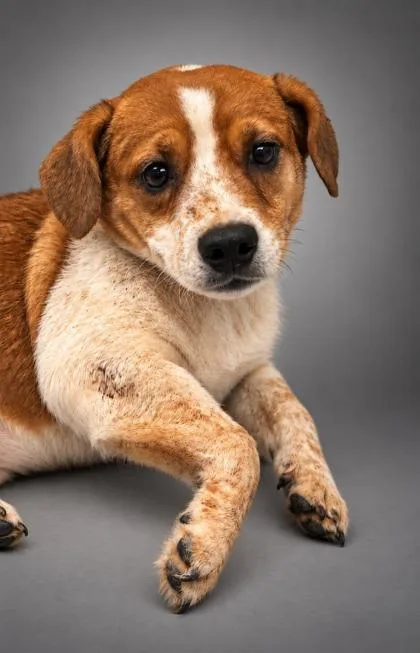
68 German Wirehaired Pointers available in Bowling Green and nationwide

Find your German Wirehaired Pointer

While we don't have enough dogs near Bowling Green, keep in mind that many rescues may offer transport.

German Wirehaired Pointers Available for Adoption Near Bowling Green

About the German Wirehaired Pointer breed

German hunters developed the Deutsch Drahthaar around the turn of the twentieth century to point and retrieve birds, fetch ducks from cold water and track wounded game. The result is a medium-large, athletic dog with a harsh, flat-lying wire coat, bushy eyebrows and a beard, in liver and white or solid liver. The American Kennel Club placed the breed in the Sporting Group in 1959.

Many Wirehairs are loyal, affectionate and goofy with their own people, while some stay aloof with strangers. They're determined working dogs that want daily running, swimming or field work, plus training that keeps their minds busy. Without an outlet, adolescents can turn restless, vocal or destructive, so they tend to suit outdoorsy adopters. Each dog varies, so look at the dog in front of you.

Weight
50–70 lbs
Height
22–26 in
Lifespan
12–15 yrs
Temperament
Energetic, Loyal, Affectionate
Group
Sporting
Shedding
Low to Moderate

Owning a German Wirehaired Pointer in Bowling Green

Having a German Wirehaired Pointer in Bowling Green

Wirehairs are energetic, loyal working dogs with a weatherproof coat. For Bowling Green, the details that matter most are stamina, health needs and space, and each dog varies in how those play out.

Temperament

Many Wirehairs are affectionate and clownish with their family, and some stay aloof with visitors or alert bark, which matters in a rental with close neighbors. They're smart but can be stubborn, so consistent, reward-based training helps. Prey drive around cats and small animals varies from dog to dog.

Exercise Needs

Plan on vigorous exercise every day. The paved GreenWays suit long leashed walks and runs, and Hills Bark Park lets a dog sprint off leash. Add fetch, scent games or training, since a busy mind matters as much as tired legs. Young dogs usually have more energy than new owners expect; seniors enjoy gentler outings.

Health Considerations

Hip and elbow dysplasia, cataracts, hypothyroidism, epilepsy and von Willebrand disease turn up in the breed, and drop ears can hold moisture after a swim. Bowling Green's humid summers and ticks make ear checks and year-round parasite prevention routine. A veterinarian can screen a newly adopted dog for inherited problems.

Living Space

A Wirehair usually does best with a securely fenced yard. Since most Bowling Green households rent, look for a lease that allows a large dog. An apartment can work if the dog gets long daily outings. Expect muddy paws, a wet beard at the water bowl and a dog that wants to be indoors with its people.

What it costs to own a German Wirehaired Pointer in Bowling Green

ExpenseTypical costPer year
Food$55 to $110 per month$660 to $1,320
Pet insurance$55 to $110 per month$660 to $1,320
Routine vet care$250 to $500 per year$250 to $500
Other*$585 to $1,460 per year$585 to $1,460
Estimated yearly total (after year one)$2,155 to $4,600

Other costs are estimates and vary with size, age and health.

* The $10 Bowling Green dog license for a spayed or neutered dog, flea, tick and heartworm prevention, a dental cleaning allowance, durable toys and bedding, and brushing and occasional hand-stripping of the wire coat.

Adopt a German Wirehaired Pointer in Bowling Green.

Now that you know more, let’s find you a new best friend. These rescues and shelters below currently have German Wirehaired Pointers available.

Rescues in Bowling Green with German Wirehaired Pointers Available

The rescues and shelters below serve Bowling Green and Warren County, and their listings change often, so check this page regularly. Here are the rescues & shelters in the Bowling Green area where you can find German Wirehaired Pointers and other dogs available for adoption.

Frequently Asked Questions

Yes, with some planning. Bowling Green summers are hot and humid, with about 47 days a year at 90°F or higher, mostly in July and August. Exercise at dawn or after dark, avoid hot pavement, carry water, and give the dog a cool indoor place to rest. Never leave a dog in a parked car.

Hills Bark Park at H.P. Thomas Park is the city's enclosed off-leash area, with a large-dog section where a Wirehair can run. Leashed dogs can walk the valley trails at Lost River Cave, though not the boat tour. The paved GreenWays paths suit long leashed walks, and the city requires leashes of 6 feet or shorter.

Yes. Bowling Green has no known breed ban, and its dangerous-dog rules are based on a dog's behavior. You'll need an annual city license, $10 for a spayed or neutered dog, with the tag on the collar, plus a rabies vaccination. Off your property, keep your dog on a leash of 6 feet or shorter.

It can, if the dog gets vigorous exercise every day. Wirehairs are high-energy and may bark when bored, so a long walk or run, plus training or fetch, matters more than square footage. Because pet fees, rent and size limits are set by each lease, confirm a large dog is allowed before you apply.

It's a good fit for active people. Bowling Green offers paved GreenWays paths, Lost River Cave's valley trails and a fenced off-leash park, all useful for a working-type dog. The challenges are summer heat and humidity, plus spring storms. A Wirehair that gets daily exercise and company tends to settle in well.

Only to some outdoor patios. Kentucky lets restaurants welcome leashed dogs in open-air dining areas with a separate entrance, but each restaurant decides. Dogs can't sit on chairs or tables, and pet dogs aren't allowed indoors. Bring water and a mat, since a high-energy Wirehair may find a long patio meal hard.

German Wirehaired Pointers shed lightly to moderately. The harsh outer coat drops relatively little hair, but the undercoat thickens in winter and thins out in spring, so shedding increases seasonally. Weekly brushing removes most loose hair, and occasional hand-stripping keeps the coat tidy. Coats vary between dogs, with some carrying more undercoat and shedding more than others.

No, German Wirehaired Pointers are not hypoallergenic, because no dog breed is free of the allergens found in skin, saliva and urine. Their wiry coat sheds less than many sporting breeds, which some allergic people tolerate better. Seasonal undercoat shedding still happens, and a wet beard spreads saliva. Spend time with the specific dog before adopting if allergies are a concern.

We have 1 rescue with German Wirehaired Pointers available: Bowling Green-Warren County Humane Society. You can see every rescue with German Wirehaired Pointers available in the list above these questions, or scroll to the top to see the German Wirehaired Pointers near Bowling Green.

Plan on roughly $2,155 to $4,600 a year for a Wirehair in Bowling Green. That covers food at $55 to $110 a month, insurance at $55 to $110 a month, routine vet care of $250 to $500 a year, and other costs of $585 to $1,460 a year, depending on the dog's size, health and coat upkeep.