Hamiltonstovare Dogs for Adoption in Indianapolis, IN

Your guide to finding and caring for a Hamiltonstovare in Indy

A Hamiltonstovare suits Indy best if its person would rather walk the Monon Trail than make a quick lap around the block. This Swedish scent hound is friendly and sturdy, and its medium frame fits a Mapleton-Fall Creek duplex or a Nora house with a fenced yard. Its nose runs the show, so expect it to sniff every foot of the Fall Creek Greenway. Plan for long daily miles, patient training and a household that's home often.

7741 dogs similar to Hamiltonstovare available in Indianapolis and nationwide

Say hello to your Hamiltonstovare

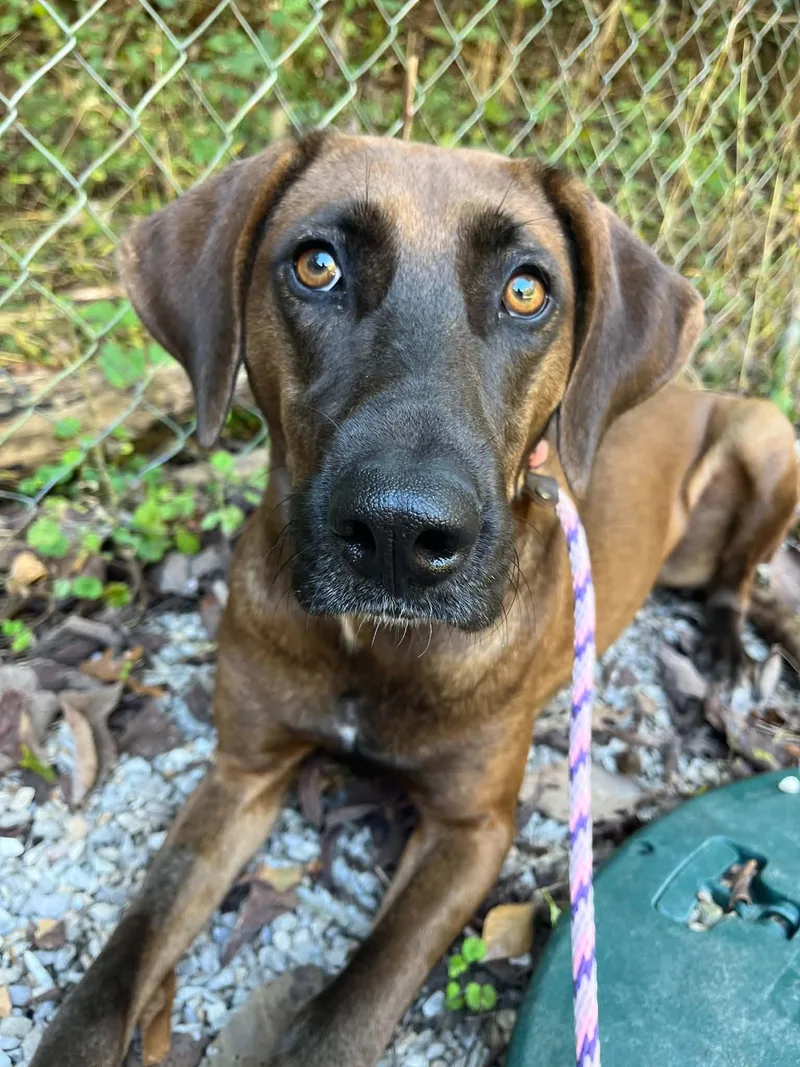
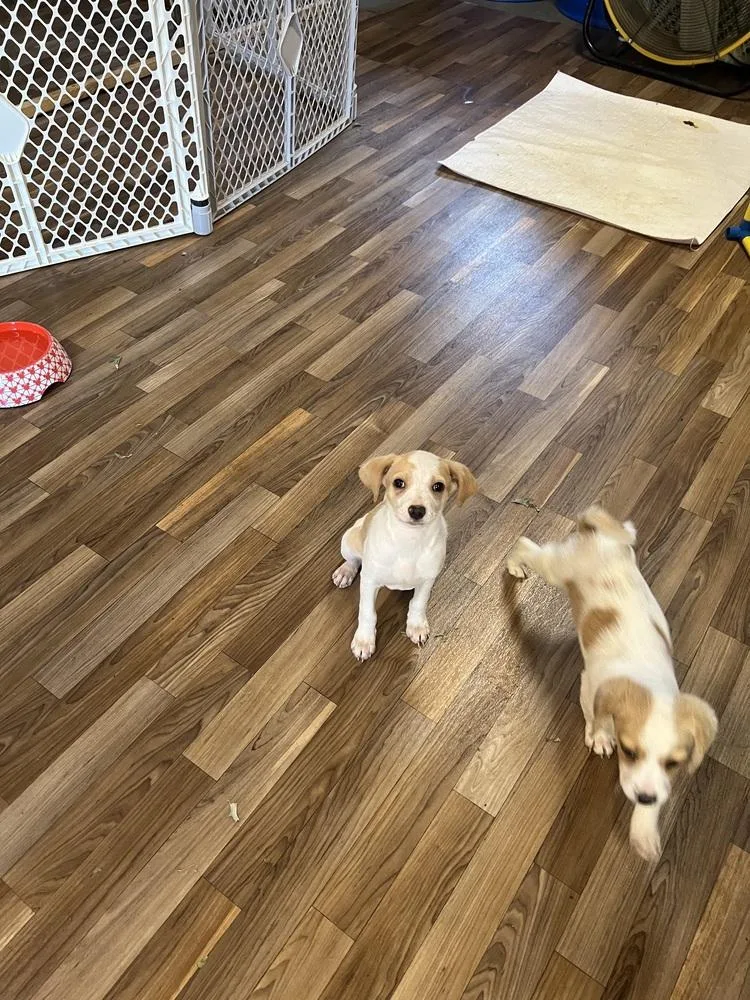
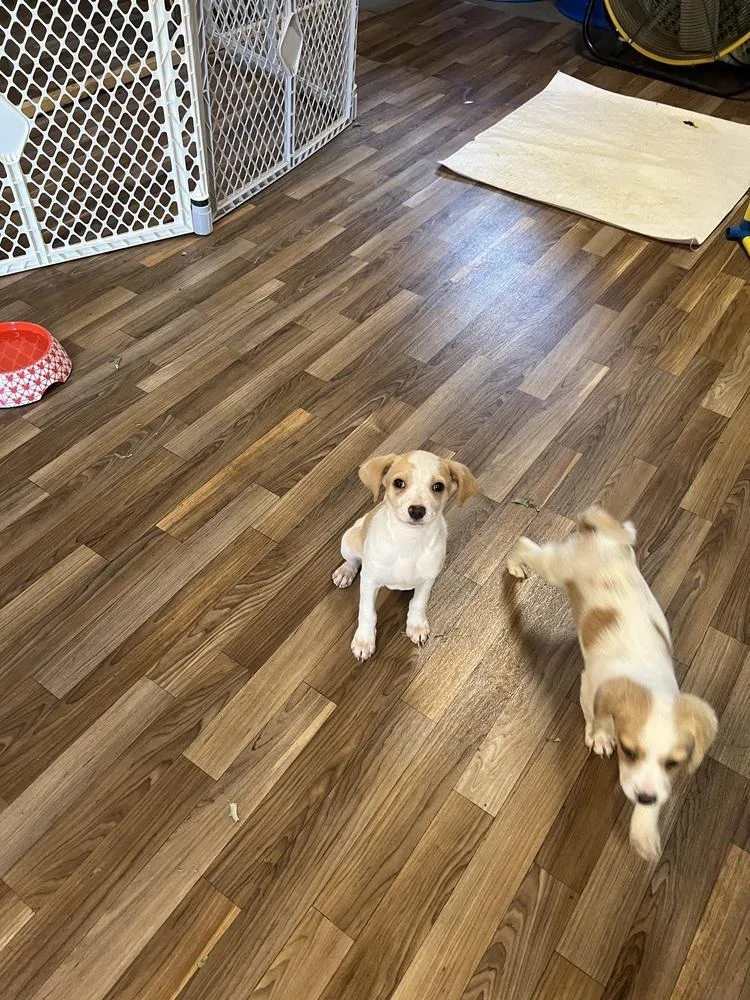
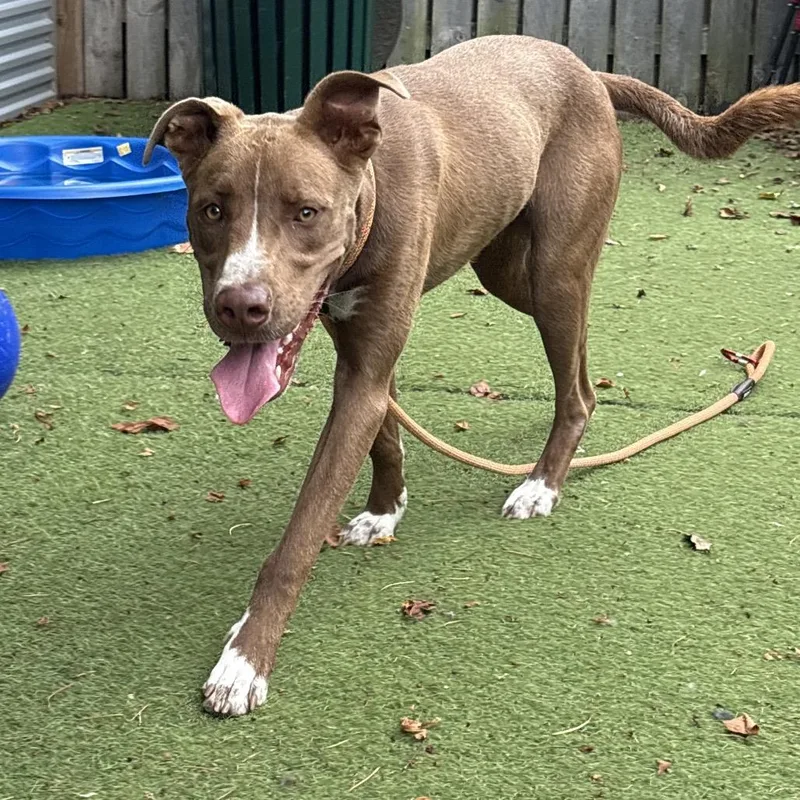
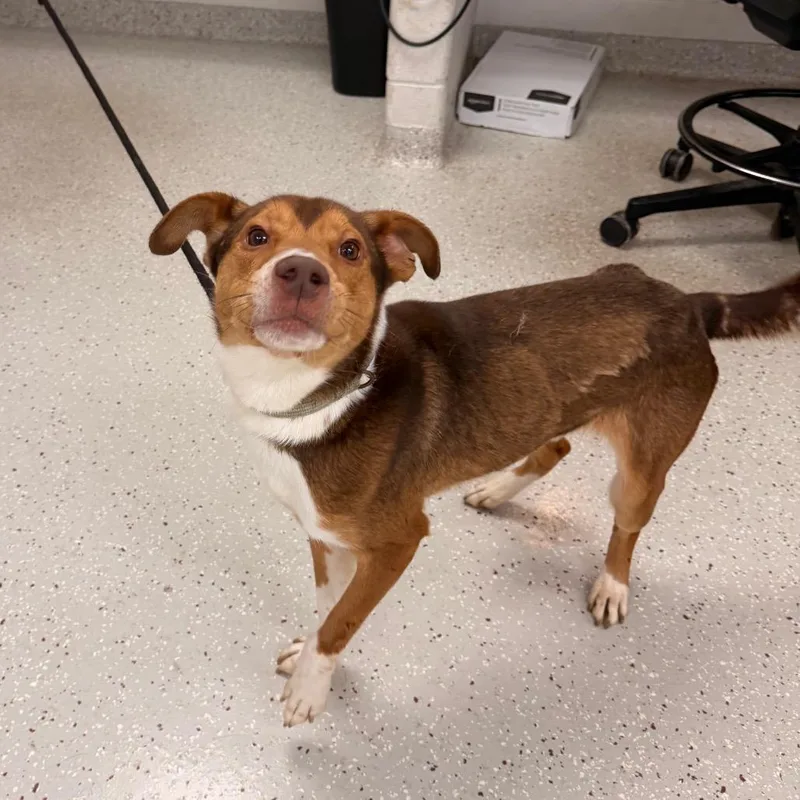
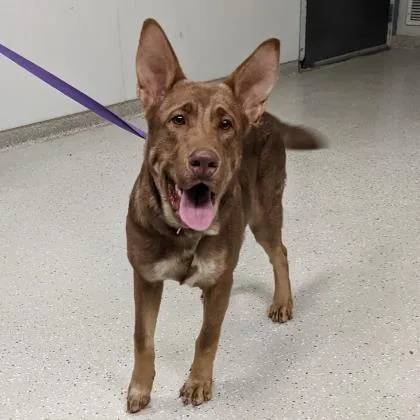
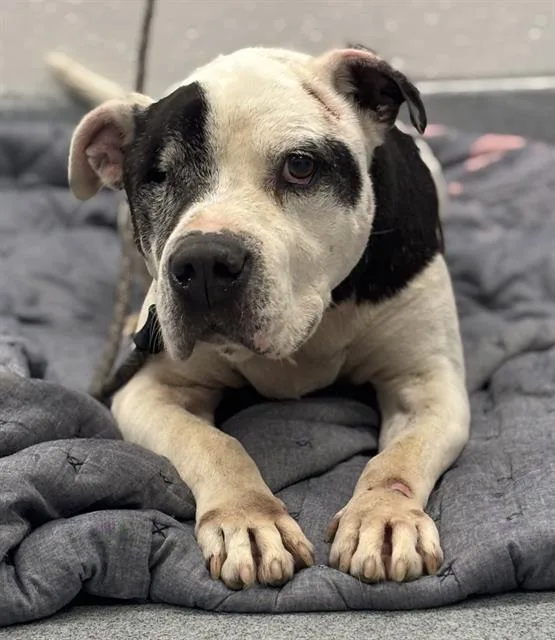
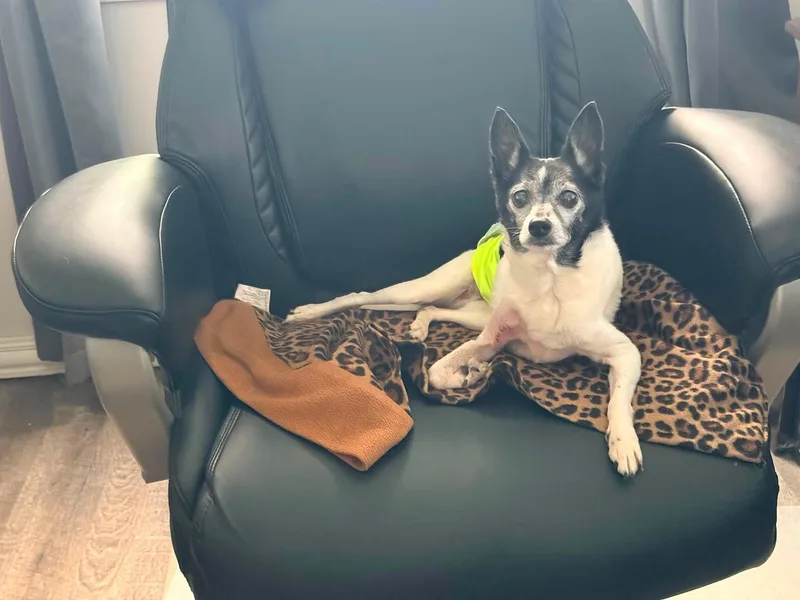
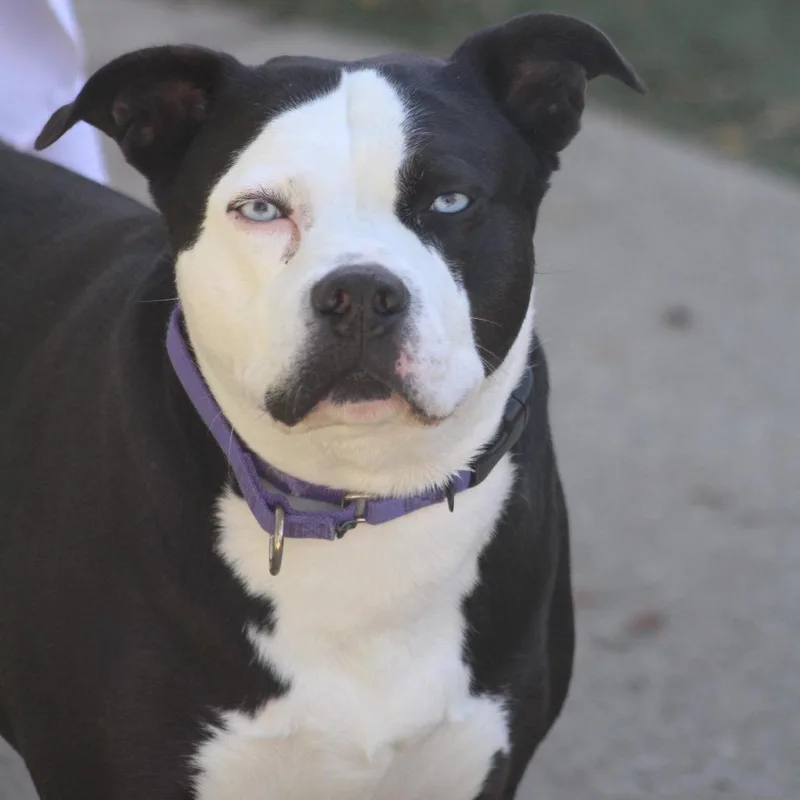
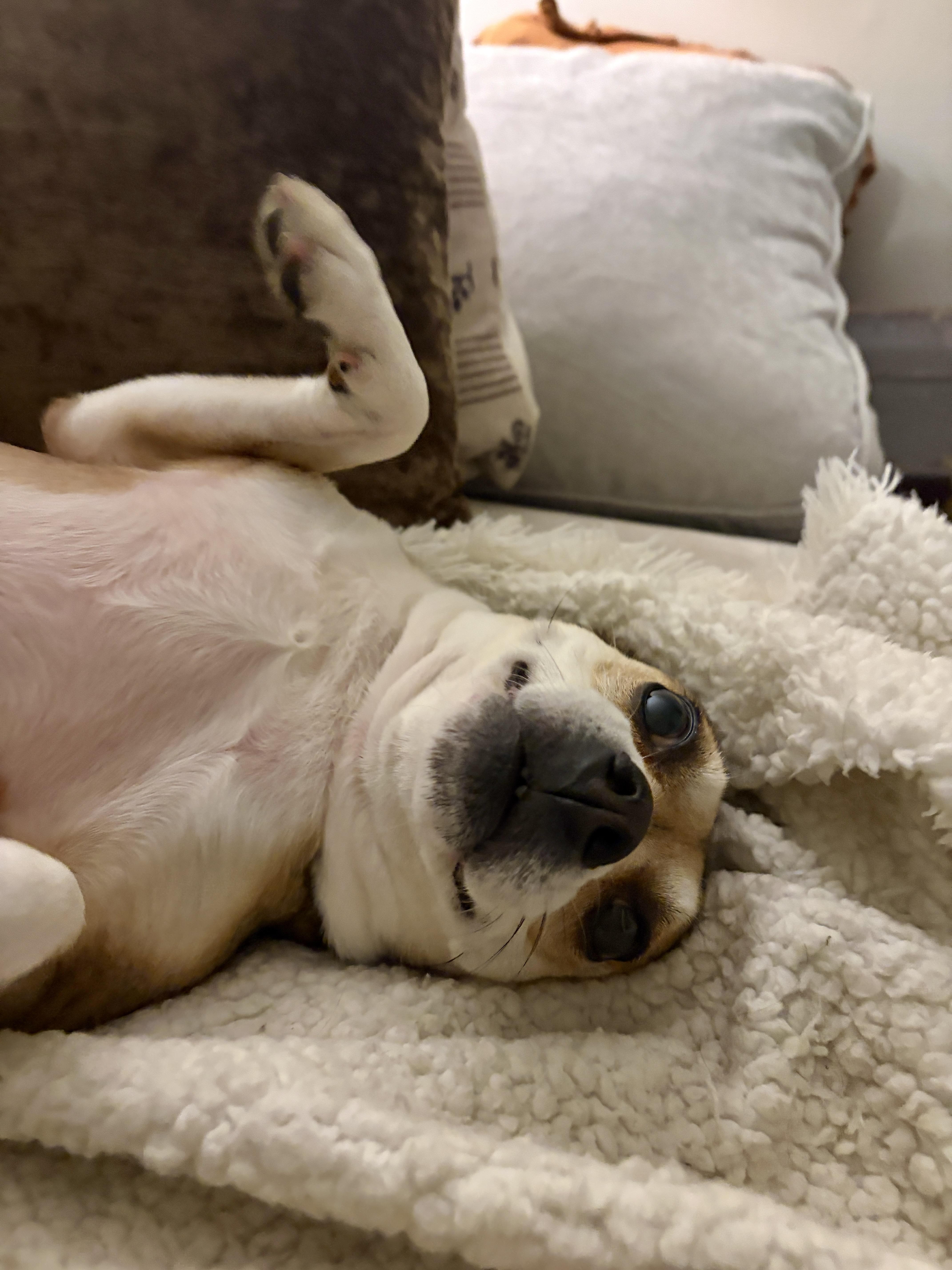
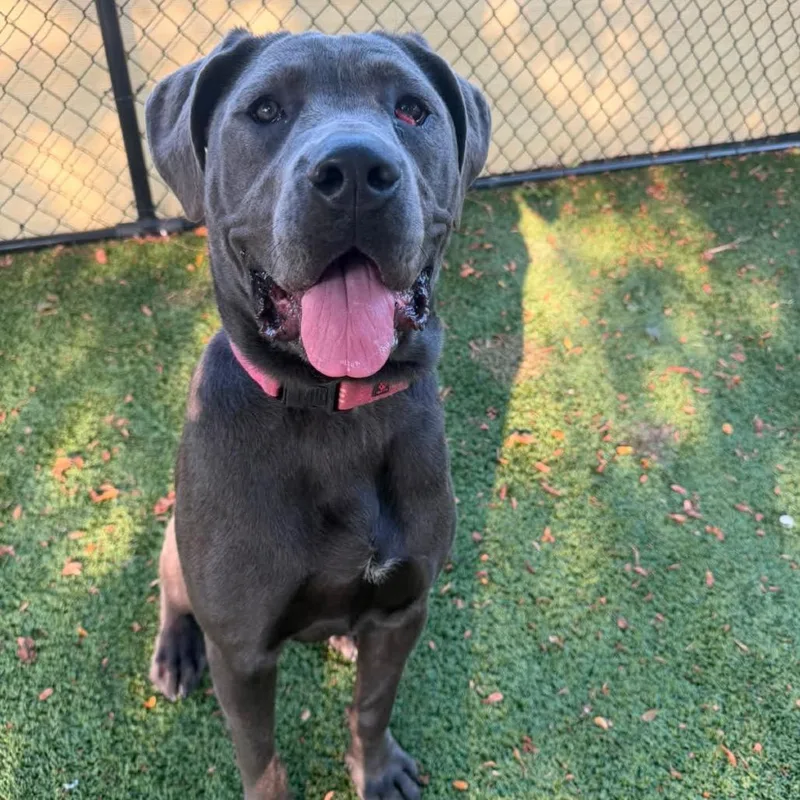
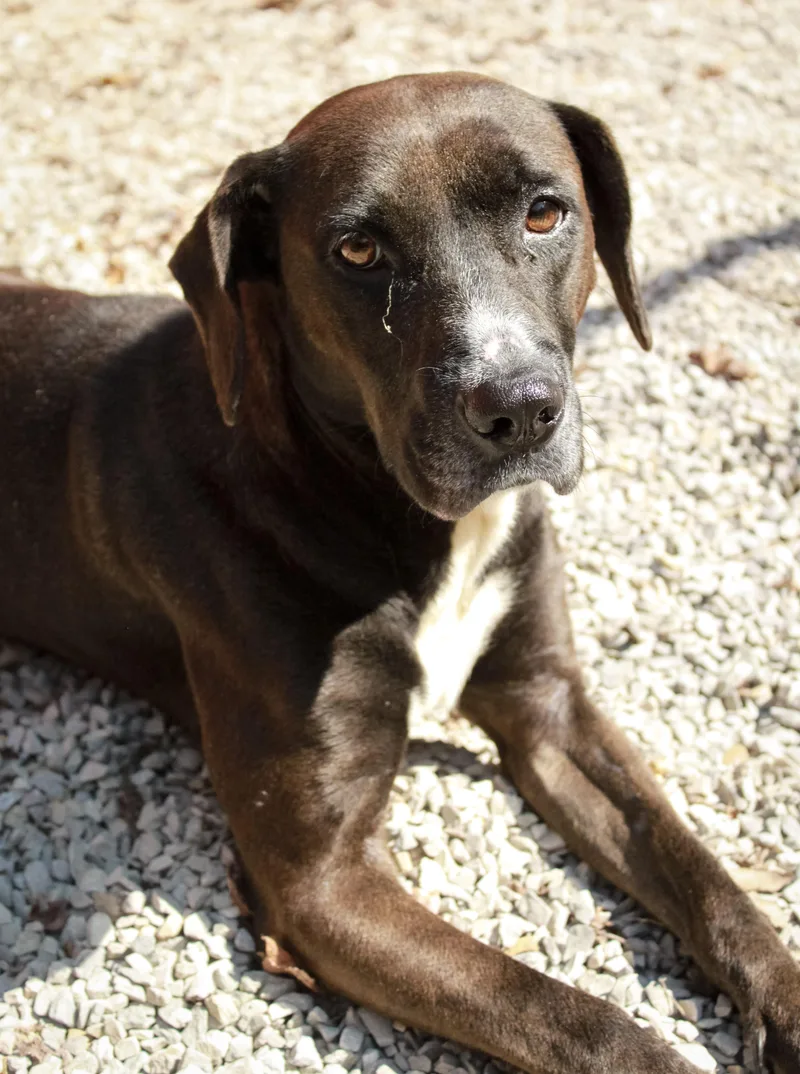
Hamiltonstovares and Similar Breeds Available for Adoption Near Indianapolis

About the Hamiltonstovare breed

The Hamiltonstovare was created in Sweden by Count Adolf Hamilton, founder of the Swedish Kennel Club, and first shown in 1886. It was developed to trail hare and fox alone rather than in a pack, giving tongue so hunters could follow. This medium-sized hound has a close-lying, harsh coat in black, tan and white, and typically weighs 50 to 60 pounds.

Many are friendly and even-tempered, but the nose leads, and recall can vanish when a scent turns up. In Indianapolis, that means a sturdy leash on the greenways and a securely fenced yard at home. The breed is rare in the US, so hound mixes are more common than purebreds, and a mix may share the scenting drive, voice and stamina without the look.

Weight
50–60 lbs
Height
19–24 in
Lifespan
10–13 yrs
Temperament
Friendly, Energetic, Independent
Group
Hound
Shedding
Moderate

Owning a Hamiltonstovare in Indianapolis

Having a Hamiltonstovare in Indy

Easygoing indoors and tireless outdoors, this hound pairs a friendly manner with a strong nose and plenty of stamina. In Indianapolis, the main questions are fencing, daily mileage and how a short coat copes with winters that regularly dip below freezing.

Temperament

Hamiltonstovares tend to be warm, steady with people and often fine with other dogs, though each dog varies. Scent drive can make them stubborn and easily distracted on busy Indy sidewalks, so short, reward-based sessions work well. Small pets such as cats or rabbits may trigger chasing, so go slowly with introductions.

Exercise Needs

Plan on an hour or more of activity daily: brisk walks, jogging once mature, or long sniffing outings on the Monon Trail or Pleasant Run Greenway. Keep the dog leashed on greenways, since a fresh trail can override recall. Scent games and a long line in a fenced area add useful variety.

Health Considerations

Hip dysplasia occurs in the breed, and drop ears can trap moisture, so check them regularly, especially after wet spring weeks. Keeping the dog lean protects its joints. Because Indiana winters bring road salt and ice, wipe paws after walks. A veterinarian can check hips, ears and teeth at the first visit.

Living Space

An adult can manage in an Indy apartment or duplex if it gets long daily outings, but a securely fenced yard suits most of these hounds better. Baying carries through thin walls, so a bored or lonely dog may bother neighbors. Plan on indoor family life rather than long hours in the backyard.

What it costs to own a Hamiltonstovare in Indianapolis

ExpenseTypical costPer year
Food$35 to $70 per month$420 to $840
Pet insurance$45 to $85 per month$540 to $1,020
Routine vet care$225 to $450 per year$225 to $450
Other*$425 to $1,150 per year$425 to $1,150
Estimated yearly total (after year one)$1,610 to $3,460

Other costs are estimates and vary with size, age and health.

* Flea, tick and heartworm prevention, a dental cleaning allowance, toys and bedding, and occasional brushing and baths; Indianapolis has no dog license fee.

Adopt a Hamiltonstovare in Indianapolis.

Now that you know more, let’s find you a new best friend. These rescues and shelters below have dogs available in and near Indianapolis.

Frequently Asked Questions

Yes, Indianapolis has no breed bans or breed-specific rules, and its dangerous-dog rules look at behavior instead. Owners must give a dog permanent ID such as a microchip, keep rabies vaccination current under Indiana law, and keep the dog leashed or secured. Because the breed is rare, watch the listings on this page and consider similar hound breeds.

Yes, with sensible limits. Indianapolis can stay below freezing for days, and about 29 days a year never rise above 32°F. On those days, shorten walks, put a coat on the dog, rinse salt from its paws, and keep it indoors overnight. The close-lying coat is not heavy insulation.

Long leashed outings suit a scent hound best. Eagle Creek Park's trails give the most variety for sniffing, and Fort Harrison State Park, in nearby Lawrence, has trails and a dog park, with a six-foot leash rule on the property. The Monon Trail is the easiest daily route for steady mileage.

Mostly no. IndyGo buses, including the Red and Purple Line rapid-transit routes, allow service animals and other pets only in a carrying case. A Hamiltonstovare weighs roughly 50 to 60 pounds, far too big for a lap carrier, so plan on driving or walking. Check current IndyGo fares and rules before any trip.

Possibly, if it's an adult that gets long daily outings. Look for a quiet building near the Monon Trail or Central Canal Towpath, where daily miles are easy. Hounds can bay when bored, and Indianapolis treats unreasonable animal noise as a violation, so long days alone in an apartment are a poor match.

It can be for active households with a fenced yard or a flexible schedule. Indy's greenways offer plenty of mileage and the moderate summers keep walks comfortable, but winters need a coat and a plan. It fits less well for people who are away all day or want a dog that will reliably come back off leash.

Very little: brushing about once a week, a bit more in fall when the winter undercoat comes in, and a bath only when the dog is muddy. In Indianapolis, wipe paws after salted winter walks and dry the ears after wet spring outings. Most owners handle this at home, so it adds little to the Other cost line.

Yes, Hamiltonstovares shed, though their short, close-lying coat makes care easy. Expect a moderate amount of hair year-round, with heavier shedding when the coat changes with the seasons. A weekly once-over with a rubber curry brush or hound glove removes most loose hair. They are not hypoallergenic, so people with dog allergies should spend time with one before adopting.

Hamiltonstovares can be loud, but they are not usually constant barkers at home. The breed was developed to give tongue, baying as it follows a scent so hunters can track it, and that voice comes out when a dog catches an interesting trail or grows bored. Plenty of exercise, scent games and company keep household noise lower.

Expect roughly $1,600 to $3,500 a year. Food runs $35 to $70 a month, insurance $45 to $85 a month, routine vet care $225 to $450 a year, and other costs $425 to $1,150 a year. Indianapolis has no dog license fee, which keeps the Other line a little lower.