American Eskimo Dogs for Adoption in Chicago, IL

Your guide to finding and caring for an American Eskimo Dog in Chicago

American Eskimo Dogs suit the bungalow-and-two-flat blocks of Portage Park, as long as someone's home often. Eskies are bright and busy, so a daily loop of the neighborhood plus a run at the Portage dog-friendly area on Long Avenue keeps them content. They're natural watchdogs, too, and a front window on a busy street gives them plenty to announce. Expect barking at the mail carrier and a lot of white fur on the couch. Plan on weekly brushing.

64 American Eskimo Dogs available in Chicago and nationwide

An American Eskimo Dog is ready for you

While we don't have enough dogs near Chicago, keep in mind that many rescues may offer transport.

American Eskimo Dogs Available for Adoption Near Chicago

About the American Eskimo Dog breed

The American Eskimo Dog has nothing to do with the Arctic. Its ancestors were white German Spitz dogs brought over by immigrants in the early 1900s, and the name changed during World War I. Eskies later became circus performers, which says a lot about how quickly many of them learn. They come in toy, miniature and standard sizes, from about 6 to 35 pounds.

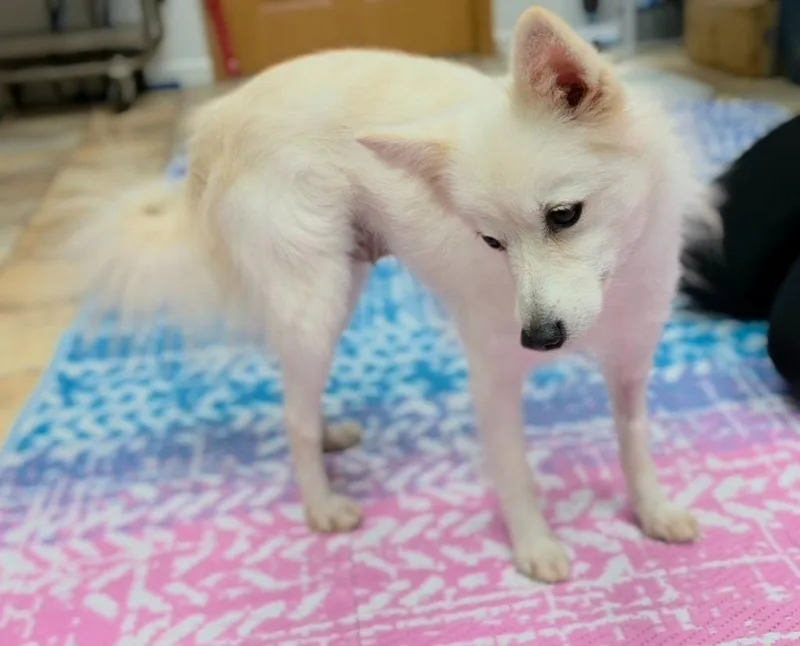
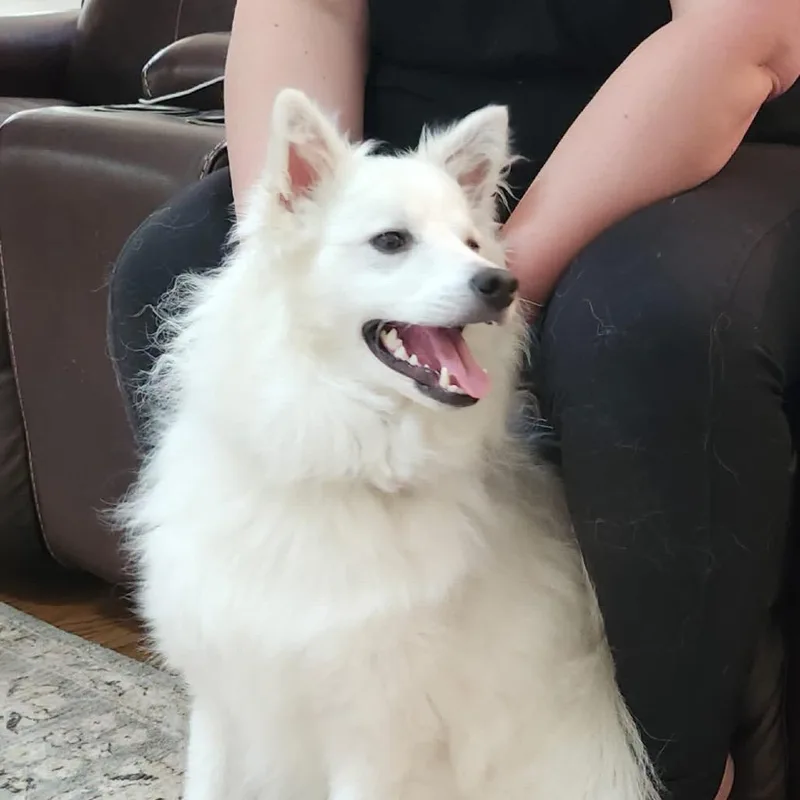
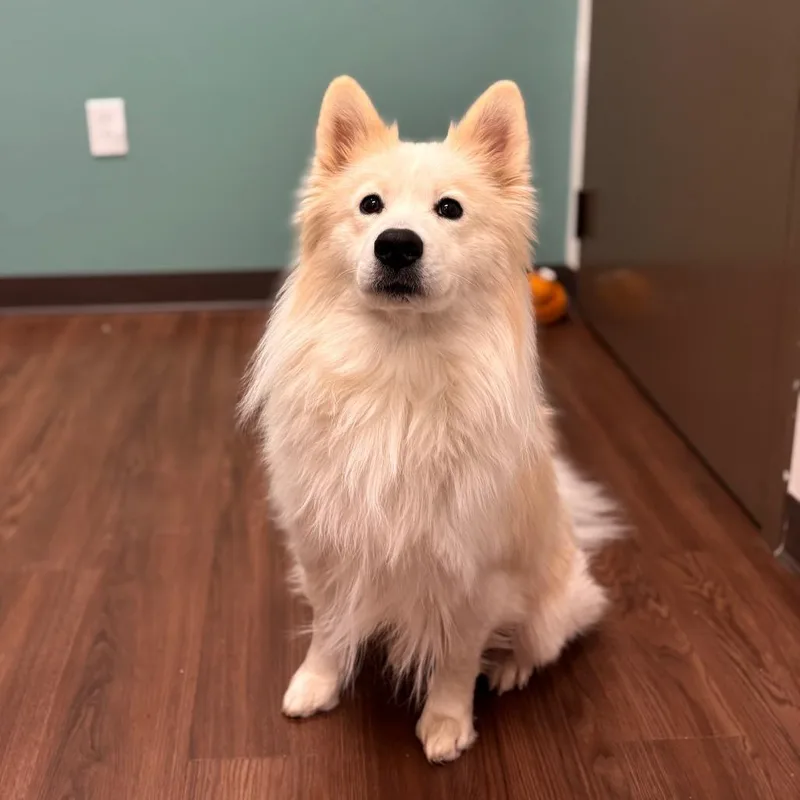
The look is hard to miss: a bright white double coat, a thick ruff and a plumed tail. Many Eskies are playful, loyal and eager to please, but they tend to be reserved with strangers and quick to bark. Heavy shedding, regular brushing, daily exercise and company are part of the deal. Dogs vary, so spend time with the dog you're considering.

Weight
6–35 lbs
Height
9–19 in
Lifespan
13–15 yrs
Temperament
Intelligent, Alert, Playful, Vocal
Group
Non-Sporting
Shedding
High

Owning an American Eskimo Dog in Chicago

Having an American Eskimo Dog in Chicago

Eskies pair a sharp mind and a showy coat with a strong need for company. In a dense city like Chicago, the biggest questions are how much they bark, how much time you can give them, and how you'll manage the fur.

Temperament

Many Eskies are affectionate and lively with their families and wary of strangers. In Chicago, that can mean barking at hallway footsteps, elevators and passing dogs. Early socialization and calm, positive training help a lot. Some Eskies get anxious or noisy when left alone, so a dog's daily routine and your schedule should match.

Exercise Needs

Plan on a daily walk or two plus active play and some brain work, like trick training or puzzle toys. Chicago's neighborhood sidewalks and small fenced dog areas work well for toy and miniature Eskies. Standards usually want more running. Cut sessions short on hot, humid days and use the cooler early or late hours.

Health Considerations

Eskies often live a long time, but the breed can have eye disease such as progressive retinal atrophy, juvenile cataracts, hip and kneecap problems, and diabetes. Winter salt can irritate paws, so wipe them after walks. A veterinarian can check the eyes, joints and teeth early, and regular checkups help catch problems sooner.

Living Space

Toy and miniature Eskies often do fine in Chicago apartments and condos, while standards may prefer a house or a unit near a park. Barking carries through shared walls, so think about your neighbors. Eskies want to live indoors with their people and need a cool spot during the summer's humid stretches.

What it costs to own an American Eskimo Dog in Chicago

ExpenseTypical costPer year
Food$20 to $45 per month$240 to $540
Pet insurance$35 to $70 per month$420 to $840
Routine vet care$200 to $400 per year$200 to $400
Other*$486 to $1,261 per year$486 to $1,261
Estimated yearly total (after year one)$1,346 to $3,041

Other costs are estimates and vary with size, age and health.

* The Chicago dog registration for a spayed or neutered dog and the Cook County rabies tag, flea, tick and heartworm prevention, a dental cleaning allowance, toys and bedding, and brushing and baths for a heavy-shedding double coat.

Adopt an American Eskimo Dog in Chicago.

Now that you know more, let’s find you a new best friend. These rescues and shelters below have dogs available in and near Chicago.

Frequently Asked Questions

Only small ones can. The CTA allows small pets on buses and 'L' trains only in a closed carrier that fits under a seat and can be carried by one person. A toy Eskie may qualify, a miniature is borderline, and a standard won't fit unless it's a service animal. Carriers can't block seats or aisles.

Mostly yes. Winters bring over 100 freezing nights and about 38 inches of snow, which an Eskie's double coat handles well. Summers are the challenge, with 17 to 20 days at 90°F or above and high humidity. Use air conditioning, walk early or late, skip shaving, and never leave a dog in a parked car.

Start with the Park District's dog-friendly areas, the only legal off-leash spots. Montrose Dog Beach is the biggest, while Puptown and Churchill suit small dogs. Each dog needs a $10 yearly permit with vaccination proof, and puppies under four months aren't allowed. For leashed walks, try the Lakefront Trail and The 606.

Yes. Illinois law bars breed-specific rules, so Eskies aren't banned or restricted. You'll need to register your dog with the city at four months, which costs $5 a year if the dog is spayed or neutered, and get a Cook County rabies tag. Landlords and condo boards can still set their own size or weight limits.

It can be, if you're home a fair amount and can handle some noise management. The coat suits long winters and the city's walkable blocks give Eskies lots to watch. Dense buildings can be tough because Eskies bark readily, and humid summers mean planning cooler outings. A flexible schedule helps most.

Don't count on it. Some Chicago restaurants and bars welcome dogs on patios in warm months, but that's up to each business, and rules on this have been unsettled. Dogs aren't allowed inside restaurants unless they're service animals. If you try a patio, bring a mat and water and practice quiet settling first, since Eskies bark readily.

Brush a few times a week, and daily when the undercoat blows in spring and fall. Bathe every month or two, and wipe paws and belly fur after salty winter walks. Humid summers can mat the coat, so keep brushing up. Don't shave it. Grooming costs fall within the Other line of the cost table.

American Eskimo Dogs typically live about 13 to 15 years, and some reach their late teens. Smaller toy and miniature Eskies often live slightly longer than standards, as is common in dogs. Good nutrition, a healthy weight, dental care and regular veterinary checkups help, and early screening for eye disease and diabetes can catch problems before they become serious.

American Eskimo Dogs come in three sizes. Toys stand about 9 to 12 inches and weigh roughly 6 to 10 pounds, miniatures stand 12 to 15 inches and weigh about 10 to 20 pounds, and standards stand 15 to 19 inches and weigh around 25 to 35 pounds. Shelter Eskies of unknown background may fall between these ranges.

Budget about $20 to $45 a month for food and $35 to $70 for insurance. Routine vet care runs roughly $200 to $400 a year. The Other line adds $486 to $1,261 a year for registration, tags, parasite prevention, dental care, supplies and grooming. Toy-sized Eskies tend to cost less than standards.

Find American Eskimo Dogs in Nearby Cities

Expand your search to find American Eskimo Dogs available for adoption near Chicago.