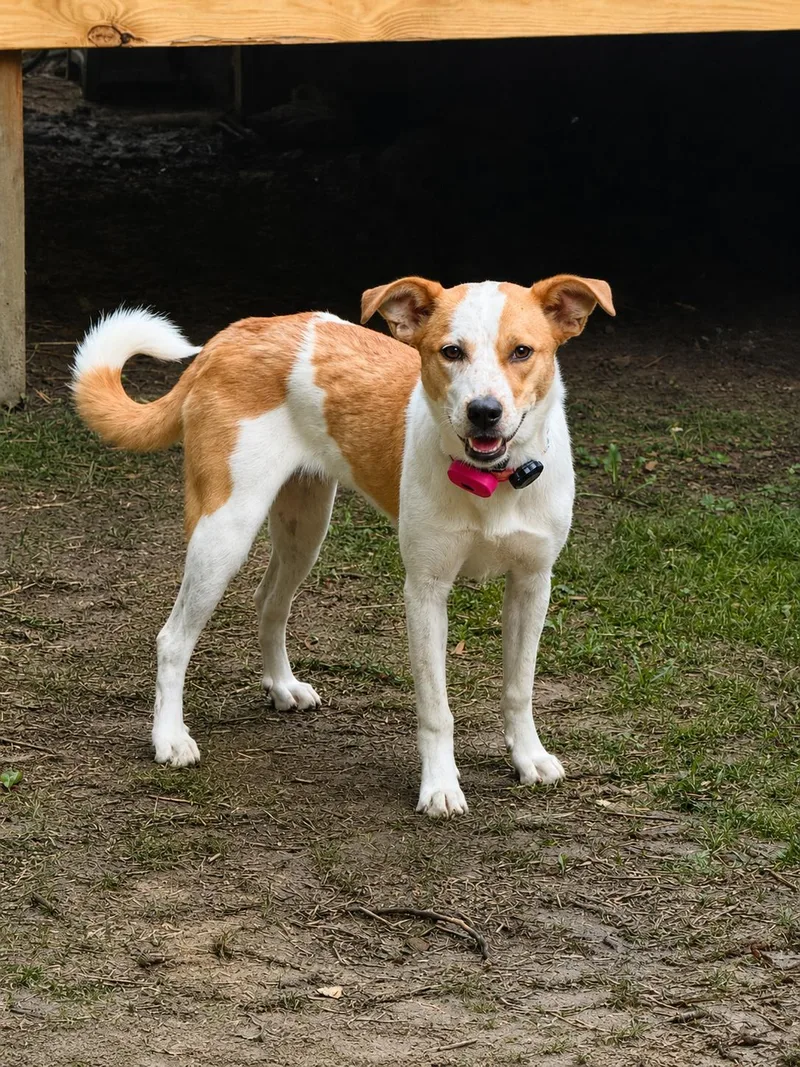
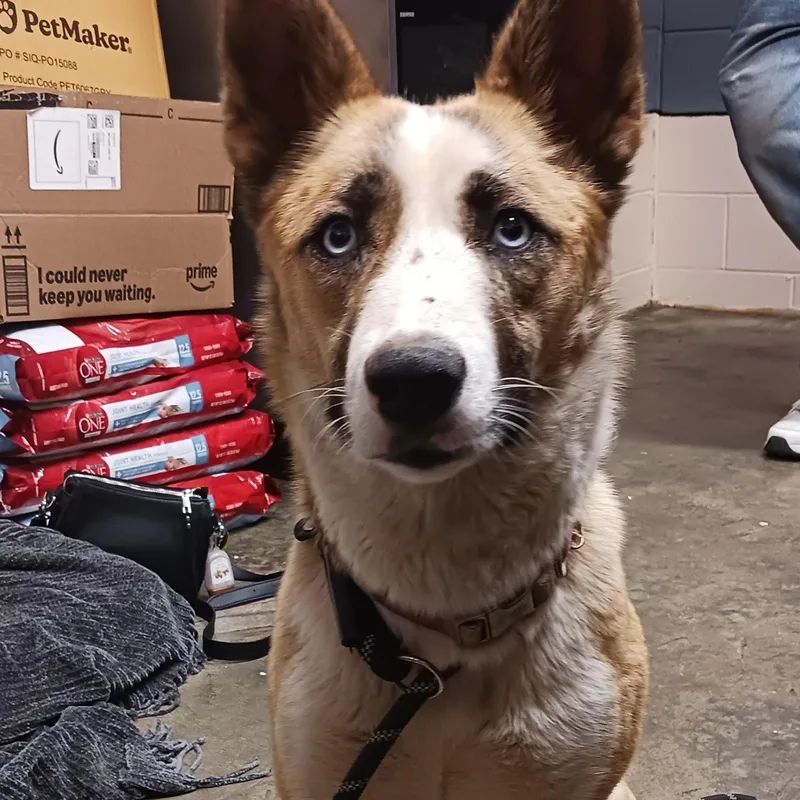
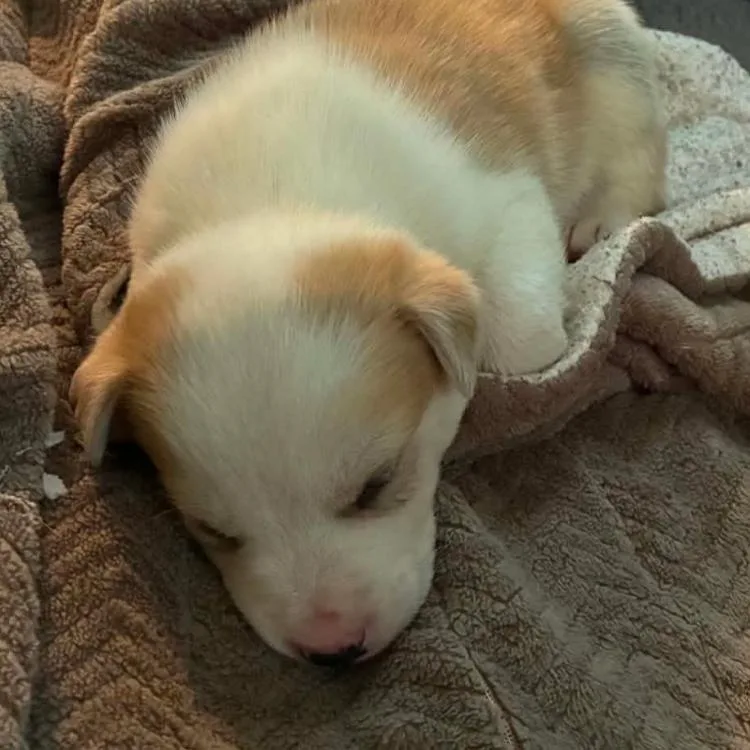
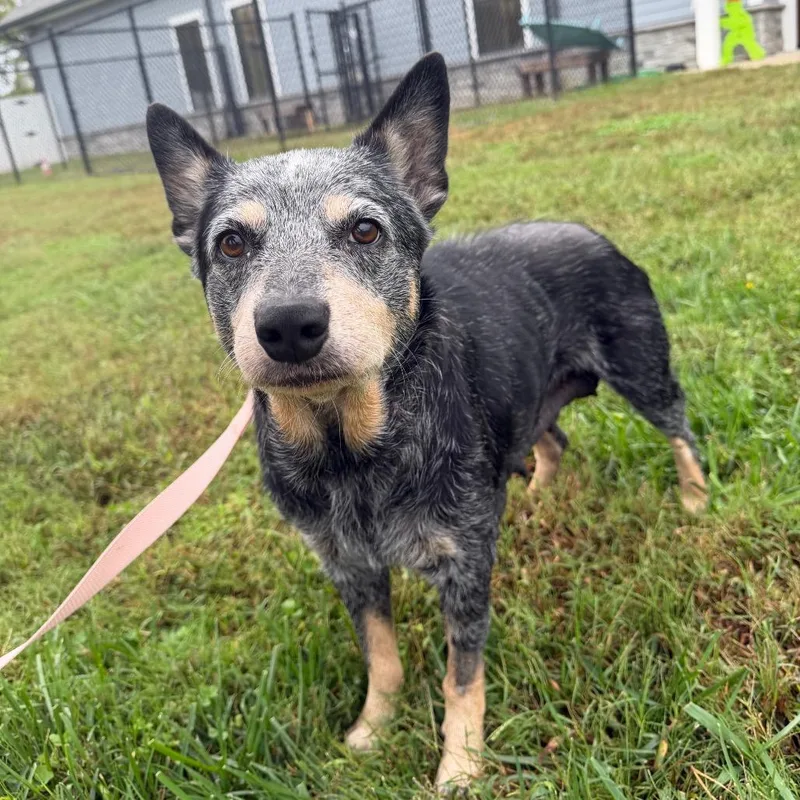
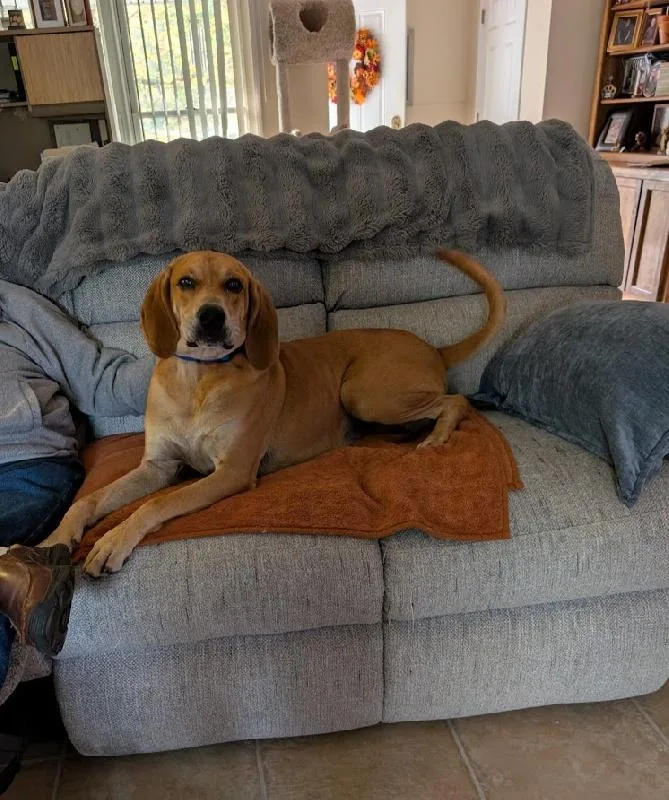
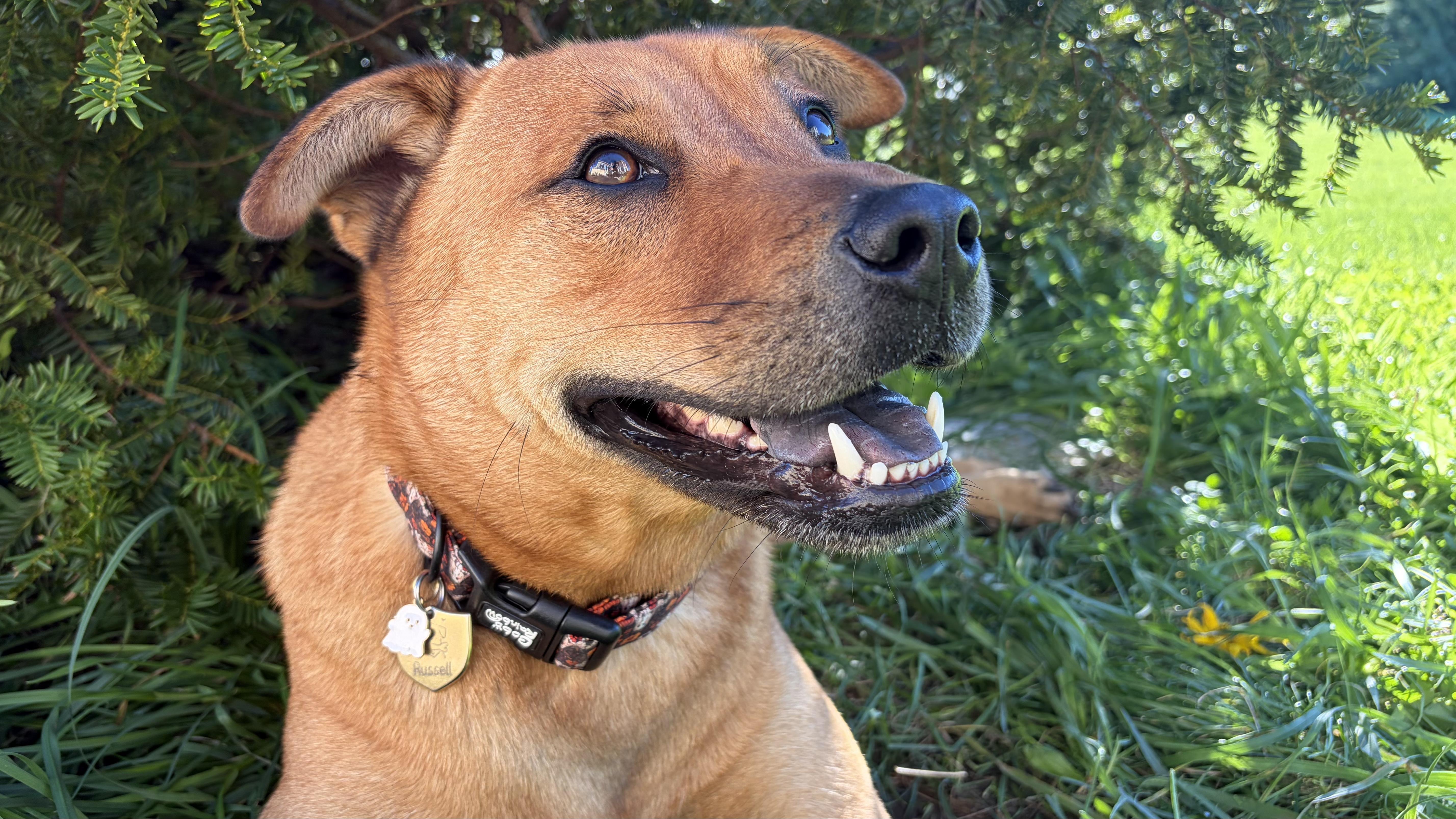
Cattle Dogs for Adoption in Aurora, IL

Your guide to finding and caring for a Cattle Dog in Aurora

Cattle Dogs suit Aurora best when their people like to be outside. The label usually means a Blue or Red Heeler or a mix, and these dogs want a job and a long walk every day. A house with a fenced yard in Riddle Highlands gives them room to patrol, and the one-mile Mastodon Trail loop around Phillips Park's lake burns off the rest. Even January's snow doesn't slow most of them down.

1969 Cattle Dogs available in Aurora and nationwide

Fall for a Cattle Dog

Cattle Dogs Available for Adoption Near Aurora

About the Cattle Dog breed

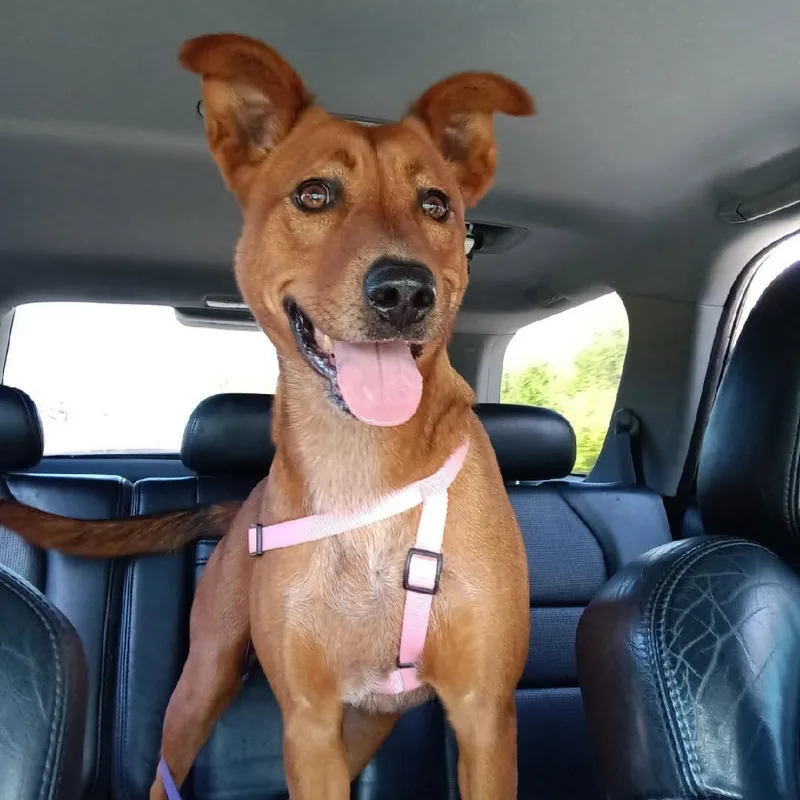
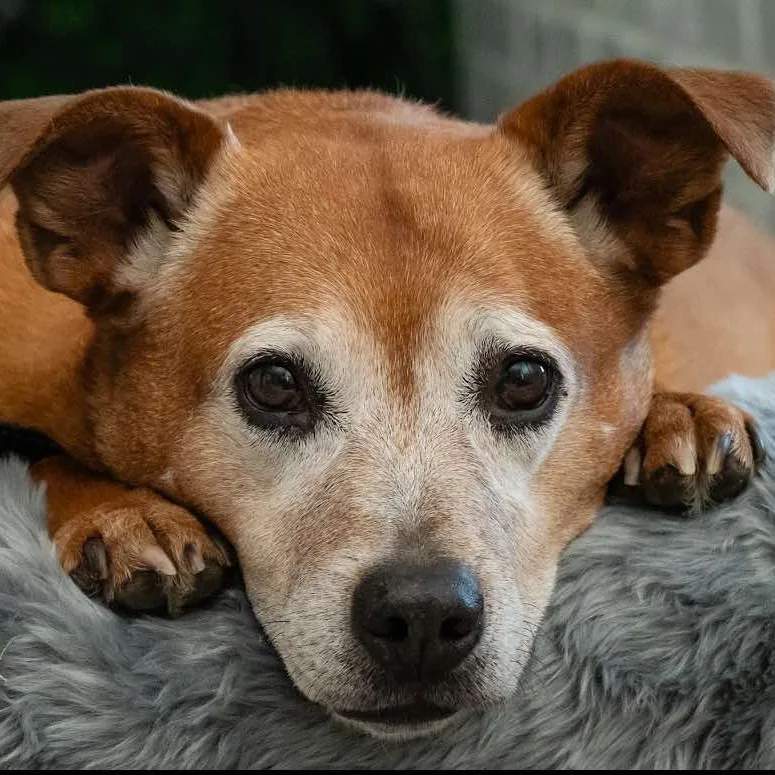
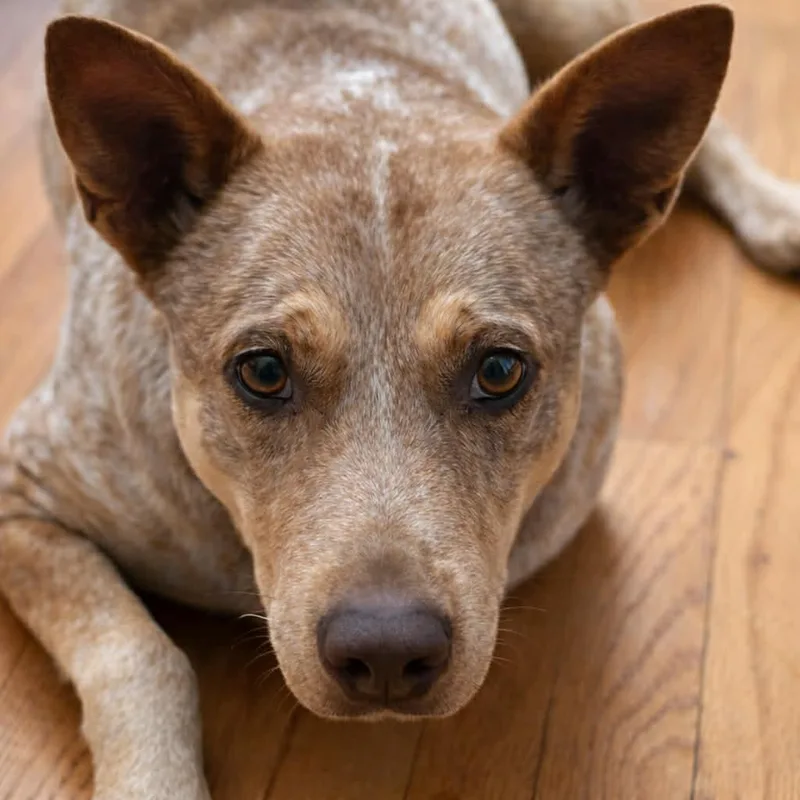
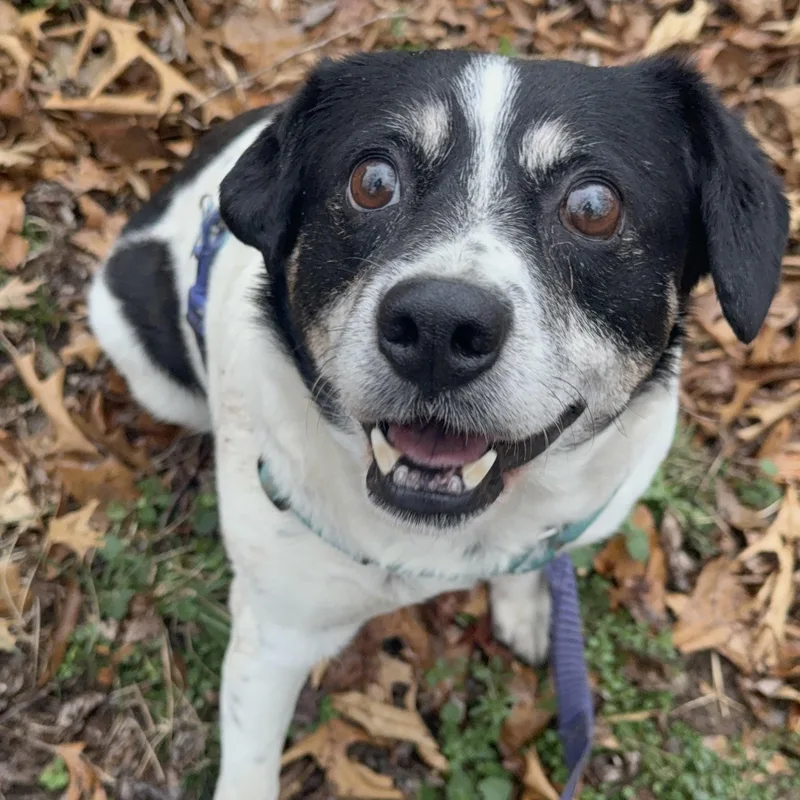
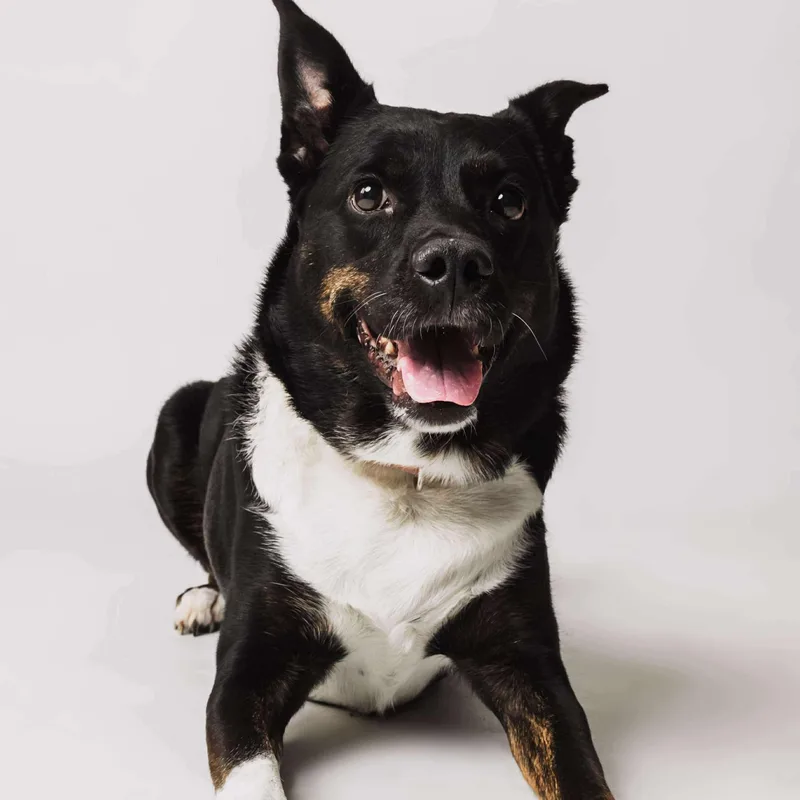
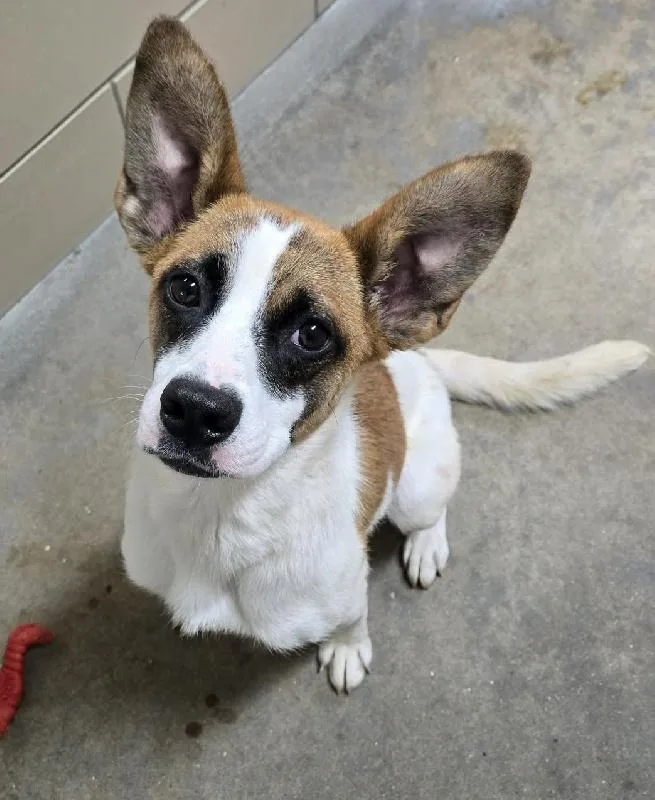
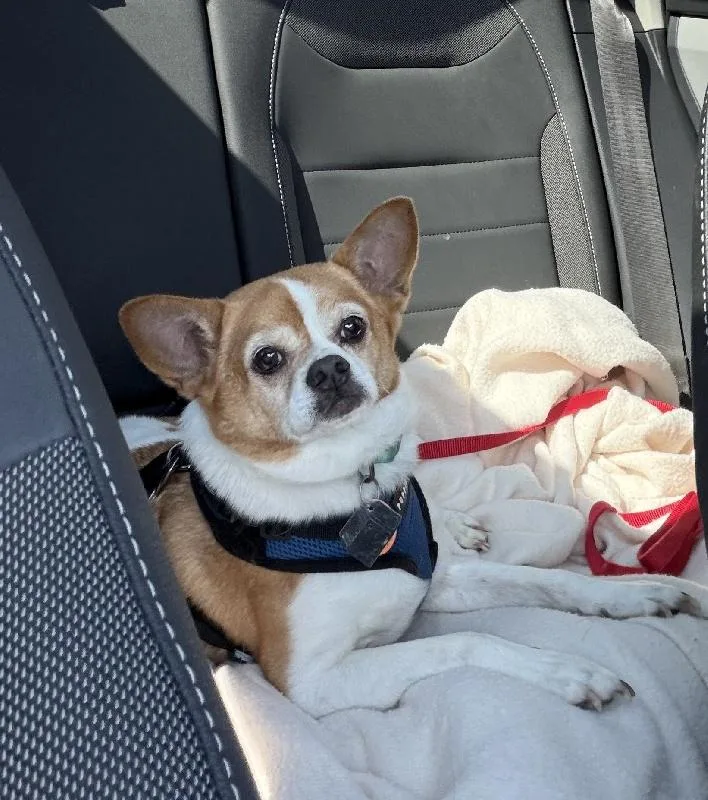
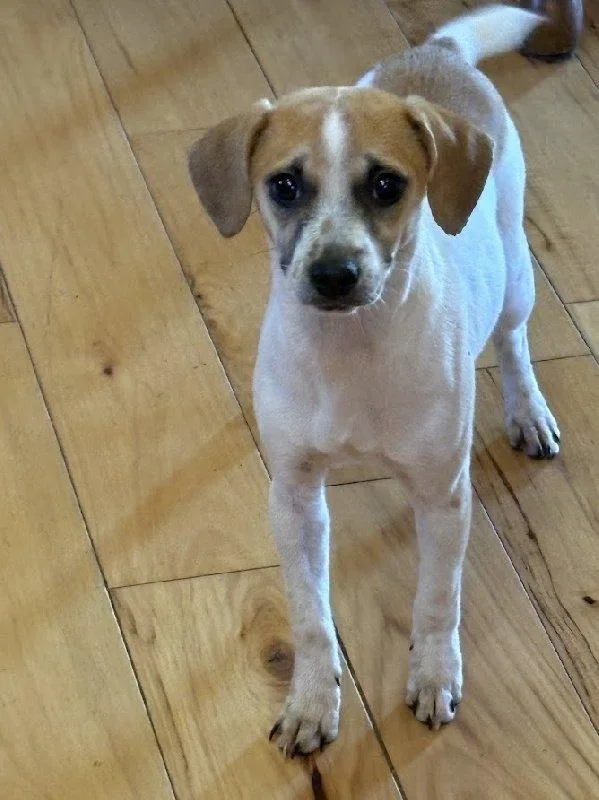
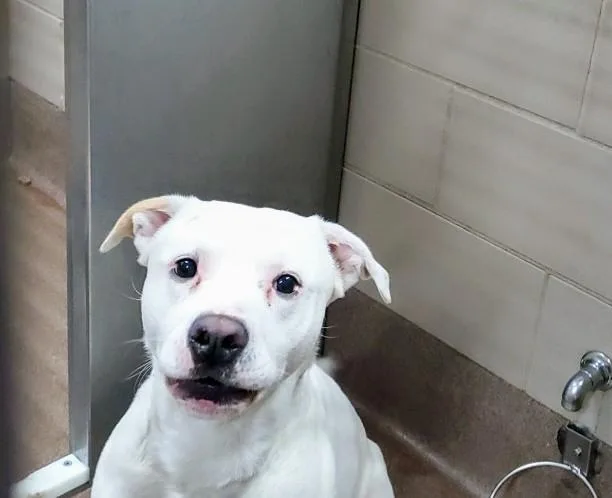
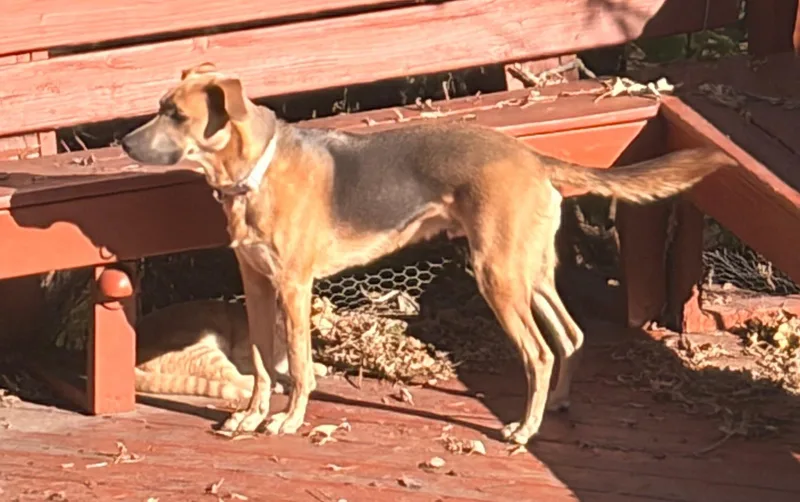
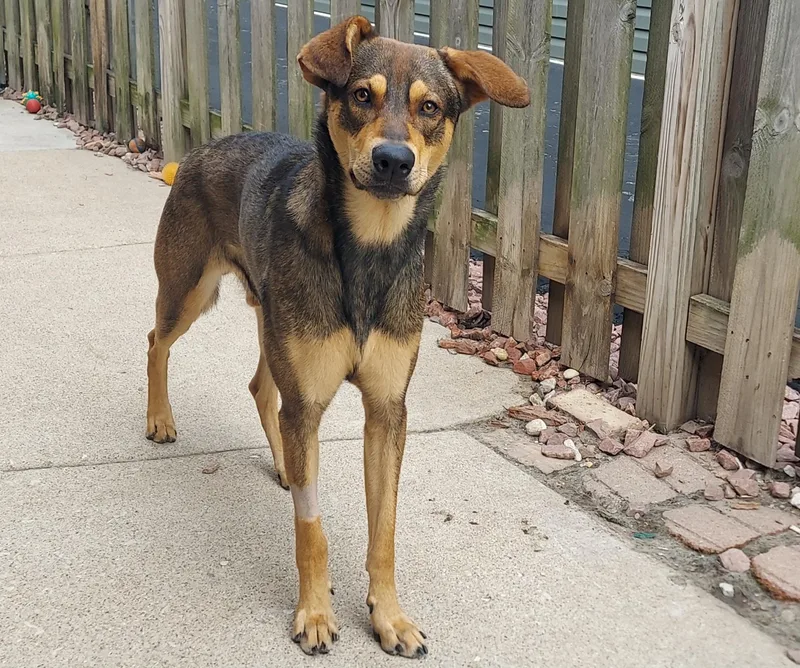
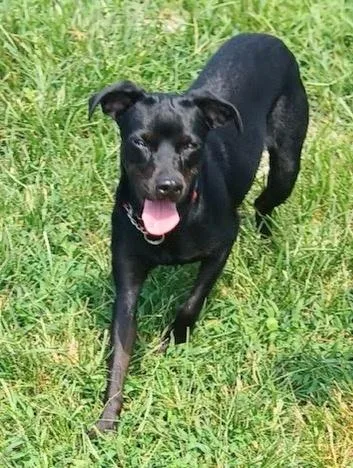
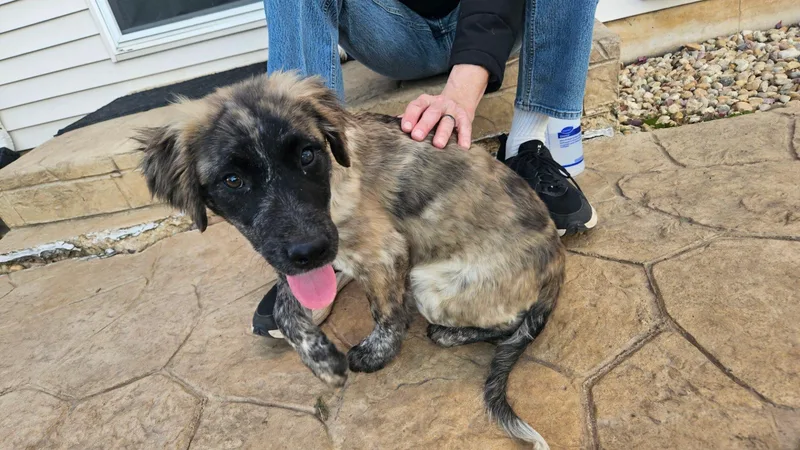
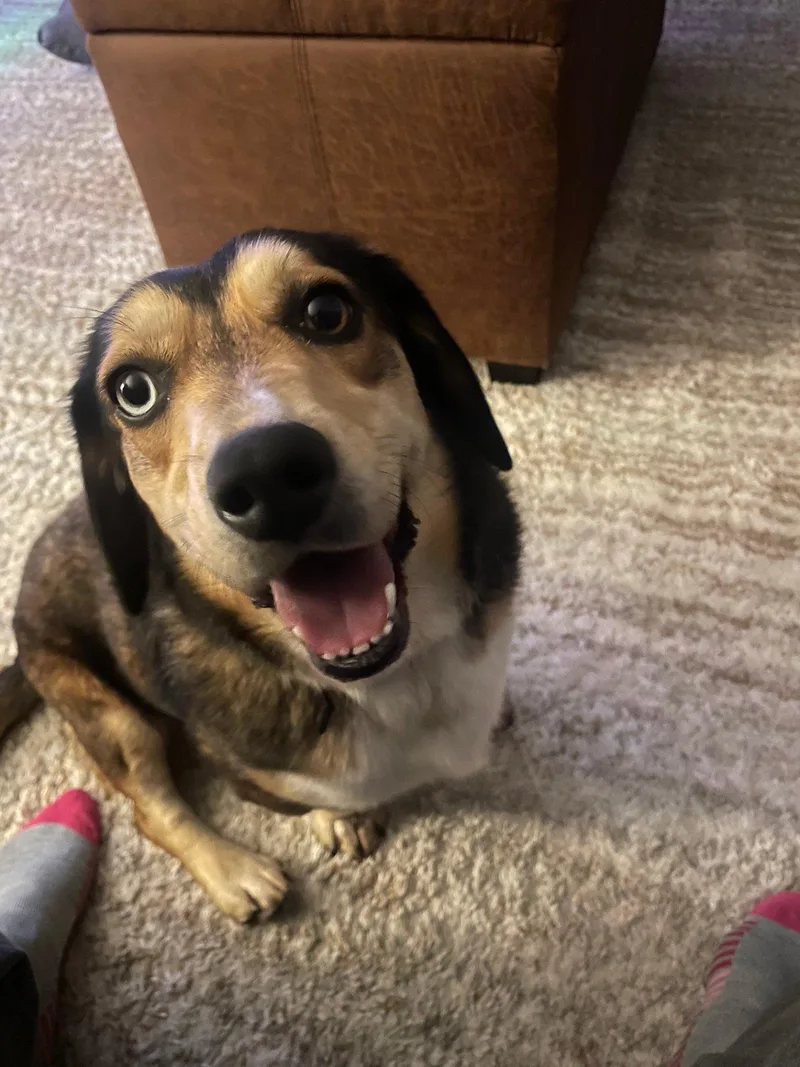
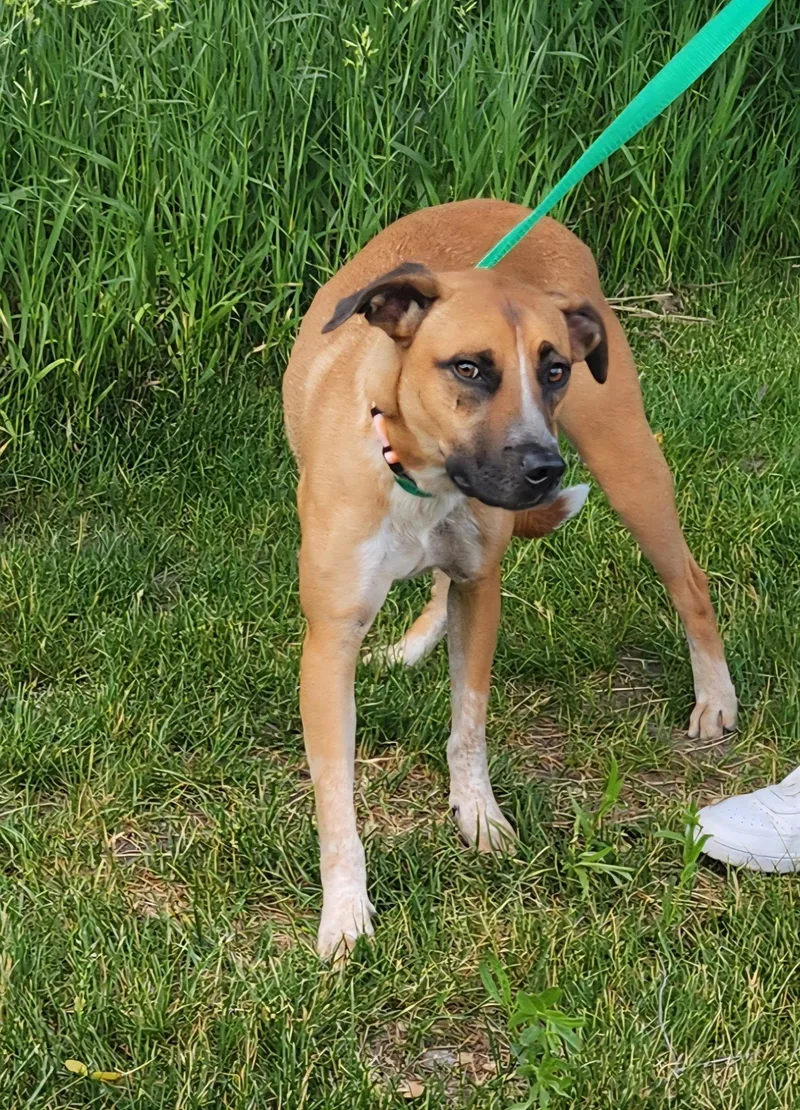
Cattle Dog is a catch-all label. Most dogs listed this way are Australian Cattle Dogs, called Blue or Red Heelers, or mixes with one, though it can also cover Texas Heelers and crosses with Border Collies, Labs and others. The breed was developed in nineteenth-century Australia to drive cattle by nipping at their heels.

Expect a medium, muscular dog of roughly 30 to 50 pounds with a short, weatherproof double coat that sheds moderately and more in spring and fall. They're quick learners with a stubborn streak, attached to their people and wary of strangers. In Aurora, that stamina fits the trail network and snowy walks, but mixes vary in size, coat and energy, so judge each dog by how it behaves, not by the label.

Weight
30–50 lbs
Height
17–20 in
Lifespan
12–16 yrs
Temperament
Energetic, Loyal, Intelligent, Protective
Group
Herding
Shedding
Moderate

Owning a Cattle Dog in Aurora

Having a Cattle Dog in Aurora

Dogs under this label usually bring a heeler's stamina, sharp mind and strong attachment to their people. Those traits reward active households and can overwhelm sedentary ones, so match the dog's energy to your daily routine, not just its looks.

Temperament

Cattle dogs tend to be loyal, alert and devoted to one person or family, and many are reserved with strangers. Nipping at heels is a herding habit, so running kids, bikes and other pets can set it off. Some guard their home. Early socialization and steady training help, and mixes vary widely.

Exercise Needs

Plan on an hour or more of vigorous activity daily once fully grown, plus mental work like puzzle toys, scent games and training sessions. In Aurora, the Mastodon Trail loop in Phillips Park and the Fox Valley Park District's trails suit leashed runs and walks, while fenced dog parks allow off-leash fetch.

Health Considerations

Heelers and their mixes are often hardy, but congenital deafness, progressive retinal atrophy, lens luxation and hip or elbow problems occur. Fearless play also leads to torn ligaments. Keep the dog lean, and have a veterinarian check hearing and eyes at the first exam. Winter salt can irritate paws, so wipe them after walks.

Living Space

Aurora's many single-family homes with yards suit cattle dogs well, though a bored dog will test fences, so check gates and latches. Apartment life can work with reliable daily exercise and training. Either way, expect a dog that wants to be wherever you are, indoors with the family.

What it costs to own a Cattle Dog in Aurora

ExpenseTypical costPer year
Food$35 to $70 per month$420 to $840
Pet insurance$45 to $85 per month$540 to $1,020
Routine vet care$225 to $450 per year$225 to $450
Other*$430 to $1,170 per year$430 to $1,170
Estimated yearly total (after year one)$1,615 to $3,480

Other costs are estimates and vary with size, age and health.

* The City of Aurora dog license, flea, tick and heartworm prevention, a dental cleaning allowance, durable toys and bedding, and light home grooming.

Adopt a Cattle Dog in Aurora.

Now that you know more, let’s find you a new best friend. These rescues and shelters below have dogs available in and near Aurora.

Rescues and Shelters in or near Aurora

Aurora's adoption options include a city animal shelter and nearby nonprofit rescues that list dogs of many breeds and mixes. Here are the rescues & shelters in the Aurora area with dogs available for adoption, worth asking whether a Cattle Dog is coming in.

Frequently Asked Questions

Yes. Aurora has no known breed-specific rules, and Illinois law bars local dog rules aimed at a particular breed. Behavior is what counts: the city limits barking to 15 consecutive minutes by day and 10 at night, which matters for alert, bored heelers. You'll also need a City license and a county rabies tag.

Yes. A Cattle Dog's double coat handles Aurora's cold well, and many enjoy snow. The bigger concern is the harshest nights, since about nine a year reach 0°F or colder. Shorten walks then, watch older or thin-coated dogs, and wipe road salt and ice melt from paws after every outing.

Start with the one-mile Mastodon Trail around the lake in Phillips Park, then add the Fox River Trail along both banks downtown. The Fox Valley Park District's trail network offers many more miles. Keep dogs leashed on trails, and note that the Aurora West Forest Preserve off-leash area excludes puppies under 6 months.

Yes, if daily exercise is dependable. Most Aurora homes are single-family, so apartment hunters may have fewer pet-friendly options, and the dog needs an hour or more of activity plus puzzle toys or training to avoid boredom barking. Living near the downtown riverfront trail makes those daily walks easier.

Yes, for active people who are home a fair amount. Aurora offers trails, dog parks and many yards for daily exercise. A poorer match is a long Metra commute with the dog alone all day, since heelers bond closely and can get bored and loud. Dogs vary, so weigh each dog's energy against your routine.

Mostly no. Metra allows only small pets in enclosed carriers that fit on a lap or under a seat, on off-peak weekday and weekend trains, so a 30 to 50 pound Cattle Dog won't qualify unless it's a service animal. Pace buses let caged pets ride free. For most trips, plan on driving or walking.

Not indoors. Pet dogs aren't allowed in restaurant dining rooms, only service animals. Patio policies vary by restaurant and county health rules, so don't count on one. If you try a patio, practice a calm settle on a mat first, since many cattle dogs are watchful around strangers.

Not much. A short double coat needs weekly brushing, more often during spring and fall sheds, plus occasional baths and nail trims. In Aurora winters, wipe salt and ice melt off paws after walks. Light home grooming keeps costs low, so a professional groomer is usually optional rather than routine.

Most cattle dogs live about 12 to 16 years, and many Australian Cattle Dogs reach 13 or 14. Mixes can fall anywhere in that range. Keeping a dog lean, active, vaccinated and up to date on veterinary exams supports a long life, though no breed label can promise a particular lifespan for a particular dog.

Expect roughly $1,600 to $3,500 a year for a cattle dog across food, insurance, routine vet care and other costs. Food runs $35 to $70 a month, insurance $45 to $85, routine vet care $225 to $450 a year, and other costs $430 to $1,170. Costs vary with the dog's size and coat.