


Corgi Dogs for Adoption in Arlington Heights, IL

Your guide to finding and caring for a Corgi in Arlington Heights

Corgis suit Arlington Heights' mix of newer apartments and older single-family streets. A compact dog that's happy with sidewalk walks fits the newer apartments around Hickory-Kensington and Arlington Downs, where a Corgi will supervise every hallway sound. Most parks in the village don't allow dogs, so plan on daily loops through the neighborhood. Expect some barking, and plenty of fur on the sofa.

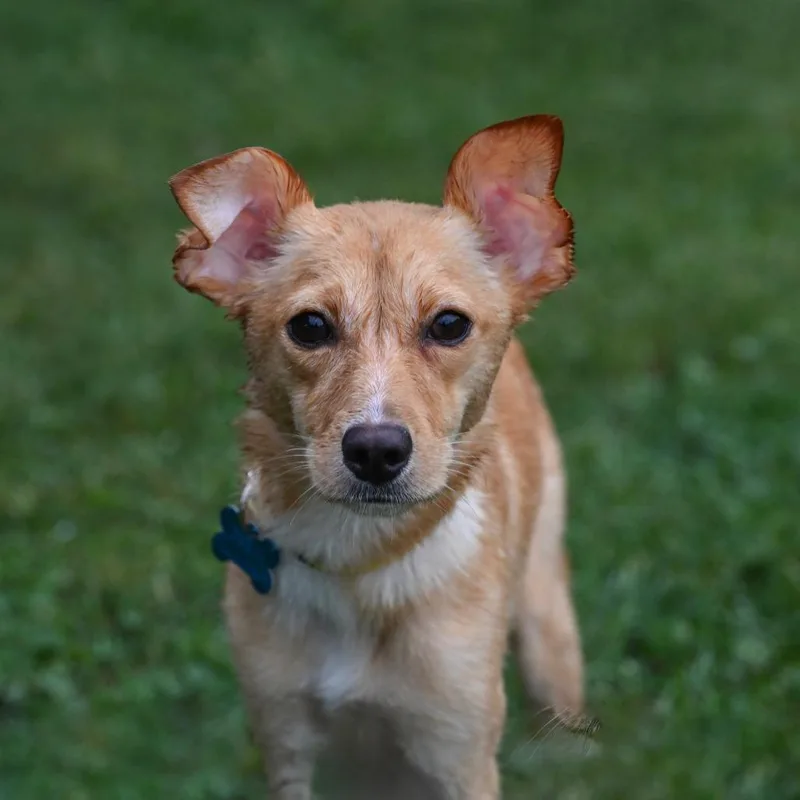
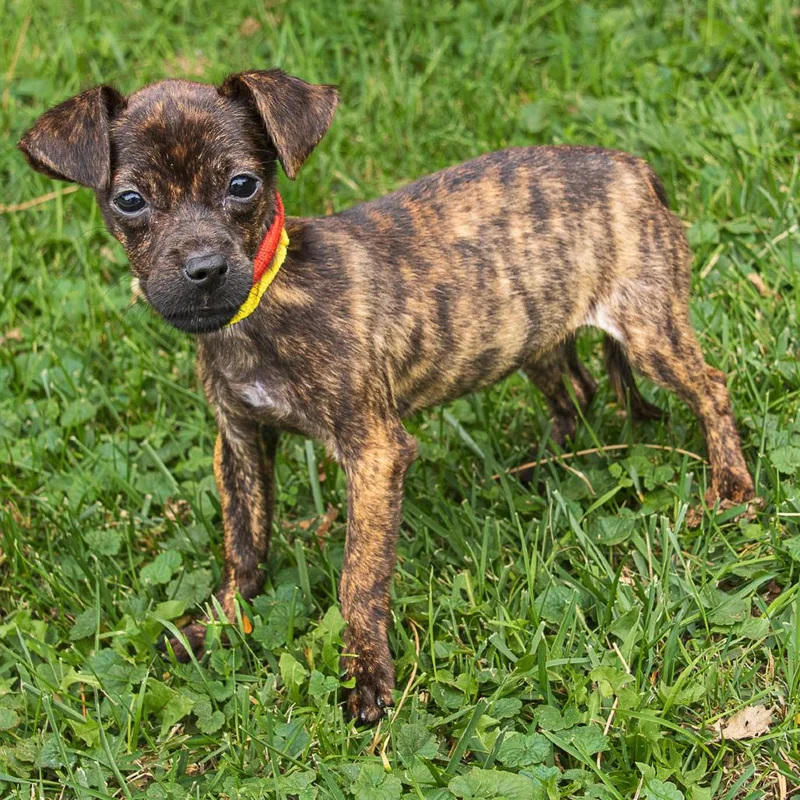
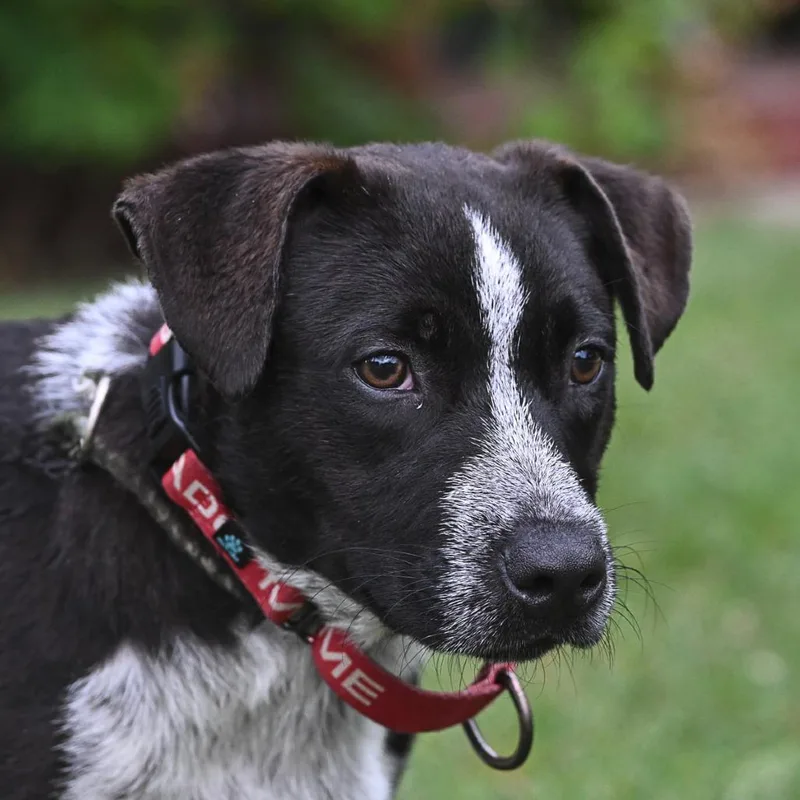
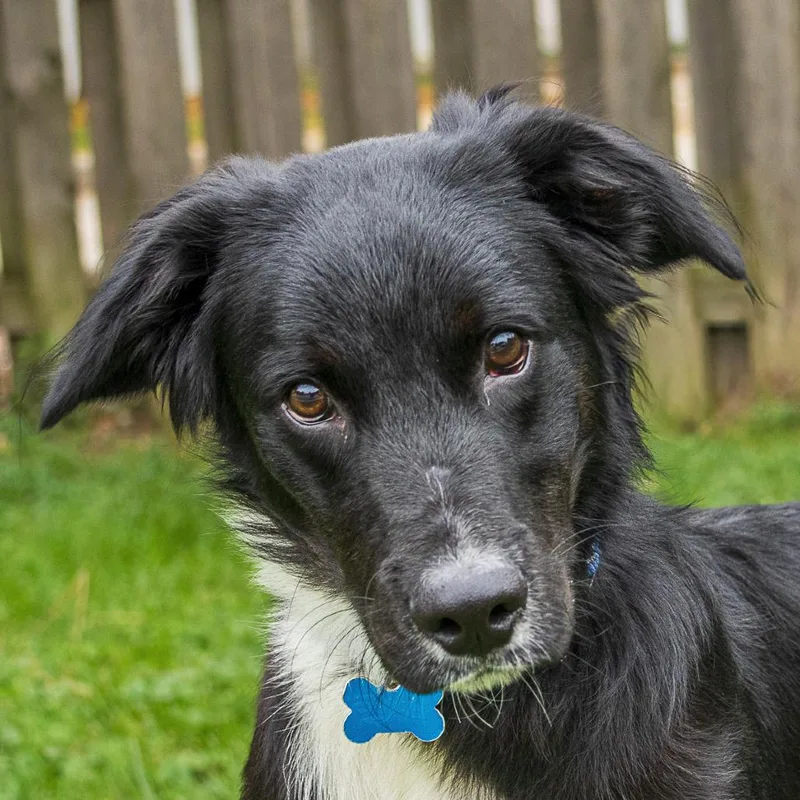
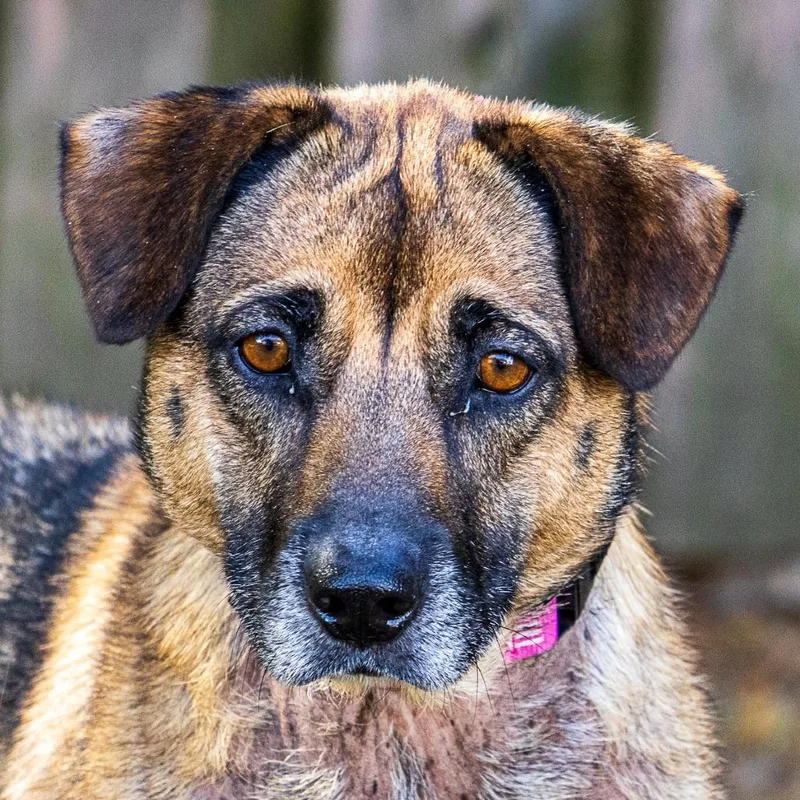
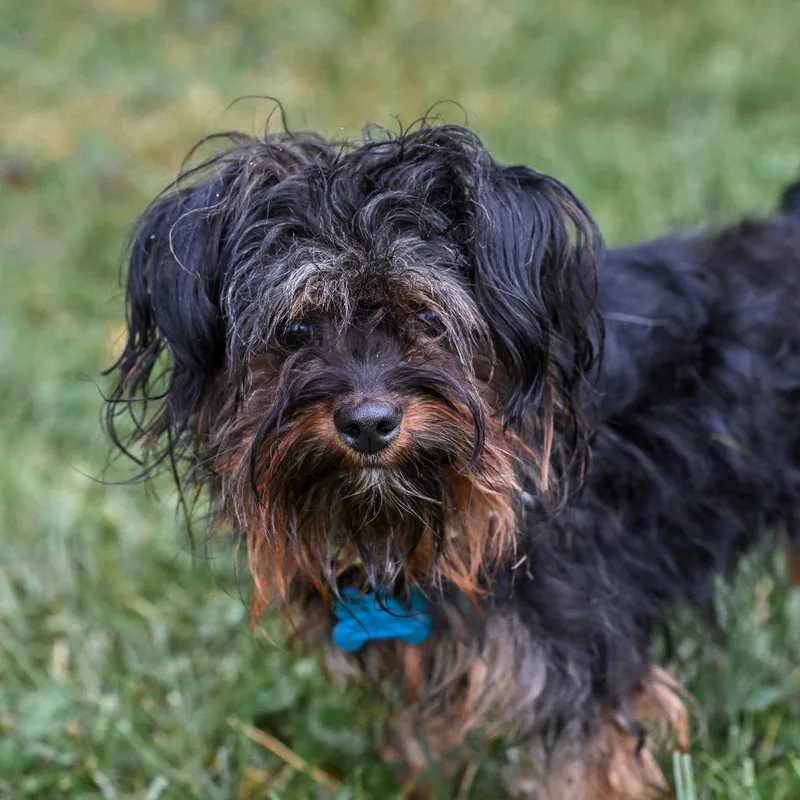
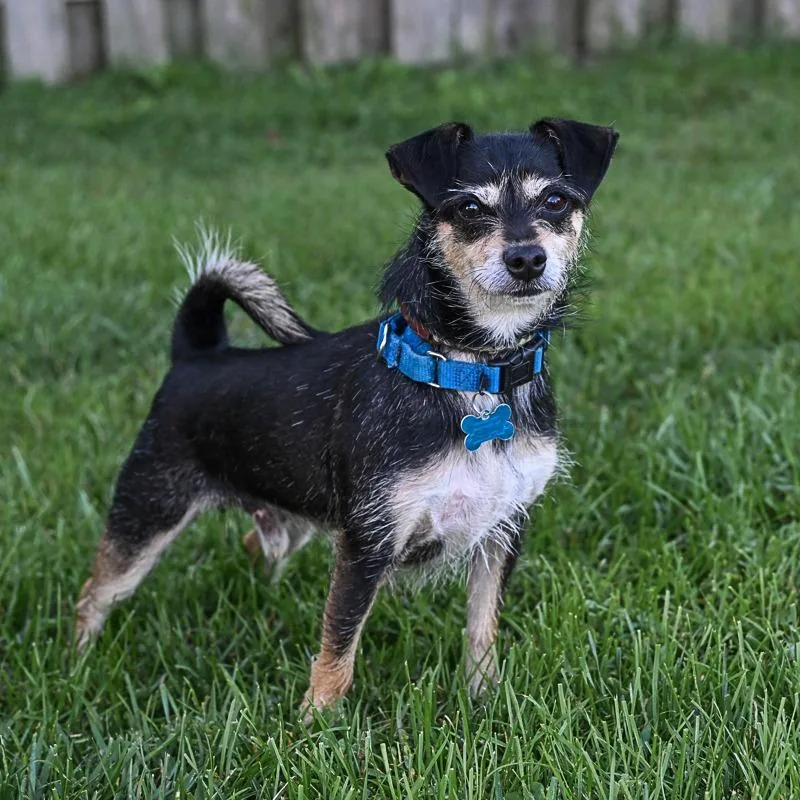
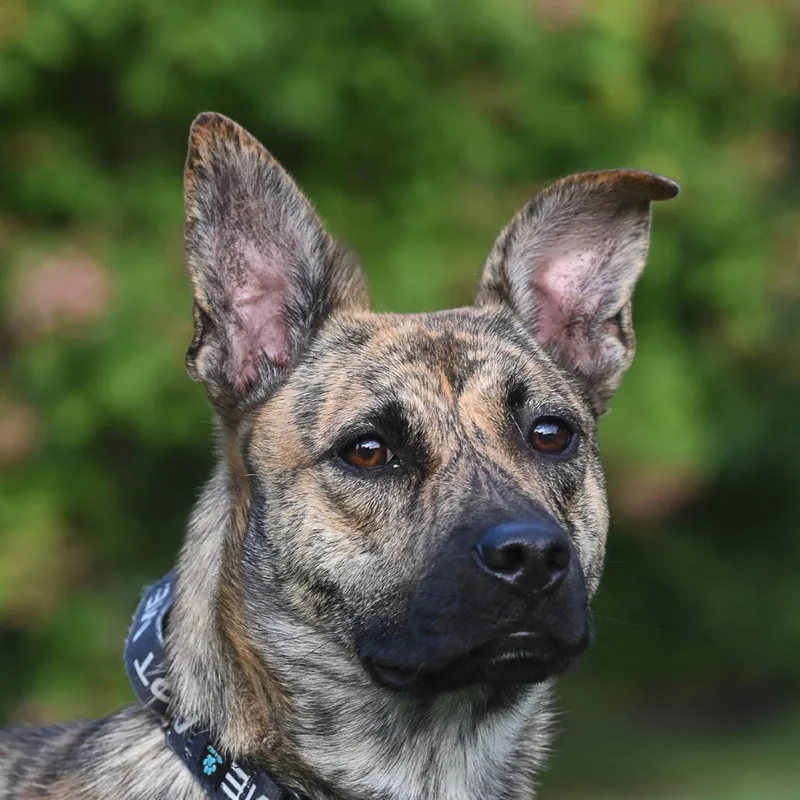
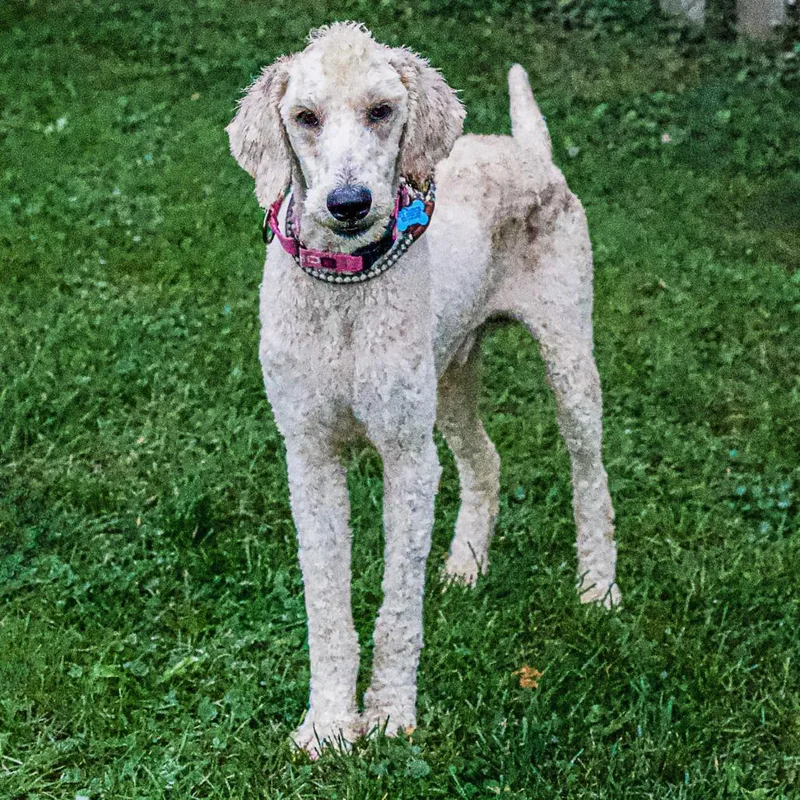
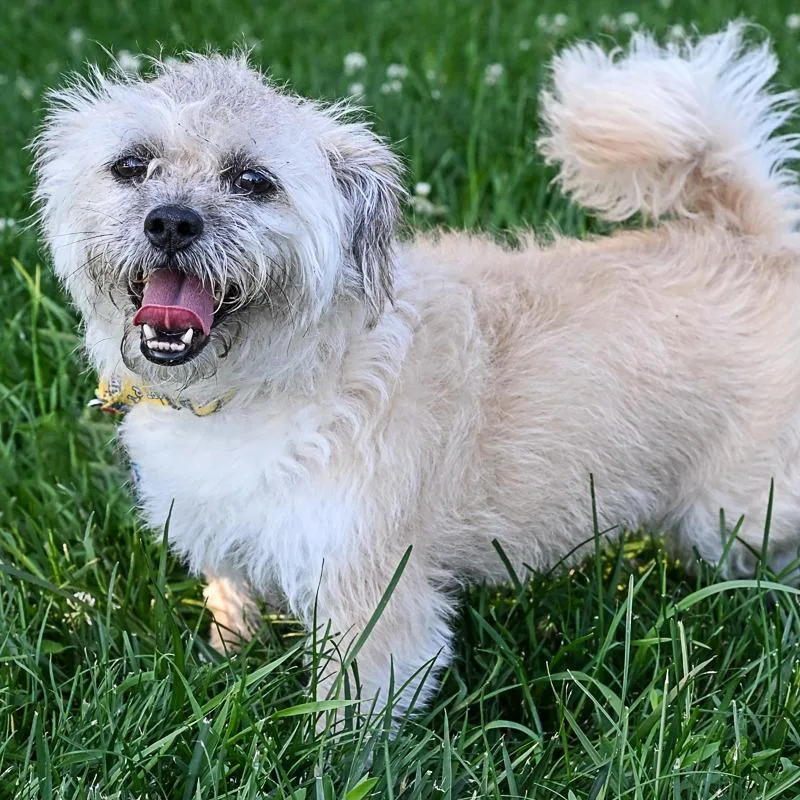
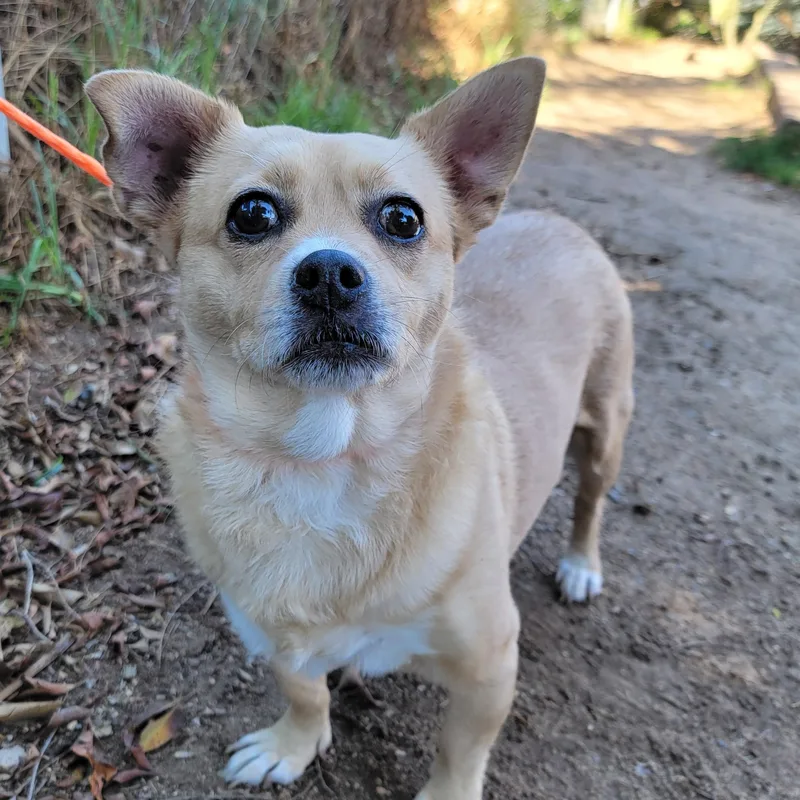
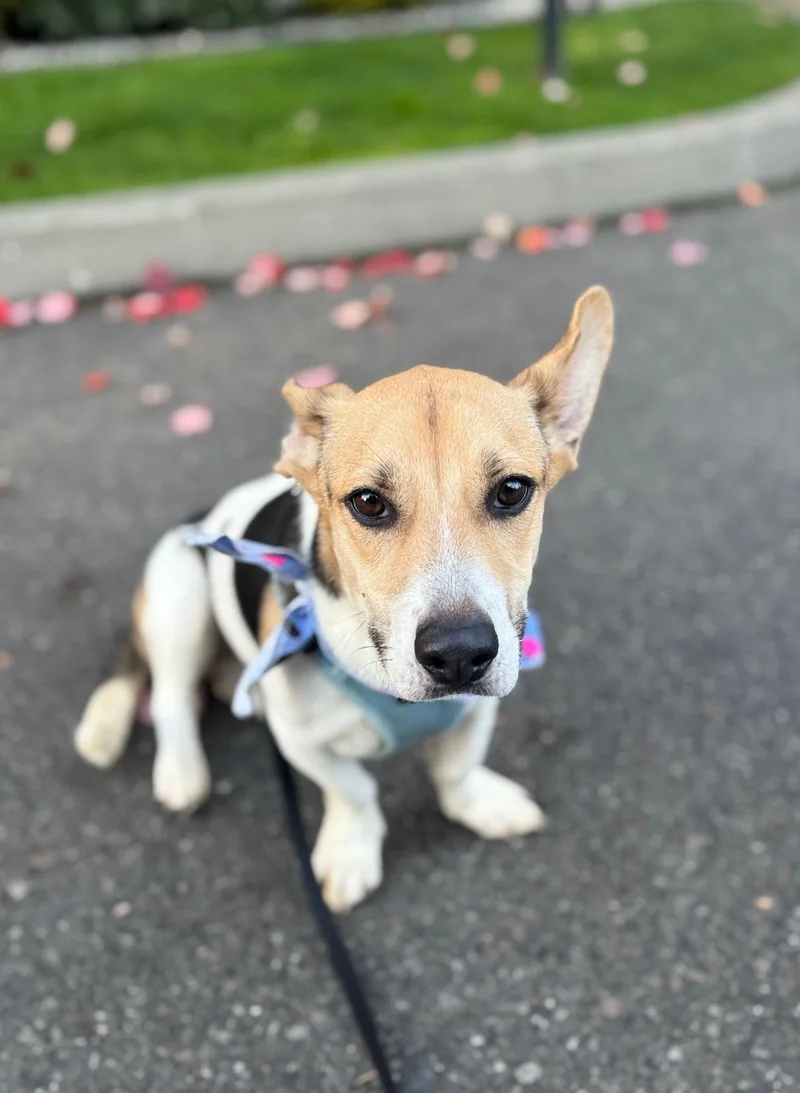
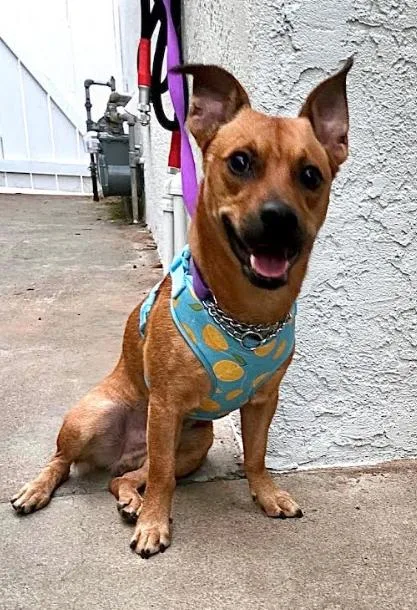
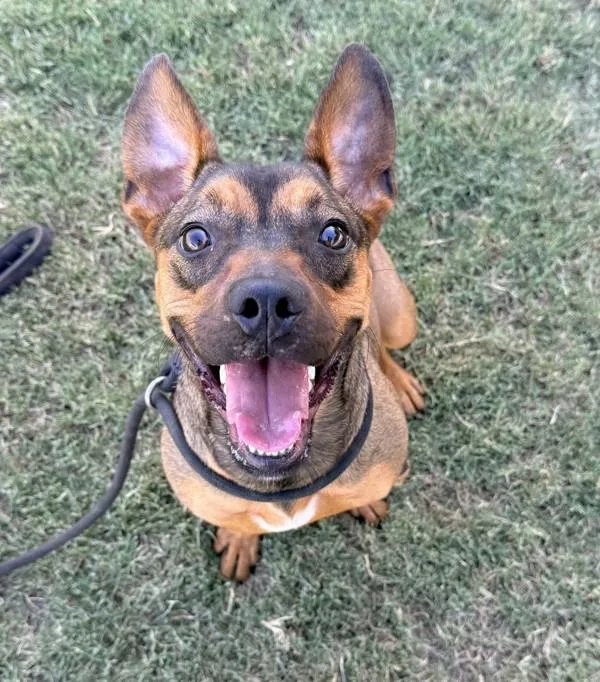
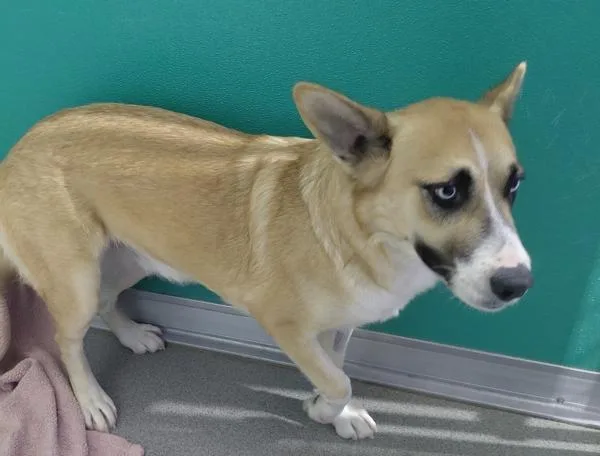
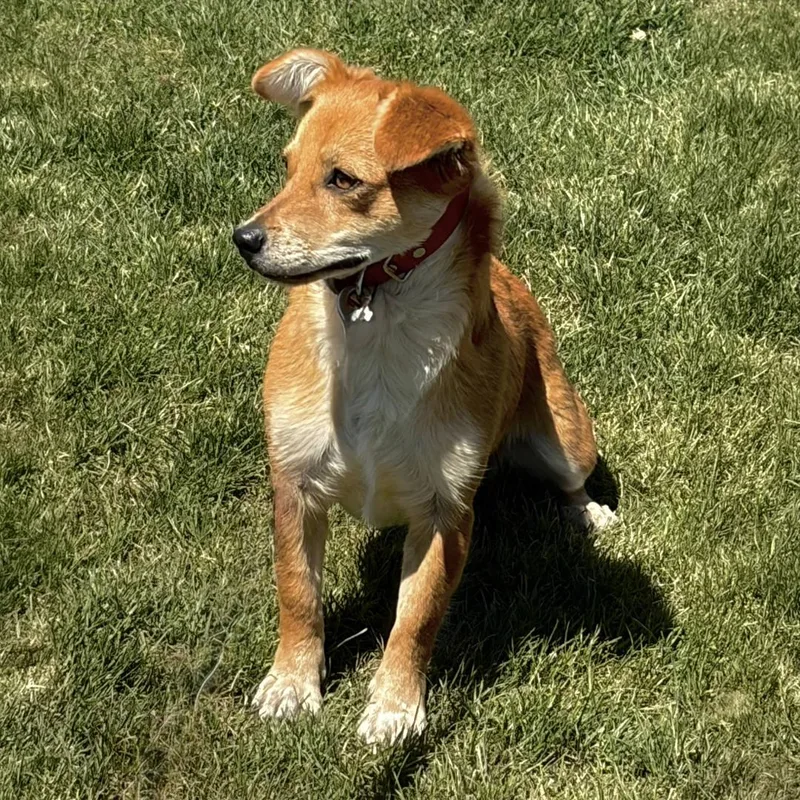
511 Corgis available in Arlington Heights and nationwide

Meet your next Corgi

While we don't have enough dogs near Arlington Heights, keep in mind that many rescues may offer transport.

Corgis Available for Adoption Near Arlington Heights

About the Corgi breed

Corgi is a label for two Welsh herding breeds, the Pembroke and the Cardigan, and it's also used for corgi mixes. Both are long, low cattle dogs with upright ears and a dense double coat, usually 22 to 38 pounds. Pembrokes are foxier and often have a short tail, while Cardigans are heavier with a long, brushy tail.

Originally working dogs that nipped at the heels of cattle, Corgis are bright, alert and affectionate, with big-dog confidence. On Arlington Heights sidewalks and apartment hallways, that herding streak can show up as barking or nipping at passing joggers and kids, which training handles well. They shed heavily and love food, so measured meals and regular brushing are part of the routine. Each dog's personality differs.

Weight
22–38 lbs
Height
10–13 in
Lifespan
12–15 yrs
Temperament
Alert, Intelligent, Affectionate
Group
Herding
Shedding
High

Owning a Corgi in Arlington Heights

Having a Corgi in Arlington Heights

A Corgi is a herder in a low-slung body, and that combination drives its needs: steady walks, mental work, a lean waistline to protect its back, and a household that can live with barking and fur. Each dog varies, but those are the themes to plan for.

Temperament

Corgis tend to be outgoing and eager to join family life, with a clownish streak and strong opinions. In Arlington Heights' close-quarters buildings and sidewalk-lined blocks, early socialization helps with passing strangers, bikes and neighbors' dogs, and training can curb heel-nipping and alert barking. Cardigans are often a little more reserved than Pembrokes.
Exercise Needs

Plan on daily walks plus active play, such as fetch or training games. Because most Arlington Heights parks don't allow dogs, sidewalk loops are the main outlet, and Melas Park's paved paths welcome leashed dogs. Canine Commons there offers off-leash play to members. Skip repeated jumping on and off furniture to protect that long back.

Health Considerations

Corgis are prone to intervertebral disc disease because of their long backs, so keeping them lean matters. Hip dysplasia, degenerative myelopathy and eye disease such as progressive retinal atrophy also occur. Icy steps and sidewalks in winter add slip risk, so ramps and traction help. A veterinarian can check the spine and joints; watch for back pain, weakness or reluctance to move.

Living Space

A Corgi adapts to a downtown apartment or a single-family home with a fenced yard. In an apartment, ground-floor or elevator access spares its back, and ramps help with the sofa and bed. Expect year-round shedding and barking at hallway sounds, which matter more with shared walls.

What it costs to own a Corgi in Arlington Heights

ExpenseTypical costPer year
Adoption fee$290, one time$290 in year one
Food$20 to $45 per month$240 to $540
Pet insurance$40 to $85 per month$480 to $1,020
Routine vet care$200 to $400 per year$200 to $400
Other*$481 to $1,256 per year$481 to $1,256
Estimated yearly total (after year one)$1,401 to $3,216
First-year total (with adoption fee)$1,691 to $3,506

Adoption fee is the fee on Corgi listings in Arlington Heights on GetBuddy today. Other costs are estimates and vary with size, age and health.

* Flea, tick and heartworm prevention, a dental cleaning, the Cook County rabies tag, toys and bedding, and brushing and baths for heavy shedding.

Adopt a Corgi in Arlington Heights.

Now that you know more, let’s find you a new best friend. These rescues and shelters below currently have Corgis available.

Rescues in Arlington Heights with Corgis Available

Arlington Heights has no city-run shelter, but nonprofit rescues here work to place dogs and cats in loving homes. Here are the rescues & shelters in the Arlington Heights area where you can find Corgis and other dogs available for adoption.

Frequently Asked Questions

Only if the Corgi fits in a carrier. Metra's Union Pacific Northwest line stops at Arlington Heights and Arlington Park, but it allows only small pets in an enclosed carrier that fits on a lap or under the seat, on weekends and off-peak weekday trains. Pace buses let caged pets ride free. Most adult Corgis are too big, so plan on walking or driving.

Yes, most Corgis handle Arlington Heights winters well thanks to their double coat. Expect about 38 inches of snow and a few sub-zero nights, so wipe paws and bellies after salted sidewalks, shorten walks in the deepest cold, and add traction on icy steps to protect that long back. Short legs mean deep snow slows them quickly.

Melas Park on Central Road is the one park where leashed dogs are allowed, on its paved paths. Canine Commons there is the only off-leash option, with a small-dog area for dogs under 25 pounds, but it needs a yearly membership and park district residency. Dogs aren't allowed at Lake Arlington or other neighborhood parks.

Yes. Illinois law bars breed-specific rules, so Corgis face no breed restrictions in Arlington Heights. Households are limited to four pets in total, dogs must be leashed in public, and owners must pick up waste. The village no longer requires a dog license, but dogs 4 months and older need a rabies vaccination and county tag.

Yes, a Corgi can do well in an Arlington Heights apartment with daily walks and company. Ground-floor or elevator access spares its back, and ramps help with furniture. Plan for barking at hallway noise and heavy shedding. Before applying, read the lease for pet rent, deposits and weight limits, since landlords set their own.

A Corgi fits well if you're happy with daily sidewalk walks and can handle some barking. Most parks here don't allow dogs, so exercise comes from neighborhood loops and training games. Coyotes are regularly reported, so keep a Corgi leashed and supervised outside. Snowy winters mean wiping paws, and heavy shedding means regular brushing.

Don't count on it. Dogs are never allowed inside dining rooms, and Illinois law only lets cities of 1 million or more authorize patio dogs by ordinance. Some restaurants may welcome a dog on a patio, so ask first. Skip the downtown Arlington Alfresco street dining with a Corgi, since a barky herder can struggle in crowds.

Brush a Corgi at least weekly, and several times a week in spring and fall when the coat blows out. Bathe every month or two, or when muddy. In winter, wipe paws and bellies after salted sidewalks. Professional grooming is optional, and the yearly Other costs listed on this page already include brushing and baths.

We have 1 rescue with Corgis available: The Buddy Foundation. You can see every rescue with Corgis available in the list above these questions, or scroll to the top to see the Corgis near Arlington Heights.

Budget about $20–$45 a month for food, $40–$85 a month for pet insurance, and $200–$400 a year for routine vet care. Other yearly costs, including parasite prevention, a dental cleaning, supplies and grooming, run roughly $481–$1,256. Heavy shedding adds brushing and bath costs, and a Cardigan at the heavy end may eat more.