Saluki Dogs for Adoption in Des Moines, IA

Your guide to finding and caring for a Saluki in Des Moines

Salukis suit Des Moines best when they have safe places to run. A fenced yard near Waveland Park gives a sprinter room to stretch, and a leashed lap around Gray's Lake covers the long walk. Indoors, most are quiet couch dogs who'd rather nap than patrol. Winter here is long, though, and a thin-skinned Saluki needs a real coat once January's teens arrive. It's a good match for adopters who like steady walks and a calm home.

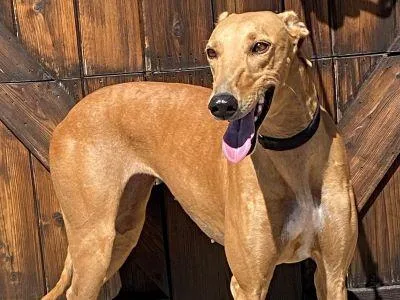
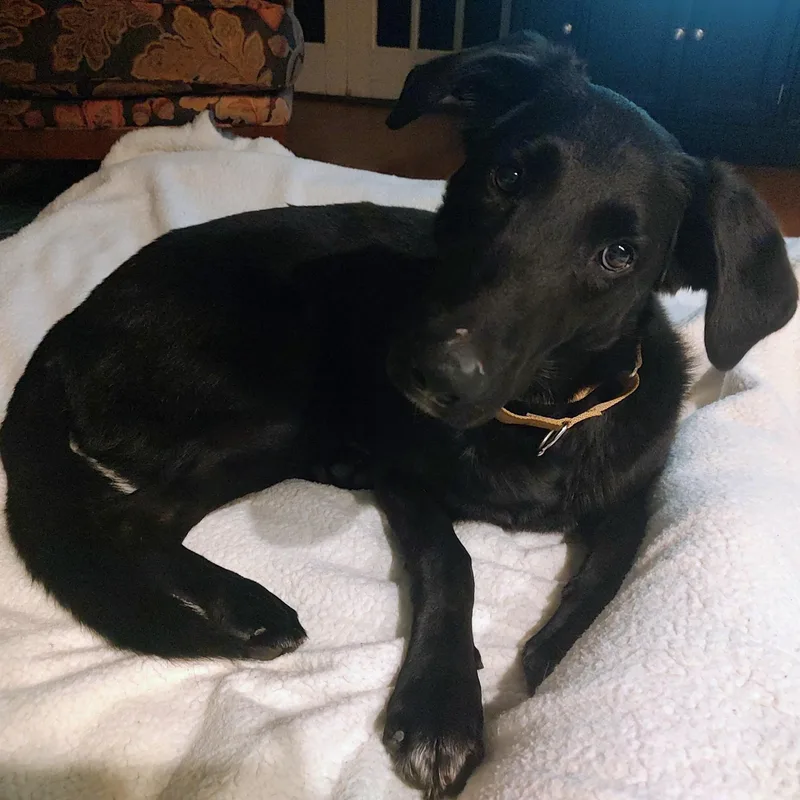
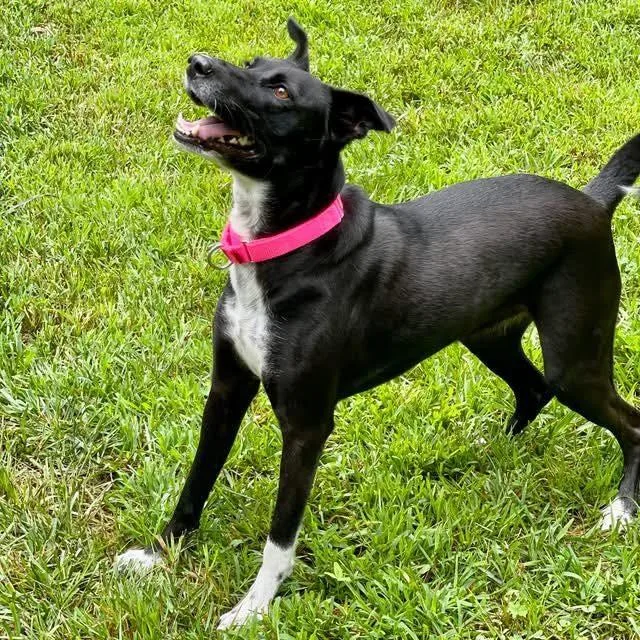
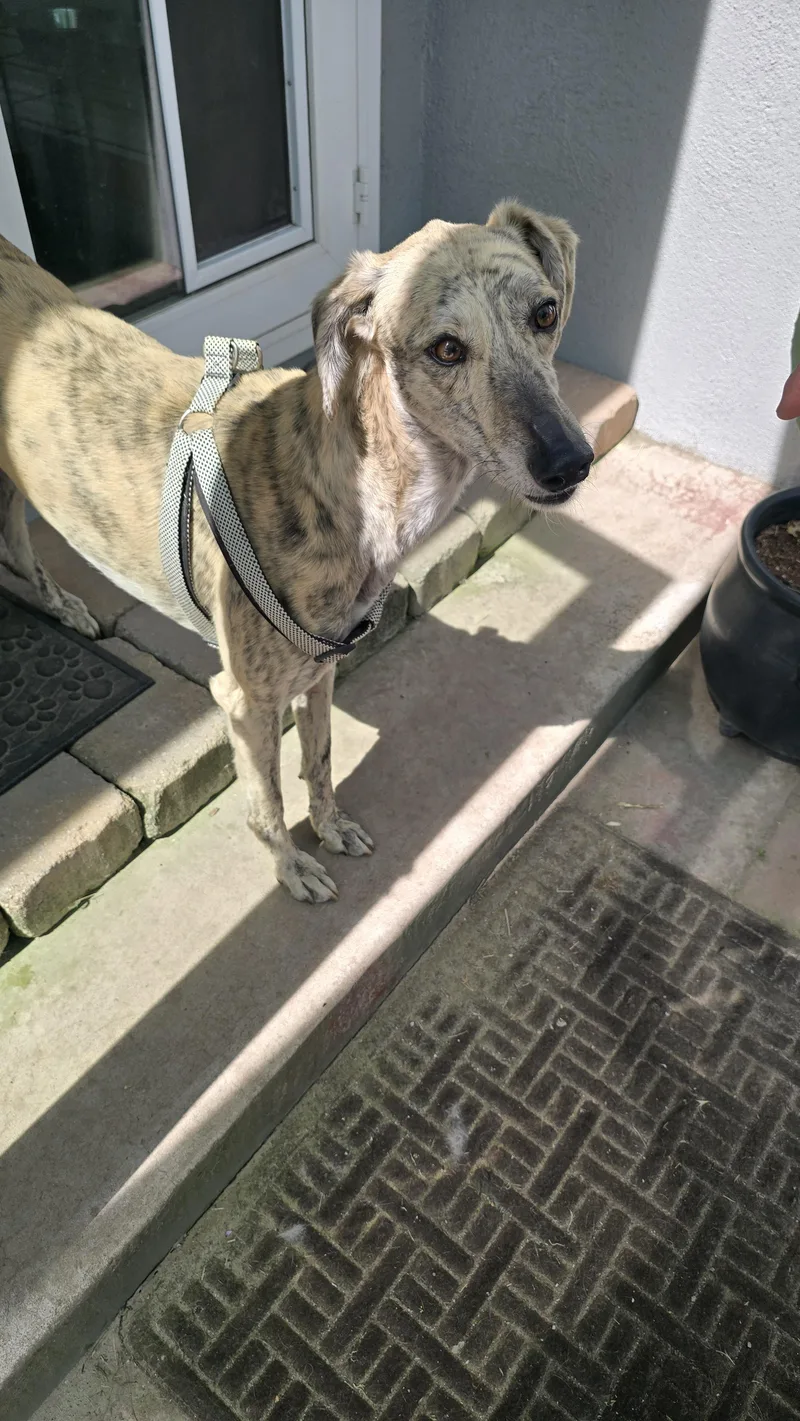
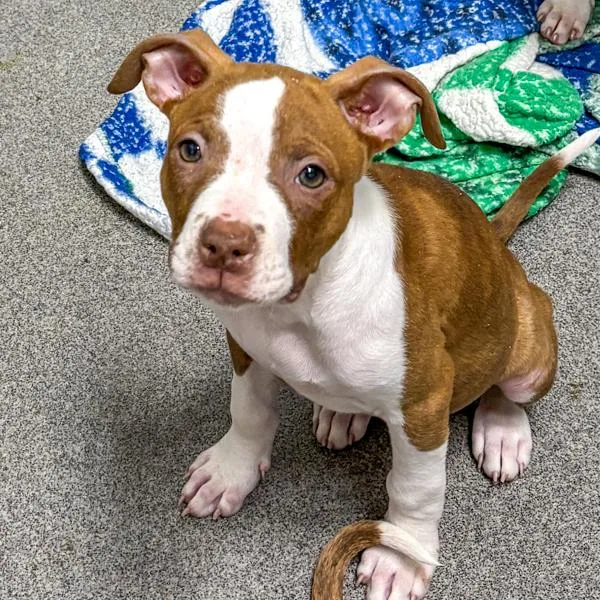
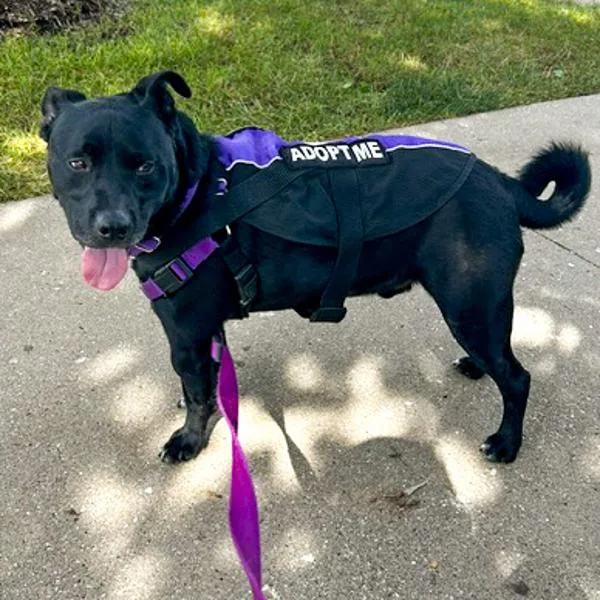
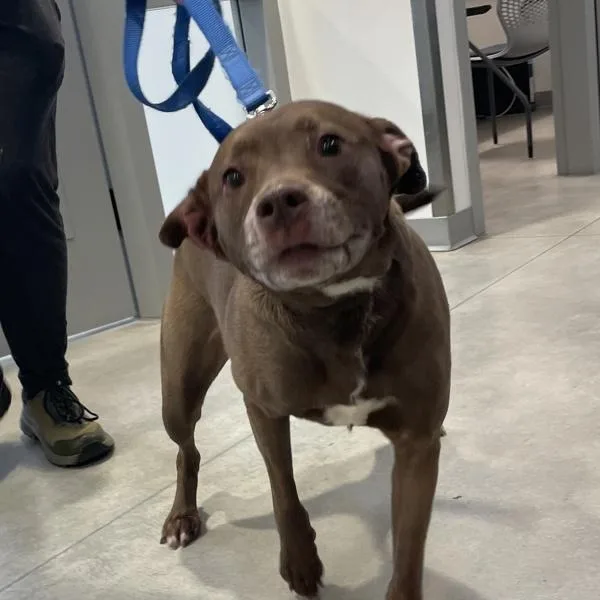
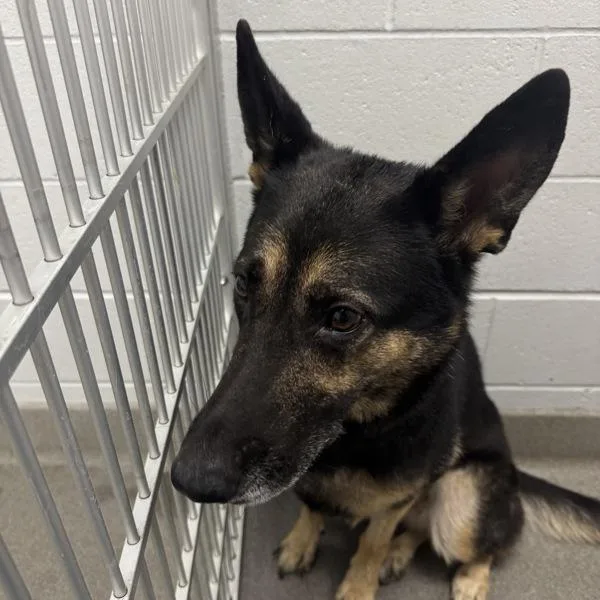
16 Salukis available in Des Moines and nationwide

Give a Saluki a home

While we don't have enough dogs near Des Moines, keep in mind that many rescues may offer transport.

Salukis Available for Adoption Near Des Moines

About the Saluki breed

The Saluki is a Middle Eastern sighthound, long associated with nomadic peoples who used it to course gazelle and hare across open ground. Tall and lean, it stands roughly 23 to 28 inches and weighs about 35 to 65 pounds, with a deep chest and long legs. Coats are either feathered, with silky fringes on the ears and tail, or smooth, and shedding is low.

For a Saluki, the chase instinct is the main thing to plan around. Most can't be trusted off leash outside fencing, which fits well with Des Moines's six-foot leash rule on walks. Many are gentle and quiet at home, reserved with strangers and affectionate with their own people. They do best with patient, low-pressure training and soft places to rest.

Weight
35–65 lbs
Height
23–28 in
Lifespan
12–15 yrs
Temperament
Gentle, Independent, Dignified, Athletic
Group
Hound
Shedding
Low

Owning a Saluki in Des Moines

Having a Saluki in Des Moines

Salukis pair a calm indoor manner with a powerful urge to chase, plus a lean, thin-skinned body that feels the cold. In Des Moines, secure fencing and a warm winter coat matter as much as the daily walk.

Temperament

Many Salukis are quiet, sensitive and loyal, often closest to one or two people and polite but aloof with visitors. They tend to dislike rough play and noisy households. Prey drive is strong, so cats and small pets may not be safe, and slow, patient introductions help a newly adopted dog settle.

Exercise Needs

Plan on a long daily walk plus regular chances to sprint in a securely fenced space. In Des Moines, the 1.9-mile loop at Gray's Lake works for leashed walks, while the city's fenced dog parks offer room to run. Short winter outings and indoor sniffing games keep a Saluki content during cold snaps.

Health Considerations

Salukis are generally sturdy, but heart disease, cancers such as hemangiosarcoma, and hypothyroidism are on the breed club's watch list, and healthy Salukis often have low thyroid values. Low body fat means anesthesia needs care, and thin skin tears easily, so a veterinarian familiar with sighthounds is worth finding. Learn the signs of bloat too.

Living Space

A Saluki can do well in a quiet apartment or a house as long as daily exercise is covered. A fence of five to six feet is ideal for yard living, since many can jump or squeeze through gaps when chasing. Padded bedding and warm indoor spots suit their bony frames.

What it costs to own a Saluki in Des Moines

ExpenseTypical costPer year
Food$55 to $110 per month$660 to $1,320
Pet insurance$55 to $110 per month$660 to $1,320
Routine vet care$250 to $500 per year$250 to $500
Other*$540 to $1,585 per year$540 to $1,585
Estimated yearly total (after year one)$2,110 to $4,725

Other costs are estimates and vary with size, age and health.

* Flea, tick and heartworm prevention, a dental cleaning allowance, the Des Moines dog license ($15 if spayed or neutered, $35 if not), toys and supplies, minimal home grooming, and a winter coat and padded bedding.

Adopt a Saluki in Des Moines.

Now that you know more, let’s find you a new best friend. These rescues and shelters below have dogs available in and near Des Moines.

Rescues and Shelters in or near Des Moines

The Animal Rescue League of Iowa runs Des Moines animal control and adoptions, alongside the rescues and shelters listed below. Here are the rescues & shelters in the Des Moines area with dogs available for adoption, worth asking whether a Saluki is coming in.

Frequently Asked Questions

Yes, Salukis face no breed-specific rules in Des Moines; the city's high-risk rules cover pit-bull-type dogs. You'll need a city license once the dog is six months old and a current rabies certificate. Keep the dog on a leash of six feet or less off your property, and stay within the three-dog household limit.

Salukis can handle Des Moines winters with preparation, but they aren't cold-weather dogs. Thin skin and low body fat mean a fitted coat for every outing, short walks when the wind chill drops, and a warm, padded bed indoors. Wipe paws after walks to remove ice-melting salt, and keep the dog inside during cold snaps.

Ewing Dog Park offers the most room to run, with 8.5 fenced acres, though each city dog park needs a $20 annual permit. For leashed distance walking, the paved Neal Smith Trail follows the Des Moines River north from Birdland, and the Meredith Trail links Gray's Lake to downtown. Dogs must stay leashed in parks and on trails outside designated off-leash areas.

A Saluki needs very little grooming. A smooth coat needs only an occasional brush, while a feathered coat does best with a weekly comb through the ears, tail and legs to prevent tangles. Winter adds paw care: wipe off salt and ice and keep nails trimmed. Most owners groom at home, so costs stay small within the Other line.

No. DART, Des Moines's bus system, doesn't allow pets other than service animals on its vehicles, and its guidelines don't list a carrier exception. Plan vet visits and outings by car instead. A Saluki's long legs and nervous streak make a quiet ride in a car or a leashed walk the easier choices anyway.

Sometimes, on patios. Iowa lets restaurants admit leashed pet dogs outdoors without a waiver, through a separate outdoor entrance, but never inside. Each restaurant decides whether to allow dogs. A calm Saluki usually settles under the table, but keep a firm hold on the leash in case a squirrel or cat darts by.

A Saluki is a tall, slender sighthound from the Middle East, bred to chase gazelle and hare by sight across open country. It has long legs, a narrow head, a deep chest and either silky feathering or a smooth coat. Many are gentle, quiet and independent at home, with an intense chase instinct outdoors.

A Saluki can run roughly 40 miles per hour at full speed, and the 1996 Guinness Book of Records listed one at about 42.8 mph. Greyhounds may be quicker over a short sprint, but Salukis are known for holding high speed over longer distances. That speed is why secure fencing and leashes matter so much for this breed.

Salukis come from the Middle East and the Fertile Crescent, a region stretching from the eastern Mediterranean through Mesopotamia. Nomadic tribes across Arabia, Persia and North Africa kept them for hunting. The breed reached Britain in the nineteenth century and was recognized there in 1923 and by the American Kennel Club in 1929.

Expect roughly $2,100 to $4,700 a year for a Saluki in Des Moines. Food runs $55 to $110 a month, insurance $55 to $110 a month, routine vet care $250 to $500 a year, and other costs $540 to $1,585 a year. Vet care familiar with sighthounds and a warm coat are worth budgeting for.