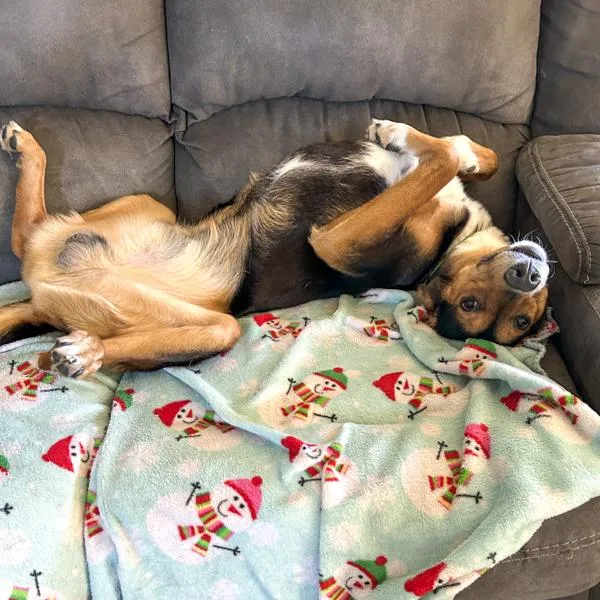
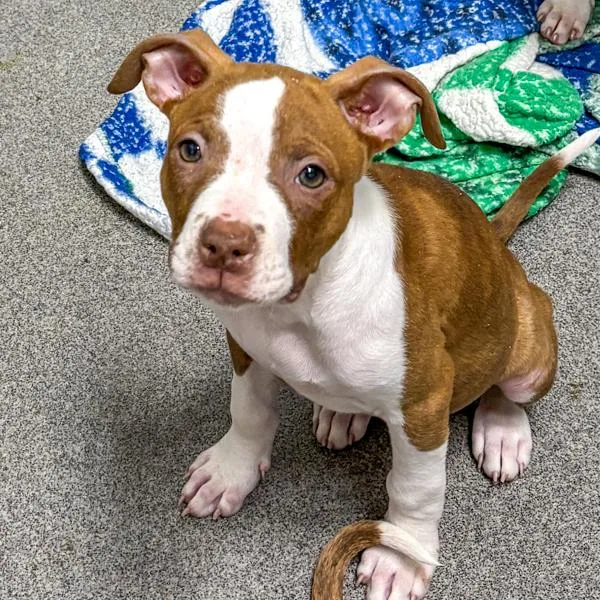
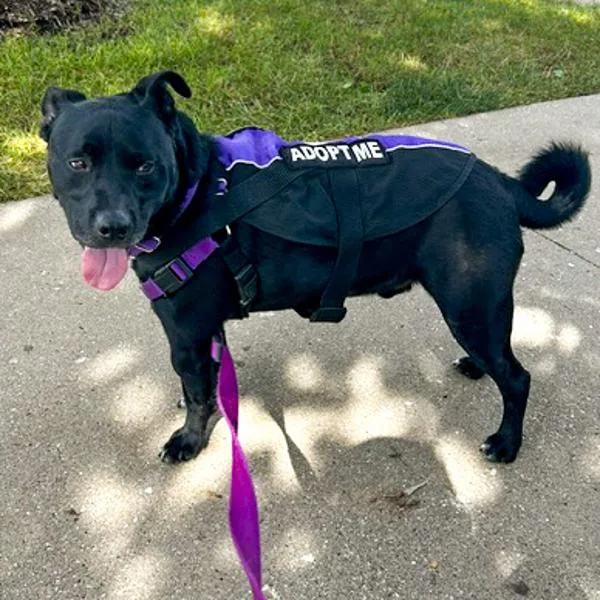
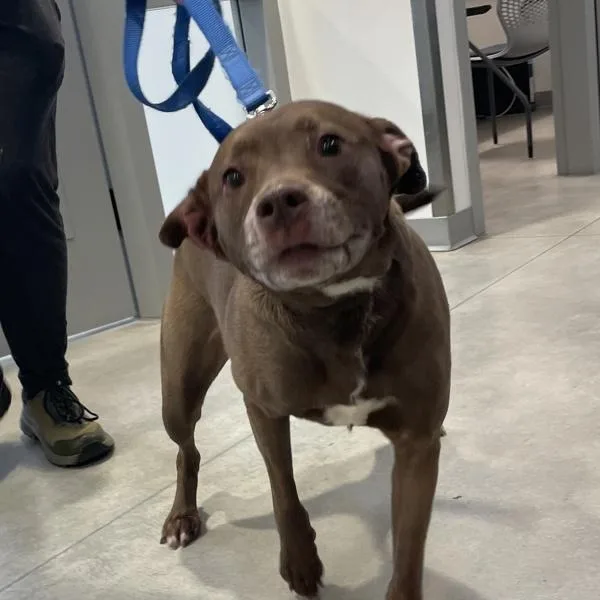
Basenji Dogs for Adoption in Des Moines, IA

Your guide to finding and caring for a Basenji in Des Moines

Basenjis fit Des Moines best in a walkable neighborhood like Beaverdale, where a small, quiet dog can burn energy on sidewalks. The grid of 1930s bungalows makes short leashed laps easy, and a Basenji's habit of yodeling instead of barking goes over well with neighbors. They're clever and quick to bolt, though, so a secure yard or a firm grip on the leash matters. Winters here are long, and many Basenjis hate the cold, so expect a coat and fast potty trips from December through February.

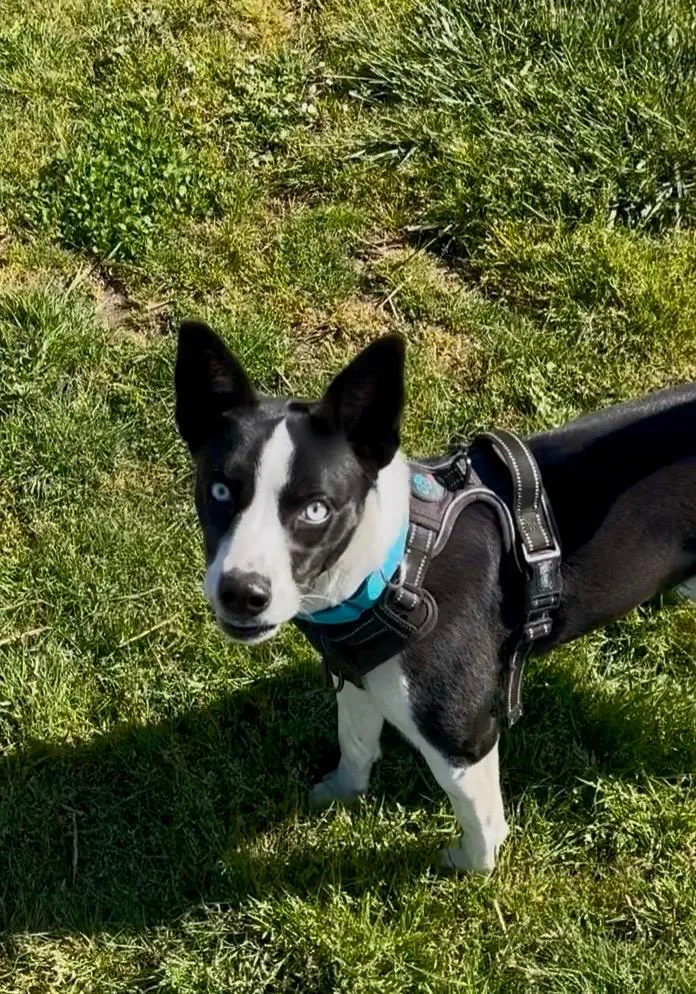
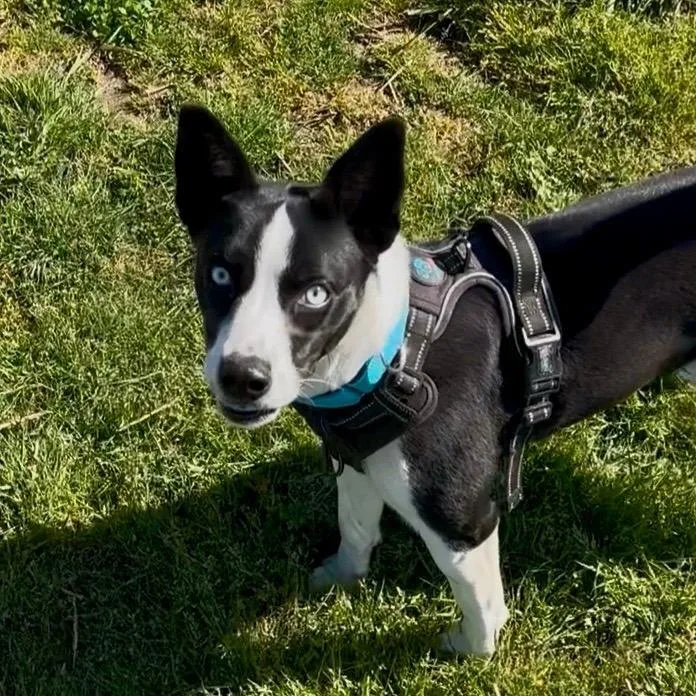
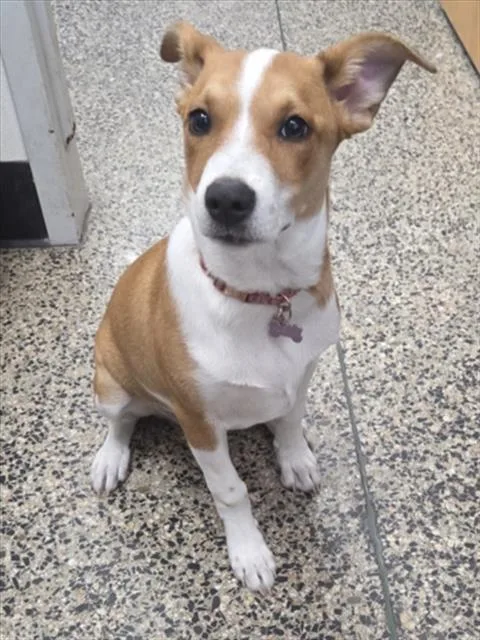
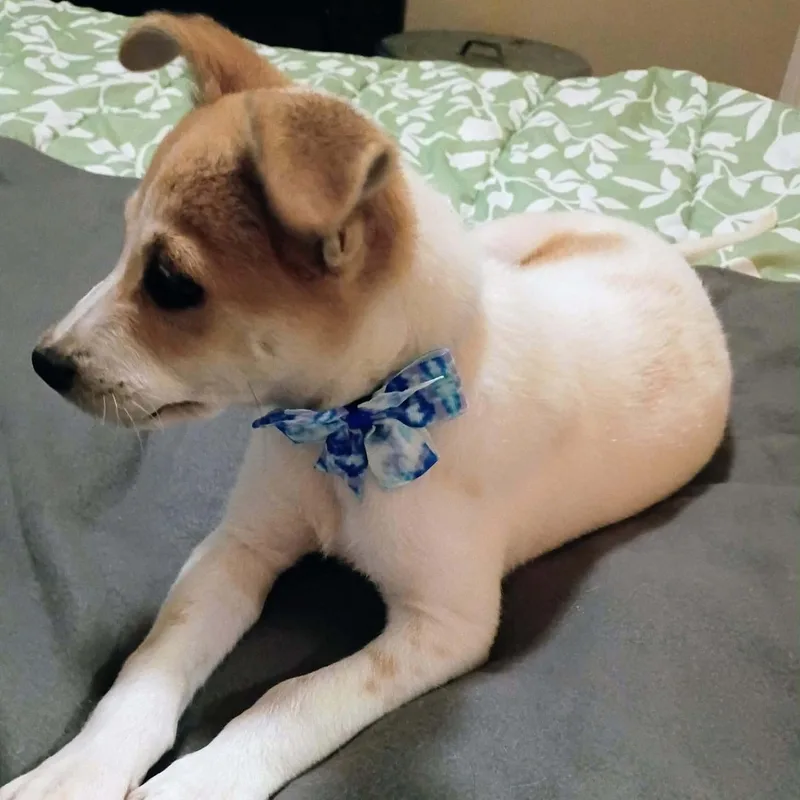
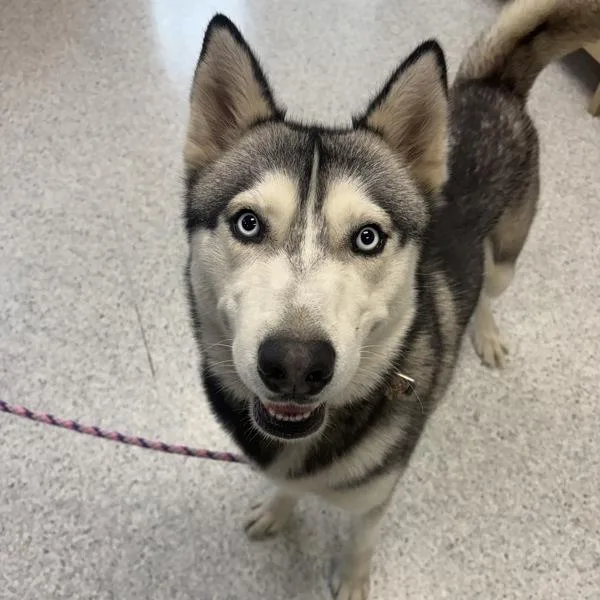
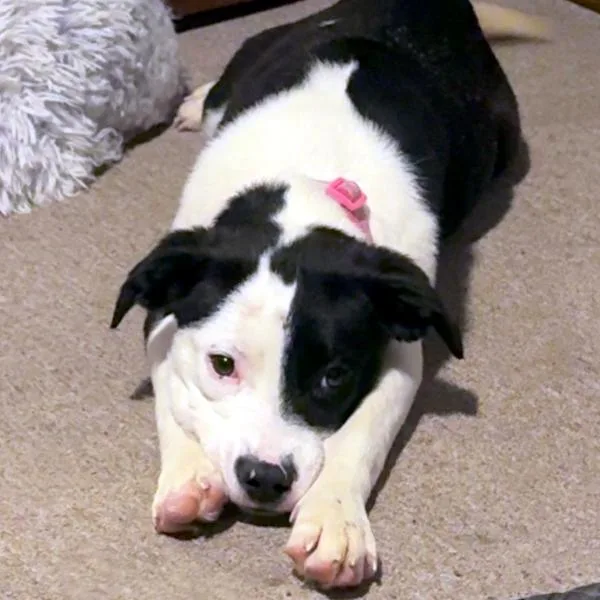
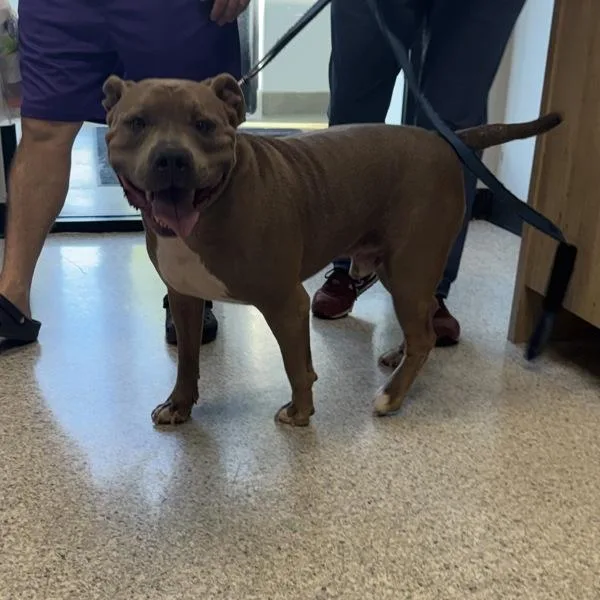
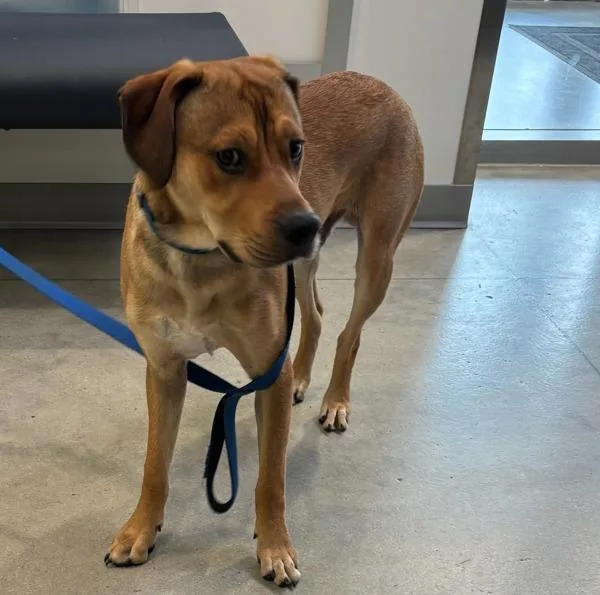
156 Basenjis available in Des Moines and nationwide

Fall for a Basenji

While we don't have enough dogs near Des Moines, keep in mind that many rescues may offer transport.

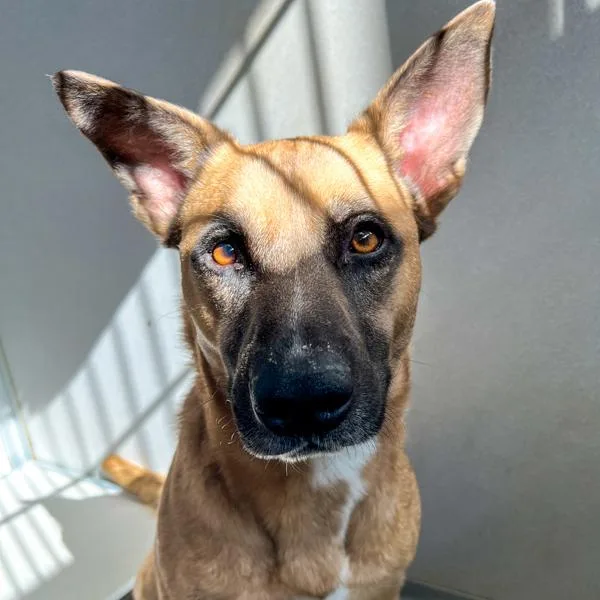
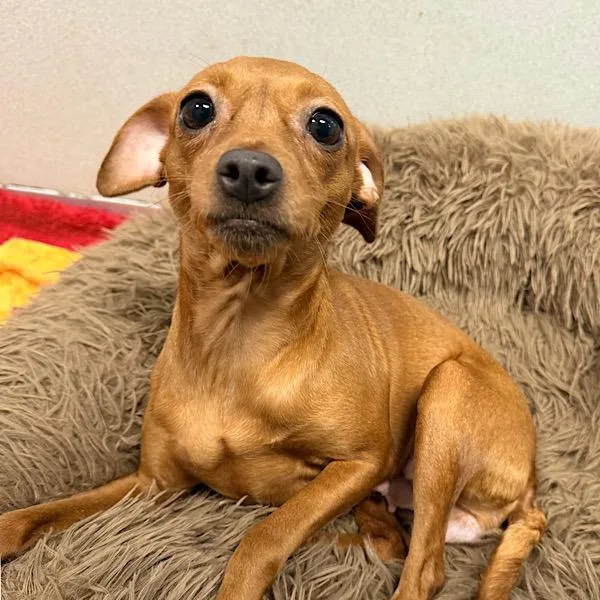
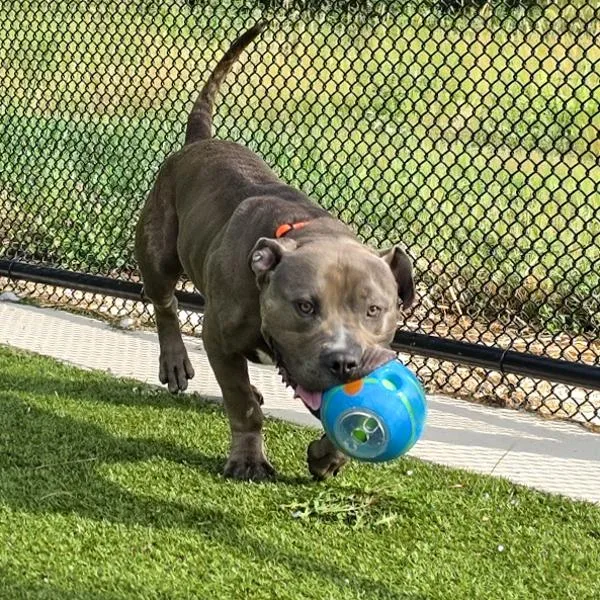
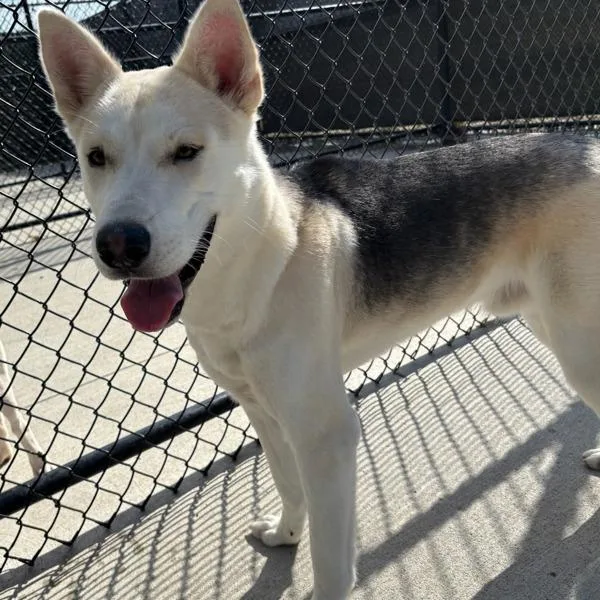
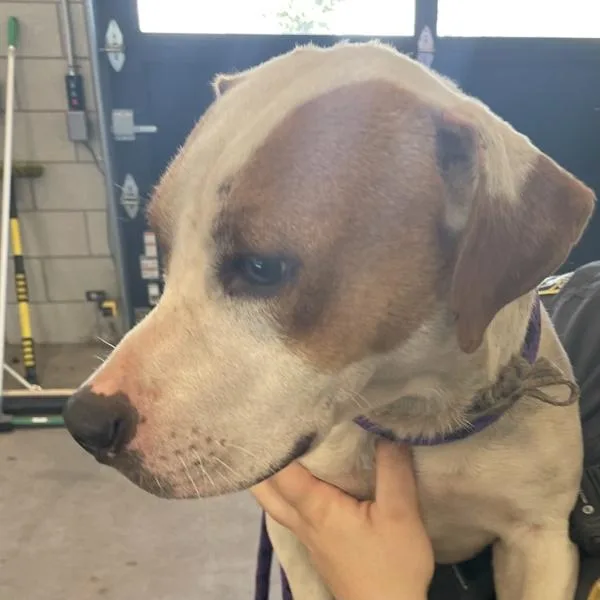
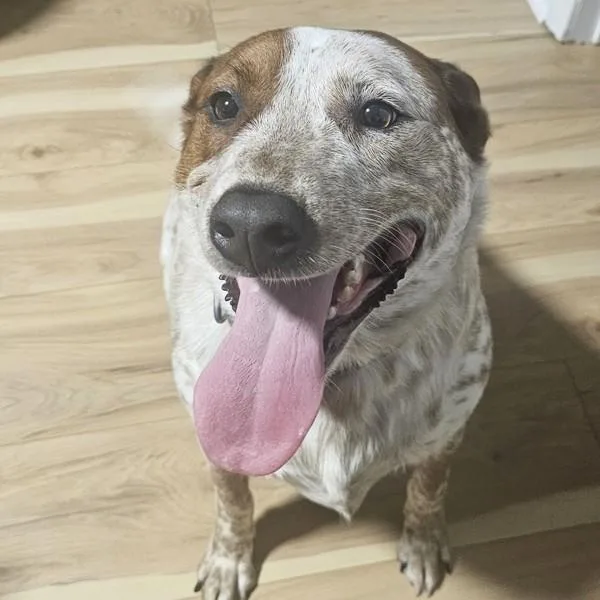
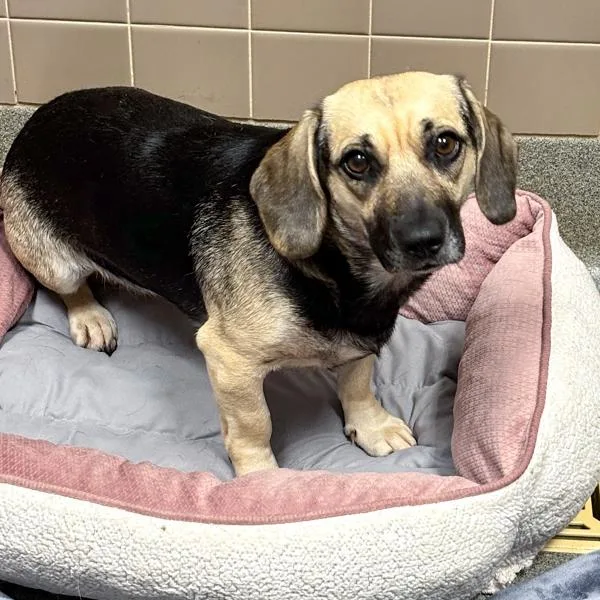
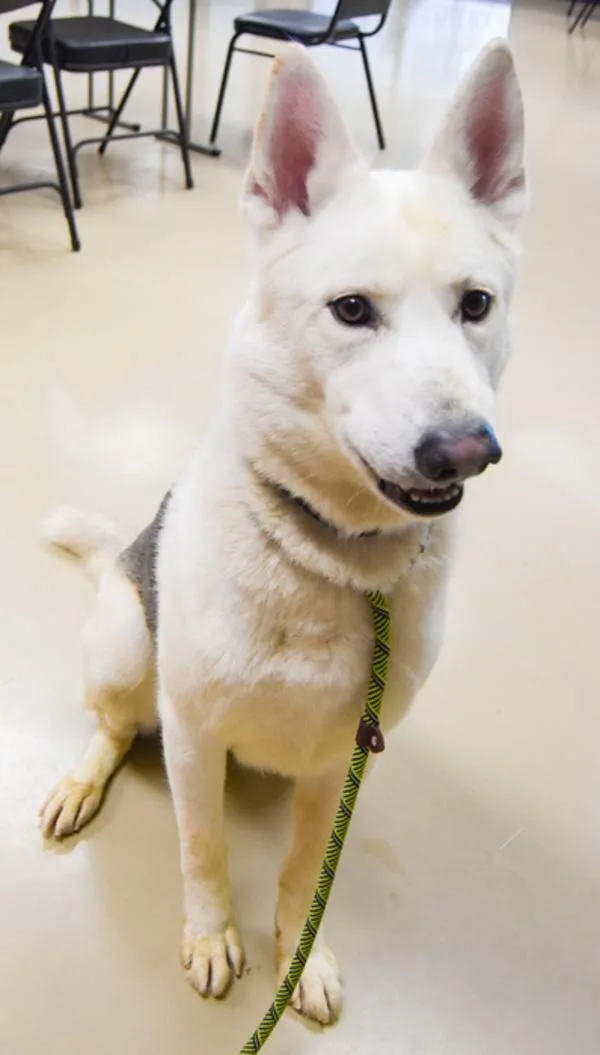
Basenjis Available for Adoption Near Des Moines

About the Basenji breed

The Basenji is a small hunting dog from Central Africa's Congo basin, where village hunters relied on these quick, quiet dogs to flush small game into nets. Genetic studies place the breed among the oldest dog lineages. Instead of barking, Basenjis yodel, howl and make a sound called a baroo.

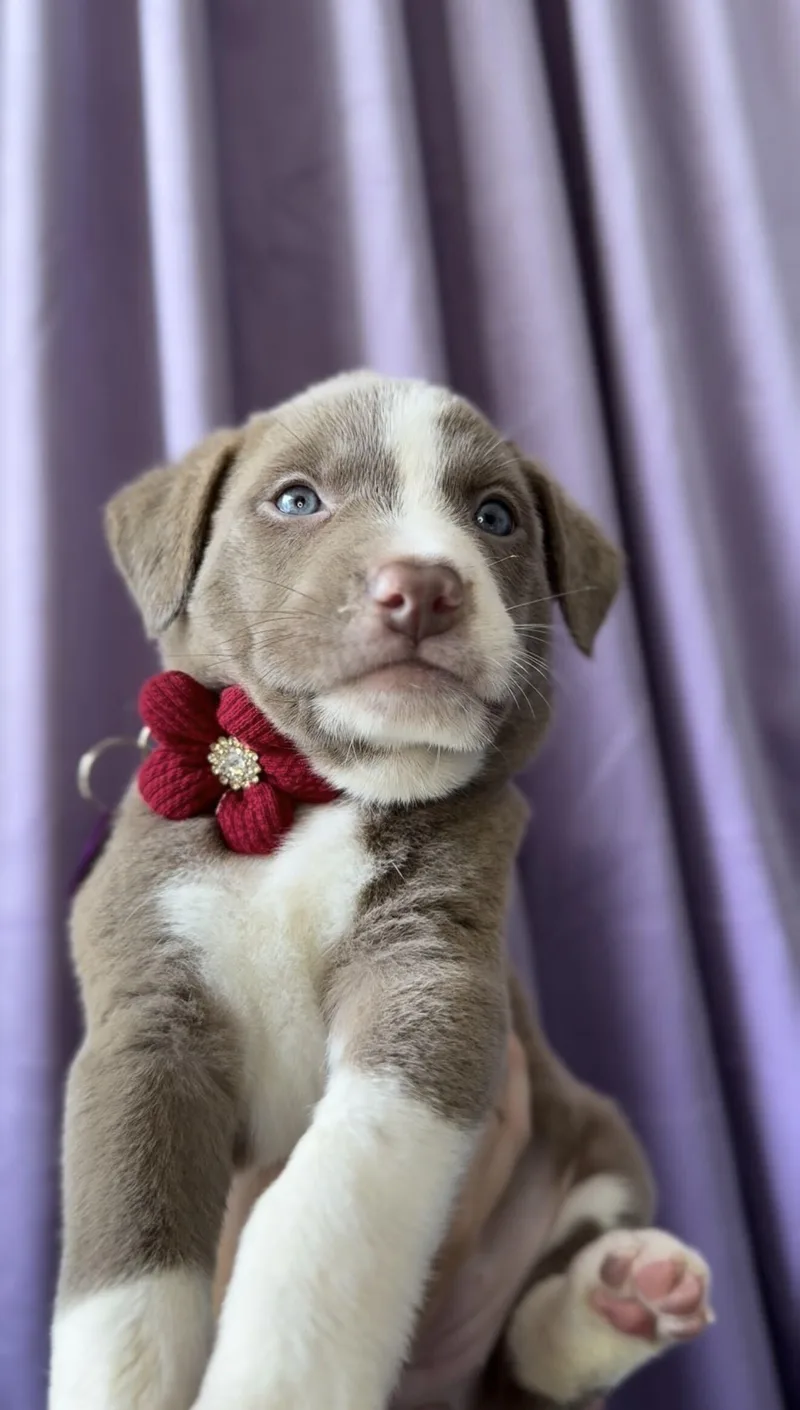
At 20 to 26 pounds, with a wrinkled forehead, upright ears, curled tail and short coat, the Basenji is lean and tidy, grooming itself much like a cat. Many are affectionate at home but independent, reserved with strangers and quick to chase. In Des Moines, that means secure fencing or a firm hold on the leash, plus plenty of indoor activity when winter cuts outings short. Dogs vary, so each Basenji's own personality matters more than the breed description.

Weight
20–26 lbs
Height
15–18 in
Lifespan
12–15 yrs
Temperament
Independent, Intelligent, Alert, Affectionate
Group
Hound
Shedding
Low

Owning a Basenji in Des Moines

Having a Basenji in Des Moines

Catlike independence, a hunter's chase drive and an unusual voice define the Basenji. In Des Moines, the practical questions are secure leashing, indoor enrichment through long winters, and whether a small, clever, strong-willed dog suits your routine.

Temperament

Basenjis are usually affectionate with their families, alert, and reserved with strangers. They think for themselves, so training takes patience and good rewards. Strong prey drive can put small pets and wildlife at risk, and coyotes live in Des Moines neighborhoods, so keep walks leashed. Some Basenjis enjoy other dogs; others prefer to be the only one.

Exercise Needs

Plan on a brisk daily walk plus a chance to sprint somewhere secure, such as a fenced yard or dog park. Basenjis chase on instinct, so off-leash time in open space is risky. On cold or rainy days, puzzle toys, scent games and short training sessions help burn energy and prevent chewing and escape attempts.

Health Considerations

Basenjis can inherit Fanconi syndrome, a kidney disorder, along with progressive retinal atrophy, pyruvate kinase deficiency anemia and hypothyroidism. DNA tests exist for some of these. A veterinarian can check kidney values, eyes and thyroid, and periodic urine screening helps catch Fanconi early. Keep rabies vaccination and heartworm prevention current.

Living Space

A Basenji can do well in a Des Moines apartment, duplex or house if it gets daily exercise. Quiet habits help in shared buildings, though yodeling happens. Security matters more than square footage: Basenjis climb fences, slip through gaps and chew barriers, so check fence height and gate latches. Many dislike cold and rain, so give them a warm bed.

What it costs to own a Basenji in Des Moines

ExpenseTypical costPer year
Food$20 to $45 per month$240 to $540
Pet insurance$40 to $85 per month$480 to $1,020
Routine vet care$200 to $400 per year$200 to $400
Other*$390 to $1,090 per year$390 to $1,090
Estimated yearly total (after year one)$1,310 to $3,050

Other costs are estimates and vary with size, age and health.

* The $15 to $35 Des Moines dog license, flea, tick and heartworm prevention, a dental cleaning allowance, chew toys, bedding and a winter coat, and minimal grooming for a short coat.

Adopt a Basenji in Des Moines.

Now that you know more, let’s find you a new best friend. These rescues and shelters below have dogs available in and near Des Moines.

Rescues and Shelters in or near Des Moines

The Animal Rescue League of Iowa runs Des Moines' city shelter and adoption centers, alongside other rescues serving the metro. Here are the rescues & shelters in the Des Moines area with dogs available for adoption, worth asking whether a Basenji is coming in.

Frequently Asked Questions

Yes, with preparation, but Basenjis are not cold-weather dogs. Des Moines averages about 128 freezing nights a year, and wind chills reached −40°F in January 2024. Use a coat, booties for ice and salt, short potty trips and indoor games, and never leave a Basenji outside during a cold snap.

No. DART, Des Moines' bus system, doesn't allow pets other than service animals on its vehicles, and no carrier exception applies. Plan trips to the vet, groomer or dog park on foot or by car, and get your Basenji used to car rides early.

Leashed, try the Gray's Lake loop, the Meredith Trail toward downtown or the paved Neal Smith Trail. Fenced Ewing, Reno Memorial and Riverwalk dog parks suit sprinting. Use a six-foot leash and a snug harness outside fenced areas, because Basenjis chase and can slip a loose collar.

Yes, Basenjis are allowed in Des Moines. Licenses are due each January 1, with a grace period through March 31, and owning an unlicensed pet is a misdemeanor. Bring a rabies certificate and, for the lower $15 fee, proof of spay or neuter.

Yes, if its exercise and security needs are met. Quiet habits help with neighbors, though yodeling and chewing happen. Iowa requires landlords to return a deposit or send an itemized statement within 30 days of move-out, so photograph the unit at move-in, especially if your Basenji might chew.

It can be, for adopters who accept long winters and a clever, independent dog. A Basenji suits someone home often, willing to walk twice daily on a leash and secure the yard. It's a weaker match for households wanting an off-leash trail companion or keeping small pets.

Sometimes, on patios only. Iowa allows leashed pet dogs on restaurant patios that meet state conditions, such as a separate outdoor entrance, but each restaurant decides whether to allow them, and pet dogs are never allowed inside. Keep your Basenji leashed and close, since staff can't touch dogs.

Very little. The short coat is self-cleaning, so plan on weekly brushing, nail trims and occasional baths. In Des Moines winters, the main extra is paw care: wipe paws after walks to remove salt and ice melt. Minimal grooming is already counted in the $390 to $1,090 yearly Other cost range.

A Basenji is a small, ancient hunting dog from Central Africa, famous for not barking. It belongs to the AKC Hound Group and was recognized in 1943. Basenjis are lean and elegant, with a wrinkled forehead, upright ears and a tightly curled tail. They tend to be clever, independent, clean and energetic, with a strong instinct to chase.

Expect roughly $1,310 to $3,050 a year for a Basenji in Des Moines: $20 to $45 a month for food, $40 to $85 a month for insurance, $200 to $400 for routine vet care, and $390 to $1,090 for everything else. Insurance runs higher because of inherited conditions like Fanconi syndrome.