

Swedish Vallhund Dogs for Adoption in Honolulu, HI

Your guide to finding and caring for a Swedish Vallhund in Honolulu

A Swedish Vallhund suits Honolulu's mix of condos and valley trails better than its short legs suggest. At 20 to 35 pounds, it fits a Mōʻiliʻili apartment, but it still wants a real outing, like a leashed loop on the Makiki Valley trail or a morning at the Hawaiʻi Kai dog park. It's a herding dog, so it likes having a job and watching everything from the lanai. Expect some barking at neighbors in shared buildings, and a thick double coat that doesn't love July sun.

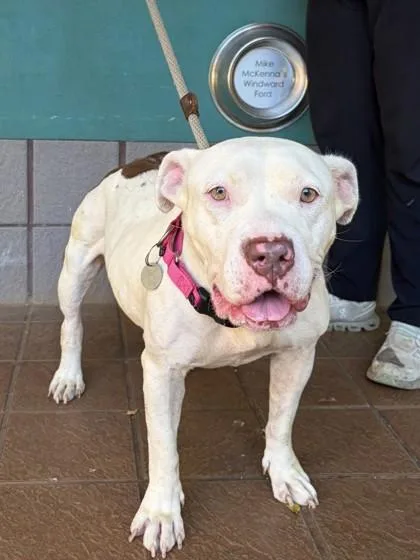
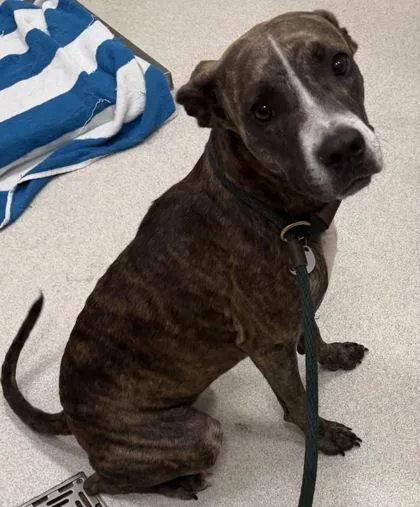
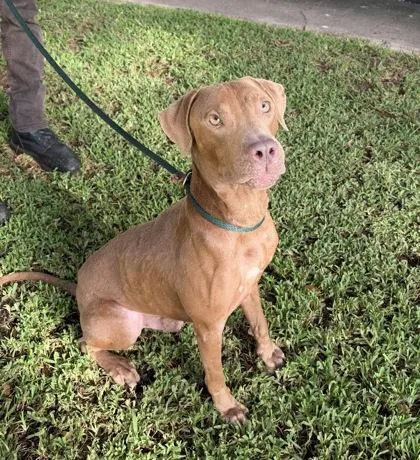
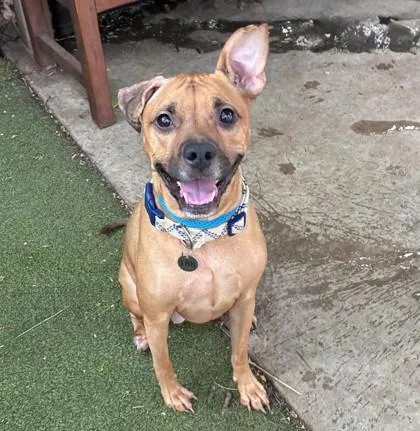
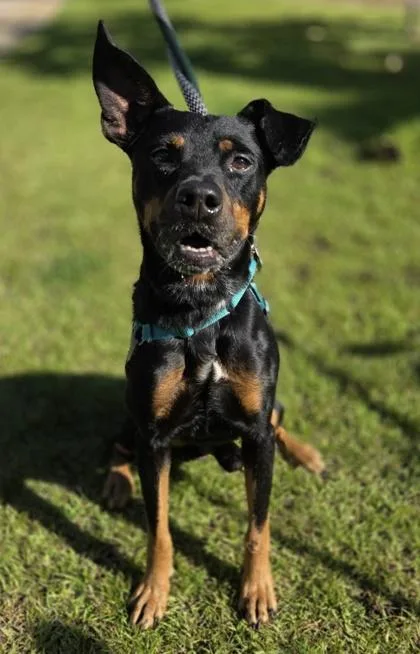
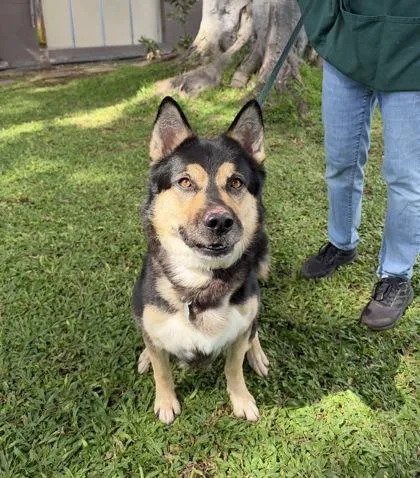
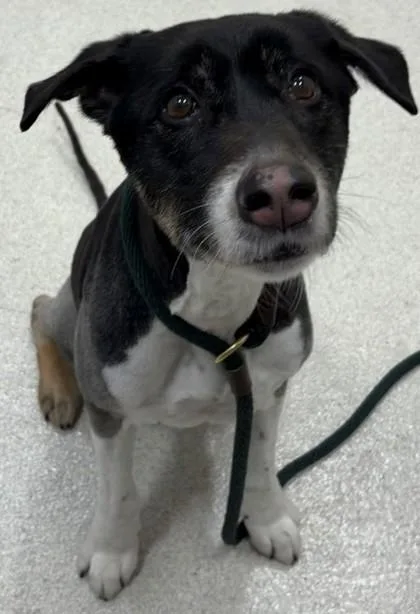
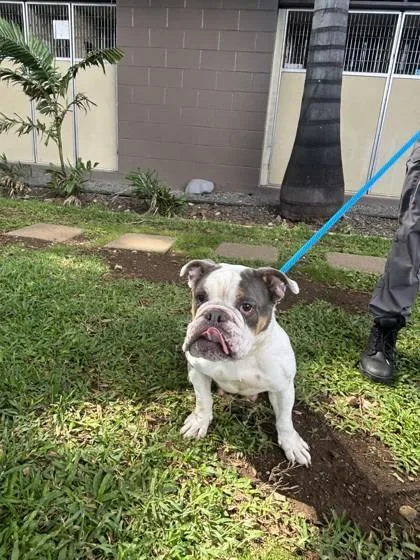
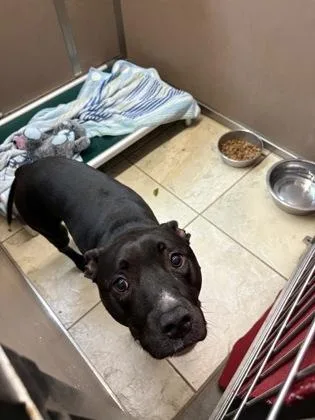
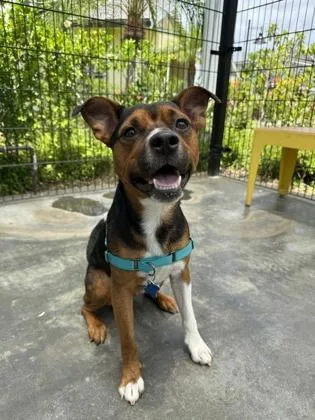
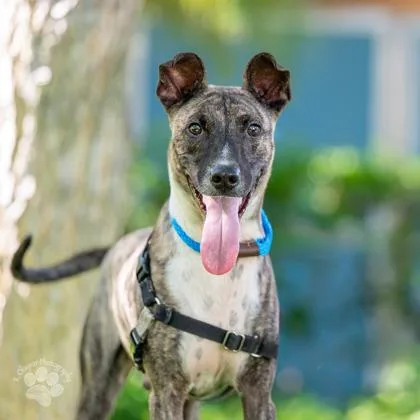
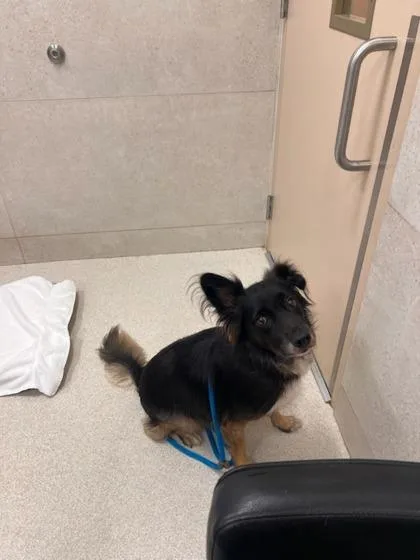
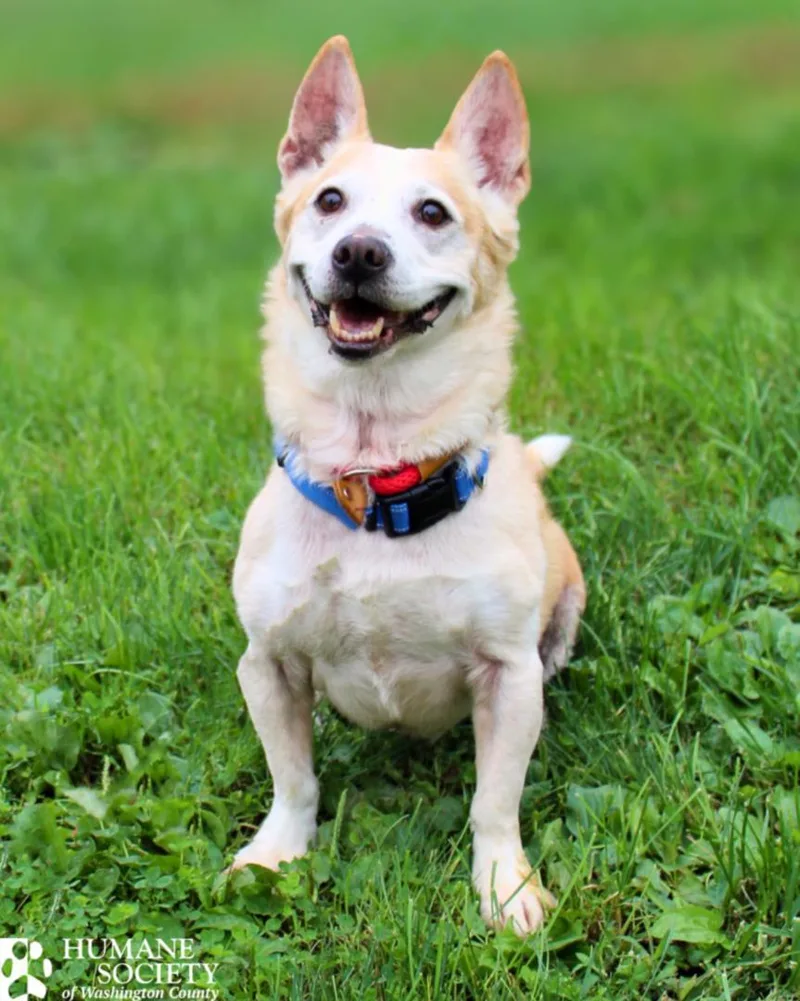
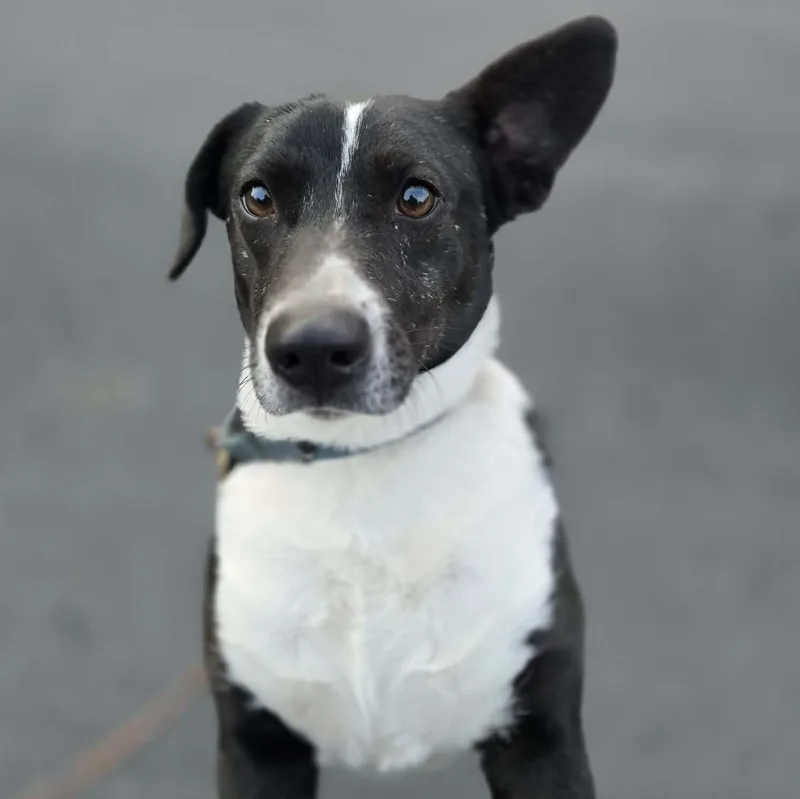
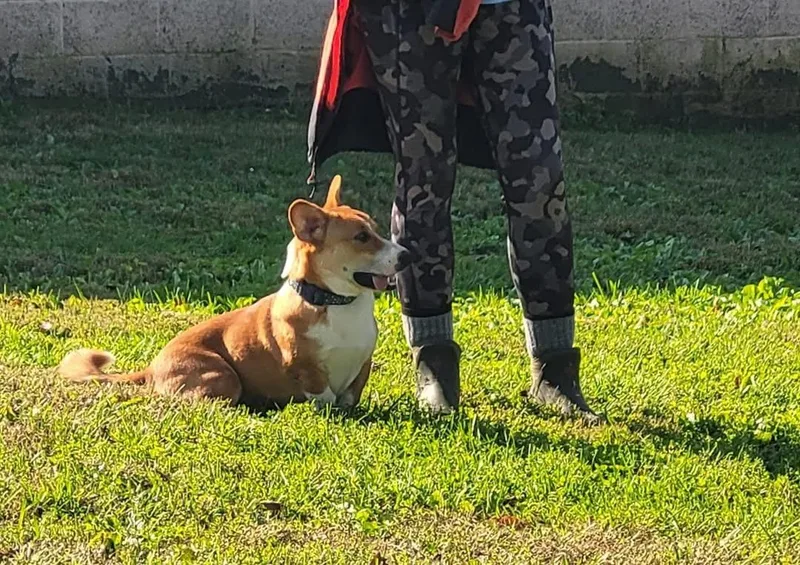
691 dogs similar to Swedish Vallhund available in Honolulu and nationwide

Meet your next Swedish Vallhund

While we don't have enough dogs near Honolulu, keep in mind that many rescues may offer transport.

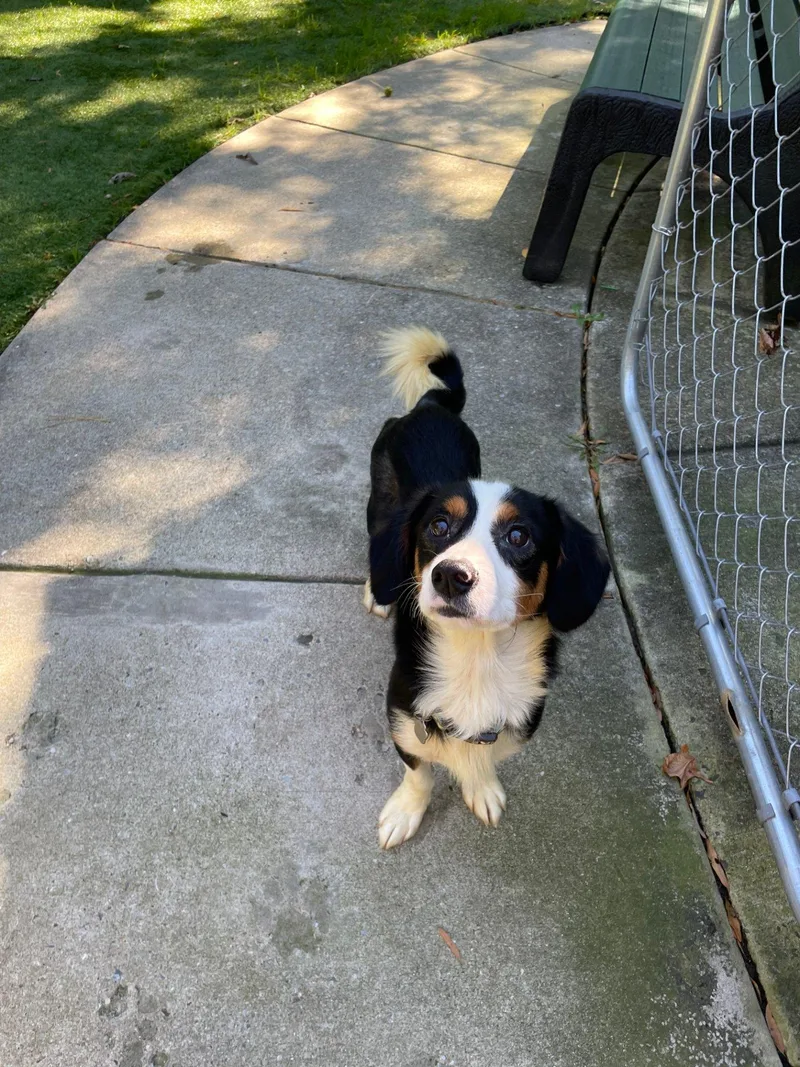
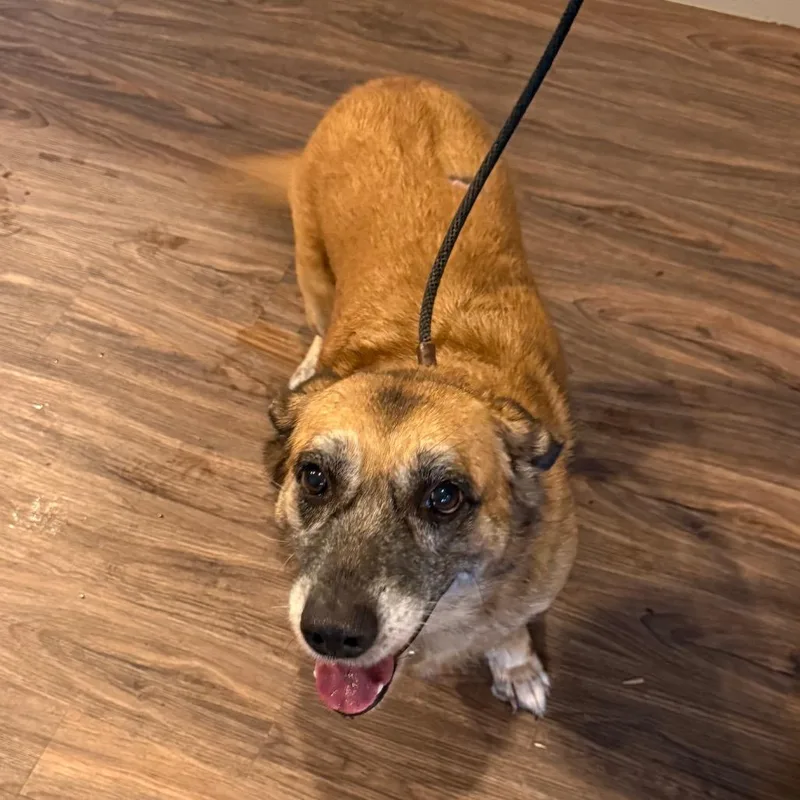
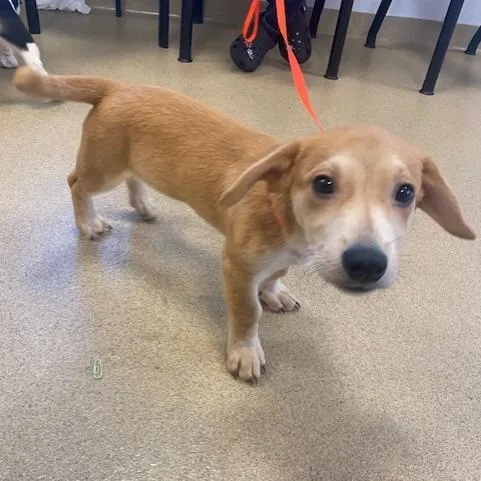
Swedish Vallhunds and Similar Breeds Available for Adoption Near Honolulu

About the Swedish Vallhund breed

The Swedish Vallhund is an old spitz-type cattle dog from Västergötland, Sweden, where farmers used it to herd, guard and catch rats. The name simply means herding dog. The breed nearly disappeared in the early 1940s before two enthusiasts rebuilt it from a few farm dogs. Today it's a low, sturdy dog with prick ears and a tail that can be long, stubby or missing.

The harsh double coat comes in gray to red sable with lighter harness markings and sheds heavily in season, which matters in a warm place like Honolulu, where a dense coat holds heat. Many Vallhunds are cheerful, alert and eager to please, with plenty of energy. They tend to suit people who enjoy training and don't mind a talkative dog, though personalities vary.

Weight
20–35 lbs
Height
11–14 in
Lifespan
12–15 yrs
Temperament
Alert, Energetic, Friendly
Group
Herding
Shedding
Moderate to High

Owning a Swedish Vallhund in Honolulu

Having a Swedish Vallhund in Honolulu

A Vallhund brings herding drive in a compact body. Alertness, steady activity needs, a dense double coat and a few eye and joint concerns shape daily life, and Honolulu's heat and shared buildings add some local wrinkles.

Temperament

Many Vallhunds are friendly, confident and attached to their families, though personalities vary. They're alert watchdogs and can be vocal, which matters in Honolulu's close-quartered condos and townhouses. Herding instincts may show as heel nipping or circling. Reward-based training and early socialization usually help a Vallhund settle into busy city life.
Exercise Needs

Most Vallhunds need daily walks plus active play or training. In Honolulu, plan exercise for early morning or after sunset, since hot pavement and strong sun are a concern year-round. Leashed walks, a dog park session or puzzle toys indoors all count, and mental work matters as much as miles.

Health Considerations

Retinopathy is common in the breed and can cause gradual vision loss, often first seen as night blindness in middle age. Hip and joint problems also appear, and extra weight strains the long back. In Honolulu, a veterinarian can also advise on leptospirosis vaccination, a local concern. Keep eyes and hips on the checkup list.

Living Space

A Vallhund can live happily in a Honolulu condo if its exercise needs are met. Its size suits elevators and small lanais, but alert barking may bother close neighbors. A fenced yard in Mililani or Hawaiʻi Kai is a bonus, not a requirement. This people-focused dog wants indoor time with its family in a cool, breezy room.

What it costs to own a Swedish Vallhund in Honolulu

ExpenseTypical costPer year
Food$20 to $45 per month$240 to $540
Pet insurance$35 to $70 per month$420 to $840
Routine vet care$200 to $400 per year$200 to $400
Other*$475 to $1,250 per year$475 to $1,250
Estimated yearly total (after year one)$1,335 to $3,030

Other costs are estimates and vary with size, age and health.

* Flea, tick and heartworm prevention, a dental cleaning allowance, toys and bedding, and extra brushing and baths for heavy seasonal shedding.

Adopt a Swedish Vallhund in Honolulu.

Now that you know more, let’s find you a new best friend. These rescues and shelters below have dogs available in and near Honolulu.

Rescues and Shelters in or near Honolulu

Oʻahu's rescue community includes a large open-admission shelter and several foster-based groups helping dogs find homes. Here are the rescues & shelters in the Honolulu area with dogs available for adoption, worth asking whether a Swedish Vallhund is coming in.

Frequently Asked Questions

Yes, but only in a small, closed carrier. TheBus and Skyline allow pets only in a carrier held on your lap or placed under the seat, while service animals are exempt. Most Vallhunds weigh 20 to 35 pounds, so many won't fit a lap-size carrier. Plan on walking or driving for most outings unless your dog is small enough.

Yes, with a few adjustments. Summer highs sit near 88°F with warm nights and strong sun, and a Vallhund's thick double coat holds heat. Walk at dawn or after sunset, skip hot pavement and sand at midday, provide shade and fresh water, and keep indoor time cool. The coat also helps protect against sunburn, so don't shave it.

Off-leash options include Elaine Dobashi Hawaiʻi Kai Dog Park, Kalo Place Mini Park in Mōʻiliʻili and Kahua O Waikalua in Kāneʻohe. For hikes, leashed dogs are reported on Makiki Valley Loop and Puʻu Pia Trail, but trail rules vary, so check the state trail map's dog filter. Diamond Head doesn't allow pets.

Yes. Honolulu has no known breed bans, and dangerous-dog status is based on a dog's behavior, not its breed. You'll need a registered microchip for dogs 3 months and older, since there's no dog license, and a leash off your property. Barking nuisance rules are worth remembering with this vocal breed.

Usually, yes. At 20 to 35 pounds, a Vallhund fits most condos if it gets daily walks and mental work. Barking at hallway noise can be the sticking point in shared buildings, so train a calm routine early. Read your building's pet rules, and remember that state law caps pet deposits at one month's rent.

Sometimes, on patios only. Since August 2025, Hawaiʻi has allowed pet dogs in outdoor dining areas at restaurants that opt in, as long as the dog doesn't pass through the interior. Indoor dining rooms remain off-limits. A well-trained Vallhund that settles under the table can do well, though barking at passersby may test patience.

Plan on brushing a few times a week, and daily during heavy shedding when the thick undercoat comes out. Honolulu's year-round warmth and humidity make regular brushing and an occasional bath useful for keeping the coat clean and cool. Most owners can handle this at home, which fits within the $475 to $1,250 yearly Other budget.

The Swedish Vallhund is often called the Viking dog, and its breed club and the AKC describe it as known since the time of the Vikings, more than a thousand years ago. Firm archaeological proof is limited, so the link rests largely on tradition. Its resemblance to Welsh Corgis has fueled theories that Viking-era contact spread one breed's ancestors to the other.

You can adopt a Swedish Vallhund through breed-specific rescues, herding-breed rescues and occasionally local shelters, and GetBuddy lists adoptable dogs from shelters and rescues near you. Because the breed is rare, patience helps: set up saved searches and alerts, and consider a Vallhund mix or a similar herding breed. Adoption fees usually run from about $100 to $500.

Budget roughly $1,335 to $3,030 a year for a Vallhund: food at $20 to $45 a month, insurance at $35 to $70 a month, routine vet care at $200 to $400 a year, and other costs at $475 to $1,250 a year. Honolulu has no dog license fee, and microchipping is a small one-time expense.