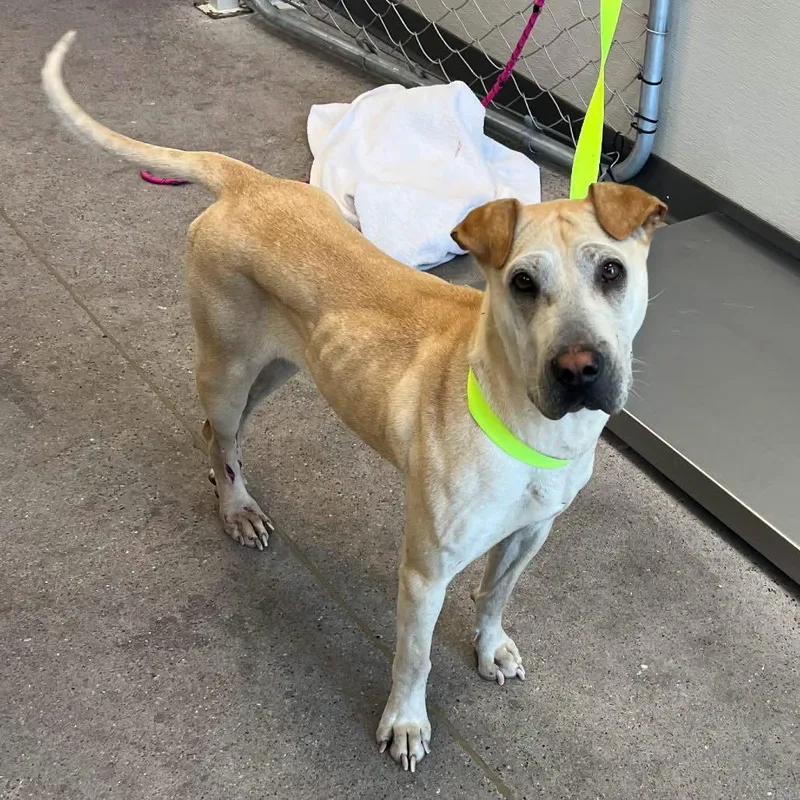
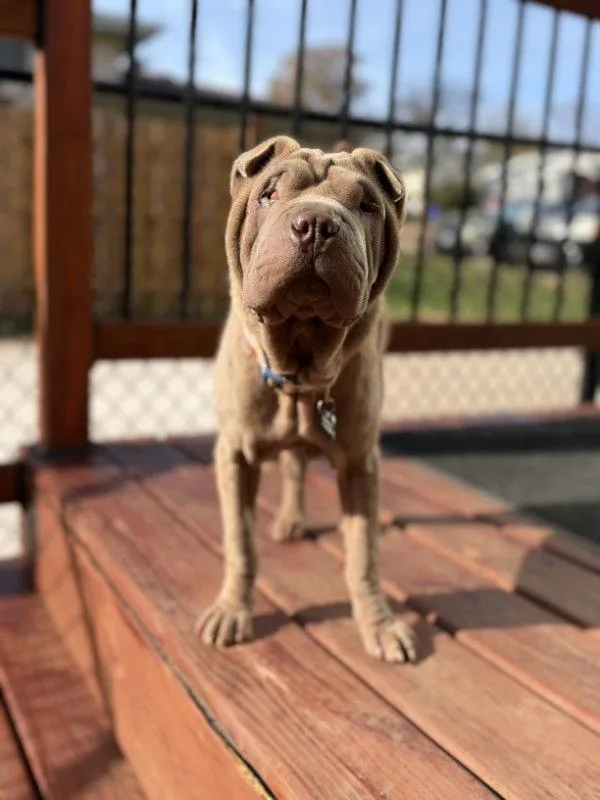
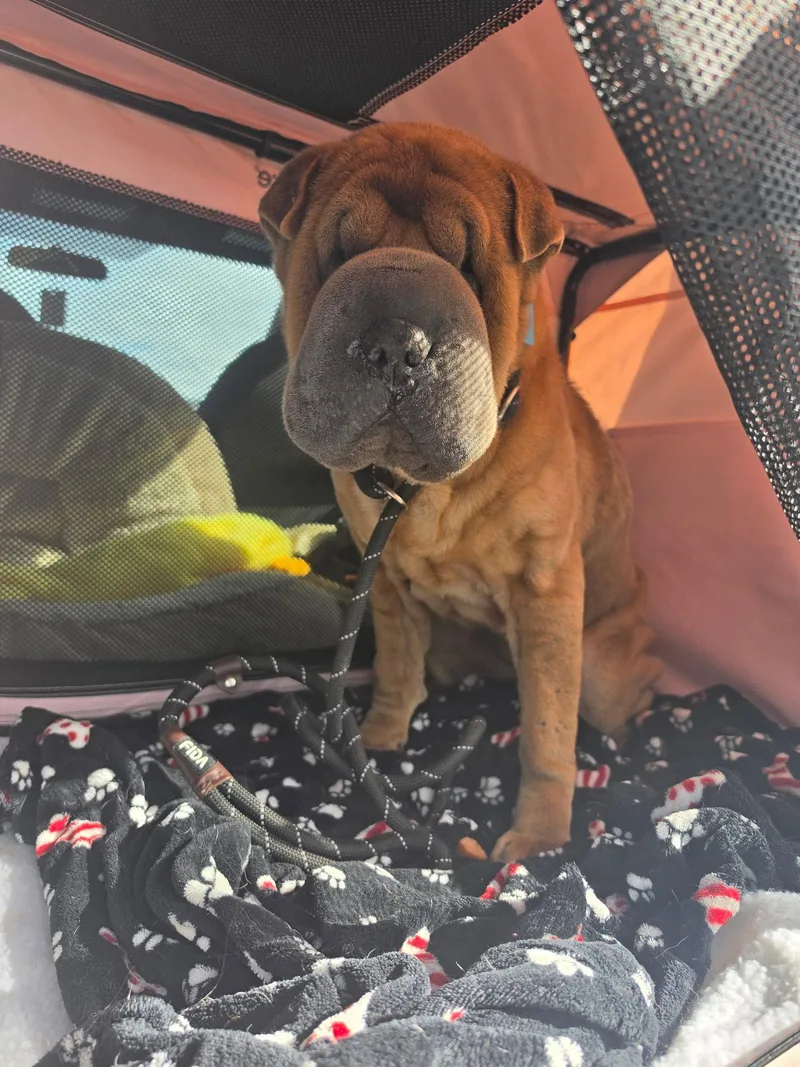
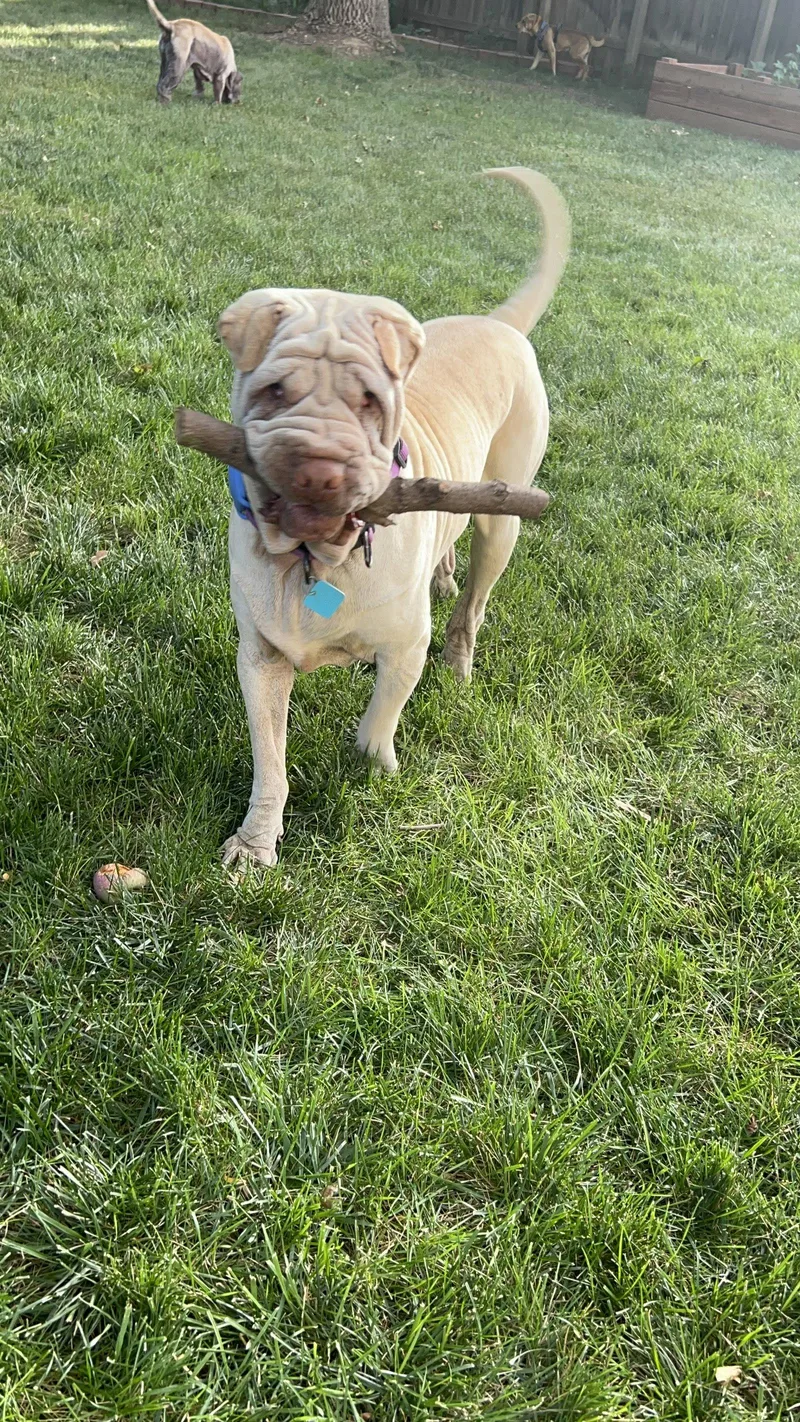
Shar-Pei Dogs for Adoption in Honolulu, HI

Your guide to finding and caring for a Shar-Pei in Honolulu

A Shar-Pei suits Honolulu's condo and townhouse neighborhoods better than you might expect, since it's calm indoors and doesn't need hours of running. In Salt Lake, a couple of unhurried walks and a visit to the Hoa Aloha off-leash park cover most of what the dog needs. The catch is the sun: those wrinkles and that broad muzzle don't love a muggy 88°F afternoon, so early mornings and evenings do the work.

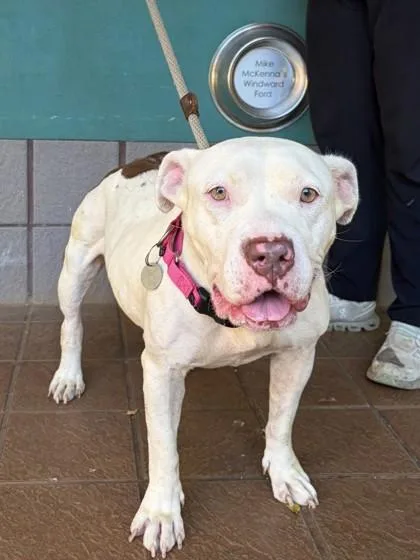
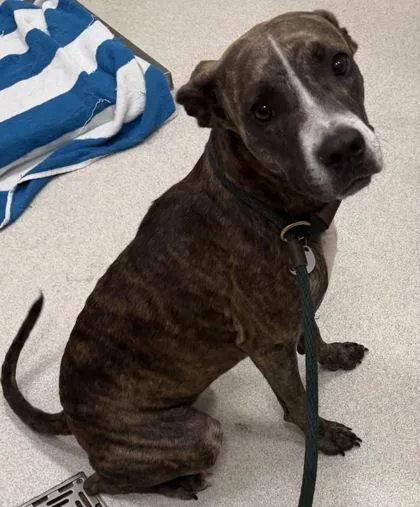
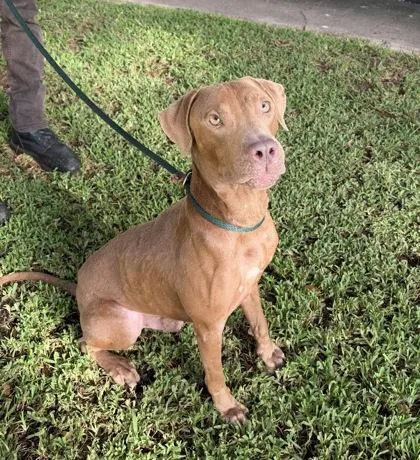
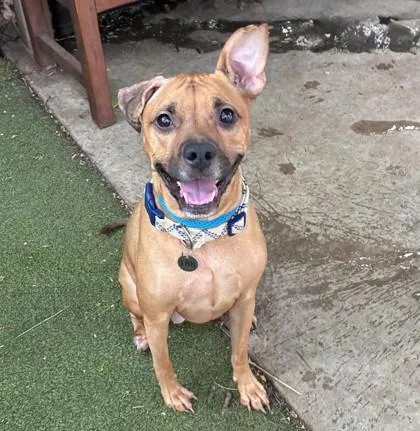
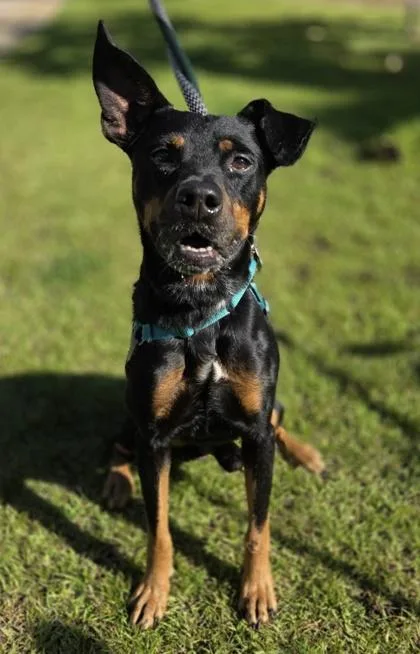
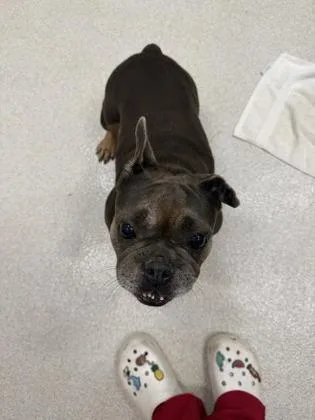
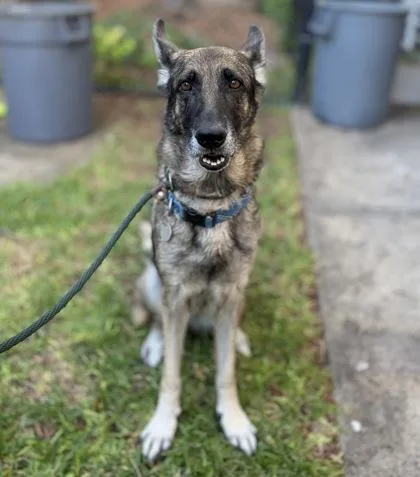
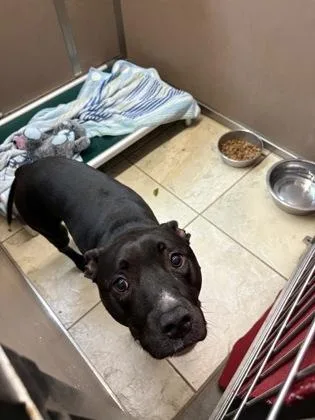
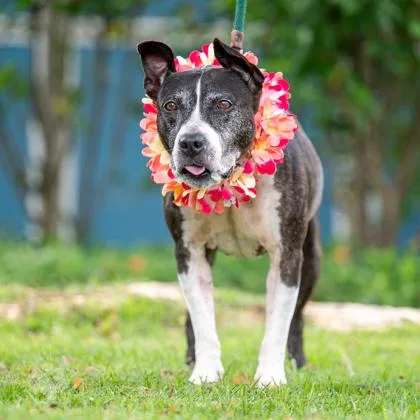
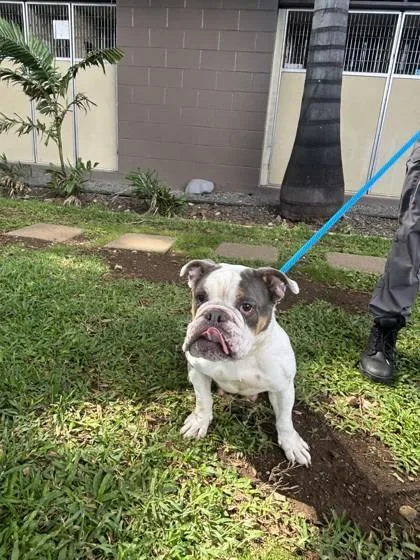
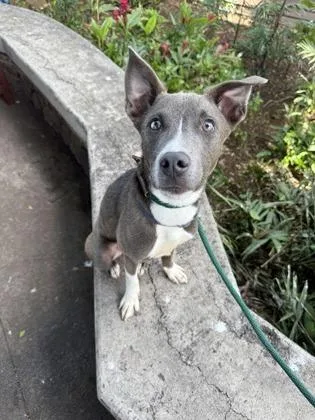
688 Shar-Peis available in Honolulu and nationwide

Bring home a Shar-Pei

While we don't have enough dogs near Honolulu, keep in mind that many rescues may offer transport.

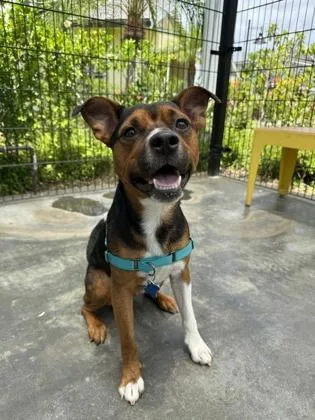
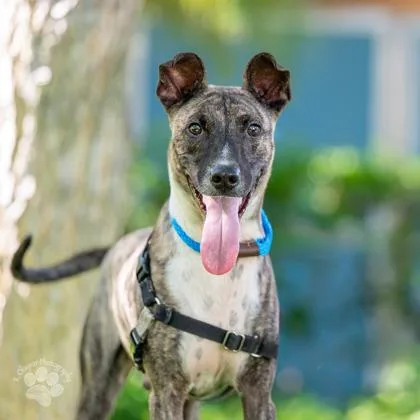
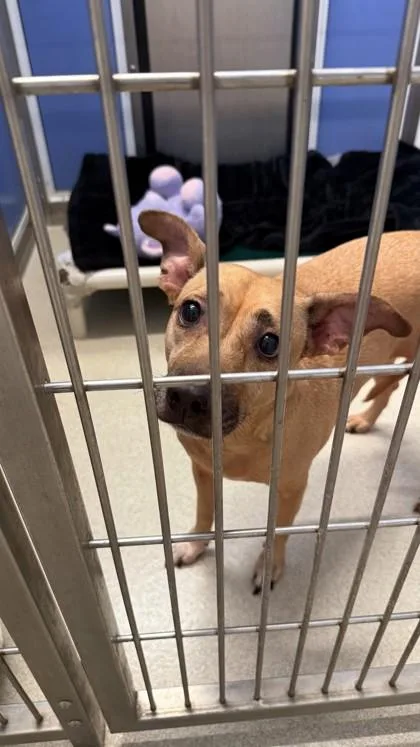
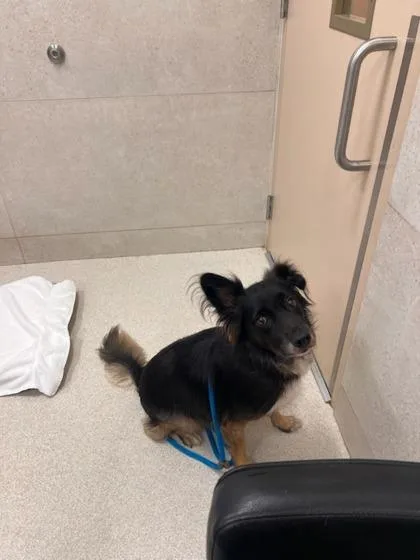
Shar-Peis Available for Adoption Near Honolulu

About the Shar-Pei breed

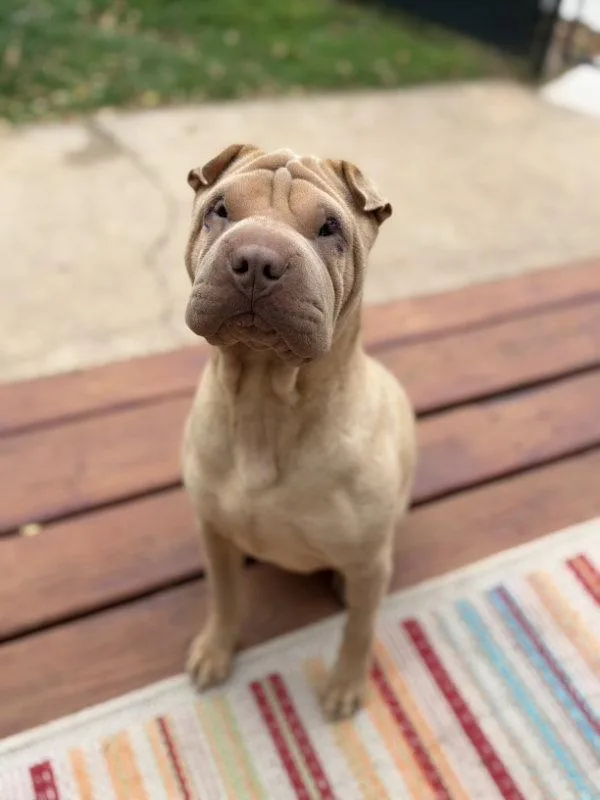
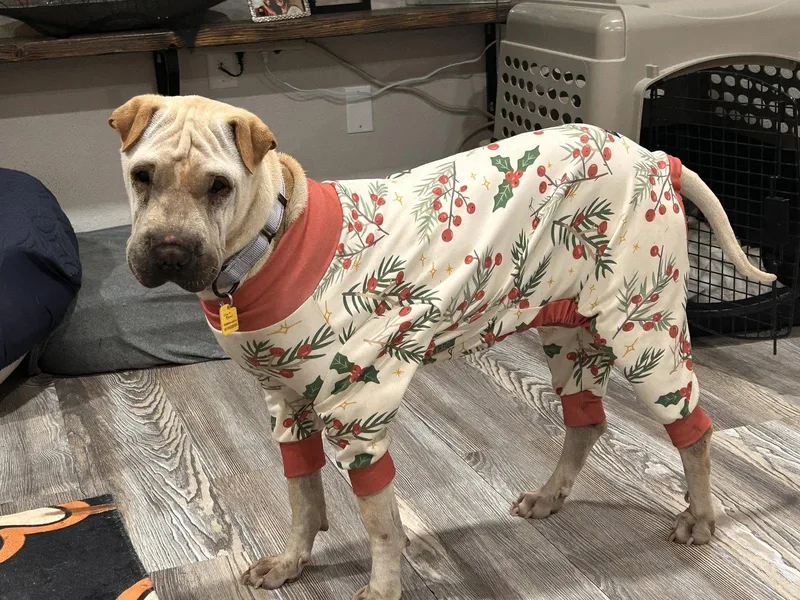
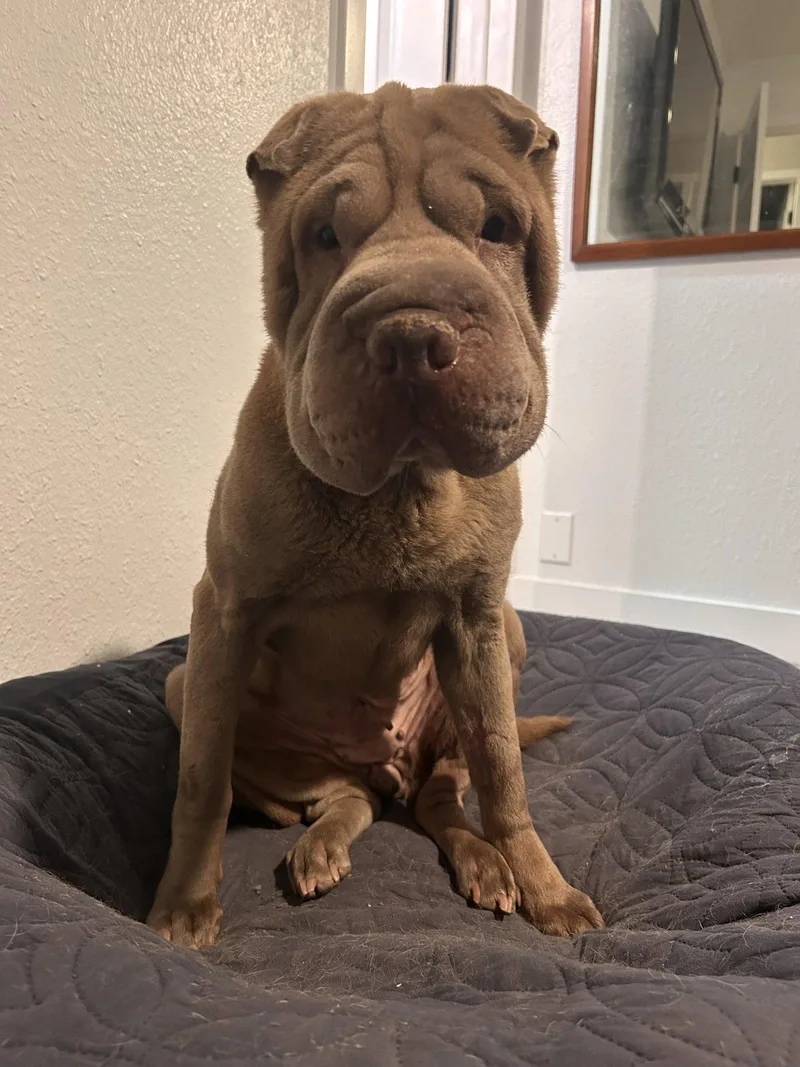
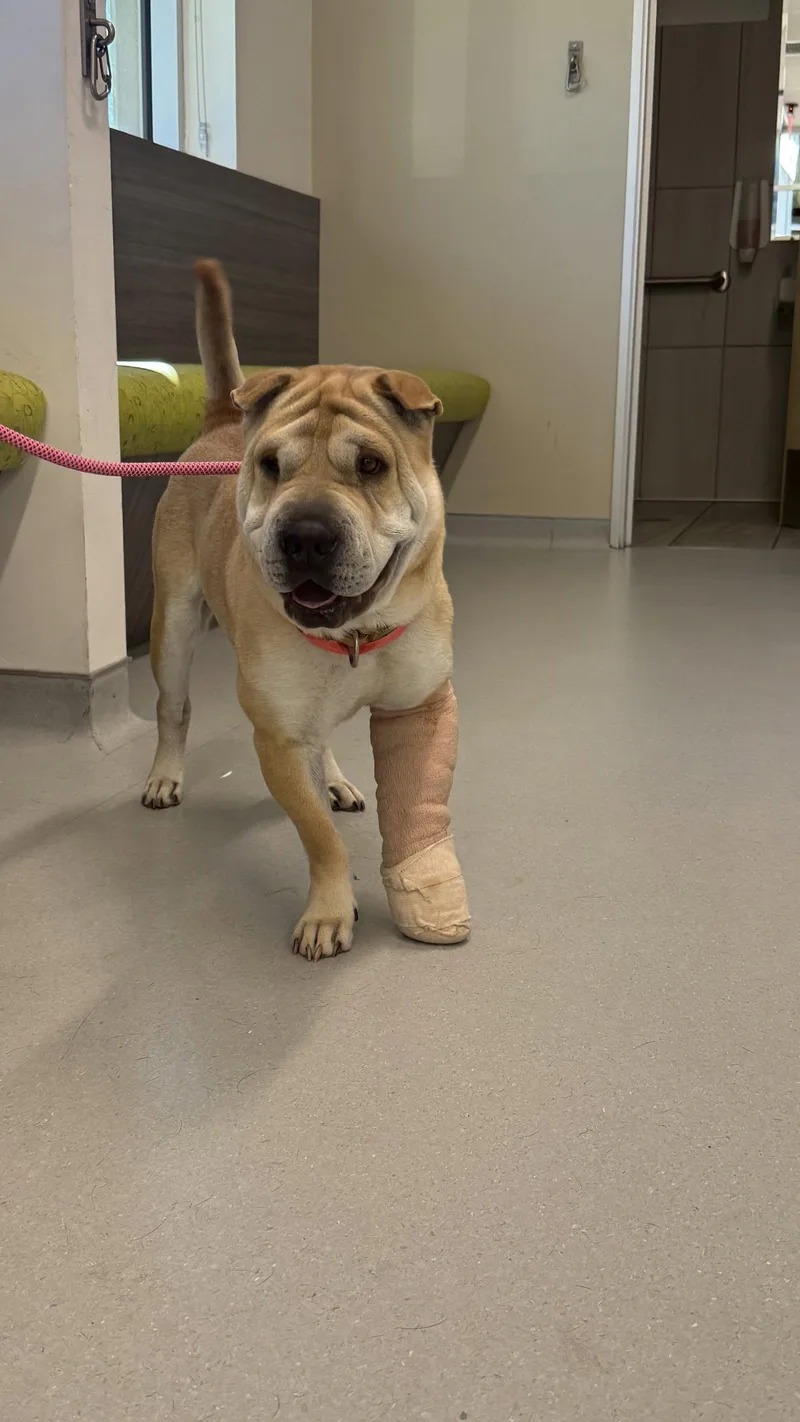
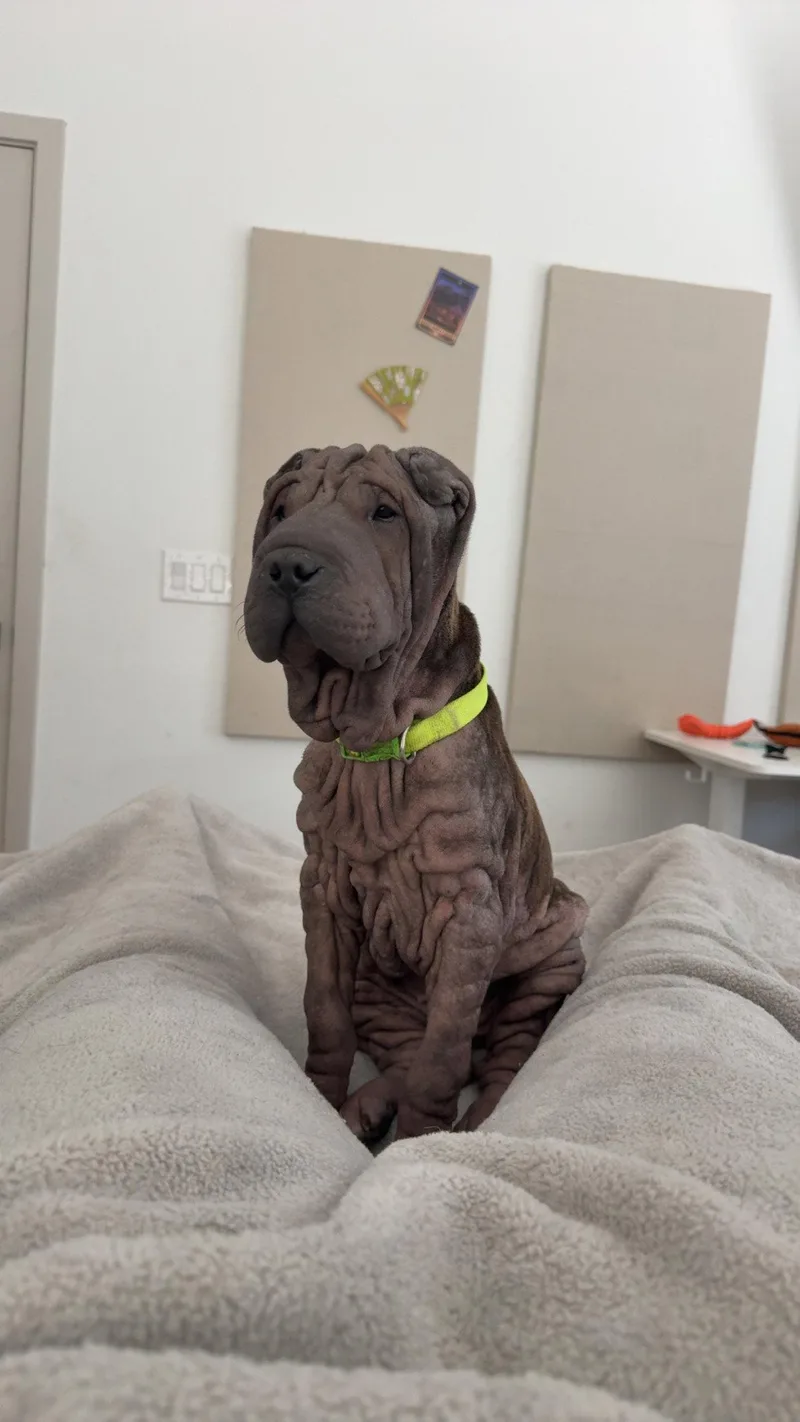
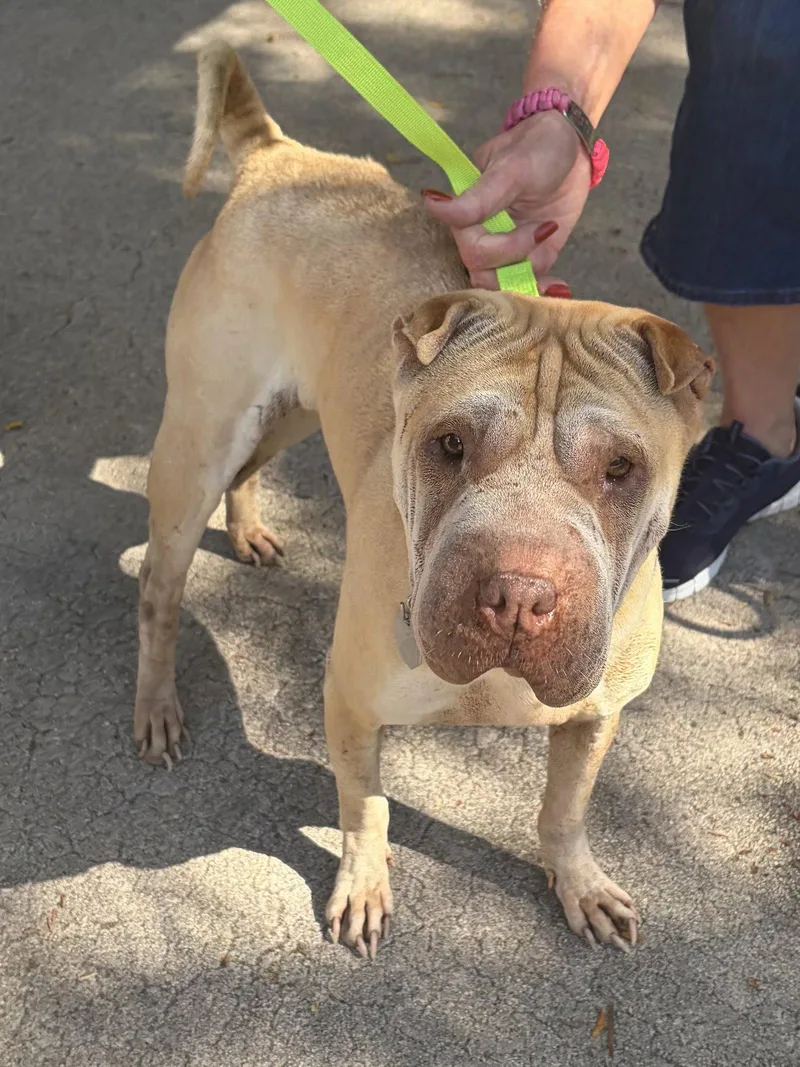
The Shar-Pei is a medium, square-built dog from southern China, best known for its deep wrinkles, hippopotamus-shaped muzzle, small folded ears and blue-black tongue. Its harsh, short coat gave the breed its name, which means sand skin. Many Shar-Peis are calm, clean and devoted to their families, yet aloof with strangers and sometimes selective with other dogs.

In Honolulu, the practical questions are heat, humidity and skin. A dog with heavy facial skin and a broad muzzle needs shade, air conditioning or a fan, and folds that get dried after rain or a bath. Shar-Peis vary, so some handle the climate better than others, but a veterinarian familiar with the breed is worth finding early.

Weight
45–60 lbs
Height
18–20 in
Lifespan
8–12 yrs
Temperament
Independent, Loyal, Protective, Calm
Group
Non-Sporting
Shedding
Moderate

Owning a Shar-Pei in Honolulu

Having a Shar-Pei in Honolulu

Honolulu's steady warmth makes skin care, shade and cool rest spots matter as much as walking routes. A Shar-Pei's modest exercise needs and quiet habits fit condo life, while inherited health risks call for planning and a good veterinary relationship.

Temperament

Shar-Peis tend to be calm, dignified and devoted to their own people, with a reserved streak toward strangers and sometimes other dogs. In a busy Honolulu building, that means early, patient socialization to hallways, elevators and neighbors. Reward-based training works best, and each dog's background and personality will differ.

Exercise Needs

Plan on two moderate walks a day plus some play or food puzzles. In Honolulu, schedule them around the sun: early morning and after sunset, when pavement and sand have cooled. A short session at an off-leash park beats a long midday outing, which can tire a heat-sensitive Shar-Pei quickly.

Health Considerations

Familial Shar-Pei fever, entropion, skin allergies, and fold and ear infections are the main breed concerns. In Honolulu, add leptospirosis, spread through freshwater and standing puddles, and toxic cane toads in wet yards. Ask a veterinarian about the leptospirosis vaccine, and keep folds clean and dry in the humidity.

Living Space

A Shar-Pei is usually quiet indoors, so a condo or townhouse can work if the home stays cool and the dog gets regular outings. Building weight limits vary, and this medium dog is too big for a lap carrier. A fenced yard helps in single-family areas like Mililani or Hawaiʻi Kai.

What it costs to own a Shar-Pei in Honolulu

ExpenseTypical costPer year
Food$35 to $70 per month$420 to $840
Pet insurance$55 to $100 per month$660 to $1,200
Routine vet care$225 to $450 per year$225 to $450
Other*$475 to $1,450 per year$475 to $1,450
Estimated yearly total (after year one)$1,780 to $3,940

Other costs are estimates and vary with size, age and health.

* Flea, tick and heartworm prevention, a dental cleaning allowance, toys and bedding, simple coat care, and cleansers and wipes for skin folds and ears.

Adopt a Shar-Pei in Honolulu.

Now that you know more, let’s find you a new best friend. These rescues and shelters below currently have Shar-Peis available.

Rescues in Honolulu with Shar-Peis Available

Oʻahu's adoption community ranges from a large open-admission shelter to a no-kill shelter and foster-based dog rescues. Here are the rescues & shelters in the Honolulu area where you can find Shar-Peis and other dogs available for adoption.

Frequently Asked Questions

Yes, you can. Honolulu has no known breed bans, and Hawaiʻi's dangerous-dog law says a dog's breed isn't considered; status depends on behavior. Dogs 3 months and older need a registered microchip rather than a license, must be leashed off your property, and households are limited to ten dogs. Rental buildings may add their own rules.

Yes, often. Shar-Peis are usually quiet and calm indoors, which suits Honolulu's condos and townhouses. Make sure the unit stays cool with air conditioning or a fan, and plan walks for early morning and evening. Buildings frequently set weight or size limits, so confirm a 45- to 60-pound dog is allowed, and expect to wipe skin folds regularly in the humidity.

With care, yes. Honolulu summers peak near 88°F with humid nights around 75°F, and July through September bring most of the year's 90-degree days. A Shar-Pei's heavy skin and broad muzzle make heat harder, so walk at dawn or after sunset, keep water and shade available, and stay in cool air from late morning through mid-afternoon.

For off-leash time, Hoa Aloha in Salt Lake, Kalo Place in Mōʻiliʻili and the Elaine Dobashi Hawaiʻi Kai Dog Park are good starts, and Kahua O Waikalua serves Kāneʻohe. Many Shar-Peis are selective with other dogs, so leashed walks at Kailua Beach Park or Sandy Beach may suit better. Diamond Head and State Parks beaches don't allow dogs.

It can be, for the right household. A Shar-Pei's calm indoor manner and moderate exercise suit condo living, and the lack of a cold season means no gear. The trade-offs are year-round heat, humidity that stresses skin folds, and leptospirosis risk near freshwater. Homes with someone who can walk at cooler hours and keep up skin care fit best.

Less than most breeds, but skin care is a regular job. Brush weekly with a rubber mitt to manage moderate shedding, and wipe and dry wrinkles and ears often, since humidity traps moisture. The yearly Other costs above already include simple coat care and fold cleansers, so a professional groomer is optional.

Usually not. TheBus and Skyline allow pets only in a small closed carrier held on your lap or placed under the seat, and a 45- to 60-pound Shar-Pei is too large for one. Service animals are the exception. For vet visits or park trips, plan on a car or a walkable route, ideally in the cooler parts of the day.

Sometimes, on patios only. Since August 2025, Hawaiʻi allows pet dogs in outdoor dining areas at restaurants that choose to participate, as long as the dog doesn't pass through the interior. Indoor dining rooms remain off-limits to pets. Because many Shar-Peis are reserved with strangers, a quiet corner and a short, calm visit work best.

We have 1 rescue with Shar-Peis available: Hawaiian Humane Society. You can see every rescue with Shar-Peis available in the list above these questions, or scroll to the top to see the Shar-Peis near Honolulu.

Expect roughly $1,780 to $3,940 a year for a Shar-Pei in Honolulu, covering food, insurance, routine vet care and other costs. Food runs $35 to $70 a month and insurance $55 to $100. Routine care is $225 to $450 a year, and other costs run $475 to $1,450. Skin and eye problems can add unplanned vet bills.