Australian Cattle Dog / Blue Heelers for Adoption in Lawrenceville, GA

Your guide to finding and caring for an Australian Cattle Dog / Blue Heeler in Lawrenceville

Blue Heelers suit Lawrenceville best when their people have a plan for all that energy. Gwinnett County's Tribble Mill Park has 713 acres and a 3.4-mile paved trail, which is the kind of space a young Heeler can actually use. A dog this alert will also notice every delivery truck on a quiet residential street and every passerby near the downtown square. Heelers are loyal and quick to learn, but they want a job. If you like training and long walks, one could be a great match.

3117 Australian Cattle Dog / Blue Heelers available in Lawrenceville and nationwide

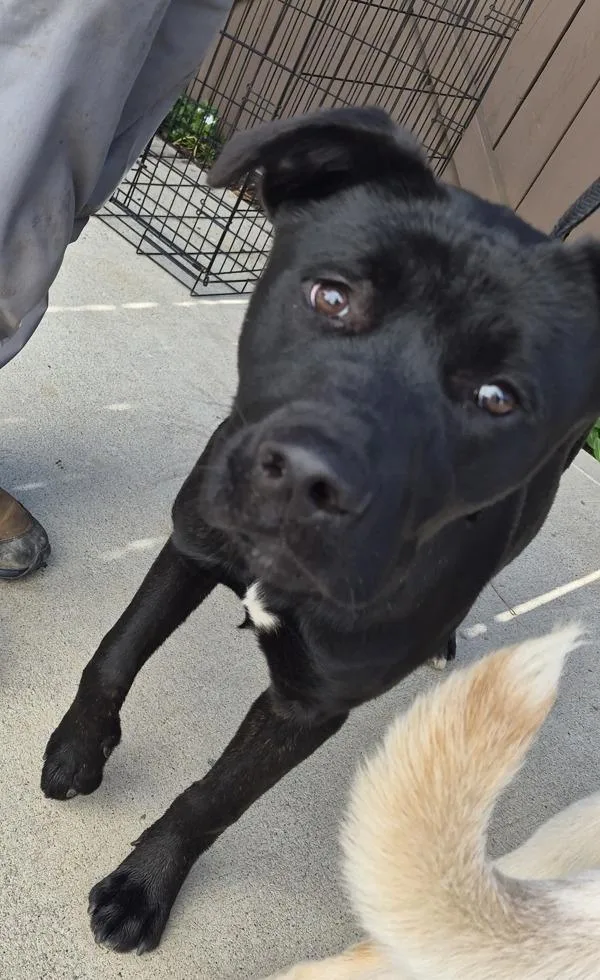
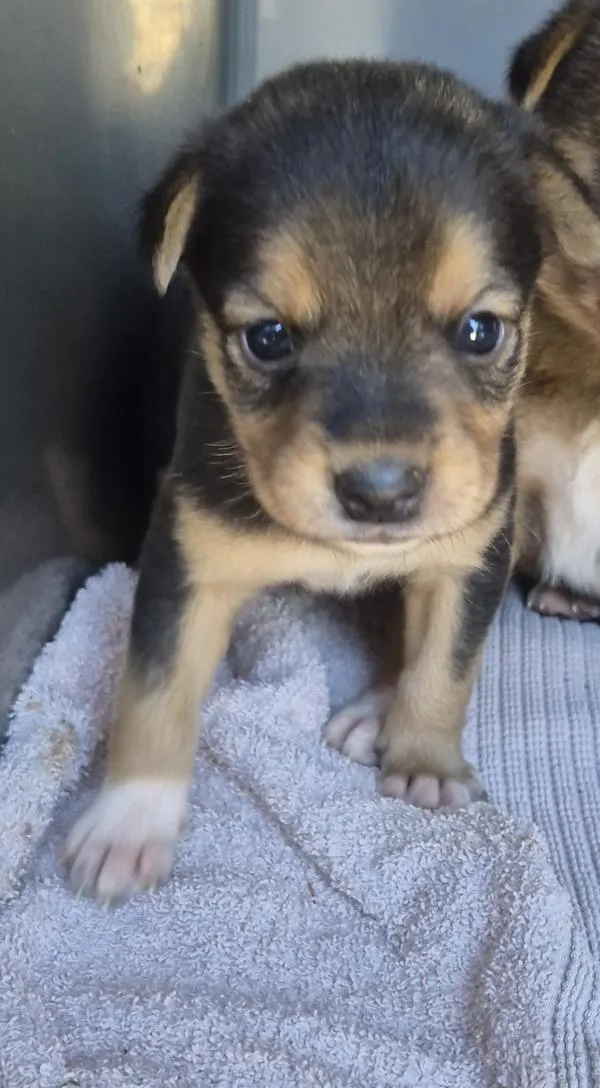
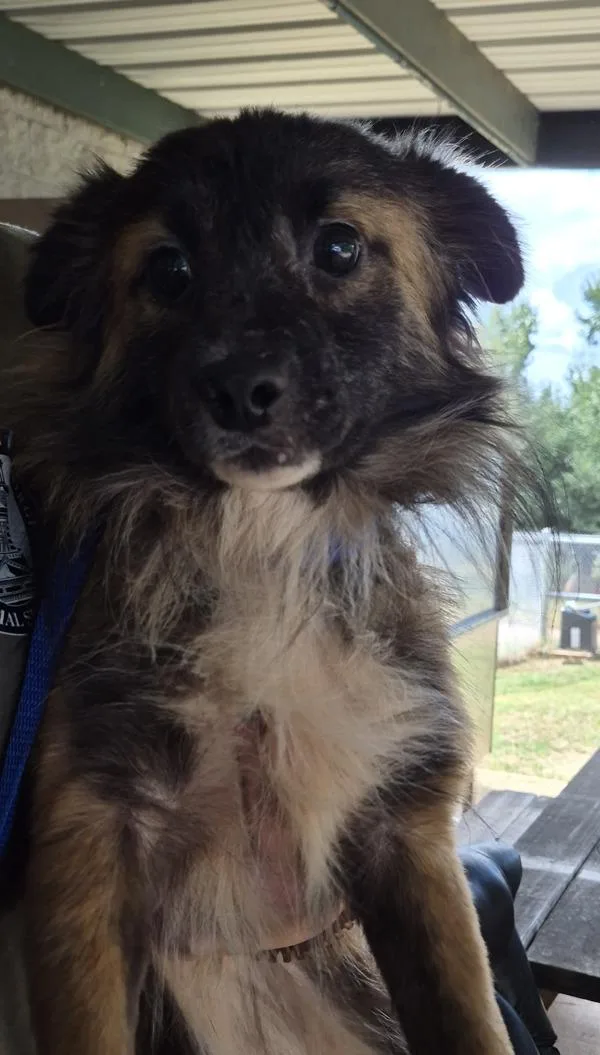
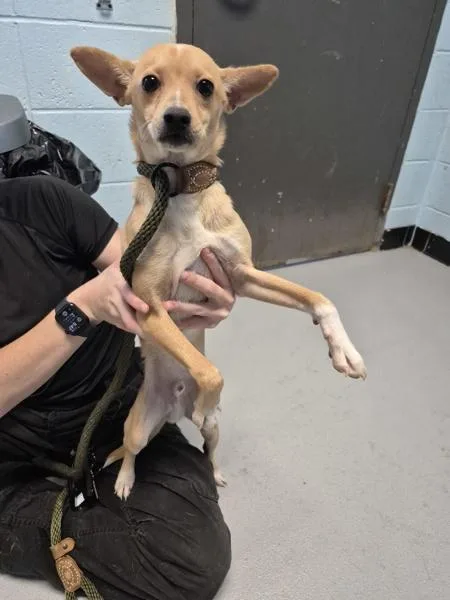
Say hello to your Blue Heeler

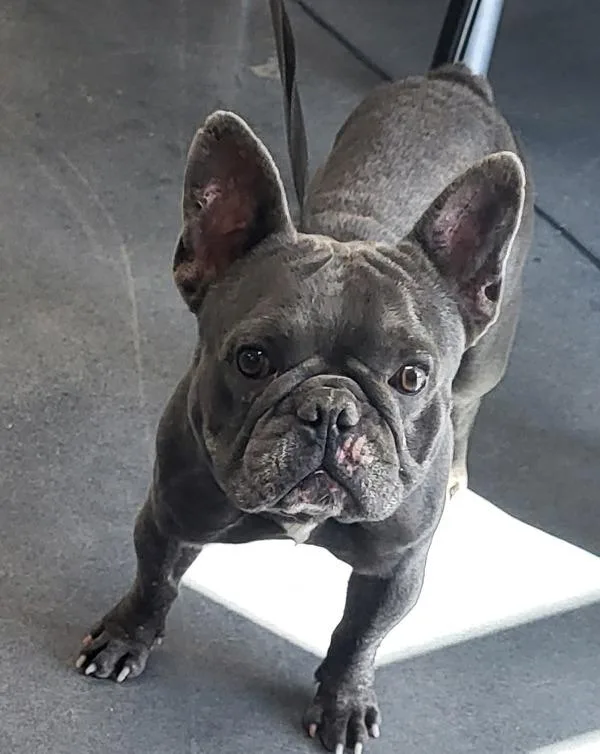
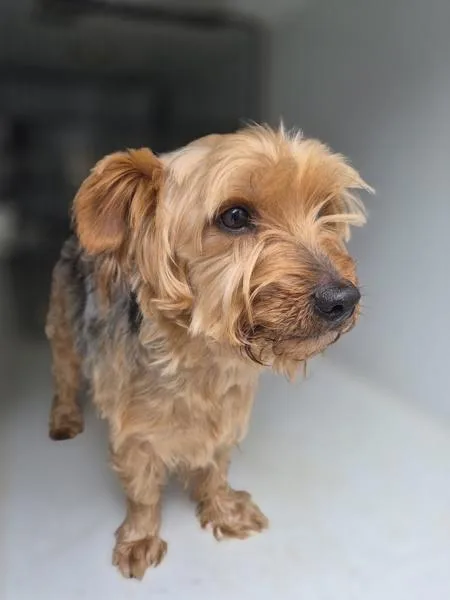
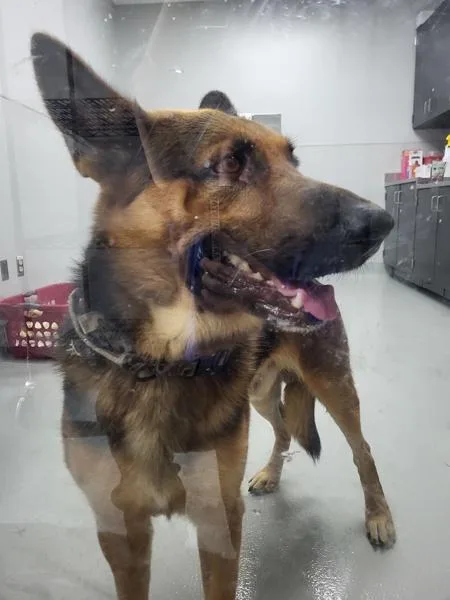
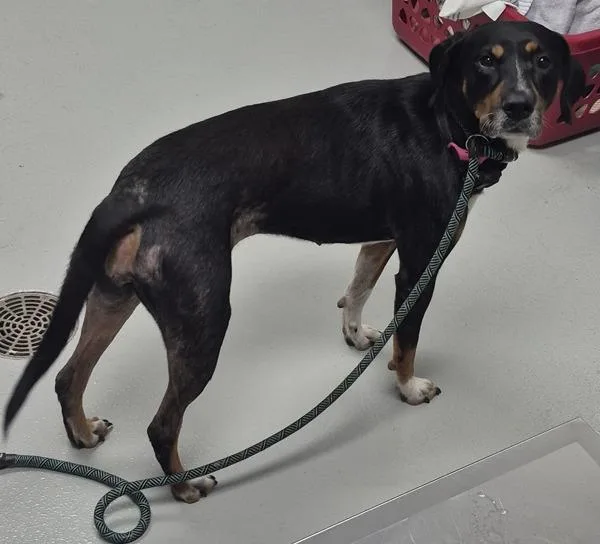
Australian Cattle Dog / Blue Heelers Available for Adoption Near Lawrenceville

About the Australian Cattle Dog / Blue Heeler breed

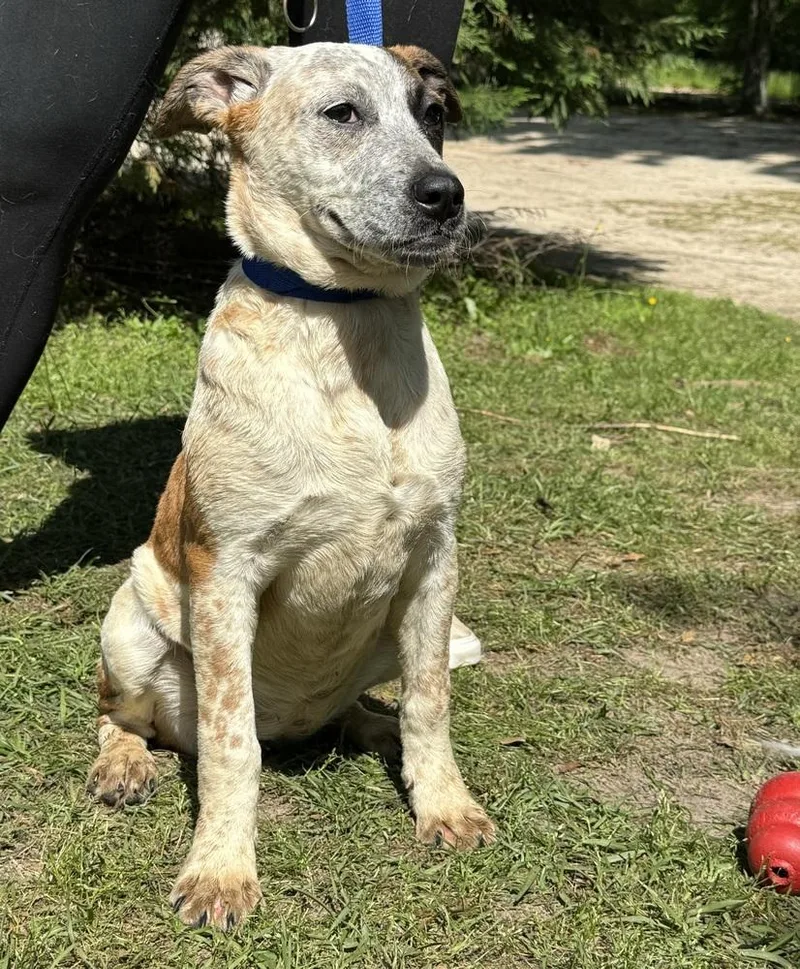
Australian Cattle Dogs, often called Blue Heelers, were developed in nineteenth-century Australia to move cattle across long distances in heat and dust. They're compact, muscular dogs of about 35 to 50 pounds, with a short, weatherproof double coat in blue or red speckle.

Heelers are known for loyalty, sharp minds and stamina. Many bond closely with one person and stay wary of strangers. The herding instinct can show up as nipping at heels, chasing bikes or bossing other pets, though drive varies from dog to dog. In Lawrenceville, life with a Heeler tends to revolve around daily outings, training sessions and a secure yard or a well-planned apartment routine.

Weight
35–50 lbs
Height
17–20 in
Lifespan
12–16 yrs
Temperament
Energetic, Intelligent, Loyal, Alert
Group
Herding
Shedding
Moderate

Owning an Australian Cattle Dog / Blue Heeler in Lawrenceville

Having an Australian Cattle Dog / Blue Heeler in Lawrenceville

Heelers are a high-drive herding breed, so energy and mental work matter more than size. In Lawrenceville, the right home offers daily outings, training time and a secure space, plus some planning for long, humid Georgia summers.

Temperament

Heelers are often loyal, alert and confident, and many bond tightly with one person. They can be reserved with strangers, which matters on busy sidewalks and in apartment hallways. Nipping and chasing are common herding habits, so reward-based training and early socialization help. Each dog differs, and breed never decides temperament on its own.

Exercise Needs

Plan on vigorous exercise every day plus mental work. Tribble Mill Park has a 3.4-mile paved trail and Rhodes Jordan Park a 1.9-mile paved trail, both leash-only. The lighted dog park at Rock Springs allows off-leash play after work. Puzzle toys and short training sessions fill the rest of the day.

Health Considerations

Documented breed concerns include congenital deafness, progressive retinal atrophy, primary lens luxation and hip and elbow dysplasia. Because an adopted dog's background is often unknown, a veterinarian can check hearing, eyes and joints early. Georgia's warm, humid summers also raise heat risk for active dogs, so build in rest breaks.

Living Space

A Heeler can live in a downtown apartment or townhome if daily exercise is dependable, though a fenced yard in an established single-family neighborhood makes life easier. Expect alert barking at hallway and street noise. Heelers like staying close to their people, so long days alone rarely go well.

What it costs to own an Australian Cattle Dog / Blue Heeler in Lawrenceville

ExpenseTypical costPer year
Food$35 to $70 per month$420 to $840
Pet insurance$55 to $100 per month$660 to $1,200
Routine vet care$225 to $450 per year$225 to $450
Other*$425 to $1,150 per year$425 to $1,150
Estimated yearly total (after year one)$1,730 to $3,640

Other costs are estimates and vary with size, age and health.

* Flea, tick and heartworm prevention, a dental cleaning allowance, durable toys and bedding, and light home grooming for a short coat.

Adopt an Australian Cattle Dog / Blue Heeler in Lawrenceville.

Now that you know more, let’s find you a new best friend. These rescues and shelters below currently have Australian Cattle Dog / Blue Heelers available.

Rescues in Lawrenceville with Australian Cattle Dog / Blue Heelers Available

Lawrenceville's rescue community includes the county's animal welfare center and foster-based groups that help dogs find homes. Here are the rescues & shelters in the Lawrenceville area where you can find Australian Cattle Dog / Blue Heelers and other dogs available for adoption.

Frequently Asked Questions

Not in practice. Ride Gwinnett buses allow service animals, but pets are only permitted in a carrier that fits under the seat, which rules out a 35 to 50 pound Heeler. Lawrenceville has no rail line. Plan on getting around by car, or walk to nearby parks and trails on a sturdy leash.

Yes, with planning. Summer highs sit near 88°F, with July and August often reaching 90°F or more and warm nights. A Heeler's double coat is built for heat, but active dogs still overheat. Exercise at dawn, carry water, check pavement, and get to a vet right away for heavy panting, vomiting or a racing heartbeat.

Rock Springs Park has a lighted county dog park, and HYRO Park downtown has turf and separate large- and small-dog areas. For leashed running, try Tribble Mill Park's 3.4-mile paved trail or Rhodes Jordan Park's 1.9-mile paved trail. County dog parks require a rabies tag and ban prong collars, so use a regular harness or flat collar.

Yes. Lawrenceville requires a current rabies vaccination and metal tag, and there's no dog license to buy. The city's breed-specific rules target pit-bull-type dogs, not Heelers. Dogs must be kept under restraint, and tethering is tightly limited, so a fenced yard and leashed walks work best for an active, alert dog.

Yes, if you can meet the exercise needs. Apartments are common here, including newer ones downtown. A Heeler needs a long daily run or hike plus training, and may bark at hallway noise. Check each lease for pet fees, pet rent and weight limits before you commit, since some caps sit right around a Heeler's size.

It can be, if you're active and home often. Big county parks and quiet residential streets give a Heeler places to burn energy, and a fenced yard helps. The hard parts are long workdays alone and a sedentary routine, since Heelers bond closely and need real jobs. Training matters as much as walks.

Only to patios, and only if the restaurant allows it. Georgia lets restaurants admit pet dogs to outdoor dining areas reached from outside, but it's each restaurant's choice. Dogs must be leashed, stay off furniture and not be fed. A Heeler that's wary of strangers should practice settling on a mat first. Indoors, only service dogs are allowed.

Very little. A Heeler's short double coat needs weekly brushing, and more when it sheds its undercoat once or twice a year, often in spring and fall. Baths are only needed when the dog is dirty, and the coat shouldn't be shaved in summer heat. Home grooming fits within the roughly $425 to $1,150 yearly Other budget.

We have 1 rescue with Australian Cattle Dog / Blue Heelers available: Gwinnett County Animal Control and Welfare. You can see every rescue with Australian Cattle Dog / Blue Heelers available in the list above these questions, or scroll to the top to see the Australian Cattle Dog / Blue Heelers near Lawrenceville.

Expect roughly $35 to $70 a month for food and $55 to $100 for insurance. Routine vet care runs about $225 to $450 a year, and other costs add roughly $425 to $1,150 yearly, covering parasite prevention, dental care, supplies and light grooming. With no dog license to buy, those are the main recurring expenses.