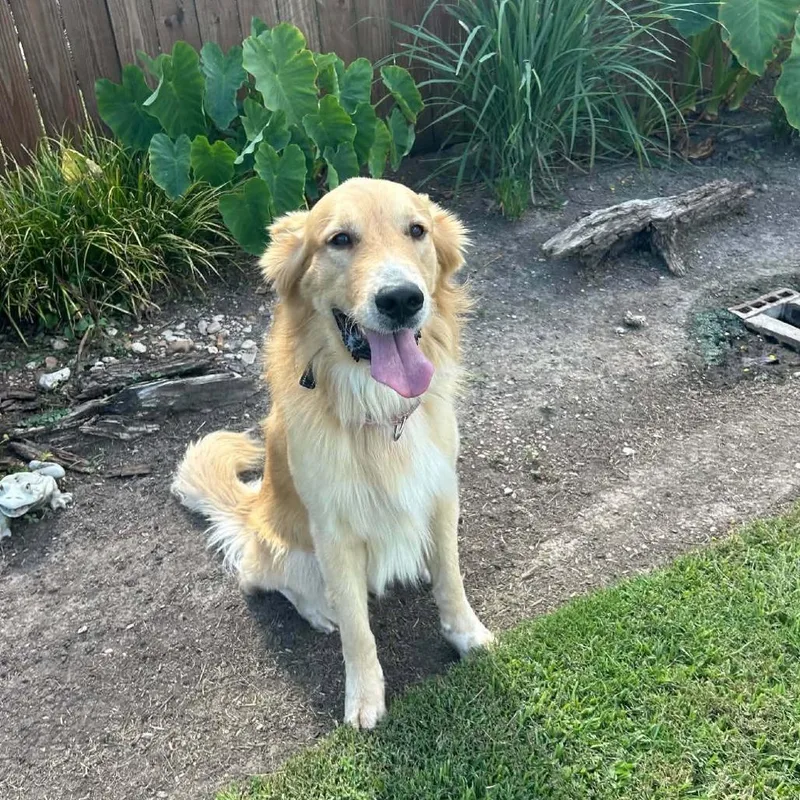


Nova Scotia Duck Tolling Retriever Dogs for Adoption in Tallahassee, FL

Your guide to finding and caring for a Nova Scotia Duck Tolling Retriever in Tallahassee

Tollers suit Tallahassee's active crowd, as long as someone plays hard with them every day. A morning at Tom Brown Park's fenced dog park, then a walk along FAMU Way from Myers Park, is a good start for a Toller. Expect red hair on the floor and the occasional Toller scream, which carries through the walls of a Gaines Street apartment. Summer afternoon storms mean backup plans, like tug, puzzle toys and training games indoors.

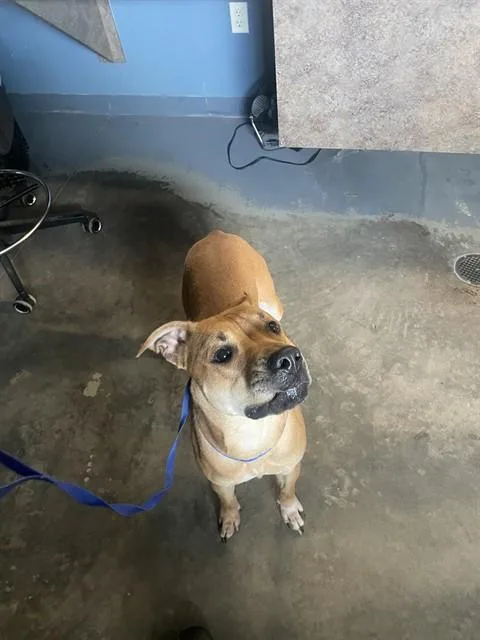
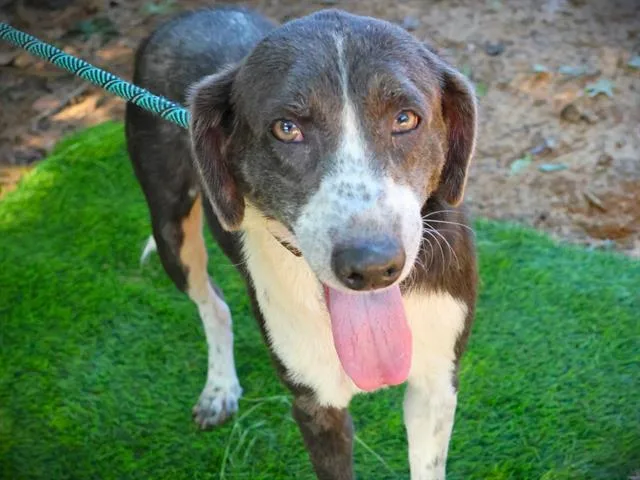
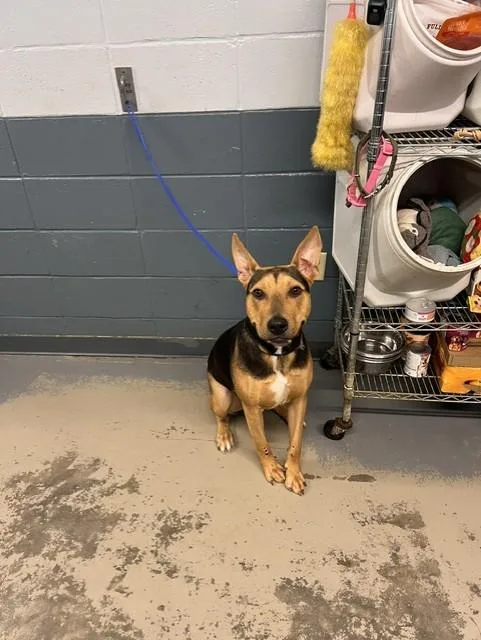
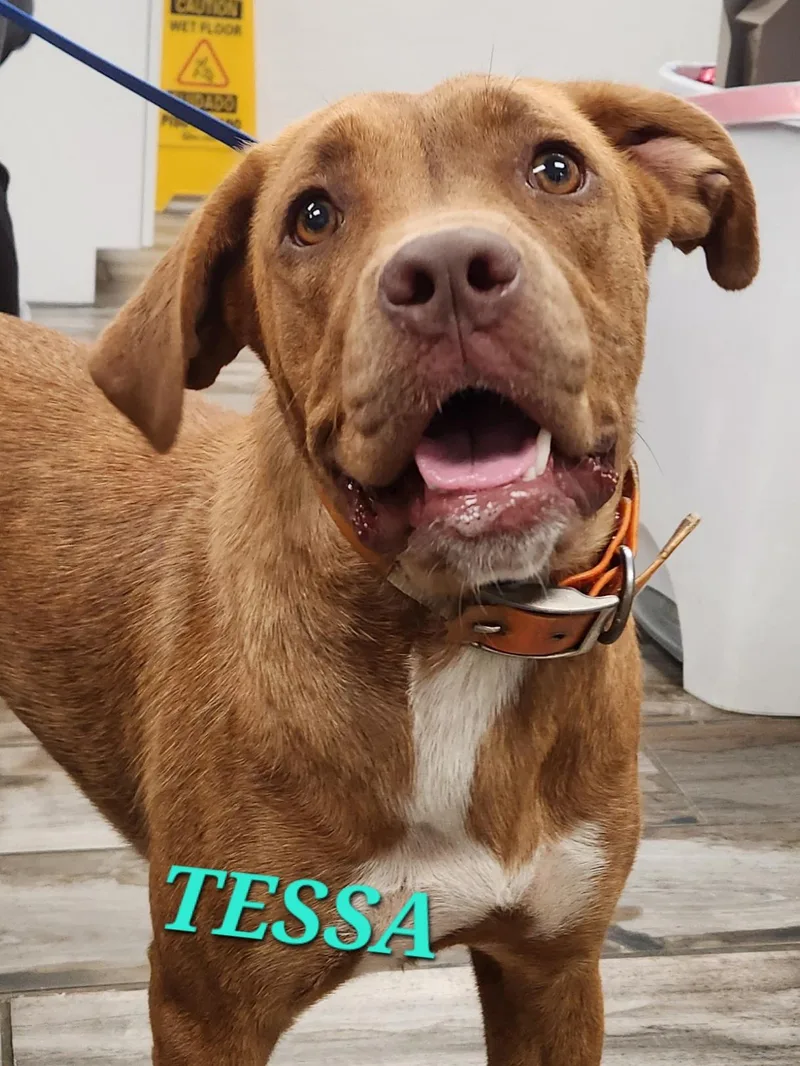
24 Nova Scotia Duck Tolling Retrievers available in Tallahassee and nationwide

Your Toller is waiting

While we don't have enough dogs near Tallahassee, keep in mind that many rescues may offer transport.

Nova Scotia Duck Tolling Retrievers Available for Adoption Near Tallahassee

About the Nova Scotia Duck Tolling Retriever breed

Tollers are the smallest of the retrievers. They were developed in Yarmouth County, Nova Scotia, to lure ducks within range by romping along the shoreline, then fetch the birds from cold water. They're compact, athletic dogs, usually 35 to 50 pounds, with a water-repellent red double coat and white markings on the chest, feet or tail tip.

In Tallahassee, a Toller's best days include a long run, a fetch session and some training, followed by a quiet evening with the family. Many are affectionate at home and reserved with strangers, and most shed noticeably, especially in season. Dogs vary, so an adult dog's own energy and noise level tell you more than the breed label does.

Weight
35–50 lbs
Height
17–21 in
Lifespan
12–14 yrs
Temperament
Energetic, Intelligent, Playful, Alert
Group
Sporting
Shedding
Moderate to High

Owning a Nova Scotia Duck Tolling Retriever in Tallahassee

Having a Nova Scotia Duck Tolling Retriever in Tallahassee

A Toller combines a retriever's drive with a working dog's stamina in a medium-sized, weatherproof body. Energy, voice, shedding and a few breed-linked health conditions decide whether one fits your routine and your Tallahassee home.

Temperament

Many Tollers are playful, alert and devoted to their families, and some are reserved with strangers. Excitement can come out as the high-pitched Toller scream, which neighbors in an apartment complex will notice. Steady, positive exposure to new people and places on walks helps, though each dog's personality differs from the breed's general profile.
Exercise Needs

Plan on vigorous daily exercise: fetch, running, hiking and training games. Tom Brown Park's fenced dog park and trails cover the high-energy end, and agility or retrieving games add mental work. In summer, shift outings to early morning and evening. Without enough outlets, many Tollers turn noisy, restless or destructive.

Health Considerations

Tollers are prone to autoimmune conditions such as hypothyroidism and Addison's disease, plus progressive retinal atrophy and some joint and neurological problems. Many live healthy lives. A veterinarian can check eyes, hips and thyroid, and Tallahassee's long warm season makes steady flea, tick and heartworm prevention important.

Living Space

A fenced yard makes life easier, but a committed owner in an apartment can make it work with long daily outings. Neighbors will hear the Toller scream through shared walls, and red hair will land on floors and furniture, so a robust vacuum and a regular brushing routine help.

What it costs to own a Nova Scotia Duck Tolling Retriever in Tallahassee

ExpenseTypical costPer year
Food$35 to $70 per month$420 to $840
Pet insurance$55 to $100 per month$660 to $1,200
Routine vet care$225 to $450 per year$225 to $450
Other*$525 to $1,350 per year$525 to $1,350
Estimated yearly total (after year one)$1,830 to $3,840

Other costs are estimates and vary with size, age and health.

* Flea, tick and heartworm prevention, a dental cleaning allowance, toys, bedding and retrieving gear, and regular brushing for a double coat that sheds heavily in season.

Adopt a Nova Scotia Duck Tolling Retriever in Tallahassee.

Now that you know more, let’s find you a new best friend. These rescues and shelters below currently have Nova Scotia Duck Tolling Retrievers available.

Rescues in Tallahassee with Nova Scotia Duck Tolling Retrievers Available

Tallahassee's shelters and rescues list adoptable dogs here, and active sporting-type mixes can share a Toller's energy. Here are the rescues & shelters in the Tallahassee area where you can find Nova Scotia Duck Tolling Retrievers and other dogs available for adoption.

Frequently Asked Questions

Yes, for an active adopter who can give a Toller hard daily exercise and training. Tallahassee offers fenced dog parks, wooded trails and long stretches of mild spring and fall weather. The trade-offs are summer heat, which pushes play to early morning, and a loud voice and heavy shed that matter in shared buildings. Each dog's energy and noise level varies.

Yes. Tallahassee has no breed ban, and Florida law bars local dangerous-dog rules that target a breed, so Tollers are treated like any other dog. There's no city pet license and no fixed cap on how many dogs a household can keep, though the lease and the rule to keep animals properly cared for still apply. Rabies vaccination is required.

Tom Brown Park on the east side has a fenced dog park and wooded trails, and Apalachee Regional Park's dog park adds an agility course and rinse stations. J. Lee Vause Dog Park is beside Lake Jackson, and the St. Marks Historic Railroad State Trail allows dogs on a hand-held leash of six feet or less. Skip lake swimming because of alligators.

It can, if the owner commits to long daily outings and training. About 59% of Tallahassee households rent, so apartment-friendly routines are common. The challenges are the Toller scream through shared walls and heavy seasonal shedding. Tallahassee sets no city pet-count cap, so the lease governs, including any weight limits for a dog of 35 to 50 pounds.

They can, with adjustments. A Toller's thick double coat makes Tallahassee's roughly 100 days a year at or above 90°F demanding, so walk at dawn or dusk, stay on grass instead of hot pavement, and keep water and shade handy. Never leave a dog in a parked car. Afternoon thunderstorms are common, so plan indoor games.

Plan on brushing a few times a week, and daily during the heavy seasonal sheds that often come in late winter and spring. Don't shave the coat in the heat, since it helps insulate against sun. Baths are only needed when the dog is dirty. Grooming supplies fall in the Other cost line of $525 to $1,350 a year.

Only in a carrier, and most Tollers are too big for one. StarMetro, Tallahassee's bus system, requires pets to ride in a carrier that fits in your lap or under a seat, which a 35-to-50-pound Toller won't. Service animals that meet the ADA definition are the exception. Plan on driving to parks and trails.

Possibly on some outdoor patios, but don't count on it. Florida lets restaurants seat leashed dogs in permitted outdoor areas under state rules, with dogs kept off chairs and tables and out of indoor areas. Patio policies vary by venue, so look for posted signs. Dining rooms are off-limits except for service animals. A tired Toller handles a patio best.

We have 1 rescue with Nova Scotia Duck Tolling Retrievers available: Tallahassee Animal Services. You can see every rescue with Nova Scotia Duck Tolling Retrievers available in the list above these questions, or scroll to the top to see the Nova Scotia Duck Tolling Retrievers near Tallahassee.

Expect roughly $1,830 to $3,840 a year for a Toller in Tallahassee: food at about $35 to $70 a month, insurance at $55 to $100 a month, routine vet care at $225 to $450 a year, and $525 to $1,350 in other costs such as parasite prevention, dental care and grooming supplies. Amounts vary with the dog's age and health.