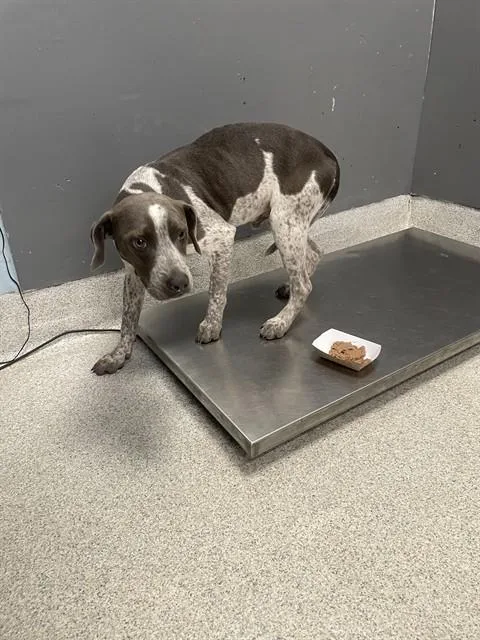
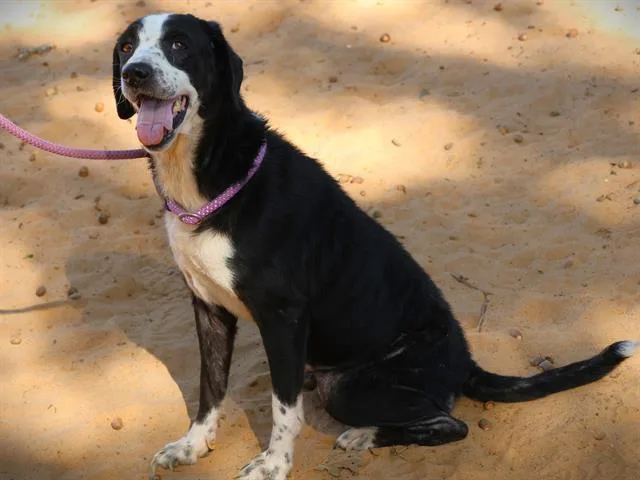
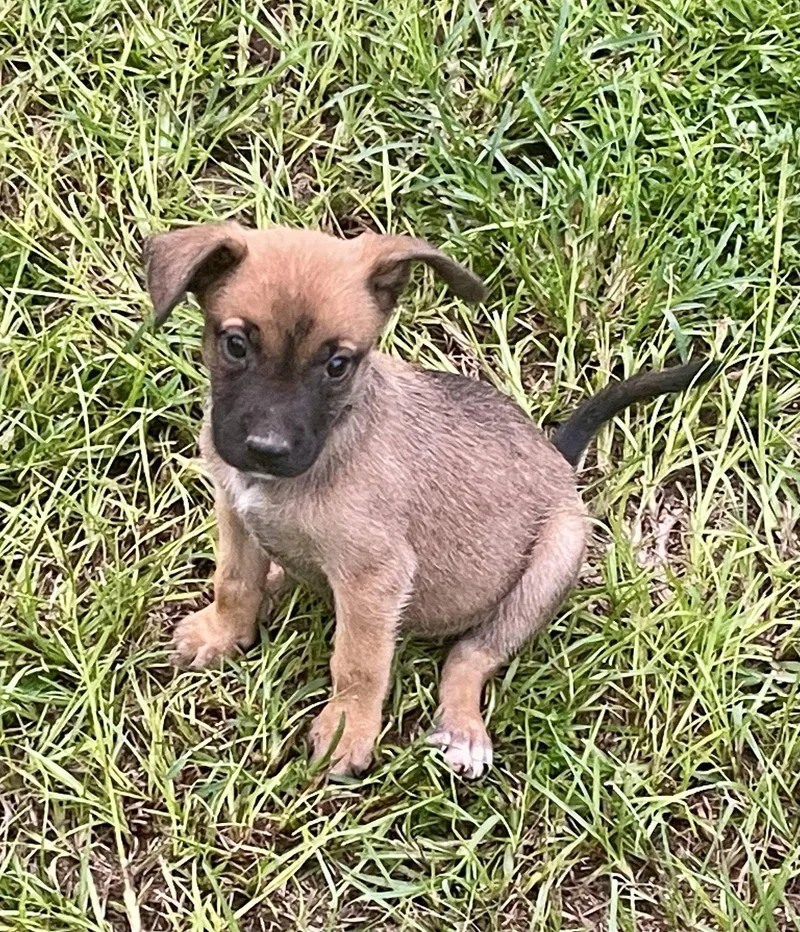
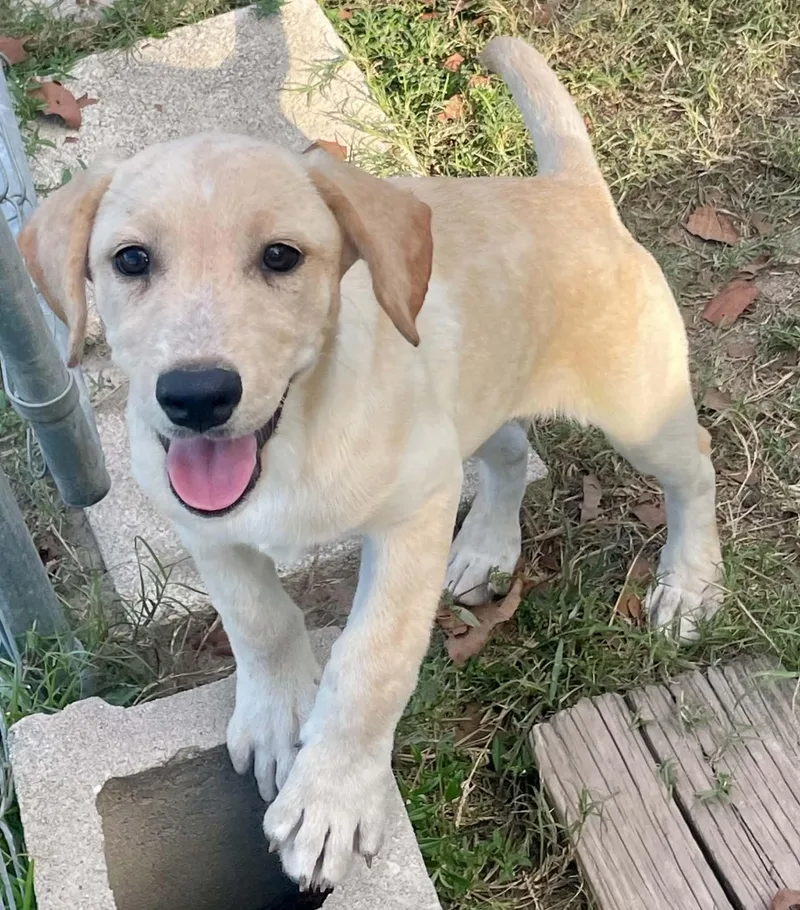
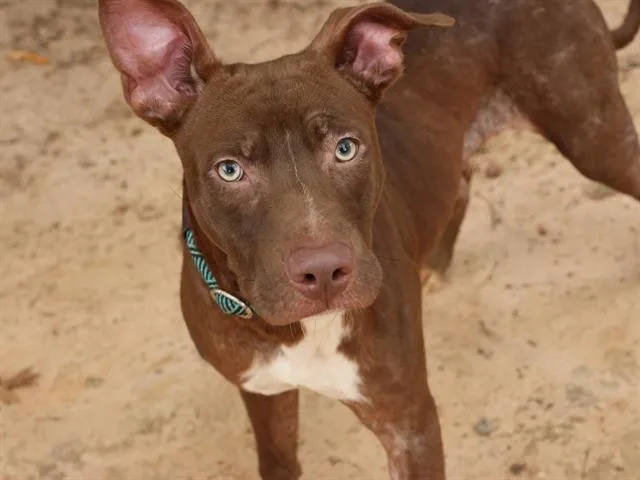
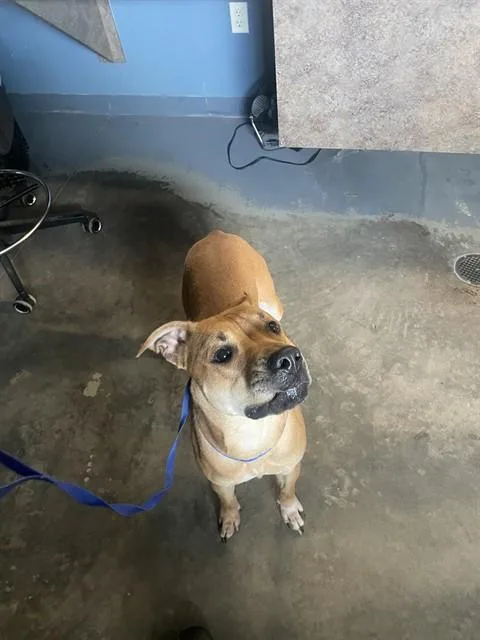
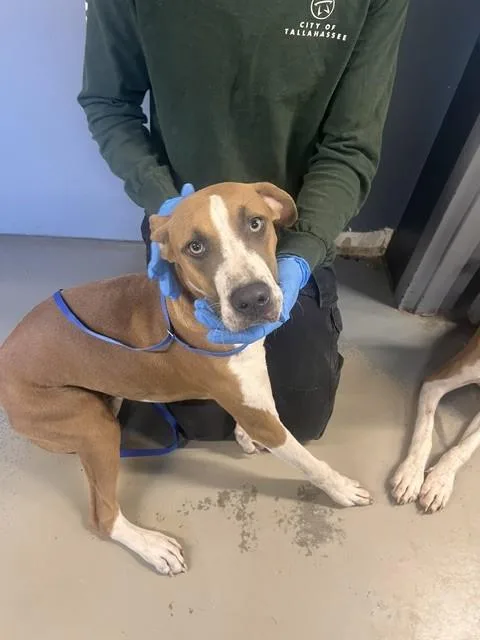
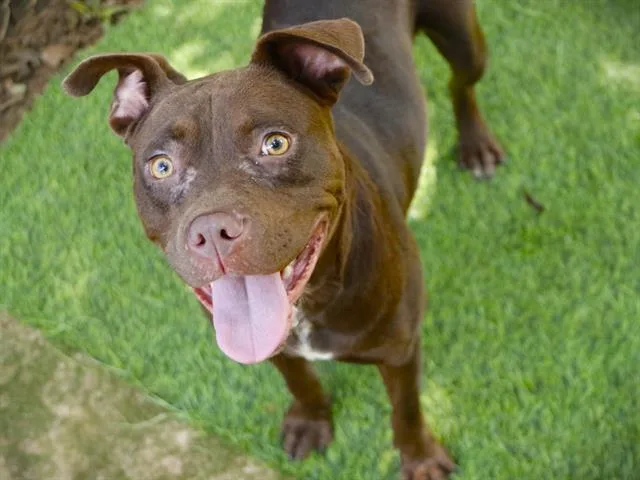
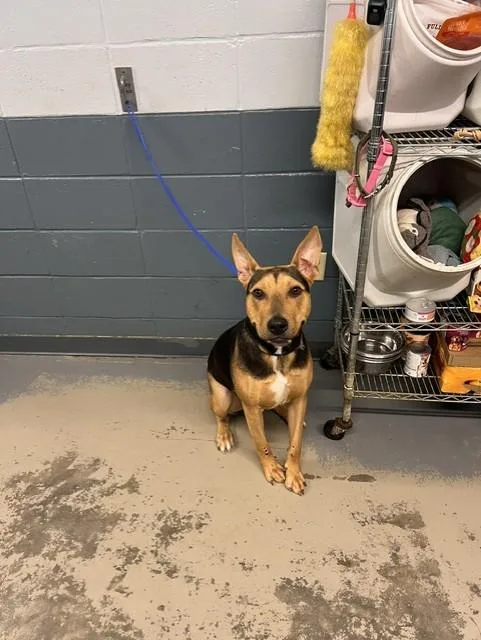
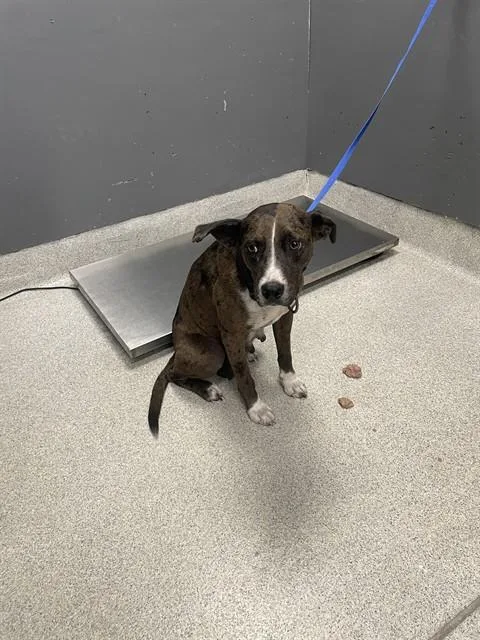
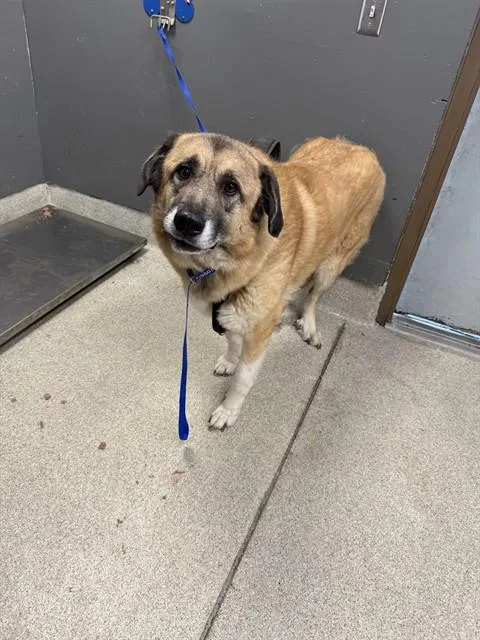
Australian Cattle Dog / Blue Heelers for Adoption in Tallahassee, FL

Your guide to finding and caring for an Australian Cattle Dog / Blue Heeler in Tallahassee

A Blue Heeler in Tallahassee needs somewhere to run, and the east side has plenty of room. Tom Brown Park's wooded trails and fenced dog park give a dog with this much stamina a real outlet, and SouthWood's Central Park works for shorter leashed outings closer to home. Heelers want a job, so plan on training games and long walks, not just a backyard. They're loyal to their people and reserved with strangers, which suits a household where someone is home a good part of the day.

4135 Australian Cattle Dog / Blue Heelers available in Tallahassee and nationwide

Say hello to your Blue Heeler

While we don't have enough dogs near Tallahassee, keep in mind that many rescues may offer transport.

Australian Cattle Dog / Blue Heelers Available for Adoption Near Tallahassee

About the Australian Cattle Dog / Blue Heeler breed

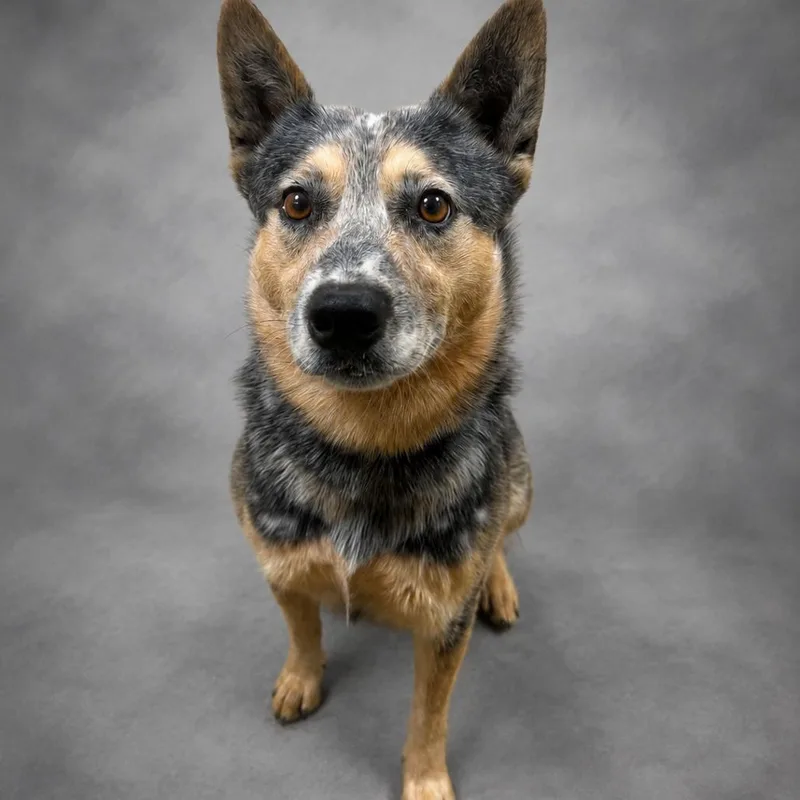
Australian Cattle Dogs, also called Blue Heelers or Queensland Heelers, were developed in nineteenth-century Australia to drive cattle over long distances in heat and dust. Settlers crossed herding dogs with dingoes to get a tough, quiet worker that nips at heels to move stock. The result is a compact, muscular dog, usually 35 to 50 pounds, with a weatherproof short double coat in blue or red speckle.

Their working background helps in Tallahassee's warm climate, though Florida summers still call for care. The same drive means many Heelers chase bikes, joggers and squirrels, and some nip at heels, so a leash and a secure fence matter. They learn fast and bore fast, and they shed more heavily once or twice a year. With training and a daily job, many are devoted companions that live 12 to 16 years.

Weight
35–50 lbs
Height
17–20 in
Lifespan
12–16 yrs
Temperament
Energetic, Intelligent, Loyal, Alert
Group
Herding
Shedding
Moderate

Owning an Australian Cattle Dog / Blue Heeler in Tallahassee

Having an Australian Cattle Dog / Blue Heeler in Tallahassee

Stamina, intelligence and a strong herding drive define this breed. In Tallahassee, that means daily outings timed around the heat, mental work indoors, and a household that offers steady routine. Dogs vary, so a young Heeler's needs can differ a lot from a senior's.

Temperament

Heelers are typically loyal, alert and confident, often attached to one person and reserved with visitors. Some guard the home or bark at passersby, which matters in apartment hallways and busy sidewalks. Herding instinct can mean nipping and chasing. Early socialization and consistent, reward-based training help, though each dog's drive differs.

Exercise Needs

Expect vigorous daily activity for a young adult, plus training or puzzle work. Tom Brown Park's trails and fenced dog park suit running and fetch, and the paved Tallahassee–St. Marks trail works for leashed outings. In summer, exercise early or late. Seniors still enjoy activity at a gentler pace.

Health Considerations

Documented concerns include congenital deafness, progressive retinal atrophy, primary lens luxation and hip and elbow dysplasia. A veterinarian can check hearing, eyes and joints and suggest screening. Florida's warm, wet climate also makes heartworm prevention worth discussing at the first visit, and Tallahassee requires rabies vaccination by four months.

Living Space

A securely fenced yard is ideal, but a Heeler can manage in a Tallahassee apartment if exercise is daily and generous. Daily activity matters more than square footage. Alert Heelers may bark at hallway noise or passersby, so a quieter unit helps, and most prefer to stay close to their people.

What it costs to own an Australian Cattle Dog / Blue Heeler in Tallahassee

ExpenseTypical costPer year
Food$35 to $70 per month$420 to $840
Pet insurance$55 to $100 per month$660 to $1,200
Routine vet care$225 to $450 per year$225 to $450
Other*$425 to $1,150 per year$425 to $1,150
Estimated yearly total (after year one)$1,730 to $3,640

Other costs are estimates and vary with size, age and health.

* Flea, tick and heartworm prevention, a dental cleaning allowance, durable toys and bedding, and light home grooming for a short coat.

Adopt an Australian Cattle Dog / Blue Heeler in Tallahassee.

Now that you know more, let’s find you a new best friend. These rescues and shelters below currently have Australian Cattle Dog / Blue Heelers available.

Rescues in Tallahassee with Australian Cattle Dog / Blue Heelers Available

Tallahassee's shelters and rescues list dogs of every age and type, and the ones below are in the area. Here are the rescues & shelters in the Tallahassee area where you can find Australian Cattle Dog / Blue Heelers and other dogs available for adoption.

Frequently Asked Questions

Yes. Neither the city nor Leon County restricts Blue Heelers, and Florida law bars dangerous-dog rules aimed at a specific breed. Tallahassee also sets no fixed cap on how many dogs a household keeps, though leases and the standard of proper care still apply. In public, a Heeler must be under direct physical control, so voice commands alone don't count.

A Blue Heeler fits Tallahassee if you're active and out early. Trails, fenced dog parks and mild fall-to-spring weather give a Heeler room to burn energy, and neighborhood sidewalks offer training practice. Summer heat and storms mean dawn walks and indoor games. It fits less well if you're away all day or can't commit to daily exercise.

Yes, if the lease allows and you can exercise a Heeler hard every day. Many Tallahassee homes are rentals, so apartment living is common, but alert Heelers may bark at hallway noise. A ground-floor unit near trails helps, along with indoor training games. Read the lease for pet fees, deposits and any weight or breed limits.

Yes, with care. Heelers have a short double coat and plenty of stamina, but Tallahassee averages about 103 days a year at 90°F or higher, with humid air and frequent storms in summer. Exercise at dawn or after dusk, stay on grass rather than hot pavement, carry water, and watch for heavy panting, drooling or collapse.

Tom Brown Park and San Luis Mission Park both have fenced dog parks, the Tallahassee–St. Marks Historic Railroad State Trail allows dogs on a hand-held leash of six feet or less, and J. Lee Vause Dog Park on Lake Jackson has jumping hoops and a log tunnel. Heelers find plenty to chase, so keep them leashed outside fenced areas.

Very little. A Heeler's short, weatherproof double coat needs a weekly brush most of the year, more during the once or twice yearly coat blow, and baths only when dirty. Humidity and ticks make a quick check after trail walks worthwhile. Most owners groom at home, which keeps it within the yearly Other costs shown on this page.

Only in a carrier. StarMetro is Tallahassee's bus system, and pets must be secured in a carrier that fits on your lap or under a seat, while service animals ride on the floor or lap. A full-grown Heeler of 35 to 50 pounds won't fit, so plan on driving or walking.

Possibly, but don't count on it. Florida lets restaurants seat leashed dogs on permitted outdoor patios, with dogs kept off chairs and tables, but policies vary by venue and dogs other than service animals aren't allowed indoors. A watchful Heeler should settle calmly around strangers and other dogs before you try a patio.

We have 1 rescue with Australian Cattle Dog / Blue Heelers available: Tallahassee Animal Services. You can see every rescue with Australian Cattle Dog / Blue Heelers available in the list above these questions, or scroll to the top to see the Australian Cattle Dog / Blue Heelers near Tallahassee.

Plan on roughly $90 to $170 a month for food and insurance combined, plus $225 to $450 a year for routine vet care and $425 to $1,150 for other costs such as parasite prevention and dental care. That totals about $1,730 to $3,640 a year. Tallahassee has no dog license fee, and the short coat keeps grooming low.