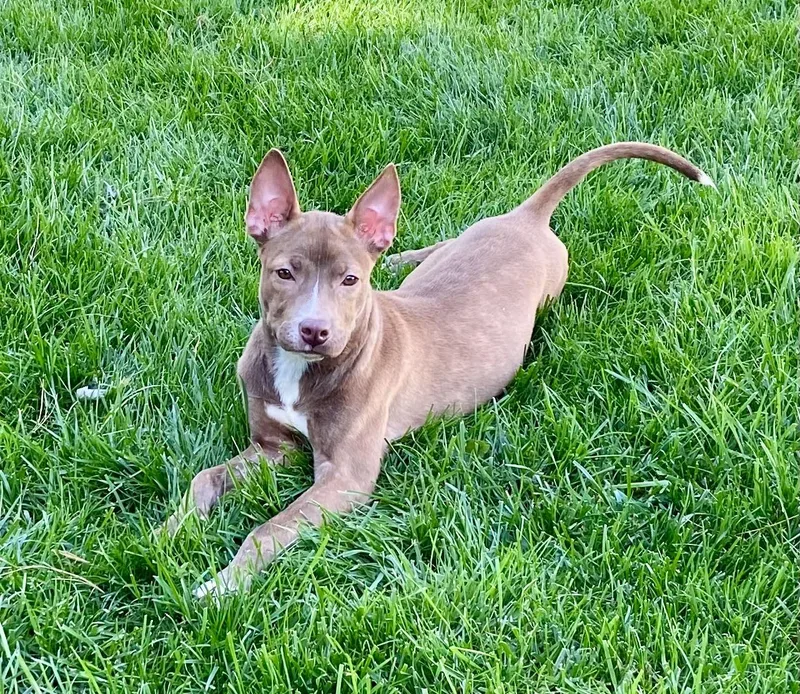
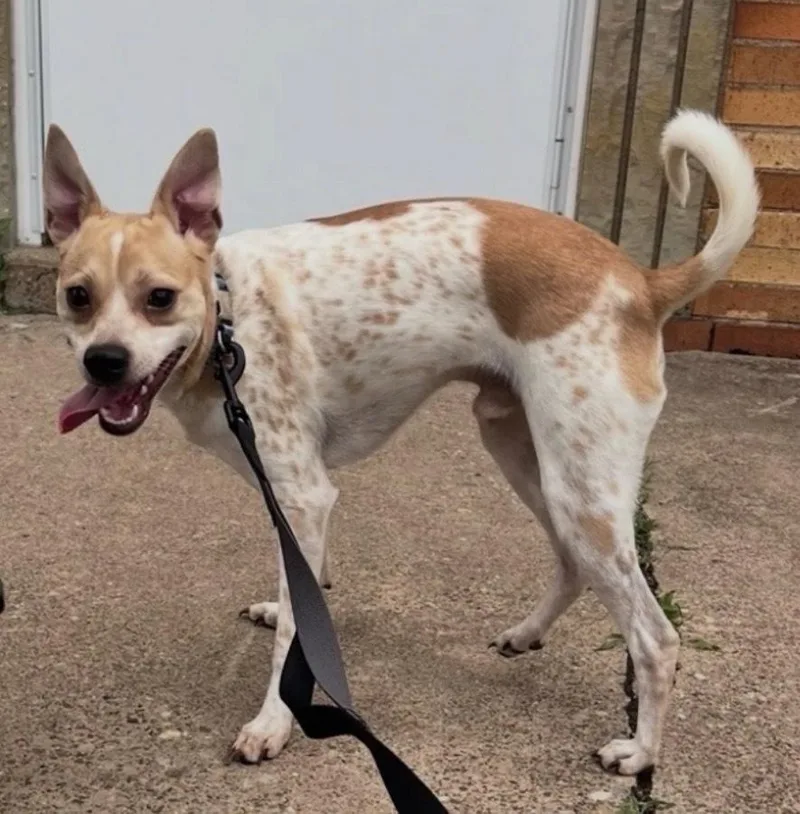
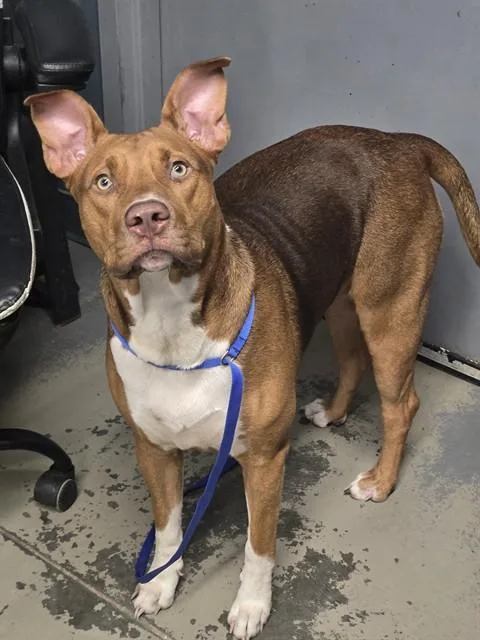
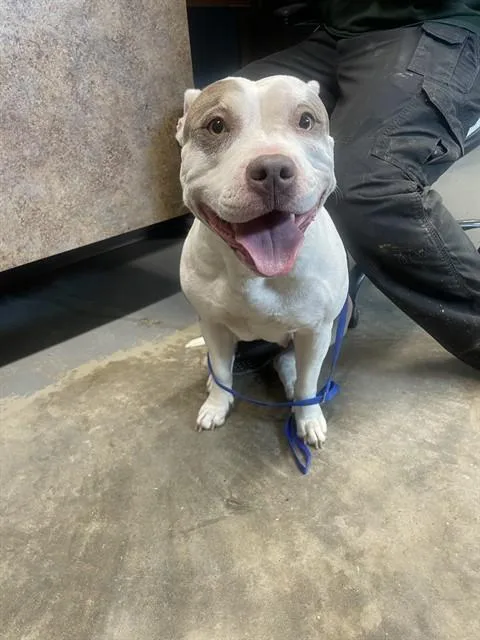
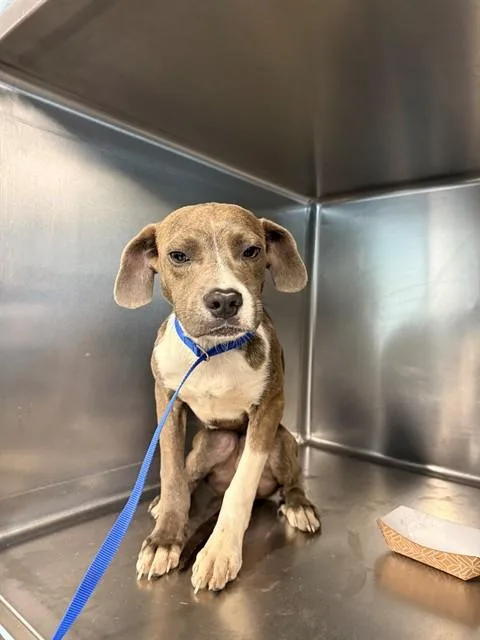
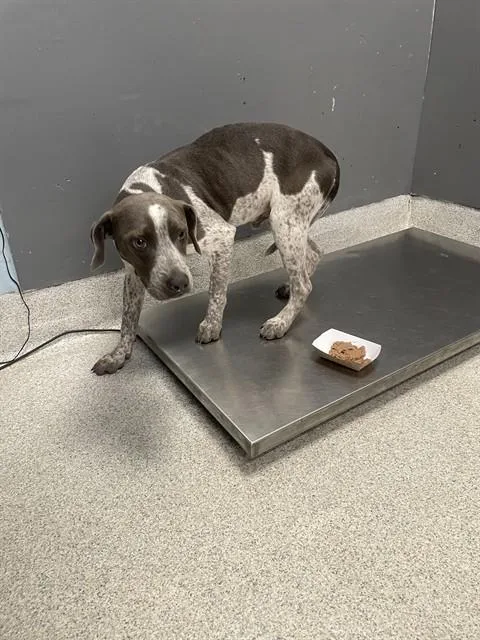
Basenji Dogs for Adoption in Tallahassee, FL

Your guide to finding and caring for a Basenji in Tallahassee

Basenjis fit Tallahassee's Midtown bungalows and Lafayette Park apartments well, as long as the daily walk is a real one. They rarely bark, though they do yodel and howl, and the paved 0.6-mile loop around Lake Ella makes an easy walking route. A Basenji will bolt after a squirrel, so keep it on a leash outside. Summer afternoon storms roll in often, and plenty of Basenjis would happily wait them out on the couch.

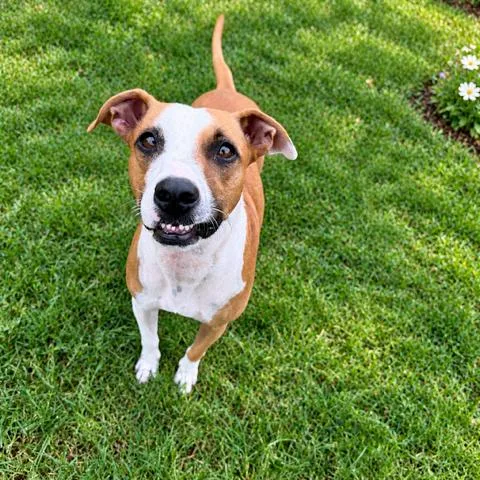
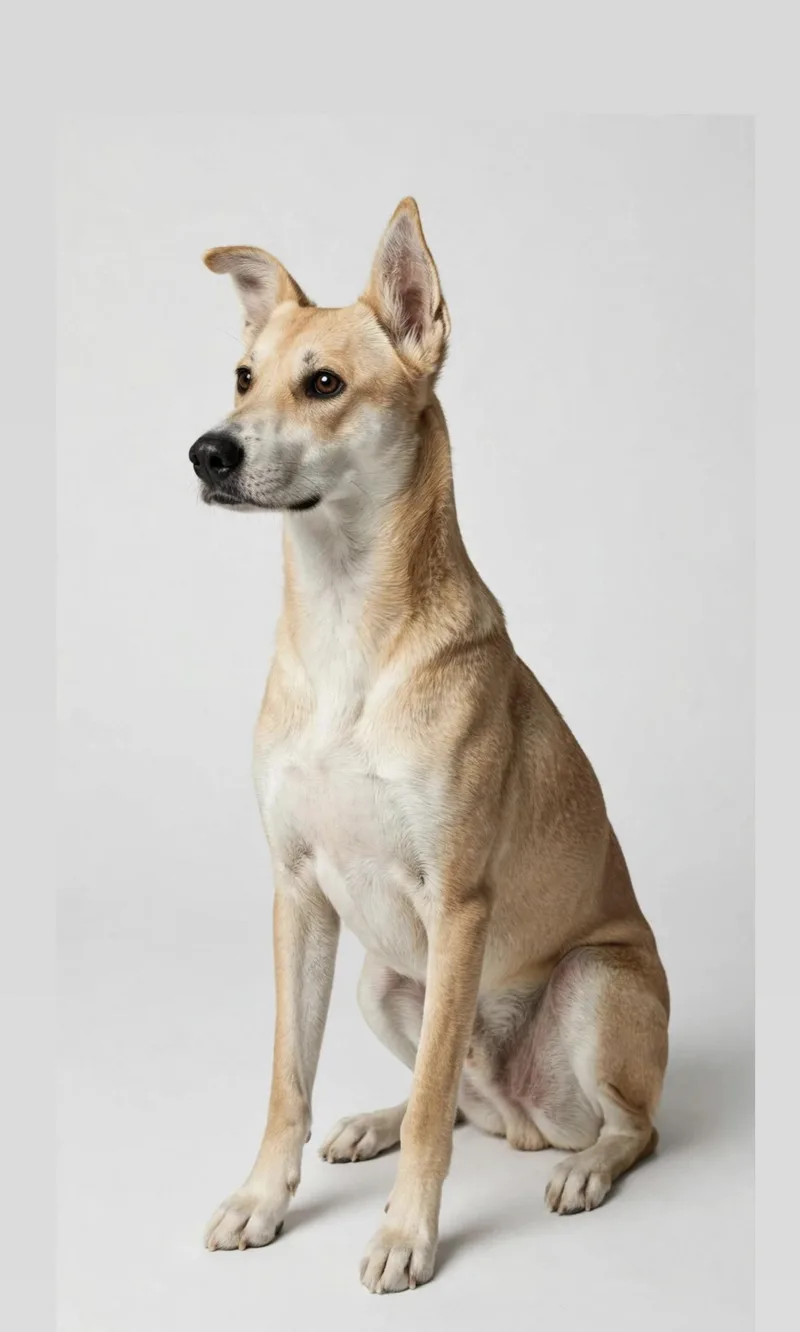
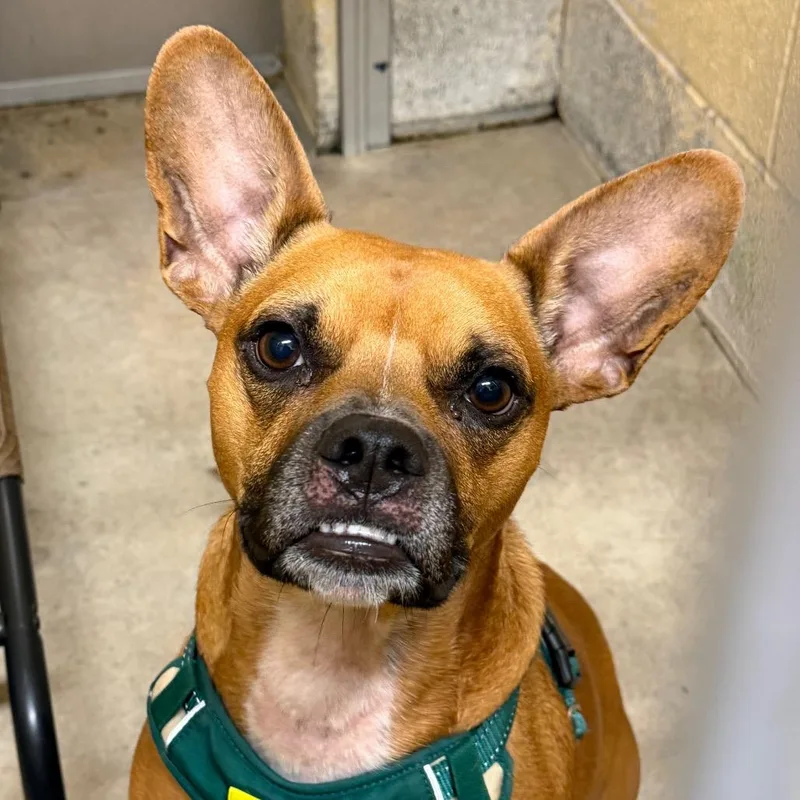
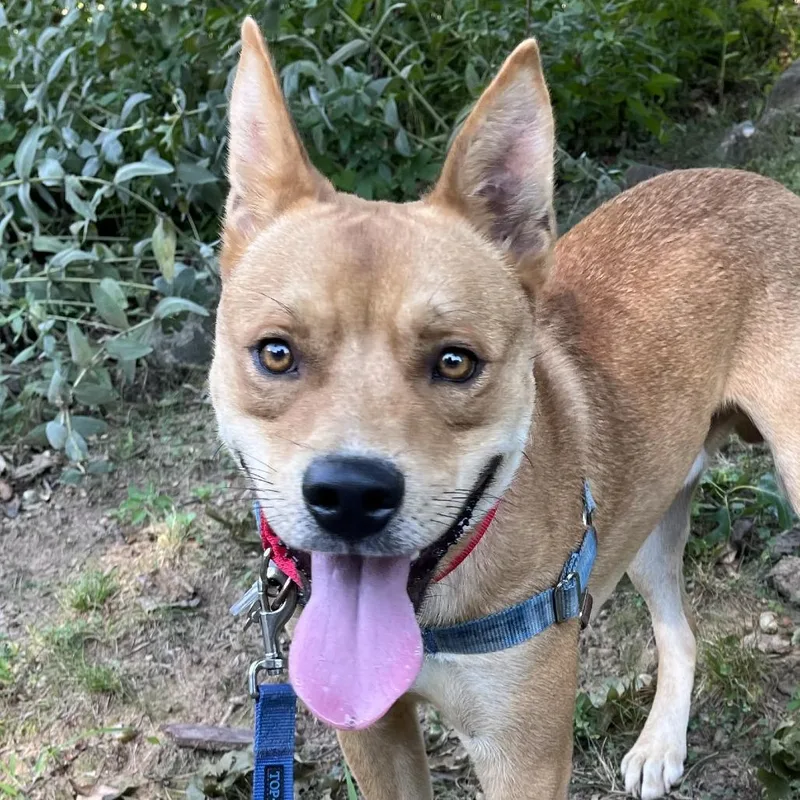
164 Basenjis available in Tallahassee and nationwide

Fall for a Basenji

While we don't have enough dogs near Tallahassee, keep in mind that many rescues may offer transport.

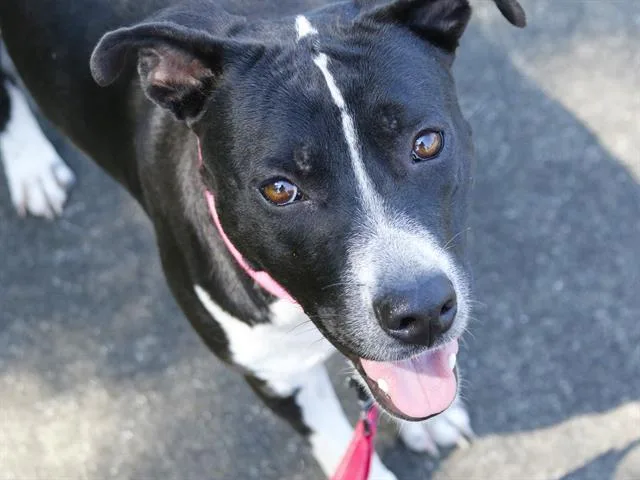
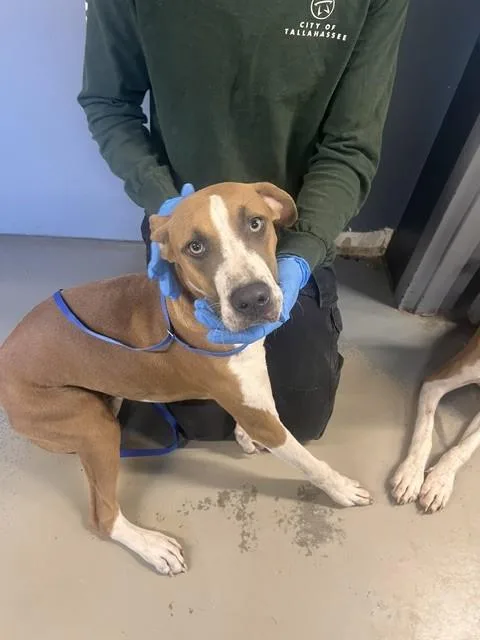
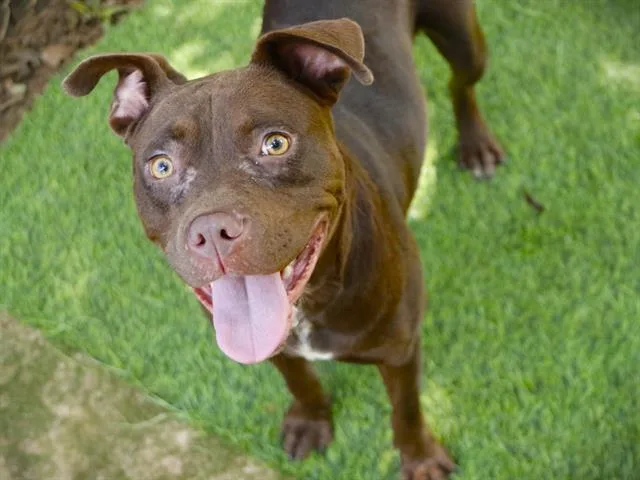
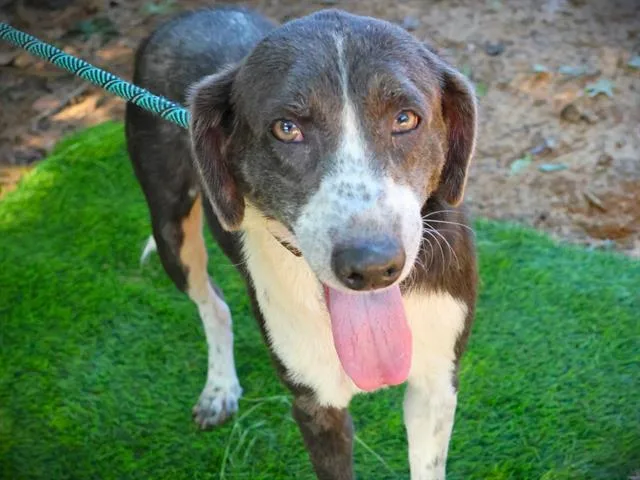
Basenjis Available for Adoption Near Tallahassee

About the Basenji breed

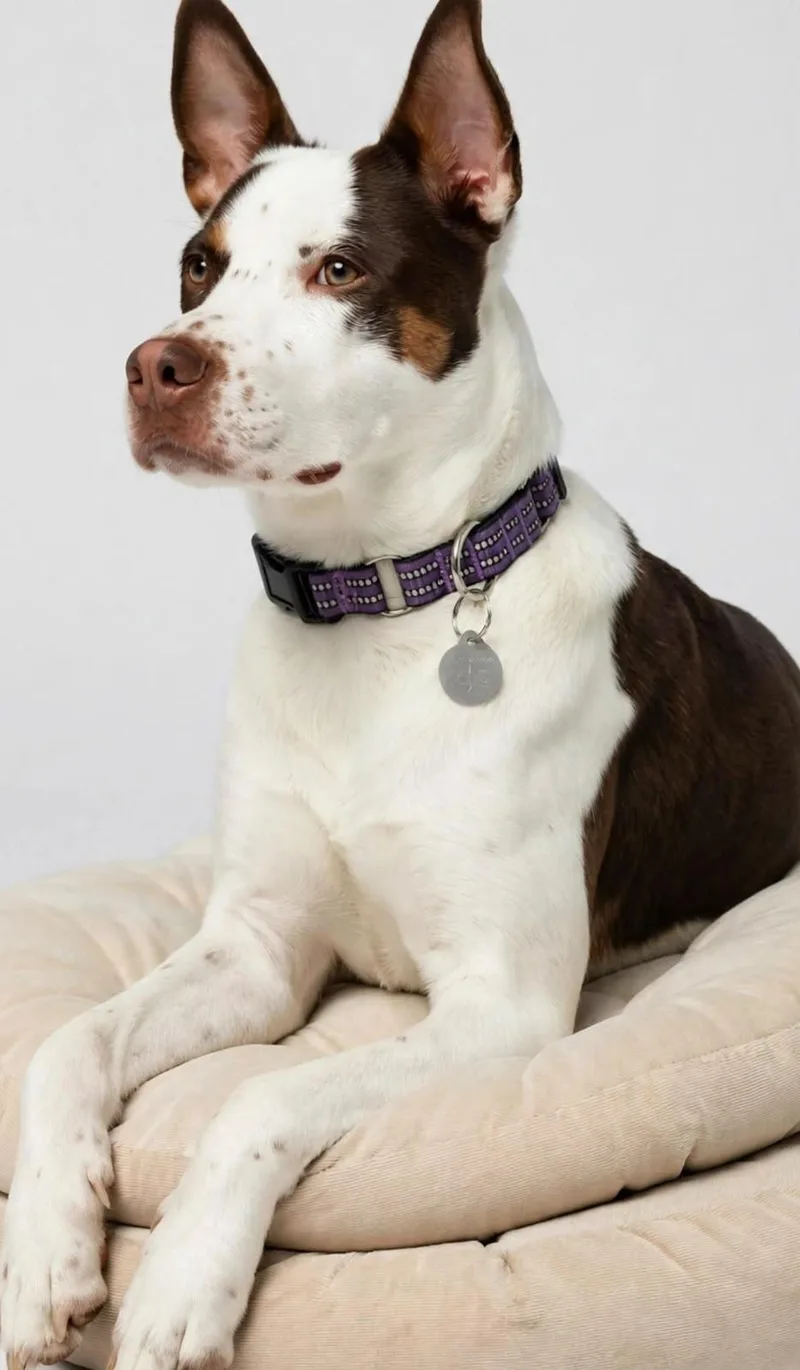
The Basenji is a small hunting breed from the Congo basin of Central Africa, where village hunters used these quick, quiet dogs to flush small game into nets. Genetic studies place the breed among the oldest dog lineages. At 20 to 26 pounds, with a wrinkled forehead, upright ears, tightly curled tail and a short coat in chestnut, black, tricolor or brindle, it's a lean, elegant dog that grooms itself much like a cat.

Instead of barking, Basenjis yodel, howl and make a sound called a baroo. Many are affectionate with their families but independent, reserved with strangers and strongly driven to chase. They're clever escape artists and enthusiastic chewers, so a Tallahassee adopter should plan on secure fencing or a leash outdoors, daily exercise and patient, creative training. Each Basenji is different, and breed alone doesn't decide personality.

Weight
20–26 lbs
Height
15–18 in
Lifespan
12–15 yrs
Temperament
Independent, Intelligent, Alert, Affectionate
Group
Hound
Shedding
Low

Owning a Basenji in Tallahassee

Having a Basenji in Tallahassee

Basenjis combine catlike cleanliness, a hunter's drive and an unusual voice. In Tallahassee, the practical questions are secure outdoor space, how you'll handle humid summers and storm season, and whether you have time for daily exercise and patient training.

Temperament

Basenjis are usually affectionate with their families, alert, and reserved with strangers. They think for themselves, so they may skip commands that seem pointless. Strong prey drive makes small pets risky, and some enjoy other dogs while others prefer to be the only one. Yodels and howls can still carry through apartment walls.

Exercise Needs

Plan on vigorous daily exercise: brisk walks, play in a securely fenced space, or lure coursing. Tallahassee's city parks require leashes, and voice control doesn't count as direct control, which suits a dog that chases. Fenced spots like Tom Brown Park work if you stay close. Puzzle toys and scent games help curb chewing.

Health Considerations

Basenjis can inherit Fanconi syndrome, a kidney disorder, along with progressive retinal atrophy, pyruvate kinase deficiency and hypothyroidism. DNA tests exist for some of these, and a veterinarian can suggest periodic urine screening and checkups. Mosquitoes stay active in Tallahassee's warm climate for much of the year, so heartworm prevention matters.

Living Space

A Basenji can do well in an apartment or a house if daily exercise and mental work are covered. Security matters more than square footage, since they climb fences, slip through gaps and chew through barriers. Many dislike cold and rain, so a dry, comfortable indoor spot is important.

What it costs to own a Basenji in Tallahassee

ExpenseTypical costPer year
Food$20 to $45 per month$240 to $540
Pet insurance$40 to $85 per month$480 to $1,020
Routine vet care$200 to $400 per year$200 to $400
Other*$375 to $1,050 per year$375 to $1,050
Estimated yearly total (after year one)$1,295 to $3,010

Other costs are estimates and vary with size, age and health.

* Flea, tick and heartworm prevention, a dental cleaning allowance, durable chew toys and bedding, and minimal grooming for a short, self-cleaning coat.

Adopt a Basenji in Tallahassee.

Now that you know more, let’s find you a new best friend. These rescues and shelters below currently have Basenjis available.

Rescues in Tallahassee with Basenjis Available

Tallahassee's shelters and rescues list dogs of all sizes and types, and Basenjis or similar hounds may turn up here. Here are the rescues & shelters in the Tallahassee area where you can find Basenjis and other dogs available for adoption.

Frequently Asked Questions

Yes, you can own a Basenji in Tallahassee. The city and Leon County have no breed bans, and Florida law bars local breed-specific dangerous-dog rules. Your Basenji needs a rabies vaccination by four months of age and a tag worn at all times, and there's no city dog license. Outside, keep it under direct physical control, since voice control doesn't count.

Yes, for adopters who can manage summer heat and a strong chase instinct. A Basenji's small size and quiet yodel suit Tallahassee's many rentals, and spring and fall are ideal for walks. Humid summers, afternoon storms and a dog that bolts mean early walks, a secure yard or leash, and indoor enrichment.

Tom Brown Park on the east side has a fenced dog park, and Apalachee Regional Park's two-acre dog park has separate large and small dog areas. Lake Ella's paved loop in Midtown works for leashed walks. City parks require leashes at all times. Stay close, since Basenjis slip fences, and keep them away from lake edges where alligators can be present.

Mostly yes, with summer care. Tallahassee has about 103 days a year at 90°F or higher, plus rainy afternoons from June to August, so walk early and keep your Basenji off hot pavement. Winters are mild, but about 27 nights a year reach freezing, and most Basenjis dislike cold, so a sweater helps. Spring and fall are easiest.

Only in a carrier. StarMetro is a bus system with no rail, and pets must ride in a carrier that fits in your lap or under a seat. Service animals are the exception. At 20 to 26 pounds, most Basenjis will be too big or a very tight fit, so plan on driving or walking for most outings.

Possibly, but don't count on it. Florida lets restaurants seat leashed dogs on permitted outdoor patios, with the dog kept off chairs and tables, but patio policies vary by venue. Indoor dining rooms are off-limits except for service animals. A Basenji's reserved nature and chase drive also make a busy patio tricky, so practice settling calmly first.

Very little. A Basenji's short, fine coat sheds lightly and the dog cleans itself like a cat, so weekly brushing and an occasional bath are enough. In Tallahassee's humidity, dry paws and skin after wet walks and watch the ears. Professional grooming is a minor part of the yearly Other costs of about $375 to $1,050.

A Basenji is a small, ancient hunting dog from Central Africa, famous for not barking. It belongs to the AKC Hound Group and was recognized in 1943. Basenjis are lean and elegant, with a wrinkled forehead, upright ears and a tightly curled tail. They tend to be clever, independent, clean and energetic, with a strong instinct to chase.

We have 1 rescue with Basenjis available: Tallahassee Animal Services. You can see every rescue with Basenjis available in the list above these questions, or scroll to the top to see the Basenjis near Tallahassee.

Plan on roughly $1,300 to $3,000 a year for a Basenji in Tallahassee. Food runs $20 to $45 a month, insurance $40 to $85 a month, routine vet care $200 to $400 a year, and other costs $375 to $1,050 a year. Tallahassee has no dog license fee. Emergencies and boarding are extra.

Find Basenjis in Nearby Cities

Expand your search to find Basenjis available for adoption near Tallahassee.