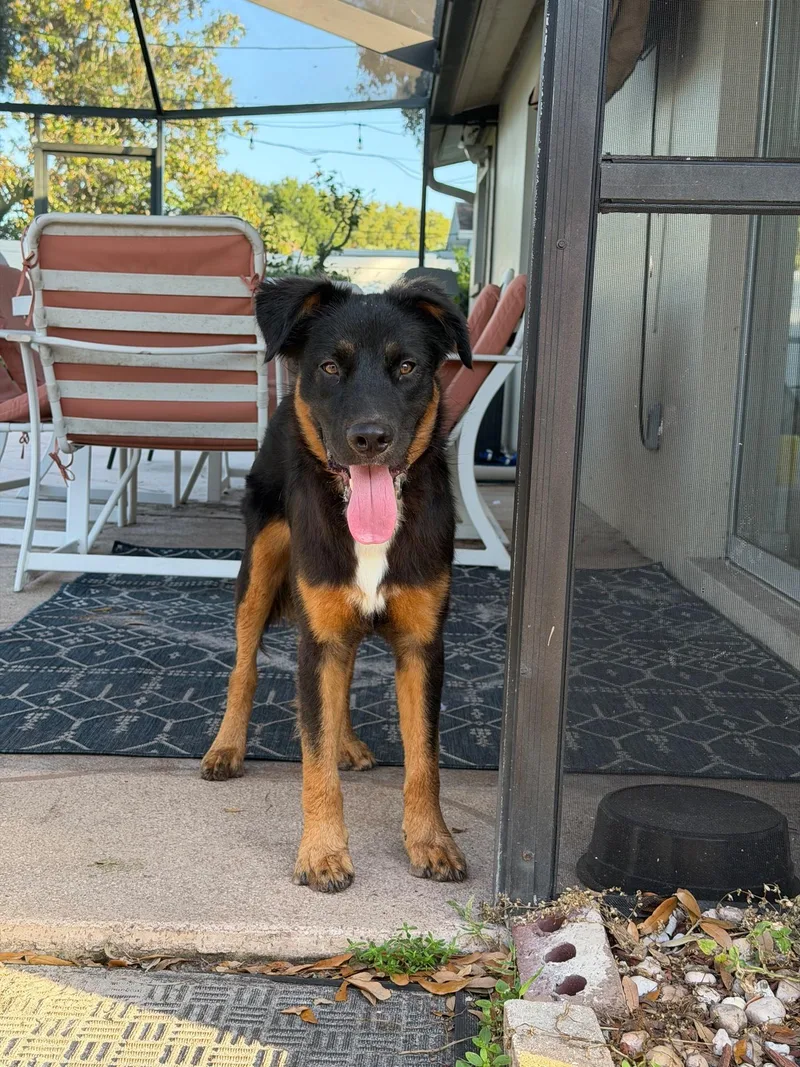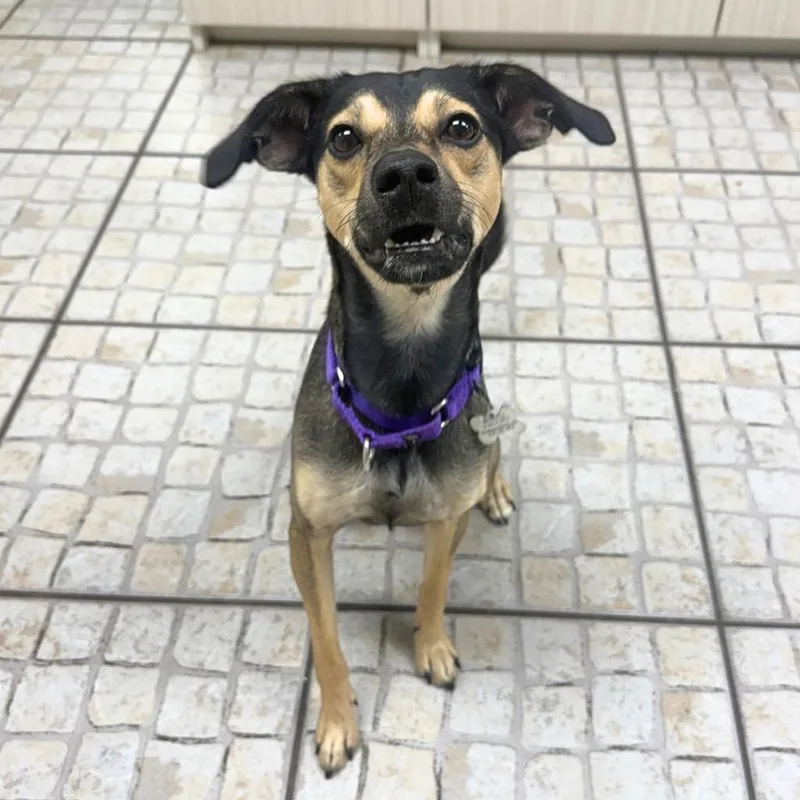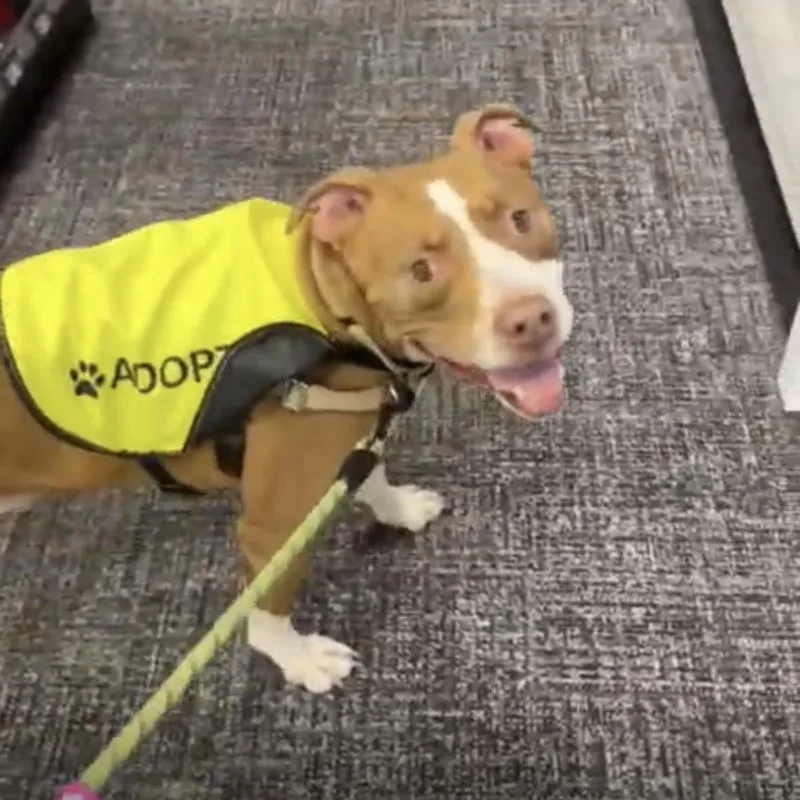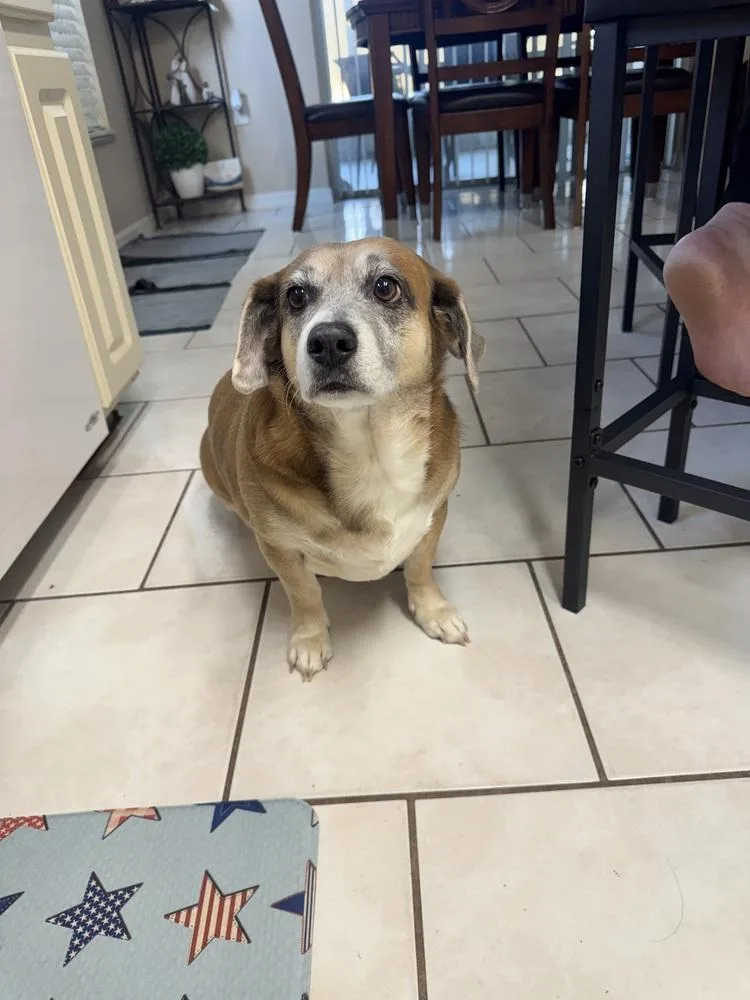
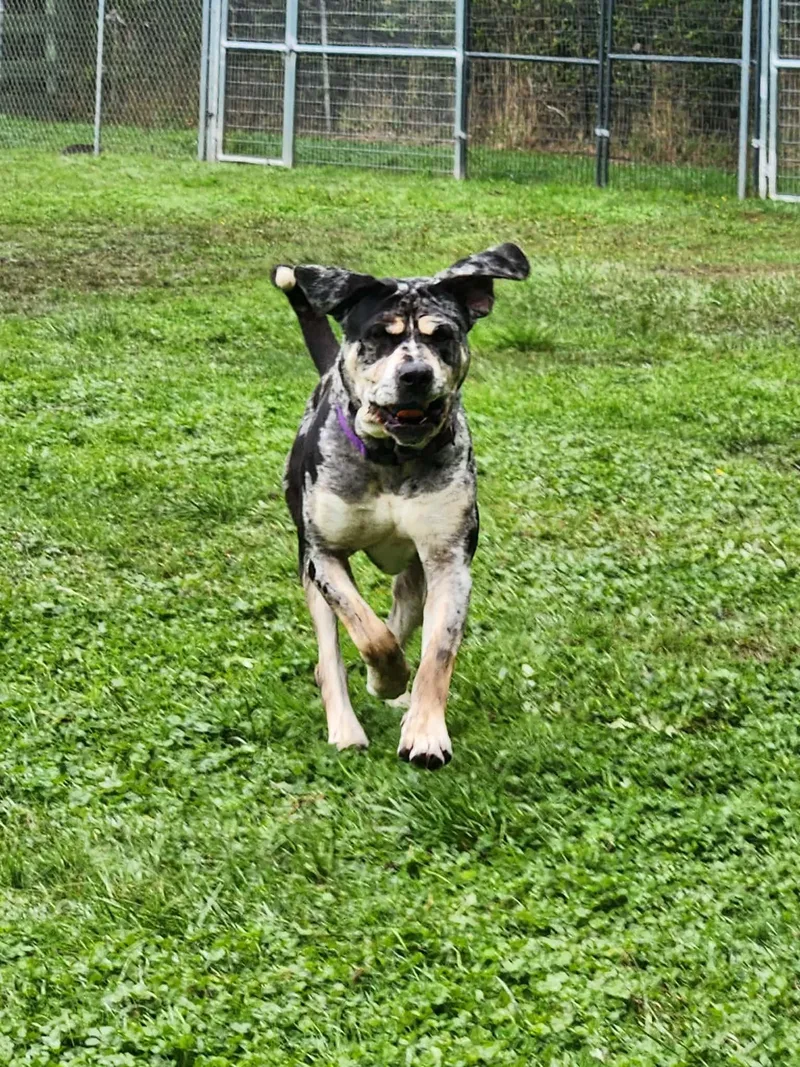
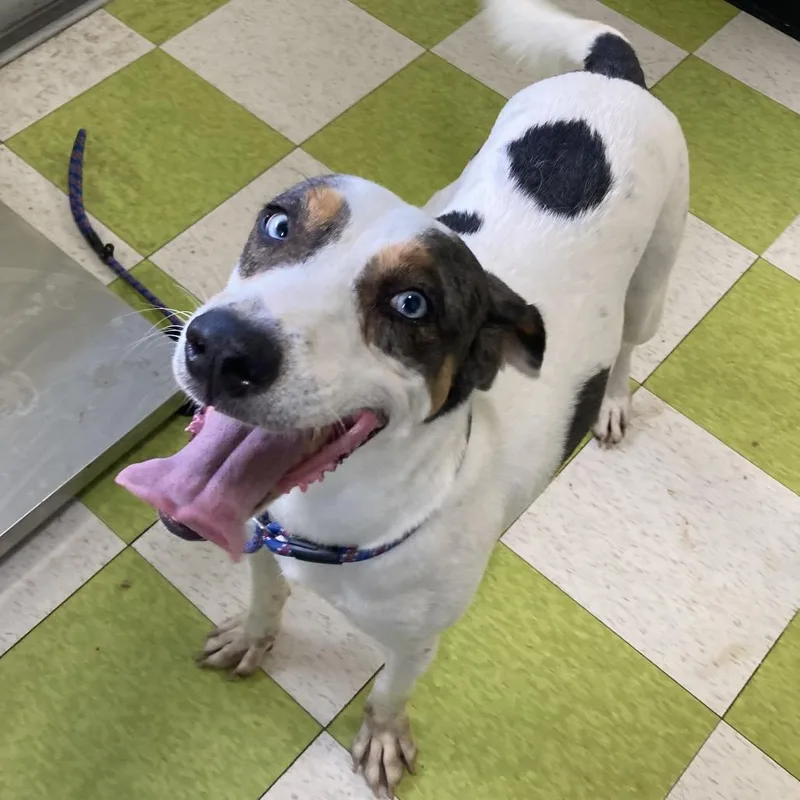
Catahoula Leopard Dogs for Adoption in St. Petersburg, FL

Your guide to finding and caring for a Catahoula Leopard Dog in St. Petersburg

Catahoula Leopard Dogs fit best in St. Petersburg's ranch-house neighborhoods, where a fenced yard gives a working-bred dog room to burn off energy. Coquina Key and Meadowlawn have many 1950s and '60s ranch homes, and Coquina Key Park has an off-leash area with a large-dog side. Catahoulas are athletic, watchful and devoted to their people, so they want real daily exercise and a job to do, not just a lap around the block.

1497 Catahoula Leopard Dogs available in St. Petersburg and nationwide

Give a Catahoula Leopard Dog a home

Catahoula Leopard Dogs Available for Adoption Near St. Petersburg

About the Catahoula Leopard Dog breed

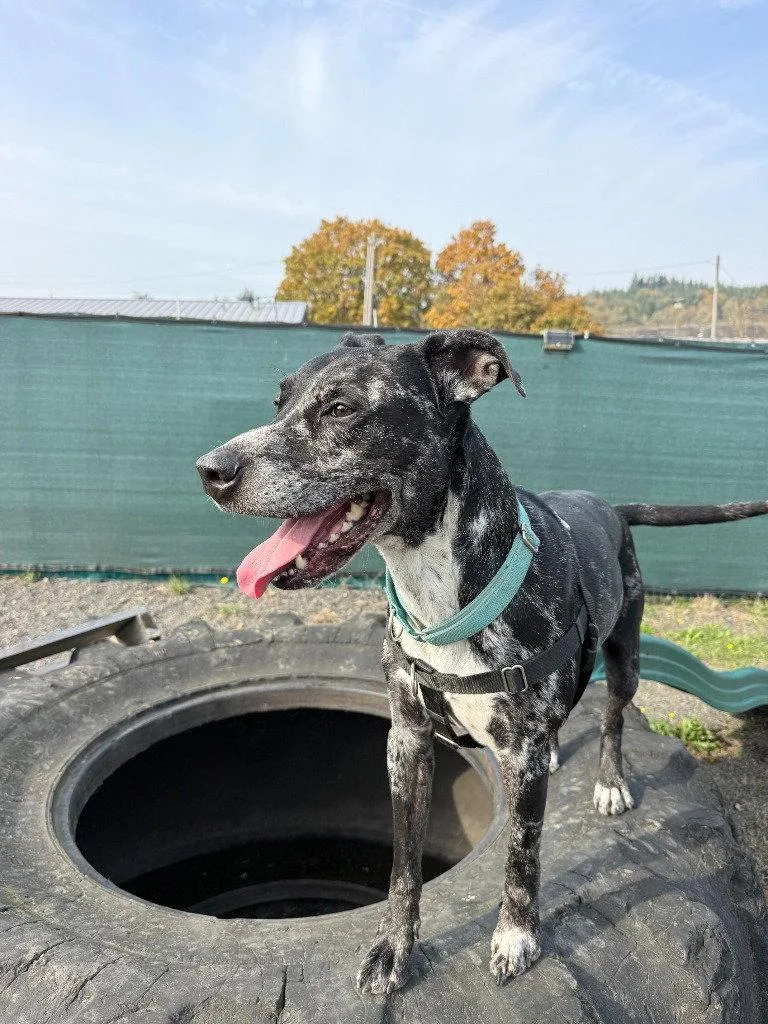
Named for Catahoula Parish in Louisiana, this athletic working dog was developed in the Gulf South to find and hold feral hogs and to gather semi-wild cattle. Ability mattered more than looks, so Catahoulas vary in size and build, usually from about 50 to 95 pounds. Many have a merle "leopard" coat and glass-blue or mismatched eyes, though brindle and solid colors are common too. The short coat sheds moderately.

Catahoulas tend to be intelligent, independent and loyal, often reserved with strangers, and some are selective with other dogs or small animals. They need firm, kind training and early socialization. Many dogs labeled Catahoula are mixes, so the dog in front of you matters more than the label.

Weight
50–95 lbs
Height
20–26 in
Lifespan
10–14 yrs
Temperament
Energetic, Independent, Protective
Group
Herding
Shedding
Moderate

Owning a Catahoula Leopard Dog in St. Petersburg

Having a Catahoula Leopard Dog in St. Petersburg

A Catahoula's working past shapes its stamina, independence and watchfulness. In St. Pete, that means planning for secure fencing, heat-smart exercise and hurricane-season logistics, and having a vet check hearing and hips, since merle coloring brings health risks.

Temperament

Catahoulas are often devoted to their own people and reserved with strangers. Many are confident and territorial, and some are selective with other dogs or tempted to chase small animals. On busy St. Pete sidewalks and patios, that means steady leash manners and calm introductions. Reward-based training and early socialization shape each dog; breed alone never decides temperament.
Exercise Needs

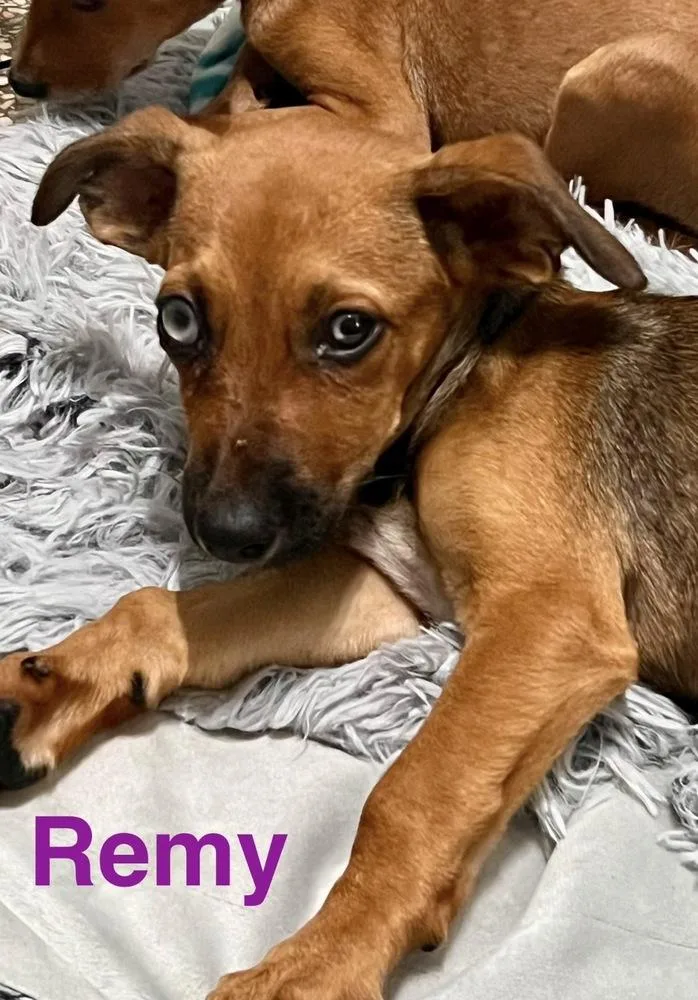
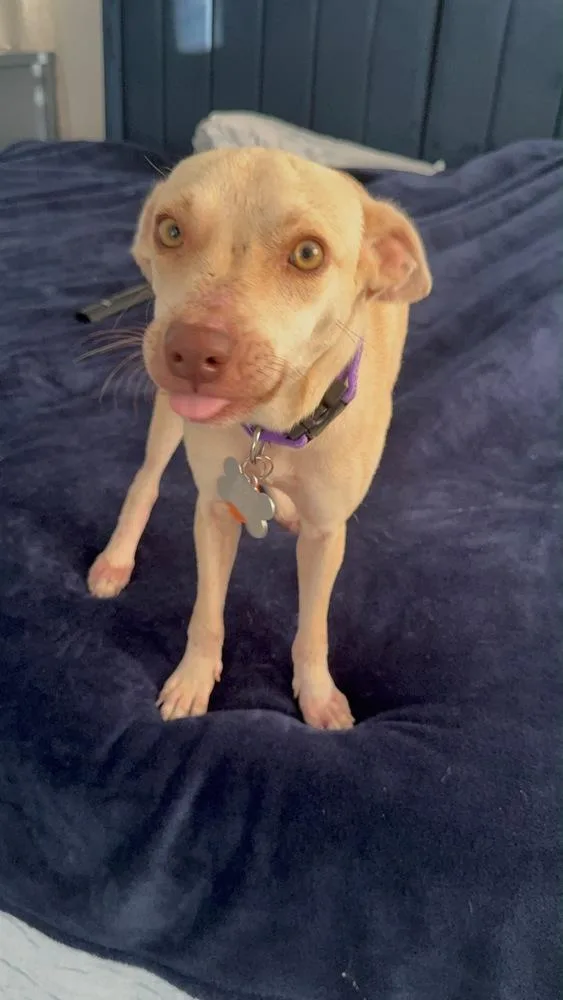
Plan on vigorous daily exercise plus mental work like scent games or puzzle feeders. Public areas require a leash of 6 feet or less, so the fenced city dog parks, such as Crescent Lake, Kenwood or Walter Fuller, are where a Catahoula can run off leash, and the Pinellas Trail suits leashed jogs. A bored Catahoula may dig, chew or escape.

Health Considerations

Deafness is a documented risk in merle Catahoulas, especially heavily white or double-merle dogs, which can also have eye defects. Hip dysplasia occurs too, so ask a veterinarian to check hearing, eyes and hips after adoption. In St. Pete, keep heartworm prevention year-round. Cane toads can poison curious dogs: rinse the mouth with a hose and get to a vet fast.

Living Space

A securely fenced yard suits most Catahoulas, and St. Pete's ranch-style neighborhoods can offer that. Apartments work only with very reliable, vigorous exercise, and athletic jumpers and diggers can test a fence line. Catahoulas do best living indoors with family, not left outside, especially once summer heat settles in.

What it costs to own a Catahoula Leopard Dog in St. Petersburg

ExpenseTypical costPer year
Food$55 to $110 per month$660 to $1,320
Pet insurance$55 to $110 per month$660 to $1,320
Routine vet care$250 to $500 per year$250 to $500
Other*$490 to $1,290 per year$490 to $1,290
Estimated yearly total (after year one)$2,060 to $4,430

Other costs are estimates and vary with size, age and health.

* The Pinellas County dog license, flea, tick and heartworm prevention, a dental cleaning allowance, toys and bedding, and basic brushing for the short coat.

Adopt a Catahoula Leopard Dog in St. Petersburg.

Now that you know more, let’s find you a new best friend. These rescues and shelters below currently have Catahoula Leopard Dogs available.

Rescues in St. Petersburg with Catahoula Leopard Dogs Available

St. Petersburg is served by county and private shelters and rescues that place dogs of every size and age. Here are the rescues & shelters in the St. Petersburg area where you can find Catahoula Leopard Dogs and other dogs available for adoption.

Frequently Asked Questions

Yes. Florida law bars local dangerous-dog rules based on breed, weight or size, so no breed ban applies. You'll need a rabies vaccine by 4 months, a Pinellas County license tied to it, and a leash of 6 feet or less in public. Dogs can't run at large. If you rent, confirm your lease allows a large dog.

Yes, with planning. St. Pete sees about 71 to 75 days a year at 90°F or higher, and summer nights stay near 78°F. Walk at dawn or after dusk, test pavement with your hand, provide shade, water and air conditioning, and never leave a dog in a parked car. The short coat helps, but humidity still limits hard exercise.

Fenced city dog parks at Crescent Lake, Kenwood, North Shore, Walter Fuller, Lake Vista and Coquina Key give a Catahoula room to run off leash. Pinellas County's Neri Park has a large-dog area too. For leashed miles, the 47-mile Pinellas Trail runs from St. Petersburg to Tarpon Springs. Keep dogs away from water's edge, where alligators can be present.

Only in limited ways. PSTA buses, including the SunRunner, allow pets only in a secured carrier, so a Catahoula weighing 50 to 95 pounds can't ride unless it's a service animal. The seasonal Cross Bay Ferry to Tampa allows dogs on a leash or in a kennel. Plan on driving to parks and vet visits.

It can be, for active owners with a fenced yard and a plan for the heat. Catahoulas need vigorous daily exercise and mental work, which the city's dog parks and trails support, but humid summers shorten outings. Hurricane season calls for a large crate and an evacuation plan. A Catahoula that's wary of strangers may find crowded events stressful.

Sometimes, on permitted outdoor patios only. St. Pete's Doggy Dining rule lets restaurants with a city permit seat leashed dogs outside, off the furniture, and dogs can't be walked through indoor areas to get there. Access is up to each venue. A watchful Catahoula needs a calm, settled down-stay beside the table.

Not much. The short coat sheds moderately and usually needs only weekly brushing, plus a bath when it's dirty. In St. Pete's humidity, rinse off after lake or bayou outings, dry the ears and watch for skin irritation. The yearly Other estimate already covers basic brushing, so professional grooming is optional.

A Catahoula Leopard Dog is a medium-to-large working breed from Louisiana, developed to hunt and bay feral hogs and to herd cattle. It is athletic and muscular, often with a merle coat and striking light or mismatched eyes. Catahoulas are typically intelligent, loyal, independent and energetic, and they need experienced handling, training and lots of activity.

We have 1 rescue with Catahoula Leopard Dogs available: Pet Pal Animal Shelter. You can see every rescue with Catahoula Leopard Dogs available in the list above these questions, or scroll to the top to see the Catahoula Leopard Dogs near St. Petersburg.

A Catahoula in St. Pete typically costs about $55–$110 a month for food and $55–$110 a month for pet insurance, plus $250–$500 a year for routine vet care and $490–$1,290 a year for other costs like prevention, dental care and supplies. Fencing, a crate and emergency vet visits are extra, and costs vary by dog.