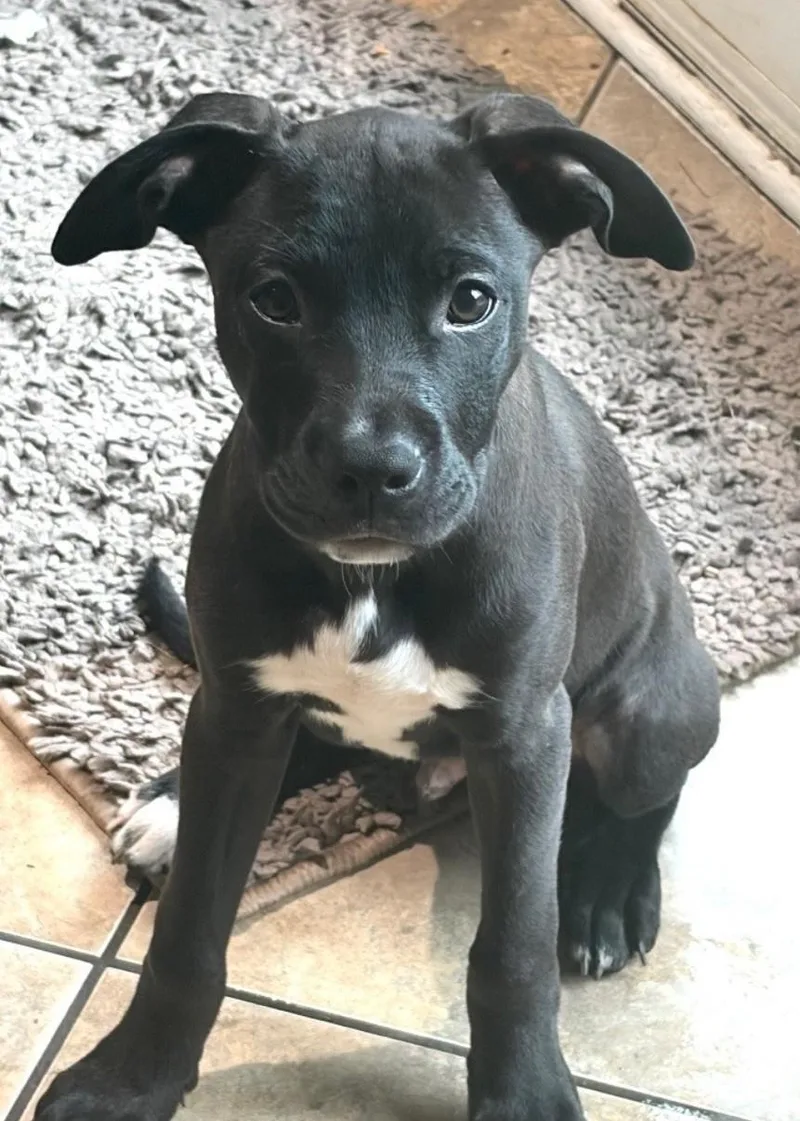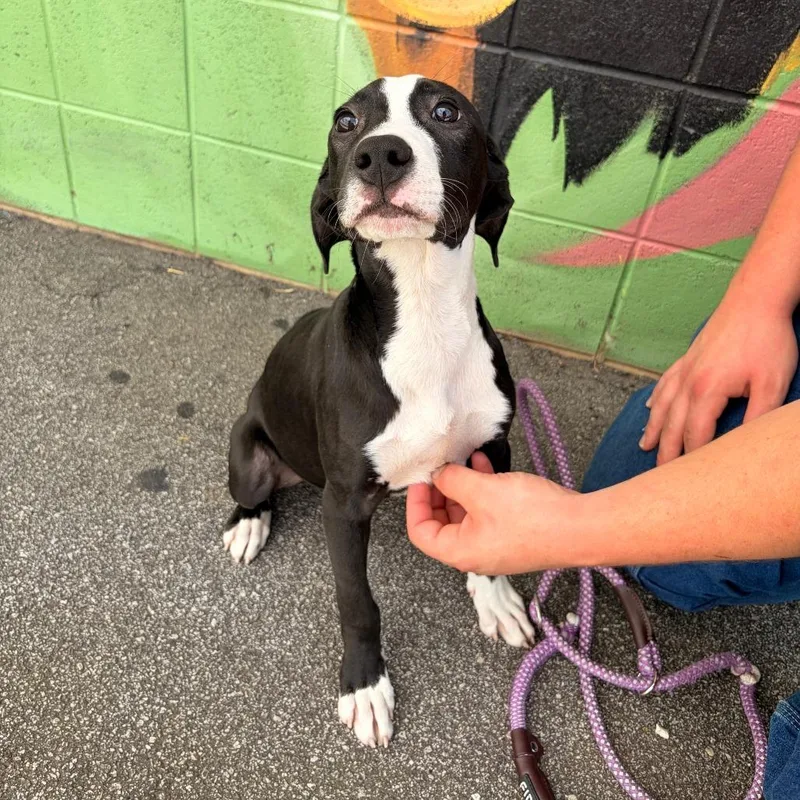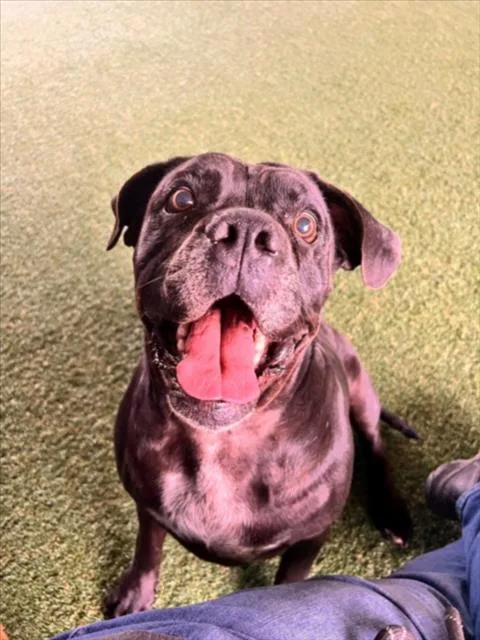
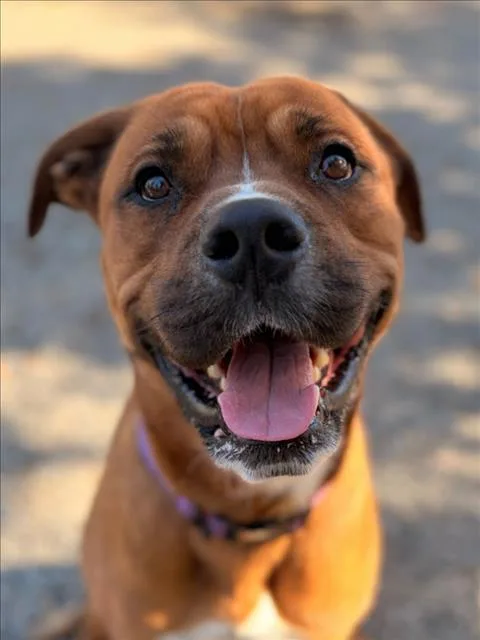
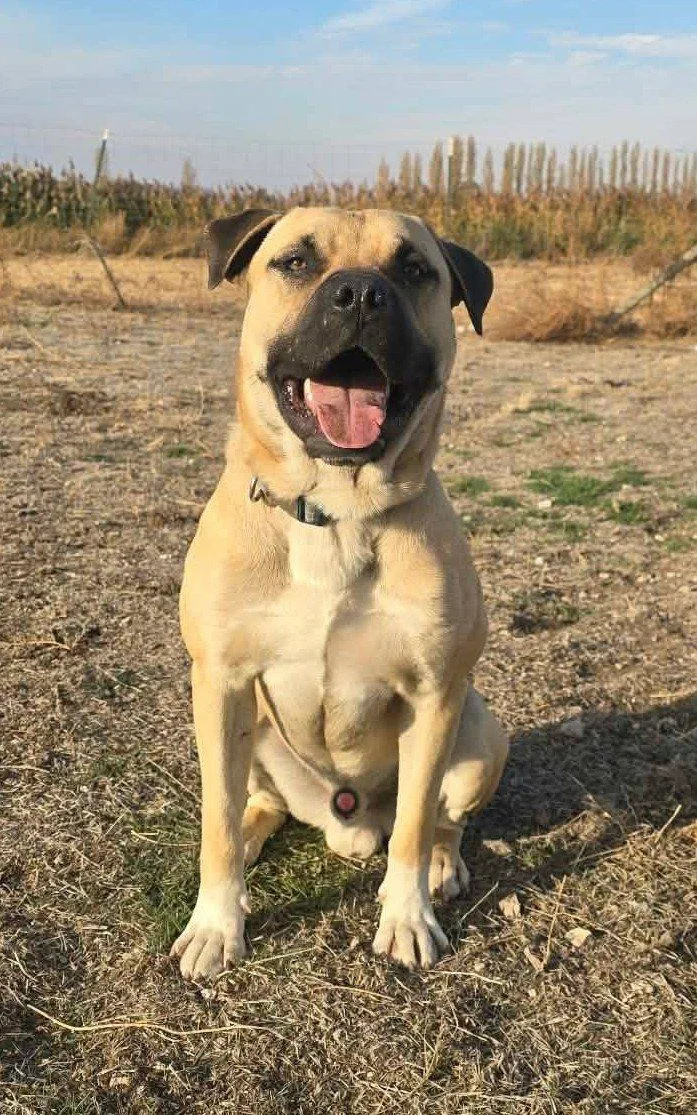
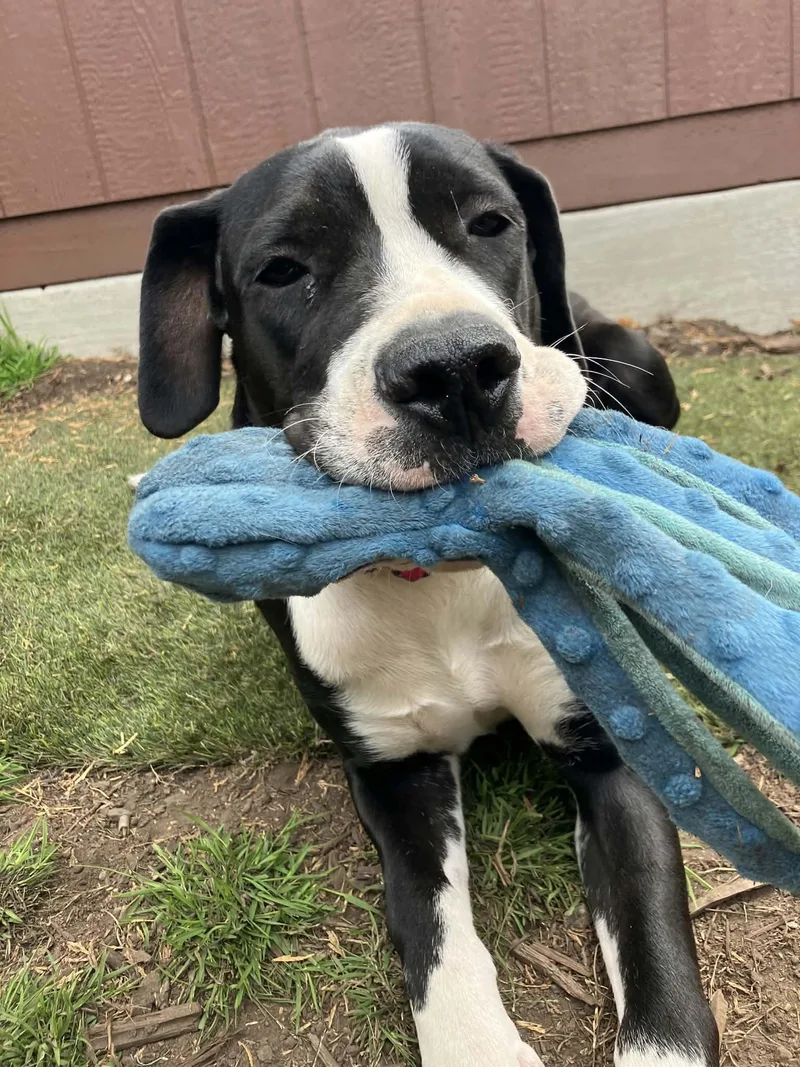
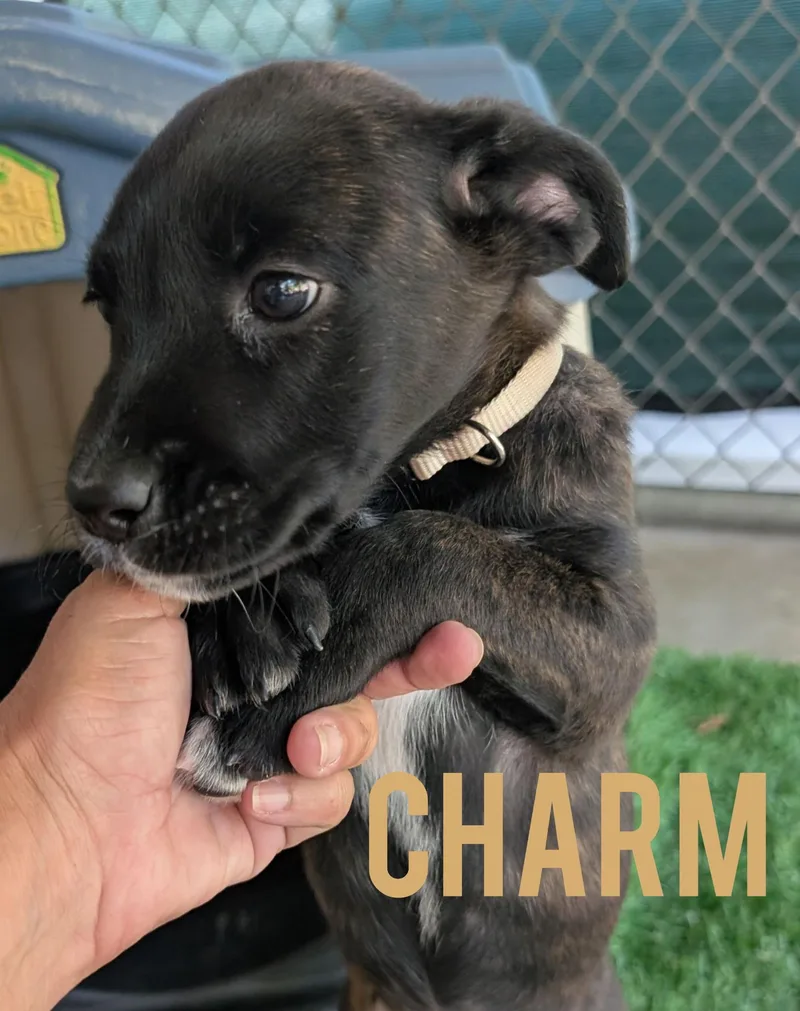
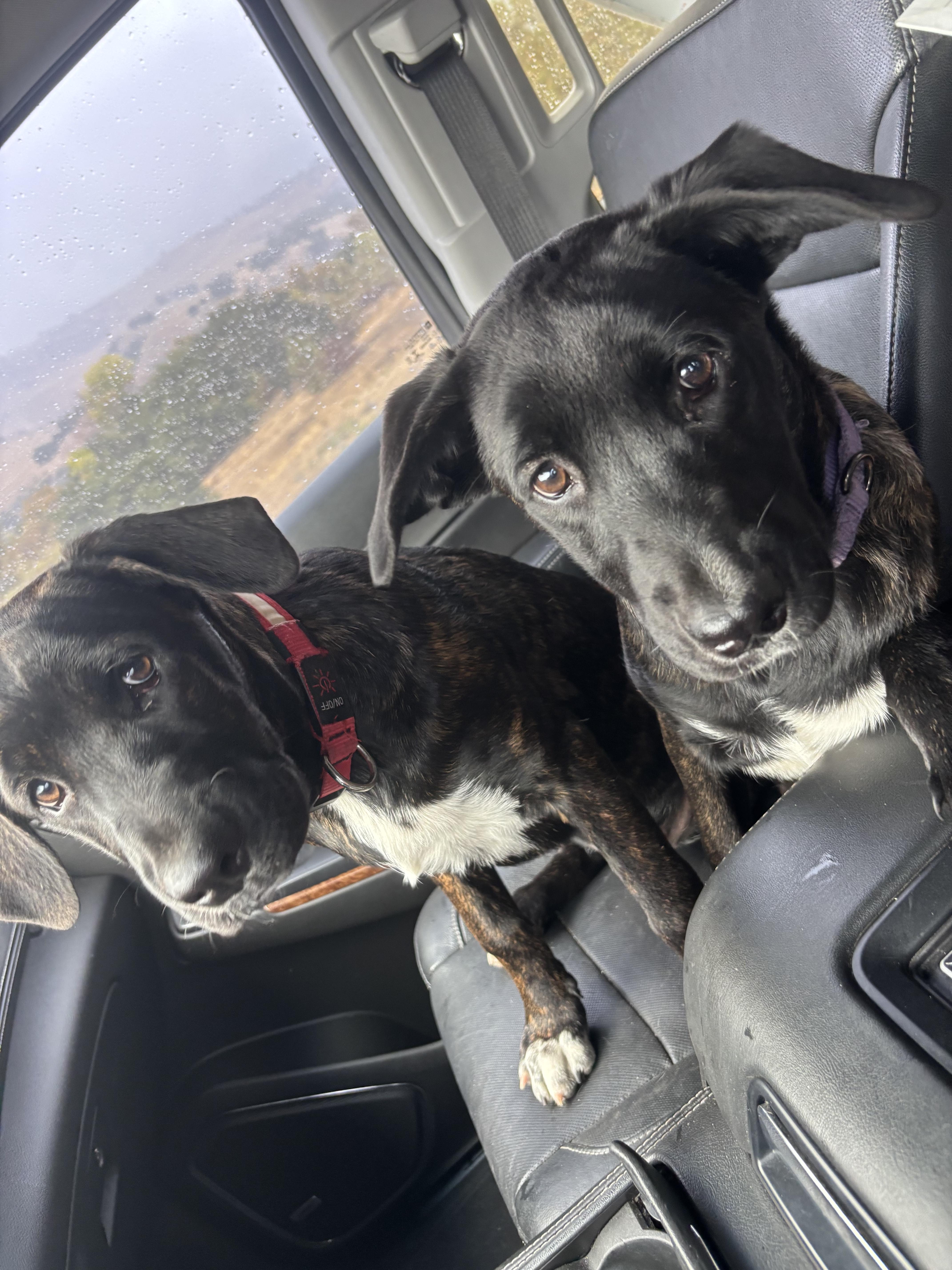
Mastiff Dogs for Adoption in Pensacola, FL

Your guide to finding and caring for a Mastiff in Pensacola

A Mastiff fits best in Pensacola's older single-family neighborhoods, where a giant dog can stretch out on a shaded porch. East Hill's tree-lined streets make for slow, easy evening walks, and Cordova Park's mid-century homes often have room for an oversized bed. Mastiffs are couch-lovers more than athletes, so a few short walks a day usually cover it. The Gulf Coast's humid summers are the real test, because these dogs overheat quickly and want air conditioning.

887 Mastiffs available in Pensacola and nationwide

Give a Mastiff a home

While we don't have enough dogs near Pensacola, keep in mind that many rescues may offer transport.

Mastiffs Available for Adoption Near Pensacola

About the Mastiff breed

The Mastiff, often called the English Mastiff, is a massive, heavy-boned guardian with a broad head, dark mask and short fawn, apricot or brindle coat. Large guard dogs have lived in Britain since Roman times, and the modern breed nearly disappeared after World War II before a small group of dogs rebuilt it. Adults commonly weigh 120 to 230 pounds.

Most Mastiffs are calm, dignified and gentle at home, with a quiet protectiveness toward their people. In Pensacola, size matters more than energy: a drooling, leaning dog this big needs early training, a sturdy car setup and a giant-breed budget. Their lifespan is shorter than smaller breeds, often under ten years, so many adopters find an adult Mastiff a good match for a calm household.

Weight
120–230 lbs
Height
27–36 in
Lifespan
6–10 yrs
Temperament
Gentle, Dignified, Protective
Group
Working
Shedding
Moderate

Owning a Mastiff in Pensacola

Having a Mastiff in Pensacola

Mastiffs pair a steady, easygoing nature with a giant frame. The cards below cover how that size shapes temperament, exercise, health and housing, with notes on keeping a heavy dog comfortable in Pensacola's humid Gulf Coast climate.

Temperament

Mastiffs are typically calm, affectionate and loyal with their families, and many are patient with respectful children. They're watchful and often reserved with strangers, so early socialization on quiet Pensacola sidewalks helps. Reward-based training matters because a stubborn 150-pound adult can't be managed by strength, and each Mastiff's personality varies.

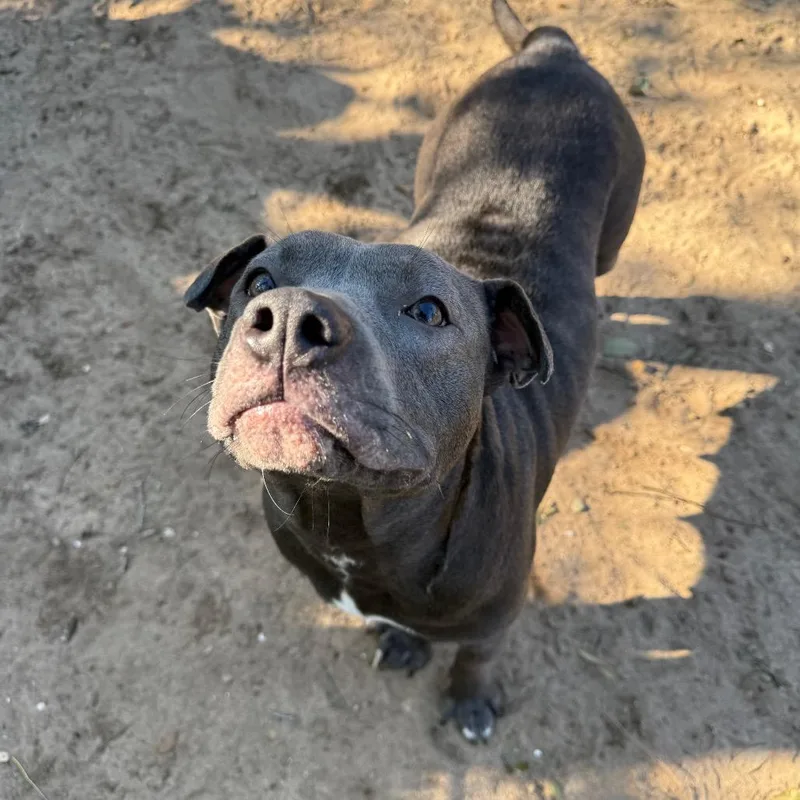
Exercise Needs

Adult Mastiffs usually do well with two or three short, easy walks a day plus relaxed play. In Pensacola, shift walks to early morning or after sunset, since heat and humidity wear them out fast. Sniffing walks and brief training sessions keep their minds busy, and puppies should avoid stairs, jumping and forced running.

Health Considerations

Mastiffs are prone to hip and elbow dysplasia, bloat, obesity and bone cancer, and some carry heart or eye conditions. Learn the signs of bloat, which is an emergency. Keeping a Mastiff lean protects its joints, and a veterinarian can check hips and heart. Year-round heartworm prevention makes sense in Pensacola's mild, wet climate.

Living Space

Mastiffs are quiet indoors, but they need floor space to sprawl. Older single-family homes with few steps tend to work better than a walk-up apartment. Plan for a giant crate, drool towels and washable covers. They should live indoors with air conditioning, not in a yard, through Pensacola's long, humid summers.

What it costs to own a Mastiff in Pensacola

ExpenseTypical costPer year
Food$80 to $160 per month$960 to $1,920
Pet insurance$85 to $170 per month$1,020 to $2,040
Routine vet care$250 to $500 per year$250 to $500
Other*$590 to $1,690 per year$590 to $1,690
Estimated yearly total (after year one)$2,820 to $6,150

Other costs are estimates and vary with size, age and health.

* The Escambia County dog license ($15 altered, $40 unaltered), giant-dose flea, tick and heartworm prevention, a dental cleaning, durable toys and bedding, basic coat care, and joint supplements.

Adopt a Mastiff in Pensacola.

Now that you know more, let’s find you a new best friend. These rescues and shelters below have dogs available in and near Pensacola.

Rescues and Shelters in or near Pensacola

Pensacola's rescue community includes a county shelter and a nonprofit humane society, both placing dogs of every size. Here are the rescues & shelters in the Pensacola area with dogs available for adoption, worth asking whether a Mastiff is coming in.

Frequently Asked Questions

Yes, you can own a Mastiff in Pensacola. Florida prohibits breed-, weight- and size-specific local dog rules, so neither the city nor Escambia County can ban Mastiffs. You'll need a county license, a current rabies vaccination with the tag on the collar, and a leash in public. Landlords and insurers can still set their own limits, so confirm those first.

Mastiffs can handle Pensacola summers with careful management, but heat and humidity are their biggest challenge. Highs reach the low 90s and nights stay in the mid-70s, so keep the dog mostly indoors in air conditioning, walk at dawn or after dark, and offer shade and water. Heavy panting, drooling or weakness are heatstroke warning signs that need a veterinarian right away.

No, pet Mastiffs can't ride Pensacola's ECAT buses. The system allows only trained personal assistance animals, and no carrier exception is published, which wouldn't help with a dog this size anyway. Plan on car travel instead, with the dog fully enclosed or safely secured, since Escambia County rules bar transporting animals in a way that lets them fall or jump out.

Bayview Park in East Hill has a fenced dog park and a dog beach on Bayou Texar, and the Roger Scott Athletic Complex on Summit Boulevard has a dog park. Across the water, Pensacola Beach has two leashed dog beaches, and Gulf Islands National Seashore allows leashed dogs on trails and roads, though not on its beaches. Keep summer visits short.

A Mastiff can live in a Pensacola apartment if the building suits a giant dog. Mastiffs are quiet and low-energy indoors, but they need room to sprawl, and stairs are hard on heavy joints. Look for a ground-floor unit or an elevator, and be ready for muggy summer potty trips. Check weight limits first, since many landlords cap dog size.

You can bring your Mastiff only to restaurants with a permitted outdoor patio. Florida law allows dogs in designated outdoor dining areas, leashed and kept off chairs and tables, and each restaurant decides whether to get the permit. Dogs aren't allowed in indoor dining rooms. A Mastiff takes up a lot of floor space, so a calm, settled dog matters.

A Mastiff needs little grooming in Pensacola: a weekly brushing, a quick wipe of the face and drool, and a bath when needed. The short coat sheds moderately, so brush more often if shedding picks up. Humidity can irritate facial folds and ears, so dry them after rain or a swim at the dog beach. Most owners groom at home, which keeps costs low.

A Mastiff is a giant working dog from Britain, also known as the English Mastiff, bred for centuries as a guardian of homes and estates. Males stand at least 30 inches at the shoulder and many weigh over 160 pounds. The breed is known for a massive head, a black mask, a short coat and a calm, dignified, good-natured temperament.

A Mastiff has a huge, square head with a short, broad muzzle, a dark mask around the eyes and nose, and small V-shaped ears that hang close to the cheeks. The body is long, deep and heavily muscled with thick bone. Its short, coarse coat comes in fawn, apricot or brindle, and the expression is typically alert but kindly.

Expect roughly $2,820 to $6,150 a year for a Mastiff in Pensacola. Food runs $80 to $160 a month, insurance $85 to $170 a month, routine vet care $250 to $500 a year, and other costs $590 to $1,690 a year. Emergency care and one-time setup items like a giant crate and bed come on top.

Find Mastiffs in Nearby Cities

Expand your search to find Mastiffs available for adoption near Pensacola.