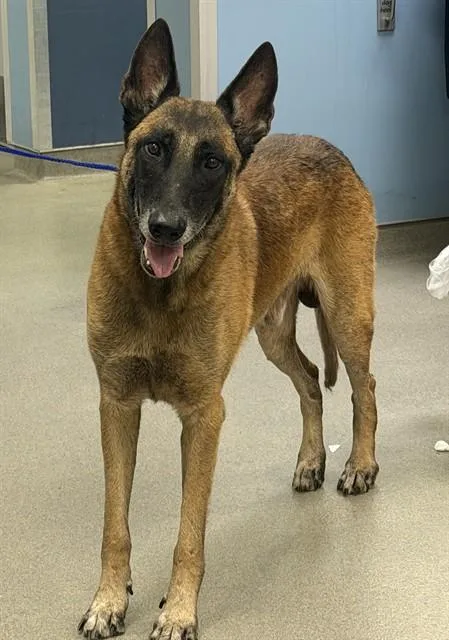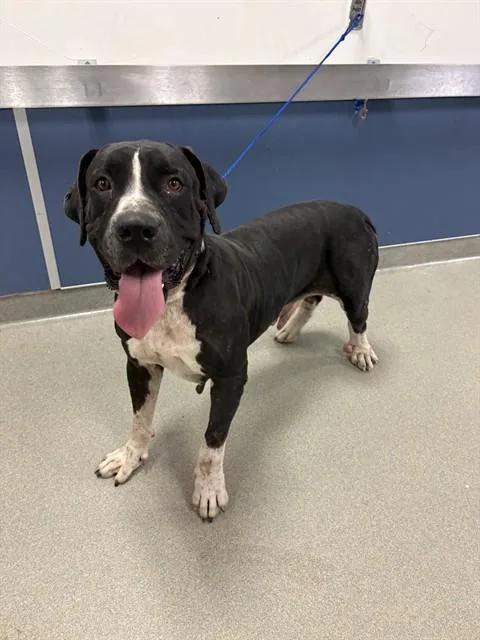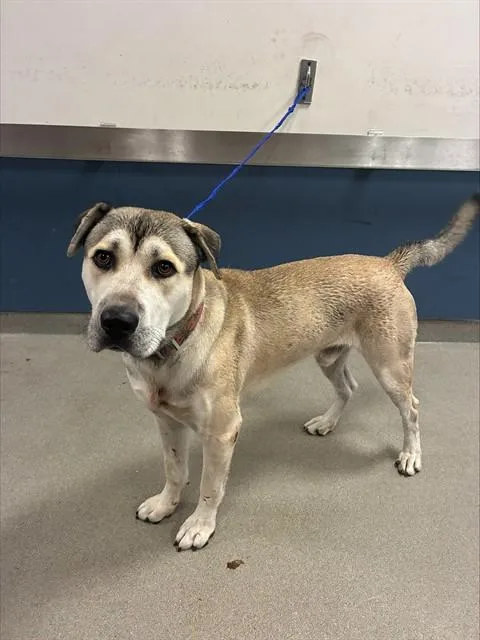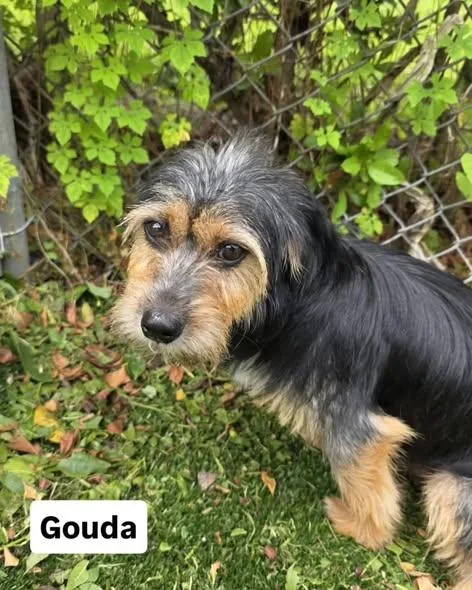
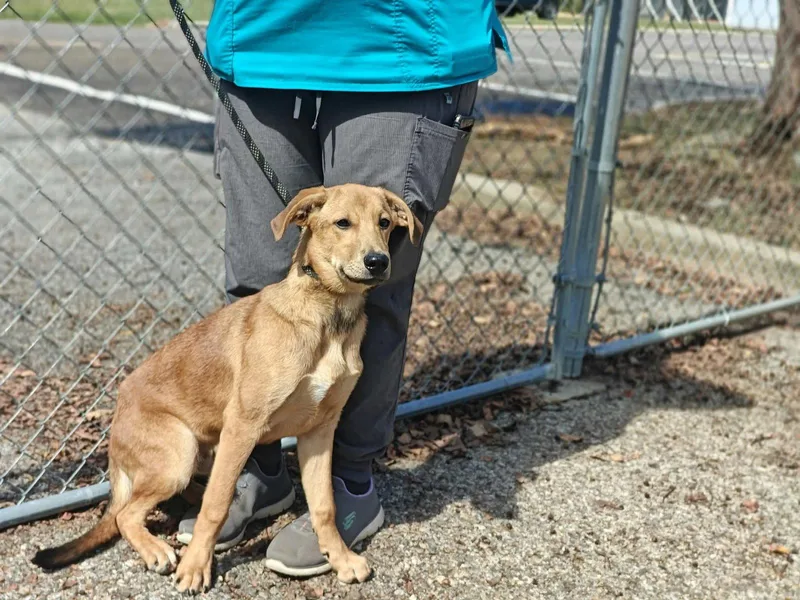
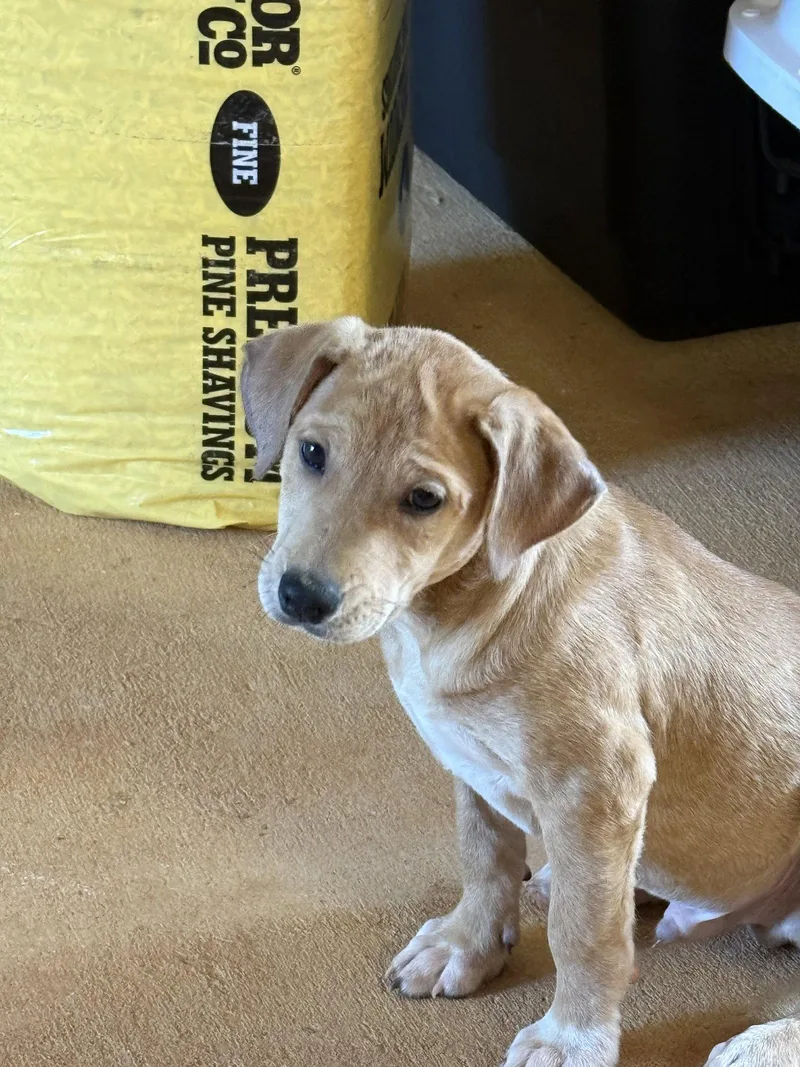
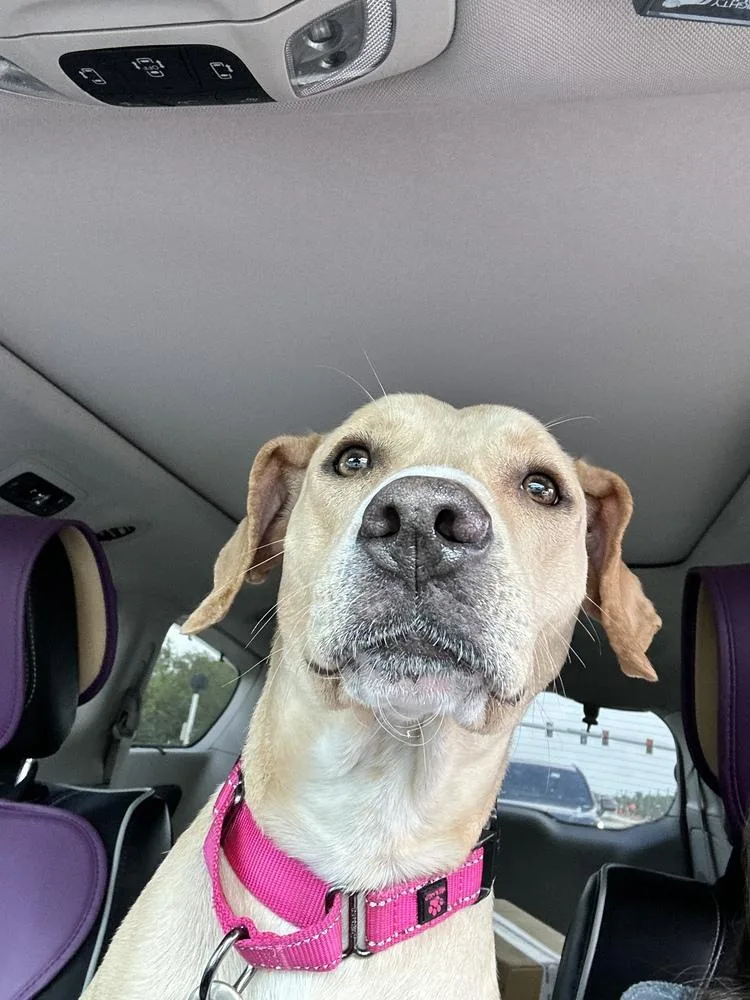
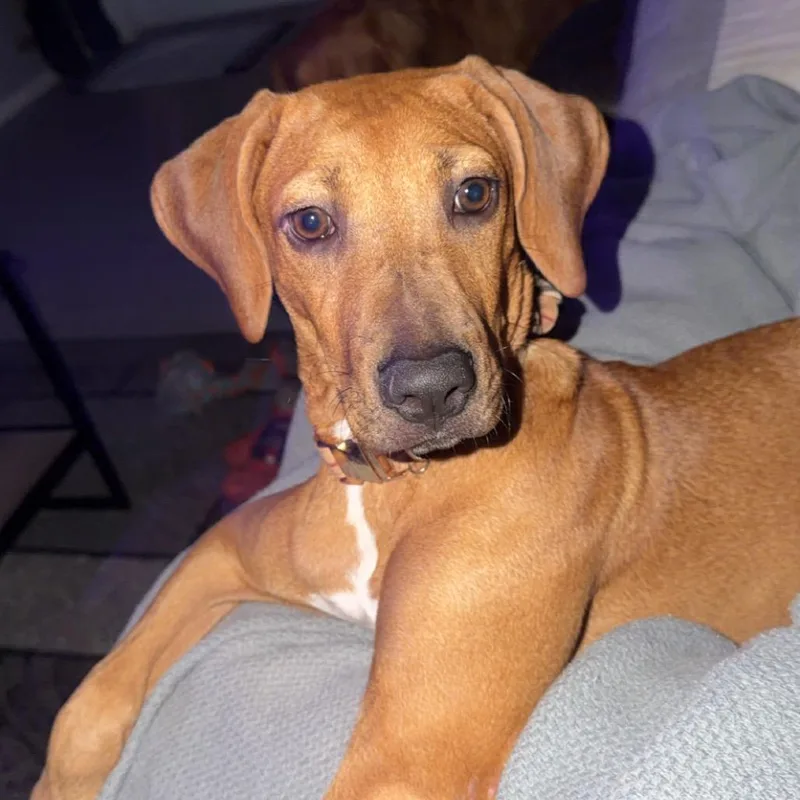
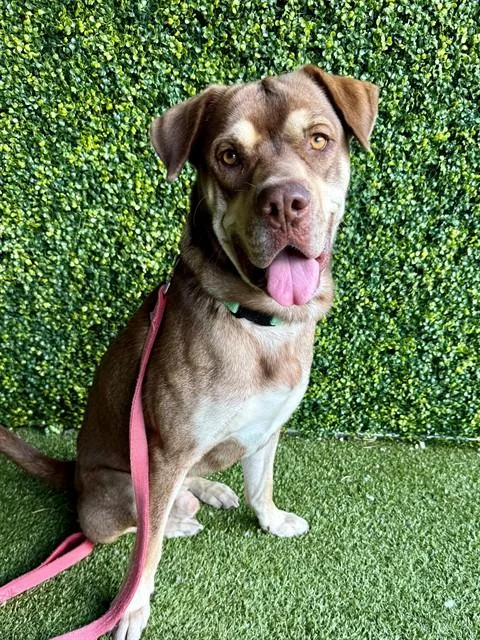
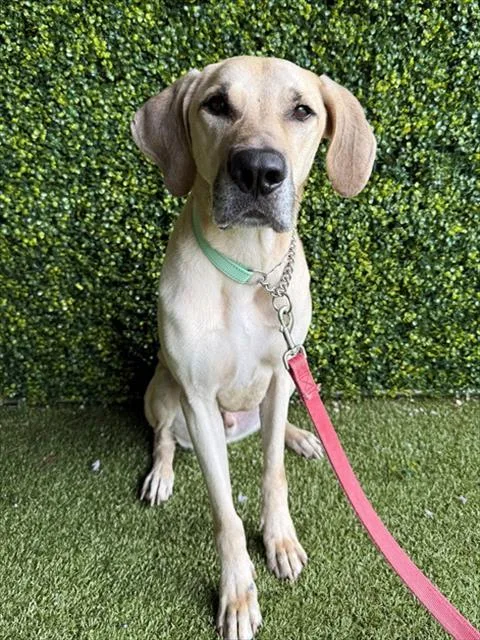
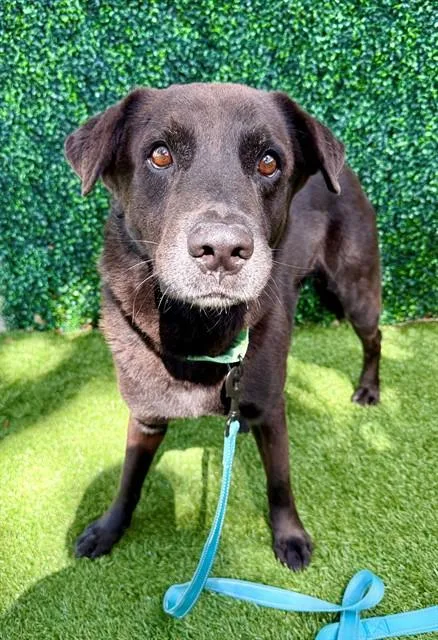
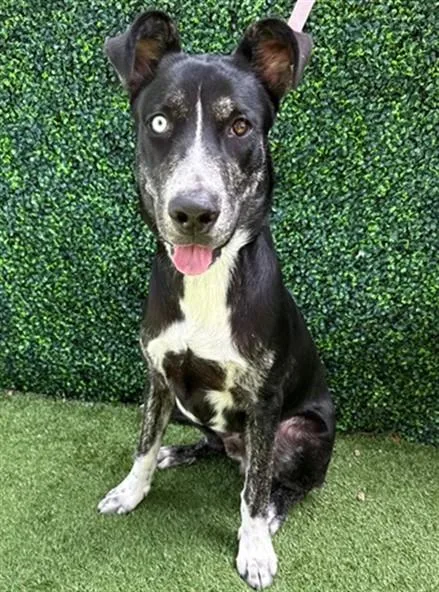
Curly-Coated Retriever Dogs for Adoption in Miami, FL

Your guide to finding and caring for a Curly-Coated Retriever in Miami

A Curly-Coated Retriever suits Miami's waterfront life, as long as the dog gets a real workout every day. Curlies love to swim and fetch, so a morning at David T. Kennedy Park in Coconut Grove or the dog park at Legion Memorial Park in the Upper Eastside gives one plenty to do. They're tall, athletic dogs that need room to stretch out, and they can be reserved with strangers, which matters in a busy condo lobby. Humidity means hard exercise happens early or after dark.

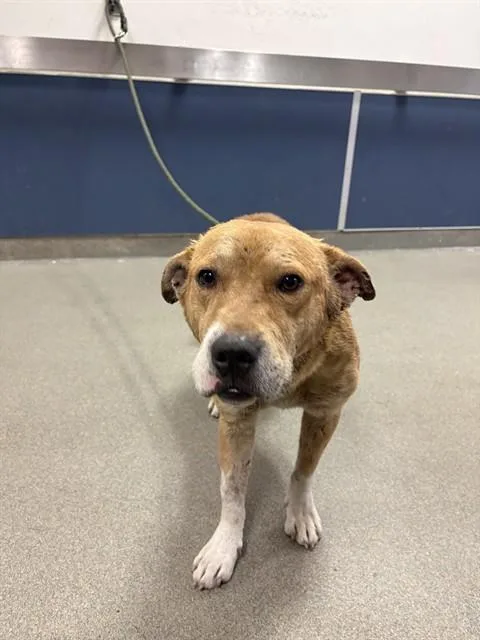
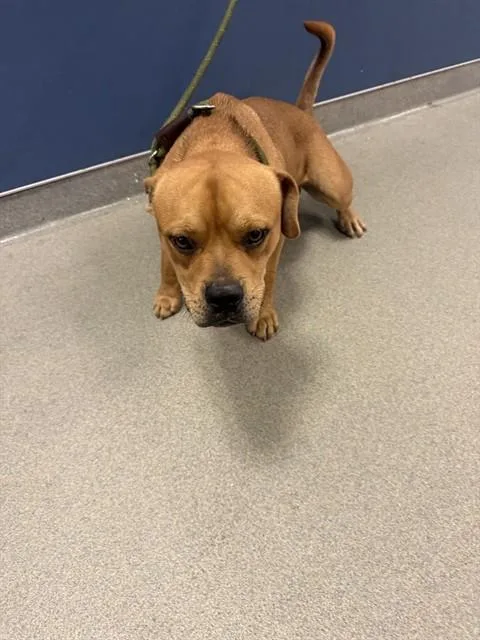
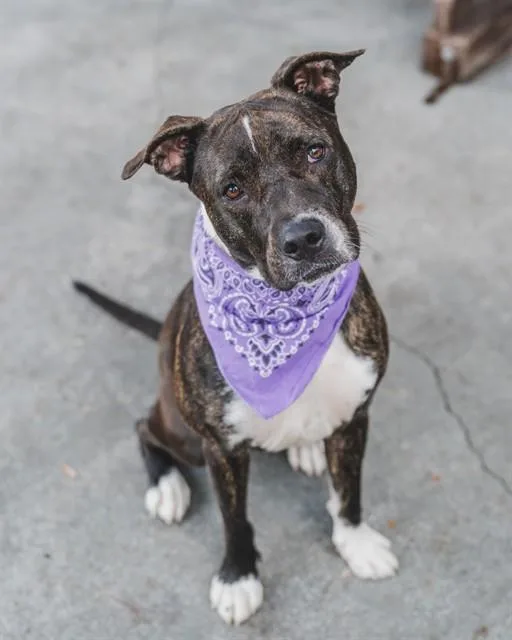
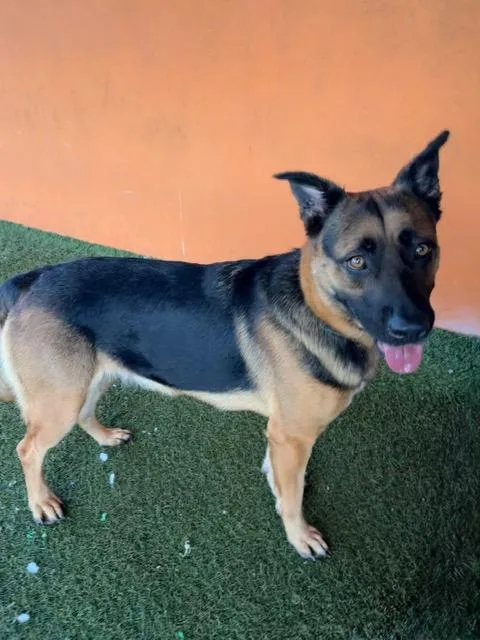
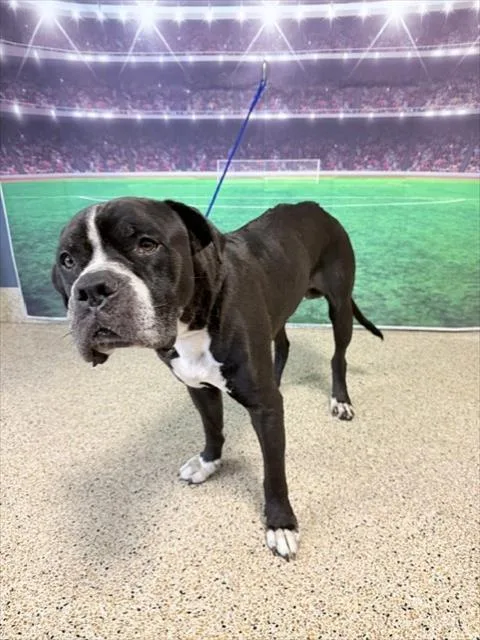
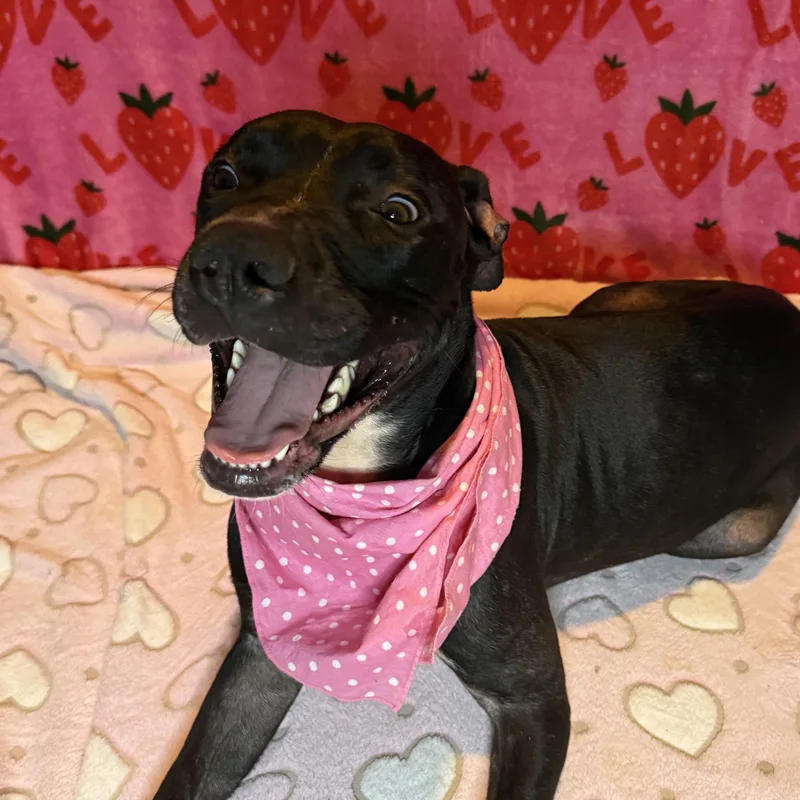
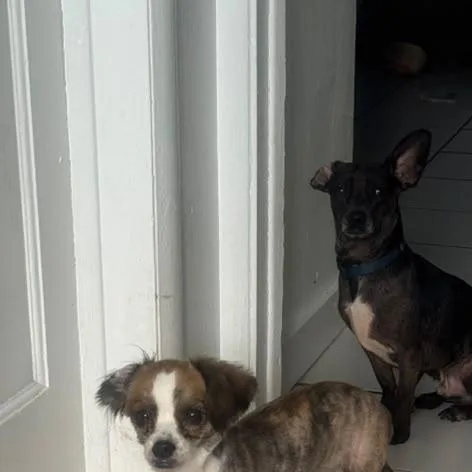
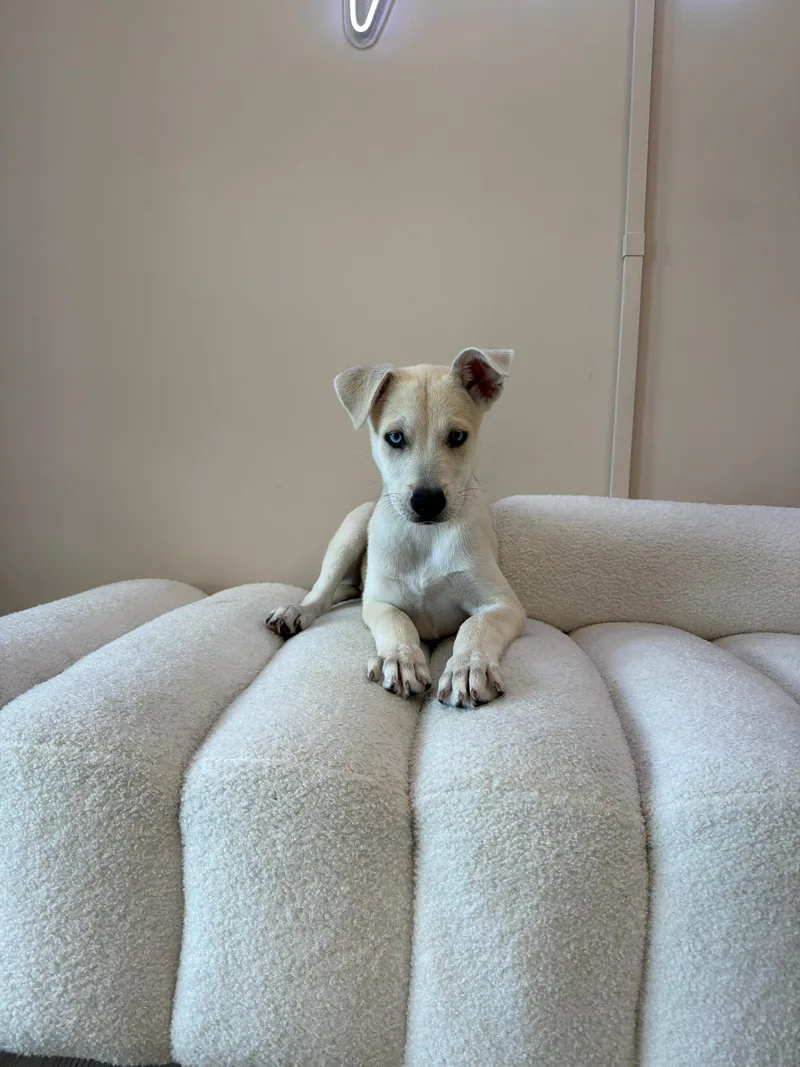
15109 dogs similar to Curly-Coated Retriever available in Miami and nationwide

Bring home a Curly-Coated Retriever

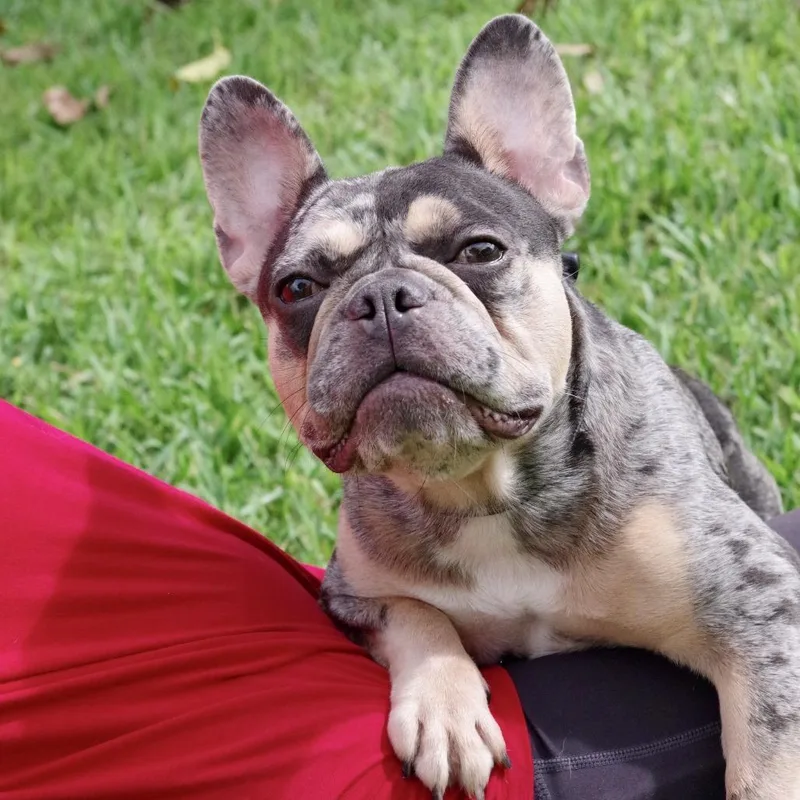
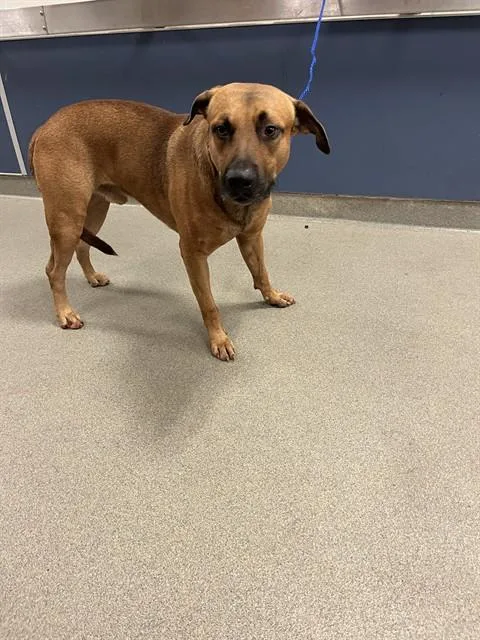
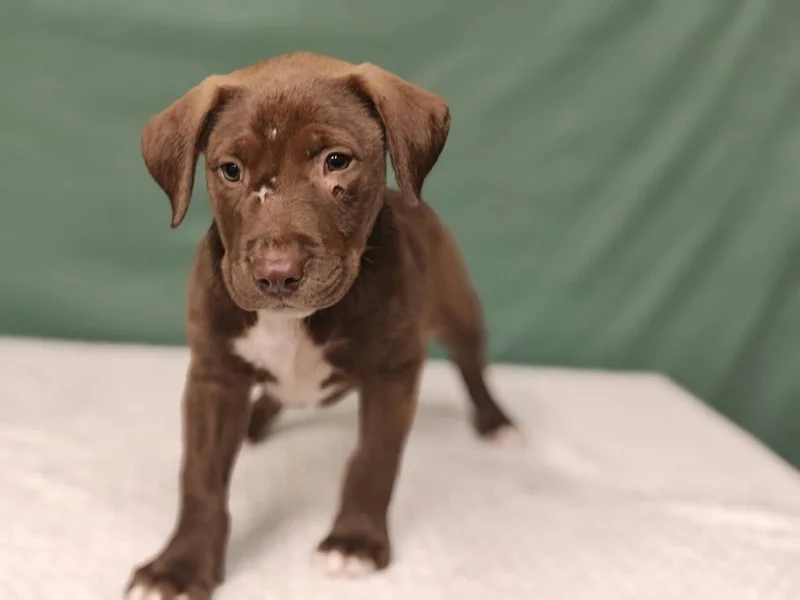
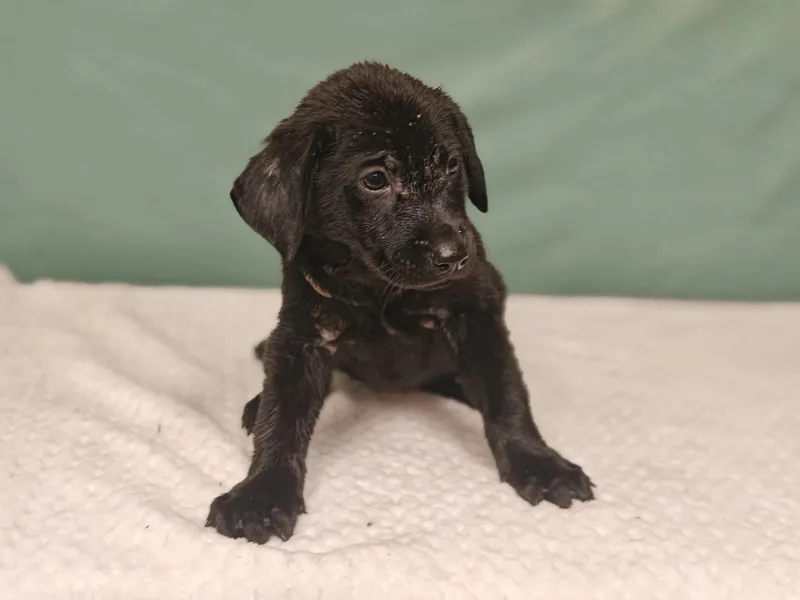
Curly-Coated Retrievers and Similar Breeds Available for Adoption Near Miami

About the Curly-Coated Retriever breed

The Curly-Coated Retriever is one of the oldest retriever breeds, developed in England by gamekeepers who wanted a tireless dog for waterfowl and upland birds. It's the tallest of the retrievers, usually 60 to 95 pounds, with a coat of small, tight, crisp curls and a smooth face and front legs. Curlies come in solid black or liver.

Many Curlies are more reserved with strangers and more independent than Labs or Goldens, and they often stay playful for two or three years. With their families they tend to be affectionate and gentle. In Miami, that means steady training, early socialization and an exercise plan that works around the heat. The breed is uncommon, so watch the listings on this page.

Weight
60–95 lbs
Height
23–27 in
Lifespan
10–12 yrs
Temperament
Confident, Intelligent, Independent
Group
Sporting
Shedding
Low to Moderate

Owning a Curly-Coated Retriever in Miami

Having a Curly-Coated Retriever in Miami

A Curly pairs a working retriever's stamina with a more self-possessed streak. In Miami, the big questions are how to exercise a tall, athletic dog in tropical heat and how that dog fits into a city of condos and busy sidewalks.

Temperament

Curlies are usually devoted and gentle at home but politely aloof with strangers, so early practice with elevators, sidewalks and neighbors helps. They're smart and independent, which means short, varied, reward-based training works better than repetitive drills. Many stay puppyish for two or three years, and each dog's personality differs.
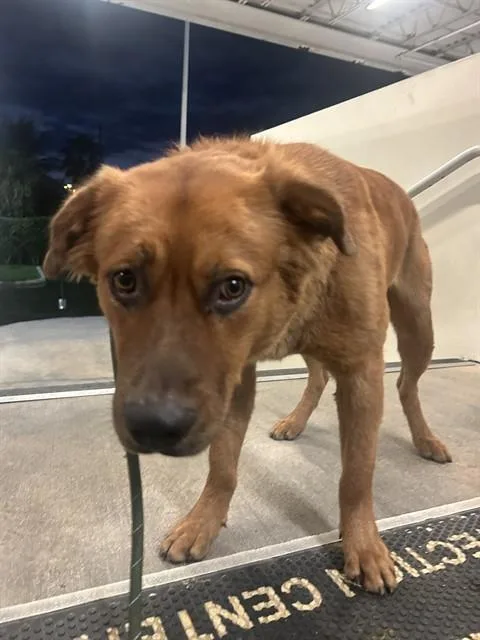
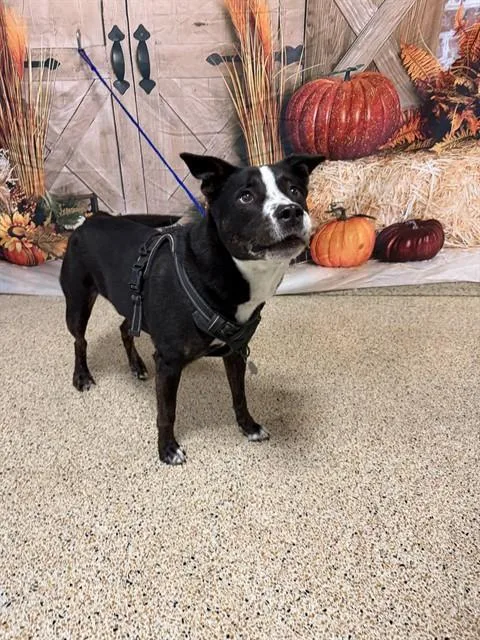
Exercise Needs

Plan on vigorous daily exercise: long walks, fetch, swimming or scent games. In Miami, do the hard work at dawn or after sunset, since even early mornings feel muggy, and use fenced dog parks for off-leash play. Mental work like training classes counts too, because a bored Curly often invents its own entertainment.

Health Considerations

Breed concerns include hip and elbow dysplasia, exercise-induced collapse, glycogen storage disease type IIIa, an inherited form of progressive retinal atrophy, heart disease and bloat. Hard exertion in Miami's heat and humidity deserves extra caution. A veterinarian can check hips, eyes and heart and set up year-round parasite prevention.

Living Space

A Curly does best with a fenced yard, like many of the single-family streets in the Upper Eastside or Buena Vista, though a committed apartment dweller can manage. Routine matters more than square footage. This breed likes living indoors with the family, which suits Miami's air-conditioned homes, and a big dog with a busy tail needs floor space.

What it costs to own a Curly-Coated Retriever in Miami

ExpenseTypical costPer year
Food$55 to $110 per month$660 to $1,320
Pet insurance$65 to $130 per month$780 to $1,560
Routine vet care$250 to $500 per year$250 to $500
Other*$490 to $1,290 per year$490 to $1,290
Estimated yearly total (after year one)$2,180 to $4,670

Other costs are estimates and vary with size, age and health.

* Flea, tick and heartworm prevention, a dental cleaning allowance, the Miami-Dade dog license, toys and bedding, and light coat care with occasional trims.

Adopt a Curly-Coated Retriever in Miami.

Now that you know more, let’s find you a new best friend. These rescues and shelters below have dogs available in and near Miami.

Frequently Asked Questions

It can be, for an active household. A Curly-Coated Retriever needs vigorous daily exercise, steady training and a cool place to rest, which suits people who can walk early or late and get to a waterfront or dog park often. It's a harder fit if you're away for long hours, since this tall, reserved retriever wants company and a job. Each dog's personality matters as much as the breed.

Curly-Coated Retrievers can handle Miami summers with planning, but heat and humidity are the challenge. Highs sit near 90°F and nights stay in the upper 70s, so exercise at dawn or after dark, keep water and shade close, and rest indoors in air conditioning. If you see heavy panting, drooling or slowing down, cool the dog and call a veterinarian.

A Curly-Coated Retriever can live in a Miami apartment if you commit to long daily exercise, though it isn't the easiest match. This tall, athletic dog needs room to move and mental work, plus several outings a day. Check the building's weight limits before you apply, and remember that dogs can't relieve themselves in common halls under county rules.

Yes. Since October 2023, Florida law has barred local governments from breed-specific dog rules based on breed, weight or size, so Miami has no breed ban. Private landlords and HOAs can still set limits, and a 60 to 95 pound Curly may hit a weight cap. Keep the dog leashed in public outside designated off-leash areas.

For a Curly, start with waterfront dog parks like Margaret Pace Park in Edgewater, Legion Memorial Park in the Upper Eastside and Bayfront Park downtown. Dogs must stay leashed outside designated dog areas. Some parks split dog areas by size, so a big Curly should use the large-dog side. Read the posted rules at each entrance.

Not unless the dog is a service animal. Metrobus, Metrorail and Metromover require pets to ride in a closed carrier, and a 60 to 95 pound retriever won't fit in one. Metrorail is elevated rapid transit, not a subway. Plan on walking, driving, or a ride service, and confirm its pet policy before you book.

Sometimes, but it depends on the restaurant. Florida lets dogs sit only in outdoor dining areas, and only where the local government has adopted an ordinance and the restaurant opts in. Patio policies vary by restaurant, so look for posted signs. Before trying, make sure your Curly settles under a table and stays calm around strangers.

Less than many people expect, but not nothing. Don't brush the tight curls, which frizzes them; instead dampen the coat and work through it with your fingers, with an occasional trim. In Miami's humidity, rinse after swims and dry the coat and ears thoroughly. Occasional trims fit within the Other costs shown above.

Yes, Curly-Coated Retrievers shed, but usually less than most retrievers for much of the year. Many have one or two heavier seasonal sheds when the curls loosen and drop hair, and intact females may shed more after a heat cycle. Owners generally avoid brushing, which frizzes the curls, and instead dampen the coat and work loose hair out by hand.

Expect about $55 to $110 a month for food and $65 to $130 a month for insurance, plus $250 to $500 a year for routine vet care and $490 to $1,290 a year in other costs such as parasite prevention and dental care. That comes to roughly $2,200 to $4,700 a year, before emergencies and one-time supplies.