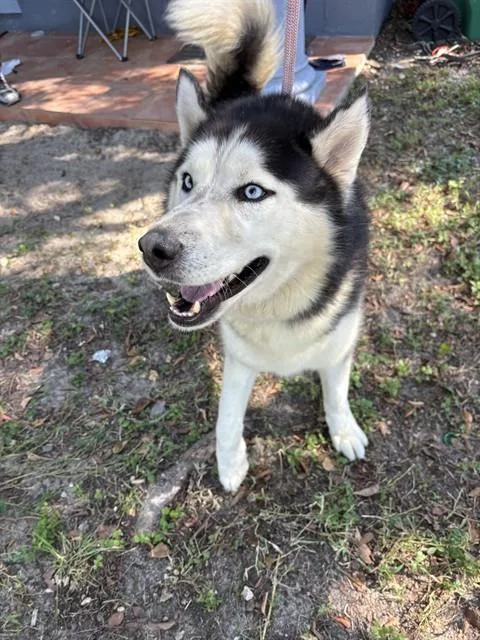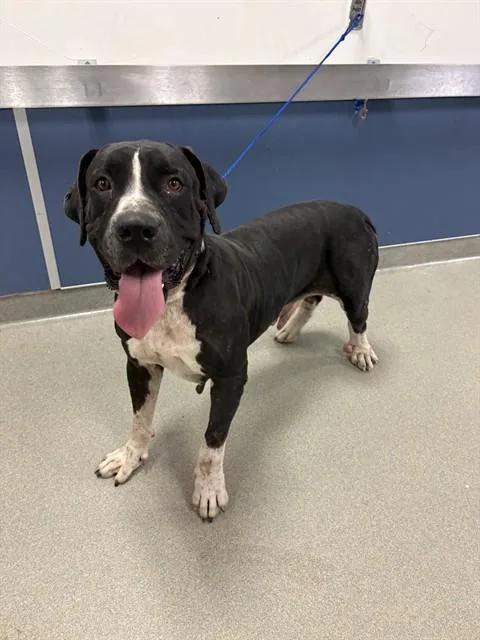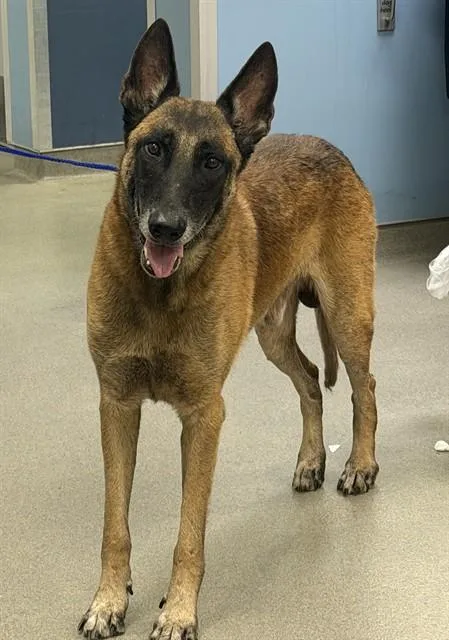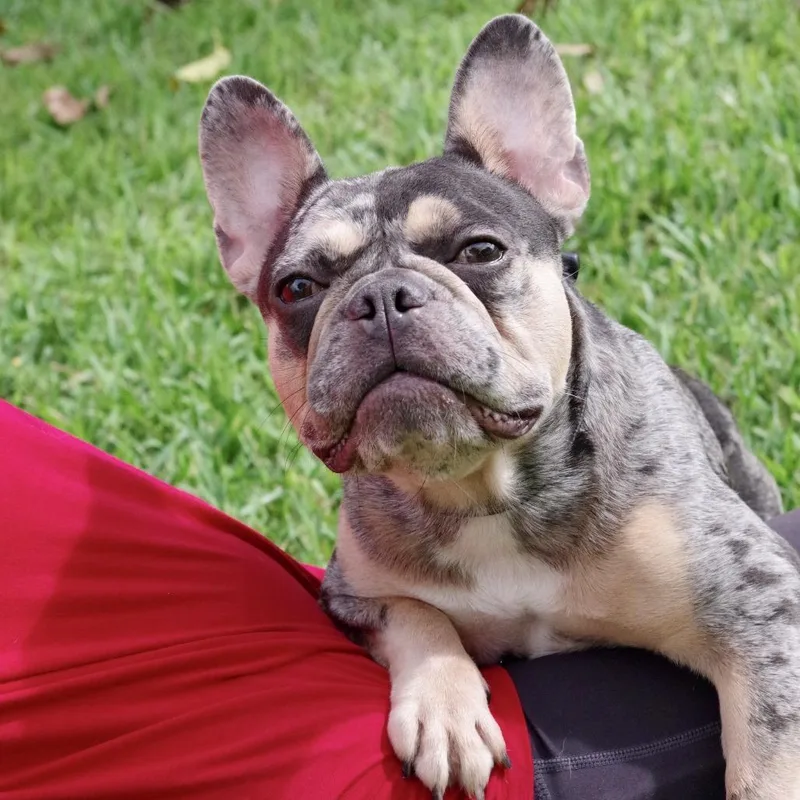
Catahoula Leopard Dogs for Adoption in Miami, FL

Your guide to finding and caring for a Catahoula Leopard Dog in Miami

A Catahoula Leopard Dog fits best in Miami's single-family neighborhoods, where a fenced yard comes with the house. Picture the Upper Eastside, with its 1920s-to-1940s homes and Legion Memorial Park's dog park close by. Catahoulas are athletic, watchful and busy-minded, so they need real work every day, and with Miami's humidity that work happens early or after dark. They're a tougher match for a Brickell high-rise, though a dedicated owner can make it work.

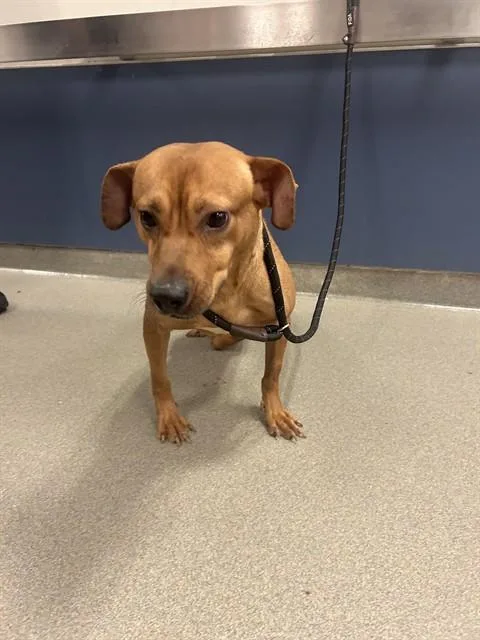
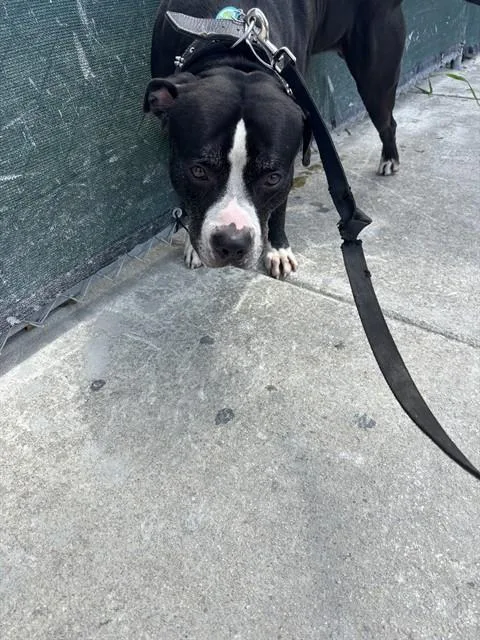
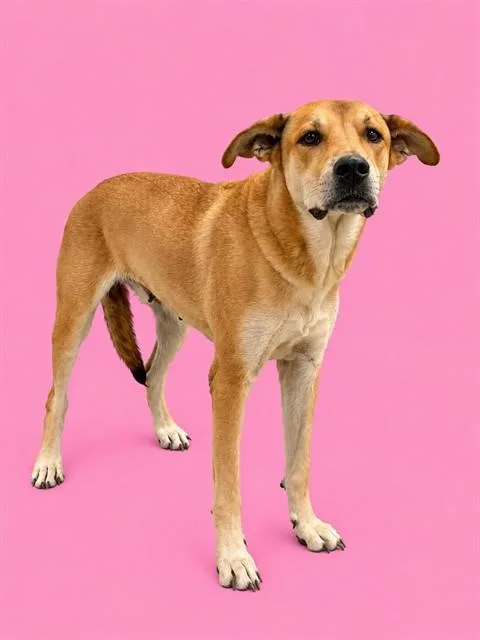
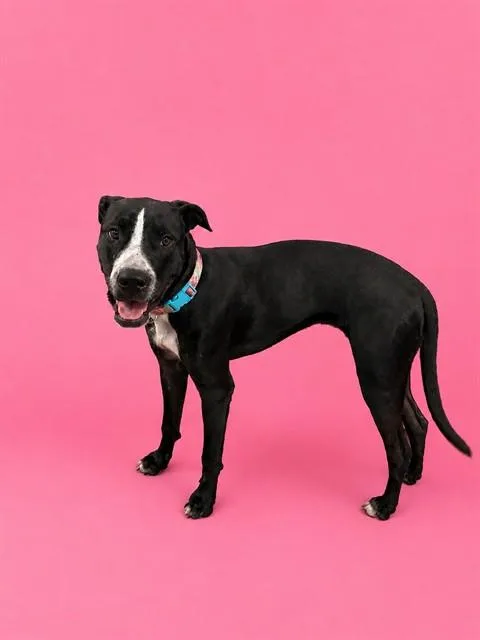
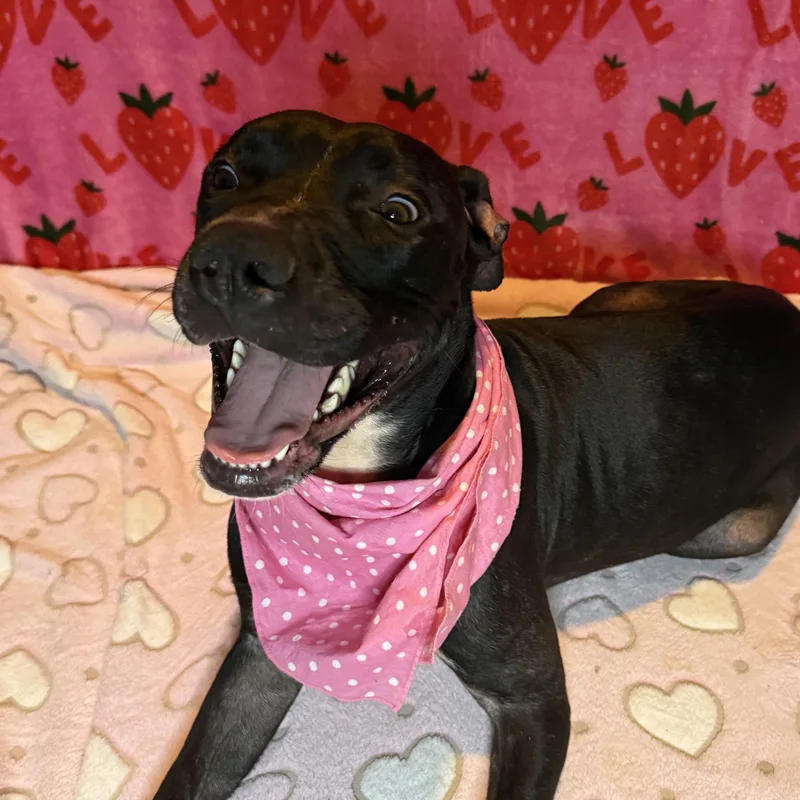
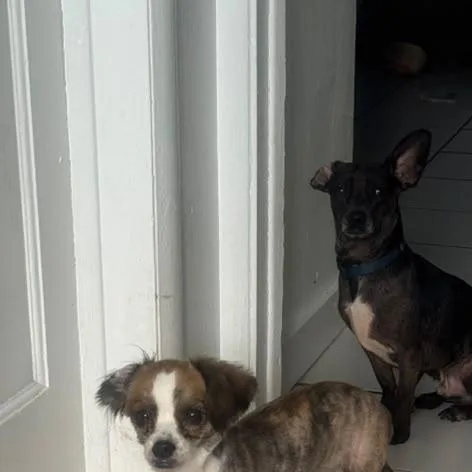
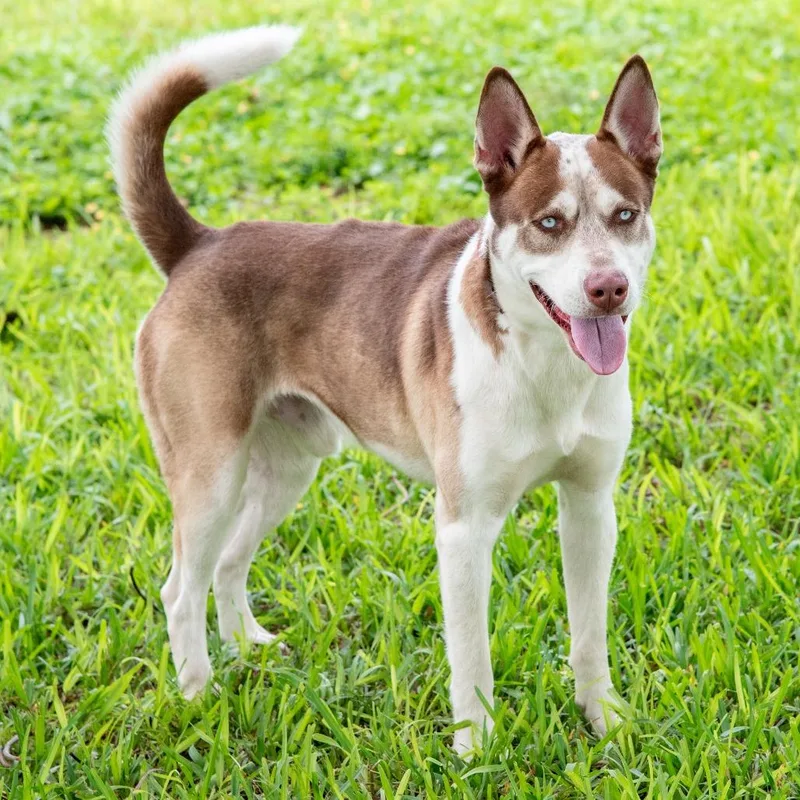
1595 Catahoula Leopard Dogs available in Miami and nationwide

Give a Catahoula Leopard Dog a home

While we don't have enough dogs near Miami, keep in mind that many rescues may offer transport.

Catahoula Leopard Dogs Available for Adoption Near Miami

About the Catahoula Leopard Dog breed

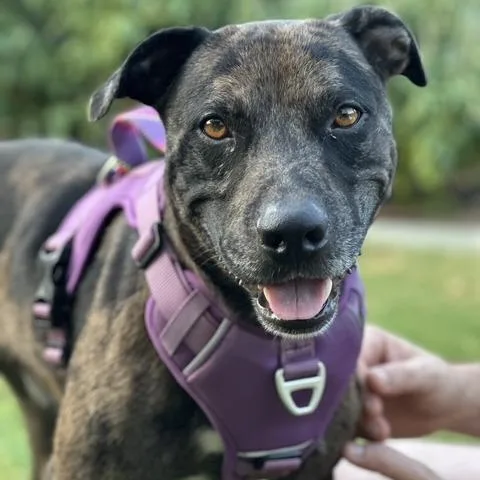
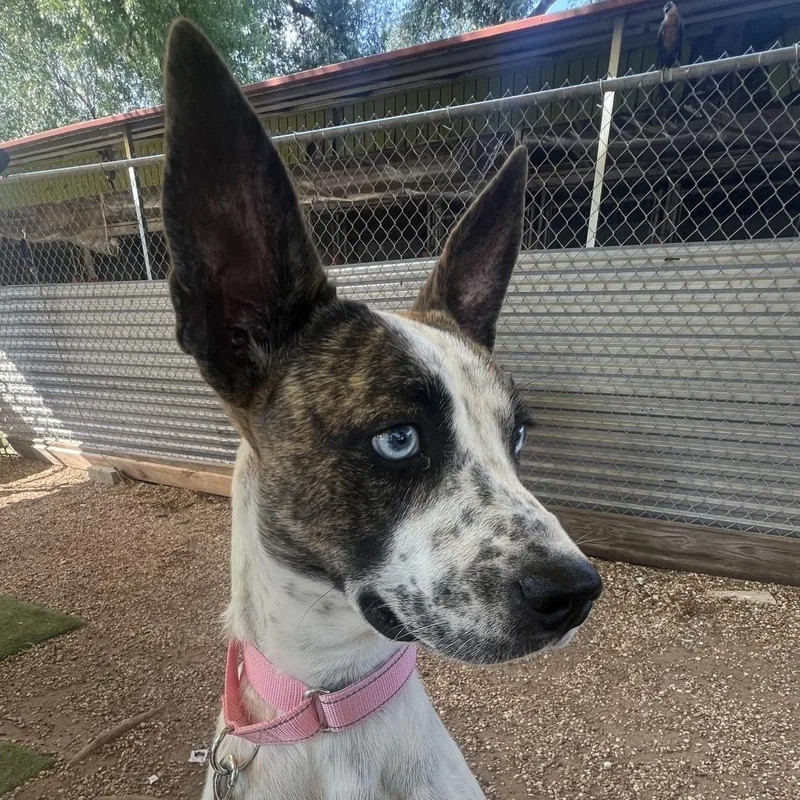
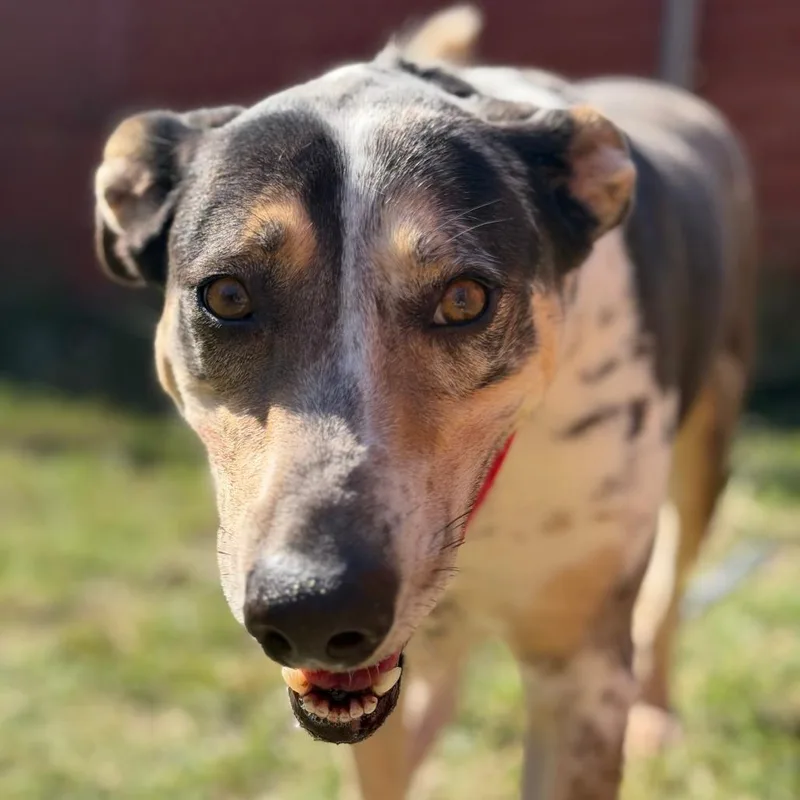
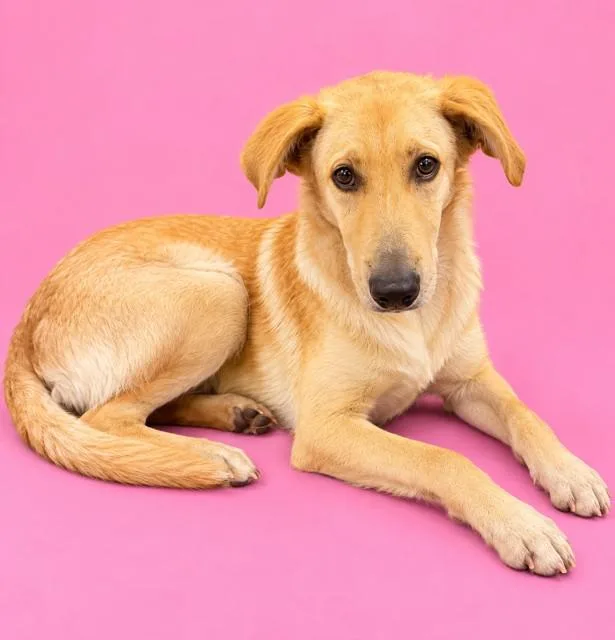
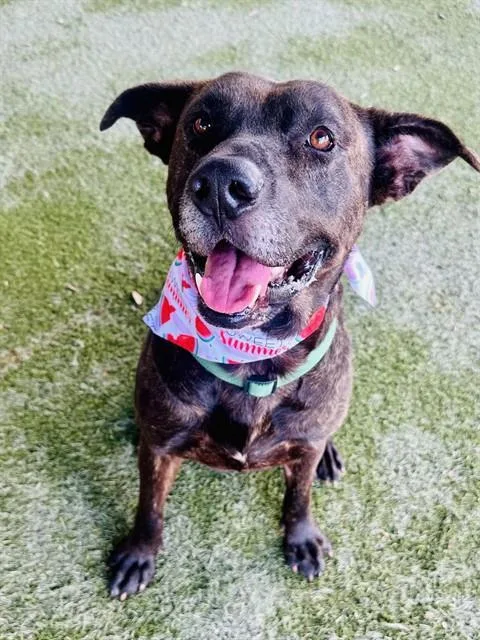
The Catahoula takes its name from Catahoula Parish in Louisiana, where the breed was developed in swamps and woods to find and hold feral hogs and gather semi-wild cattle. Size and build vary a lot, from about 50 to 95 pounds, and the short, close-lying coat comes in merle, brindle or solid colors, sometimes with glass-blue or mismatched eyes.

That swamp-country background suits a warm, humid climate better than a heavy coat would, but the working mind comes along with it. Catahoulas are loyal, independent and watchful with strangers, and they need steady training and hard daily exercise. Plenty of dogs labeled Catahoula are mixes, so how a particular dog behaves tells you more than its coat pattern does.

Weight
50–95 lbs
Height
20–26 in
Lifespan
10–14 yrs
Temperament
Energetic, Independent, Protective
Group
Herding
Shedding
Moderate

Owning a Catahoula Leopard Dog in Miami

Having a Catahoula Leopard Dog in Miami

Catahoulas were built for long, hard days of work, and that shapes their stamina, independence and caution with strangers. In Miami, add year-round heat and humidity and plenty of apartment living to the picture when deciding whether one suits your routine.

Temperament

Catahoulas are loyal and affectionate with their own people but often reserved with strangers, which matters in busy Miami buildings with shared elevators, hallways and constant visitors. Many are confident and strong-willed, and some are picky with other dogs. Early socialization and consistent, reward-based training help a lot, though every dog differs.
Exercise Needs

Plan on substantial daily exercise, plus mental work like scent games or puzzle feeders. In Miami that usually means a run or fetch session at dawn or after sunset, since warm nights and muggy mornings still tire a dog. A fenced space such as Blanche Park in Coconut Grove can give a Catahoula room to run safely.

Health Considerations

Deafness and eye defects are the main concern in merle dogs, especially those with a lot of white, and hip dysplasia occurs too. A veterinarian can check hearing and hips after adoption. In Miami, keep heartworm prevention going year-round, and watch for toxic cane toads in the rainy season; a dog that mouths one needs a vet right away.

Living Space

A house with a securely fenced yard suits a Catahoula best, and Miami's single-family neighborhoods offer plenty of those. Condo or apartment life can work for a committed owner with reliable daily exercise, but these athletic jumpers and diggers need secure fencing, and watchful dogs need calm introductions to neighbors.

What it costs to own a Catahoula Leopard Dog in Miami

ExpenseTypical costPer year
Food$55 to $110 per month$660 to $1,320
Pet insurance$55 to $110 per month$660 to $1,320
Routine vet care$250 to $500 per year$250 to $500
Other*$490 to $1,290 per year$490 to $1,290
Estimated yearly total (after year one)$2,060 to $4,430

Other costs are estimates and vary with size, age and health.

* The Miami-Dade dog license tag, year-round flea, tick and heartworm prevention, a dental cleaning allowance, toys and bedding, and basic at-home brushing for the short coat.

Adopt a Catahoula Leopard Dog in Miami.

Now that you know more, let’s find you a new best friend. These rescues and shelters below currently have Catahoula Leopard Dogs available.

Frequently Asked Questions

Yes. Miami has no breed ban for Catahoulas, and since Florida's 2023 law took effect, local governments can't regulate dogs by breed, weight or size. The old Miami-Dade pit bull ban ended then, which matters because shelter dogs labeled Catahoula are often mixes. Landlords and HOAs aren't covered, so read lease breed and weight limits closely.

Yes, with planning. A short coat helps, but Miami's heat index, warm nights and humidity limit midday activity. Exercise at first light or after dark, carry water, and keep afternoons indoors with puzzle games and air conditioning. Test pavement with your hand first. Rainy-season thunderstorms and cane toads are good reasons to supervise nighttime yard time.

It can be, for an active owner with a fenced yard or reliable daily outlets who is ready for hurricane season. Miami-Dade's pet-friendly evacuation centers take dogs but require proof of residency, vaccination records and a visible County dog license, and someone must stay with the pet. Keep a sturdy crate and records ready from June through November.

David T. Kennedy Park in Coconut Grove pairs a dog park with waterfront bike paths, handy for leashed warm-ups. Hobie Island Beach Park on the Rickenbacker Causeway is promoted as an off-leash dog beach, though dogs aren't allowed on most beaches. A Catahoula's chasing and jumping instincts make fenced areas the safer pick for off-leash time.

Only in a closed carrier. Miami-Dade Transit requires pets on Metrobus, Metrorail and Metromover to be enclosed in a cage, kennel or carrier, and service animals are exempt. A Catahoula weighing 50 to 95 pounds won't fit in one, so plan on driving, walking or a rideshare that accepts dogs for getting around together.

Possibly, but only outdoors, and it depends on the restaurant. Florida law allows dogs only in outdoor dining areas, and only where the local government has adopted an ordinance, so never assume indoor access. Catahoulas can be wary of strangers, so a crowded sidewalk table may stress them; practice calm settling on a leash first.

Very little. The short, close coat needs a weekly brushing to manage moderate shedding, and most care happens at home, which the Other cost line already reflects. In Miami's humidity, dry the ears after baths and rainy walks, trim nails regularly, and rinse off after swimming to prevent skin and ear irritation.

A Catahoula Leopard Dog is a medium-to-large working breed from Louisiana, developed to hunt and bay feral hogs and to herd cattle. It is athletic and muscular, often with a merle coat and striking light or mismatched eyes. Catahoulas are typically intelligent, loyal, independent and energetic, and they need experienced handling, training and lots of activity.

We have 2 rescues with Catahoula Leopard Dogs available: Animal Lovers Rescue LLC and Miami-Dade Animal Services. You can see every rescue with Catahoula Leopard Dogs available in the list above these questions, or scroll to the top to see the Catahoula Leopard Dogs near Miami.

Expect roughly $2,060 to $4,430 a year for a Catahoula in Miami, counting food, insurance, routine vet care and other costs. Food and insurance each run about $55 to $110 a month, routine vet visits $250 to $500 a year, and other costs $490 to $1,290. Adoption fees depend on the listing.