Black Russian Terrier Dogs for Adoption in Miami, FL

Your guide to finding and caring for a Black Russian Terrier in Miami

A Black Russian Terrier has the most room to settle in Miami's single-family neighborhoods, like the Upper Eastside. The mostly 1920s–40s homes there give a dog this big space to stretch out, and Legion Memorial Park's dog park sits right on the bay. It's a heavy-boned guardian that's devoted to its family and reserved with strangers, so it suits a steady, experienced handler who's home often. That thick black coat also means Miami afternoons are spent indoors.

2696 dogs similar to Black Russian Terrier available in Miami and nationwide

Find your Black Russian Terrier

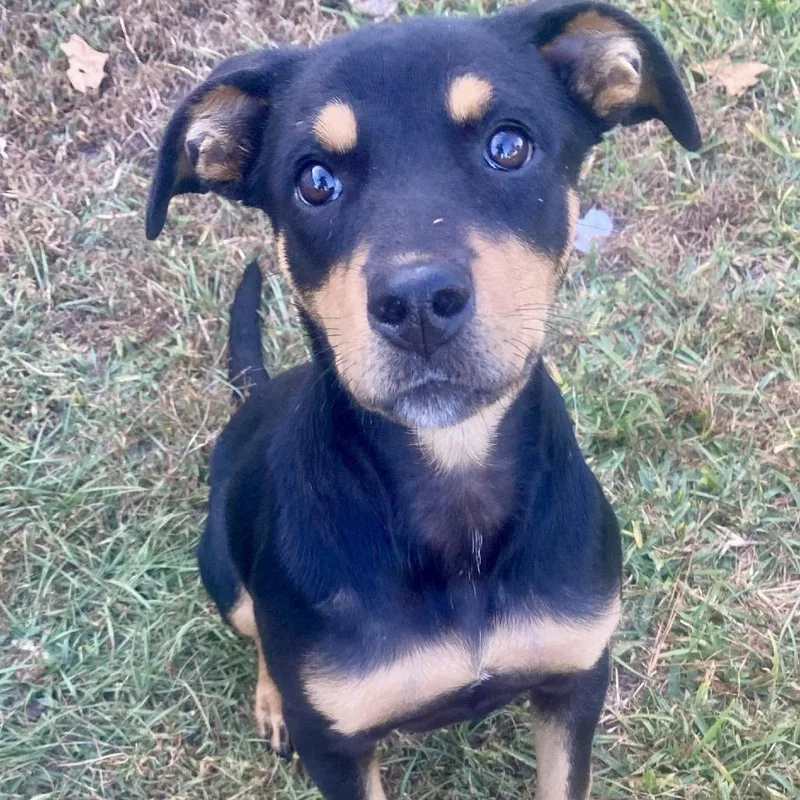
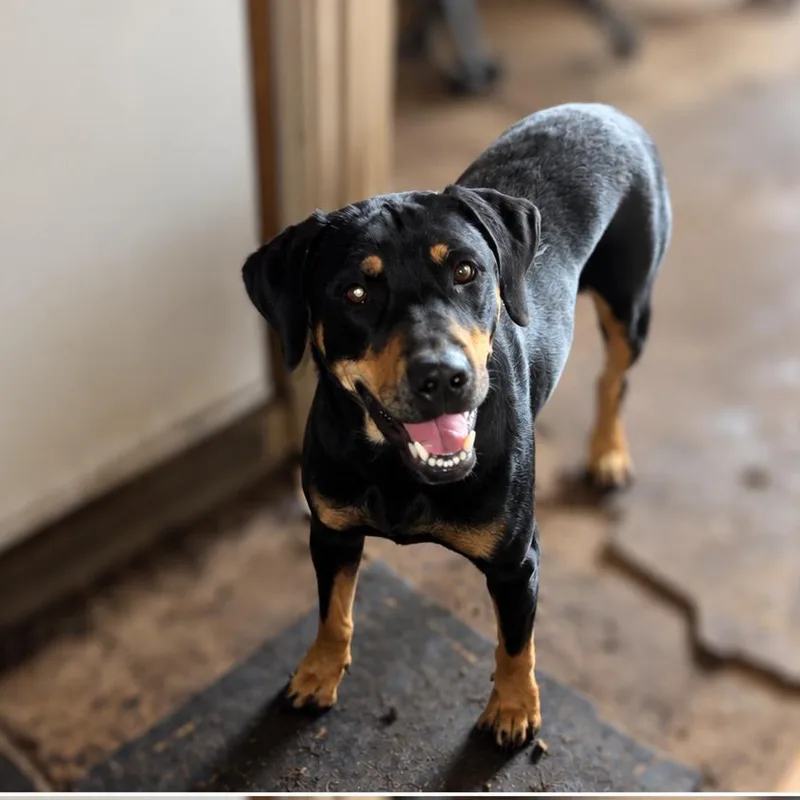
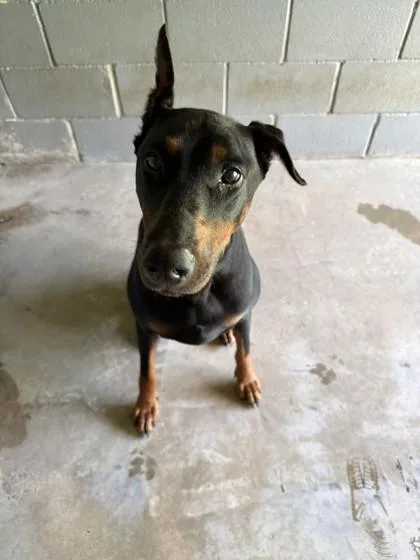
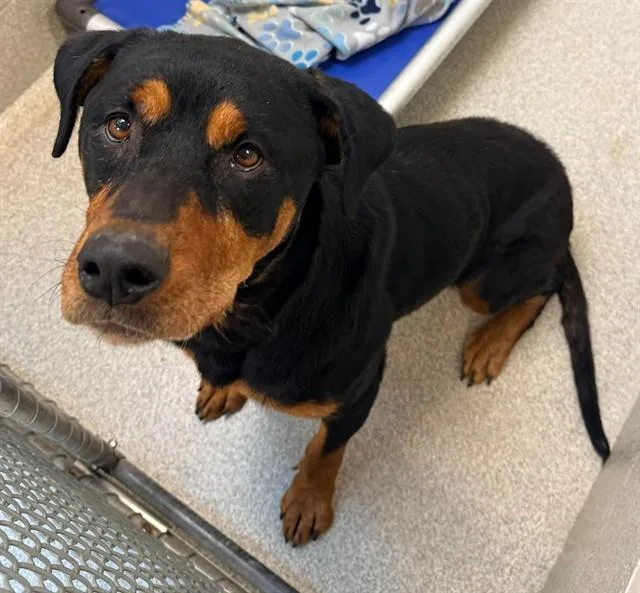
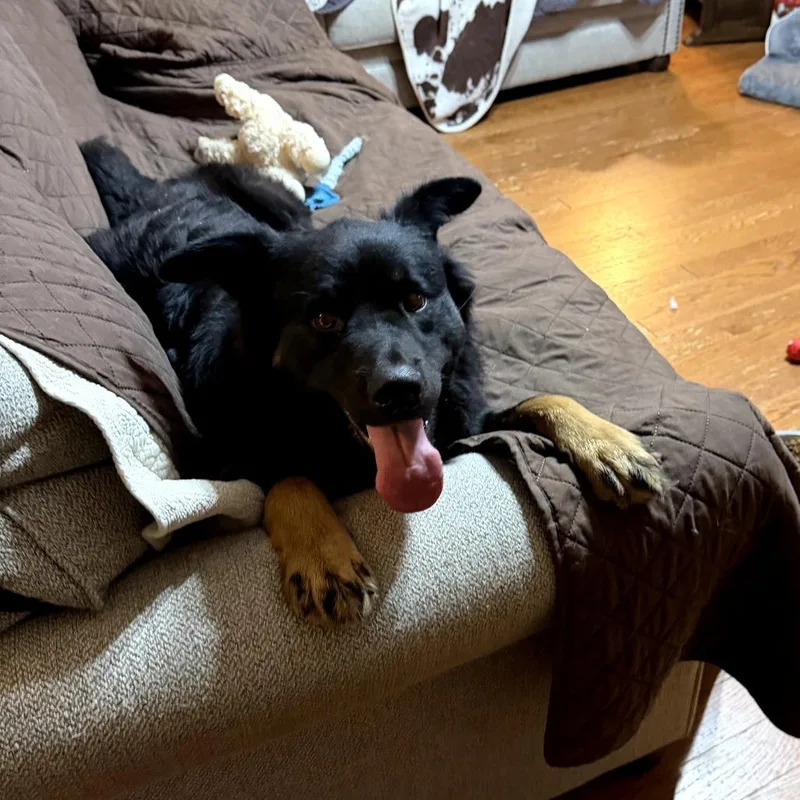
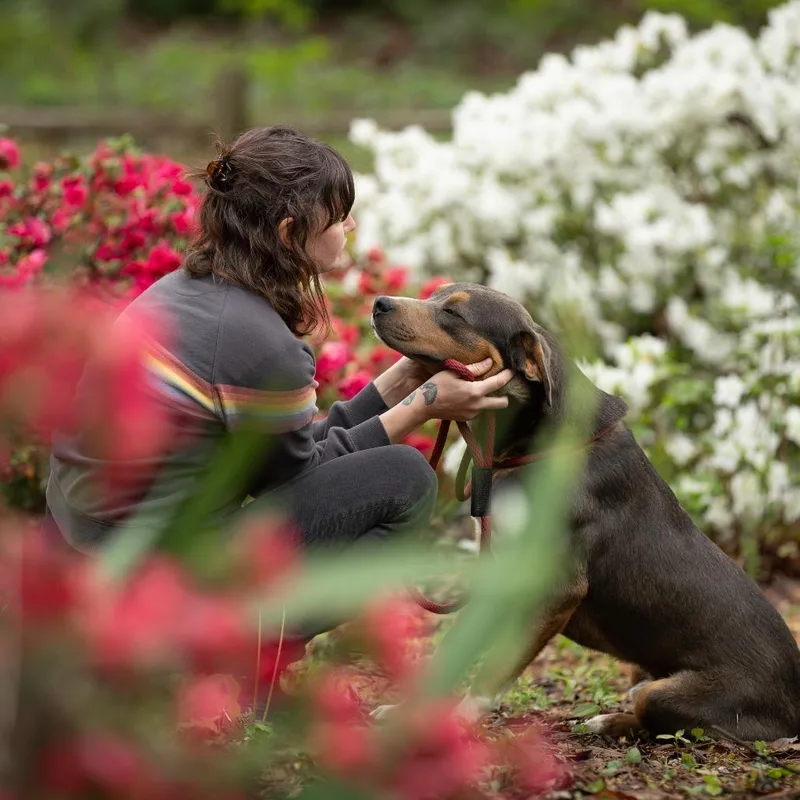
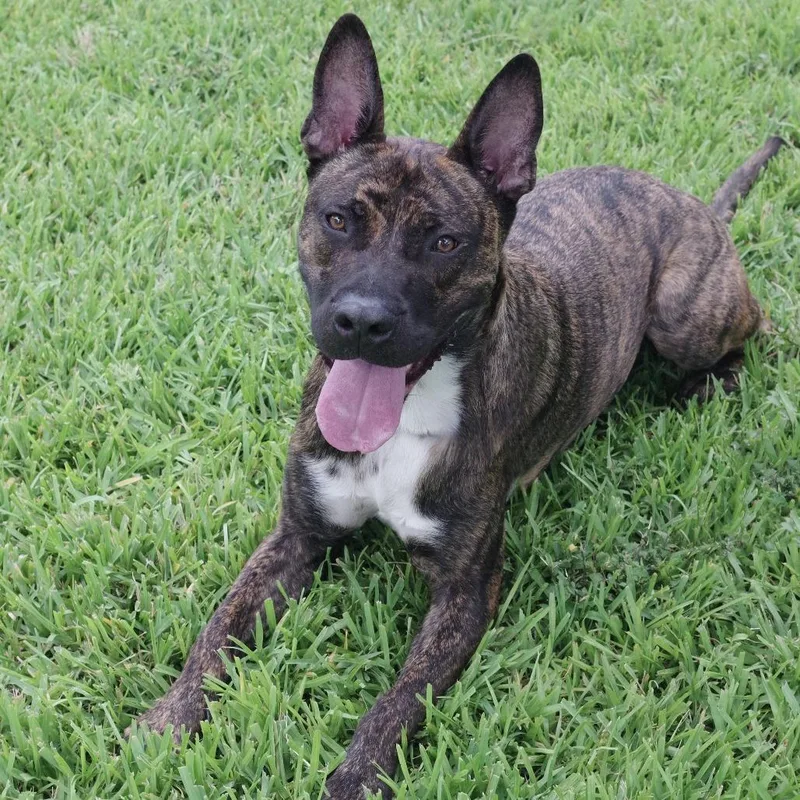
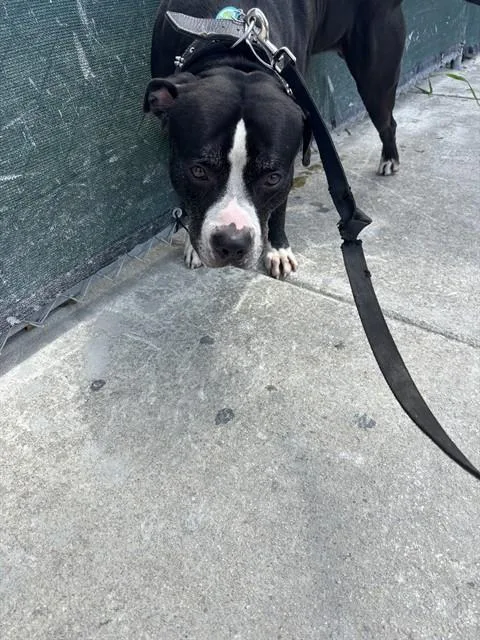
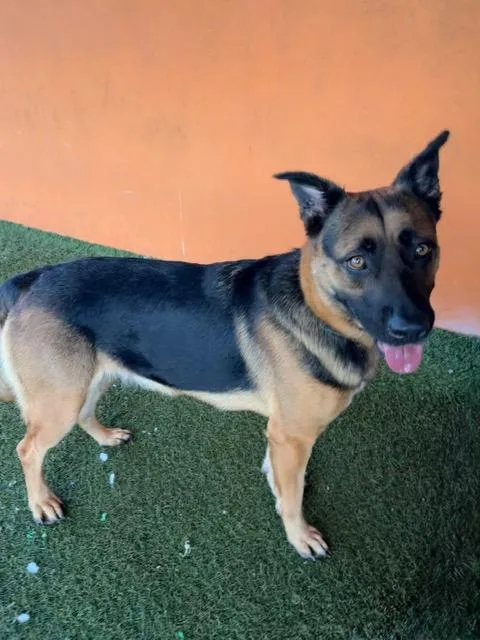
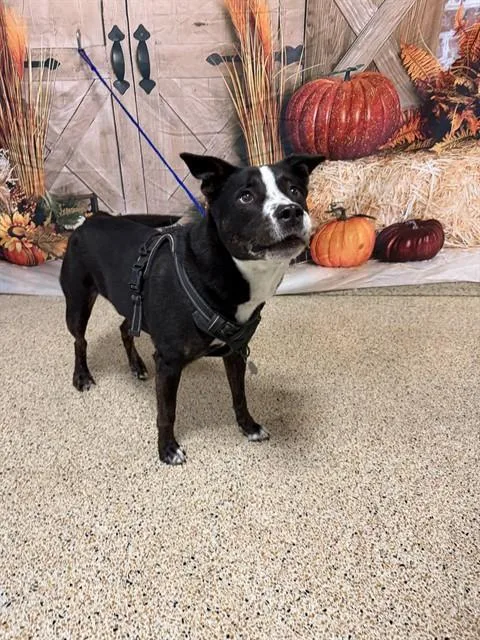
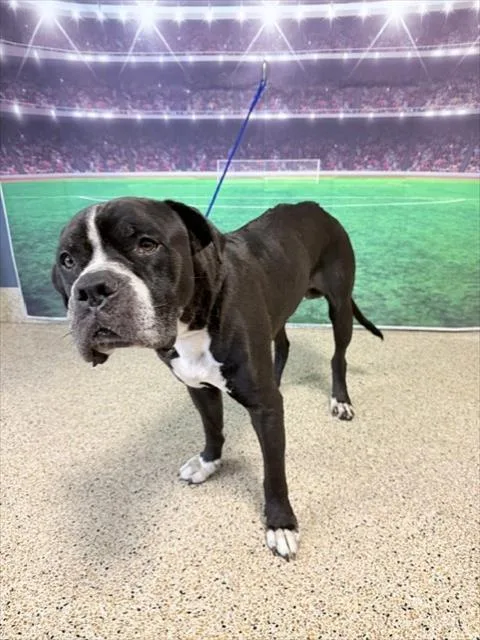
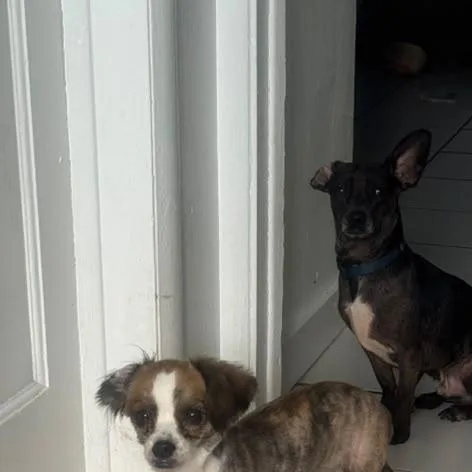
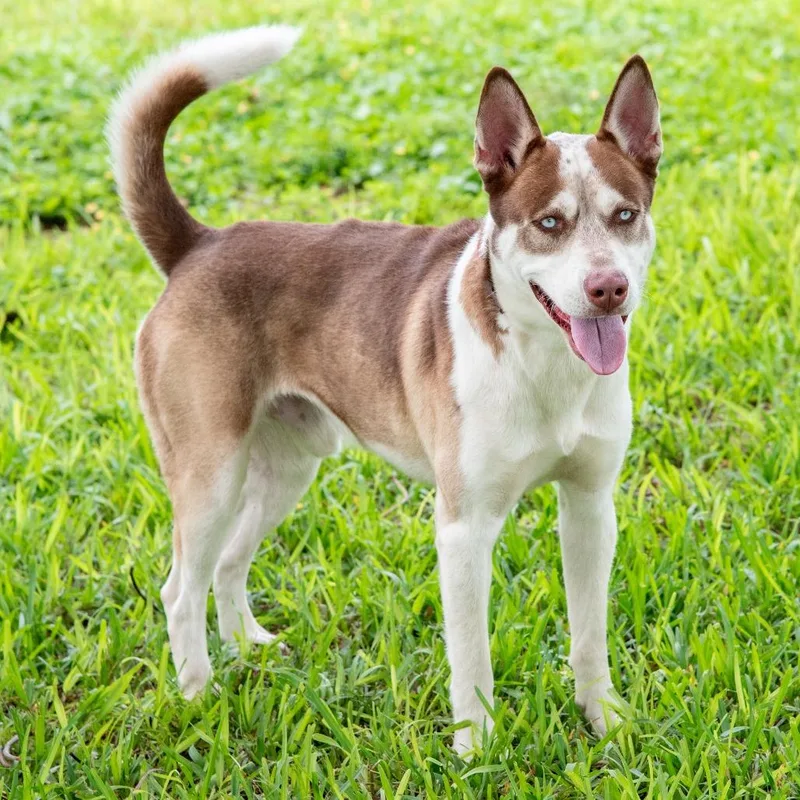
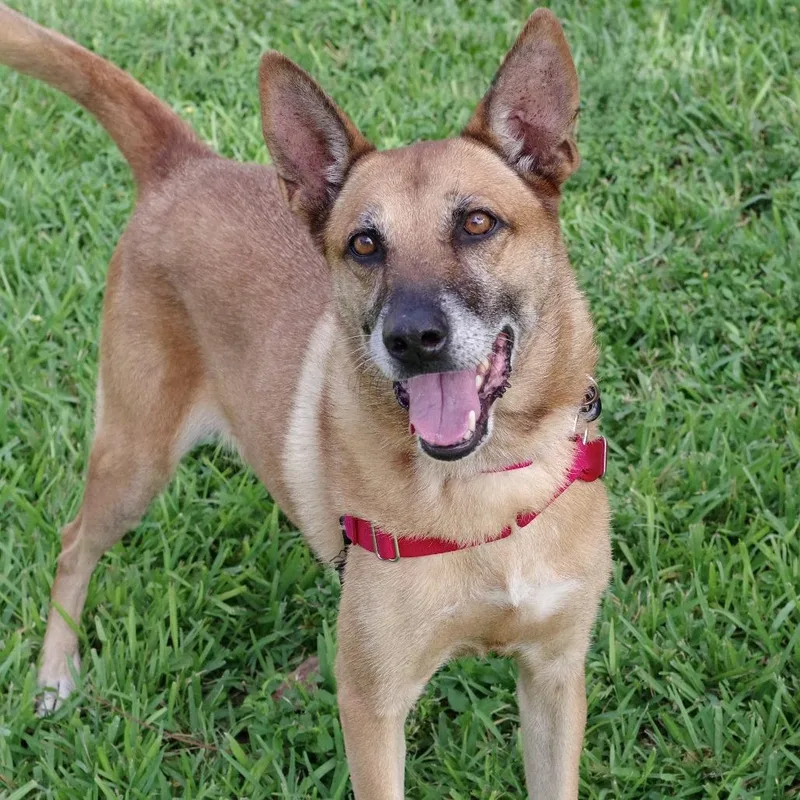
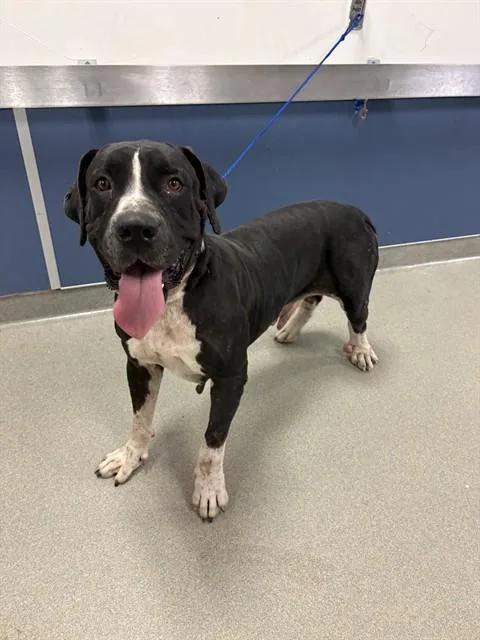
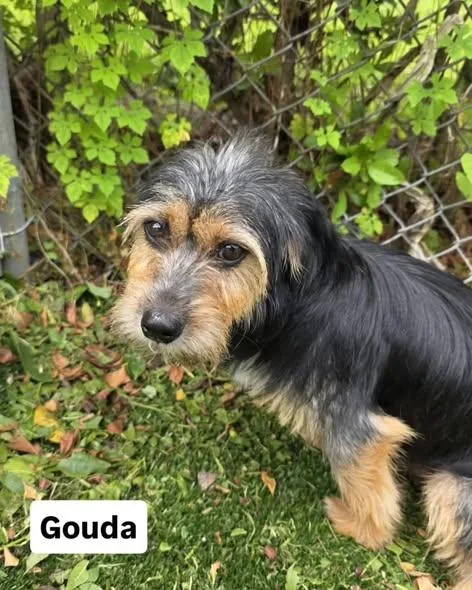
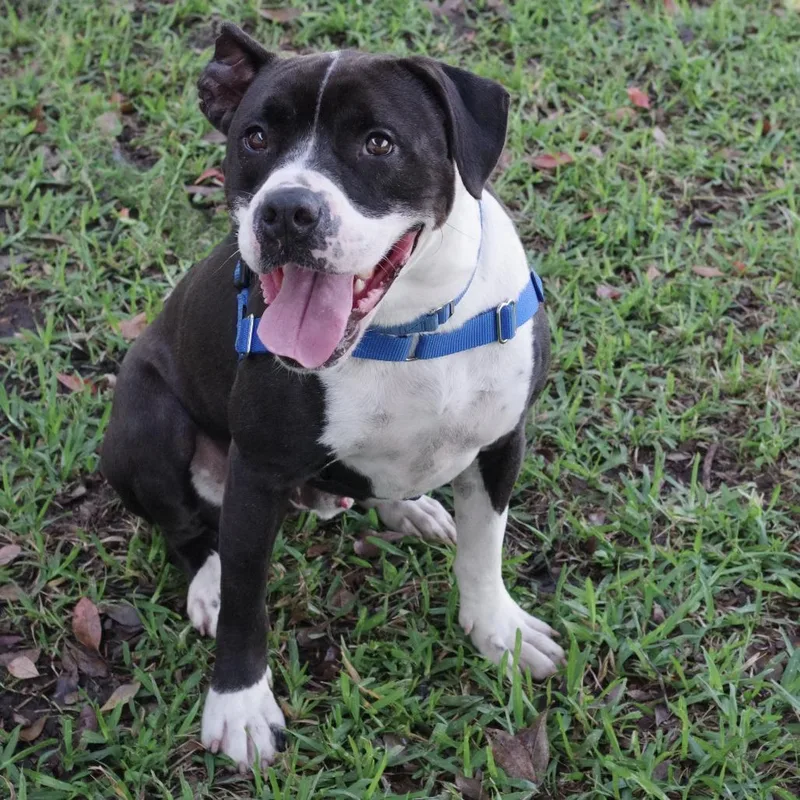
Black Russian Terriers and Similar Breeds Available for Adoption Near Miami

About the Black Russian Terrier breed

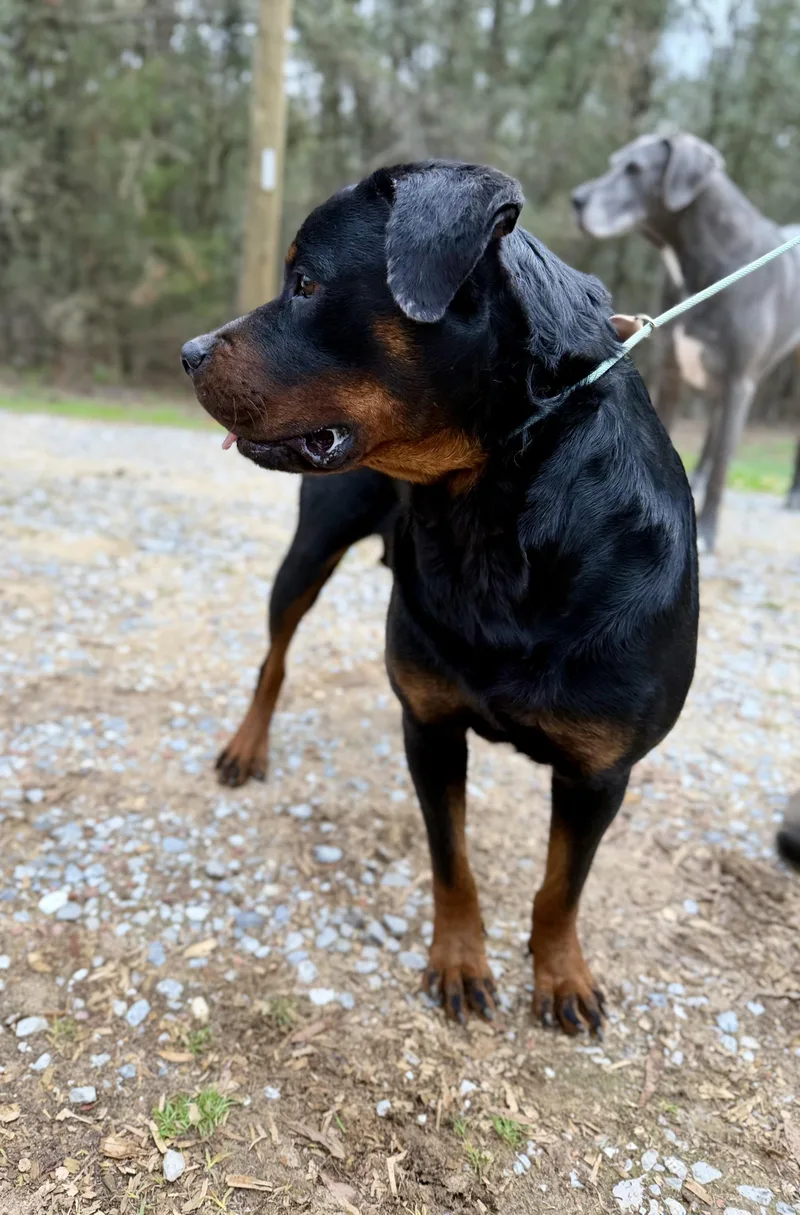
Despite the name, the Black Russian Terrier isn't a true terrier. It was developed in the Soviet Union in the late 1940s and 1950s as a military working dog, drawing on about 17 breeds including the Giant Schnauzer, Airedale and Rottweiler. The AKC placed it in the Working Group in 2004. Expect a powerful, heavy-boned dog of roughly 80 to 130 pounds with a wavy black double coat, a beard and eyebrows that fall over the eyes.

Many Black Russians are calm, confident and deeply loyal at home while staying aloof with strangers. They're intelligent and usually take well to consistent training, though dogs vary. The low-shedding coat still needs brushing a few times a week and professional trims, and in Miami's humidity the beard tends to stay damp, so dry it after drinking and rain.

Weight
80–130 lbs
Height
26–30 in
Lifespan
10–12 yrs
Temperament
Confident, Protective, Loyal
Group
Working
Shedding
Low

Owning a Black Russian Terrier in Miami

Having a Black Russian Terrier in Miami

Black Russian Terriers pair a watchful guardian streak with a thick coat that needs steady upkeep. In Miami, the biggest questions are how much training experience you have, how you'll manage the heat, and whether your home has room for a dog of 80 to 130 pounds.

Temperament

Many Black Russians are calm, self-assured and closely bonded to their family, while staying reserved with visitors. In a busy city, that means careful, early socialization to crowded sidewalks, elevators and neighbors. Dogs vary, and a rescue dog's own behavior says more than the breed's reputation, so spend time with the dog.

Exercise Needs

Expect at least two good walks a day plus play, swimming or training games. In Miami, plan walks around the heat: early morning and after sunset, since even dawn is muggy. City dog parks add variety, and indoor training sessions keep a smart working breed busy on stormy or sweltering days.

Health Considerations

Hip and elbow dysplasia, bladder stones, inherited eye disease and bloat are the main concerns, so keep the dog lean and avoid hard exercise around meals. In Miami, add year-round flea and heartworm prevention and watch for heat stress, since a thick black coat absorbs sun. A veterinarian can check joints and eyes.

Living Space

A house with a securely fenced yard suits a Black Russian best, but a calm adult can do well in a larger apartment or condo if the building welcomes big dogs and the elevator is easy to use. Plan on an air-conditioned home, since this dog shouldn't spend Miami afternoons outside.

What it costs to own a Black Russian Terrier in Miami

ExpenseTypical costPer year
Food$80 to $160 per month$960 to $1,920
Pet insurance$85 to $170 per month$1,020 to $2,040
Routine vet care$250 to $500 per year$250 to $500
Other*$1,040 to $2,790 per year$1,040 to $2,790
Estimated yearly total (after year one)$3,270 to $7,250

Other costs are estimates and vary with size, age and health.

* The Miami-Dade dog license tag, flea, tick and heartworm prevention, a dental cleaning allowance, toys and bedding, professional trims every 6–8 weeks, and joint supplements.

Adopt a Black Russian Terrier in Miami.

Now that you know more, let’s find you a new best friend. These rescues and shelters below have dogs available in and near Miami.

Frequently Asked Questions

Yes. Florida law since October 2023 bars local dog rules that are specific to breed, weight or size, so Miami has no breed ban. Every dog over four months needs a Miami-Dade license tag, renewed yearly with its rabies shot. Landlords and HOAs aren't covered by that law and can still set their own limits.

They can with careful management. Inland highs approach 90°F, nights stay in the upper 70s and the heat index runs higher, which is tough on a thick black coat. Keep walks to early morning and late evening, provide water and air conditioning, and never leave the dog in a parked car.

A calm adult can, if the building allows a dog of 80 to 130 pounds and you can provide two daily walks. Dogs must stay leashed in common areas and can't relieve themselves in halls. Heat limits outdoor time, so a ground-floor unit or easy elevator access makes the routine more workable.

The City's dog parks are the best bet: Legion Memorial Park on the Upper Eastside, Margaret Pace Park in Edgewater, Kennedy and Blanche parks in Coconut Grove, and Woodside Park in The Roads, which has separate size areas. Outside designated dog areas, dogs must be leashed. Visit at quiet times, since many Black Russians are reserved with strangers.

Plan on brushing a few times a week and a professional trim about every 6–8 weeks. Miami's humidity and rain keep the beard and coat damp, so dry them well to avoid skin irritation, and ask for a shorter trim in summer. Groomer visits are counted in the Other line of the cost table.

Generally no, because they're too big. Miami-Dade Transit allows pets on Metrobus, Metrorail and Metromover only in a closed carrier, and the City trolley asks the same. Service animals are the exception. For a giant breed, plan on walking or driving, and keep the dog secured and ventilated in the car.

Patio policies vary by restaurant, so don't assume a welcome. Florida allows dogs only in designated outdoor dining areas, and only where the local government has approved it and the restaurant holds a permit. Dogs must be leashed and stay off furniture. A 100-pound dog also needs real room under the table.

Black Russian Terriers can be good family dogs for experienced owners. Many are affectionate, calm and protective with their own families and gentle with children they are raised with. Their size and guarding instincts mean they need training, socialization and supervision around visiting kids. An adult rescue with a known history in a family home can be a strong match.

No, Black Russian Terriers are not truly hypoallergenic, since no dog is free of allergens. Their coat sheds little, so they drop less hair around the house than many breeds, which helps some people with mild allergies. Dander and saliva still cause reactions, so spend time with the specific dog before adopting if anyone has allergies.

Plan on about $165 to $330 a month for food and insurance combined, plus $250 to $500 a year for routine vet care and $1,040 to $2,790 a year for other costs such as grooming and prevention. Altogether that's roughly $3,270 to $7,250 a year, with the adoption fee shown on each listing.