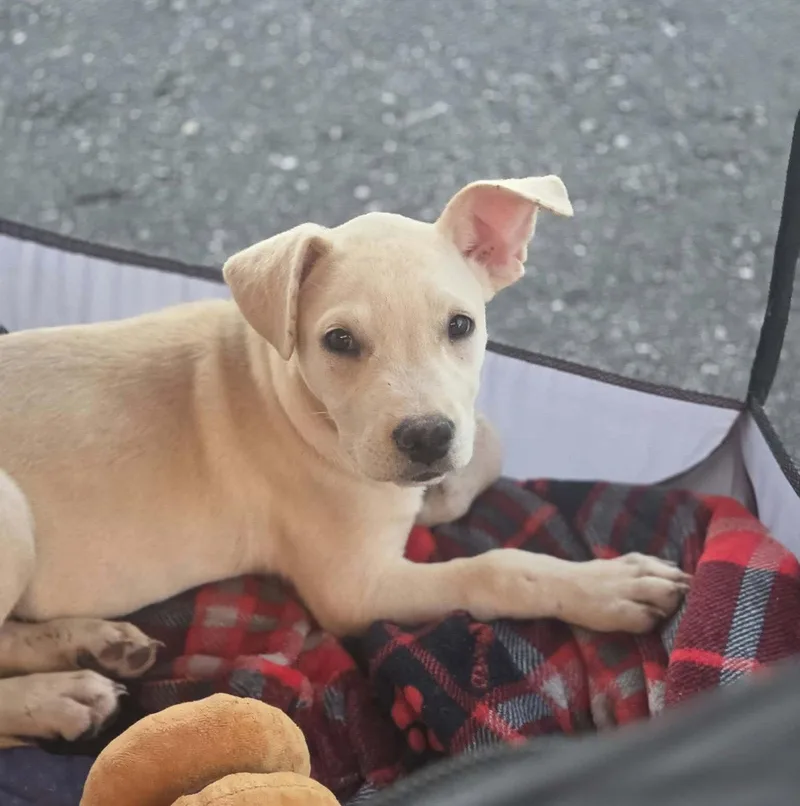
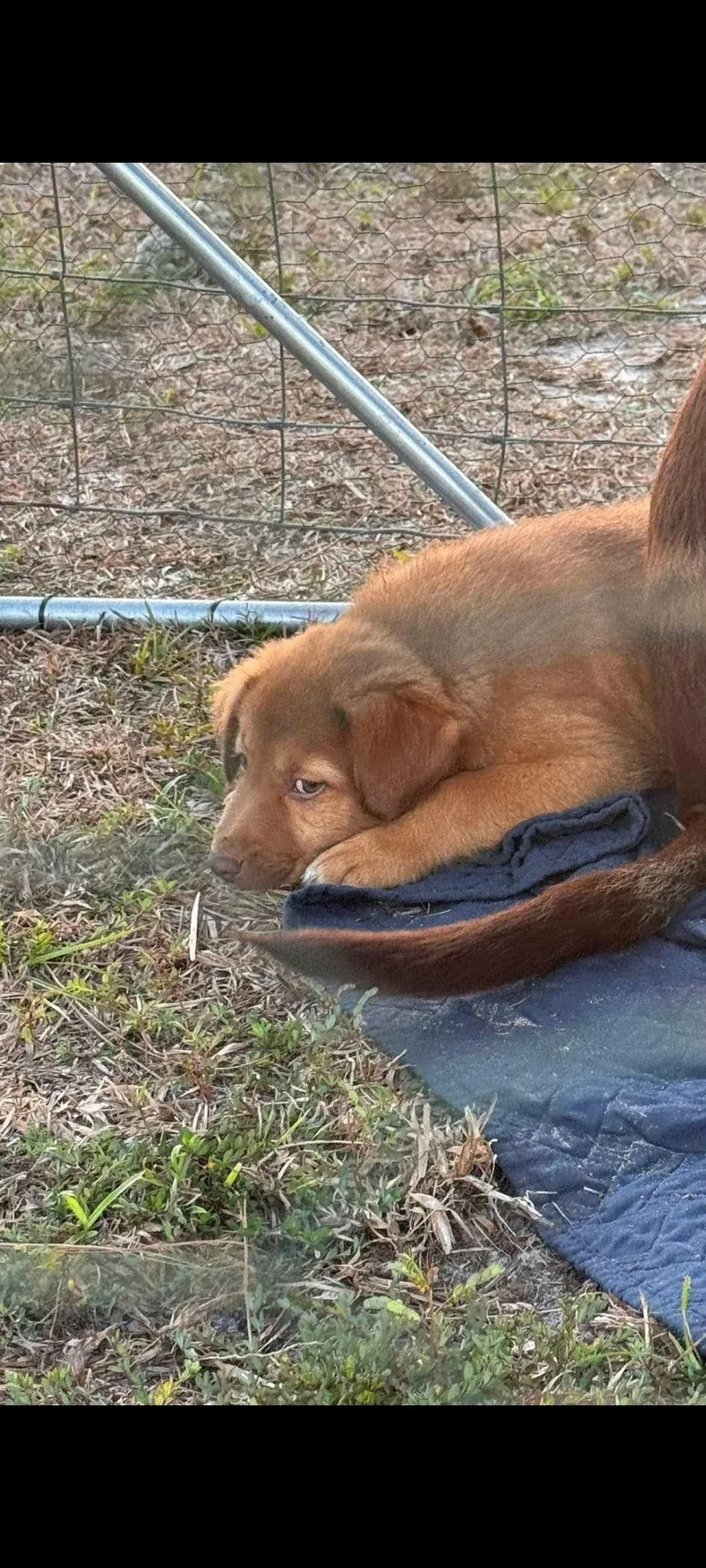
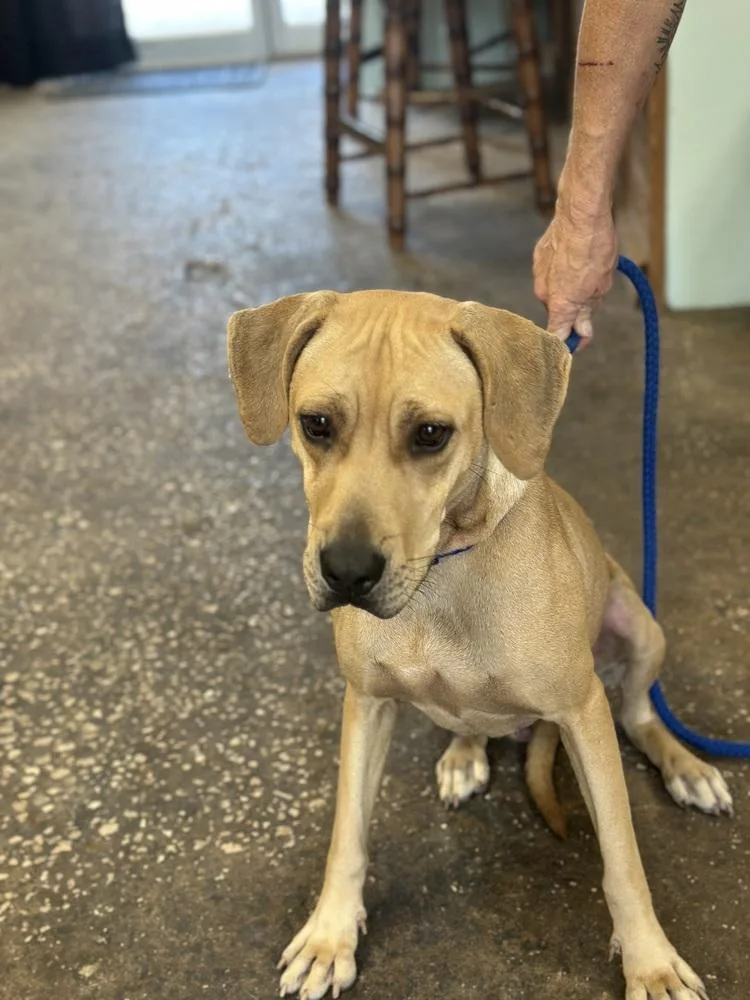
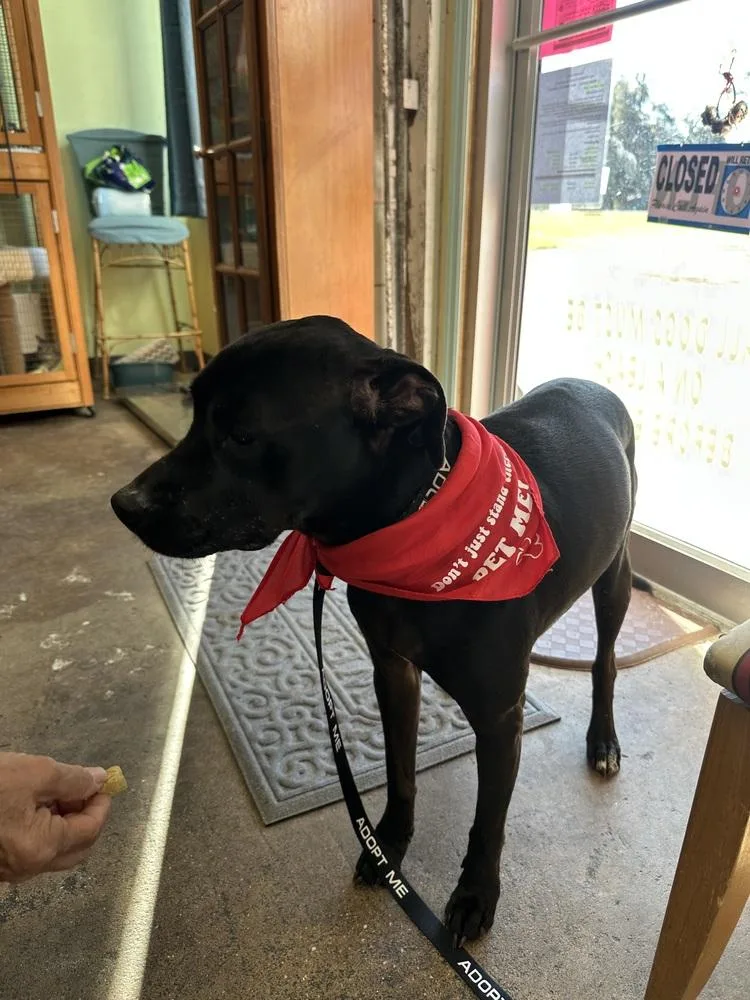
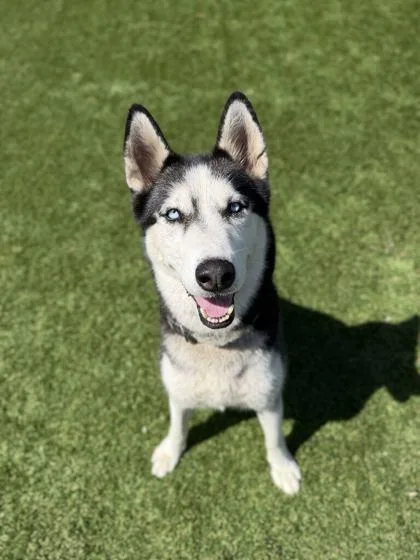
Labrador Retriever Dogs for Adoption in Daytona Beach, FL

Your guide to finding and caring for a Labrador Retriever in Daytona Beach

Labrador Retrievers suit Daytona Beach because so much of life here is built around water. A Lab can spend an evening at Manatee Island Dog Park on the Halifax River, then get a leashed beach day on the dog-friendly stretch between Seabreeze Boulevard and Williams Avenue. They're sociable, so crowded beachside weekends rarely rattle them. What they need is steady daily exercise and a cool place to rest once the long, humid summer afternoons arrive.

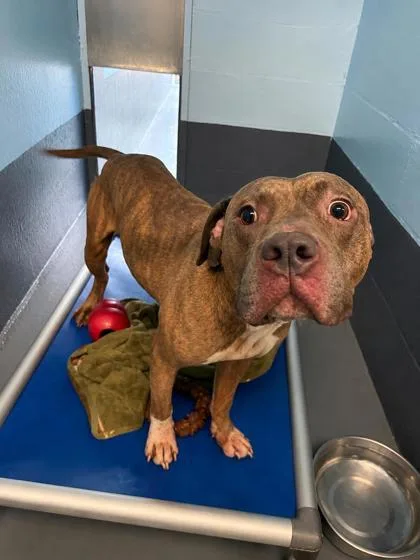
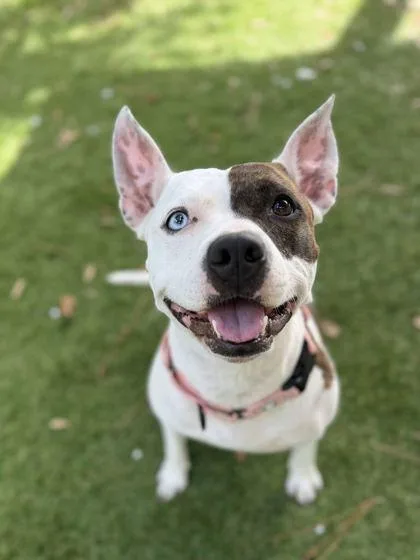
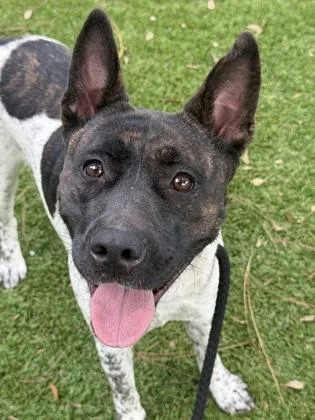
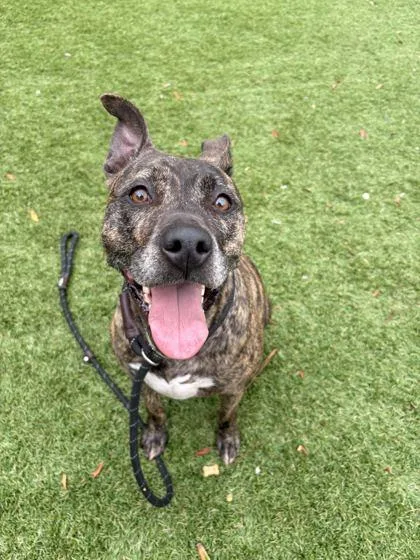
12767 Labrador Retrievers available in Daytona Beach and nationwide

Fall for a Labrador Retriever

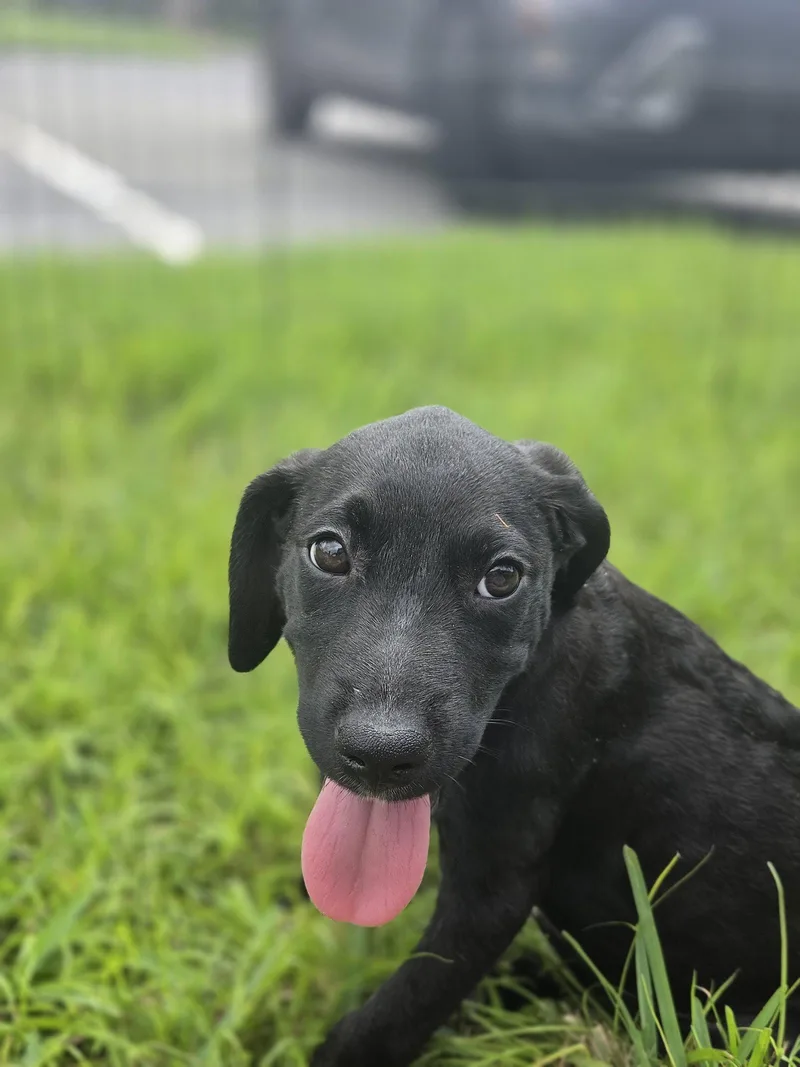
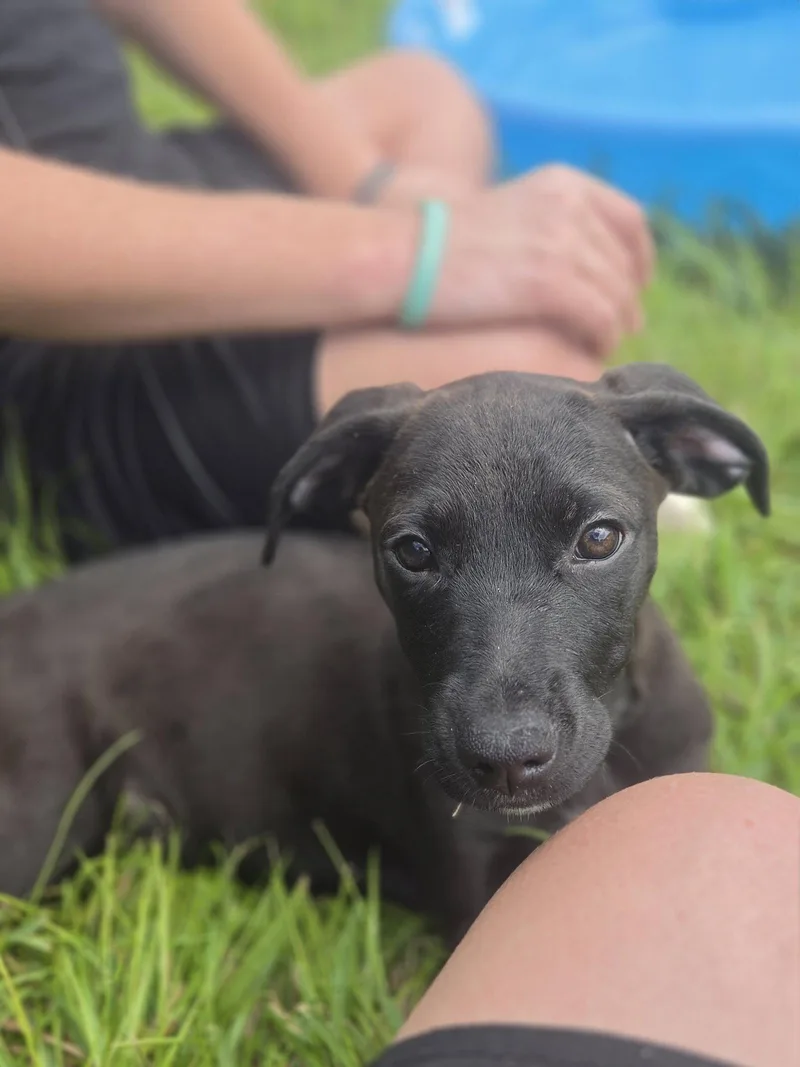
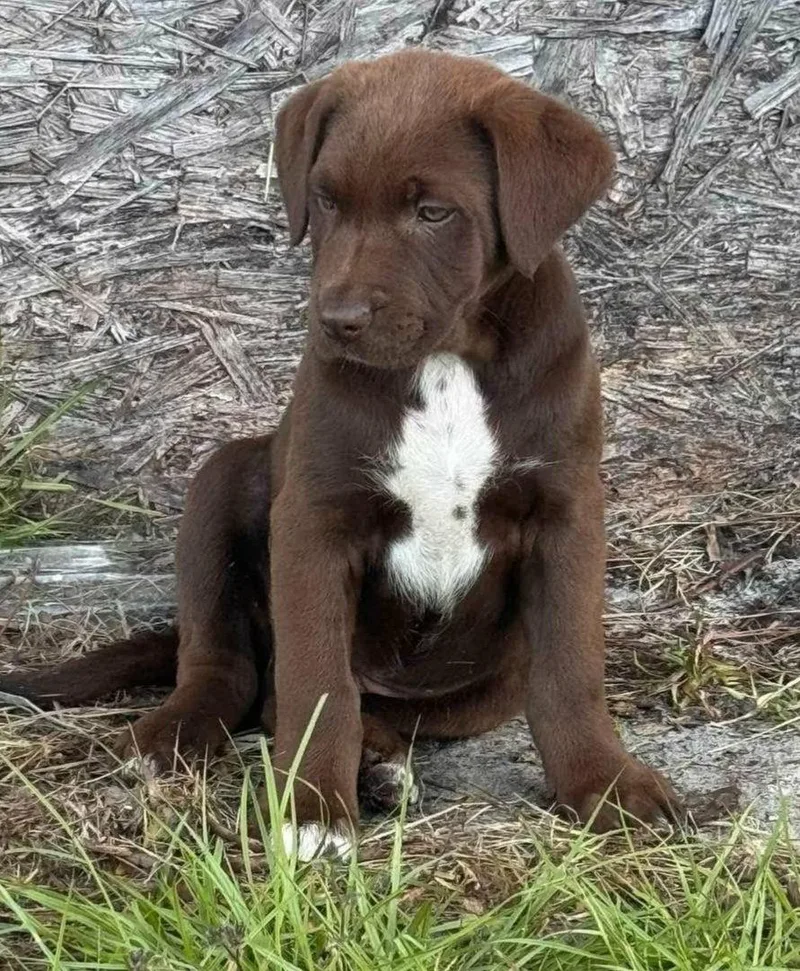
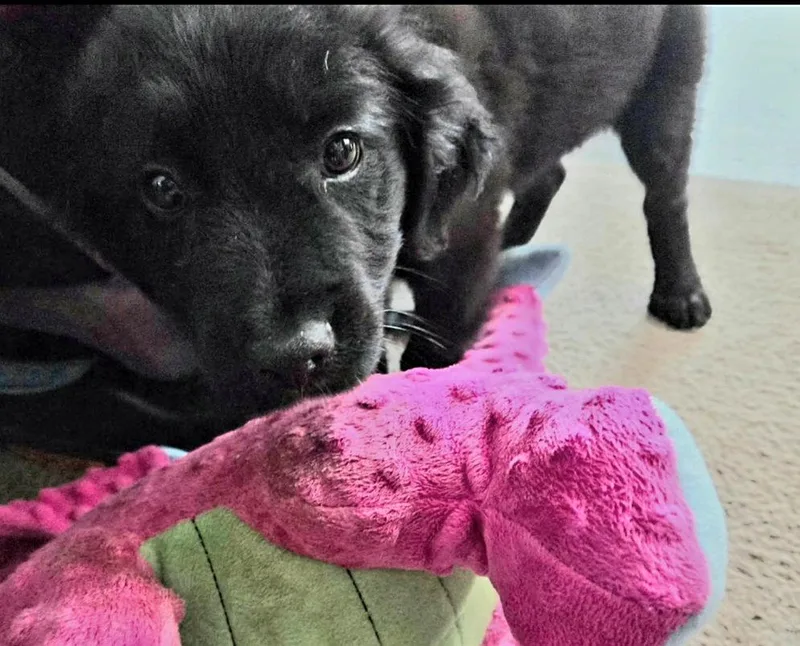
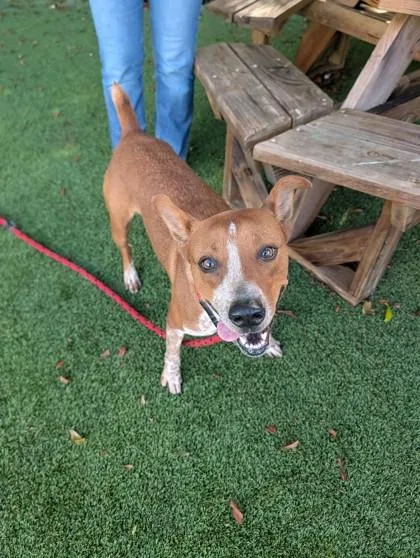
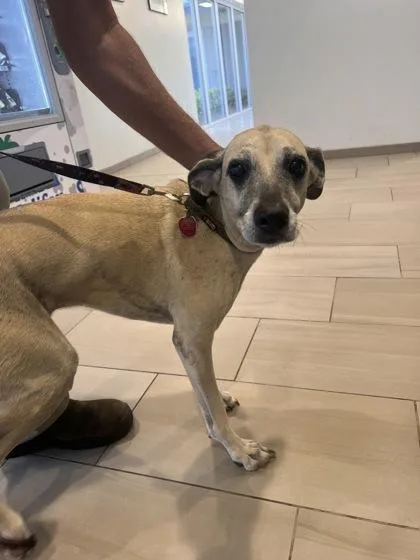
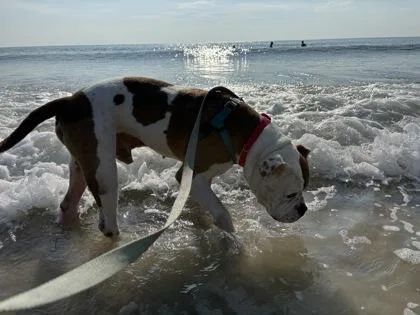
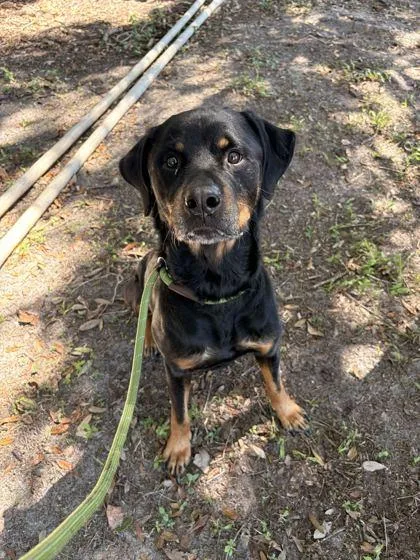
Labrador Retrievers Available for Adoption Near Daytona Beach

About the Labrador Retriever breed

Labrador Retrievers trace back to the St. John's water dogs of Newfoundland, later refined in Britain into gun dogs for retrieving game from land and water. The thick otter tail, dense water-resistant double coat and webbed toes all come from that work. Labs come in black, yellow and chocolate, and field-bred dogs are often leaner and more driven than show-bred ones.

Most Labs are friendly, eager to please and motivated by food, which makes training rewarding but weight management a daily job. Expect moderate to heavy shedding and a bouncy adolescence that can last two or three years. In a coastal city like Daytona Beach, a Lab's love of swimming and fetch can be put to good use, as long as the dog also learns to settle indoors.


Weight
55–80 lbs
Height
21–25 in
Lifespan
10–14 yrs
Temperament
Friendly, Outgoing, Active
Group
Sporting
Shedding
Moderate to High

Owning a Labrador Retriever in Daytona Beach

Having a Labrador Retriever in Daytona Beach

Labs pair a body built for long days of retrieving with an appetite that's hard to satisfy. In Daytona Beach, that means planning for water time, heat management and portion control, and matching the dog's age and energy to your routine.

Temperament

Many Labs are outgoing and happy to meet strangers, which suits busy beachside sidewalks and patios, though eager greeters need to learn not to jump. Young Labs tend to be mouthy chewers. Temperament varies from dog to dog, so judge the dog in front of you rather than the breed's reputation.

Exercise Needs

Most adult Labs do best with a vigorous walk or play session daily, plus fetch, swimming or scent games. In Daytona Beach, save the hardest exercise for early morning or evening, and use the dog-friendly beach stretch or a fenced dog park for off-schedule play. Field-bred dogs often need more.

Health Considerations

Labs can develop hip and elbow dysplasia, cruciate ligament injuries, exercise-induced collapse, eye disease and ear infections, and many gain weight easily. Warm, humid Florida weather can make ear and skin problems more likely after swimming, so dry ears well and keep up regular veterinary checkups and parasite prevention.

Living Space

A Lab can live in a Daytona Beach apartment or a house with a yard if daily exercise is reliable. Space matters less than routine. Expect a strong tail sweeping low tables, plenty of shed hair, and a dog that wants air conditioning and its people nearby.

What it costs to own a Labrador Retriever in Daytona Beach

ExpenseTypical costPer year
Food$55 to $110 per month$660 to $1,320
Pet insurance$65 to $130 per month$780 to $1,560
Routine vet care$250 to $500 per year$250 to $500
Other*$590 to $1,490 per year$590 to $1,490
Estimated yearly total (after year one)$2,280 to $4,870

Other costs are estimates and vary with size, age and health.

* Flea, tick and heartworm prevention, a dental cleaning allowance, the annual city dog license, toys and bedding, and brushing and baths for heavy seasonal shedding.

Adopt a Labrador Retriever in Daytona Beach.

Now that you know more, let’s find you a new best friend. These rescues and shelters below currently have Labrador Retrievers available.

Rescues in Daytona Beach with Labrador Retrievers Available

Daytona Beach's rescues and shelters list their dogs here, so you can see who's waiting right now. Here are the rescues & shelters in the Daytona Beach area where you can find Labrador Retrievers and other dogs available for adoption.

Frequently Asked Questions

For a Lab, the standout is the county dog-friendly beach between Seabreeze Boulevard and Williams Avenue, open in daylight with leashes of 6 feet or less. Manatee Island Dog Park on the Halifax River and the Halifax Humane Society dog park on LPGA Boulevard offer off-leash play. During turtle season, May through October, keep your Lab leashed and out of wildlife areas.

Yes, with planning. Daytona Beach sees about 65 days a year at 90°F or higher, and humid nights stay in the 70s, so Labs need early or late walks, shade, fresh water and indoor air conditioning. Check pavement with the back of your hand, and never leave a dog in a parked car, even for a quick errand.

Yes. Daytona Beach has no breed-specific rules, and Florida law bars local breed-based regulation. You'll need an annual city license, rabies vaccination, and spaying or neutering after six months unless you hold a permit. Use a leash of 8 feet or less off your property, and note that tethering is tightly restricted.

Yes, if the Lab gets reliable daily exercise. About half of Daytona Beach households rent, so many Lab owners live in apartments. Read the lease for weight limits, pet fees and pet rent, since Florida doesn't cap deposits. Plan for early and evening walks in summer and a cool, quiet spot indoors.

A Lab's short double coat needs weekly brushing, and daily brushing during heavy seasonal sheds. Baths every month or two are usually enough. Daytona Beach's humidity and swimming habit make ear care important, so dry ears after water time. Professional baths and grooming fall within the roughly $590–$1,490 yearly Other costs.

Only on outdoor patios, and only at restaurants that hold a city Dog Dining Permit. Pet dogs aren't allowed inside. Because patio access depends on each restaurant, look for dog-friendly signs. Keep your Lab leashed and settled beside your table, and practice greeting manners first, since Labs love meeting everyone.

Daytona Beach has no subway or rail, only Votran buses, where pets must ride in suitable containers. Service animals ride without one. A full-grown Lab is too large for most carriers, so plan on walking or driving. Keep your dog cool in the car with air conditioning and never leave it parked.

Most Labrador Retrievers live about 10 to 14 years. A large UK veterinary study found a median lifespan of 12 years, with chocolate Labs living about a year and a half less on average than black or yellow ones. Healthy weight, regular veterinary care and good dental and joint care all help, but no lifespan is guaranteed.

We have 1 rescue with Labrador Retrievers available: Halifax Humane Society Inc. You can see every rescue with Labrador Retrievers available in the list above these questions, or scroll to the top to see the Labrador Retrievers near Daytona Beach.

A Lab in Daytona Beach typically costs $55–$110 a month for food and $65–$130 a month for pet insurance. Routine vet care runs about $250–$500 a year. Other yearly costs, including parasite prevention, dental care, the city license, supplies and grooming for heavy shedding, add roughly $590–$1,490.