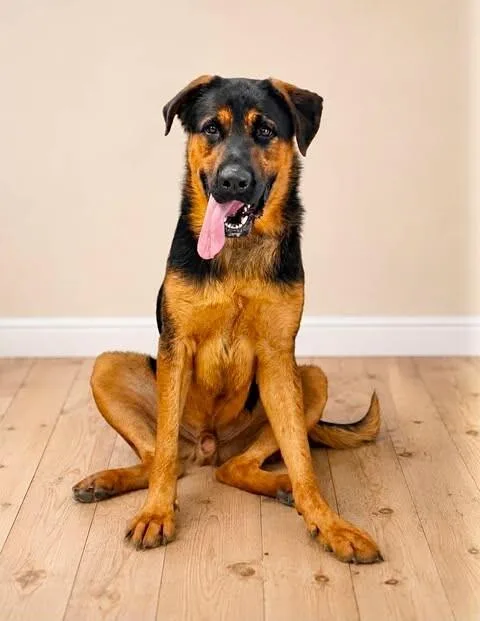
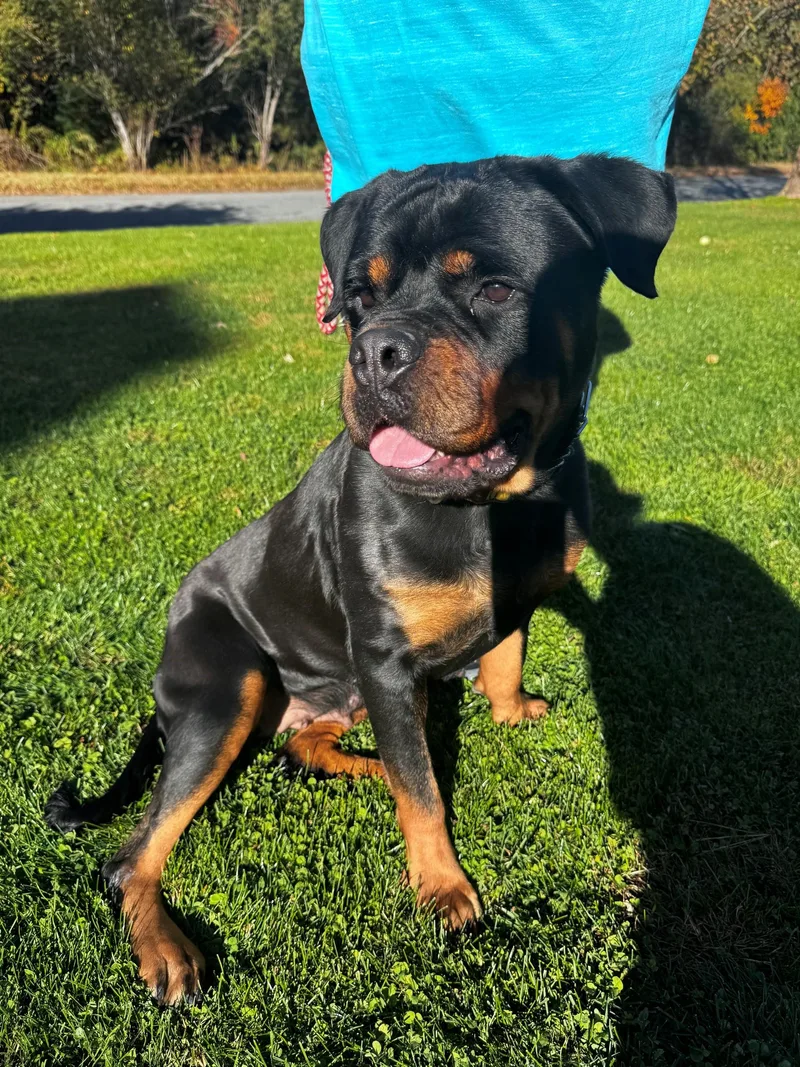
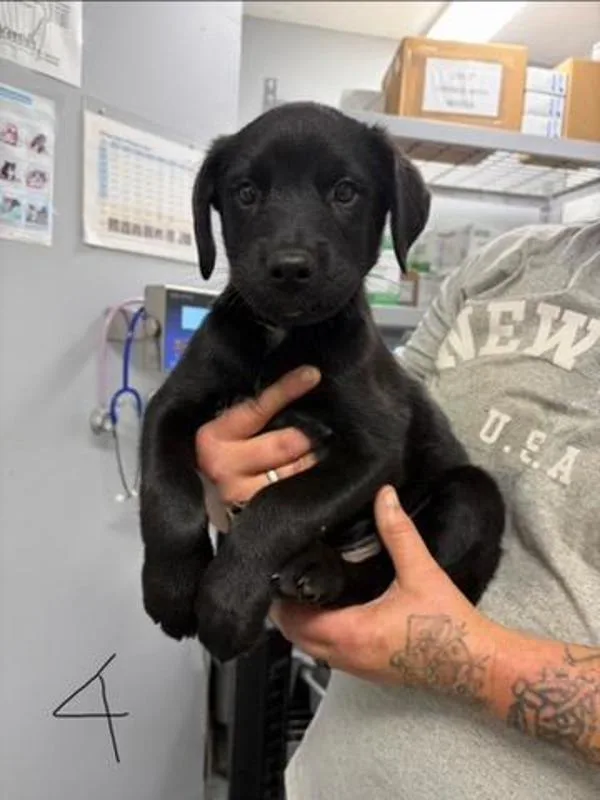
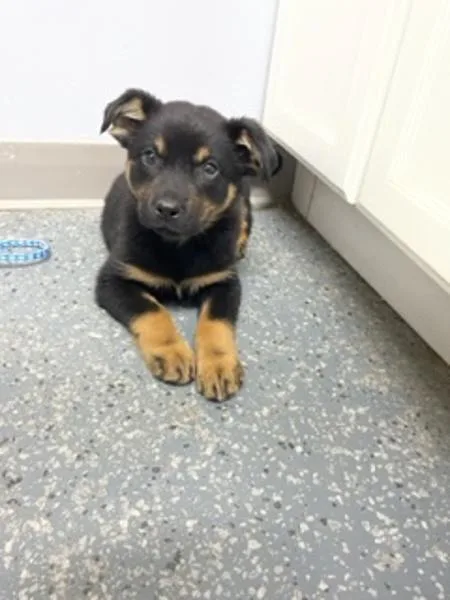
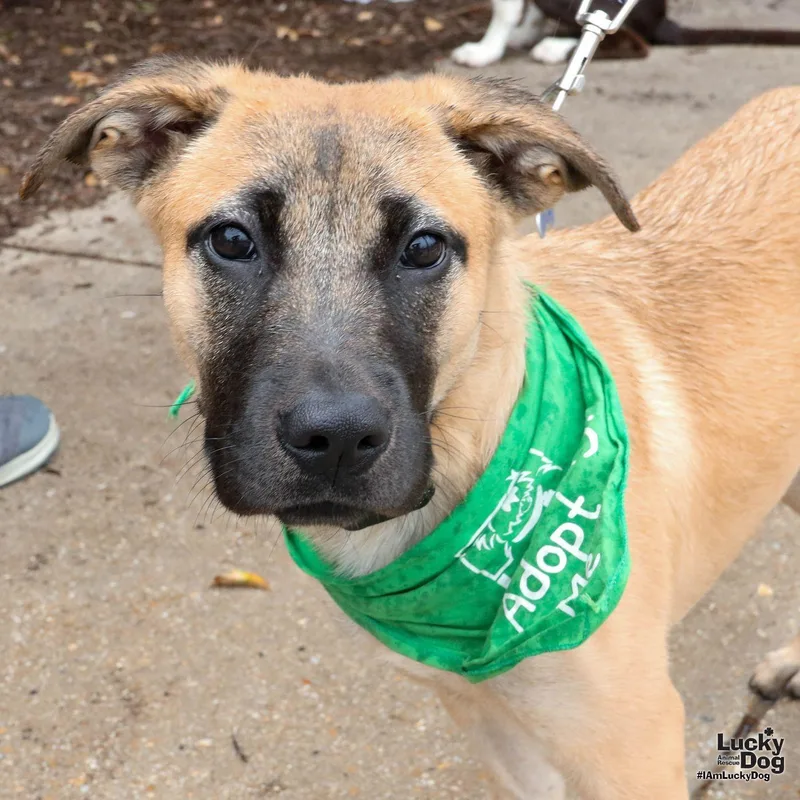
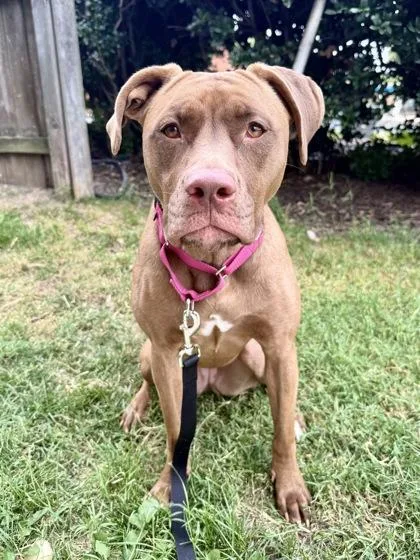
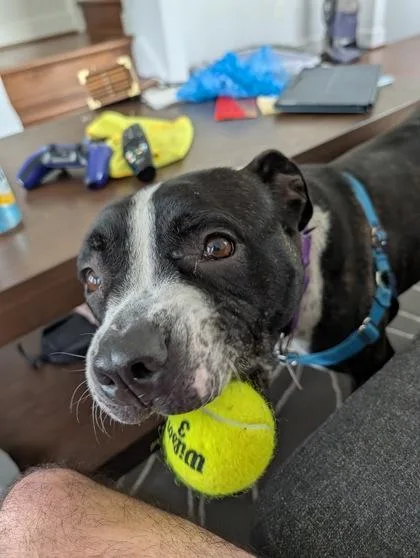
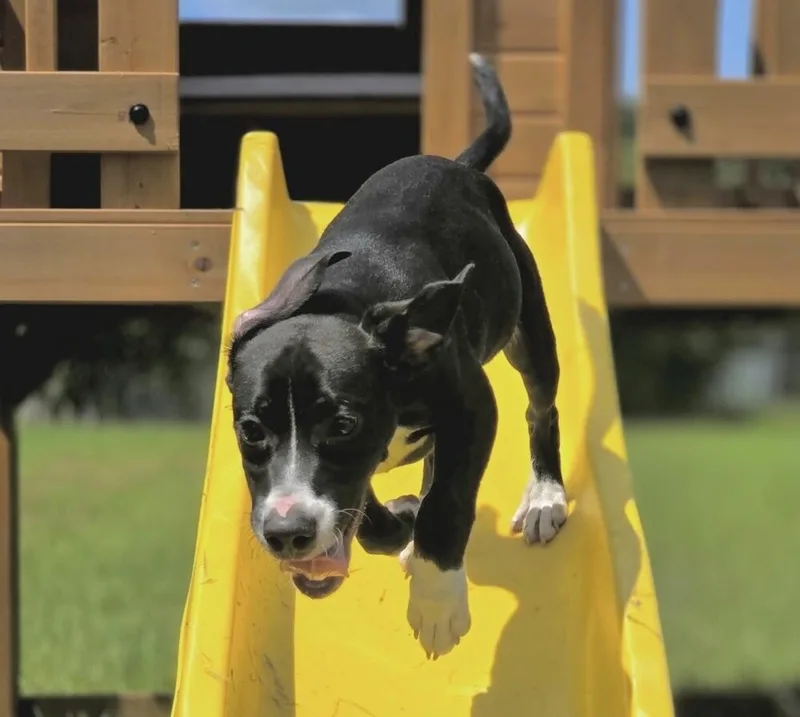
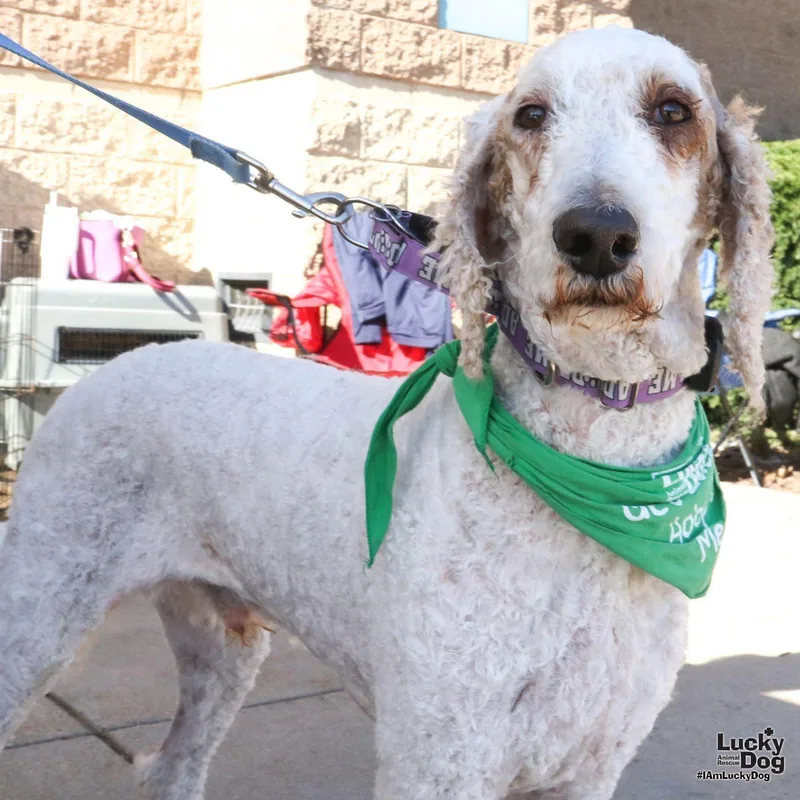
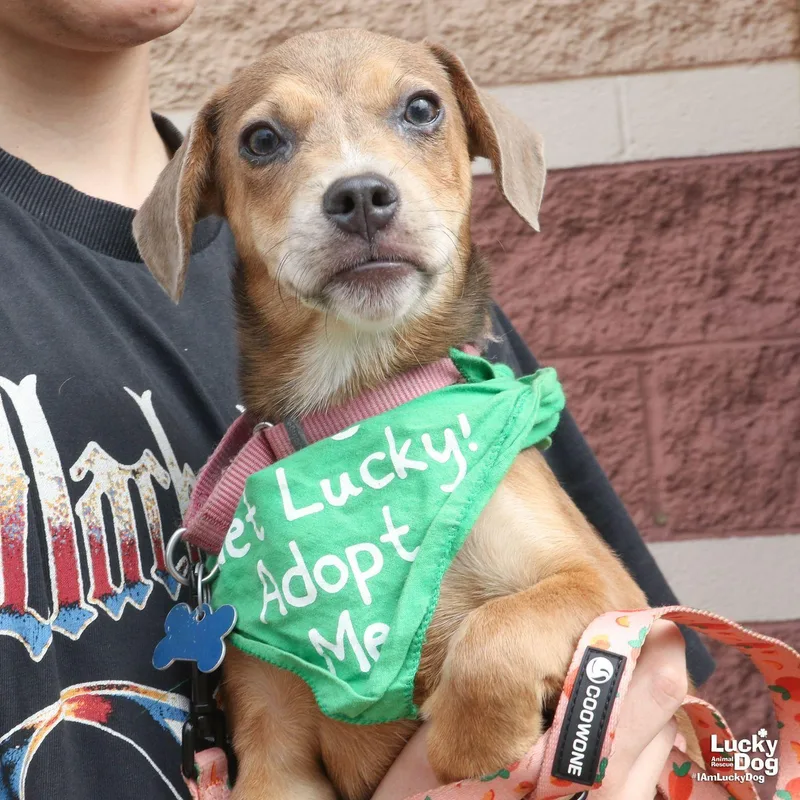
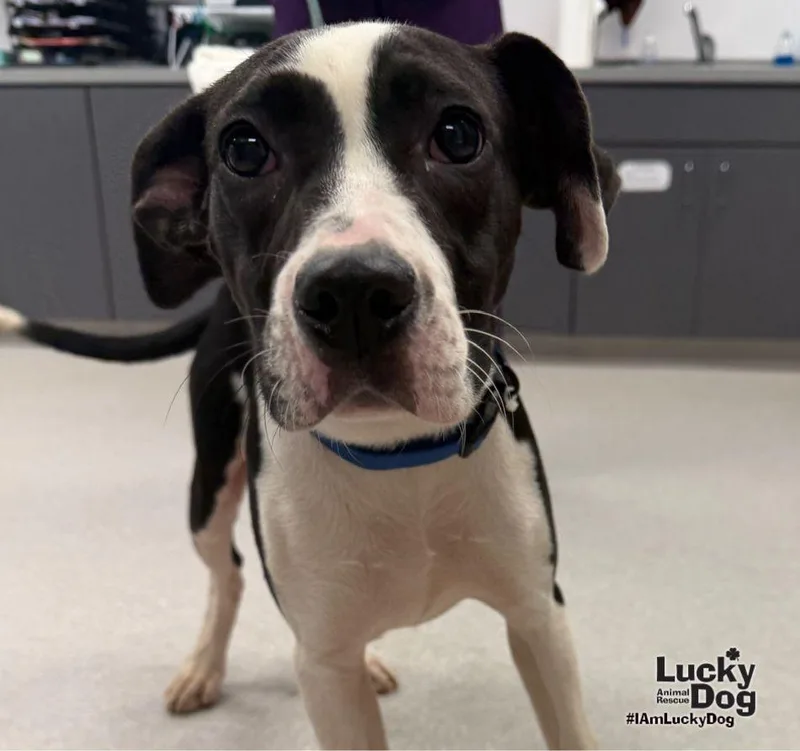
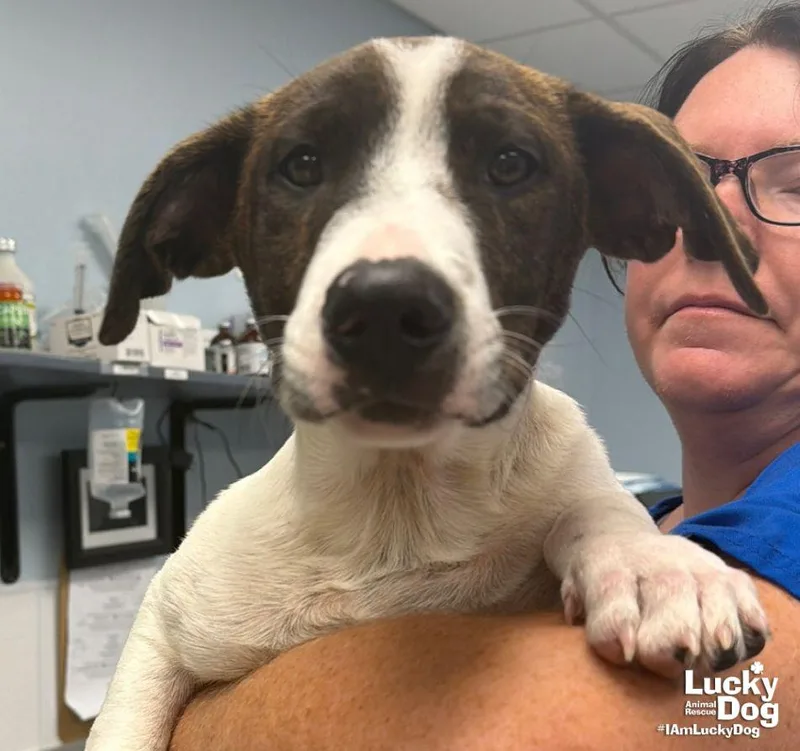
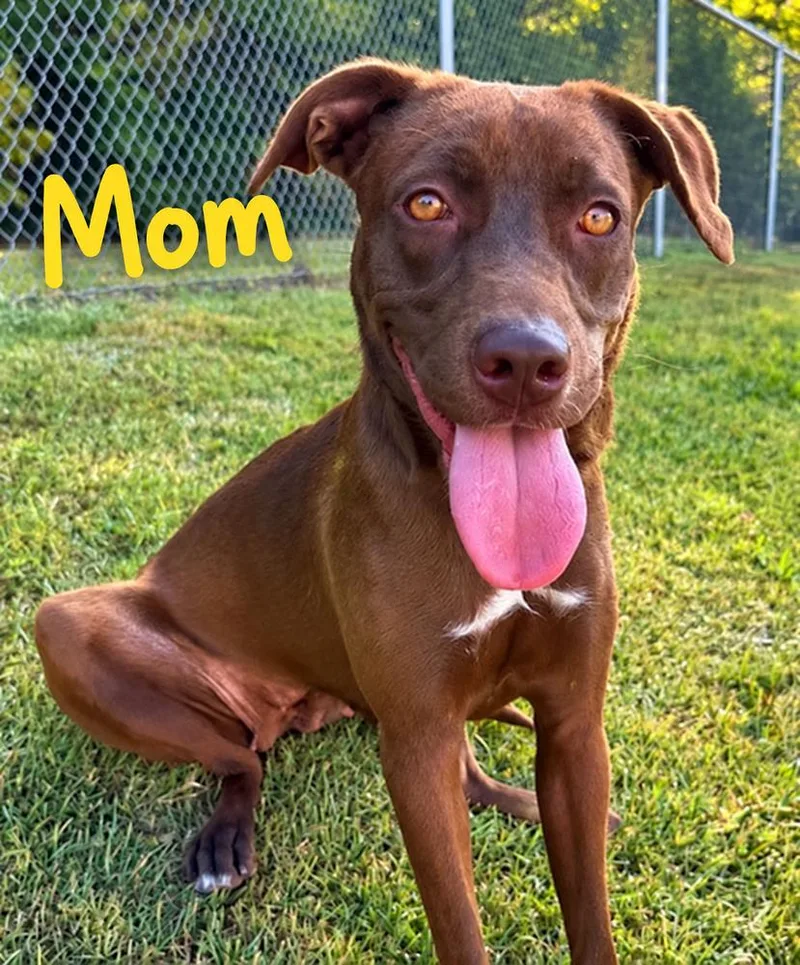
Rottweiler dog

Rottweiler Dogs for Adoption in Washington, DC

Your guide to finding and caring for a Rottweiler in DC

Rottweilers fit best in the parts of DC with a little room, like Brookland's single-family blocks or Shepherd Park near Rock Creek Park. A Rottie wants a long daily walk and a job to do, then it's happy to shadow you around the house. Rowhouse life works too, as long as the stairs and doorways suit a dog of 75 to 135 pounds. In July, plan walks for early morning, because humid 90-degree days are hard on a black coat.

1604 Rottweilers available in Washington and nationwide

Give a Rottweiler a home

Rottweilers Available for Adoption Near Washington

About the Rottweiler breed

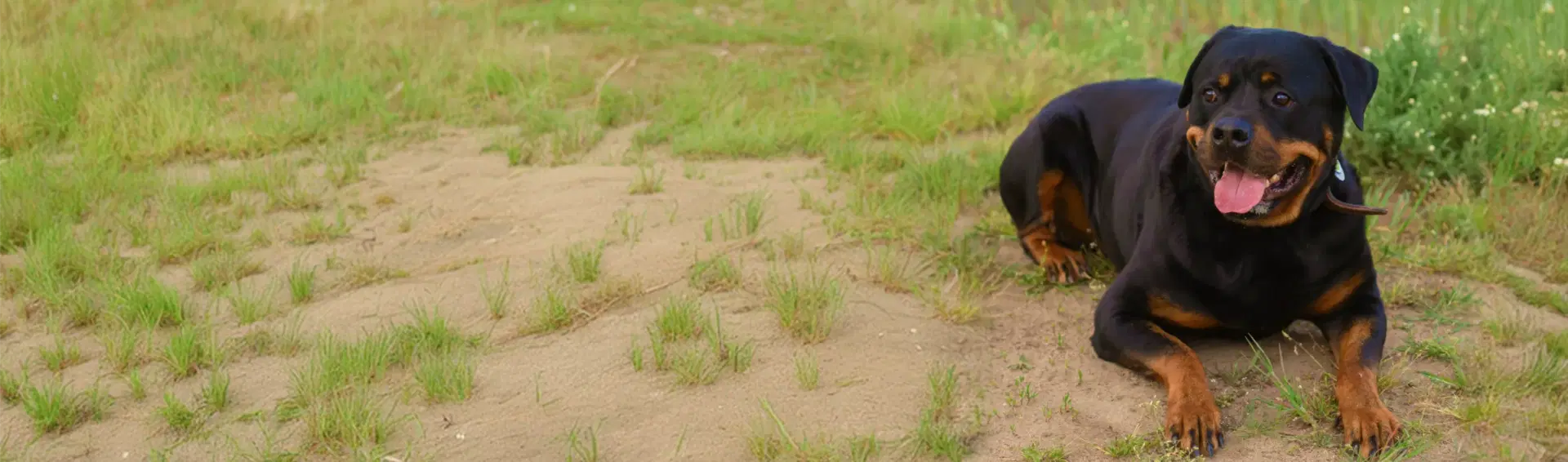
Rottweilers trace back to the German market town of Rottweil, where drover dogs moved cattle to market and pulled butchers' carts before police and search work took over. The modern Rottie is a powerful, compact dog with a short black coat and rust markings. It sheds moderately, so a weekly brush keeps the fur under control at home.

At home, many are affectionate, playful and fond of leaning on their people, though they stay reserved with strangers. In a busy city like DC, where sidewalks, Metro entrances and dog parks bring constant new faces, early socialization and steady reward-based training matter. Dogs vary, and adult dogs often show their temperaments clearly, which makes matching easier.


Weight
75–135 lbs
Height
22–27 in
Lifespan
8–11 yrs
Temperament
Confident, Loyal, Protective, Calm
Group
Working
Shedding
Moderate

Owning a Rottweiler in Washington

Having a Rottweiler in DC

A Rottweiler brings steady confidence and a strong bond with family, along with real size and strength. In DC, leash manners, joint health, summer heat and the width of your doorways and stairwells will shape daily life more than looks alone.

Temperament

Rottweilers tend to be calm and self-assured, with a wait-and-see attitude toward new people. Many are affectionate clowns at home. Crowded DC sidewalks and busy corners reward early socialization and consistent training, and each dog's history and personality matter more than breed reputation.

Exercise Needs

Plan on daily walks plus training or play. Rock Creek Park and Anacostia Park suit leashed outings, with a 6-foot leash maximum on national parkland. DPR's fenced dog parks work for Rotties that enjoy other dogs, though not all do. Obedience practice and scent games add mental exercise.

Health Considerations

Rottweilers are prone to hip and elbow dysplasia, cruciate ligament injuries and several cancers, and some have heart conditions. A veterinarian can check the hips, elbows and heart. Keep your Rottie lean to protect its joints and schedule regular checkups. DC requires rabies vaccination after four months of age.

Living Space

A Rottweiler can live in a roomy apartment or rowhouse when it gets daily exercise and training. In DC, think about stairs, elevator size and the walk to the nearest grass. A fenced yard helps in neighborhoods like Hillcrest, but a Rottie should live indoors with the family.

What it costs to own a Rottweiler in Washington

ExpenseTypical costPer year
Food$55 to $110 per month$660 to $1,320
Pet insurance$65 to $130 per month$780 to $1,560
Routine vet care$250 to $500 per year$250 to $500
Other*$490 to $1,300 per year$490 to $1,300
Estimated yearly total (after year one)$2,180 to $4,680

Other costs are estimates and vary with size, age and health.

* The DC dog license ($15 if spayed or neutered, $50 if not), flea, tick and heartworm prevention, dental cleanings, toys and bedding, and basic brushing for a short coat.

Rottweiler dog

Adopt a Rottweiler in Washington.

Now that you know more, let’s find you a new best friend. These rescues and shelters below currently have Rottweilers available.

Rescues in Washington with Rottweilers Available

DC's rescue community includes a city shelter, a private shelter and foster-based rescues placing dogs of every size. Here are the rescues & shelters in the DC area where you can find Rottweilers and other dogs available for adoption.

Frequently Asked Questions

Yes, you can own a Rottweiler in DC. The city has no breed ban, and its dangerous-dog rules look at a dog's behavior, not its breed. You'll need rabies and distemper vaccines after four months, an annual license, and a leash outside official dog parks. Nearby Maryland and Virginia jurisdictions set their own rules, so review them before moving across the line.

Yes, if the building accepts a dog this size and you can meet a Rottweiler's daily exercise needs. DC passed a law against breed, size and weight restrictions on leases starting after October 1, 2026, but its full effect is pending, so get approval in writing. Consider elevators, stairs and the distance to the nearest grass before signing.

They can, with care. Washington summers bring highs near 88°F, heavy humidity and about 40 days a year at 90°F or more, which is tough on a black coat. Walk at dawn or late evening, carry water, and stay in air conditioning on 95°F heat-emergency days. DC law bars leaving a dog outside unattended for more than 15 minutes above 90°F.

Rock Creek Park, Fort Dupont Park and Kingman Island all allow leashed dogs, with waste pickup required. National parkland limits leashes to 6 feet, and Fort Dupont asks dogs to stay on designated trails. For off-leash play, DPR's free dog parks require a license, vaccinations and a tag, and a Rottweiler that's selective about other dogs may prefer leashed trails.

No, not unless your Rottweiler is a service animal. Metro trains and buses allow pets only in a securely closed carrier small enough to carry, and carriers can't occupy a seat, so a dog of 75 pounds or more won't qualify. The DC Streetcar also requires a crate. Plan on walking or driving instead.

Sometimes, and only outdoors. DC law lets restaurants and bars choose to allow dogs on patios and sidewalk cafés, and they must post a sign outside. Your Rottweiler must stay leashed and never be left alone, and indoor dining rooms are off limits. Some patios limit dogs by size, so look for the posted sign.

Very little. A Rottweiler's short, dense coat needs a weekly brush at home, a bit more during spring and fall shedding. Wipe paws after salted winter walks and rinse off mud in spring. Baths every couple of months are plenty. Most owners spend $0 to $100 a year on grooming, which falls under the Other costs on this page.

Rottweilers typically live about 8 to 11 years, which is shorter than average for dogs. Recent UK veterinary studies put the breed's typical life expectancy between roughly 8 and 10.6 years, and cancer is the leading cause of death reported by breed clubs. Keeping a Rottie lean, active and up to date on veterinary checkups gives it the best chance at a full life.

We have 2 rescues with Rottweilers available: Lucky Dog Animal Rescue and K-9 Lifesavers. You can see every rescue with Rottweilers available in the list above these questions, or scroll to the top to see the Rottweilers near Washington.

Expect roughly $55 to $110 a month for food, $65 to $130 a month for insurance, $250 to $500 a year for routine vet care, and $490 to $1,300 a year for other costs. That's roughly $2,180 to $4,680 a year, before emergencies or illness, which a large breed's joint and cancer risks can make costly.