Rhodesian Ridgeback Dogs for Adoption in Washington, DC

Your guide to finding and caring for a Rhodesian Ridgeback in DC

Rhodesian Ridgebacks do well in Washington when someone can give them a real run every day. They're calm indoors and reserved with strangers, which suits a quiet block in Brookland, where single-family homes sit on spacious lots. For exercise, the wooded trails of Fort Dupont Park, 376 acres east of the river, give a Ridgeback room to stretch on a leash. Summer is the catch: humid July afternoons mean walking at dawn. The rest of the day, most Ridgebacks want to be inside with their people.

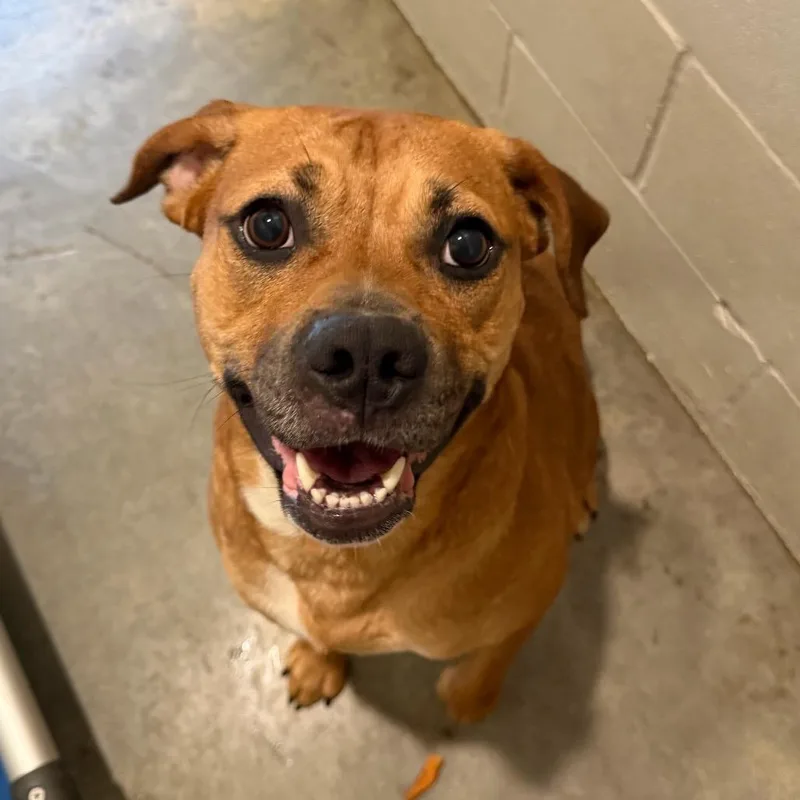
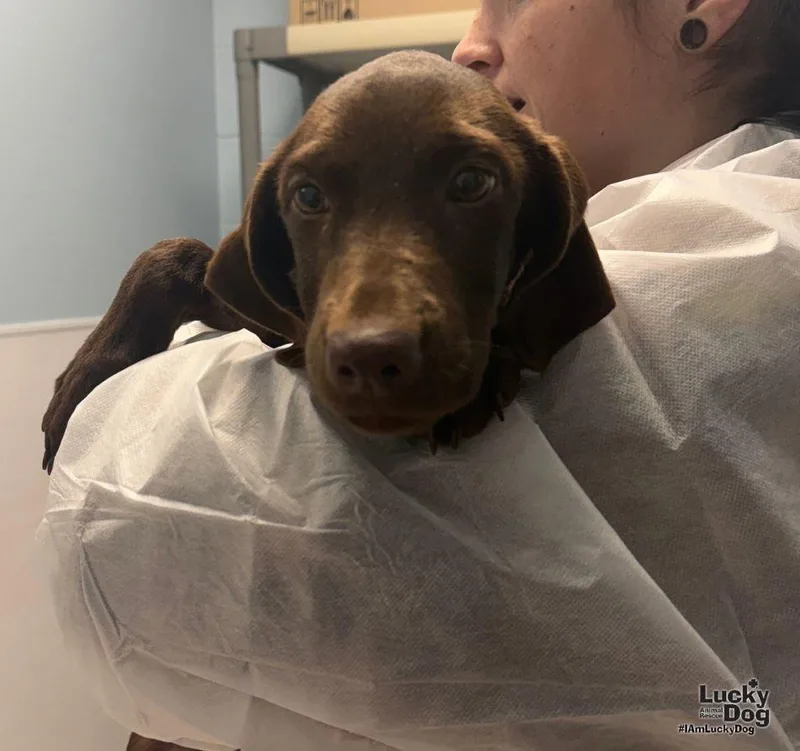
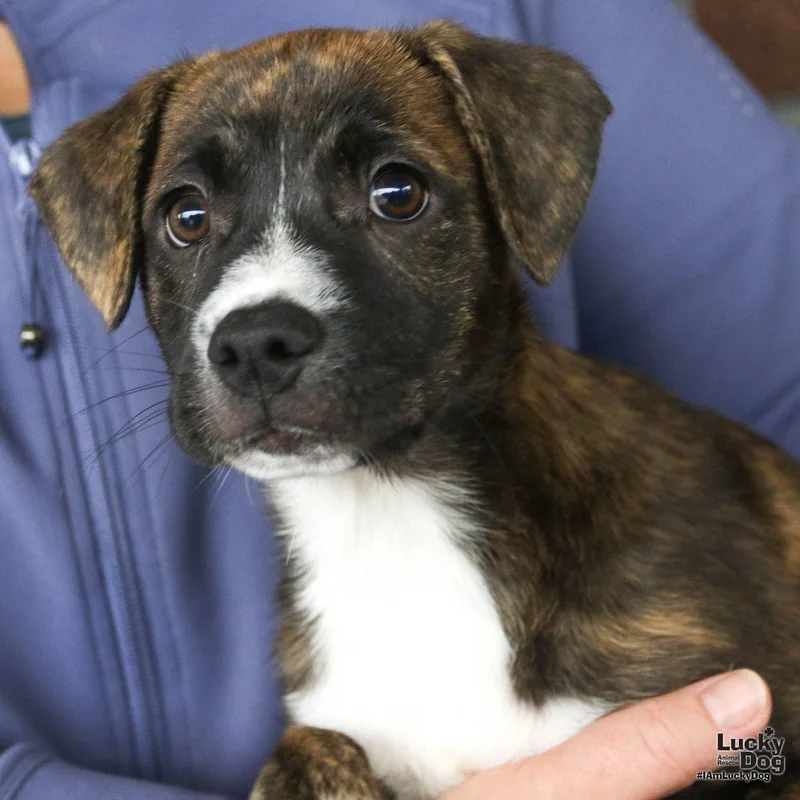
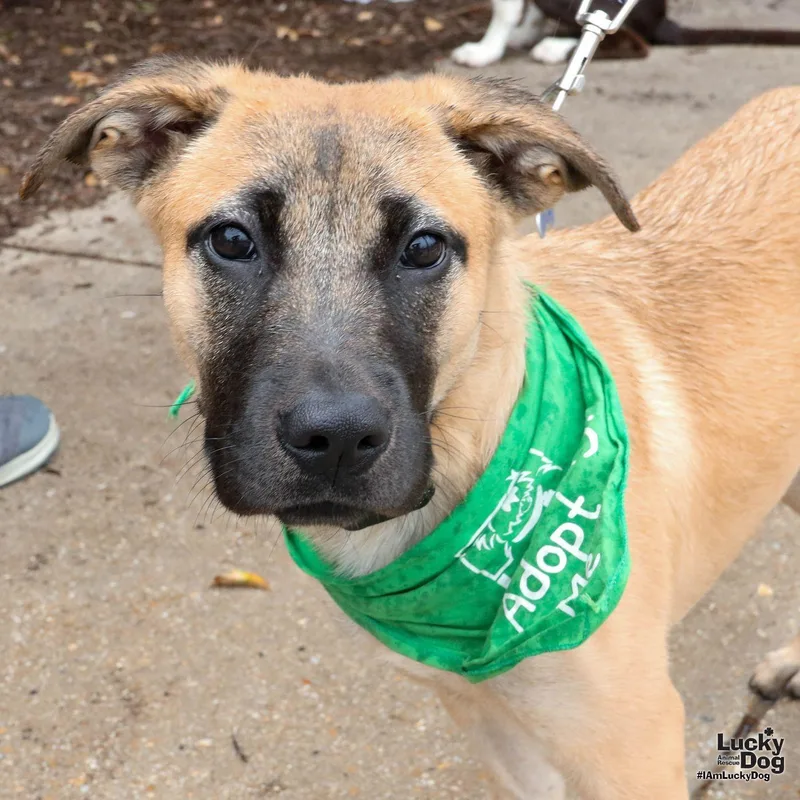
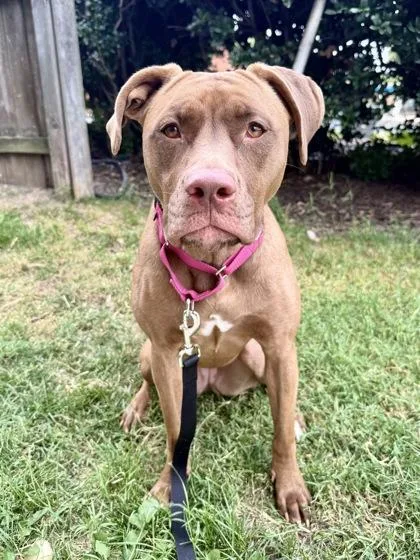
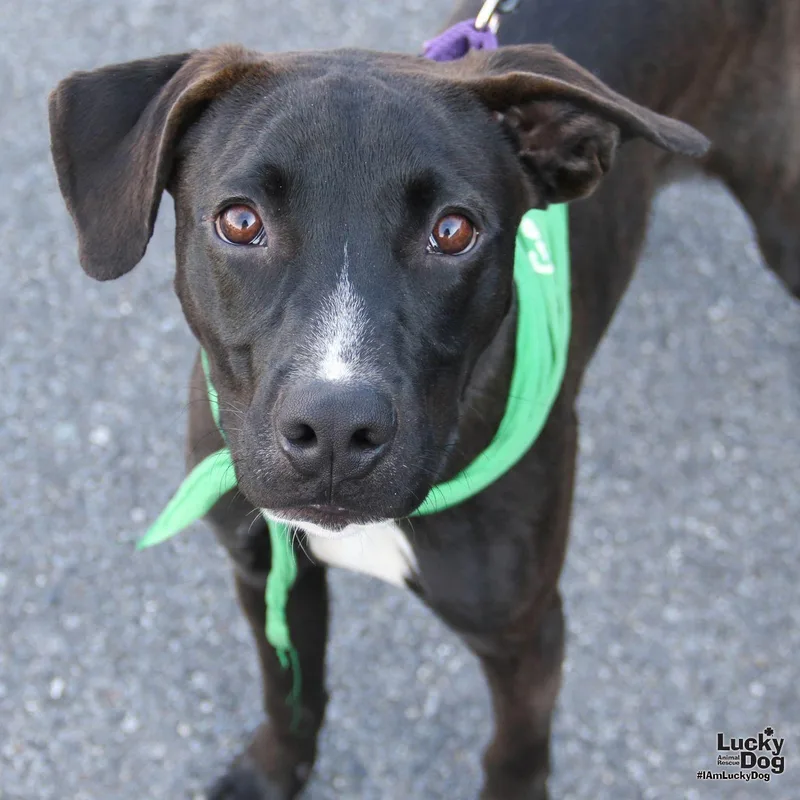
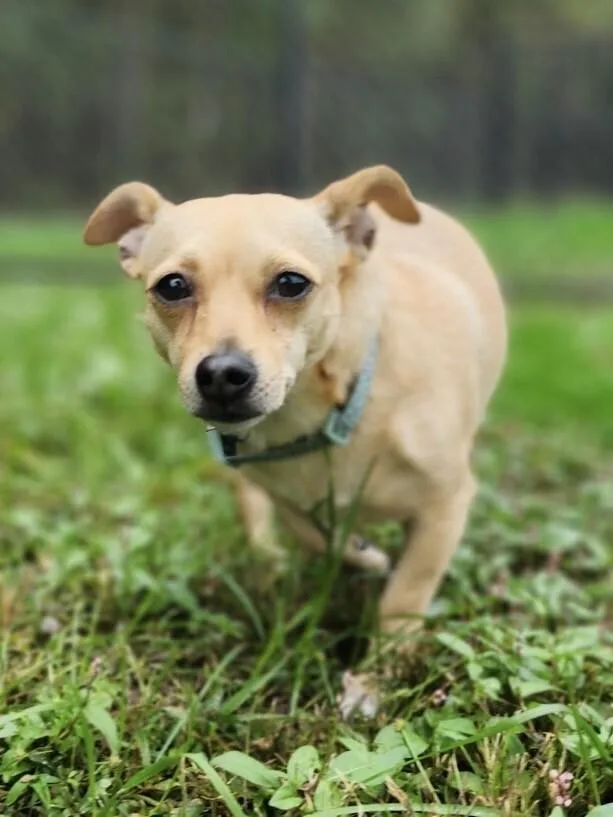
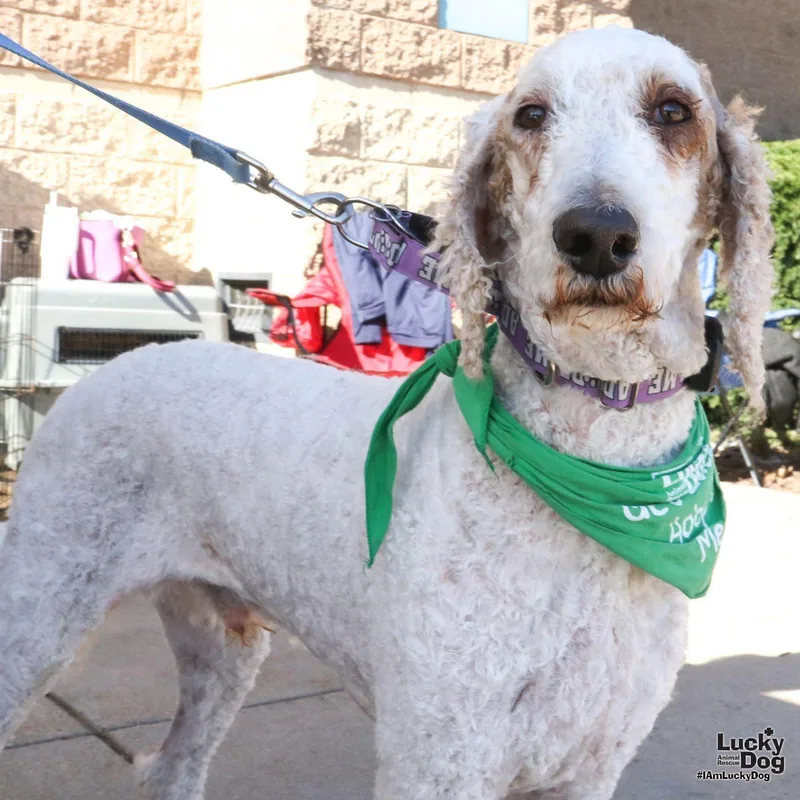
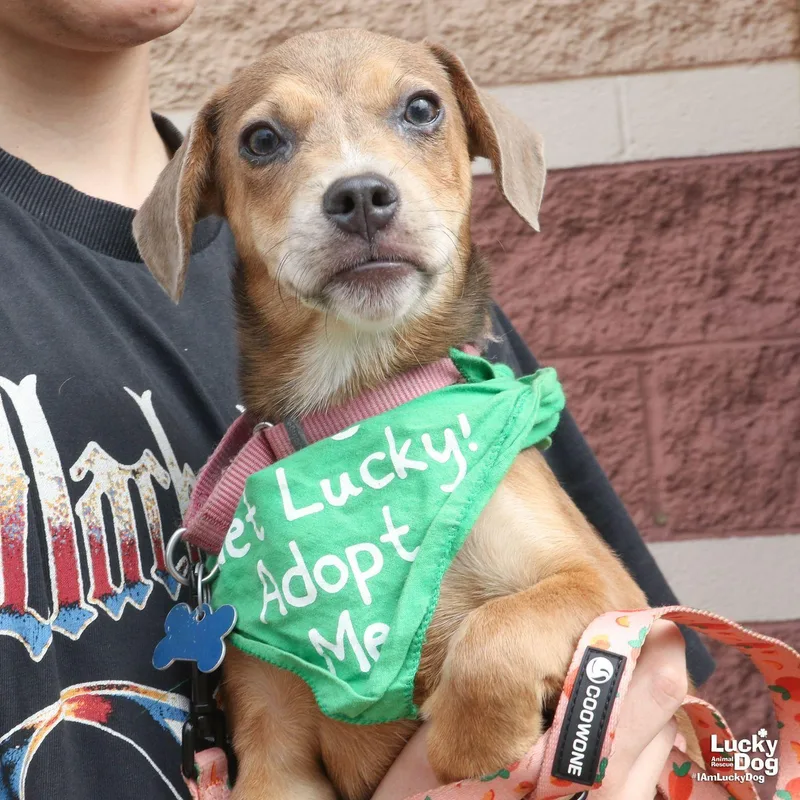
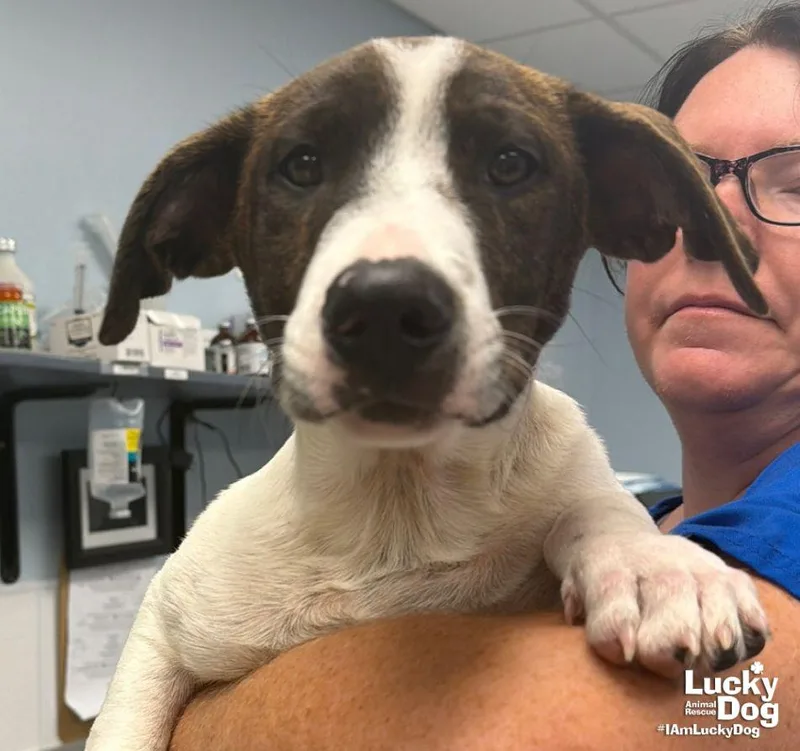
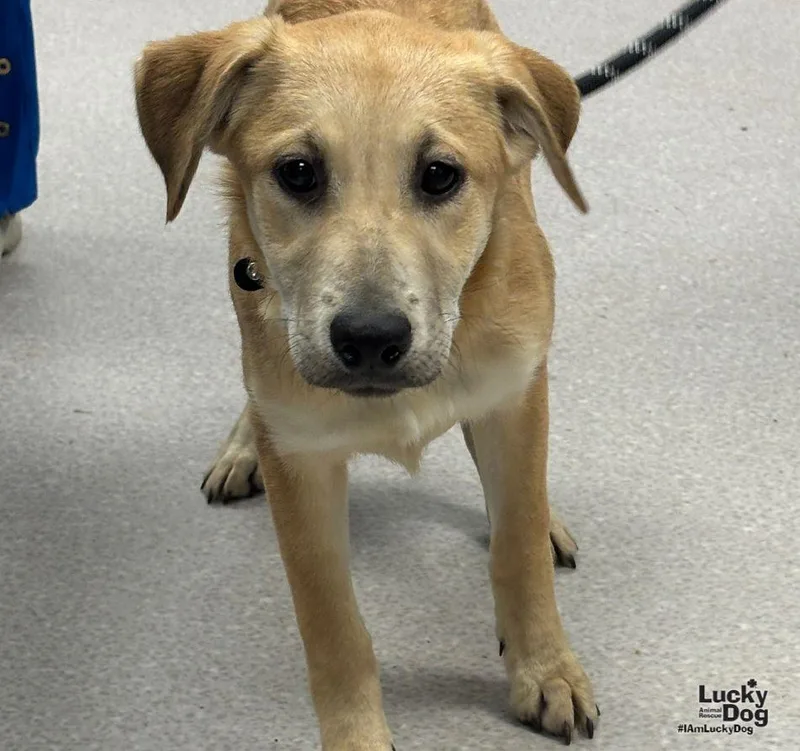
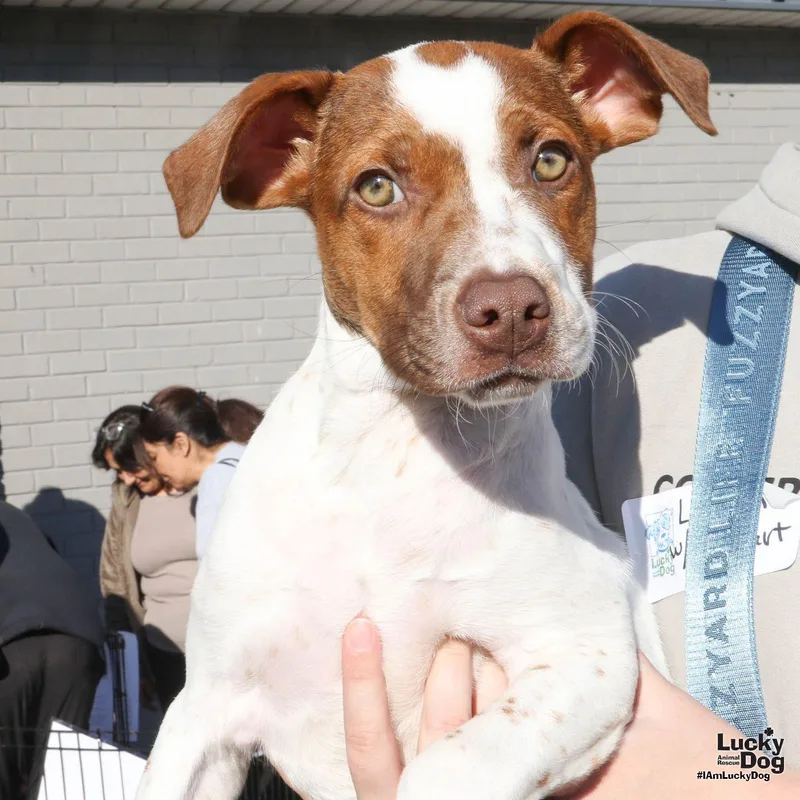
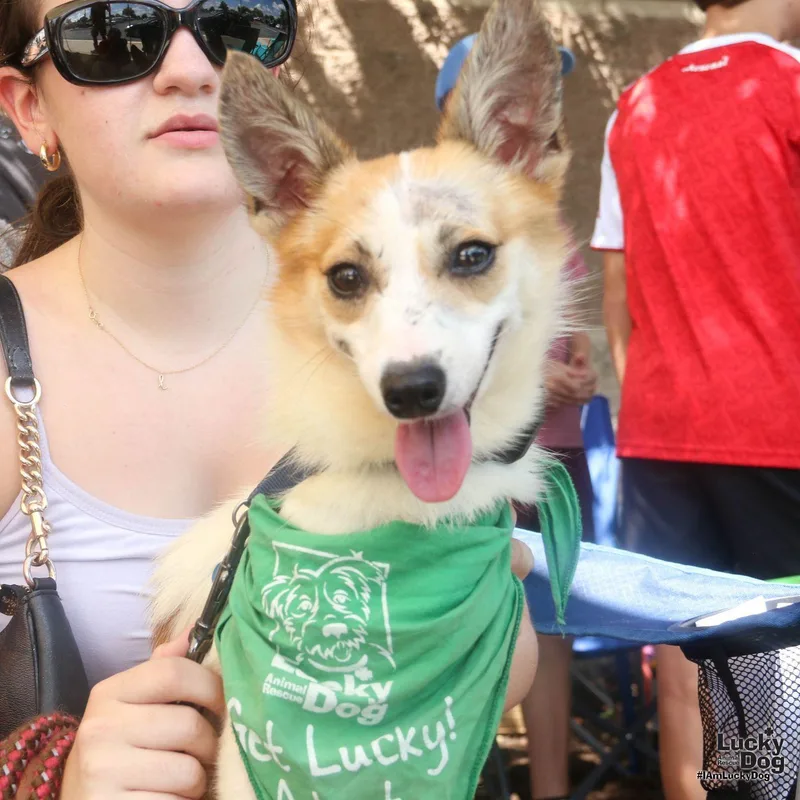
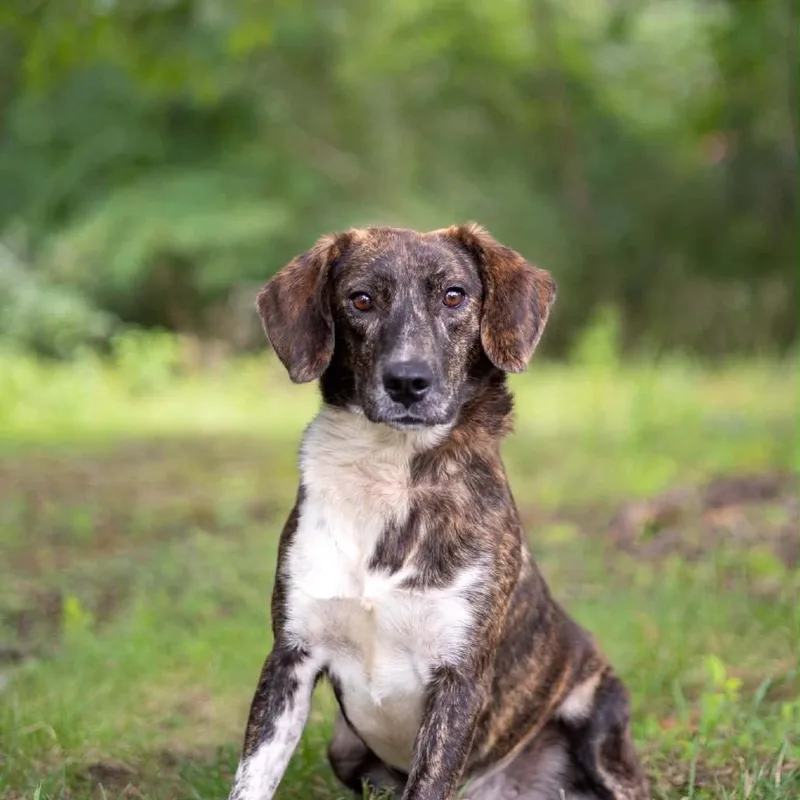
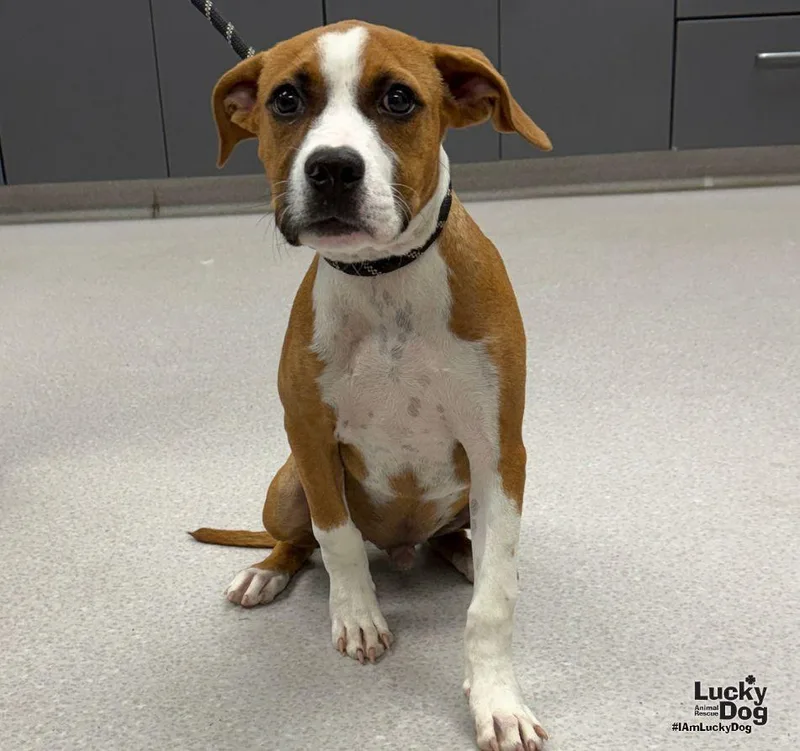
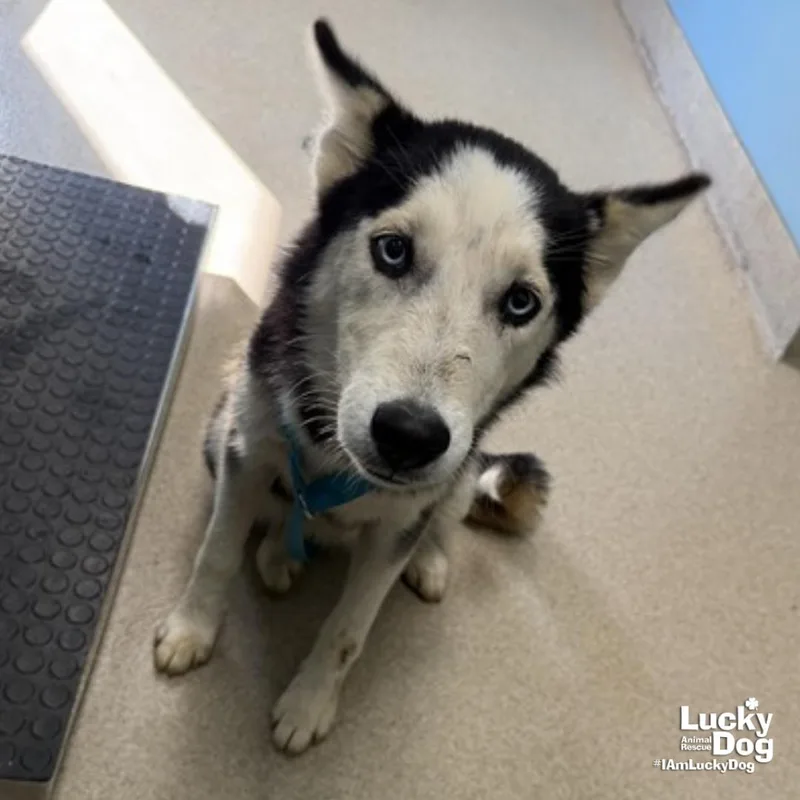
376 Rhodesian Ridgebacks available in Washington and nationwide

Say hello to your Rhodesian Ridgeback

While we don't have enough dogs near Washington, keep in mind that many rescues may offer transport.

Rhodesian Ridgebacks Available for Adoption Near Washington

About the Rhodesian Ridgeback breed

Rhodesian Ridgebacks come from southern Africa, where they tracked and held lions at bay, and the ridge of backward-growing hair along the spine is their signature. They're large, muscular dogs, usually 65 to 90 pounds, with a short wheaten coat that sheds low to moderately and needs only a weekly brushing.

Many Ridgebacks are devoted at home and reserved with strangers, and they can be sensitive, so patient, gentle training works best. Endurance and prey drive are the main things to plan for in Washington. Rock Creek Park's trails and the Anacostia Riverwalk make good leashed outings, but every Ridgeback is different, so spend time with the dog before deciding.

Weight
65–90 lbs
Height
24–27 in
Lifespan
10–12 yrs
Temperament
Loyal, Dignified, Independent
Group
Hound
Shedding
Low to Moderate

Owning a Rhodesian Ridgeback in Washington

Having a Rhodesian Ridgeback in DC

Ridgebacks pair stamina with a strong prey drive and a self-assured, reserved nature. In Washington, that means leashed daily exercise, secure outdoor space, and a household that offers steady company and consistent, gentle training. Needs vary from dog to dog.

Temperament

Many Ridgebacks are calm, dignified and devoted to their people, but aloof with visitors. That reserve can suit a quiet rowhouse block, though early, positive socialization helps on busy DC sidewalks. They're sensitive to harsh handling, may chase small animals, and some are choosy about other dogs.

Exercise Needs

Plan on an hour or more of vigorous activity daily: brisk walks, jogging or runs. DC's fenced dog parks allow off-leash play, but they require a license, vaccination and a dog-park tag. Everywhere else in the city, keep the dog leashed, since a squirrel or other wildlife can trigger a sudden chase.

Health Considerations

Ridgebacks can face dermoid sinus, hip and elbow dysplasia, hypothyroidism, degenerative myelopathy and bloat. A veterinarian can check for these and explain bloat warning signs, such as a swollen belly and unproductive retching. Smaller meals, no hard exercise around mealtimes and a lean weight are common precautions that also protect the joints.

Living Space

A Ridgeback is happiest in a house with a tall, secure fence, like those in Shepherd Park or Hillcrest, but apartments can work with committed daily exercise. Plan for a dog that wants to live indoors beside people, and keep food off counters, since many Ridgebacks surf for snacks.

What it costs to own a Rhodesian Ridgeback in Washington

ExpenseTypical costPer year
Food$55 to $110 per month$660 to $1,320
Pet insurance$65 to $130 per month$780 to $1,560
Routine vet care$250 to $500 per year$250 to $500
Other*$490 to $1,290 per year$490 to $1,290
Estimated yearly total (after year one)$2,180 to $4,670

Other costs are estimates and vary with size, age and health.

* The $15 DC dog license for a spayed or neutered dog, flea, tick and heartworm prevention, a dental cleaning allowance, durable toys and bedding, and simple home grooming for the short coat.

Adopt a Rhodesian Ridgeback in Washington.

Now that you know more, let’s find you a new best friend. These rescues and shelters below currently have Rhodesian Ridgebacks available.

Rescues in Washington with Rhodesian Ridgebacks Available

Washington's animal community includes a city shelter, a large private shelter and foster-based rescues, all listed below. Here are the rescues & shelters in the DC area where you can find Rhodesian Ridgebacks and other dogs available for adoption.

Frequently Asked Questions

Yes, you can own a Rhodesian Ridgeback in DC. The District has no breed-specific restrictions, and its dangerous-dog rules look at a dog's behavior rather than its breed. You'll need rabies and distemper vaccinations and a DC license, and your dog must stay leashed outside official dog parks. Rental buildings and condo associations may still set their own pet rules.

A Rhodesian Ridgeback can live in a Washington apartment if you commit to daily vigorous exercise. Ridgebacks are usually quiet indoors, but a 65-to-90-pound dog needs room to stretch and a building that accepts its size. An elevator or ground-floor unit near Rock Creek Park trails or an official dog park makes daily runs much easier.

Rock Creek Park, Theodore Roosevelt Island and Kingman Island all allow leashed dogs, and a Ridgeback's stamina suits Rock Creek's long trails. Leashes must be 6 feet or shorter in national parks. For off-leash running, try the fenced Palisades or Takoma dog parks, which require a license, vaccination and dog-park tag.

Rhodesian Ridgebacks can handle Washington summers with some care. Their short coat and lean build often cope with heat well, but humid days near 90°F still call for dawn or evening walks, shade and fresh water. When the District activates its Heat Emergency Plan at 95°F, keep exercise indoors, and watch for heavy panting or weakness.

Almost certainly not. Metrorail and Metrobus allow pets only in a securely closed carrier small enough to carry, and a Ridgeback weighing 65 to 90 pounds won't fit one. Only service animals ride unconfined. The DC Streetcar also requires a crate, so plan on walking or driving with your dog.

Sometimes, at restaurants that choose to allow it. DC law lets food establishments welcome dogs on outdoor patios and sidewalk cafés, and they must post a sign saying so. Your Ridgeback must stay leashed and never unattended, and indoor dining rooms remain off-limits. Practice settling quietly under a table before you try a busy patio.

A Rhodesian Ridgeback needs very little grooming. A weekly rub with a rubber brush handles shedding, and you may need to brush more often if shedding increases in spring and fall. Bathe only when the dog is dirty, and wipe muddy paws after rainy walks. Simple home grooming is already counted in the Other costs, so a professional groomer usually isn't needed.

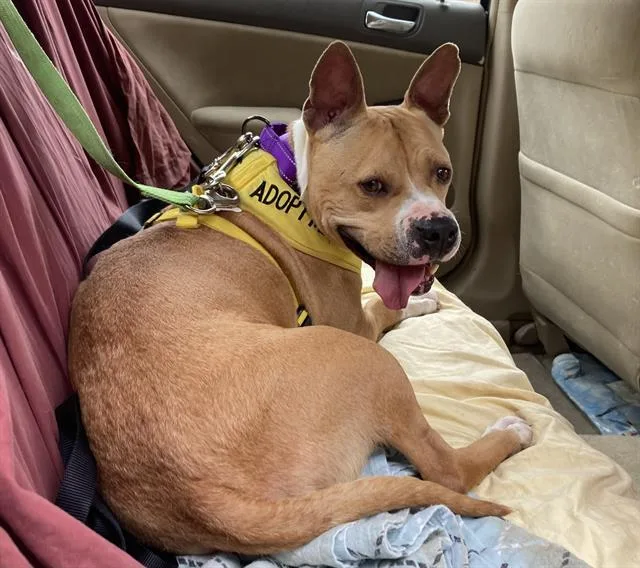
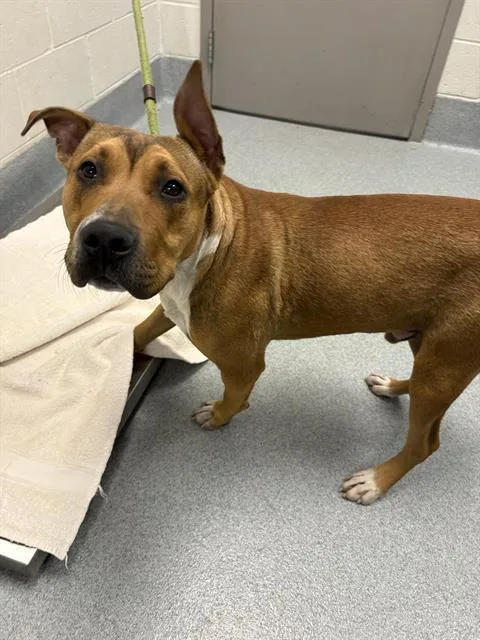
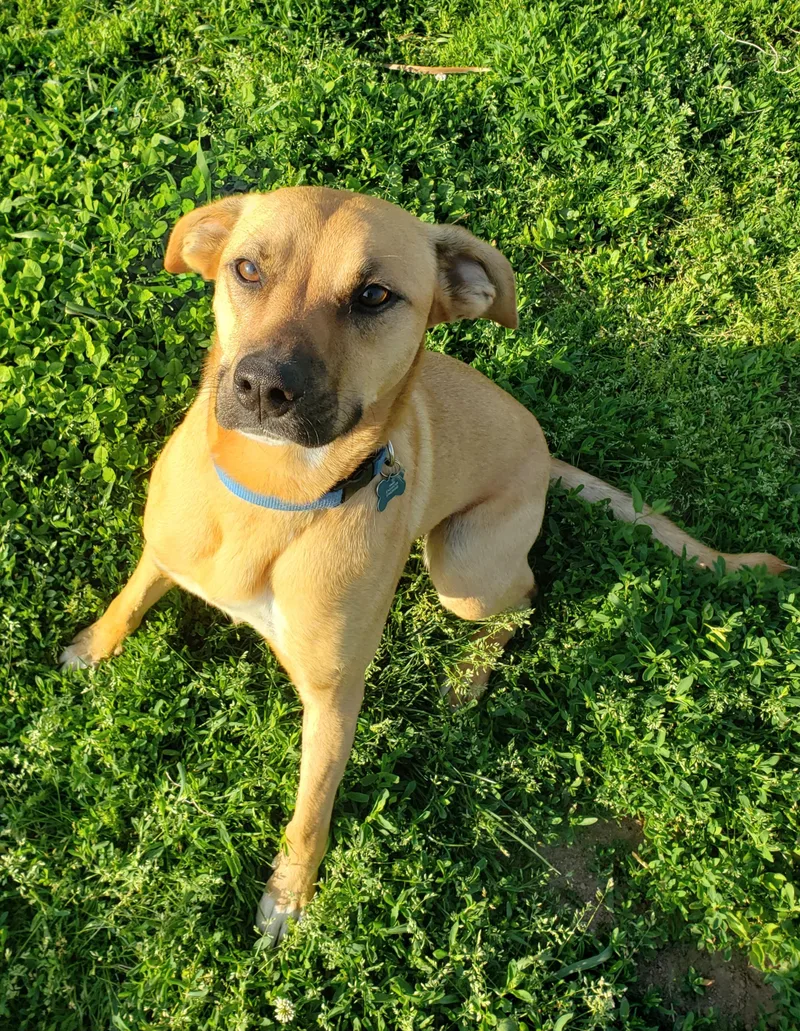
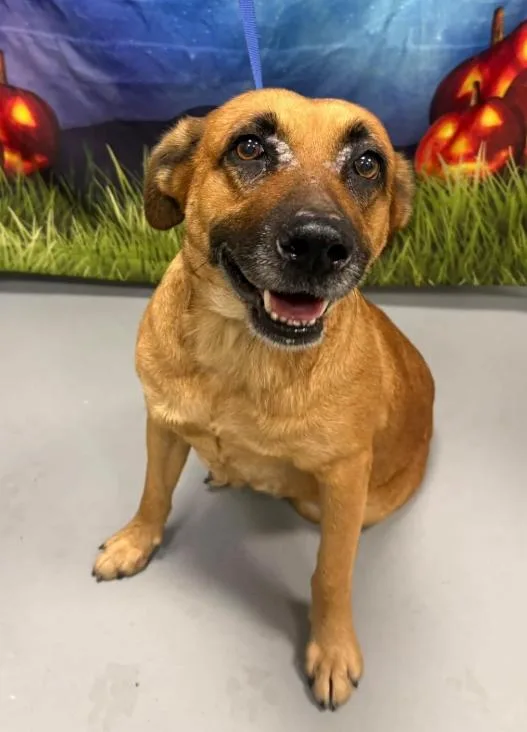
A Rhodesian Ridgeback is a large, muscular, athletic hound with a short, sleek coat in light to red wheaten. Its signature feature is the ridge, a strip of hair along the back growing in the opposite direction, starting with two matching whorls behind the shoulders. Many have dark or amber eyes, a black or liver nose and hanging ears.

We have 1 rescue with Rhodesian Ridgebacks available: City Dogs & City Kitties Rescue. You can see every rescue with Rhodesian Ridgebacks available in the list above these questions, or scroll to the top to see the Rhodesian Ridgebacks near Washington.

Expect roughly $2,200 to $4,700 a year for a Ridgeback in Washington, covering food ($55 to $110 a month), pet insurance ($65 to $130 a month), routine vet care ($250 to $500 a year) and other costs ($490 to $1,290 a year). Treatment for bloat or joint problems can add to that.

Find Rhodesian Ridgebacks in Nearby Cities

Expand your search to find Rhodesian Ridgebacks available for adoption near Washington.